Best Time to Visit Braga: 8 Seasonal Planning Insights
Discover the best time to visit Braga, Portugal. Our guide covers seasonal weather, Holy Week festivals, and local tips to avoid crowds at Bom Jesus do Monte.
On this page
Best Time to Visit Braga: 8 Seasonal Planning Insights
The best time to visit Braga is the mid-May to mid-June window, when temperatures sit between 18–22°C, the Santa Barbara Garden is in full bloom, and Holy Week crowds have already dispersed. Spring hits the sweet spot between Braga's wet winters and its surprisingly busy summer festival season. Outside that window, every month still has a strong case — you just need to know what you're trading away.
Braga sits in the Minho region of northern Portugal, about 55 km north of Porto. That inland valley position means it receives significantly more rainfall than Porto — over 1,500 mm per year, roughly double Lisbon's total. The city's nickname, "o penico de Portugal" (the chamber pot of Portugal), is blunt but accurate. Understanding that rainfall pattern is the single most important factor in choosing your month. You can explore the many Braga attractions in any season, but only if you plan around the rain.
This guide covers month-by-month weather data, every major festival, the Holy Week booking crunch, and the Bom Jesus do Monte timing secret that most visitors get wrong.
Braga Weather and Climate Overview
Braga has a humid oceanic climate shaped by its position in the Minho valley. The surrounding hills trap Atlantic moisture, producing more overcast days and heavier rainfall than coastal cities at the same latitude. November through March is the core wet season, with December and January typically the rainiest months — each averaging around 200 mm. Even in summer, the morning mist that rolls across the hillsides above Bom Jesus is a near-daily occurrence before 09:00. The Visit Portugal official site provides extensive seasonal data for regional planning.
Temperatures are moderate year-round. July and August see average highs of 26–29°C, rarely reaching the 35°C+ extremes of the Alentejo. Winters are mild but persistently damp, with average lows around 5–7°C and only a handful of frost days per year. Snow is exceptionally rare in the city center. The table below summarizes what to expect each season.
| Season | Avg. High | Avg. Low | Rainfall | Crowds | Prices |
|---|---|---|---|---|---|
| Spring (Mar–May) | 16–20°C / 61–68°F | 8–12°C / 46–54°F | Moderate | Moderate–High (Holy Week peak) | Medium |
| Summer (Jun–Aug) | 24–29°C / 75–84°F | 14–17°C / 57–63°F | Low | High | High |
| Autumn (Sep–Nov) | 18–24°C / 64–75°F | 10–14°C / 50–57°F | Low–Moderate | Low–Moderate | Medium |
| Winter (Dec–Feb) | 10–14°C / 50–57°F | 4–7°C / 39–45°F | High | Low | Low |
Humidity is a constant factor in the Minho region. Even on dry summer days, the morning fog at hilltop sanctuaries can linger past 09:30. Pack a light waterproof layer regardless of which month you visit — a compact packable jacket adds almost no weight and saves the day more than once. Check the getting to Braga guide for transport options that handle rainy-day travel between Porto and Braga.
Braga receives over 1,500 mm of rain annually—roughly double Lisbon's total. December and January each average around 200 mm, making a waterproof jacket non-negotiable for winter visits. The morning mist at Bom Jesus do Monte can linger past 09:30 even on dry days.
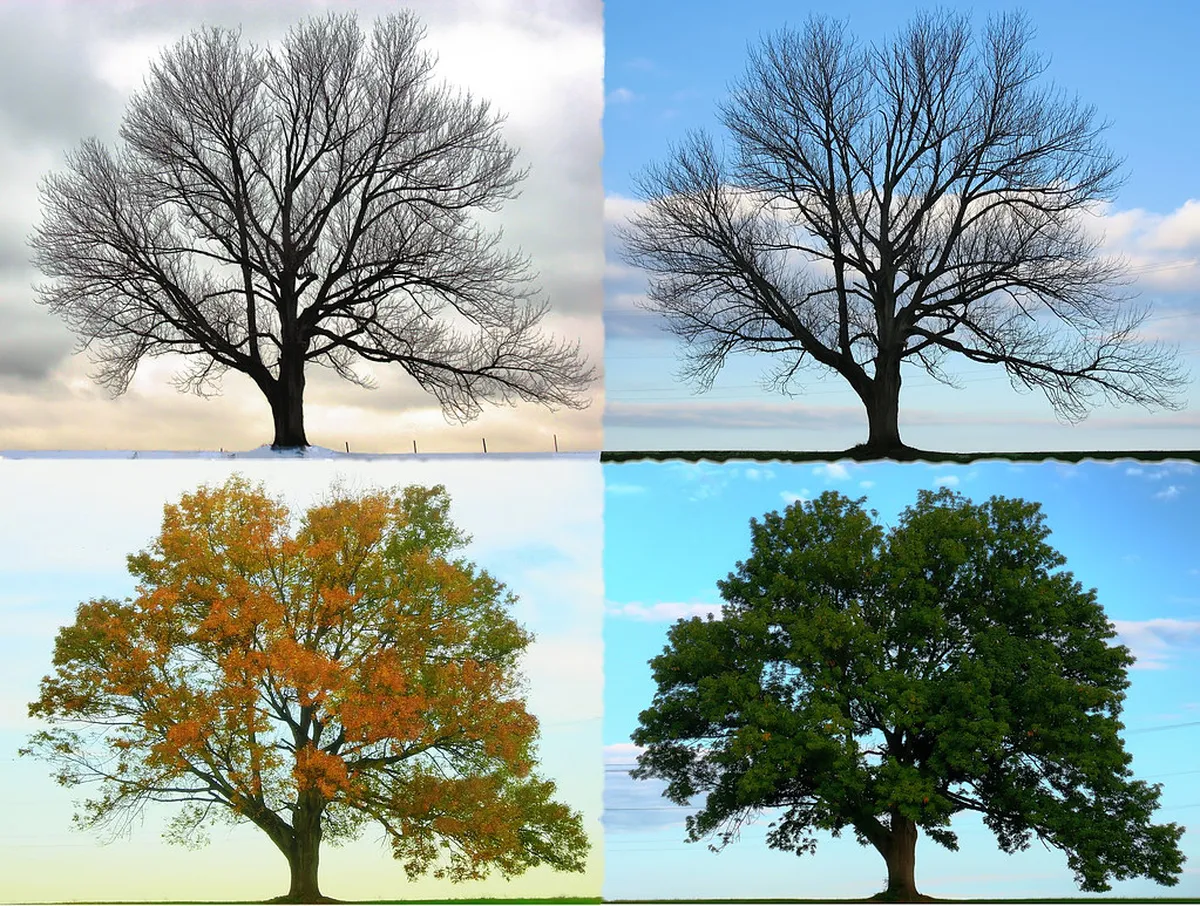
Spring: Best for Gardens and Mild Weather (March–May)
Spring is the most photogenic season for Braga's outdoor spaces. The Santa Barbara Garden, which sits behind the Archbishop's Palace in the historic center, reaches its peak color in late April and May — the formal box hedges, rose beds, and fountain create a scene that's easily worth an hour of your time. Temperatures stay comfortable for climbing the 577 steps of the Baroque staircase at Bom Jesus do Monte without overheating, which is the main reason experienced visitors rate spring so highly.
The biggest spring complication is Holy Week (Semana Santa), which falls between late March and mid-April depending on the lunar calendar. Braga hosts Portugal's most elaborate Easter processions — the Ecce Homo and the Enterro do Senhor draw enormous crowds and get international media coverage. The city fills completely. Hotels book out months ahead, and rates at the Vila Gale Collection Braga (a former 16th-century hospital turned luxury property) can double or triple versus a standard weekend. Book the Vila Gale or INNSiDe by Meliá at least three months in advance if your dates overlap with Holy Week. If you miss that window, smaller guesthouses like the Souto Guesthouse near the historic center often hold rooms longer.
Rain is still likely in March and early April, with short heavy showers alternating with clear sunshine. Late May is reliably drier and is the sweet spot for combining good weather with the Braga Romana festival (last weekend of May), a free street event that transforms the historic center into a Roman-era fair with roasted meats, mead, and costumed reenactments. It is one of the most enjoyable free events in northern Portugal and almost entirely missed by visitors who arrive in June.
Holy Week (Semana Santa) draws enormous crowds and hotel rates at premium properties like Vila Gale Collection Braga can double or triple. Book accommodation at least three months ahead if your dates overlap with Easter; smaller guesthouses near the historic center often hold rooms longer than mainstream hotels.
Summer: Best for Festivals and Long Days (June–August)
Summer brings Braga's best weather and its most energetic street atmosphere. Daylight extends to nearly 21:30 in late June, giving you long sightseeing windows before the midday heat sets in. The city's large student population stays through July before dispersing on vacation, so June has an especially lively cafe and bar culture around the historic center.
The São João festival in late June is the city's biggest annual street party. Expect grilled sardines, live music, and dancing in the streets around the cathedral until late into the night. It is the liveliest single week in Braga's calendar and worth planning around if you enjoy street festivals. The atmosphere is more authentically local than Porto's equivalent event, which has become heavily tourist-oriented. Fitting a day trip from Porto into your summer itinerary is straightforward — trains run every 30 minutes and the journey takes about 70 minutes.
August is the peak Portuguese holiday month. Some small family-owned shops and restaurants close for two to four weeks as owners take their own vacations. The main sites remain open, but you may find reduced hours at some smaller chapels in the surrounding hills. Afternoon temperatures on the stone staircases at Bom Jesus can feel intense — carry water and plan hilltop visits before 11:00 or after 17:00. Nearby river beaches at Esposende and Apúlia, about 30 km west, are a popular local escape from the city heat.
Autumn: Best for Fewer Crowds (September–November)
September and October are the quietest months for crowds while still offering reliable weather. Temperatures remain warm enough for light clothing through October, the queues at the cathedral and museum are short, and the afternoon light on the Baroque stonework is particularly good for photography. If you travel slowly and prefer an unhurried pace, this is Braga's best-kept seasonal secret.
The Minho vineyards begin their harvest in mid-September. The surrounding countryside turns golden, and local markets fill with seasonal produce — chestnuts, quince, and new Vinho Verde from the region's estates. The wine itself is worth seeking out: light, slightly sparkling, and consumed young, Vinho Verde from the Minho region is quite different from the heavy reds associated with southern Portugal. A short drive into the countryside around Braga puts you in the middle of vineyard country.
November signals the return of serious rainfall. Crowds disappear almost entirely, leaving the historic sites quiet and contemplative. Indoor activities — the Biscaínhos Museum, the Theatro Circo, the Gnration cultural center — become the natural focus. You can find genuine deals on accommodation in November, and it is an ideal month if you are combining Braga with a wider northern Portugal itinerary that includes the historic center neighborhoods.
Winter: Best for Budget and Atmosphere (December–February)
Winter is the cheapest and quietest time to visit, and it suits a particular kind of traveler well — one who enjoys cathedral interiors, cozy taverns serving caldo verde and rojões à minhota, and having historic sites to themselves. Hotel rates reach their annual lows, and the city takes on a genuinely local character as tourism drops to a minimum. The Braga Cathedral (Sé de Braga), which dates to the 11th century and holds the oldest functioning organ in the world, is far more atmospheric when you share it with only a handful of other visitors.
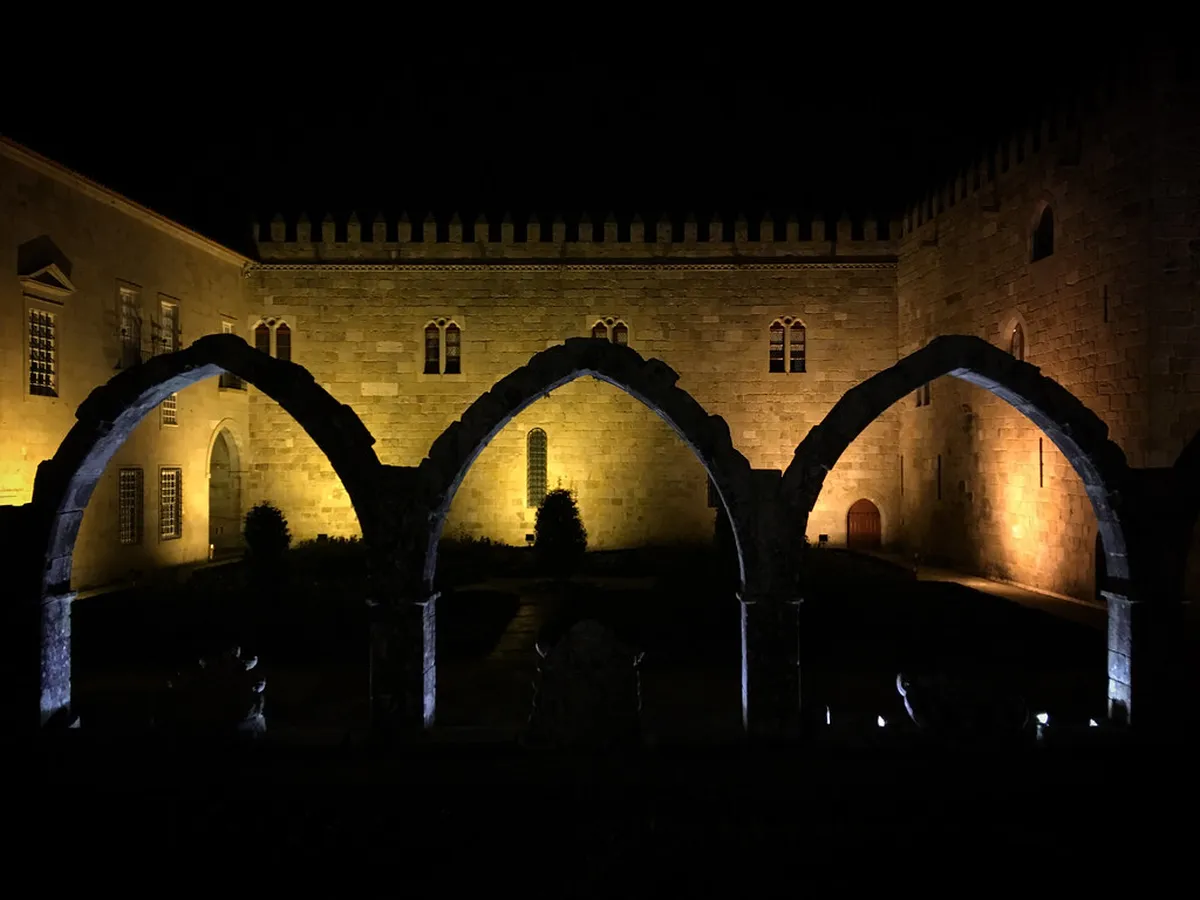
Christmas in Braga is warmly celebrated. The city installs elaborate nativity scenes (presépios) in churches and public squares, and the historic center is lit with string lights through January. The showers in December and January come in heavy bursts rather than steady drizzle — you get genuinely wet, then it clears, then it rains again. A compact umbrella is more useful than a full rain jacket most days.
The main practical issue in winter is the Bom Jesus funicular, which occasionally closes for maintenance in January or February. Before traveling, check current operating status — the climb is manageable on foot (577 steps) and the staircase has covered sections, but the funicular closure does affect families and anyone with mobility limitations. Smaller chapels on the surrounding hills may also run on reduced winter hours. The train service from Porto via Comboios de Portugal runs on normal frequency year-round and costs €3.50 each way.
Top Seasonal Events and Festivals in Braga
Braga's festival calendar is anchored by religious and cultural events that draw visitors from across Portugal and beyond. Holy Week (Semana Santa) in March or April is the city's most famous event. The processions — particularly the Ecce Homo on Good Friday, when penitents carry an effigy of Christ through the lamplit streets — are among the most visually striking religious ceremonies in the Iberian Peninsula. Braga takes Holy Week more seriously than almost any other Portuguese city, and the atmosphere is genuinely solemn and impressive. Plan hotel bookings at least three months ahead; this is non-negotiable.
Braga Romana in late May is the most underrated event in the city's calendar. The Roman history of Bracara Augusta comes to life across the pedestrian historic center with gladiatorial shows, Roman-era market stalls, live music, and a toga parade through the Arco da Porta Nova. It runs across a long weekend and admission to the street events is free. It consistently sells out guided tour slots, so book those in advance if interested.
The São João festival in the last week of June fills the city center with music, sardines, and dancing. The Braga Barroco festival in September celebrates the city's extraordinary concentration of Baroque architecture through open rehearsals, concerts in church naves, and illuminated evening walks. For 2026 dates on any of these events, the Câmara Municipal de Braga publishes the official cultural calendar. Consult the Braga festivals guide for specific times and locations for each event.
Braga vs Porto Weather: What Day-Trippers Get Wrong
Many visitors arrive from Porto assuming the weather will be similar. It often is not. Braga sits about 55 km inland in the Minho valley, and that position creates a distinct microclimate. The city receives roughly 1,500 mm of rain per year versus Porto's 1,150 mm — not a dramatic difference in absolute terms, but in practice it means Braga gets more overcast mornings and heavier individual rain events, especially in spring. A clear forecast in Porto can still produce low cloud at Bom Jesus do Monte, which sits at 400 m elevation. Portugal's meteorological institute provides detailed regional climate data for mountain microclimates.
The practical implication for day-trippers is timing. If you are coming from Porto for a single day, check the mountain weather specifically for Bom Jesus, not just the city center. The hillside sanctuary is in cloud a meaningful portion of mornings between October and April. Arrive by train (journey: 70 minutes, €3.50 each way), head directly to Bom Jesus first, and return to the historic center afterward — you get the sanctuary at its clearest before midday mist thickens. Reversing this order, which most visitors do intuitively (historic center first, Bom Jesus in the afternoon), risks losing the views to haze or cloud.
The upside of Braga's wetter profile is that the surrounding landscape is extraordinarily green year-round. The Minho hills and vineyards look lush even in the driest August compared to the parched summer landscapes of central Portugal. For visitors who find the brown summer tones of the Alentejo or the Tagus valley underwhelming, the green north is the compensating draw.
Is Braga Worth Visiting in the Off-Season?
Many travelers wonder Is Braga Worth Visiting? 10 Things to Know Before You Go during the colder winter months. The answer is yes, with clear eyes about what you are getting. The city does not shut down, but some seasonal services are reduced. You will encounter far more locals than tourists, which changes the feel of the city significantly — the cafes feel like neighborhood institutions rather than tourist stops, and the pace is more relaxed.
What actually closes in low season: some outdoor cafe terraces are removed; the Bom Jesus funicular may close for annual maintenance in January or February; smaller chapels on the surrounding hills often operate on reduced hours; river beach facilities at Esposende and seasonal tour operators stop running from November through March. Museums, the cathedral, and major religious sites remain open year-round. The Theatro Circo and Gnration cultural center have active programming through winter.
The best case for an off-season visit comes down to authenticity and price. Winter in Braga is cheap — accommodation at the center is 30–40% less than peak spring or summer rates — and the city shows you its everyday character rather than its festival face. For travelers combining Braga with Porto on a longer northern Portugal itinerary, dedicating one of the quieter shoulder months to Braga and saving the warmer months for coastal activity is a sensible structure.
Practical Tips for Planning Your Visit
Arrive at Bom Jesus do Monte by 08:00, regardless of the season. The Baroque staircase is at its best in the early morning light, and the tour buses do not start arriving until around 09:30–10:00. By 08:00 you can have the full staircase largely to yourself, photograph the 577 steps in near-silence, and reach the sanctuary terrace before the first groups crowd the belvedere. This single timing adjustment makes a disproportionate difference to the quality of the visit.
Braga is very walkable from the center — the historic quarter is compact and mostly flat. If you are staying centrally, most of the main sights are within 15 minutes on foot. The one exception is Bom Jesus, which is 5 km from the center: take the local bus (line 2, departing from Avenida da Liberdade) or a taxi for around €8–10. Train travel from Porto to Braga is straightforward and does not require advance booking — tickets cost €3.50 and trains depart roughly every 30 minutes during the day.
Check the Portuguese public holiday calendar before finalizing dates. Portugal has 13 national holidays, and several fall in the spring (Good Friday, Easter Monday, April 25, May 1) when Braga is already busy. On these days, smaller shops and family restaurants often close or run reduced hours, but all major attractions remain open. Plan museum visits for Tuesday to Friday mornings to avoid weekend queues. The Biscaínhos Museum is consistently uncrowded and underrated — the 18th-century gardens behind the house are among the prettiest in the city.
For packing: a compact waterproof jacket is essential year-round given the Minho microclimate. Bring sturdy walking shoes with some grip — the cobblestones on the steep lanes above the cathedral get slippery when wet. Layers are useful from September through May, when mornings can be 10°C cooler than afternoon peaks. In summer, the main addition is sun protection for the exposed stone staircases at Bom Jesus.
Frequently Asked Questions
What is the rainiest month in Braga?
December is typically the rainiest month in Braga. It receives heavy rainfall based on regional climate data. You should bring a high-quality umbrella if visiting then.
Is Braga worth visiting in winter?
Yes, Braga is worth visiting in winter for budget travelers. You will find lower hotel prices and fewer tourists. The festive Christmas atmosphere is also very charming.
When is the Holy Week festival in Braga?
Holy Week takes place every year during the week leading up to Easter. The exact dates change annually following the lunar calendar. It is Braga's most famous event.
Braga is a year-round destination that offers something distinct in every season. The mid-May to mid-June window remains the most reliable choice for good weather, manageable crowds, and festival overlap. But Holy Week in spring, São João in June, and the quiet authenticity of a winter visit each make their own compelling case. Plan your trip around what matters most to you — the weather data and festival calendar above give you everything you need to decide.
Pack for the rain, wear comfortable shoes for the cobblestones, and arrive at Bom Jesus by 08:00. Whether you come for the processions or the garden light in October, the ancient City of Archbishops makes a strong impression.
 Best Time to Visit Évora Travel GuideJune 8, 2026