
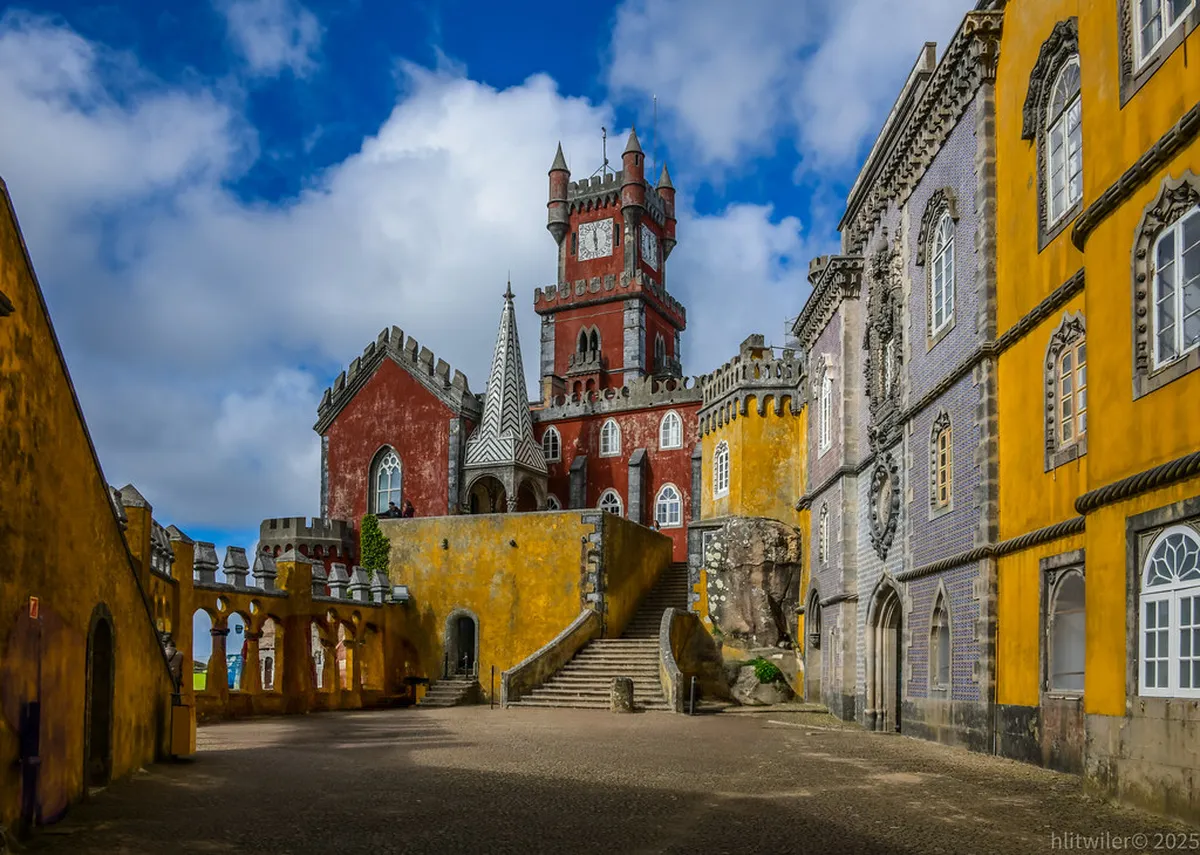
15 Best Azores Tourist Attractions: 2026 Travel Guide
Explore the 15 best Azores tourist attractions, from volcanic caves to tea plantations. Get expert tips on São Miguel, Pico, and Terceira for your 2026 trip.
On this page
15 Best Azores Tourist Attractions
After exploring the mist-covered peaks of the Atlantic for several years, I still find the Azores to be Europe's most captivating archipelago. This nine-island cluster offers a raw, volcanic beauty that feels more like a prehistoric landscape than a typical Portuguese province. From the steaming fumaroles of São Miguel to the towering peak of Pico, the diversity of these islands rewards visitors who plan carefully.
Navigating multiple islands can be complex, but focusing on the primary sights ensures a rewarding first or second visit. This guide covers the 15 best Azores tourist attractions across four islands, each with specific hours, costs, and practical tips to help you build a realistic itinerary. Always check the SpotAzores app before driving to any high-altitude viewpoint — weather shifts within minutes and many miradouros are fogged in by early afternoon.
Planning a trip requires understanding how to get to the Azores and which islands suit your interests. Whether you seek the serenity of a tea plantation or the thrill of a volcanic chimney, these islands deliver experiences you will not find anywhere else in Europe. The official Visit Azores tourism board offers comprehensive travel guides for planning your visit. Read on to discover the specific landmarks that make this archipelago a world-class destination.
Key Takeaways
- Best overall: Miradouro da Boca do Inferno for its iconic caldera views over Sete Cidades.
- Best for families: Gorreana Tea Factory — free entry, flat walking paths, and a free tea tasting at the end.
- Best rainy-day pick: Thermal pools at Furnas are most atmospheric during light drizzle.
- Best free experience: Walking the UNESCO vineyard trail at Criação Velha on Pico costs nothing.
- Book Algar do Carvão at least a week in advance — it opens only three days per week and sells out fast.
Ermida de Nossa Senhora da Paz
This hillside chapel in Vila Franca do Campo on São Miguel is one of the most photographed religious sites in the Azores. Ten distinct flights of white-tiled stairs, each decorated with blue-and-white azulejo panels depicting scenes from the life of Mary, zigzag up the hillside to the chapel door. The reward at the top is a sweeping view of the circular islet offshore and the red-roofed town below.
Entry is free and the site is open throughout daylight hours. The climb requires moderate physical effort over roughly 20 minutes, and the path is paved all the way up. Visit before 10:00 to avoid the tour buses that arrive from Ponta Delgada mid-morning.
Gorreana Tea Factory
Europe's oldest continuously operating tea plantation sits on the north coast of São Miguel and has been producing black and green tea since 1883. The factory is open daily from 08:00 to 19:00 and the self-guided tour through the production floor is free. You can walk through the adjacent fields along well-maintained paths and watch workers tend the manicured rows by hand.

The tasting room at the end pours free cups of black or green tea. Buy a tin here because Gorreana tea is rarely exported and you will not find it cheaper anywhere else on the island. Families with young children will appreciate the flat terrain and the open, unhurried atmosphere.
Entry to the Gorreana Tea Factory and its plantation walk is completely free, and the tasting room pours complimentary cups of black or green tea. Tins of Gorreana tea sold on-site are cheaper than anywhere else on the island.
Miradouro da Boca do Inferno
No list of Azores tourist attractions would be complete without this viewpoint, widely regarded as the most dramatic panorama in the archipelago. The site overlooks the twin lakes of Sete Cidades caldera — one green, one blue — from a narrow dirt path with a wooden railing that appears in thousands of travel photos. The walk from the Lagoa do Canário parking area takes about 15 minutes each way through fragrant pine forest.
Access is free, but the parking gate closes at sunset. Arrive before 09:00 to walk the path in near-total silence before the tour buses arrive. Check the SpotAzores live camera for this viewpoint the night before — the caldera sits in its own microclimate and can be entirely socked in while Ponta Delgada is sunny.
Miradouro da Ponta da Madrugada
Located on the eastern tip of São Miguel, this landscaped park is widely considered the best sunrise spot on the island. Stone picnic tables, manicured gardens, and barbecue pits make it popular with locals on weekend mornings. Entry is free and the park is accessible 24 hours a day via the main coastal road.
Arrive 20 minutes before official sunrise to secure a spot on the main terrace, which faces directly east over the Atlantic. Bring a thermos of coffee — there are no refreshment stands this early. Weekdays are significantly quieter than weekends, when local families often claim the barbecue areas from dawn.
Miradouro do Pico do Carvão
This high-altitude stop on central São Miguel delivers one of the few 360-degree panoramas on the island, with the northern and southern coastlines both visible on a clear day. The site is free to access and sits directly along the EN1-1A road leading toward the Sete Cidades region. Expect wind and temperatures 5–8 degrees cooler than in Ponta Delgada even on sunny days.
The SpotAzores camera for this viewpoint is one of the most useful on the island — the ridge catches cloud cover from both the north and south, so checking it before you drive up is essential. If it is cloudy at Pico do Carvão, it is usually clearer down at the coastal miradouros. Combine it with a stop at Lagoa do Fogo on the same drive for an efficient morning.
Miradouro da Lagoa do Fogo
The "Lake of Fire" sits inside a protected nature reserve in the center of São Miguel, with dramatic cliffs dropping to turquoise water below. This is the most weather-dependent attraction on the island — the lake sits at over 560 meters and the clouds descend predictably each afternoon, often by 13:00. The optimal window to visit is between 09:00 and 11:30, before the valley thermals pull the cloud layer down.
Parking is free but managed with 20-minute intervals during peak season to prevent congestion. A steep trail leads down to the water's edge and takes about 45 minutes round-trip on loose volcanic gravel — bring proper footwear. If you arrive to fog, the nearby Lagoa do Fogo hike (a four-hour loop starting at Praia) passes through the lake and gives you a second chance to see it clear as you descend.
Poça da Dona Beija Thermal Baths
This modern thermal complex in Furnas features five iron-rich pools at varying temperatures, ranging from 36°C in the coolest to 40°C in the hottest. Entrance costs approximately €10 per adult and the facility is open from 10:00 to 23:00 daily, making it one of the few attractions in the Azores that works as an evening activity. The night-time experience is particularly atmospheric — steam rises under soft orange lighting and the surrounding garden goes quiet as day-trippers leave.
Bring a dark-colored swimsuit. The mineral-heavy water permanently stains lighter fabrics and the effect begins within minutes of entering the pools. Compared to Terra Nostra (€16, more crowded, historic botanical park) and Caldeira Velha (requires advance booking, forest setting, waterfall pool), Poça da Dona Beija offers the best balance of accessibility, late hours, and moderate pricing. Ponta da Ferraria is a free alternative — a tidal thermal pool in the ocean — but requires precise timing with low tide charts to feel any warmth.
Capela de Nossa Senhora das Vitórias
This neo-Gothic chapel stands directly on the shore of Furnas Lake and is one of the most architecturally unusual buildings in the Azores. Most religious architecture on the islands follows baroque conventions; this chapel's pointed arches and stained-glass windows feel deliberately out of place against the misty, volcanic backdrop. The surrounding gardens belong to a private estate but are accessible for a €3 entrance fee.
Operating hours run roughly 10:00 to 18:00 during the peak tourist season. The interior is small but the stained glass catches the afternoon light beautifully when the sun angles across the lake. Combine the visit with a walk around the lake perimeter, which takes about an hour and passes the Caldeiras das Furnas geothermal area.
UNESCO World Heritage Vineyards of Pico
Pico Island's vineyard landscape is unlike anything else in the wine world. Early settlers built thousands of low stone walls called currais to protect individual vine plots from Atlantic salt spray and wind, creating a grid pattern across the black lava fields that stretches to the ocean's edge. UNESCO inscribed this landscape in 2004, recognizing the extraordinary human effort required to cultivate wine from volcanic rock.
Walking the Criação Velha trail is free and offers the best ground-level perspective on the currais. The red windmill at the trail's midpoint is the most photographed landmark, with Mount Pico rising behind the vines on clear mornings. The local Verdelho grape produces a dry, mineral-driven white wine — stop at one of the small cooperative cellars along the EN3 road for a tasting that costs about €5 and pairs the wines with local cheese. This is one attraction that requires a ferry or flight from São Miguel: SATA connects the islands by air in around 30 minutes, or you can fly to Faial and take the 25-minute ferry to Pico.
Capelinhos Volcano and Interpretation Center
The 1957 eruption at the western tip of Faial Island created a new peninsula of ash and lava that pushed the coastline 2 kilometers into the Atlantic. The resulting landscape — ash fields, a buried lighthouse, and skeletal lava formations — looks genuinely lunar and stands in stark contrast to Faial's otherwise green hills. Walking the ash fields is free, but you must stay on the marked paths as the ground remains unstable in places.

The underground Capelinhos Interpretation Center costs approximately €10 and documents the eruption through photographs, newspaper archives, and geological exhibits. It is open daily from 10:00 to 17:30. The old lighthouse adjacent to the ash fields offers a good vantage point, though access to the upper levels has been restricted for maintenance in recent seasons — confirm current access via the Faial tourism office before planning your visit around it.
Algar do Carvão Volcanic Chimney
Algar do Carvão on Terceira Island is one of the few places on Earth where you can walk inside an intact volcanic chimney — the tube left behind after magma drained from a lava column. The descent covers 338 steps down into the vent, ending at a subterranean lake and a ceiling hung with rare silica stalactites. The air is cool and damp year-round, hovering around 12°C regardless of the temperature outside.
Entry costs €10–€15 and this is where many visitors hit an unexpected snag. Algar do Carvão opens only three days per week — Tuesday, Thursday, and Saturday — from 14:30 to 17:00, and the limited session slots sell out several days in advance during peak season. Book online through the official Terceira tourism website as soon as you confirm your Terceira dates; walking up on the day rarely works in July or August. Wear non-slip shoes: the steps down are slick with condensation and the footing is uneven on volcanic rock.
Algar do Carvão only opens Tuesday, Thursday, and Saturday from 14:30 to 17:00 — slots sell out days in advance in peak season. Book through the official Terceira tourism website as soon as you confirm your travel dates; walk-up entry rarely works in July or August.
Angra do Heroísmo Historic Center
Angra do Heroísmo on Terceira Island is a UNESCO World Heritage city and one of the most historically significant ports in the Atlantic. For centuries it served as the mandatory stop for ships traveling between Europe and the Americas, accumulating wealth that funded its ornate 16th-century churches, formal gardens, and pastel-painted townhouses. The harbor and historic center are free to explore on foot.
Most museums in the center are open from 09:30 to 17:30 with small admission fees. The Sé Cathedral is the centerpiece — visit early to see the ornate silver altarpiece before crowds build. The city is also known for its pastéis de nata variations and the locally produced Verdelho wine from nearby Pico, available in every café along the Rua Direita. Allow at least half a day to cover the main sights without rushing.
Café Nunes Coffee Plantation
São Jorge Island hosts one of the only coffee plantations in Europe, a distinction that surprises most visitors who associate Azorean agriculture with tea and wine. The Café Nunes plantation uses the island's steep south-facing slopes and year-round humidity to grow a low-acid, smooth-bodied arabica bean. A short tour and tasting costs a few euros and runs from 09:00 to 18:00 daily.
The coffee is rarely exported beyond São Jorge, so buying a bag here is a genuinely local souvenir. The plantation is small enough to cover in an hour, making it a natural pairing with a visit to the Fajã dos Cubres coastal lagoon on the same day. São Jorge is accessible from São Miguel by inter-island ferry during summer or by a short SATA flight year-round.
Furnas do Enxofre Fumarole Field
On Terceira Island, the Furnas do Enxofre geothermal area offers a raw look at the island's volcanic interior without the tourist infrastructure of the more famous Furnas Valley on São Miguel. Wooden boardwalks thread through an open field of steaming sulfur vents, and the site is free to enter around the clock. The steam is most visible and dramatic in the cool early morning hours before the air temperature rises.
Expect a strong sulfur smell — the characteristic "rotten eggs" scent of hydrogen sulfide gas escaping from the vents. This is entirely normal and not harmful for a short visit. The site lacks any visitor facilities, so bring water and sun protection. If you are already on Terceira for Algar do Carvão, combining both sites in a single day makes logistical sense as they are on the same central plateau.
Furnas Valley Geothermal Holes
The Caldeiras das Furnas park in São Miguel's Furnas Valley is where the island's geothermal energy meets one of its most beloved culinary traditions. Every morning, locals lower sealed iron pots into numbered holes in the ground — each reaching temperatures of 95–100°C below the surface — to slow-cook Cozido das Furnas, a stew of beef, pork, blood sausage, and vegetables. Entry to the park costs €3 and it is open from 10:00 to 18:00.
Watch for the pots going in around 08:30 and coming out just before noon, though the park's own gate timings mean you typically catch the mid-morning activity if you arrive at opening. The stew is served at several restaurants in the village; avoid the large tour-group venues near the car park and seek out a smaller local tasca for a more carefully prepared version. The bubbling mud pools along the boardwalk are fascinating but the steam is intensely hot — stay behind the wooden barriers. Pair this visit with the thermal pools at Poça da Dona Beija, which is a 10-minute drive away, and the hot springs guide can help you sequence both stops efficiently.
How to Get Around the Azores
A rental car is essential for reaching most attractions on any island. Buses exist in Ponta Delgada and Angra do Heroísmo but rarely service remote trailheads or coastal viewpoints. Local agencies like Ilha Verde offer competitive rates, but book several months in advance for the June–September peak. Manual transmissions are the standard, so specify automatic early if you need one — the automatic inventory is limited and more expensive.
For inter-island travel, SATA Azores Airlines connects all nine islands by air and is the fastest option year-round. The flight between São Miguel and Faial takes roughly 30 minutes. A more scenic and cheaper option for the Faial–Pico crossing is the ferry, which takes just 25 minutes and runs several times daily in summer. The Azores Government Portal provides official transportation schedules and updates. Pico's vineyards, Faial's Capelinhos, and São Jorge's coffee plantation can be combined across two or three nights if you coordinate ferries and flights efficiently.
Before you plan your route, confirm the best time to visit the Azores based on your tolerance for rain and crowds. May and September offer manageable crowds and stable conditions for driving mountain roads. The SpotAzores app is your most reliable tool for live viewpoint cameras — use it every morning to plan the day's route around the fog.
If you are planning to visit multiple islands and need a structured framework, an 7-day Azores itinerary gives you a proven sequence that minimizes backtracking and maximizes time at the best sites. First-time visitors often underestimate travel time between viewpoints — always build a 30-minute buffer for narrow roads and unexpected fog stops.
Frequently Asked Questions
What is the best time of year to visit the Azores?
The best time to visit is between June and September for stable weather and warm temperatures. During these months, the hydrangeas are in full bloom across the islands. However, shoulder months like May and October offer fewer crowds and lower prices.
Do you need a car to see the attractions in the Azores?
Yes, a rental car is essential for reaching remote trailheads and coastal viewpoints. Public transport is limited and does not service most natural landmarks. Booking a vehicle several months in advance is highly recommended for the summer season.
Which island has the best tourist attractions?
São Miguel is the best island for a first-time visit because it offers the widest variety of attractions. You will find thermal pools, tea plantations, and the famous Sete Cidades crater all in one place. Other islands like Pico and Terceira are better for specific interests like hiking or history.
The Azores offer a rare opportunity to see nature in its most untamed and beautiful form. By covering these 15 essential attractions across São Miguel, Terceira, Faial, Pico, and São Jorge, you can experience the full range of the archipelago's volcanic landscapes and cultural heritage. Stay flexible with your plans and always check a live webcam before committing to a high-altitude drive.
Whether you are soaking in a thermal pool at midnight or descending into a volcanic chimney on Terceira, these islands leave a lasting impression. Start your planning by reading a Pico Island guide or exploring the streets of Ponta Delgada. The Azores reward the traveler who plans ahead — book Algar do Carvão and Caldeira Velha before you even book your flights.
Explore More Azores Guides
Deep-dive guides for every part of an Azores trip — from where to stay and what to eat, to islands, viewpoints, and hidden corners across the archipelago.
Plan Your Trip
- 10 Essential Tips for the Best Time to Visit the Azores
- 7-Day Azores Itinerary
- How To Get To Azores Travel Guide
- Where To Stay In Azores: 11 Best Areas & Planning Tips
- Azores On A Budget: 8 Essential Cost-Saving Tips
- Island Hopping Azores Guide: Routes, Ferries & Flights
Activities & Experiences
- 8 Essential Things to Know About Whale Watching in the Azores
- Hiking Trails and Planning Tips for the Azores
- Thermal Pools in the Azores
- Diving in the Azores
- Boat Tours in the Azores for 2026
- Mount Pico Hike Azores: 9 Things to Know Before You Climb
- Waterfalls in the Azores
São Miguel Island
- 10 Best Sao Miguel Azores Things to Do
- Furnas Azores Hot Springs to Visit
- Sete Cidades Azores Travel Guide
- Gorreana Tea Plantation Azores: Complete Visitor's Guide
- Ribeira Grande Azores Guide Travel Guide
- 7 Essential Tips for Visiting Lagoa Do Fogo Sao Miguel
- Nordeste Sao Miguel Guide Travel Guide
- Ponta Delgada Things To Do Travel Guide
- 6 Essential Tips for Visiting Terra Nostra Park Furnas
Terceira Island
- Things to Do in Terceira Azores
- Biscoitos Terceira Azores Travel Guide
- Algar Do Carvao Terceira
- Angra do Heroísmo Guide
Pico Island
- Things to Do on Pico Island, Azores
- Lajes Do Pico Whale Museum: Complete Visitor Guide
- Pico Vineyards UNESCO World Heritage Guide
Faial Island
- 14 Essential Tips and Things to Do in Faial Island Azores
- Horta Marina Faial Azores: The Ultimate Guide for Travelers
- Capelinhos Volcano Faial
Flores Island
 15 Magical Things To Do In Óbidos, Portugal (2026)June 11, 2026
 12 Best Things to Do in Aveiro (2026)June 8, 2026
 10 Best Douro Valley Tourism Attractions (2026)May 17, 2026