10 Best Douro Valley Tourism Attractions (2026)
Discover the 10 best Douro Valley tourism attractions, from historic quintas and river cruises to the scenic N222 road and local schist villages.
On this page
10 Best Douro Valley Tourism Attractions (2026)
After three visits to the Douro Valley over five years, I still find new layers of beauty in these terraced hills. This region is not just a wine destination; it is a living landscape where history and nature collide spectacularly. Whether you are a connoisseur or a casual explorer, the valley offers an immersive escape from the bustle of Porto. I last refreshed this guide in January 2026 to ensure all pricing and transport schedules remain accurate for your trip.
Planning a trip here requires a bit of strategy because the geography is intentionally rugged and vertical. You will find that the best experiences often hide at the end of winding, narrow roads or steep vineyard paths. Our team at Portugal Wander has vetted these spots to help you maximize your time. This guide highlights the essential stops that capture the true spirit of this UNESCO World Heritage region.
Key Takeaways
- Best overall experience: A private Rabelo boat tour departing from Pinhão for vineyard views.
- Best for families: The Douro Historical Steam Train for its vintage charm and musical entertainment.
- Best rainy-day activity: The Côa Museum in Vila Nova de Foz Côa for its indoor archaeological exhibits.
- Best free attraction: The azulejo tile panels at the Pinhão Railway Station.
- Practical tip: Always book winery tastings at least two weeks ahead during the September harvest.
What is the Douro Valley?
The Douro Valley is the oldest demarcated wine region in the world, with boundaries established back in 1756. Centuries of human labor have carved the steep hillsides into the iconic terraces you see today. According to the UNESCO World Heritage - Douro Valley records, this landscape represents an evolving cultural heritage. The soil here is primarily schist, a flaky rock that forces vine roots to grow deep into the earth.
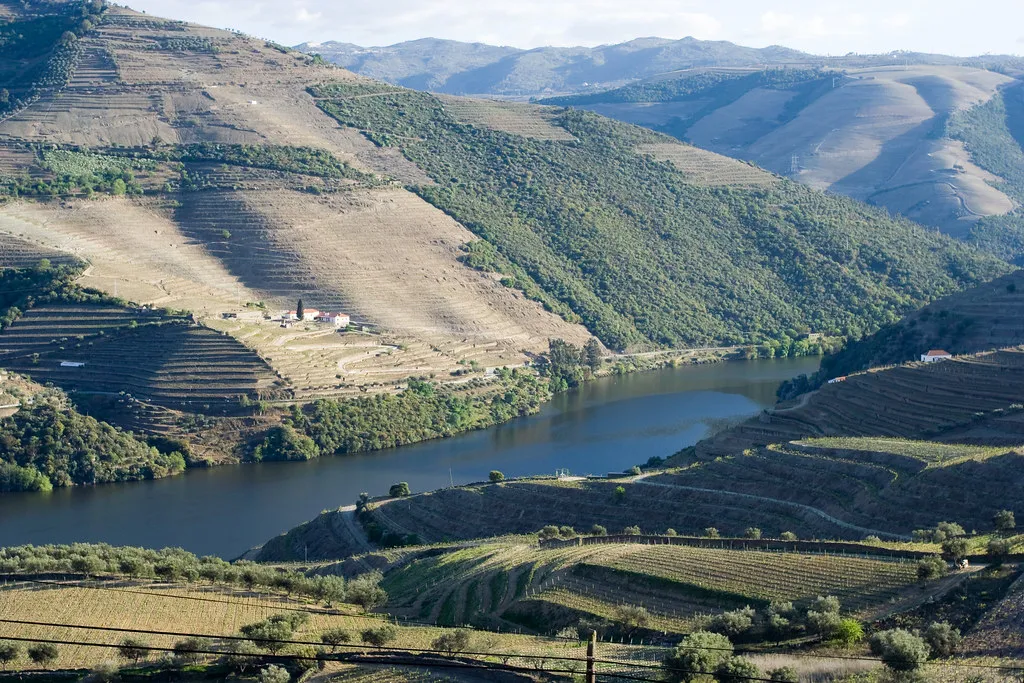
This unique geology creates a microclimate that is significantly hotter and drier than the coastal areas near Porto. Summers can be intense, but this heat is exactly what gives Port wine its concentrated sugars and rich flavors. Beyond the vineyards, you will find ancient olive groves, almond trees, and traditional stone villages perched on ridges. Exploring the various Things to Do in the Douro Valley: A Complete Travel Guide reveals a deep connection to the land.
The river itself serves as the central artery, once used by Rabelo boats to transport wine barrels to Gaia. While dams have calmed the once-treacherous rapids, the valley retains a sense of wild, untamed grandeur. Visitors often feel as though they have stepped back in time when they leave the main transport hubs. Understanding this history makes every glass of wine and every viewpoint much more meaningful during your visit.
Understanding the Three Douro Sub-Regions
Most visitors treat the Douro Valley as a single destination, but the valley is officially divided into three sub-regions — Baixo Corgo, Cima Corgo, and Douro Superior — and where you base yourself determines everything about your trip. Each zone has a distinctly different character, crowd level, and price point. Getting this geography straight before you book prevents the most common mistake: staying in Régua and wondering why the famous viewpoints feel so far away.
The Baixo Corgo runs from just east of Mesão Frio to Régua. It receives the most rainfall and has the highest grape yields. Peso da Régua is the main town here, well-connected by train and bus, and suited to travelers who want easy logistics without hiring a car. The wine estates in this zone tend to be larger and more commercially oriented, with well-staffed visitor centers that accommodate walk-ins.
The Cima Corgo, centered on Pinhão and stretching roughly to the mouth of the Távora River, is where the valley's most celebrated quintas sit. The concentrated heat and lower rainfall here produce the port wines with the deepest color and complexity. Viewpoints like Casal de Loivos and São Leonardo de Galafura are in this zone, as are the tile panels at Pinhão station. If you only have two or three days in the valley, base yourself in Cima Corgo.
The Douro Superior reaches all the way to the Spanish border and rewards those who push east past Pocinho. Visitor numbers drop sharply here, prices fall, and the landscape shifts to a wider, more open plateau. It is the right destination for anyone who wants to combine the Douro with the Foz Côa prehistoric rock art site, which sits inside this sub-region and is one of the most significant Paleolithic discoveries in Europe.
Getting to the Douro Valley from Porto
The Linha do Douro train from Porto's Campanhã station to Pinhão takes approximately two hours and forty minutes, with multiple departures daily from around 06:30 to mid-afternoon. A second-class ticket to Pinhão costs around €12 each way in 2026. The train hugs the riverbank for much of its journey east of Caíde, making it one of the most scenic rail routes in Europe even before you arrive at your destination. Book tickets through the CP website (comboios.pt) at least a week ahead in summer, as seats on the riverside carriages sell out.
Driving from Porto takes approximately one hour and forty minutes via the A4 motorway to Régua, or a few minutes longer if you enter via the scenic IP4. Renting a car gives you access to the high-altitude viewpoints and remote schist villages that no train or bus reaches. Parking in Pinhão and Régua is free along the riverside, though the narrow main street in Pinhão fills up by 11:00 on summer weekends. Fill your tank before leaving Porto because petrol stations become sparse east of Sabrosa.
Organized full-day tours from Porto cost between €65 and €120 per person and typically include a river cruise segment, a winery visit with tastings, and lunch. They are convenient but keep you on a fixed schedule and rarely reach the best elevated viewpoints. A practical compromise is to take the train to Régua or Pinhão and hire a local driver for half a day (around €80 to €120) to cover the mountain roads while leaving the riverfront sections for walking and boat tours.
10 Best Douro Valley Tourism Attractions
The following attractions represent a curated mix of iconic landmarks, active experiences, and cultural treasures across the valley's sub-regions. I have selected these based on accessibility, historical importance, and the quality of the visitor experience. Expect a blend of world-class wineries and quiet, contemplative spots that offer the best views of the river. Book winery visits at least two weeks in advance during peak summer months and the September harvest.
1. Pinhão Railway Station and its Azulejos
This historic station features twenty-four azulejo tile panels that depict traditional grape harvesting and local river life. Created in the 1930s, the scenes read like a visual encyclopedia of the valley's agricultural rhythms from planting to the Rabelo boat deliveries to Gaia. Admission is free, and the station remains an active transport hub, so you can view the panels while waiting for a connection. Spend at least thirty minutes here — most visitors rush through in ten and miss the smaller panels inside the waiting room.
Admission to the Pinhão Railway Station azulejo panels is free, and the station is active — you can view all twenty-four tile panels while waiting for a train connection. Allow at least thirty minutes to also catch the smaller panels inside the waiting room that most visitors miss.
2. Quinta do Bomfim Wine Estate
This prestigious Symington family estate offers one of the most professionally run tasting experiences in the valley. Tours run daily from 10:30 to 19:00 and cost between €20 and €45 per person depending on the tasting flight you choose. The estate's terrace provides an unobstructed view over the river, and the knowledgeable guides explain the difference between vintage and LBV Port in plain language. Reserve at least four days in advance online during July and August.
3. Miradouro de Casal de Loivos
Widely regarded as the valley's most photographed viewpoint, Casal de Loivos sits above Pinhão and frames the river's sweeping S-curve between two ranges of terraced hills. It is a free public area reachable by car in about ten minutes from Pinhão town center. Visit during the golden hour in the forty minutes before sunset to see the terraces glow deep orange and ochre. Arrive fifteen minutes early on summer evenings — parking for the six or seven available spaces fills instantly at peak times.
4. Traditional Rabelo Boat Cruise from Pinhão
These wooden flat-bottomed boats once transported wine barrels downriver to Gaia and now offer scenic tours ranging from one to two hours. Prices run €15 to €30 per adult, with departures roughly every hour from the Pinhão pier during the summer season. The two-hour option reaches the mouth of the Tua River, where the scenery becomes more dramatic and the crowds thin considerably. Opt for early morning departures when the water is glassy and the light is soft.
5. Sanctuary of Nossa Senhora dos Remédios, Lamego
This baroque masterpiece in Lamego features a monumental staircase with nearly 700 steps decorated with intricate blue and white tiles. The sanctuary itself is free to enter and is open daily from 08:00 to 18:00. If the climb is not appealing, a road leads directly to the top where views of the town and surrounding hills are equally rewarding. Lamego is also worth a half-day for its cathedral and the excellent local presuntos (dry-cured ham) sold at the market.
6. Côa Museum and Prehistoric Rock Art
Located in Vila Nova de Foz Côa in the Douro Superior sub-region, this modern museum showcases Paleolithic carvings that UNESCO added to the World Heritage list separately from the wine landscape. Tickets cost €7 to €15, and the museum is open Tuesday through Sunday from 09:00 to 18:00. Book an evening field tour to the actual riverside sites to see the engravings under specialized lighting that reveals depth invisible in daytime conditions. The drive from Pinhão takes about an hour each way, so plan a dedicated day.
7. Kayaking the Douro
Renting a kayak lets you escape the engine noise of tour boats and explore the quiet riverbanks at your own pace. Prices start around €20 per hour for a single kayak from operators based on the Pinhão riverfront. Paddle toward the mouth of the Pinhão River for calmer waters and good birdwatching — kingfishers and grey herons are common along the reed-lined edges. This is a strong option for early mornings before the cruise boats start their runs.
8. São Leonardo de Galafura Viewpoint
This high-altitude lookout was the favorite landscape of Portuguese poet Miguel Torga and delivers a vast perspective that differs from Casal de Loivos — here you see the valley floor converge into the distance rather than frame a single river bend. Access is free, and the site includes a small chapel and picnic tables. The air is noticeably cooler here than at river level, so bring a light jacket even on summer afternoons. It pairs well with a stop at Provesende village, just a few kilometers further along the ridge road.
9. Provesende Historic Schist Village
Walking through Provesende feels like entering a time capsule of 18th-century rural Portugal. The narrow stone streets are free to wander, and the village sits about fifteen minutes by car from Sabrosa. Stop at the local bakery for folar, a traditional meat-filled bread that functions as both a snack and a souvenir of the region's food culture. The village sees far fewer visitors than the river-level towns, which gives it a lived-in calm that is rare in the valley's more touristic areas.
10. The Douro Historical Steam Train
This vintage locomotive runs along the riverbank between Régua and Tua during summer and autumn weekends. Tickets cost approximately €45 to €55 and include live folk music and regional sweets. The train operates only on specific Saturdays and Sundays, so check the CP Comboios de Portugal website well in advance — seats sell out months ahead for September harvest dates. The journey is deliberately slow, giving passengers ample time to photograph the terraced hillsides from large panoramic windows.
Port Wine Tasting and Quinta Visits
The Douro Valley is the source — not just the inspiration — of Port wine, and visiting the quintas that produce it is the single activity that most justifies the journey from Porto. Unlike the Port wine cellars in Vila Nova de Gaia, a valley quinta visit lets you taste wine where it was made, surrounded by the vines that grew the grapes. Most estates offer two or three tiers of tasting: a basic entry tour with two wines for around €10 to €15, a cellar and barrel room experience for €20 to €35, and a premium vertical tasting of aged Tawnies and Vintage Ports for €50 or more.
Quinta do Crasto, perched on a high schist plateau above Ervedosa do Douro, is particularly worth the effort. Their premium tasting room overlooks an infinity pool and an unobstructed bend in the river — it is frequently described as one of the most dramatic settings for a wine tasting anywhere in Portugal. Quinta do Vallado near Régua is a strong choice if you want to combine a tasting with a stay, as their stone winery hotel is one of the best-reviewed boutique properties in the region. Quinta da Roêda, owned by the Croft brand and located right beside the river near Pinhão, does not always appear on itineraries but runs small-group tours with unusually candid explanations of how blending decisions are made.
Timing matters for winery visits. From January through March, harvest is long finished and you can often get quieter appointments, sometimes with the winemaker present. During September, every estate is running at full capacity — if you want to watch the harvest, you need to book the 'vindima experience' directly with the quinta, usually six to eight weeks ahead. Most estates charge a dedicated harvest participation fee of €50 to €100 that includes lunch in the vineyard and time treading grapes in the stone lagares. Consult a Winery Guide - Wine Tourism Portugal for a full breakdown of estates that offer these harvest experiences.
What to Eat in the Douro Valley
The valley's food culture is as distinctive as its wine, shaped by the same schist-and-sunshine conditions that drive the viticulture. Bacalhau à Brás (shredded salt cod with eggs and potato sticks) appears on nearly every menu, but the Douro's version often comes with a generous drizzle of local olive oil pressed from the ancient groves along the riverbanks. Cabrito assado — slow-roasted kid goat — is the Sunday centerpiece in most local households and appears on restaurant menus from Friday through Sunday in most villages.
In Pinhão, the Restaurante Veladouro on the main riverfront square is a reliable choice for river views and honest regional cooking, with mains typically between €14 and €22. Peso da Régua has a wider range, including the Castas e Pratos wine bar next to the Douro Museum, which pairs small plates with a rotating list of Douro DOC wines by the glass. If you are driving the high ridge roads, stop at any village café for a prato do dia (daily lunch plate) — these typically cost €7 to €10 and include soup, a main, and sometimes wine. Do not overlook the local cheeses from Baião and the smoked Linguiça sausage sold at roadside stalls near Sabrosa.
Lamego adds an additional food dimension worth the twenty-minute detour from Régua. The town is famous for its presuntos (dry-cured ham) and its regional sweet, Bolo de Mel, a dense molasses cake sold in the central market. Several delis near the cathedral sell vacuum-packed presunto that travels well, making Lamego a practical last stop before returning to Porto if you want to bring something home from the trip.
Driving the Scenic N222 Panoramic Road
The N222 is frequently cited as one of the most beautiful driving roads in the world, especially the section near the river. The most spectacular stretch runs for 27 kilometers between the towns of Peso da Régua and Pinhão. This road hugs the southern bank of the Douro, offering constant views of the water and the rising vineyards. Driving here requires focus, as the road features 93 curves that demand a slow and steady pace.
Start your drive in Régua and head east to keep the river on your left for better views and easier pull-off access. Several small turnouts exist, but they fill quickly during the harvest season in September. Be mindful of local drivers who may move faster than tourists; use the turnouts to let them pass. The pavement is generally in excellent condition, making it suitable for standard rental cars and motorcycles alike.
For the best photography, look for the widening in the road near the Bagauste Dam about halfway through. The reflections of the hills in the calm water behind the dam create a mirror-like effect on windless mornings. Avoid driving this route late at night, as lighting is minimal and the sharp turns can be disorienting in the dark. This drive is a highlight of any Portugal road trip and should not be rushed.
Choosing Your Base: Pinhão vs. Peso da Régua
Deciding where to stay often comes down to whether you prioritize convenience or a romantic, vineyard-centric atmosphere. Peso da Régua is the largest town in the valley and serves as the primary transport hub for trains and buses. It offers more variety in terms of supermarkets, pharmacies, and mid-range dining options for families and long-term travelers. However, the town itself is more commercial and lacks the intimate charm found further up the river.
Pinhão is significantly smaller and sits right in the heart of the most famous wine-producing estates in the Cima Corgo sub-region. Staying here allows you to walk directly from your accommodation to several top-tier wineries and the riverfront docks. The atmosphere is much quieter in the evenings, which is ideal for couples seeking a peaceful retreat. Note that dining options are more limited here, so book dinner tables in advance during peak season.
If you have a car and prefer a luxury experience, consider staying at a quinta located outside of the main towns. Many wine estates have converted historic buildings into boutique hotels that offer a deep immersion into the vineyard lifestyle. These stays often include private tours and farm-to-table meals that you won't find in the more urban centers. Prices for quinta stays range from €120 to €350 per night depending on the estate and season.
Best Time to Visit and Seasonal Highlights
Spring, from March through May, brings blooming almond trees across the terraces and temperatures that stay in the comfortable 16–22°C range. This is the least crowded window for visiting and the best time to secure same-week winery appointments. Accommodation prices are typically 20 to 30 percent lower than summer rates, and you can often negotiate a longer stay at quinta hotels that have not yet filled their season.
The harvest season — the Vindima — typically runs through September, though the exact dates shift with each year's weather. In 2026, most estates expect picking to begin in the second week of September based on current vine cycle forecasts. This is the most energetic period to visit: the whole valley smells of fermenting must, teams of pickers work the steep terraces at sunrise, and several quintas open their lagares for visitors to tread grapes in the traditional style. Book accommodation for this period at least three months ahead.
Autumn through October and into November offers a visual payoff nearly equal to harvest — the vine leaves turn gold and crimson across the terraces, creating a landscape that competes with any wine region in the world for autumn color. By November, temperatures drop sharply at night, and some smaller quinta hotels close for the winter. December through February is the quietest window: some estates are closed, but the ones that remain open are often willing to offer behind-the-scenes barrel room access that would not be available in season.
September's Vindima (harvest) is the most in-demand period in the valley — book accommodation at least three months ahead and reserve winery harvest experiences six to eight weeks in advance. Spring (March–May) offers similar scenic rewards at 20–30% lower accommodation prices with no crowds.
Is a Day Trip to the Douro Valley Enough?
Many travelers attempt to see the Douro Valley as a single-day excursion from Porto, which is certainly possible. A day trip allows you to see the main river channel, visit one winery, and enjoy a quick lunch. However, you will spend roughly six hours in transit if you choose to travel by boat both ways, leaving very little time to actually explore the villages or reach the higher elevation viewpoints.
I strongly suggest staying at least two nights to truly appreciate the slow pace of life in the valley. An overnight stay gives you the chance to see the vineyards at sunrise and enjoy quiet evenings by the water. You can spend one day on the river and the second day exploring the mountain roads and historic Lamego. This pace prevents the travel fatigue that comes with trying to cram too much into ten hours.
If you are strictly limited to one day, prioritize the train over the boat for your arrival and departure. The train is much faster, giving you an extra three to four hours on the ground in Pinhão or Régua. Focus on one high-quality winery visit and a short boat tour rather than trying to see every major landmark. If you are staying in the Baiao area, check out our 7 Essential Stops in the Douro Valley Baião Guide for local tips specific to that area of the valley.
Frequently Asked Questions
What is the best way to see the Douro Valley?
The best way to experience the region is by combining a train journey from Porto with a car rental or private driver once you arrive in the valley. This allows you to enjoy the scenic rail route while maintaining the flexibility to reach high-altitude viewpoints and remote wineries.
When is the best time of year to visit the Douro Valley?
Late May to June and September to early October are the ideal windows for a visit. September is particularly special due to the grape harvest, though it is also the busiest and most expensive time for accommodation and tours.
Do you need a car to visit the Douro Valley attractions?
While you can see the main riverfront sights of Pinhão and Régua by train, a car is necessary to reach the best viewpoints and historic villages. If you don't want to drive, many quintas can arrange private transfers from the local train stations.
The Douro Valley remains one of the most rewarding destinations in Portugal for those who appreciate history and landscape. By focusing on a mix of river activities and high-altitude viewpoints, you can experience the full scale of this UNESCO site. Remember to book your essential tours in advance and allow yourself enough time to simply sit and enjoy the view. Whether you stay for a day or a week, the magic of these terraced hills is sure to leave a lasting impression.
Explore More Douro Valley Guides
Deep-dive guides for every part of a Douro Valley trip — from wine tastings and river cruises to itineraries, lodging, and the river's geography.
Wine & Tasting Experiences
- 10 Essential Insights for Your Douro Valley Wine Tour
- Porto Port Wine Cellars: Which to Visit in Vila Nova de Gaia
- 11 Best Spots for Port Tasting in Porto
- Douro Valley Tours: 10 Essential Planning Tips
- Taste Porto Food Tours Review
- 14 Best Douro Valley Wineries to Visit
- Alto Douro Wine Region: 8 Essential Things to Know
Cruises & River Experiences
- Douro Cruises: The Ultimate 3-Day River Itinerary
- Douro Boat-then-train Round Trip
- Douro Azul 1 Day Cruise: 6 Best Itineraries and Planning Tips
- Where Does the Douro River Start? Source & Geography Guide
Itineraries & Day Trips
- 10 Essential Tips for One Day in Douro Valley
- Douro Valley 2 Day Itinerary: 8 Essential Planning Steps
- Douro Valley 3 Day Itinerary: The Ultimate Wine Guide
Where to Stay & Spas
- Six Senses Douro Valley Review
- Where To Stay In Douro Valley: Best Areas & Hotels
- Six Senses Douro Valley Review
- Six Senses Douro Valley Prices: A Complete Cost Guide
- Spa Hotels in the Douro Valley for a Wellness Retreat
- Hotels in Douro Valley with Spa
Getting There & Transport
- Porto to Douro Valley: 10 Essential Tips and Transport Options
- Porto to Douro Valley by Car: 8 Key Planning Insights
- 8 Key Things to Know about the Porto to Douro Valley Train
- 8 Tips for Driving From Porto To Douro Valley
Food, Markets & Cooking
Geography & Sub-Regions
- 10 Essential Tips for Visiting Alto Douro Vinhateiro
- 7 Essential Stops in the Douro Valley Baião Guide
- Towns in the Douro Valley to Visit
- Foz do Douro Porto: The Ultimate Coastal Neighborhood Guide
Viewpoints & Landmarks
Attractions & Experiences
 15 Magical Things To Do In Óbidos, Portugal (2026)June 11, 2026