
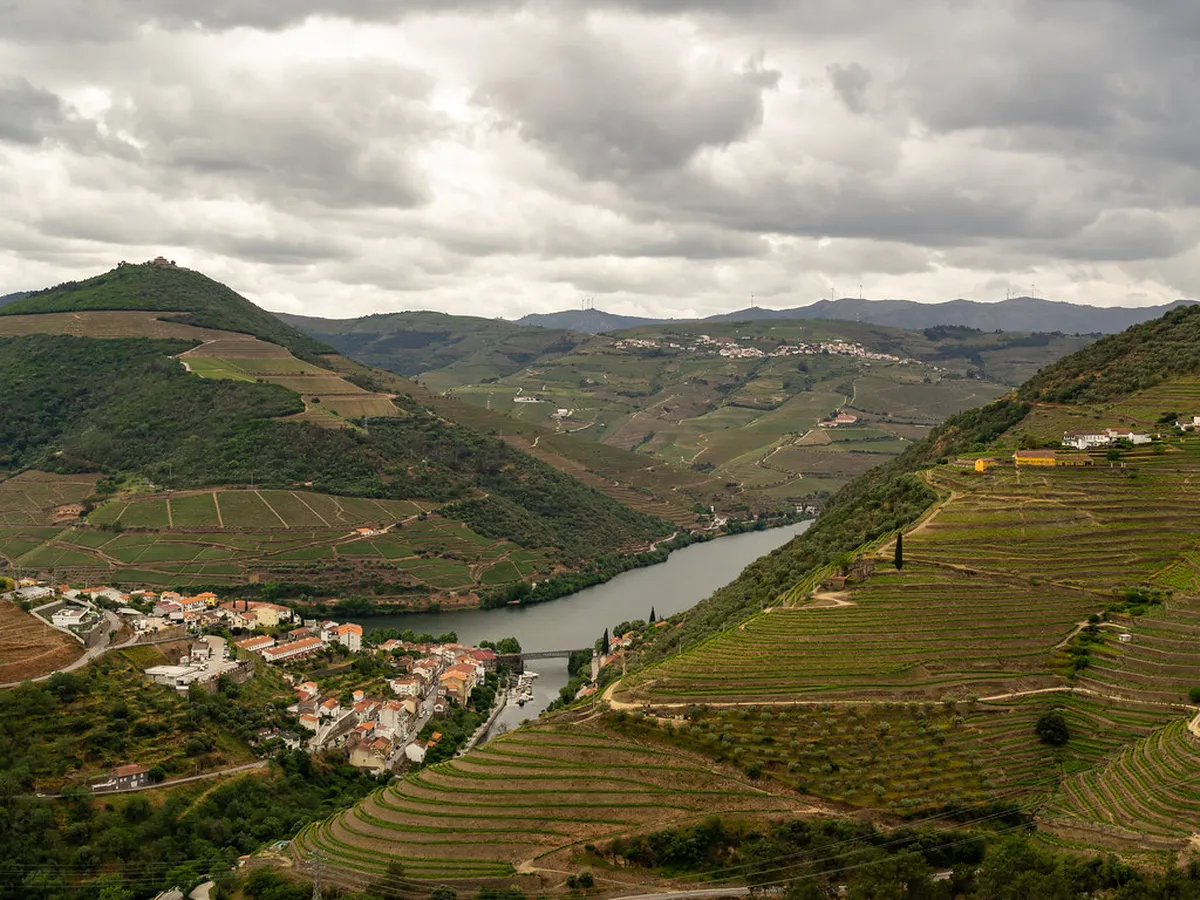
10 Best Towns in the Douro Valley to Visit (2026)
Discover the 10 best towns in the Douro Valley, from Pinhão's vineyards to Lamego's history. Plan your 2026 Portugal wine trip with this expert guide.
On this page
10 Best Towns in the Douro Valley (2026)
After my fourth scouting trip through the terraced vineyards of northern Portugal, I can say the Douro is truly transformative. The region offers a blend of ancient history and world-class viticulture that rewards those who travel slowly. I have spent weeks exploring the narrow cobblestone streets and tasting the complex ports of this UNESCO-protected landscape.
This guide reflects the 2026 travel season with updated pricing, opening hours, and accommodation options. Whether you arrive by the historic train line or a private car, choosing the right base is essential. We have curated this list to work alongside our broader guide to essential Douro Valley attractions to help you navigate the valley's diverse municipal charms.
The 2026 season brings expanded access to several Cistercian monasteries and new boutique quinta openings in the Douro Superior. Visiting during the September harvest remains the most popular choice, but the almond blossoms of February offer a quieter, almost meditative beauty. Our selection focuses on authenticity, local flavor, and the unique architecture of the official wine villages.
Best Time to Visit the Douro Valley
The Douro Valley has a genuinely extreme climate — baking summers above 40°C in the Douro Superior and cold, wet winters that close many quinta restaurants. The two shoulder seasons give the most balanced experience. Spring (March to May) brings almond and cherry blossoms to the hillside terraces, mild temperatures in the low 20s, and empty roads. Autumn (late August through October) is peak harvest season, when the entire valley smells of crushed grapes and local estates open for treading ceremonies.
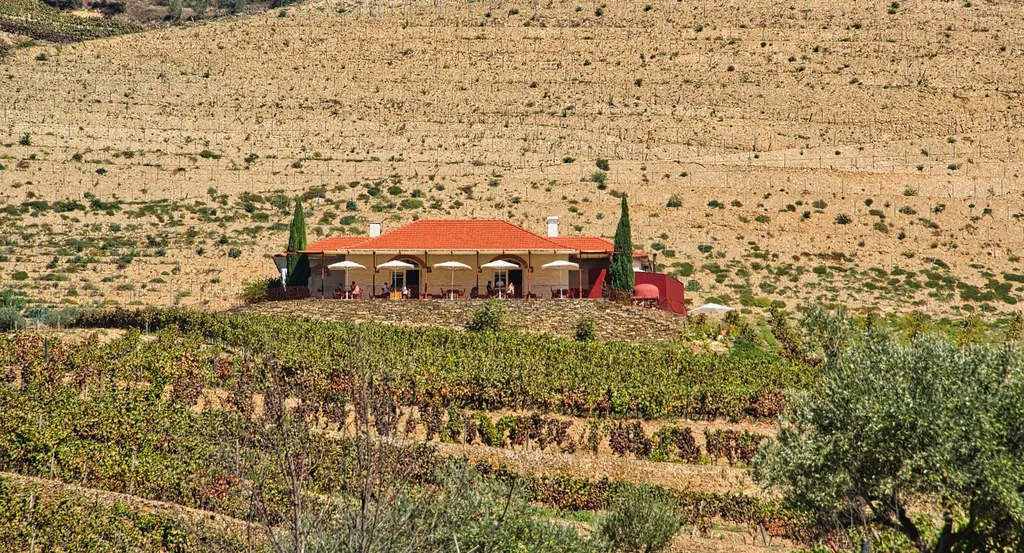
July and August are the hottest months and the busiest for riverside cruises out of Porto. Accommodation prices in Pinhão jump 40–60% during harvest (mid-September to early October), and you should book at least three months ahead. If you visit in summer, plan all outdoor activity before 11:00 and after 18:00. The harvest period is worth the premium if wine culture is your primary motivation — you can participate in foot treading at estates like Quinta do Crasto and Quinta do Vallado for a genuinely hands-on experience.
Winter (December through February) is dramatically underrated for budget travelers. Prices drop by half, the fog over the river terraces is photogenic, and Lamego's markets are lively. Most quintas are closed for vineyard work, but the towns themselves remain open and welcoming. February is specifically worth targeting for the almond blossom spectacle in the Douro Superior near Torre de Moncorvo.
Accommodation prices in Pinhão rise 40–60% during the September–October harvest season. Book at least three months ahead if you plan to visit during this peak period, and pre-book winery tours as walk-in slots at the most scenic quintas are often gone by 10:30.
The 10 Best Towns in the Douro Valley
The heart of the region is defined by the Alto Douro wine region (UNESCO), which has produced wine for over two millennia. Our list includes five of the six official Aldeias Vinhateiras — protected wine villages certified by IVDP for their historic preservation and active role in the local wine economy. We also include nearby towns that complement the wine village circuit.
Most visitors begin in the western gateway towns before heading deeper into the Douro Superior. We recommend mixing iconic hubs like Pinhão with remote agricultural strongholds like Barcos for a balanced experience. This selection covers the full spectrum of the 10 Essential Tips for Visiting Alto Douro Vinhateiro landscape.
1. Pinhão — The Heart of the Vineyards
Pinhão is the most scenic hub in the valley and the primary base for visiting the most famous wine estates. The historic train station is a must-see for its 24 blue azulejo tile panels illustrating the traditional harvest — it is free to enter and accessible via the Linha do Douro from Porto São Bento for around €12 one-way. Quinta das Carvalhas offers daily tastings from 10:00 to 17:30 for €25 per person, including a terrace tour with uninterrupted views across the terraces.
Accommodation in Pinhão ranges from the five-star Vintage House Hotel (doubles from €350 in high season) to guesthouses and rooms in family quintas for €80–120 per night. The village has two or three reliable restaurants on the waterfront — Veladouro is consistent for grilled lamprey in season — but book ahead in September. For a broader overview of wineries within reach, our guide to the Alto Douro wine region covers the key estates by sub-zone.
2. Lamego — The Grand Historic Gateway
Lamego is the cultural soul of the region and sits in the hills south of the river. The Sanctuary of Nossa Senhora dos Remédios is free to visit, but the real feat is climbing its 686 baroque steps — do this at dawn to beat the heat and the tour buses. The nearby Douro Museum in Régua is a better museum for wine history, but Lamego's town museum (Museu de Lamego, €3 adults) holds one of Portugal's finest collections of Flemish tapestries and azulejo panels.
Lamego is famous for two products most visitors overlook: Raposeira sparkling wine (a drinkable and affordable alternative to Champagne at €8–12 per bottle locally) and presunto de Lamego, a cured ham that rivals anything from Alentejo. The Raposeira winery offers guided cellar tours at 10:00 and 14:30 Tuesday through Saturday for around €10, including a tasting of three wines. Lamego makes a practical overnight base for travelers arriving by bus from Porto (Rede Expressos, around €14, 2 hours 15 minutes).
3. Peso da Régua — The Central Transport Hub
Régua was once the primary shipping point for port wine barrels heading downriver to Vila Nova de Gaia, and the riverfront still carries that workaday energy. The Museu do Douro sits right on the water and provides the best single overview of the region's wine history — open daily 10:00–18:00, adults €6. The town also has the valley's best selection of supermarkets, pharmacies, and ATMs, making it useful for practical stops between villages.
While Régua lacks the postcard charm of Pinhão, its dining scene has improved. Castas e Pratos on the waterfront serves serious regional food (lamprey rice, roasted kid) at fair prices (€15–25 per person). Régua is the terminus for the tourist steam train — the Comboio Histórico runs from Régua upriver to Tua on select Sundays between late April and late October, stopping for wine tastings en route. Tickets cost around €35 per person and must be booked weeks in advance through CP's website — this is one of the most memorable rail journeys in Portugal and most visitors never hear about it.
4. Favaios — The Village of Bread and Moscatel
Perched on a high plateau above the Douro, Favaios is one of the six official Aldeias Vinhateiras and famous for two things: its unique four-cornered folar bread and its sweet Moscatel Galego wine. The aroma of fresh baking fills the air from around 10:00 when the traditional wood-fired ovens are active. The Museu do Pão e do Vinho (Museum of Bread and Wine) is open Tuesday through Sunday from 10:00 to 17:30 and costs €5, with tasting sessions at the local cooperative for under €10 a flight.
Favaios requires a car — it sits on the plateau and has no train access. The drive from Pinhão takes about 25 minutes on winding roads with good signage. The village itself is walkable in under an hour and has a quiet, time-capsule quality that the more commercial hubs lack. Buy a bottle of Adega de Favaios Moscatel before you leave — it is sold at the cooperative for €7–9 and is difficult to find outside the region.
5. Provesende — A Step Back in Time
Provesende is one of the oldest wine villages in the valley and functions as an open-air museum of granite manor houses, baroque fountains, and intact stone walls. This quiet settlement offers some of the best walking trails through the vineyards with minimal vehicle traffic, and there are no entry fees. The historic church opens for visitors in the afternoons. The local bakery still uses ancient baking techniques — the bread is dense, chewy, and inexpensive at under €2 a loaf.
The village sits between Pinhão and Sabrosa (birthplace of Ferdinand Magellan, worth a 20-minute detour). A self-guided walk of Provesende's main lane takes about 45 minutes. Several granite solar (manor) facades are impressively preserved and date to the 17th and 18th centuries. There is no café in the village itself, so bring water and snacks if you plan to walk the vineyard trails.
6. Ucanha — Home to the Iconic Toll Bridge
Ucanha is a tiny village along the Varosa River and features the only remaining medieval fortified bridge-tower in the Douro region — a 13th-century structure that once served as a toll gate for the Cistercian monastery at Salzedas. The tower is open for tours from 10:00 to 18:00 (closed for lunch) and tickets cost around €3 per person. Surrounding vineyards produce excellent sparkling base wines, and the nearby Murganheira caves offer guided tours of their underground sparkling wine production — book ahead as spaces are limited.
Ucanha is best combined with Salzedas as a half-day circuit from Lamego (about 20 km by car). The Varosa valley is noticeably cooler than the main Douro gorge, which makes walking more comfortable in summer. The bridge itself is photogenic at almost any hour — arrive early morning for the best light on the stone arch.
7. Salzedas — The Cistercian Monastery Village
The Monastery of Santa Maria de Salzedas dominates this village and is one of the most significant Cistercian complexes in northern Portugal. The surrounding neighborhood preserves a historic Jewish quarter with narrow alleys that have remained essentially unchanged for centuries. Monastery tours run Wednesday through Sunday from 10:00 to 18:00 and cost approximately €4 per adult — give yourself at least two hours to walk the cloisters and the restored church interior.
The scale of the complex is genuinely arresting. This is not a polished heritage site but a working semi-ruin where restoration is ongoing — which gives it an authenticity that more curated monuments lack. The village café across from the monastery gates serves lunch on weekends (basic but good, around €8). Salzedas pairs logically with Ucanha, as both are accessed via the same road off the N226.
8. Barcos — A Traditional Agricultural Stronghold
Barcos retains its medieval layout and a strong connection to traditional Douro farming life, largely because it attracts almost no package tourism. The 13th-century Church of Sanfins de Tarouca, a Romanesque gem, sits just outside the main village cluster and is among the finest Romanesque buildings in northern Portugal. Walking through the village is free, and local residents are genuinely welcoming to slow travelers — this is a place to linger, not photograph and leave.
Barcos is ideal for photographers wanting authentic granite architecture without the polished feel of the official wine villages. The surrounding terraces are still worked by hand and the oxen still appear during harvest on some of the steeper plots. There is no restaurant in the village, but the small market occasionally stocks local wine directly from producers at farmgate prices.
9. Trevões — Manor Houses and Altitude
Trevões sits at a higher elevation than most Douro valley towns, which gives it cooler temperatures and a distinct microclimate that produces wines with noticeably higher acidity. The village has the densest concentration of 17th-century noble solar houses in the sub-region, and most can be viewed from the exterior on a short walking loop. The solar-powered ethnographic museum charges €3 and provides a well-curated look at local agricultural traditions.
The altitude also means Trevões offers a different visual perspective on the valley. On clear days, you can see the terraced hillsides on both sides of the Douro from the high viewpoint near the chapel. The drive in from the N222 is narrow but well-paved, and the village sees very few tour groups — most days it is nearly empty by midday.
10. Castelo Rodrigo — The Medieval Border Fortress
Located in the Douro Superior near the Spanish border, this walled village offers panoramic views over the Côa Valley and the plains of Riba Côa. The ruins of the Cristóvão de Moura palace and the medieval cistern are remarkably well-preserved, and the walled historic core is free to enter (small interpretive center charges €2). The village is classified as one of Portugal's twelve most picturesque historic villages — a designation backed by the national Historic Villages of Portugal program.
Castelo Rodrigo is genuinely remote — about 90 minutes by car from Pinhão. But it anchors a natural loop through the Douro Superior that also takes in Figueira de Castelo Rodrigo, the almond blossom fields, and the Côa Valley archaeological park. Local vendors near the main gate sell flavored almonds and almond liqueur — the toasted honey variety for €5 a bag is worth the trip. This is best visited as part of a multi-day itinerary rather than a day trip from Porto.
The Aldeias Vinhateiras: What the Certification Actually Means
The term "Aldeias Vinhateiras" — wine villages — is regulated, not just a marketing label. The six villages (Favaios, Provesende, Salzedas, Ucanha, Trevões, and Barcos) were certified through a program run in partnership with IVDP (Instituto dos Vinhos do Douro e do Porto) and local municipalities. Certification requires that the village maintains its historic built fabric, has an active wine-producing identity, and meets accessibility and visitor infrastructure standards. This matters practically: villages that describe themselves as "wine villages" in tourist brochures but are not on this list have not been through that audit.
Each Aldeia Vinhateira has a small visitor information point — usually open Thursday through Sunday in season — where you can pick up self-guided walking maps and purchase local wine at producer prices. The maps are free and mark the key buildings, viewpoints, and any associated quinta that accepts walk-in visitors. Not every village has a café, so check before arriving. The program is also why these six villages have better road signage and parking provision than comparably sized villages in the region.
One practical nuance for 2026: the Ucanha tower restoration project, which has been intermittent since 2023, is scheduled to complete by summer 2026. This means full access to the tower's upper floor — previously closed — should be available for the first time in several years. Confirm with local tourism offices before your visit if access to the upper level is a priority.
Each of the six official Aldeias Vinhateiras has a visitor information point (usually open Thursday–Sunday in season) where you can collect free self-guided walking maps and buy local wine at producer prices. Not every village has a café, so check before you arrive and carry water and snacks for the smaller stops.
Where to Stay in the Douro Valley
Accommodation options in the Douro fall into three broad categories. Quinta stays are the most immersive — you sleep on a working wine estate, often with a private pool and vineyard views. Prices range from €100 per night at smaller family quintas (such as Quinta da Pacheca near Régua or Quinta de la Rosa in Pinhão) to over €400 at premium estates like Six Senses Douro Valley in Lamego. Book quintas at least six weeks ahead for harvest season.
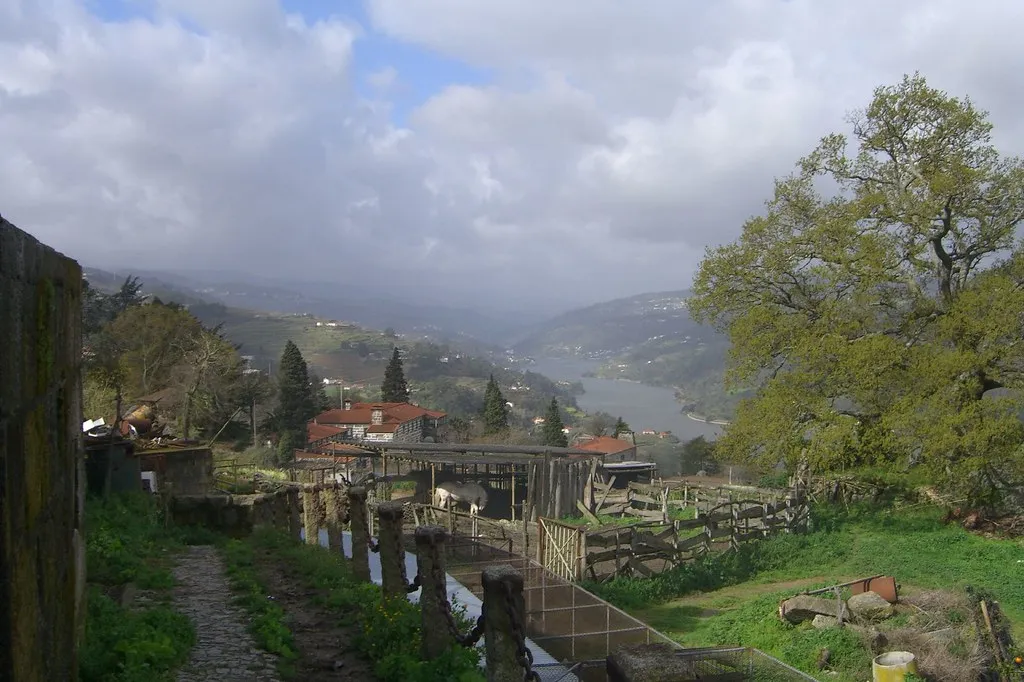
Town-center guesthouses and small hotels in Régua, Lamego, and Pinhão offer a more independent base with easier access to restaurants and transport. Expect to pay €70–130 per night for a double room at a clean, well-reviewed guesthouse. Budget travelers can find rooms in private homes through local booking platforms for €50–70, particularly in Régua. Camping is limited in the valley interior, though there is a municipal site in Régua with basic facilities.
For a multi-town itinerary, split your nights strategically: two nights in Pinhão to cover the Cima Corgo wine estates, then one night in Lamego or Régua for the western cultural sites. If you are extending into the Douro Superior, Castelo Rodrigo has one small boutique hotel and two guesthouses — book well ahead as the total room count is under 30 across the village.
| Town | Best for | Accommodation type | Nightly rate (double) |
|---|---|---|---|
| Pinhão | Wine estates, scenic views | Boutique hotel / quinta | €80–€350+ |
| Lamego | Culture, baroque architecture | Guesthouse / luxury quinta | €70–€400+ |
| Peso da Régua | Transport hub, dining | Town hotel / guesthouse | €50–€130 |
| Castelo Rodrigo | Remote Douro Superior | Boutique hotel / guesthouse | €70–€120 |
| Favaios | Off-the-beaten-path stay | Rural guesthouse / quinta | €60–€100 |
How to Get Around: Train, Car, or Cruise?
The Linha do Douro is one of the most beautiful train journeys in Europe and connects Porto to the heart of the valley. CP — Comboios de Portugal runs several services daily to Régua and Pinhão, with the Porto São Bento to Pinhão journey taking about 2 hours 45 minutes and costing €12–15 depending on booking timing. This is the most sustainable and relaxing way to travel, though it limits your access to hilltop villages accessible only by car.
Renting a car from Porto is the best option for those who want to explore the official Douro wine villages at their own pace. The N222, which runs along the south bank of the river, is consistently voted one of the world's best driving roads and offers continuous terrace views. Be prepared for narrow stretches and aggressive gradients on side roads — a small automatic is easier than a manual for nervous drivers.
The tourist steam train (Comboio Histórico) between Régua and Tua is a distinct experience from the regular Linha do Douro service. It runs on select Sundays from late April through late October, costs around €35 per person, and includes stops with wine tastings at riverside quintas. Tickets sell out weeks in advance and must be booked via CP's website. This is arguably the most memorable single day out in the entire Douro Valley and is systematically overlooked in most travel guides.
Private boat charters offer a luxury option for small groups. Unlike large river cruises from Porto, a private vessel can dock at estate piers belonging to specific Alto Douro Wine Region: 8 Essential Things to Know quintas, allowing a seamless transition from river to tasting room. Prices start around €300–400 for a half-day charter for up to six people. For those without a car in smaller villages, arranging transfers through your accommodation in advance is the most reliable strategy.
What to Eat in the Douro Valley
The Douro has a distinct regional cuisine that goes well beyond cheese boards at wine tastings. Lamprey (lampreia) is the signature dish from January through March — served in a rich rice stew, it is available at most serious restaurants in Régua and Pinhão during the season and costs €18–25 per portion. Roasted kid (cabrito assado) is available year-round and is the go-to dish at countryside restaurants. Bacalhau (salt cod) prepared in the transmontana style — slow-baked with potatoes, onions, and olive oil — is simple and excellent everywhere.
Presunto de Lamego deserves its own mention. This cured ham is produced in the hills south of the Douro and is sold at delis and markets throughout Lamego for €20–30 per kg — substantially cheaper than at Porto airport or Lisbon. A vacuum-packed half-leg travels well in checked luggage and makes a genuinely useful souvenir. Pair it with local broa (dense corn bread) from any bakery.
For wine, the valley produces far more than port. Table wines under the Douro DOC label — especially red blends from Touriga Nacional, Tinta Roriz, and Touriga Franca — are among Portugal's best and most underpriced internationally. At cooperative tastings in Favaios or at quinta restaurants, a full-bodied Douro red costs €3–8 a glass. Ask specifically for wines from smaller producers: Niepoort, Ramos Pinto, and Quinta do Vale Meão are the names that appear on wine-world radar, but dozens of smaller family estates bottle excellent wine sold only at the door.
Is a Douro Valley Day Trip Long Enough?
Many travelers attempt to see the valley as a day trip from Porto, but this often feels rushed and exhausting. A single day only allows for one winery visit and a quick look at the river before the long journey back. You will miss the magic of the valley at sunset when the light turns the terraced hills into a sequence of golden steps.
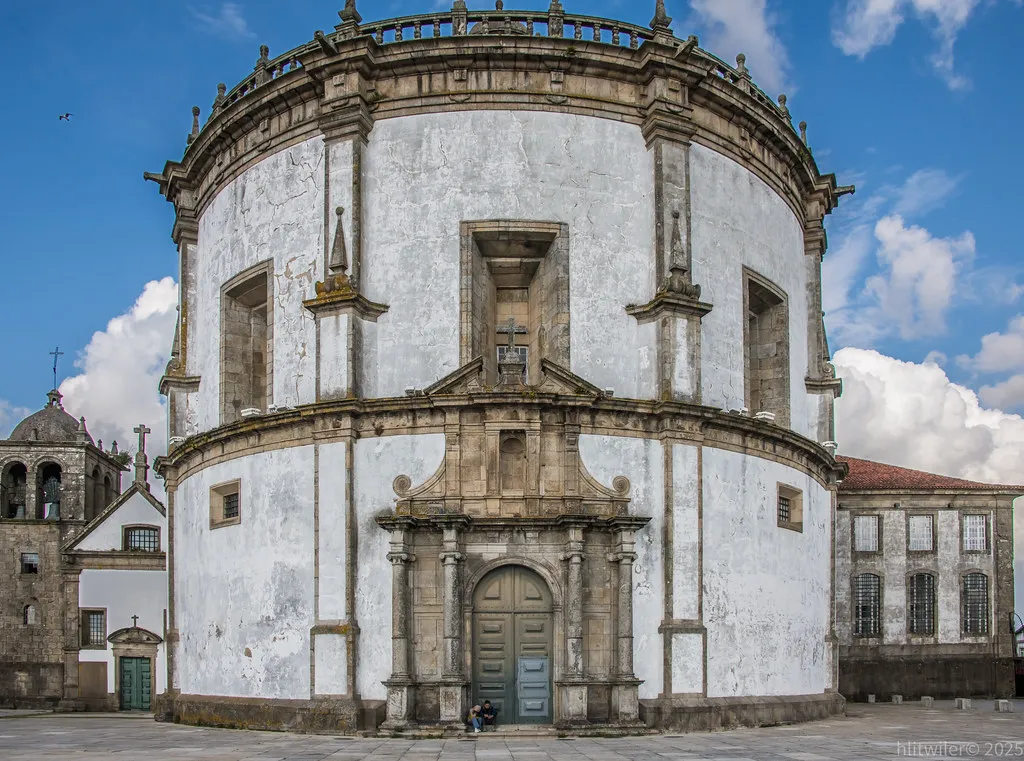
We strongly recommend staying at least two nights to appreciate the pace of life in these historic towns. This allows you to visit multiple sub-regions — the Cima Corgo and the Douro Superior have distinct characters and require different amounts of driving. You can find more details on the geography in our guide on where the Douro River starts and its path through Portugal.
If you are limited to one day, focus exclusively on Pinhão and its immediate surroundings. Take the earliest train from Porto São Bento (first service departs around 08:00) to arrive before the heat and crowds intensify. Book your winery tour in advance — walk-in slots at the most scenic quintas are often gone by 10:30 during high season.
Frequently Asked Questions
Which is the best town to stay in the Douro Valley?
Pinhão is widely considered the best base because it sits in the heart of the most scenic vineyards. It offers easy train access, excellent restaurants, and proximity to top-tier wine estates. Stay here if you want the classic Douro experience.
Can you visit the Douro wine villages without a car?
While Pinhão and Régua are easy to reach by train, the smaller wine villages like Favaios and Provesende require a car or taxi. You can hire a local driver for a day to bridge this gap. This ensures you see the authentic rural side of the valley.
When is the grape harvest in the Douro Valley?
The harvest typically takes place from late August through September, depending on the weather. This is the most vibrant time to visit, but it also requires booking months in advance. You can often participate in traditional grape treading during this period.
The towns of the Douro Valley offer far more than just world-class wine; they are custodians of a centuries-old way of life. From the baroque splendor of Lamego to the quiet granite streets of Provesende, each stop reveals a new layer of Portuguese heritage. We hope this guide helps you plan a meaningful journey through one of the world's most beautiful river valleys.
Remember to travel slowly and respect the local traditions that make this region so special. For more expert advice on exploring the Iberian Peninsula, feel free to browse our latest updates on Portugal Wander. Safe travels as you discover the terraced wonders of the Douro in 2026.
 Douro Boat-then-train Round Trip: 1-Day GuideMay 17, 2026
 10 Best Douro Valley Tourism Attractions (2026)May 17, 2026