Visit Madeira: 23 Best Things to Do and Travel Tips
Plan your visit to Madeira with our comprehensive guide. Discover 23 essential things to do, from volcanic pools to wine tours, plus local tips on where to stay and how to get around.
On this page
Visit Madeira: 23 Best Things to Do and Travel Tips
Madeira is a stunning volcanic island in Portugal known for its dramatic cliffs and lush landscapes. Many travelers plan a visit Madeira trip to experience the unique blend of nature and culture.
You will find everything from natural swimming pools to high mountain peaks across this Atlantic gem. This guide covers the best activities and planning tips for your 2026 journey.
Deciding Is Madeira Worth Visiting? 10 Honest Insights for Your Trip becomes easy once you see the rugged coastline and vibrant gardens. Let us explore the essential stops for your island itinerary.
Planning Your Visit: When to Go and Getting Around
Spring and autumn offer the most comfortable temperatures for hiking and exploring the coastal towns. Visiting between April and June ensures you see the island gardens in full bloom. According to Portugal's official tourism site, summer brings more crowds and higher accommodation prices, though the weather is consistently warm at 22–26°C.
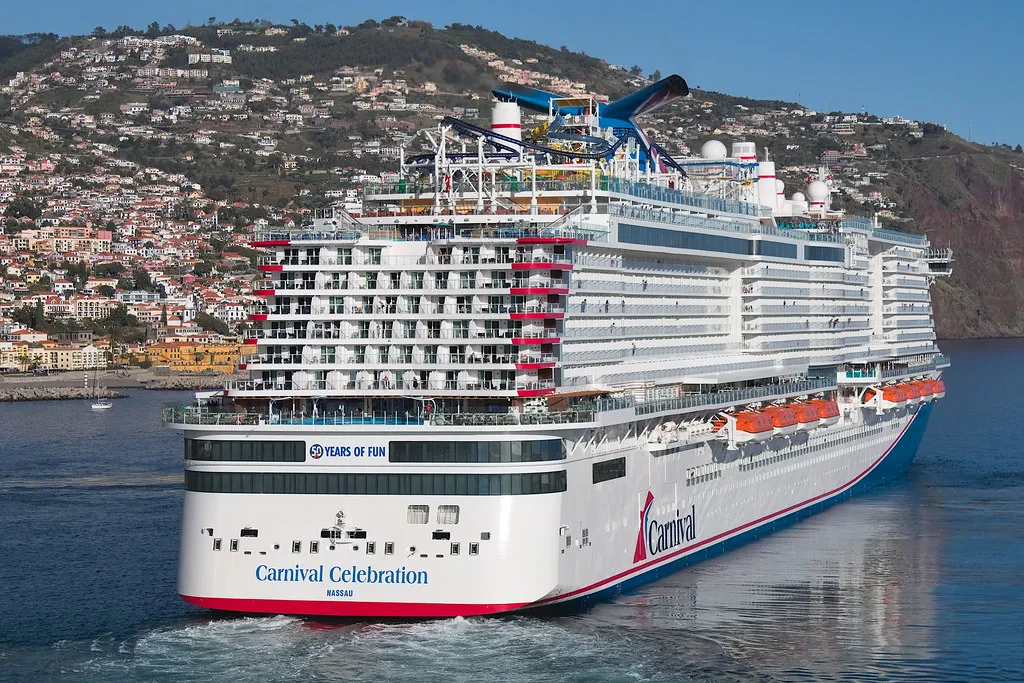
Renting a car is the most efficient way to reach remote trailheads and hidden viewpoints. The main coastal highway is in excellent condition and well-signed, but secondary mountain roads are narrow with tight hairpin turns. A small automatic with decent power handles the steep terrain far better than a large SUV.
Public buses run by SAM (eastern routes) and Rodoeste (western routes) connect most towns from Funchal, but frequency drops sharply outside the capital. A single bus ride costs under €2, but journey times can be three to four times longer than driving. Taxis and ride-sharing apps are a practical fallback for day trips from Funchal without a rental car.
- Best months: April–June and September–October for hiking; December–January for the famous New Year's fireworks
- Getting there: flights from Lisbon (~2 hours, from €30 one-way); direct flights from London, Edinburgh, Stockholm, and seasonal routes from New York
- Airport: Cristiano Ronaldo International Airport, 20 minutes from Funchal by taxi
- Currency: Euro. Language: Portuguese, though English is widely spoken in tourist areas
- Recommended stay: 7 nights to cover the main highlights comfortably; 10 nights if adding Porto Santo island
Spring (April–June) and autumn (September–October) are the most comfortable seasons for hiking, while December–January is peak season for Madeira's world-famous New Year's fireworks. Renting a small automatic car is strongly recommended over a large SUV for navigating the island's narrow mountain roads.
Where to Stay: Funchal vs. Heritage Hotels
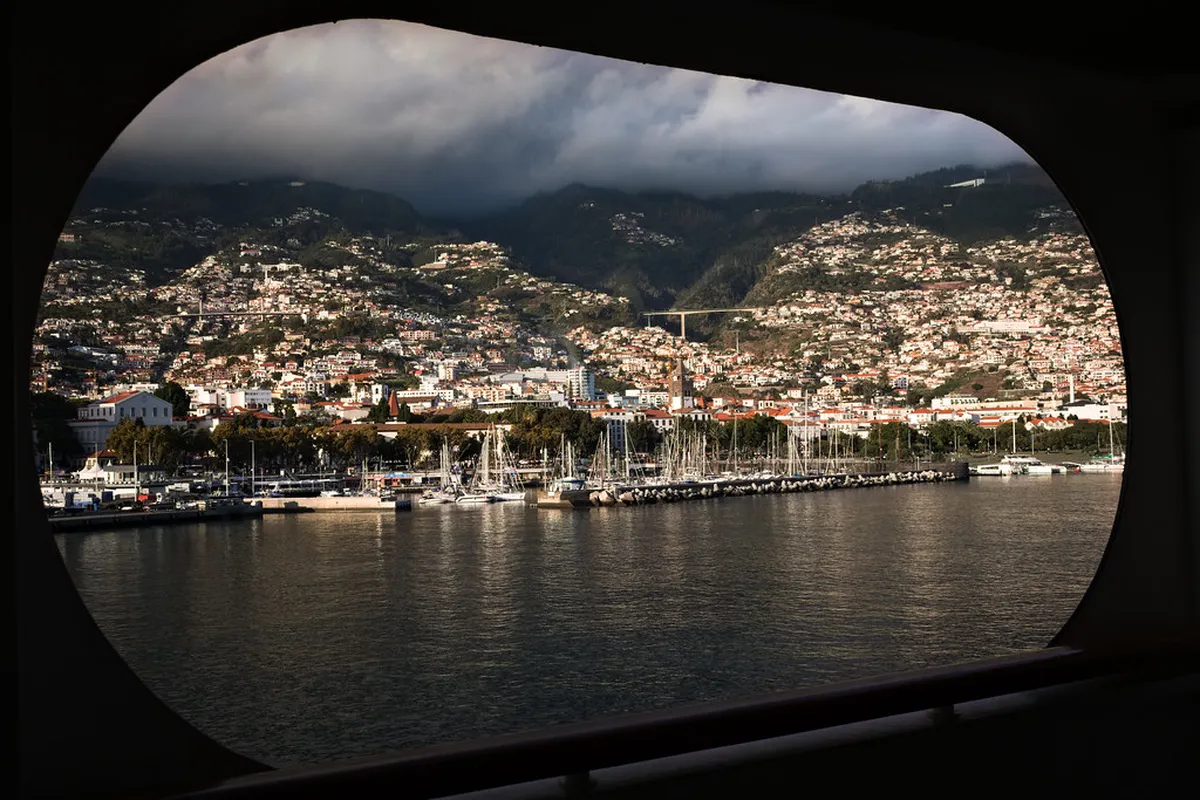
Funchal serves as the primary hub for most visitors due to its diverse dining, shopping, and transport connections. Staying in the capital puts you within one hour of virtually every major site on the island. The area around Sá Carneiro Avenue is the most convenient base, with hotels ranging from €100 budget options to €400-plus luxury quintas.
Heritage Quintas — traditional manor houses outside the city center — offer a quieter atmosphere with lush gardens and historic architecture dating back several centuries. They tend to cost €200–350 per night but provide an experience that modern seafront resorts cannot replicate. Trade-off: you will need a car, and evening dining options nearby are limited.
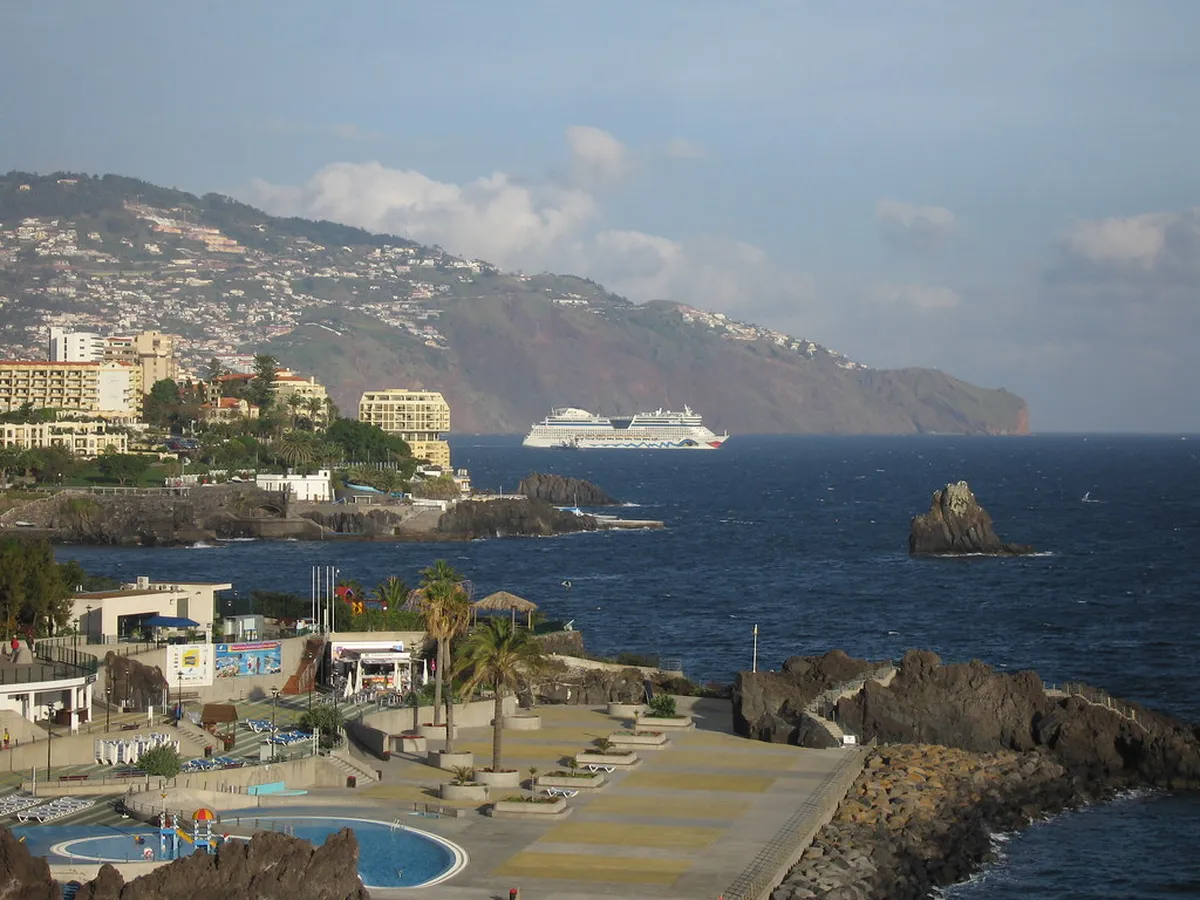
Modern beachfront resorts cluster along the southern coast between Funchal and Câmara de Lobos. These properties have the best pool facilities and easiest ocean access. For longer trips of seven nights or more, consider splitting your base: three to five nights in Funchal for general sightseeing, then two nights in Santana to cut drive time for northern hikes.
- Funchal luxury: Quinta Jardins do Lago (~€300–600/night, historic 1700s building with exceptional pool)
- Funchal mid-range: The Vine Hotel (~€200–350/night, very design-forward, central location)
- Câmara de Lobos value: Pestana Churchill Bay (~€150–300/night, marina views, 15 min from Funchal)
- North coast hideaway: Hotel Quinta do Furão in Santana (~€200–300/night, clifftop vineyard setting)
Explore Funchal: The Island Capital
The capital city is packed with 23 Best Things to Do in Madeira: The Ultimate Guide, ranging from historic cathedrals to bustling markets. Start your morning at the Mercado dos Lavradores to see exotic fruits — custard apples, passion fruit, and the purple Madeiran banana — laid out by local farmers.
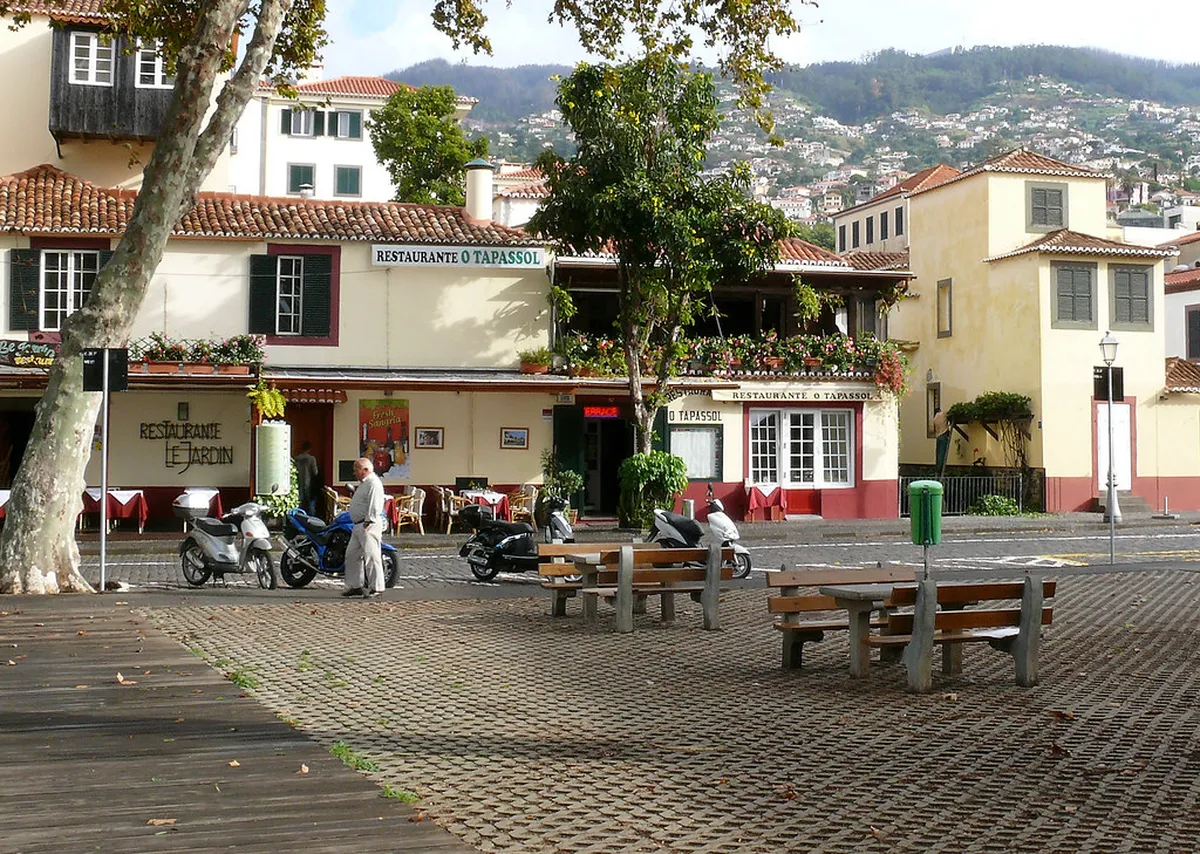
Walk through the Old Town to admire the painted doors along Rua de Santa Maria. Over 200 doors have been transformed into artworks by local and international painters, making it an outdoor gallery you can walk in under an hour. The area comes alive in the evening with outdoor cafes and traditional restaurants serving espetada (beef skewers) and black scabbardfish.
Take the cable car up to Monte for panoramic views of the bay and the surrounding mountains. The ride takes about fifteen minutes and costs €13 one-way or €17 return. From Monte, you can visit the Jardim do Monte Palace and its botanical collection before descending via the famous wicker toboggan.
Ponta de São Lourenço
The easternmost tip of Madeira is one of the most striking landscapes on the entire island. Exposed volcanic cliffs drop straight into the Atlantic, and the vegetation shifts from green laurel forest to dry scrubland and reddish rock as you walk toward the headland. The contrast is dramatic and unlike anything else you will see on Madeira.
The Vereda da Ponta de São Lourenço trail (PR8) is an 8km return walk rated as moderate difficulty. It takes around three hours at a comfortable pace and finishes at a shelter with stunning views of the Desembarcadouro Beach below. The path is well-marked and exposed to wind, so bring a windproof layer even on warm days.
The village of Caniçal at the start of the trail has a small museum dedicated to the island's whaling history. Parking at the trailhead fills early on weekends — arrive before 09:00 or take the bus from Funchal Bus Terminal to Caniçal and walk the last stretch. Entry to the trail is free.
Dip in the Volcanic Pools at Porto Moniz
These natural pools are formed by volcanic lava and filled by the rising ocean tide. You can swim in clear water while waves crash against the outer rocks — one of the most memorable experiences in Madeira. There are actually two separate pool complexes side by side along the esplanade.
The main complex charges €3 per person for access to changing rooms and facilities. Walk to the far end of the esplanade and you will find a second set of pools that are free to enter, including a particularly good infinity pool that faces the open Atlantic. Both are equally swimmable when the sea is calm.
Check the Porto Moniz Pools condition during stormy weather — the complex occasionally closes when waves are too powerful. Arrive before 09:30 in summer to beat the tour buses. The Seaview Restaurant nearby is the most recommended spot for lunch after your swim.
Ribeira das Janelas Viewpoints
Just east of Porto Moniz, the parish of Ribeira das Janelas is one of the most undervisited spots on the northern coast. The name translates as "Window's Small River" — a reference to a distinctive rock formation on the coastline that has a natural opening resembling a window arch.
There are two separate viewpoints here, and most visitors only find one. The first is near the pebble beach: look for a staircase and a short tunnel through the rock that leads to a platform facing the sea. The rock arch framed against the Atlantic makes for a far better photograph than anything you will get at Porto Moniz. The second viewpoint sits at the top of the hill with sweeping panoramas of the northern coast and, on clear days, a view back toward Seixal. A swing has recently been installed at the upper viewpoint, facing the village below.
The area sees a fraction of the crowds of Porto Moniz despite being only a five-minute drive away. There is no entrance fee. If your itinerary already includes Porto Moniz, add thirty minutes to swing through Ribeira das Janelas — the detour is worth it.
Seixal Beach and Cabo Girão Skywalk
Seixal Beach on the northern coast offers a rare chance to walk on natural black sand against a backdrop of green cliffs and waterfalls feeding directly into the ocean. A natural pool complex adjacent to the beach provides calmer swimming when the Atlantic swell is high. The combination of dark sand, turquoise water, and surrounding vegetation is one of the most photographed scenes in Madeira.
The beach gets extremely busy on summer Sundays — arriving early or visiting on a weekday is essential to find parking. Just around the headland, do not miss Véu da Noiva (Bridal Veil), a waterfall that drops straight from the cliffs into the sea. It is visible from a roadside viewpoint and takes under five minutes to see.
The Cabo Girão skywalk on the southern coast is one of the highest sea cliffs in Europe at 580 meters. The glass-bottomed platform extends over the edge, looking straight down at the terraced fields and ocean below. Entry is free, but parking fills fast between 10:00 and 14:00. Plan your visit before 09:00 or after 15:30 for a far more relaxed experience.
Walk the Madeira Levadas
The levadas are narrow stone irrigation channels that crisscross the island, dating back to the 15th century. The network covers over 2,200 kilometers of canals and 40 kilometers of tunnels, carrying water from the wet northern mountains to the drier southern farmland. These trails allow you to discover 22 Best Madeira Activities for Your 2026 Island Adventure that lead deep into the ancient laurel forests.
Levada do Caldeirão Verde (PR9) is the most popular choice, featuring four tunnels, a dramatic gorge, and a beautiful emerald pool at the end. The trail starts at Queimadas Forest Park and takes around four hours return. Levada das 25 Fontes offers a slightly shorter alternative (three hours return) with a large waterfall basin as the reward. Levada do Rei (PR18) is the quietest of the three and runs through dense laurisilva forest with fewer crowds.
Wear sturdy boots and bring a head torch for the tunnels — some stretch over 100 meters in complete darkness. Check the official trail status on the regional tourism website before heading out, as paths occasionally close after heavy rain or rock falls. Some levada sections include very narrow ledges above steep drops, so vertigo sufferers should check route descriptions carefully before committing.
Some levada sections have narrow ledges with steep drops on one side and no guard rail — vertigo sufferers should review route descriptions before committing. Tunnels on trails like Caldeirão Verde can stretch over 100 meters in complete darkness, so a head torch is essential kit.
Snap the Santana Houses and Fanal Forest
The traditional triangular houses in Santana are iconic symbols of the island's rural heritage, with their thatched roofs nearly touching the ground and brightly painted doors. They are genuinely picturesque, though most have been converted into souvenir shops. Visit early in the morning or late afternoon to avoid coach crowds and get cleaner photos. Visit the nearby fruit market for an authentic experience away from the main 22 Best Madeira Attractions: The Ultimate 2026 Guide.
Fanal Forest, about 40 minutes west of Santana, is one of the most magical places on the island. This UNESCO World Heritage laurisilva site is home to ancient laurel trees hundreds of years old, their gnarled branches draped in ferns and moss. Fog frequently rolls in from the north, turning the forest into a surreal, fairytale landscape even in summer.
Trail PR13 (Vereda do Fanal) starts within the forest and loops through some of the densest laurisilva on the island — a two-hour walk that requires no technical skill. Bring a light sweater regardless of the season, as the altitude keeps temperatures several degrees cooler than the coast. Both Santana and Fanal can be combined into a single day trip from Funchal.
People Watch at Câmara de Lobos
Câmara de Lobos is a fishing village just 15 minutes west of Funchal, and it remains one of the most authentically local stops on the southern coast. The colorful fishing boats moored in the harbor and the bright facades of the old fishermen's houses have made this village a favorite subject for painters — Winston Churchill famously set up his easel here in 1950.
The best time to visit is late afternoon, between 17:00 and 19:00, when the fishing boats return and the light turns golden over the harbor. Find a table at one of the harbor-front cafes and order a Poncha — Madeira's traditional drink made with aguardente de cana (sugar cane spirit), honey, and lemon. The fishermen's version is tangier and stronger than the tourist-facing variety; ask for it "da terra" and the bartender will understand.
Cabo Girão is just a five-minute drive from Câmara de Lobos, making the two an easy pairing for a half-day excursion. The village gets busy at lunchtime with day-trippers from Funchal but quiets down significantly by mid-afternoon before the evening crowd arrives.
Take a Wine Tasting Tour
Madeiran wine is one of the most distinctive fortified wines in the world, aged through a unique heating process that gives it its characteristic nutty, acidic character. The main wine lodges — including Blandy's, Henriques & Henriques, and the Madeira Wine Company — are all located in Funchal and offer guided tours with tastings for around €15–25 per person. The tours explain the four styles (Sercial, Verdelho, Bual, and Malmsey) from driest to sweetest, which is useful information for beginners choosing a bottle to take home.
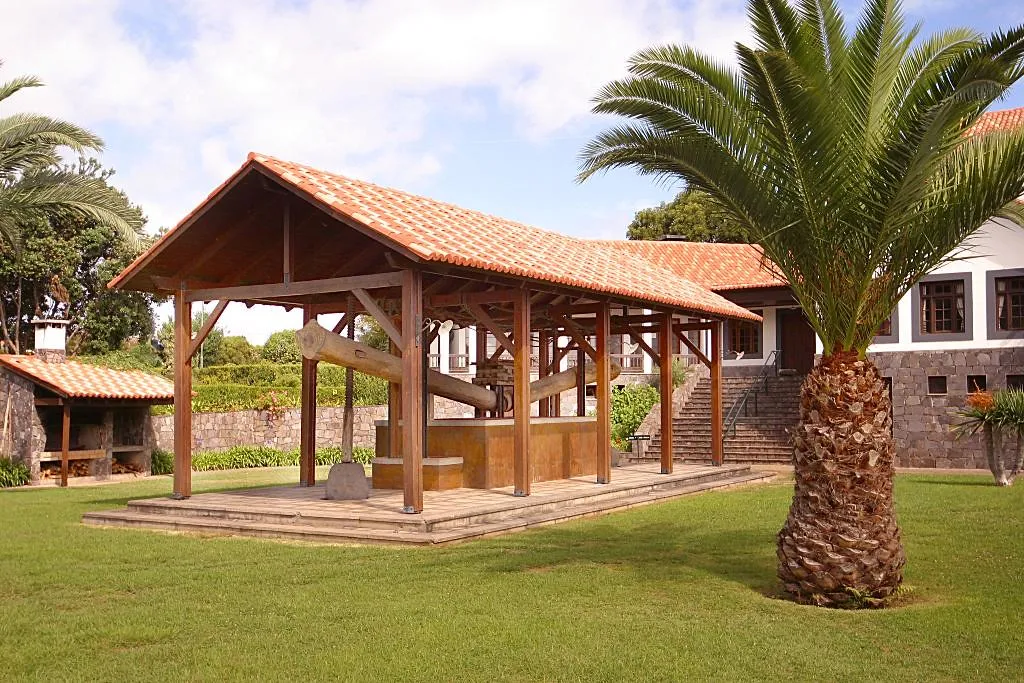
For a more immersive experience, vineyard tours in the north of the island — particularly around Câmara de Lobos and São Vicente — show the full production process from vine to bottle. A full-day guided wine tour departing from Funchal costs around €60–80 per person and includes lunch. The northern vineyards are smaller and less polished than the Funchal lodges, but the scenery and personal attention make them worth the trip for wine enthusiasts.
If you are new to Madeiran wine, start with a Verdelho (medium-dry) as it bridges the gap between the very sharp Sercial and the sweeter Bual. The 10-year bottles from the Funchal lodges are solid introductions at around €20–30 each and make excellent gifts.
Enjoy a Whale Watching Tour
Madeira sits in one of the richest whale and dolphin corridors in the Atlantic. Year-round resident populations of sperm whales and several dolphin species make sightings on organized tours almost guaranteed. Tour operators depart from the Funchal Marina, and most trips run three to four hours.
The key decision is catamaran versus speedboat. Speedboats reach sighting locations faster and can chase moving pods more effectively, but the ride is rougher and motion sickness is more common. Catamarans are slower and more stable — a far better choice if you are traveling with children or are prone to seasickness. Both types typically cost €50–65 per adult for a morning tour.
Tours also regularly spot common and bottlenose dolphins, loggerhead turtles, and occasional pilot whales. Binoculars are worth bringing as the crew will spot animals well before passengers without them. Book directly with LOBOSONDA or Ventura do Mar, which both have spotter networks (shore-based observers with radios) that dramatically improve sighting rates compared to operators without them.
Climb to the Church at São Vicente
São Vicente is a small town on the northern coast with a genuinely local feel, and it is worth a stop beyond its famous lava caves. The fishing harbor has a handful of cafes and restaurants that serve lunch to the village population rather than primarily to tourists. Prices here are noticeably lower than in Funchal.
The Capelinha de Nossa Senhora de Fátima chapel sits on a hilltop above the town, reached by climbing 175 steps from the roadside. The interior is simple and white, with blue azulejo tile panels depicting religious scenes — far quieter and more meditative than the busier churches in Funchal. The views of the northern coast from the chapel terrace are exceptional. This is one of the few church stops in Madeira where you are likely to be the only visitor.
The São Vicente Caves (Grutas de São Vicente) nearby charge €8 for entry and offer a 45-minute guided tour through lava tube formations. The wine bar Porto de Abrigo in the lower village is a good spot to try a glass of dry ten-year Madeiran port before moving on.
Grab a Sunset at Ponta do Sol
Ponta do Sol on the southwestern coast is one of the sunniest spots on the island and its best sunset location. The town sits on a narrow shelf between the mountains and the sea, and the old bridge over the river provides the most photographed foreground in the village. For the "bridge shot," stand on the promenade directly west of the bridge around 30 minutes before sunset.
Parking in the village center is very tight — the central car park fills by 18:00 on clear evenings. A better strategy is to park on the hill above the village near the church and walk down, which takes about ten minutes. The approach through the old residential streets is attractive in its own right.
The black pebble beach below the village is swimmable in summer, and several small restaurants on the promenade serve grilled fish and local wine at reasonable prices. Ponta do Sol also sits close to Cascata dos Anjos on the same coastal road, making both easy to combine in a western-coast day trip.
Drive Under a Waterfall at Cascata dos Anjos
Cascata dos Anjos is a unique waterfall on the old coastal road ER101 near Ponta do Sol that spills directly onto the tarmac. Driving through the falling water is a free and memorable experience for those exploring the western side of the island. The road is narrow and slippery, so reduce speed and watch for pedestrians stopping to photograph the cascade.
A small car is significantly easier to maneuver through the tight turns leading to this spot — if you are driving a larger vehicle, approach slowly and be prepared to reverse for oncoming traffic. The road is technically open year-round, but water volume is highest after autumn and winter rain. In dry summer months the flow is lighter but still clearly visible.
Park your vehicle on the wider section of road just past the waterfall if you want to walk back and take photos without blocking traffic. This site is free to visit and provides a refreshing stop during a hot afternoon. Combine it with the Ponta do Sol sunset for a western coast half-day loop.
Learn to Surf at Porto da Cruz
Porto da Cruz on the northeastern coast receives consistent Atlantic swells that make it the best surfing location on Madeira. The beach is protected enough for beginners during smaller swells but provides enough power for intermediate surfers when the north swell picks up. Several surf schools operate here, offering two-hour beginner lessons from around €40–50 per person including board and wetsuit rental.
The village also hosts the last functioning rum distillery on the island, Engenho do Norte, visible from the beach road. The distillery still operates traditional sugar cane press equipment and offers free tastings of their artisanal rum and aguardente. Visiting in the morning before your surf lesson means you can combine both in a single stop.
Porto da Cruz is about 45 minutes from Funchal by car along the scenic eastern coastal road. The village itself is quiet with a handful of local restaurants and a small promenade. Outside of surf season (November through April for the best swells), the beach is calm and suitable for swimming.
Hit the Sand at Machico
Machico is the second largest town on Madeira and home to one of the few sand beaches on the main island. The sand is imported — imported each autumn from Morocco after summer storms wash it away — which gives the beach a different, brighter texture compared to the dark volcanic sand at Seixal. It is not a natural phenomenon but it is consistently maintained and cleaned.
The beach is sheltered by a breakwater, making the water calmer and warmer than the exposed northern beaches. Sunbeds and umbrellas are available for hire at around €5–8 per day. Machico is 20 minutes from the airport and about 30 minutes from Funchal, which makes it an excellent final-day option if you have a late flight and want to squeeze in one more swim before departure.
The town itself has a pleasant 15th-century church (Igreja Matriz de Machico) and a small fort at the edge of the bay. Lunch at one of the harbor-front restaurants here costs noticeably less than in Funchal, and the fish dishes are excellent. If you are comparing beaches, Machico suits families and casual swimmers while Seixal is better suited for photographers and those chasing scenery.
Grab a Gelato at Calheta
Calheta is a pleasant town on the southwest coast with a man-made sand beach and one of the most active marinas on the island. The beach here is imported sand (similar to Machico), giving it a Mediterranean feel that the rocky northern coastline cannot match. The marina promenade is busy in the evenings with locals and visitors alike.
Gelados da Calheta, on the main promenade close to the marina, is the local gelato institution that no other town on the island replicates. The passion fruit and Madeiran banana flavors are made with local fruit and taste noticeably fresher than standard gelato. A two-scoop cone costs around €2.50. The shop is open from mid-morning until late evening in summer.
Calheta also makes a practical base for exploring the western coast, with Cascata dos Anjos and Ponta do Sol both within 15 minutes by car. The marina has several seafood restaurants where a full lunch with local wine typically runs €15–20 per person.
Ride in a Wicker Basket in Monte
The Monte toboggan run is a traditional way to slide down the steep streets from the Monte hilltop neighborhood toward Funchal. Two carreiros (drivers) guide the wicker sled on wooden runners using their rubber-soled boots as brakes during the descent. The tradition dates to the 19th century, when this was a legitimate transport method for residents.
The ride costs around €25–30 for two people sharing a sled and lasts about ten minutes. It ends roughly halfway down the hill in Livramento — you will then need a taxi or a ten-minute walk to continue to the city center. The cost-to-experience ratio is polarizing: some visitors find it a genuine highlight; others feel it is overpriced for the duration. If budget is a concern, the spectacle of watching the carreiros work is free from the roadside.
Avoid the long queues by arriving at the starting point near the Monte church before 10:00. The queue is shortest on weekday mornings. Combining the toboggan with the Funchal-Monte cable car (ride up, slide down) is the most efficient way to tick both off in one morning.
Hike Dos Picos: Arieiro to Ruivo
The trek between Pico do Arieiro (1,818m) and Pico Ruivo (1,862m) is the most challenging and rewarding 8 Essential Tips for the Madeira Crossing Hike. You walk above the clouds while following narrow paths carved into the mountain ridges, with tunnels and exposed stairways connecting the two peaks. The full return distance is around 12km, taking four to five hours.
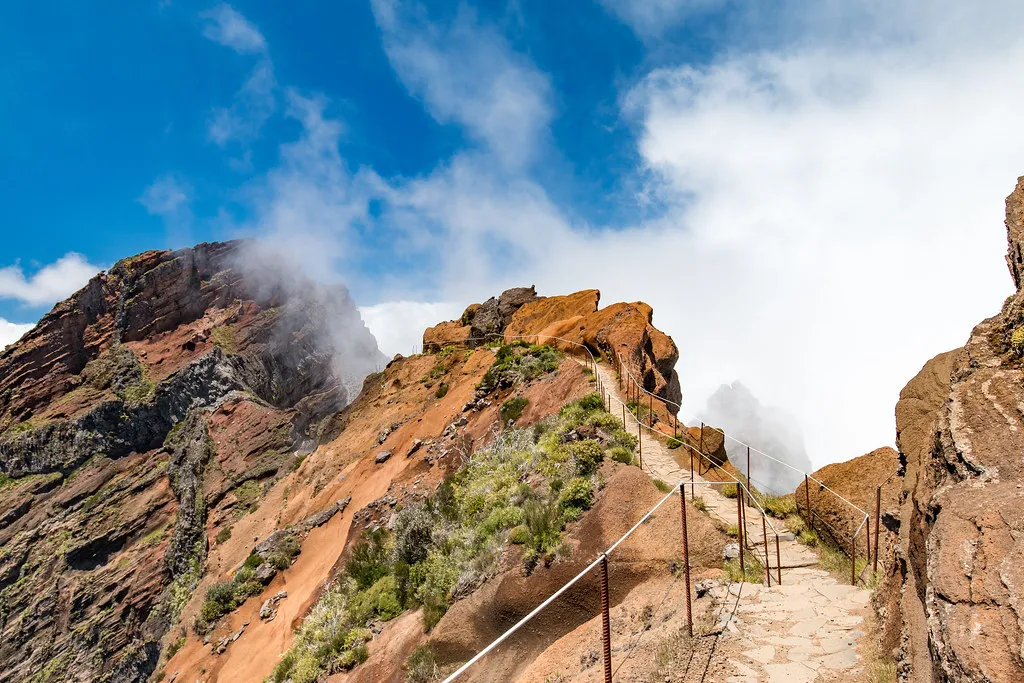
Arrange a one-way transfer to avoid retracing your steps — most visitors drive to Pico do Arieiro, hike to Ruivo, and take a taxi back from the Achada do Teixeira access point on the other side. The Pico do Arieiro view at sunrise is a highlight for photographers. The altitude keeps the summit well below 10°C even in July, so a windproof jacket is non-negotiable.
Physical fitness is required as the trail includes steep stairs, significant elevation changes, and sections with drops on both sides. Ensure you carry at least two liters of water per person since there are no facilities along the main path. If the full traverse is too demanding, Pico do Arieiro is accessible directly by car and the first 500 meters of the trail provide dramatic views without technical difficulty.
Frequently Asked Questions
How many days do I need to visit Madeira?
A stay of seven to ten days allows you to see the main highlights without rushing. This timeframe provides enough room for several long hikes and relaxing days by the natural pools. Learn 10 Iconic Things Madeira Is Famous For to help prioritize your daily itinerary.
Do I need a car to get around Madeira?
Renting a car is highly recommended for reaching the best hiking trails and remote viewpoints. While Funchal has good buses, the rest of the island is much easier to explore with your own wheels. Most major rental agencies operate directly from the international airport.
Is Madeira expensive for tourists?
Madeira offers excellent value compared to many other European island destinations. Mid-range meals and local wine are quite affordable in traditional taverns. Many of the best activities, like hiking the levadas or visiting public viewpoints, are completely free to enjoy.
A visit to Madeira offers a perfect mix of outdoor adventure and relaxing island culture. You can spend your mornings on mountain peaks and your afternoons in natural volcanic pools.
The diverse landscapes ensure that every traveler finds something special to enjoy during their stay. Plan your logistics early to make the most of your time on this beautiful Portuguese island.
Whether you seek challenging hikes or quiet garden walks, Madeira will likely exceed your expectations. Start booking your 2026 adventure today to experience the magic of the Atlantic.
See our Madeira attractions guide for the broader island overview.
For related Madeira deep-dives, see our Madeira Travel Guide: The Ultimate Island Planning Resource and Where Is Madeira: Location, Geography, and Travel Guide guides.