22 Best Madeira Activities for Your 2026 Island Adventure
Discover the 22 best Madeira activities, from hiking the PR1 sunrise trail to swimming in Porto Moniz volcanic pools. Includes local tips, logistics, and hidden gems.
On this page
22 Best Madeira Activities
Madeira's dramatic volcanic landscape delivers a rare combination of terrain that few Atlantic islands can match. You can hike above the clouds at sunrise, swim in tidal rock pools by lunchtime, and sip a fresh Poncha in a harbor village by evening. This guide covers the 22 best madeira activities for 2026, with practical logistics on access, parking, cost, and the best season for each.
The island rewards preparation. Understanding its microclimates — the misty north, the sunny south, the wind-scoured eastern peninsula — helps you sequence your days effectively. Each activity below includes a note on timing and access so you can build an itinerary that actually works on the ground.
Top Madeira Hikes at a Glance
Before diving into individual activities, here is a quick comparison of the five most popular hikes on the island. Crowd factor is rated 1–5 (5 = very crowded by 10:00). All distances are one-way unless marked return.
| Trail | Distance | Difficulty | Duration | Crowd Factor | Best Season |
|---|---|---|---|---|---|
| PR1 – Arieiro to Ruivo | 11 km | Hard | 4–5 h | 5 / 5 | May–Sep |
| PR6 – 25 Fontes & Risco | 11 km return | Easy–Moderate | 3 h | 4 / 5 | Year-round |
| PR8 – Ponta de São Lourenço | 8 km return | Moderate | 3 h | 3 / 5 | Apr–Oct |
| PR13 – Vereda do Fanal | 9 km return | Easy | 2.5 h | 2 / 5 | Nov–Mar (fog) |
| Levada do Caldeirão Verde | 13 km return | Moderate | 4 h | 3 / 5 | Year-round |
Arrive at any trailhead before 08:00 to secure a parking spot. On PR1, the Arieiro car park fills by 06:30 on clear-sky mornings in July and August. For the Rabaçal area (25 Fontes), a shuttle minibus runs from the upper car park for €5 each way and saves a steep 3 km road walk.
1. Hike from Pico do Arieiro to Pico Ruivo (PR1)
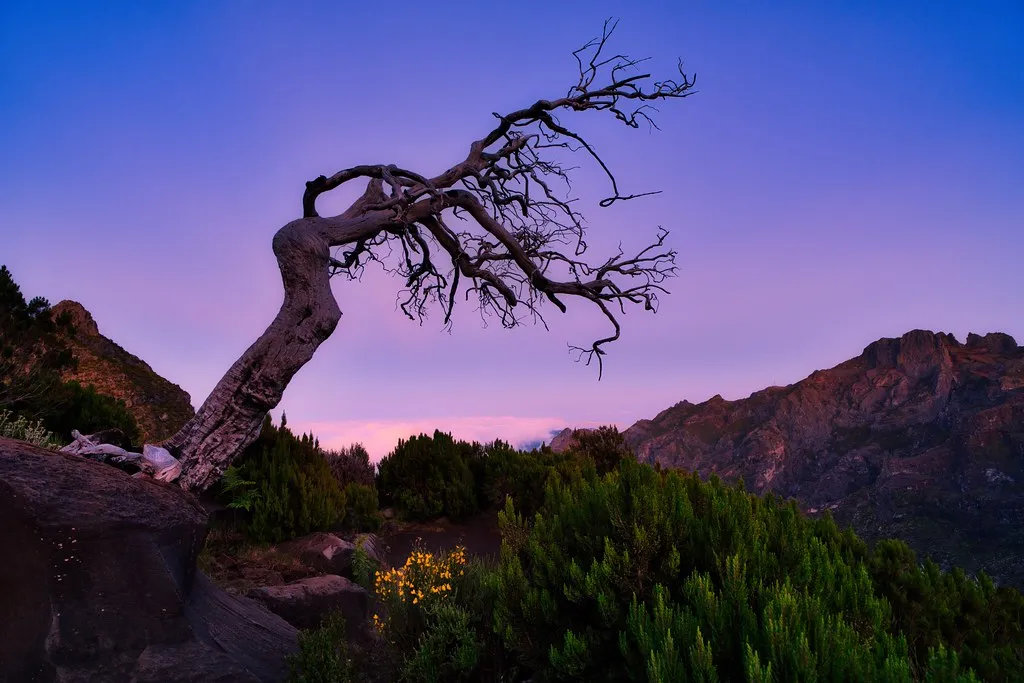
The PR1 ridge walk is Madeira's signature experience. It connects the island's second and first highest peaks — 1,818 m and 1,862 m respectively — through tunnels blasted into the rock face and a series of metal staircases clinging to sheer cliff edges. On a clear morning the views stretch to the horizon in every direction, with cloud layers forming far below your feet.
The trail runs 11 km one way and takes 4–5 hours at a steady pace. A €3 trail maintenance fee applies at the Arieiro gate, payable by card or cash. The path closes at sunset, so if you plan to catch the sunrise at the summit, start your drive by 04:30. The road to Arieiro is fully paved and manageable in a standard hatchback, but the car park fills fast.
Parking & access: The Pico do Arieiro car park (Estrada Regional 202) holds around 80 vehicles. Overflow parking exists 400 m back along the road. A taxi or rideshare from central Funchal costs roughly €25–€30 each way, which avoids the parking scramble entirely. Best season: May–September for stable visibility.
2. Dip in the Porto Moniz Natural Swimming Pools
Porto Moniz sits at Madeira's northwestern tip and its volcanic rock pools are among the most photographed sights on the island. The Atlantic tide fills them naturally, creating calm saltwater baths set against a backdrop of lava formations and crashing open-ocean waves just meters away.
There are two distinct pool areas. The developed Piscinas Naturais charges €3 per adult and offers sunbeds, showers, and a café. The wilder pools a five-minute walk south are free but have no facilities and can be slippery after wave surge. Both are generally open daily 09:00–19:00 in summer. Outside peak season, check online before going as winter storms can close the pools for days at a time.
Parking & access: A free car park sits directly above the pools on Rua da Piscina. It fills by 11:00 on summer weekends. A second overflow lot is 300 m northeast. Best season: June–September when water conditions are calm and lifeguards are on duty.
The developed Piscinas Naturais charges €3 per adult and includes showers and a café. Outside peak season, check current opening status before making the drive — winter storms can close the pools for several days at a time.
3. Get Lost in the Fog of Fanal Forest
Fanal sits on the Paul da Serra plateau at around 1,100 m altitude and is part of the ancient Laurissilva forest — a UNESCO World Heritage ecosystem that has existed since before the last ice age. Ancient laurel trees with twisted silver trunks rise from a carpet of moss, and when the plateau cloud rolls in, the effect is genuinely otherworldly.
Access is free and the area is open 24 hours. The magic is entirely weather-dependent: come at 07:00 on a winter morning when fog is thick and you will have the forest to yourself. Come on a clear August afternoon and it can feel like a car park. There is no café or toilet at the site itself, so bring everything you need.
Parking & access: The main Fanal car park is on Estrada Regional 204. It holds roughly 30 vehicles; arrive before 08:00 on weekends or park along the road verge. Best season: November–March for atmospheric fog; the plateau is exposed and cold in winter so pack a waterproof and warm layer.
4. Trek the Ponta de São Lourenço Peninsula
The easternmost tip of Madeira looks nothing like the rest of the island. The vegetation is sparse and the landscape is dominated by layered red and orange volcanic cliffs dropping into turquoise water — an arid peninsula jutting into the Atlantic with views back toward the green main island. The contrast is dramatic and the photography is outstanding.
The PR8 trail runs 8 km return from the car park at Caniçal and takes around three hours including stops. A €2 conservation fee is payable at the trailhead via a QR code. The path is well-marked but exposed: there is minimal shade, wind is almost constant, and the cliff edges have no barriers. Keep children and dogs well back from the drop-offs.
Parking & access: The dedicated car park at the Ponta de São Lourenço trailhead (end of ER109) costs €2 for the day. It fills by 09:30 on weekends. Arrive before 08:00 or park 1 km back along the road. Best season: April–October; avoid in strong north winds as the exposed ridgeline becomes dangerous.
5. Photograph the Traditional Santana Houses
Santana's iconic triangular A-frame houses — called palheiros — are thatched down to ground level in bright reds and yellows and were originally built as combined home-and-barn structures for farming families. The heritage park in the village center preserves several working examples and is one of the most recognizable images of rural Madeira.
Walking the village is free. Two of the palheiros function as small museums with admission of €1–€2. The site is open daily 09:00–18:00. The best light for photography is in the morning before the tour buses arrive, typically before 10:00. Santana also makes a good base for a northern coast road trip combined with the Chapel of São Vicente further west.
Parking & access: Free parking is available in the central village square on Rua Padre Manuel Álvares. Best season: year-round, though spring flowers around the houses add extra color from March–May.
6. Relax on Seixal Black Sand Beach
Praia do Porto do Seixal is one of the few natural beaches on Madeira's northern coast and one of the most dramatic. Fine black volcanic sand, a waterfall tumbling directly onto the beach from the cliff above, and green mountains rising behind it — the setting is spectacular. The Atlantic here can be rough but on calm summer days the swimming is excellent.
The Seixal Natural Pools (Piscinas Naturais do Seixal) adjoin the beach and offer a safer swim for families; entrance is €2 and there is a small snack bar and lifeguard on duty in summer. The beach itself is free and accessible at all hours. Black sand absorbs heat intensely — keep sandals on when crossing to the water in the afternoon.
Parking & access: A small free car park sits at the base of the access road off ER101. It holds around 25 vehicles. Arrive before 10:00 in July and August. Best season: June–September; the northern coast receives more rain and rougher seas in winter.
7. Ride the Monte Toboggan Wicker Basket
The Monte Toboggan is one of Madeira's most distinctive traditions. White-uniformed Carreiros — toboggan drivers — guide wicker sleds down steep cobbled streets from Monte village toward Funchal's Livramento neighborhood, using their rubber-soled boots as brakes. The 2 km ride drops around 500 m in altitude and takes roughly ten minutes.
A shared ride for two costs approximately €35. Solo seats are available for around €25. Operating hours are Monday–Saturday 09:00–18:00; the service does not run on Sundays. The ride ends in Livramento, about a 25-minute walk or a short local bus ride back to central Funchal. Combine it with the Monte Cable Car (Teleférico do Funchal) for a scenic loop — take the gondola up from the seafront and the toboggan down.
Parking & access: Drive or take the cable car to Monte. Street parking exists near the Monte Palace Tropical Garden but is limited; the cable car from Funchal seafront is the easier option at €15 return. Best season: year-round, weather permitting.
8. Join a Guided Madeira Wine Tasting Tour
Madeira wine is genuinely unlike any other fortified wine in the world. The estufagem heating process — originally accidental, caused by barrels crossing the equator on old trade ships — creates an oxidized, almost indestructible wine that ages for decades or even centuries. Historic lodges in Funchal like Blandy's Wine Lodge offer structured tours and tastings in atmospheric 19th-century warehouses.
Basic tastings start at €15 per person and include three to four wines. Premium vintage tours can reach €50 or more. Most lodges operate 10:00–18:00. Before choosing a tour, consult a local Madeira drinks guide to understand the four main grape styles — Sercial, Verdelho, Bual, and Malmsey — and whether you prefer dry or sweet. This avoids buying a bottle you won't enjoy.
Parking & access: Blandy's Wine Lodge is in central Funchal on Avenida Arriaga, walkable from most Funchal hotels. No dedicated parking — use the underground Sé car park two minutes away. Best season: year-round; wine tours run regardless of weather.
9. Brave the Cabo Girão Skywalk
Cabo Girão is one of the highest sea cliffs in Europe at 580 m above the ocean. A glass-floored viewing platform extends over the edge, giving you an unobstructed view straight down to the terraced banana and vine fields clinging to the cliff face — and then the Atlantic beyond. It is vertiginous even for those who do not normally fear heights.
Entry costs €2 per person. The viewpoint is open daily 08:00–20:00 in summer (shorter hours in winter; check the Funchal Cable Car website for current times). The platform also has a free cable car down to the coastal farming terraces below — a less-visited extension that is worth 30 minutes of your time if you want to escape the viewpoint crowds.
Parking & access: Free car park directly at the viewpoint on ER214, roughly 20 minutes west of Funchal. Best season: year-round; clear mornings provide the best views before afternoon coastal haze builds.
10. Explore Funchal's Mercado dos Lavradores
The Workers' Market in central Funchal is a sensory experience. Stalls of passion fruit, custard apple, dragon fruit, and the island's famous anona fill the ground floor; the fish hall downstairs displays espada (scabbardfish) and tuna laid out on black basalt slabs. Flower sellers in traditional embroidered costumes occupy the entrance archways, dressed in the distinctive red and yellow of the Madeira national costume.
Entry is free. The market operates Monday–Friday 08:00–19:00 and Saturday 07:00–14:00; it is closed on Sundays. Arrive in the first hour of opening to see the freshest produce and thinner crowds. One practical warning: the exotic fruit vendors near the entrance target tourists aggressively with free samples — the prices for follow-up purchases can be three to four times the value of the same fruit bought at a regular supermarket.
Parking & access: The market sits in Funchal's Old Town. Park at Parque de Estacionamento do Infante (Rua Câmara Pestana) five minutes walk away. Best season: year-round; the market operates regardless of weather.
11. Book a Whale and Dolphin Watching Cruise
Madeira's location in the deep mid-Atlantic makes it one of Europe's best whale watching destinations. Resident pilot whales and sperm whales can be seen year-round; fin whales and blue whales pass through on seasonal migrations. Several dolphin species — common, striped, and bottlenose — are almost guaranteed on any departure. Local operators use lookout stations on the cliffs (traditional shoreside spotters called "Vigia") to radio the boats directly to active sightings, giving Madeira a much higher encounter rate than most whale watching destinations.
Standard tours cost €35–€55 per adult and depart from Funchal marina and Calheta marina multiple times daily. Morning departures tend to have calmer seas. Before booking, check the species sightings board at The Whaling Museum of Madeira in Caniçal to see which cetaceans are currently active in nearby waters.
Parking & access: Most operators depart from the Funchal Marina — underground parking is available on Avenida do Mar. Best season: year-round for resident species; April–June for migratory blue and fin whales.
12. Walk the 25 Fontes and Risco Levada (PR6)
The PR6 trail near Rabaçal is one of Madeira's most beloved levada walks and accessible for hikers of most fitness levels. The route splits to reach two highlights: a lagoon fed by 25 small springs tumbling from the surrounding cliffs, and a 100 m waterfall called Levada do Risco that thunders into a mossy basin. The combination covers around 11 km return through classic Laurissilva forest.
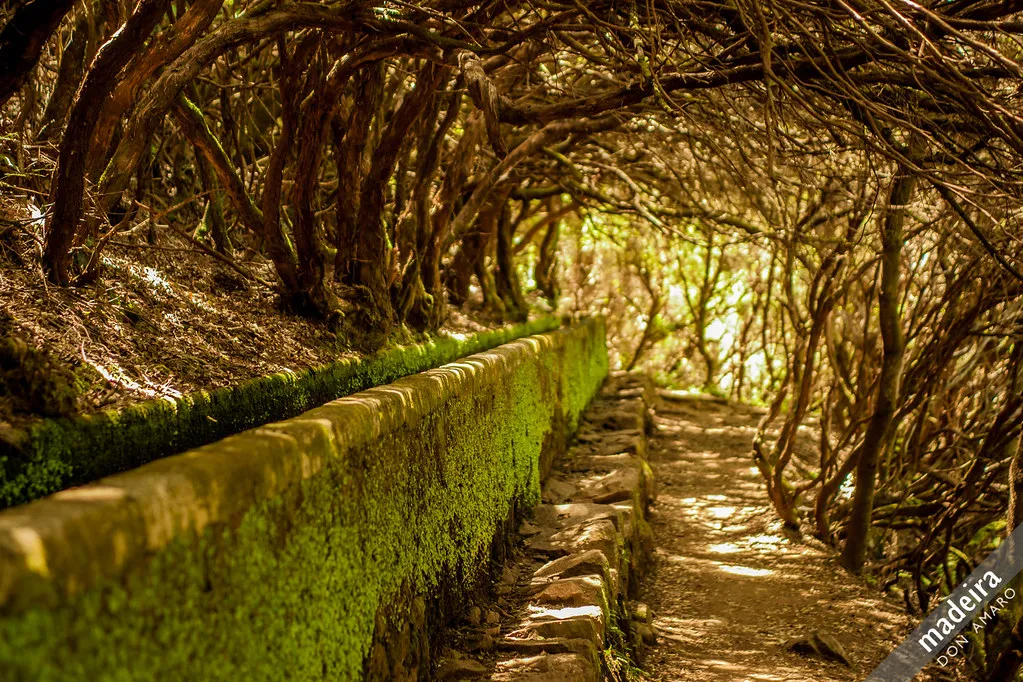
Trail access is free but the logistics require planning. The Rabaçal parking lot at the top of the access road fills by 09:30. A small shuttle minibus runs from the car park down to the trailhead for €5 each way — it saves a 3 km steep road descent before you even begin the main walk. The minibus typically runs 08:30–17:30 daily in summer. Carry water and a snack as there are no facilities on the trail itself.
Parking & access: Rabaçal car park is off ER110. If full, park along the main plateau road and walk down (30 min). Best season: year-round; the waterfall is most powerful from November–March after rain.
13. Drive Through the Cascata dos Anjos Waterfall
On the old coastal road (Estrada Velha) between Lugar de Baixo and Ribeira Brava, a natural waterfall spills directly onto the tarmac where the road passes beneath a cliff overhang. Locals and tourists alike drive straight through for a free, natural car wash. It is one of those Madeira peculiarities that no guidebook can fully prepare you for.
The drive-through is always free but requires care. Falling rocks are a genuine hazard — loose material dislodges from the cliff above, especially during and after rain. There is no warning signage or barrier. Check for recent rockfall before stopping. The road is narrow (one lane at this point) and oncoming traffic moves fast. Park 100 m before the fall to walk under it safely if you want a photo; standing under the overhang is the riskiest position. Early morning weekdays see the least traffic on this old road.
Parking & access: Pull-in space on the roadside shoulder before the fall. Best season: autumn and winter for maximum flow; summer can reduce it to a trickle.
Falling rocks are a genuine hazard at Cascata dos Anjos — loose material dislodges from the cliff above, especially during and after rain. There is no warning signage or barrier. Check for recent rockfall before stopping, and avoid standing directly under the overhang.
14. Descend the Achadas da Cruz Cable Car
This is one of the most unusual experiences in Madeira and one the island rarely promotes loudly. The cable car at Achadas da Cruz descends a 200 m cliff at a gradient exceeding 45 degrees — genuinely one of the steepest agricultural cable cars in Europe — connecting the clifftop to a small coastal farming plateau used by local families to grow vegetables and grapes since the 18th century.
At the bottom there are no restaurants, no cafes, no phone signal, and no tourist infrastructure of any kind. You walk among small terraced plots, cross a footbridge to a pebble beach, and take in a stretch of north coast that feels entirely separate from the rest of the island. A round-trip ticket costs roughly €5, with the car operating daily 08:00–20:00 in summer.
One critical practical note: local farmers have absolute priority for boarding. If a farmer arrives with crates of produce or a cart of tools, they load first regardless of how long you have been waiting. This is not rudeness — it is how the system has worked for generations. Wait patiently and the descent itself is well worth it. Parking & access: Free car park at the top station, 5 km south of Porto Moniz on ER101. Best season: June–September when weather is stable and the bottom plateau is dry.
15. Catch the Sunset at Ponta do Sol
Ponta do Sol is widely recognized as the sunniest and warmest village in Madeira, sheltered from the north winds by the island's central ridge. The historic stone pier and small pebble beach face due west, making it an ideal spot for watching the sun set over the open Atlantic. The village is compact, pretty, and noticeably less visited than Funchal, which gives it a more authentic feel.
The beach and promenade are free and open at all hours. Local bars along the seafront serve Poncha and grilled fish. Grab a drink from Café do Museu on the main square — the terrace overlooks the ocean and the local fishermen still use the harbor below. Unlike many coastal villages, Ponta do Sol retains a working community character rather than catering purely to tourism.
Parking & access: Free seafront car park on Rua João de Deus. Best season: year-round; the south coast microclimate means even winter visits often deliver sunshine here.
16. Visit the Chapel of São Vicente
The Chapel of São Vicente — a tiny white-washed church perched on a rocky promontory in the river valley of the same name — is one of those small Madeira moments that stays with you. It dates to the 17th century and sits surrounded by sheer green mountain walls. The drive through the valley alone justifies the detour, passing basalt gorges and cascading streams on the way.
Entry to the chapel grounds is free and it is generally open 09:00–18:00 daily. The São Vicente Caves (Grutas de São Vicente) are nearby and offer a 45-minute guided underground tour of a 400,000-year-old lava tube for €8 per adult — a good combination if you have a half-day on the northern coast.
Parking & access: Small free car park adjacent to the chapel. Best season: year-round; autumn and winter add dramatic cloud and mist to the valley scenery.
17. Go Canyoning in the Madeira Interior
Canyoning in Madeira means rappelling down waterfalls, jumping into glacial mountain pools, and traversing narrow gorges cut through Laurissilva forest. The island's steep terrain and year-round water flow make it excellent for the sport. The Ribeira da Metade and Caldeirão Verde canyons are the most popular routes for guided groups.
Group tours cost €60–€90 per person including all gear, wetsuit, and a certified guide. Booking through operators listed on the Visit Madeira Official Tourism Board website ensures guides carry the necessary mountain rescue insurance. No prior experience is required for introductory routes, but you must be comfortable in cold water — mountain pools can be 14–16°C even in summer.
Parking & access: Operators typically arrange meeting points and shuttle transport to canyon entry points. Best season: April–October; winter rain raises water levels and increases hazard in narrower gorges.
18. People Watch at the Camara de Lobos Harbor
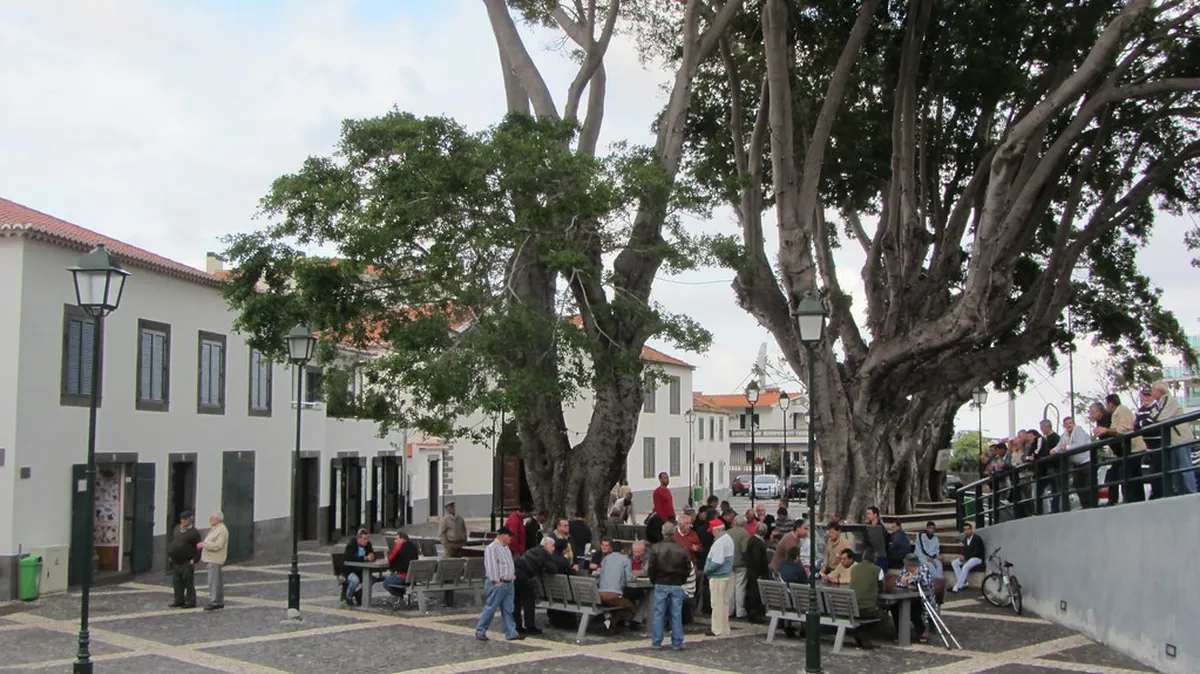
Camara de Lobos is a working fishing village 8 km west of Funchal that Winston Churchill famously painted on multiple visits. Colorful traditional fishing boats called xaroupas are still hauled up on the concrete slipway each morning, and the harbor retains genuine working-village character rather than the sanitized tourism feel of Funchal's waterfront.
The harbor area is free to explore and the bars along the seafront are busy from late afternoon. For an authentic drink, avoid the tourist-facing cafes on the promenade and instead walk up to the back streets above the harbor. The bars there serve Poncha — made fresh with aguardente de cana, honey, and lemon — for €1.50–€2, compared to €5–€6 versions in Funchal. Nikita, a local mix of beer, vanilla ice cream, and fresh pineapple juice, is also a Camara de Lobos specialty and worth trying here where it originated rather than in the tourist bars of central Funchal.
Parking & access: Free car park on the seafront off ER229. Best season: year-round; lively on weekday mornings when the fishing fleet returns.
19. Take a Surfing Lesson at Porto da Cruz
Porto da Cruz on the northeast coast is Madeira's primary surf beach for beginners. Alagoa Beach receives a consistent swell with a gentler break than the exposed western spots, and several licensed surf schools operate there with small class sizes and equipment included in the lesson price. It is a world away from the flat, artificial sands of Calheta.
A two-hour group lesson costs €40–€60 depending on the school. Book in advance in July and August. The Atlantic water temperature around Madeira runs 18–22°C depending on season — comfortable for a short session but cold for extended time in the water. Insist that your school provides a 3/2mm wetsuit in summer and a 4/3mm in winter. Do not accept a shorty or spring suit — the Atlantic current is colder than the air temperature suggests.
Parking & access: Free roadside parking along the seafront in Porto da Cruz village. Best season: October–March for consistent swell; summer is the most crowded but has the warmest water.
20. Enjoy Gelato at Calheta Beach
Calheta is notable for having one of the few genuine sandy beaches in Madeira — the sand was imported from Morocco and the Canary Islands as part of a coastal development project and is maintained artificially. The result is a wide, golden-sand beach completely unlike anywhere else on the island, backed by a modern marina with cafes and restaurants.
The beach is free to use and facilities (sunbeds, showers) are available from approximately 09:00–22:00 in summer. The marina strip has several good gelato shops with scoops at €3–€5. Calheta also marks the western end of the ViaExpresso expressway, making it one of the easier drives from Funchal — around 35 minutes without taking the scenic coastal road.
Parking & access: Free car park in the marina complex. Best season: June–September for swimming; the beach is pleasant year-round for a walk.
21. View the Ribeira das Janelas Rock Formations
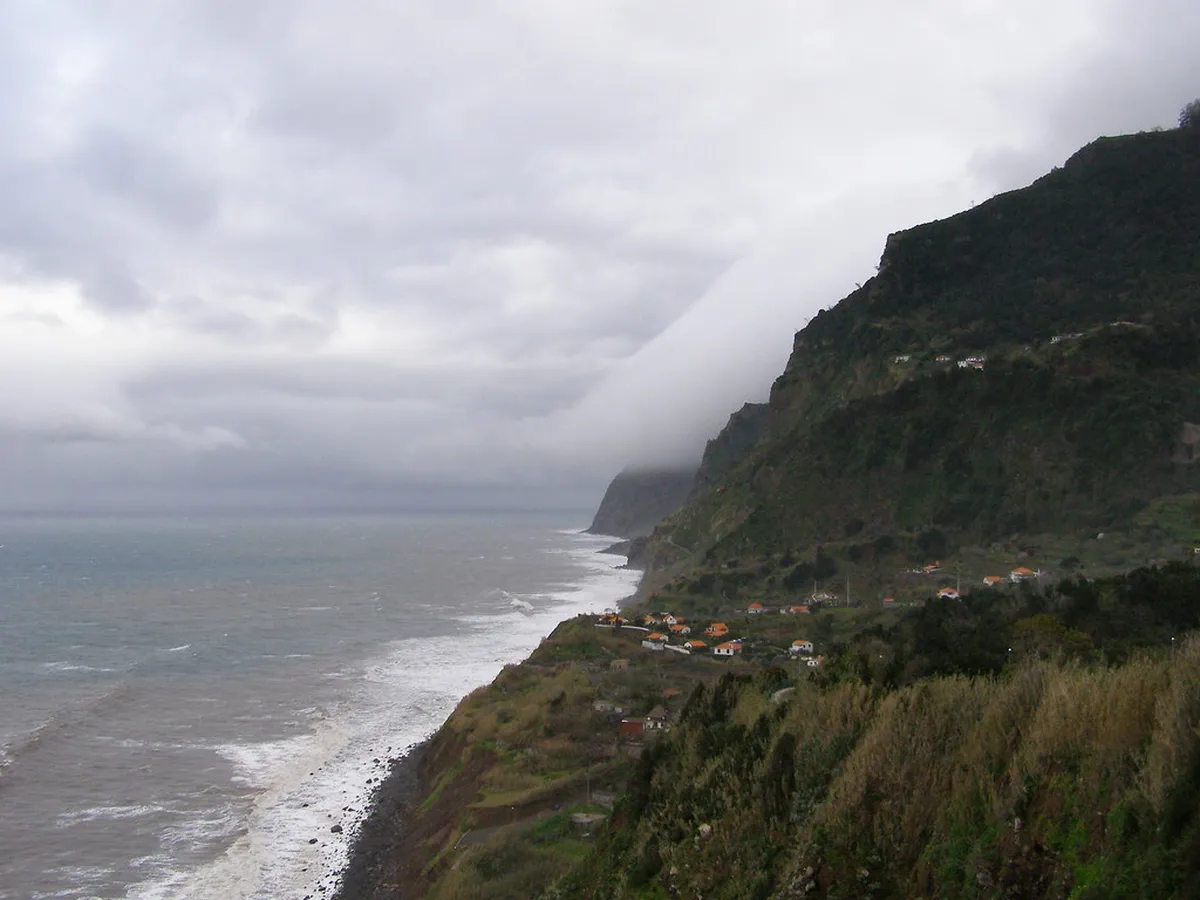
Ribeira das Janelas on the north coast is one of Madeira's less-visited geological highlights. Two dramatic sea stacks — volcanic pinnacles rising directly from the Atlantic — sit just offshore from a quiet pebble beach. The name translates to "River of Windows" and refers to natural arches worn through the rock by wave action over millennia.
The viewpoint and beach access are free and the area sees far less traffic than the southern coast. For photography, the key variable is light direction. Arrive at or shortly after sunrise — between 06:15 and 07:30 in summer — and the low-angle light hits the rock faces directly while the sea surface is calm and the cliffs are free of visitors. By 10:00 the angle is high and flat, and a tour bus or two may have appeared. Afternoon light can also be strong here but the beach faces broadly north, so midday is the least interesting time.
Parking & access: Small pull-in area on ER101 above the beach with a footpath down. Best season: year-round; winter swells make the sea stacks more dramatic but beach access can be unsafe.
22. Unwind with a Relaxing Spa Day or Heritage Stay
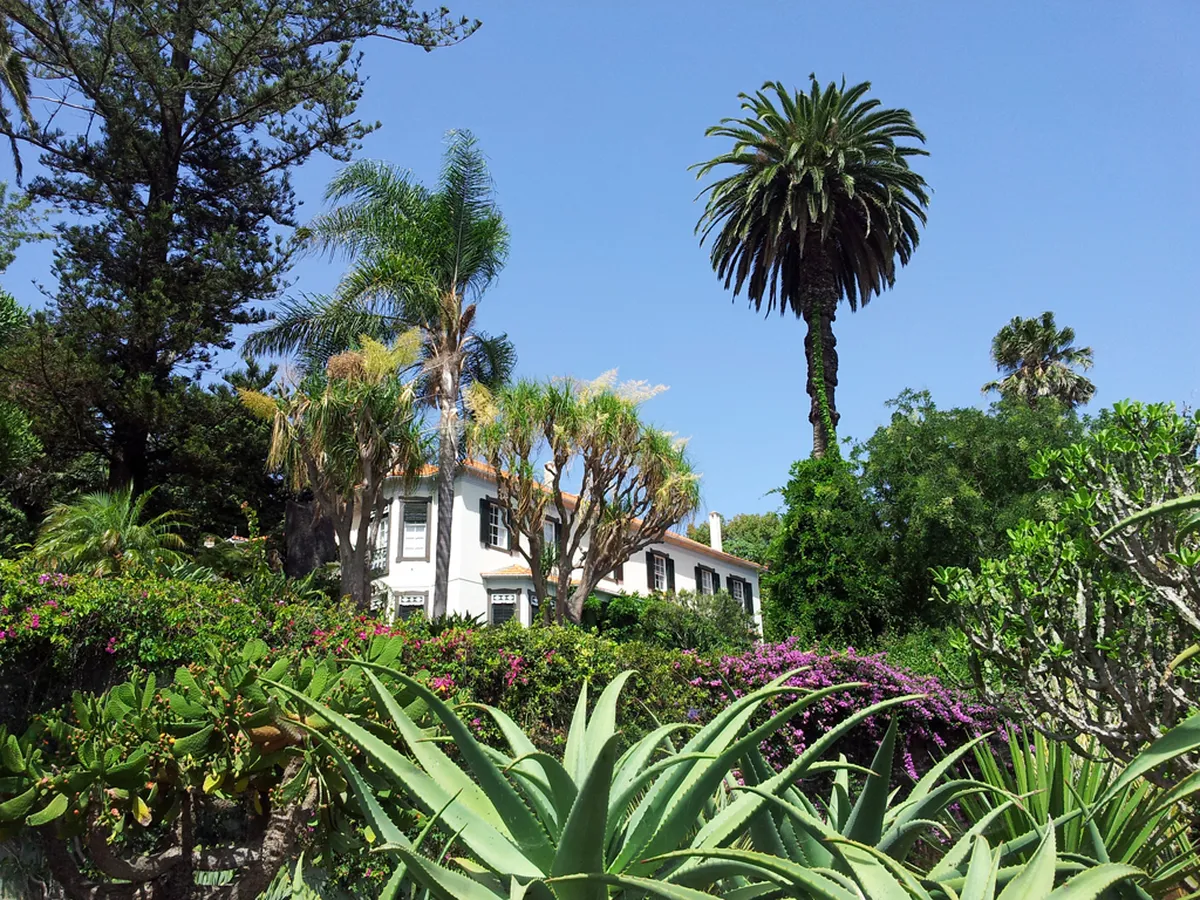
Madeira has a long tradition of wellness tourism, dating to the 19th century when British and aristocratic European visitors came to recuperate in the island's mild climate. The legacy survives in the island's collection of historic quintas — manor houses with landscaped gardens and private pools that now operate as boutique hotels. Several, like the Quinta das Vistas in Funchal, offer day access to spa facilities without requiring an overnight stay.
Spa day passes at mid-range hotels typically run €50–€90, while five-star resorts charge €120–€150. Most spa facilities are open 10:00–20:00. For a dose of history beforehand, the Madeira Military Museum in Funchal is a short walk from several wellness properties and covers the island's colonial and wartime history in a well-presented collection.
Parking & access: Quintas are distributed across Funchal's hillside neighborhoods — most have private parking for day guests. Best season: year-round; winter rates at heritage hotels can be 30–40% lower than peak summer.
Planning Your Madeira Activities: Essential Tips
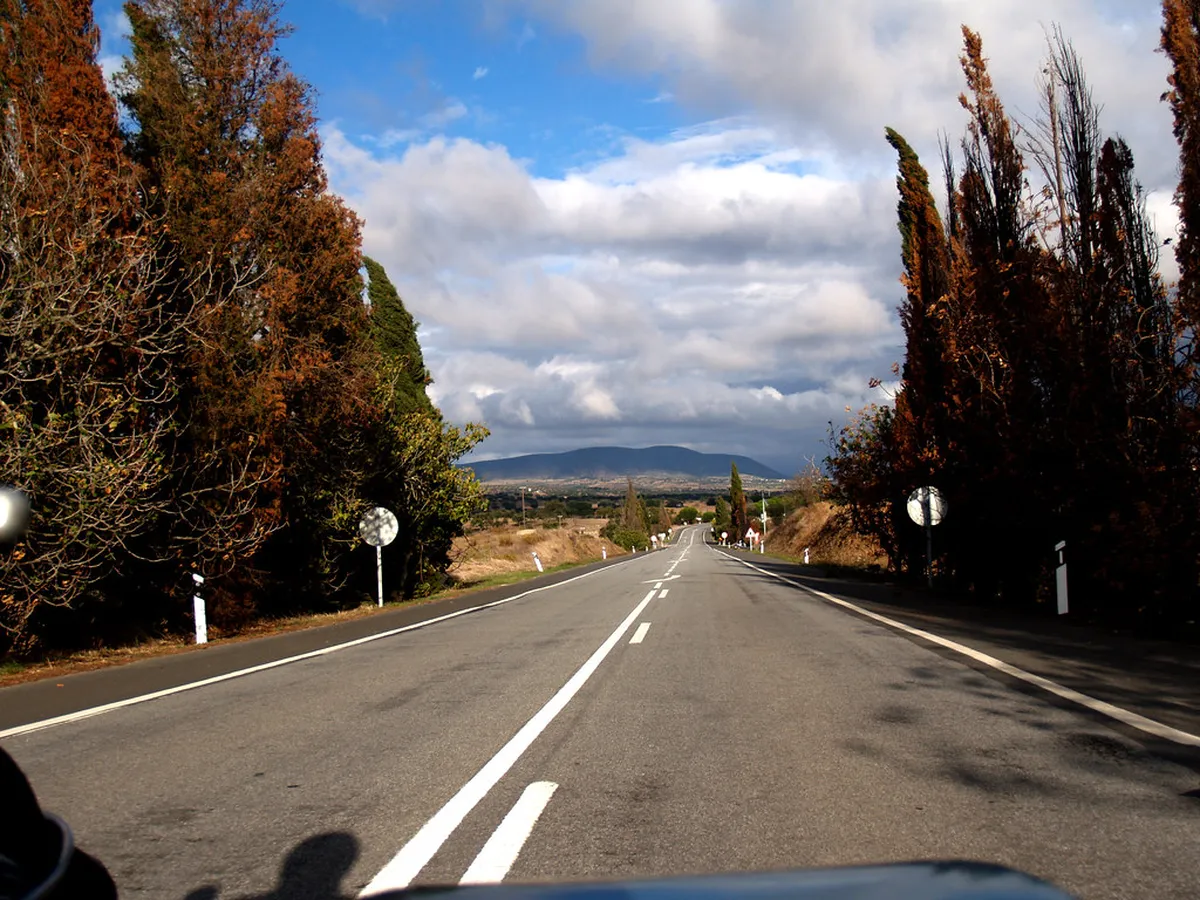
To make the most of these madeira island attractions, renting a car is almost essential. While Funchal has a decent bus network, reaching trailheads and remote northern villages without your own wheels is slow and restrictive. Book an automatic if you are not used to steep hill starts — the terrain is extremely vertical. The modern tunnel network has dramatically shortened cross-island journeys: Funchal to Porto Moniz now takes around 45 minutes on the expressway.
Layering is the most important packing decision. The temperature difference between Funchal's seafront (18–25°C in summer) and the mountain plateau (8–15°C) is significant and can change within a single morning. Carry a lightweight waterproof and a fleece in your daypack regardless of the coastal forecast. Sturdy hiking boots with ankle support are essential for the PR1 and Ponta de São Lourenço trails; trail runners are adequate for levada walks.
For more context on when to go, the 23 Best Things to Do in Madeira: The Ultimate Guide guide covers seasonal timing across all activity types in greater detail. The island's outdoor adventure infrastructure — trail maintenance, surf schools, canyoning operators — is well organized in 2026 and the quality of local guiding has improved noticeably over the past three years.
Frequently Asked Questions
What is the best month to visit Madeira for outdoor activities?
May and September are the best months for hiking and swimming. These periods offer stable weather and mild temperatures without the peak summer crowds. You will find the trails are less congested and the ocean water is comfortably warm.
Do you need a car to explore Madeira activities?
Renting a car is highly recommended for reaching remote trailheads and northern viewpoints. While Funchal is walkable, public transport to mountain regions is infrequent and slow. A car provides the flexibility needed to follow the best weather across the island.
Are Madeira levada walks dangerous for beginners?
Most levada walks are flat and safe, but some have narrow paths with steep drops. Beginners should start with well-marked trails like the Levada dos Balcões. Always check local trail conditions and avoid hiking during or immediately after heavy rainfall.
Madeira is a destination that rewards those who are willing to wake up early and explore its rugged corners. By mixing iconic hikes like PR1 with quieter spots like Achadas da Cruz and Ribeira das Janelas, you experience the full spectrum of the island's beauty. Respect the local environment by staying on marked trails and supporting small village businesses along your route.
Whether you are visiting for the first time or returning for the tenth, the island always has a new trail or hidden cove to discover. Use this guide to build an itinerary that balances adventure with the island's famous relaxed hospitality. Safe travels as you explore the incredible variety of Madeira activities waiting for you in 2026.
Combine this with our main Madeira attractions guide for a fuller itinerary.
For related Madeira deep-dives, see our 22 Best Madeira Attractions and Madeira Tourism: The Ultimate Island Travel Guide guides.