9 Essential Tips for Traveling from Lisbon to Cascais
Master the journey from Lisbon to Cascais with our 2026 guide. Includes train schedules, ticket hacks, Uber vs. car comparisons, and scenic route tips.
On this page
9 Essential Tips for Traveling from Lisbon to Cascais
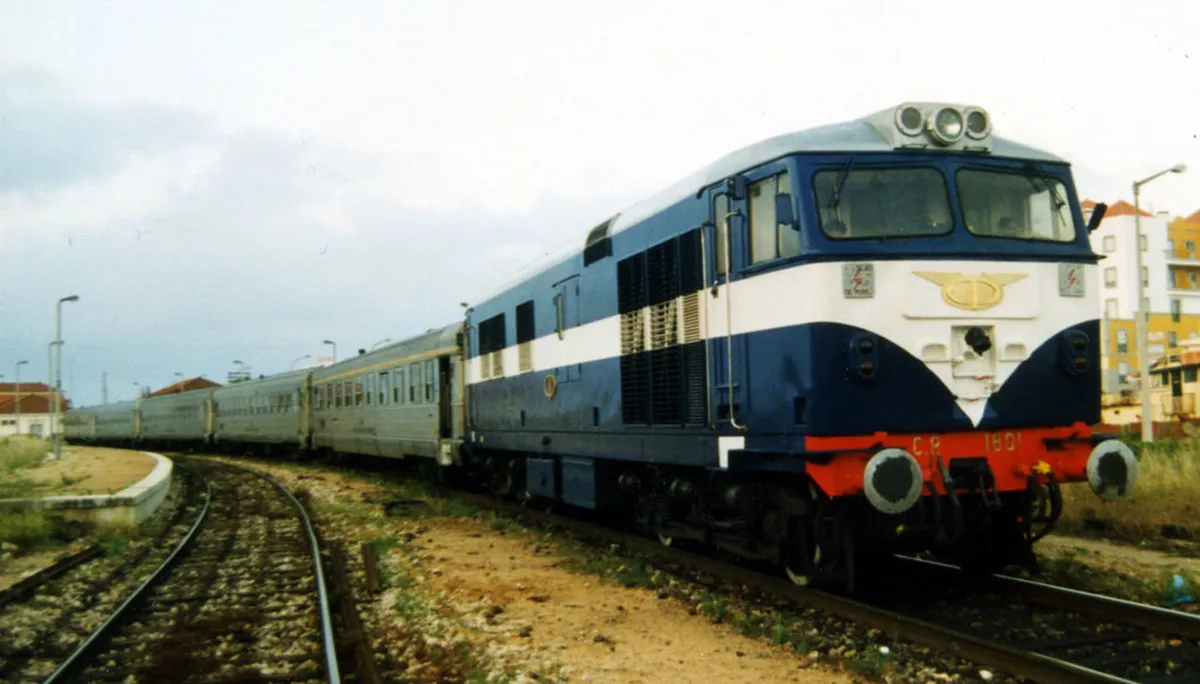
Getting from Lisbon to Cascais is one of the easiest coastal escapes in Europe. The train takes 33–40 minutes, costs €2.30, and drops you in the center of town a short walk from the beach. Last updated May 2026.
Cascais sits 27 km west of Lisbon, connected by the Linha de Cascais — a dedicated urban railway operated by Comboios de Portugal (CP). The route is scenic, frequent, and almost always the right choice. But if you are traveling with young children, heavy luggage, or during peak beach season, there are smarter strategies worth knowing before you leave.
Quick Answer: Take the train from Cais do Sodré for €2.30. Groups of four may find Uber cheaper overall. Driving is not recommended in summer due to parking scarcity.
Choose the Best Transport Mode for Your Budget
The right choice depends on your group size, your departure point in Lisbon, and the time of day. Solo travelers and couples should default to the train without hesitation. For a group of four sharing a ride-hailing app, the cost difference shrinks considerably — four train tickets at €2.30 each totals €9.20 one way, while a shared Bolt can run €22–28 and get you there door to door in under 35 minutes when traffic cooperates.

Renting a car gives flexibility to stop at Boca do Inferno or drive on to Guincho beach, but parking in central Cascais during July and August is genuinely miserable. Drivers report circling for over an hour in peak season. If you do drive, the town has a Park & Ride facility on the outskirts where you can leave the car and jump on local transport into the center.
Bus services run between Lisbon and Cascais but take considerably longer and the Lisbon terminus is inconveniently located for most tourists. There is almost no practical reason to choose the bus over the train unless you are starting from a neighborhood that isn't near Cais do Sodré.
- Train: €2.30 single, 33–40 minutes, every 20 minutes during the day — best for solo travelers and couples.
- Uber or Bolt: €22–35 depending on demand, 30–50 minutes including traffic — best for families or groups of 3–4 with luggage.
- Rental car: flexible but parking in summer is very difficult — only worth it if you plan to explore beyond Cascais town center.
- Bus: slower and inconveniently routed — not recommended for day-trippers.
| Transport | Price (one way) | Journey Time | Frequency | Best For |
|---|---|---|---|---|
| Train (CP Linha de Cascais) | €2.30 (€2.00 with Zapping) | 33–40 min | Every 20 min | Solo travelers & couples |
| Uber / Bolt | €22–35 | 30–50 min (traffic-dependent) | On demand | Groups of 3–4 with luggage |
| Rental car | Variable (rental + parking) | 35–40 min (light traffic) | Flexible | Exploring Boca do Inferno or Guincho |
| Bus | Similar to train | Considerably longer | Infrequent | Not recommended for day-trippers |
Master the Train Departure from Cais do Sodré
All Cascais trains depart from Cais do Sodré station, located near the Tagus riverfront in western Lisbon (GPS: 38.705, -9.145). The station is the western terminus of the green metro line, so you can connect directly from any metro stop in the city. The metro platforms are below ground; the train platforms are at ground level with lifts and escalators connecting all floors, which matters if you are traveling with a stroller or large luggage.
The station has six ticket machines with instructions in Portuguese, English, French, and Spanish. During peak beach season — roughly May through October — queues at the machines and staffed counter can run 20–30 minutes. The practical solution is to load a Navegante card with Zapping credit at any metro station instead, which lets you walk straight through the barriers without queuing at Cais do Sodré at all.
Trains are not bookable in advance. Simply validate your card at the yellow barriers and board the next departure. The digital departure boards clearly show the platform number and destination. The final stop is always Cascais; you cannot accidentally board the wrong train on this line.
- Step 1: Travel to Cais do Sodré Station via the green metro line (final stop, ~€1.90 from central Lisbon).
- Step 2: Buy or top up your Navegante card at the machines — or pre-load Zapping credit at any metro station to skip the queue.
- Step 3: Validate your card at the yellow barriers and check the digital departure board for the next Cascais train.
- Step 4: Board and sit on the left side of the carriage for ocean views heading toward Cascais.
- Step 5: Stay on until the final stop. The walk to the beach takes under five minutes from the station exit.
Navigate the Cascais Train Stops and Route
The Linha de Cascais has 14 stations between Cais do Sodré and the terminus at Cascais. Each stop opens different options for beach-hopping or sightseeing without backtracking to Lisbon. The full sequence is: Cais do Sodré → Santos → Alcântara-Mar → Belém → Caxias → Paço de Arcos → Santo Amaro de Oeiras → Oeiras → Carcavelos → Parede → São Pedro do Estoril → Estoril → Monte Estoril → Cascais.
The most strategically useful intermediate stop is Belém — the district is home to the Torre de Belém, the Jerónimos Monastery, and the famous pastéis de nata at Pastéis de Belém. Many travelers visit Belém in the morning, then reboard a later train for the 25-minute hop onward to Cascais. Since Belém is in the same fare zone, your single ticket or Zapping credit covers the entire journey regardless of when you board the next leg.
Carcavelos is another worthwhile stop. Praia de Carcavelos is the widest beach on the entire Estoril coast — it is far less crowded than the beaches directly in Cascais town and better for serious swimming or volleyball. Estoril, two stops before Cascais, is in the same fare zone and offers the famous Casino Estoril and a pleasant seafront promenade you can walk back to Cascais along the coast (roughly 2 km).
Display boards inside each train carriage show the upcoming stops in sequence. The journey is fastest during rush hours — around 33 minutes — when the service skips the smaller suburban stations. Off-peak trains that stop everywhere take up to 40 minutes. The first departure from Cais do Sodré is at 05:30, and the last train of the day leaves at 01:30. Be aware that some very late-night services are replaced by a bus between Cascais and Oeiras — check the CP website before a late evening out.
Purchase Tickets and Navigate the Navegante Card
The reusable transit card for the Lisbon region is now officially called the Navegante card (previously marketed as the Viva Viagem card — you will see both names on older signs and machines, but they refer to the same physical card). The card itself costs €0.50 and every traveler needs their own. You cannot share a single card between two people.
There are two ways to pay for a train journey on the Navegante card. The first is to load a specific single ticket for €2.30, which covers the four-zone fare from Lisbon to Cascais. The second is the Zapping method: load a cash credit balance onto the card, and the system deducts the exact fare when you tap at the barriers. Zapping reduces the per-journey cost to approximately €2.00 and crucially lets you reload credit at any metro station machine — bypassing the summer queues at Cais do Sodré entirely.
There is also a 24-hour unlimited ticket at €6. This is only worthwhile if you plan to make six or more separate journeys by metro, bus, and train in a single day. For a straightforward day trip — train to Cascais and train back — it offers no savings over two single Zapping taps at €2.00 each. The Cascais From Lisbon: The Ultimate 1-Day Itinerary guide covers how to structure your day if you plan to beach-hop across multiple stops on the line.
The Lisboa Card is a tourist pass that includes unlimited free travel on the Cascais line during its validity period (24h, 48h, or 72h), plus free or discounted entry to many Lisbon museums. If you are already planning to visit multiple paid attractions in Lisbon on the same day, the Lisboa Card often pays for itself before you even reach Cais do Sodré. Tap it at the barriers the same way as a standard Navegante card.
The Navegante card costs €0.50 and is reusable — each traveler needs their own. Loading Zapping credit instead of a single ticket reduces the per-journey cost to €2.00 and lets you skip the peak-season queues at Cais do Sodré by reloading at any metro station.
Use Ride-Hailing Apps Like Uber and Bolt Wisely
Uber and Bolt are both well established in the Lisbon area and pick-up is rarely a problem in the mid-morning. The base fare from central Lisbon to Cascais runs €22–28 during normal conditions, making the train the clear winner on price for a solo traveler. But for a family of four with beach bags and tired toddlers, the door-to-door convenience is genuinely worth the premium. Check the 5 Best Ways to Get from Cascais to Lisbon Airport article if you are arriving from or returning to the airport, as the logistics differ significantly.

Surge pricing is the main trap. Between roughly 16:00 and 19:00 on sunny summer afternoons, every beach-goer in Cascais is simultaneously trying to get back to Lisbon. Ride-hailing prices can triple during this window, and wait times stretch considerably. If you plan to take a ride-hailing app back from Cascais, aim to leave before 15:30 or wait until after 19:30. The train has no surge pricing — it costs €2.30 at any hour.
Uber and Bolt prices can triple between 16:00 and 19:00 on sunny summer afternoons when the entire beach empties at once. Leave Cascais before 15:30 or wait until after 19:30 to avoid peak surge — the train is always a fixed €2.30 if you get caught out.
Bolt is generally slightly cheaper than Uber for this route. If you plan to use either app, download it and set up payment before you arrive in Portugal — adding a Portuguese SIM or bank card later is straightforward, but being locked out of the app with no account at a busy pick-up point is not. Ask your driver to take the Marginal coastal road rather than the faster A5 highway if the traffic is light — the scenery justifies the extra few minutes.
Drive the Scenic Marginal Road to Cascais
The N6 — known locally as the Marginal — runs along the coastline from Lisbon to Cascais and is one of the more scenic coastal drives in Western Europe. The road passes through Estoril, offering views of the Casino, the Estoril coast beaches, and several historic forts built to guard the mouth of the Tagus. In light traffic the drive from central Lisbon takes 35–40 minutes.
Driving gives you the freedom to stop at Boca do Inferno — the dramatic sea cave just west of Cascais town — and to continue further to Guincho beach, a wild Atlantic surf beach 10 km beyond Cascais that is unreachable by train. If your day trip includes either of these, a rental car or ride-hailing app is genuinely the better option. The Cascais to Sintra Train: 2025 Transport Guide & Best Routes explains how to continue north from Cascais if you want to combine both towns.
Parking in central Cascais is metered and scarce. In July and August, the paid garages near the marina fill before 10:00 on weekends. If you arrive by car and cannot find a space, the Park & Ride on the edge of town lets you leave the vehicle and take a short local bus into the center. Street parking immediately outside the town center is free but requires a longer walk — plan for it and you will not be frustrated when the paid lots are full.
What Travelers with Strollers and Mobility Needs Should Know
Cais do Sodré station is fully step-free between the metro platforms and the train platforms. There are lifts on all levels and wide barriers that accommodate wheelchairs and pushchairs. This is one of the better-equipped commuter stations in Lisbon, which is not always the case for older parts of the metro network. If you are traveling from a hotel near a metro station without lift access, check the Lisbon Metro accessibility map before planning your route to Cais do Sodré.
Along the Linha de Cascais, platform access varies by station. Carcavelos, Estoril, and Cascais all have level or near-level boarding and ramp access at the station entrance. Smaller suburban stops like Santo Amaro de Oeiras and Parede have steps at the footbridge and are less straightforward with a fully loaded pushchair. If you are traveling with a stroller or wheelchair, boarding at Cascais (the train starts here, so carriages are empty and there is more time to board) is much easier than at an intermediate stop mid-journey.
Carriage interiors have designated spaces for pushchairs and bicycles near the doors. During the 07:00–09:00 rush in the opposite direction (Cascais to Lisbon) these spaces fill with commuter bicycles, but heading to Cascais in the morning you will almost always find space. The on-board AC is reliable and the seats are reasonable — it is not the high-speed Alfa Pendular, but it is a clean, modern suburban rail carriage.
Plan Your Logistics for a Seamless Day Trip
Leave Lisbon before 10:00 if you want to beat the summer beach crowds. The mid-morning window — roughly 10:00 to 12:00 — is when Cais do Sodré gets overwhelmed with beach-goers and queue times peak. An 08:30 or 09:00 train is noticeably quieter, seats are plentiful, and you arrive in Cascais before the main beach rush.
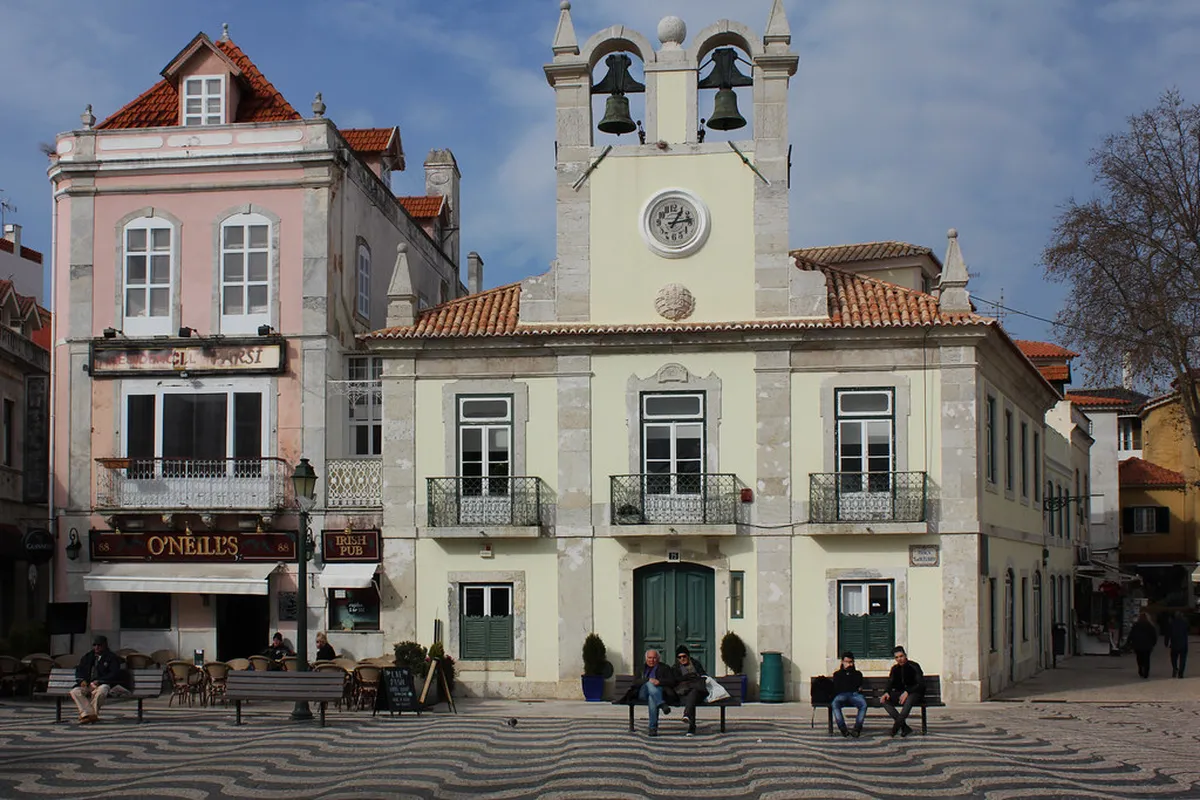
The Cascais train station sits a three-minute walk from Praia da Rainha and the town's main square. The station building itself is a beautiful tiled palace facade — so photogenic that first-timers sometimes walk past it three times looking for a more industrial-looking terminus. From the station, the old town, the marina, and all four central beaches are within fifteen minutes on foot.
Check the last train back before you settle in for the evening. The final departure from Cascais is at 01:30, but services thin out after midnight and some late-night runs become replacement buses between Cascais and Oeiras. If you miss the last train, Uber and Bolt are available but expensive at that hour. Plan to board by 23:30 to keep your options open. The 3-Day Cascais Itinerary: The Best Coastal Portugal Guide builds a full schedule around these transport windows so you can plan exactly how long to spend at each stop.
- Pack high-SPF sunscreen — the Atlantic breeze disguises how strong the UV is, even in spring.
- Bring a light layer for the evening, when the temperature along the coast drops faster than in Lisbon.
- Download the CP app to check live departure times without queuing at the board.
- Verify last train times at the station before your final meal — the displayed schedule at the platform is always current.
Explore the Top Attractions in Cascais Center
The beaches closest to the station are Praia da Rainha and Praia da Ribeira, both within a five-minute walk. Praia da Rainha is compact and lively with sun loungers for hire (roughly €25 for two chairs and an umbrella). Praia da Ribeira is slightly larger and directly adjacent to the marina. For a quieter swim, take a 20-minute walk or four-minute taxi to Praia de Cascais — it is longer, less crowded, and popular with local families rather than day-trippers.

The old town (centro histórico) is built around Largo Luís de Camões and the adjacent pedestrian streets. The 17th-century Citadel of Cascais sits on the headland overlooking the bay and now houses the Museu da Presidência da República — entrance is free and the sea views from the walls are worth the five-minute detour alone. The covered market at Mercado da Vila is a good option for lunch: fresh fish, grilled shellfish, and local vegetables at reasonable prices compared to the beachfront restaurants.
If time allows, the coastal path west of town leads to Boca do Inferno in about 20 minutes on foot. This sea cave carved into the cliff base is one of the most-photographed landmarks on the Estoril coast and is best visited in late afternoon when the light hits the rock from the west. Admission is free. Beyond it, Guincho beach is another 10 km by road and is the departure point for kitesurfing and surfing in consistent Atlantic swell. Explore the full picture of what to see and do through the 10 Best Cascais Tourism Attractions: A Complete Travel Guide pillar guide.
Frequently Asked Questions
How much is the train from Lisbon to Cascais?
A one-way ticket costs €2.30 / ~$2.50 plus a small fee for the reusable card. If you use the Zapping credit method, the price drops slightly to €2.00 / ~$2.20 per journey.
Which station in Lisbon goes to Cascais?
All trains to the coast depart from the Cais do Sodré station near the river. You can reach this hub easily via the green metro line or several local buses.
Can I use the Lisboa Card for the train to Cascais?
Yes, the Lisboa Card includes free unlimited travel on this specific train line. Simply tap your valid card at the station gates to enter the platform without paying extra.
Traveling from Lisbon to Cascais is a simple and rewarding part of any Portugal itinerary. Whether you choose the affordable train or a private car, the views are spectacular. I recommend following the left-side seating rule for the best possible ocean photography. Check our 3-Day Cascais Itinerary: The Best Coastal Portugal Guide to plan your perfect afternoon by the Atlantic.
Remember to validate your tickets and watch out for afternoon traffic on the Marginal road. The town offers a refreshing break from the hilly streets of the capital city. Safe travels as you explore the beautiful beaches and historic sites of the Portuguese Riviera. For more tips, visit the Portugal Wander blog for updated 2026 travel advice. For related Cascais deep-dives, see our Cascais to Sintra by train and Cascais to Lisbon airport transfer guides.
 How to Get to Braga: 6 Best Ways to TravelJune 4, 2026