Lajes Do Pico Whale Museum: Complete Visitor Guide
Plan your visit to the Lajes do Pico Whale Museum (Museu dos Baleeiros). Discover whaling history, ticket prices, opening hours, and must-see exhibits.
On this page
Lajes Do Pico Whale Museum: Complete Visitor Guide
Pico Island holds a deep connection to the sea that defines its cultural identity today.
The lajes do pico whale museum serves as a powerful tribute to this rugged maritime heritage.
Visitors can explore the lives of brave men who once hunted giant sperm whales in small wooden boats.
This guide provides everything you need to know about visiting this essential cultural landmark in 2026.
The Historical Significance of Whaling in Lajes do Pico
Whaling in the Azores began as a survival necessity for local families in the 19th century. American whalers from New England first introduced the techniques to the islanders during the 18th century. Over decades, the people of Lajes do Pico became world-renowned for their skill and bravery. They used hand-held harpoons to hunt massive sperm whales just miles from the shore.

The local men, known as baleeiros, balanced their time between farming and the dangerous sea. When a whale was spotted from the cliffs, a signal rocket would alert the entire village. Men would drop their tools and rush to the harbor to launch their slim boats. This intense lifestyle created a unique maritime heritage that still resonates in the village today.
Everything changed in 1987 when Portugal officially banned whaling after the last sperm whale was caught in Azorean waters. The museum itself opened just one year later, in 1988, while many of the original baleeiros were still alive to contribute their stories. That timing makes Museu dos Baleeiros unusual among heritage museums — it was founded by living witnesses, not historians working from archives. Today, the former hunters have become protectors, leading world-class whale watching tours for international visitors.
Exploring the Whalers Museum Collection and Exhibits
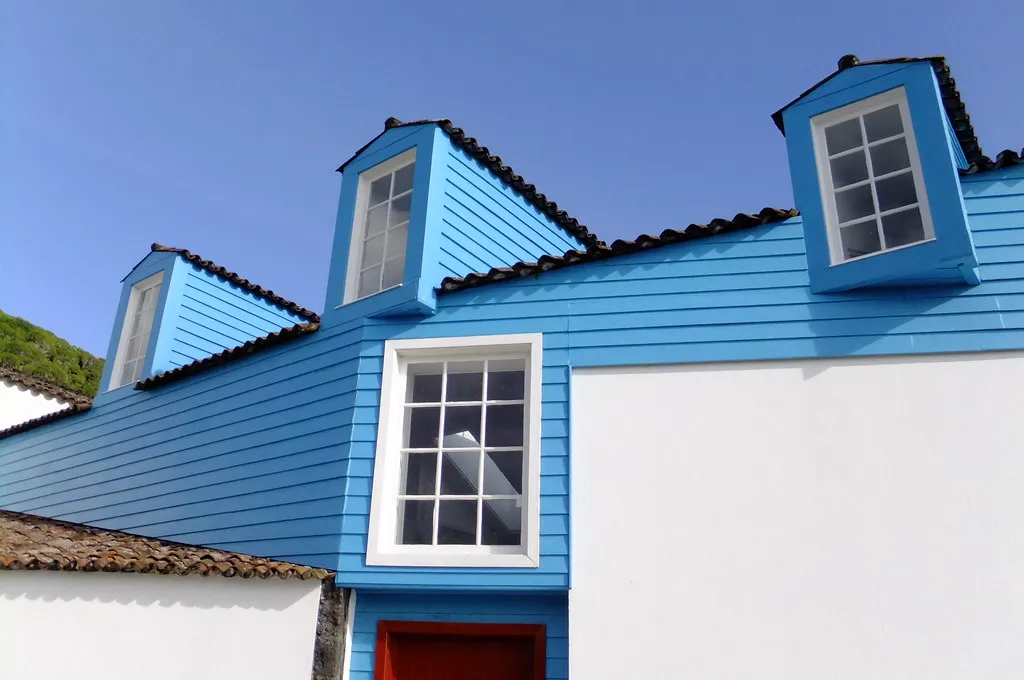
The museum is housed in three former boathouses (armazéns) that once sheltered the iconic whaling vessels. These structures sit right on the harbor at Rua dos Baleeiros 13, providing an authentic atmosphere that no purpose-built gallery could replicate. Walking through the doors feels like stepping back into a time of wooden oars and salt air. The architecture itself is a piece of history that reflects the village's functional past.
The permanent exhibition is organized across five thematic cores, each covering a distinct aspect of Azorean whaling culture. The first explores the origins and techniques of the hunt; subsequent cores move through the tools of the trade, the social fabric of whaling families, the processing of the catch, and finally the shift toward conservation. This structured flow means you never feel lost — the museum has a clear narrative arc from first boom to final ban.
Inside, the collection features a meticulously restored whaling boat replica alongside original harpoons, lances, and ropes used during the hunts. Photographs, personal testimonies, and documents from the whalers themselves enrich the narrative with a human dimension. Interactive displays help younger visitors understand the scale of the sperm whale. This balance makes the museum a top choice among 15 Best Azores Tourist Attractions: 2026 Travel Guide for families and history buffs alike.
Inside the Museum: Key Highlights and Must-See Artifacts
One of the most breathtaking sections of the museum is the scrimshaw collection. Scrimshaw is the art of engraving or carving on whale bone and teeth. Sailors would spend hours at sea creating these intricate designs to pass the time. You will find beautifully detailed scenes of ships, whales, and far-off lands etched into ivory — each piece a private meditation on the lives the baleeiros led.
Another highlight is the biological display on the sperm whale (Physeter macrocephalus). The museum provides a deep dive into the anatomy and behavior of these creatures alongside skeletal remains that put their true scale in context. Understanding the size and intelligence of the whales adds a layer of moral complexity to the history. It bridges the gap between the old industry and modern marine science without reducing either to a caricature.
Don't miss the short archival film that plays in the museum's small theater. It uses genuine footage to show the actual process of a 20th-century whale hunt, with the baleeiros in action in boats barely wider than a man's shoulders. Seeing it before you head out to see the 10 Essential Tips for the Best Time to Visit the Azores for live sightings puts the conservation story in sharp relief. The staff are generally described as friendly and knowledgeable, and many speak English well enough to answer follow-up questions.
Practical Visitor Guide: Tickets, Hours, and Getting There
The museum is located at Rua dos Baleeiros 13, Lajes do Pico, on the southern coast of the island. Most travelers arrive by ferry in Madalena and take the EN3-1 road across the island — a scenic 40-minute drive that passes the UNESCO-listed Pico vineyards. There is no regular bus between Madalena and Lajes, so a rental car or taxi is the practical choice for most visitors. For local travel guidance and village services, the Lajes do Pico municipality website provides current information on transportation and community events.
Admission costs €2 per adult, making it exceptional value. Combined tickets covering other Regional Museum Network sites — including the Wine Museum in Madalena — are available and worth asking about at the ticket desk. Before you drive out, check the Official Pico Museum Website for any closures on public holidays.
- Summer hours (1 April – 30 September): Tuesday to Sunday, 10:00–17:30. Closed Mondays.
- Winter hours (1 October – 31 March): Tuesday to Sunday, 09:30–17:00. Closed Mondays.
- Entrance fee: €2 per adult. Combined tickets available at the desk.
- Address: Rua dos Baleeiros 13, Lajes do Pico, Pico Island.
- From Madalena: approximately 40 minutes by car via EN3-1.
The Monday closure catches more visitors off-guard than any other detail. If your Pico Island day falls on a Monday, rearrange your itinerary or build in an extra day on the island — driving the 40 minutes from Madalena to find the doors locked is a frustration entirely avoidable with a quick schedule check the night before.
The museum is closed every Monday year-round, and also closes on certain public holidays. Always check the official Pico Museum website before making the 40-minute drive from Madalena.
Lajes vs. São Roque: Choosing the Right Pico Museum
Pico Island has two distinct whaling museums and many visitors are surprised to discover they are not duplicates of each other. Museu dos Baleeiros in Lajes do Pico focuses on the human side of the trade — the baleeiros themselves, their boats, their art, and the village culture that sustained the industry. Museu da Indústria Baleeira in São Roque do Pico covers the industrial processing side, with factory machinery, large-scale equipment, and the economic mechanics of turning a whale into oil and spermaceti.
If you have a single afternoon, choose Lajes. The storytelling is richer, the artifacts more intimate, and the harbor setting more evocative. If you have a full day and a serious interest in the complete history, visit both — they are complementary rather than competing, and the contrast between the quiet boathouse in Lajes and the industrial scale of São Roque makes each site sharper by comparison.
Combined visits also benefit from the Regional Museum Network pricing. A ticket for Lajes gives you discounted or combined access to the São Roque site and the Wine Museum. Confirm the current bundle terms at either museum desk, as pricing structures have been updated for the 2026 season. Traveling between the two sites takes roughly 30 minutes along the southern coast road, passing through villages worth a short stop.
Admission at Lajes do Pico is just €2 per adult, and combined Regional Museum Network tickets cover the São Roque industrial museum and the Madalena Wine Museum — ask at the ticket desk to bundle all three on a single day for the best value.
Honest Whalers Museum Reviews: Is it Worth the Trip?
Most visitors agree that the Lajes do Pico Whale Museum is a highlight of their island visit. The museum is small enough to explore in 60 to 90 minutes, which makes it an easy addition to a day that might also include a mount pico hike or a vineyard tour. The quality of the artifacts and the multilingual information panels are consistently rated very high by travelers.
Some reviews flag that the content can be emotionally challenging due to the nature of whaling. However, the museum presents the practice in its historical context without glorifying the hunt — a balance that most visitors, including those sensitive to animal welfare, find respectful and educational. The transition to modern conservation is framed as a positive conclusion rather than a footnote.
A small number of visitors find the museum compact and wish for more exhibits. That said, the entrance fee of €2 sets expectations appropriately, and the quality-to-price ratio is almost universally praised. For travelers interested in maritime history or local culture, it is an easy recommendation.
Beyond the Museum: Top Things to Do in Lajes do Pico
After your museum visit, take some time to walk through the charming streets of Lajes. The village is one of the oldest settlements in the Azores and retains a very traditional feel. Several small cafes near the harbor serve fresh local seafood — a natural place to decompress before moving on. The harbor itself is worth watching at mid-morning when local fishing boats return.
Espaço Talassa sits right next to the museum and was one of the first operators to pioneer whale watching in the Azores. Their trips are led by marine biologists and offer an educational dimension beyond what the average tour provides. Combining a museum visit in the morning with a whale watching trip in the afternoon gives you the complete arc of Pico's relationship with the ocean — from hunter to guardian.
If you have more days on your Island Hopping Azores Guide: Routes, Ferries & Flights, consider the interior of Pico Island. The high plateau holds volcanic landscapes, hidden lagoons, and trails that reward walkers with views stretching to neighboring islands on clear days. Lajes makes a good southern base for covering the half of the island that most visitors miss entirely.
Frequently Asked Questions
Is the Lajes do Pico Whale Museum worth it?
Yes, it is widely considered one of the best museums in the Azores. It offers a unique look at the cultural history of the island through well-preserved artifacts and art. Most visitors find the scrimshaw collection and the historic boathouse setting to be very impressive. It is a key stop among 15 Best Azores Tourist Attractions: 2026 Travel Guide.
How long does it take to visit the Whalers Museum?
A typical visit lasts between 60 and 90 minutes. This allows enough time to view the whaling boats, explore the scrimshaw gallery, and watch the short historical film. If you are a history enthusiast, you might want to stay longer to read the detailed exhibit descriptions. It fits easily into a half-day itinerary.
What are the opening hours for Museu dos Baleeiros?
The museum is generally open from 10:00 AM to 5:30 PM during the summer months. In the winter, the hours are slightly shorter, typically closing at 5:00 PM. It is closed on certain public holidays, so checking the official website before you drive to Lajes is recommended. Always verify the schedule for the current year.
Where is the best place to see whaling history in the Azores?
Lajes do Pico is the cultural heart of whaling history, but São Roque also has an important industrial museum. While Lajes focuses on the hunters and their boats, São Roque highlights the factory side of the industry. Visiting both provides the most comprehensive understanding of the island's maritime past. Both are located on Pico Island.
The Lajes do Pico Whale Museum is more than just a collection of old tools and boats.
It is a testament to the resilience and adaptability of the Azorean people.
By visiting, you gain a deeper appreciation for the giant creatures that roam the surrounding waters.
Make sure to include this historic site on your next journey through the beautiful Azores.
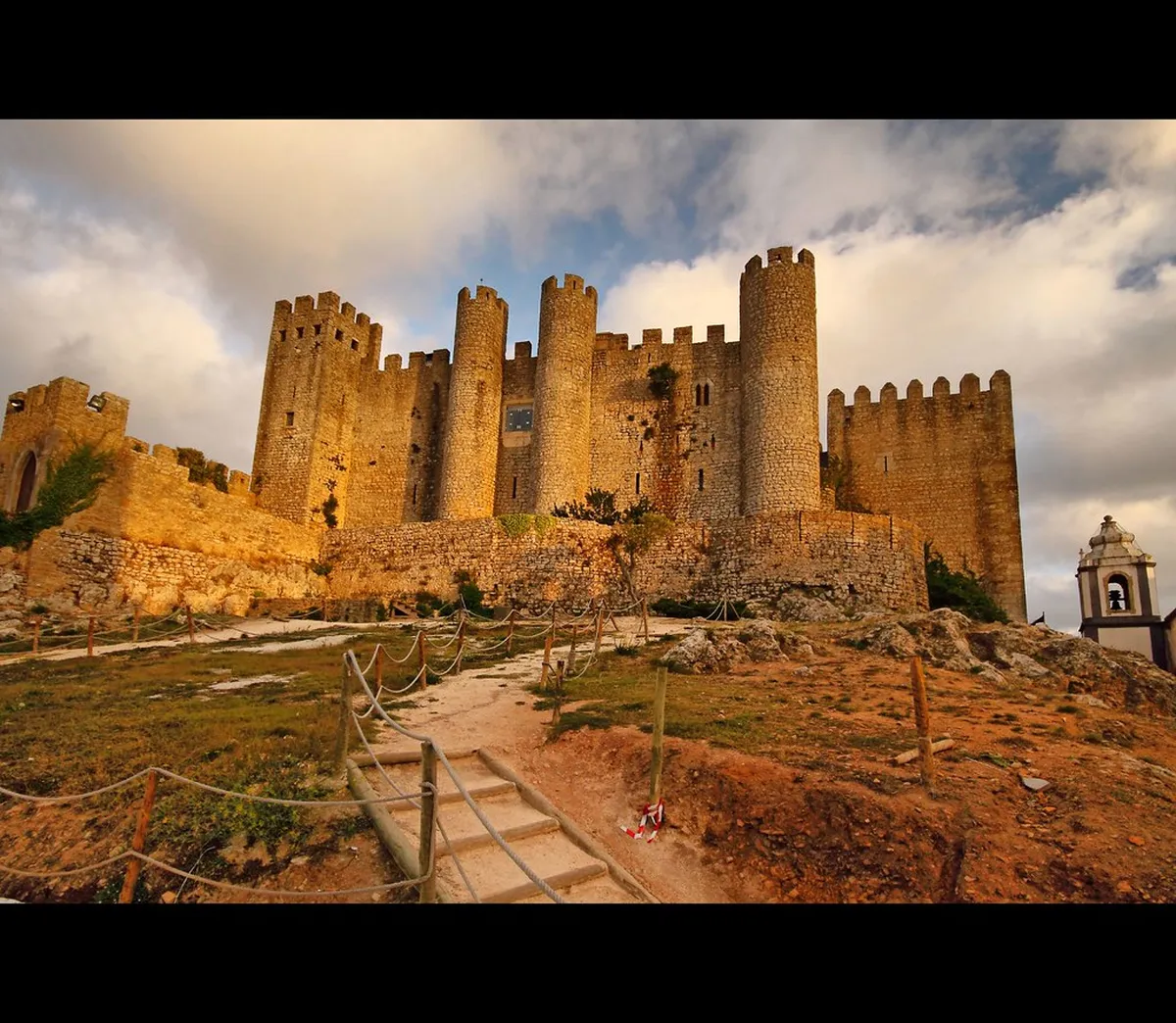 Óbidos Castle: Complete Visitor's Guide (2026)June 11, 2026