
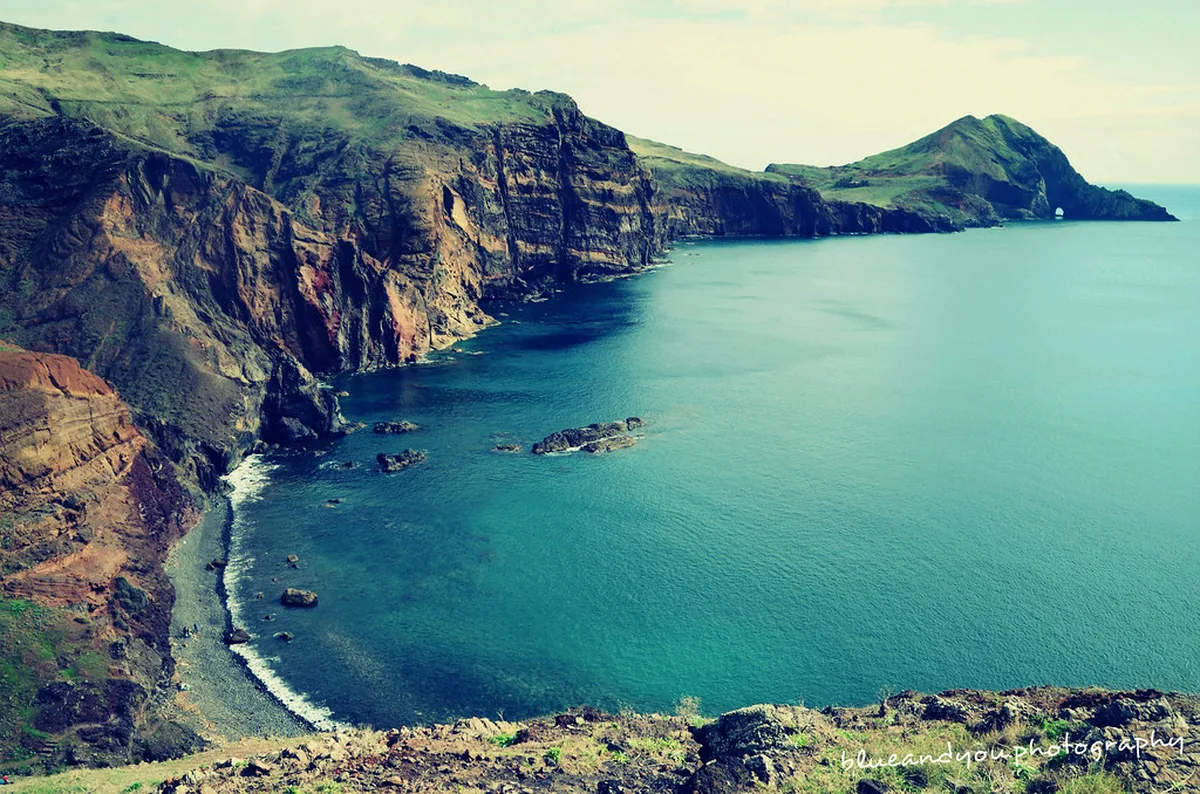
Portugal Itinerary 7 Days: Lisbon, Porto & Algarve in a Week (2026)
7 days is the ideal first-time Portugal trip — Lisbon, Sintra, Porto, the Douro Valley, and the Algarve. This 2026 itinerary covers it all with day-by-day timings and train logistics.
On this page
Seven days is the sweet spot for a first-time Portugal trip in 2026. It is just enough to cover the country's three biggest hits — Lisbon, Porto, and the Algarve — with a Sintra day trip baked in and a slow afternoon along the Douro. Anything shorter and you are choosing two of the three. Anything longer is wonderful, but not necessary on a first visit.
This is the exact itinerary I have walked friends and family through more than a dozen times since 2022. The train timings are real, the prices are 2026 numbers, and the order is built around how flights and the Lisbon–Porto–Faro corridor actually work. For seasonal context on when to run this itinerary, see Portugal in June complete guide — June is the best month to attempt the full loop without summer crowds.
The structure: Lisbon → Porto → Algarve
The week splits cleanly into three blocks. Days 1–3 are Lisbon, with a Sintra day trip slotted in on Day 2 so you arrive at Pena Palace before the tour buses. Days 4–5 are Porto, taking the morning Alfa Pendular up from Lisbon and using Day 5 for either a Douro half-day or a deeper city walk plus a port wine cellar. Days 6–7 are the Algarve, basing in Lagos for beaches and the Benagil cave boat tour before flying out of Faro on the last evening.
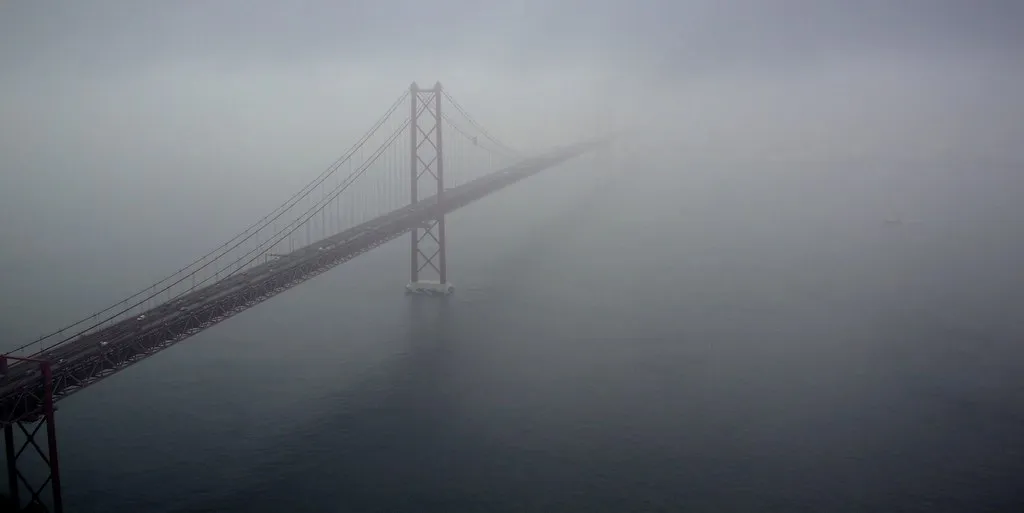
You can flip the order if your flights demand it — fly into Porto, train down to Lisbon, then continue to the Algarve. The logistics work either direction, but the Lisbon-first version is gentler because Lisbon's metro from the airport is the cheapest and fastest of the three city arrivals. Travel time between bases is built into the day count: roughly 3 hours Lisbon→Porto by train, and 4–5 hours Porto→Lagos (or 1 hour by flight). Treat those as half-days, not transit days. You will still see things in the afternoon.
| Day | Base | Highlight | Travel | Approx. Cost |
|---|---|---|---|---|
| 1 | Lisbon | Baixa, Chiado, Tram 28, Bairro Alto dinner | Airport metro (€1.80) | €20–30 |
| 2 | Lisbon | Sintra — Pena Palace, Castelo dos Mouros, Quinta da Regaleira | Rossio train (€2.45 each way) | €30–40 |
| 3 | Lisbon | Belém (Jerónimos, Tower), Alfama, fado dinner | Tram 15E (€1.80) | €35–50 |
| 4 | Porto | Ribeira waterfront, Dom Luís Bridge, Vila Nova de Gaia | Alfa Pendular (€25–30) | €30–40 |
| 5 | Porto | São Bento, Clérigos Tower, Livraria Lello, port wine cellar | Local metro (€1.85) | €40–55 |
| 6 | Lagos | Praia Dona Ana, Lagos old town dinner | Train via Lisbon €45 or flight €40–80 | €50–85 |
| 7 | Lagos → Faro | Benagil cave tour or Ponta da Piedade cliff walk | Taxi to Faro €25 or train €4 | €35–50 |
Day 1 — Arrive in Lisbon
Land at Lisbon Humberto Delgado (LIS). The metro red line runs straight from the terminal to São Sebastião, where you change to the blue line for Baixa-Chiado or the green line for Rossio. A single ticket is €1.80 in 2026, and the rechargeable Viva Viagem card costs €0.50. The whole journey to central Lisbon is 25–30 minutes — do not bother with a taxi unless you are arriving after midnight.
Check into your hotel and resist the urge to nap. Walk the Baixa grid down to Praça do Comércio on the river, then climb the Elevador de Santa Justa or its quieter back-street ramp into Chiado. Grab a short ride on the famous Tram 28 — board at Praça Luís de Camões going eastbound and ride a few stops just to feel the rails climb. Get off before the crowds. End the night in Bairro Alto with dinner at a small tasca: bacalhau à brás and a glass of vinho verde for under €18.
The rechargeable Viva Viagem card costs just €0.50 and covers all Lisbon metro, tram, and bus journeys. A single metro ride from the airport to central Lisbon is €1.80 in 2026 — far cheaper than any taxi or rideshare from arrivals.
Day 2 — Sintra day trip
Sintra gets oversold and undersold at the same time. The trick is to arrive at Pena Palace the moment it opens at 9:30am, before the Lisbon day buses dump 2,000 people at the gate. Take the urban train from Rossio station to Sintra — trains run every 20 minutes, the journey is 40 minutes, and a single is €2.45. Aim to be on the 8:11 or 8:31am departure.
From Sintra station, take the 434 hop-on bus straight up to Pena Palace. Buy your timed-entry ticket online the night before — €14 for the palace plus park, €7.50 for park only. Spend 90 minutes inside, then walk (or bus) downhill to the Castelo dos Mouros for the ridge walk and the best photo of Pena from across the valley. By 1pm you will be hungry and the village is a 10-minute walk down. Lunch at A Tasca do Manel or any spot off the main square — travesseiros from Piriquita afterwards are non-negotiable.
Afternoon: Quinta da Regaleira and its Initiation Well. Spiral down, climb back up, lose yourself in the gardens for an hour. Catch the 5:20 or 5:50pm train back to Rossio and you will be in Lisbon by 6:30 with energy for a quiet dinner near your hotel.
Book Pena Palace timed-entry tickets online the night before your visit — they are €14 for the palace plus park, or €7.50 for park only. Arriving on the 8:11 or 8:31am train from Rossio gets you through the gates before the day-trip coaches arrive from Lisbon.
Day 3 — Lisbon deep dive
Spend the morning in Belém. Tram 15E from Praça da Figueira drops you outside the Mosteiro dos Jerónimos in 25 minutes — go at 9:30am to skip the worst lines. The cloister is the highlight, not the church. Walk five minutes to Belém Tower (€8, allow 45 minutes) and then queue at Pastéis de Belém for two warm custard tarts dusted with cinnamon. The line moves faster than it looks; takeaway is quicker than sit-down.
Tram back to central Lisbon for a late lunch in Baixa or on a Time Out Market stool in Cais do Sodré. In the afternoon climb to Castelo de São Jorge (€15) for the city's biggest viewpoint and a 45-minute walk through the ramparts. From the castle, drop down through Alfama on foot — narrow, steep, full of laundry lines and tiled doorways. Get genuinely lost; you cannot stay lost for long.
For sunset, walk or grab a tuk-tuk to Miradouro da Senhora do Monte, the highest free viewpoint in central Lisbon and noticeably less crowded than Graça. The light hits the castle and the river at the same time. Dinner back in Alfama with a fado set — Mesa de Frades, A Baiuca, or any small room where the singer steps in from the street. Book a 9:00 or 9:30pm seating.
Day 4 — Train to Porto
Morning departure: take the metro red line to Lisbon Oriente and board the Alfa Pendular bound for Porto Campanhã. Book online via Comboios de Portugal at least a week ahead — the 2026 fare is €25–30 in second class on early-bird tickets, climbing to €40+ if you walk up. The journey is 2h 50m, fast and quiet, with table seats and a café car. Choose the 8:30am or 9:30am train so you arrive in Porto before lunch.
Campanhã connects to Porto's small metro network — take the D line two stops to Trindade for most central hotels, or the suburban shuttle to São Bento for the historic core. Drop your bags and head straight to the Ribeira waterfront. The walk down through the old streets to the riverfront is one of the great city descents in Europe: tiles, decaying facades, rabelo boats, and the cast-iron Dom Luís I Bridge spanning everything.
Cross the upper deck of the bridge on foot (the views are better up top, the lower deck is for traffic) into Vila Nova de Gaia. Find a terrace bar — Espaço Porto Cruz or any rooftop along the cellar strip — and watch the sunset turn the Ribeira gold. Dinner back across the river: francesinha at Café Santiago or Brasão. It is a four-cheese pork-and-beef sandwich drowned in beer-and-tomato sauce, and it is exactly what you want after a travel day.
Day 5 — Porto + port wine cellars
Porto's old city is small enough to walk in a morning. Start at São Bento station to see the 20,000-tile azulejo entrance hall (free, takes 10 minutes), then climb to the Clérigos Tower (€8, 240 steps, the best 360 of Porto). Two blocks west is Livraria Lello — book the timed €8 entry online the night before, otherwise the queue eats an hour. The bookshop itself is a 20-minute visit; the staircase that supposedly inspired Hogwarts is the photo everyone wants.
Lunch on Rua das Flores or in the Mercado do Bolhão, freshly renovated and full of small counters doing octopus rice and grilled sardines for €10–14. In the afternoon, walk back across the lower deck of the Dom Luís Bridge into Vila Nova de Gaia for one port wine cellar tour. Pick one — Graham's, Taylor's, and Sandeman are the polished options; Kopke and Cálem are the older, smaller-feeling ones. Tours run roughly 90 minutes and end with a tasting of three ports for €18–25. Do not try to do two cellars in one afternoon.
If you still have legs, the optional six-bridge river cruise from the Ribeira docks runs hourly, costs €18, and lasts 50 minutes. Otherwise, walk the riverside back to your hotel and rest. Tomorrow is the longest travel day of the week.
Day 6–7 — Train to Lagos / Algarve
Day 6 starts early. You have two ways to get from Porto to the Algarve and they are genuinely different trips. The train option is Porto Campanhã → Lisbon Oriente → Tunes → Lagos, with one transfer in Lisbon, total journey 5h 30m, and a 2026 second-class fare around €45 if booked ahead. It is comfortable, scenic in patches, and lets you keep your luggage at your feet. The flight option is TAP or Ryanair Porto → Faro, 1 hour gate-to-gate, €40–80 depending on how far ahead you book, plus 90 minutes of airport time on each side. Faro to Lagos is then a 90-minute regional train (€8) or a 1-hour drive.
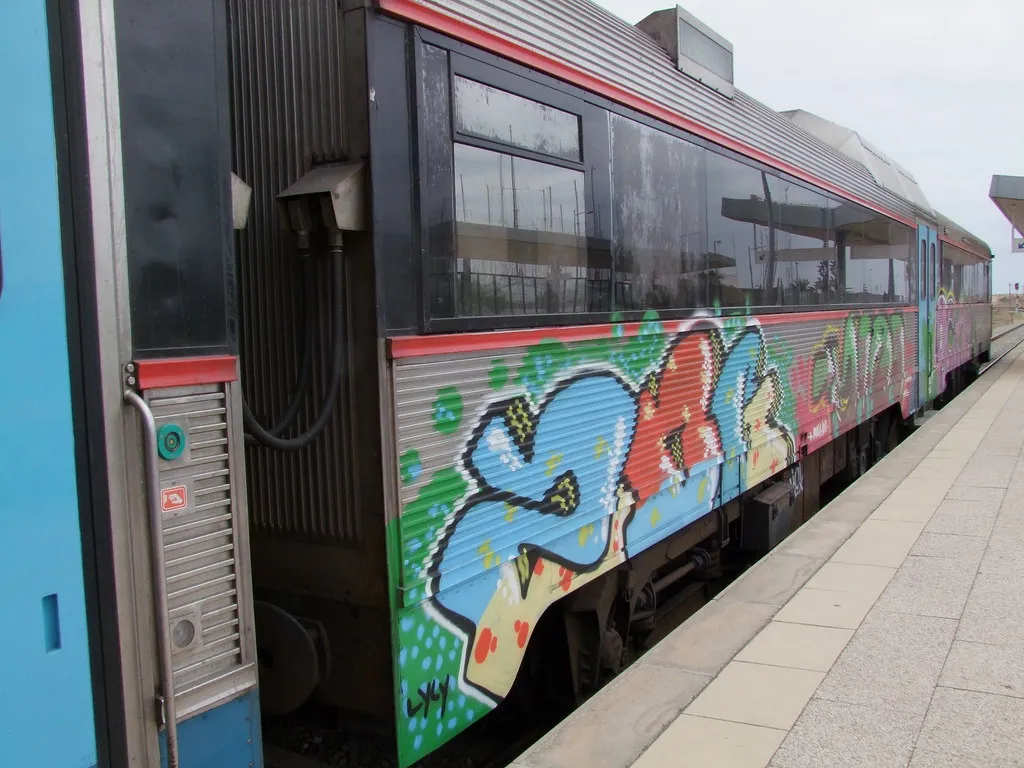
Either way, aim to be in Lagos by mid-afternoon. Dump bags, walk straight down to Praia Dona Ana — the cliff-framed beach 20 minutes' walk south of town — for a swim and a sunbathe. Back in Lagos old town for dinner: grilled dourada, vinho verde, and the cobbled lanes around Rua 25 de Abril fill up with a young, friendly crowd by 8pm.
Day 7 is your Algarve highlight. Book the Benagil cave boat tour from Lagos marina the night before — small RIBs run from 8am, last 90 minutes, cost €30–35, and put you inside the famous skylit cave. If boats are not your thing, walk the Ponta da Piedade cliff path from Lagos lighthouse — 90 minutes round trip, free, and arguably the best coastal walk in southern Europe. Lunch back in town, then taxi or train to Faro airport (€25 taxi, 60 minutes; €4 train, 90 minutes) for an evening flight home. Land back in your home city tired, sun-warmed, and already planning the second trip.
Frequently Asked Questions
Is 7 days enough for Portugal?
Yes, 7 days is enough for a first-time Portugal trip if you stick to the Lisbon–Porto–Algarve corridor. You will get 3 nights in Lisbon (with a Sintra day trip), 2 nights in Porto (with a port wine cellar afternoon), and 2 nights in the Algarve (Lagos plus Benagil cave or Ponta da Piedade). Anything more — Évora, Madeira, the Azores, the Alentejo — is best saved for a return visit. For a deeper look at trip timing, see Portugal in June complete guide.
Can you see Lisbon, Porto, and the Algarve in a week?
Yes, and the train system makes it easy. Lisbon to Porto is a 2h 50m Alfa Pendular ride (€25–30 in 2026), and Porto to Lagos takes either 5h 30m by train via Lisbon (€45) or 1 hour by flight to Faro (€40–80). Build the train days as half-days, not transit days, and you still get an afternoon in each new city.
Should I rent a car for a 7-day Portugal trip?
No, a car is unnecessary and often a hassle for this itinerary. Lisbon, Porto, and Lagos are all walkable city centres with awful, expensive parking. The Lisbon–Porto–Faro train corridor is one of the best in Western Europe. The only reason to rent is if you want to base in a quieter Algarve village (Salema, Carvoeiro) or do a self-drive Douro day from Porto — and even those have train and tour alternatives.
In which order should I visit Lisbon, Porto, and the Algarve?
Lisbon first, then Porto, then the Algarve is the smoothest order because Lisbon's airport metro is the cheapest of the three arrivals and Faro is a convenient final exit point with cheap European flights. If your flights only work in reverse, the route is just as functional — Porto down to Lisbon by train, then continue south to the Algarve and fly out of Faro or back through Lisbon. Choosing the right month matters more than the order: see best month to visit Portugal for monthly trade-offs.
Is Portugal in 7 days too rushed?
Seven days is busy but not rushed if you respect the structure. The danger is trying to add a fourth base — Évora, Coimbra, Madeira — which turns the week into a transit marathon. Stick to Lisbon, Porto, and the Algarve, leave each city with one thing you wish you had done, and come back. For a sense of how weather affects the pace, see Portugal weather by month — the May–June and September windows are the most relaxed because you are not fighting heat or peak crowds.
 Aveiro Itinerary: The Best 2-Day Travel GuideJune 8, 2026
 Day Trips From Guimaraes: 3-Day Minho ItineraryJune 8, 2026