
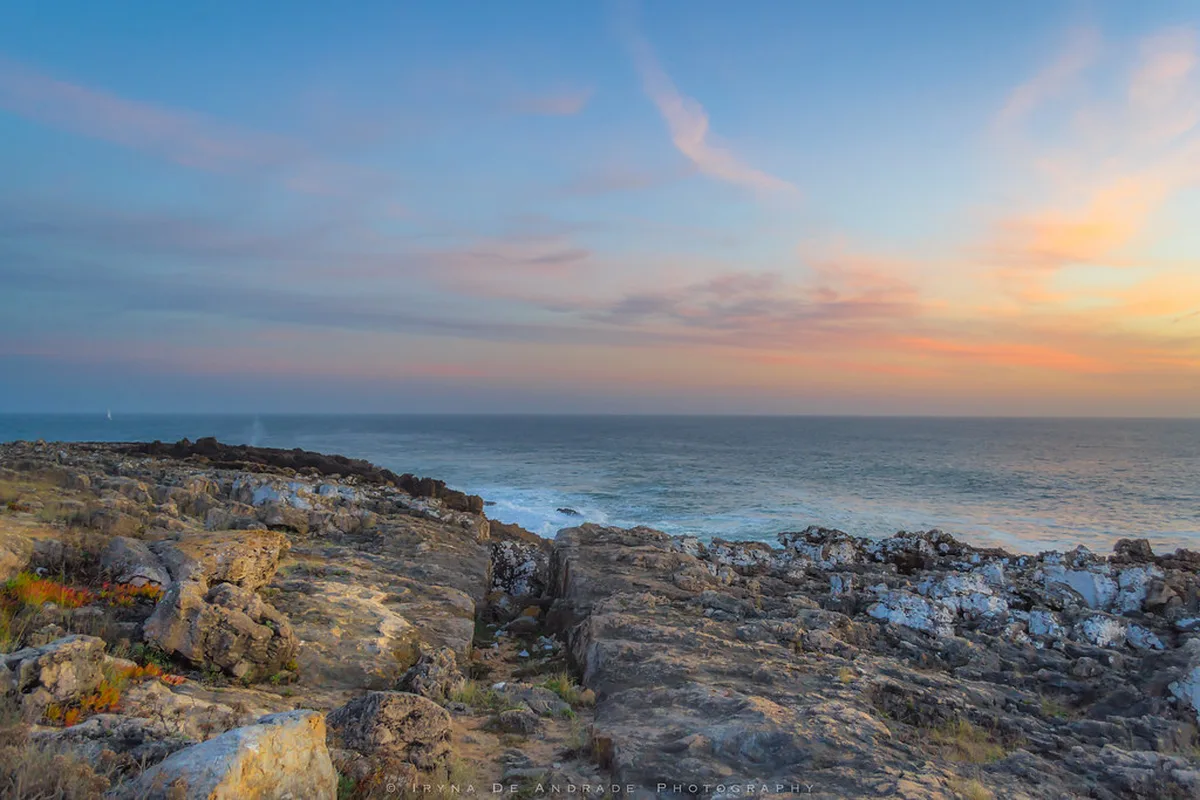
Portugal Weather by Month: Complete 2026 Guide for Every Region
Portugal's weather varies dramatically by region. This 2026 guide breaks down monthly temperatures, rainfall, and sea temps for Lisbon, Porto, Algarve, Douro Valley, and Sintra.
On this page
Portugal's weather varies dramatically across its regions and months — far more than most first-time visitors expect from a country roughly the size of Indiana. Lisbon and the Algarve sit in a Mediterranean climate zone with hot, dry summers and mild, wet winters. Porto, just 300 kilometers north, leans Atlantic — cooler year-round and noticeably rainier from October through March. Inland, the Douro Valley turns continental, where August can hit 42°C and January frosts bite the vineyards. And Sintra, only 30 minutes from Lisbon, sits in its own microclimate where Atlantic mist clings to the hills well into summer afternoons.
This 2026 guide breaks down weather month by month for each major Portuguese region, with average temperatures, sun hours, rainfall days, and Atlantic sea temperatures so you can pick the right month for your trip. For a deeper look at one of the country's best travel windows, see our Portugal in June complete guide guide.
Lisbon weather by month
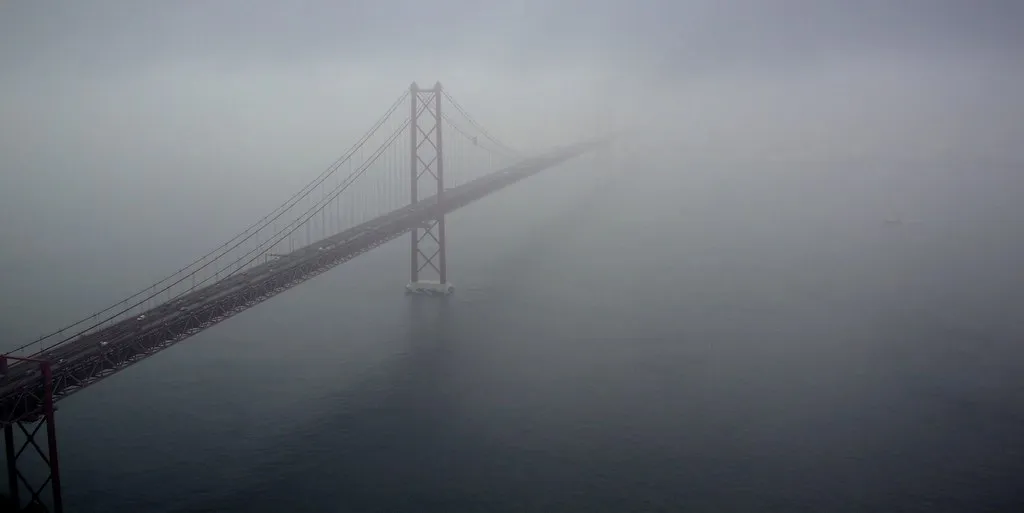
Lisbon enjoys one of Europe's mildest year-round climates, averaging around 2,800 sun hours annually. Winter rarely freezes, summer rarely scorches, and the Tagus estuary moderates temperature swings.
- January: 8–14°C, 5 sun hours/day, 11 rain days, sea 15°C
- February: 9–15°C, 6 sun hours/day, 9 rain days, sea 15°C
- March: 11–17°C, 7 sun hours/day, 9 rain days, sea 15°C
- April: 12–19°C, 8 sun hours/day, 8 rain days, sea 16°C
- May: 14–22°C, 10 sun hours/day, 5 rain days, sea 17°C
- June: 17–25°C, 11 sun hours/day, 3 rain days, sea 18°C
- July: 19–28°C, 12 sun hours/day, 1 rain day, sea 19°C
- August: 19–29°C, 11 sun hours/day, 1 rain day, sea 20°C
- September: 18–27°C, 9 sun hours/day, 4 rain days, sea 20°C
- October: 15–22°C, 7 sun hours/day, 8 rain days, sea 19°C
- November: 11–17°C, 5 sun hours/day, 11 rain days, sea 17°C
- December: 9–15°C, 5 sun hours/day, 12 rain days, sea 16°C
The sweet spot for sightseeing is May, June, and September: temperatures sit in the low-to-mid 20s, rainfall is minimal, and the city's seven hills are walkable without sweating through your shirt by 11 a.m.
Lisbon averages around 2,800 sun hours annually — one of the highest totals in Europe. July is the driest month, with just 1 rain day on average, but September offers nearly the same warmth with slightly cooler evenings and noticeably smaller crowds.
Porto weather by month
Porto runs roughly 3°C cooler than Lisbon year-round and gets about 50% more rainfall. The Atlantic dominates: expect cloud, drizzle, and a fresh breeze even in midsummer. Winters are mild but persistently damp.
- January: 5–13°C, 4 sun hours/day, 14 rain days, sea 14°C
- February: 5–14°C, 5 sun hours/day, 12 rain days, sea 14°C
- March: 7–16°C, 6 sun hours/day, 12 rain days, sea 14°C
- April: 8–17°C, 7 sun hours/day, 11 rain days, sea 14°C
- May: 11–19°C, 8 sun hours/day, 10 rain days, sea 15°C
- June: 13–22°C, 9 sun hours/day, 6 rain days, sea 16°C
- July: 15–25°C, 10 sun hours/day, 3 rain days, sea 17°C
- August: 15–25°C, 10 sun hours/day, 3 rain days, sea 18°C
- September: 14–24°C, 8 sun hours/day, 6 rain days, sea 18°C
- October: 12–20°C, 6 sun hours/day, 11 rain days, sea 17°C
- November: 8–16°C, 4 sun hours/day, 13 rain days, sea 16°C
- December: 7–13°C, 4 sun hours/day, 14 rain days, sea 15°C
October through March is genuinely wet — Porto records around 1,250 mm of rain annually, more than London. If you're heading north for the Douro wine harvest, target late September. For the riverside terraces and Foz beach, July and August are your only consistent sun.
Algarve weather by month
The Algarve is Portugal's sun belt, racking up 300+ sunny days a year — more than almost anywhere in mainland Europe. Faro averages just 500 mm of rain annually, less than half of Porto. Beach season runs reliably from May through October.
- January: 9–15°C, 6 sun hours/day, 8 rain days, sea 16°C
- February: 9–16°C, 6 sun hours/day, 7 rain days, sea 15°C
- March: 11–18°C, 7 sun hours/day, 6 rain days, sea 16°C
- April: 12–20°C, 9 sun hours/day, 5 rain days, sea 17°C
- May: 14–23°C, 10 sun hours/day, 3 rain days, sea 18°C
- June: 17–26°C, 12 sun hours/day, 1 rain day, sea 20°C
- July: 19–29°C, 12 sun hours/day, 0 rain days, sea 21°C
- August: 20–30°C, 11 sun hours/day, 0 rain days, sea 22°C
- September: 18–28°C, 9 sun hours/day, 3 rain days, sea 22°C
- October: 16–24°C, 7 sun hours/day, 6 rain days, sea 20°C
- November: 12–19°C, 6 sun hours/day, 8 rain days, sea 18°C
- December: 11–16°C, 5 sun hours/day, 9 rain days, sea 17°C
August is hottest but also the most crowded and most expensive — accommodation prices in Lagos and Albufeira can triple. Locals quietly prefer late June and the first three weeks of September: same warm sea, half the tourists, prices down 30–40%. For a town-level drill-down with a full 12-month data table, see our weather in Lagos Algarve by month guide.
The Algarve records over 300 sunny days per year and just 500 mm of annual rainfall — less than half of Porto. The sea stays at 22°C through September, making late summer the best value window: full beach conditions with prices 30–40% below August peak.
Douro Valley weather by month
The Douro is Portugal's most extreme climate zone. Sheltered from the Atlantic by the Marão mountains, it swings hard: continental summers push past 40°C in August, while January frosts can drop overnight lows below 0°C. Rainfall concentrates between November and March, with summers bone-dry — exactly the conditions vines love.
- January: 1–9°C, 4 sun hours/day, frost common
- February: 2–11°C, 5 sun hours/day, frost possible
- March: 4–14°C, 6 sun hours/day, vines budding
- April: 6–18°C, 7 sun hours/day, almond blossom
- May: 10–22°C, 9 sun hours/day, ideal cruising weather
- June: 13–28°C, 11 sun hours/day, hot afternoons
- July: 16–34°C, 12 sun hours/day, very dry
- August: 16–35°C, 11 sun hours/day, 40°C+ heatwaves
- September: 14–29°C, 9 sun hours/day, harvest (vindima)
- October: 10–22°C, 6 sun hours/day, autumn colors
- November: 5–14°C, 4 sun hours/day, rains return
- December: 2–10°C, 4 sun hours/day, cold and wet
If you're cruising the Douro or visiting quintas, May, June, and September are unbeatable. Skip August unless you can handle 35°C+ heat with no air conditioning at most rural guesthouses.
Atlantic sea temperatures around Portugal
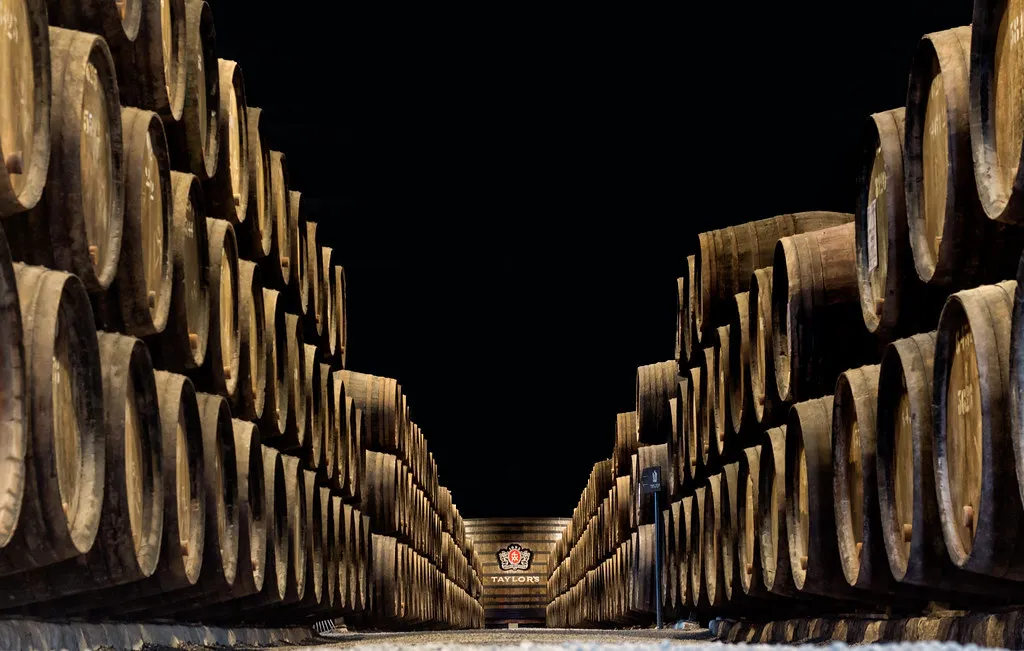
Portugal's Atlantic is always cooler than the Mediterranean — even in August, the water is "fresh" rather than "warm" by Italian or Greek standards. The Canary Current pushes cold water down the western coast year-round, while the south-facing Algarve gets a slight warming bump from sheltered bays.
- February (coldest): 14–15°C — wetsuit required for all but brief dips
- April: 15–17°C — surfers in 4/3mm wetsuits
- June: 17–20°C — bracing but swimmable on sunny days
- August–September (warmest): 19–22°C — comfortable for most swimmers, especially in Algarve coves
- October: 17–20°C — still warmer than the air on cool days
The west coast (Lisbon, Cascais, Ericeira, Costa Vicentina) is consistently 2–3°C colder than the south-facing Algarve coast year-round. If swimming matters, book the Algarve.
Best months by region
Each region peaks at slightly different times. Use this as a quick decision filter:
- Lisbon: May, June, September — warm but not hot, dry, long daylight hours, manageable crowds.
- Porto: June, July, September — the only stretch with reliable sun and dry pavements for the riverside walks.
- Algarve: May, June, September, October — warm sea, full sun, prices well below August peak.
- Douro Valley: May, June, September — comfortable for tasting tours, harvest season in mid-to-late September.
- Sintra: April, May, October — palaces are walkable, mist mostly burned off, no August day-tripper crush.
If you can only pick one month for the whole country, June is the answer for most travelers — see our best month to visit Portugal breakdown for the full reasoning. May is a strong runner-up with cooler evenings and lower prices; details in our Portugal in May guide.
Worst months by region
Not every month works everywhere. Avoid these unless you have a specific reason to go:
- Lisbon, Porto, Algarve: November–February. Rain days outnumber dry days, attractions cut hours, and beach towns largely shut down. Lisbon stays workable for city breaks, but expect 5+ rain days a week.
- Douro Valley: August (extreme heat — 40°C+ in vineyards with limited shade) and January (frost, fog, many quintas closed for winter pruning).
- Sintra: August. The day-tripper crush peaks, palace queues hit 90 minutes, and Atlantic mist still rolls in most mornings — you can wait an hour to see a fog-shrouded Pena Palace.
The single worst combination across the country is mid-November to mid-February in Porto and the Douro: cold, wet, short days, and many wineries closed.
Frequently Asked Questions
When is Portugal hottest?
August is Portugal's hottest month nationwide. The Algarve and Douro Valley both peak around 30°C average highs, with Douro heatwaves regularly pushing past 40°C. Lisbon sits a touch cooler at 29°C average, moderated by the Atlantic.
When is Portugal coldest?
January is the coldest month. Coastal cities (Lisbon, Porto, Faro) average overnight lows of 5–9°C — chilly but rarely freezing. The Douro Valley and inland mountains drop to 0–2°C, with frost on most January nights. Snow falls only in the Serra da Estrela mountains.
Does it snow in Portugal?
Yes, but only in one place reliably: the Serra da Estrela mountains in central Portugal, where Torre (1,993 m) gets snow December through March and supports a small ski station. Lisbon, Porto, and the Algarve effectively never see snow — the last meaningful Lisbon snowfall was in 2006.
Which Portugal region has the best weather?
The Algarve, by every measure: 300+ sunny days per year, just 500 mm of annual rainfall, mild winters averaging 15°C highs in January, and the warmest sea temperatures in mainland Portugal. It's the only region where outdoor dining is realistic year-round.
When does it rain in Portugal?
October through March is the rainy season nationwide. Porto and the northern interior get the heaviest rain; the Algarve gets the least. Summer (June–September) is reliably dry across the country, with the Algarve often going entire months without measurable rainfall. For a deeper look at one of the driest, sunniest months, see our Portugal in June complete guide guide.
Explore More Portugal Weather Guides
Deep-dive guides for picking the right month, packing for each season, and understanding regional climate differences across Portugal — from the Algarve's near-year-round sun to Sintra's Atlantic mist and the Douro's continental swings.
Best Month / Decision Guides
- Best Month to Visit Portugal
- Portugal Rainy Season
- Hottest Month in Portugal
- Portugal Summer Packing List
Spring & Summer (March–August)
- Portugal in March
- Portugal in April
- Portugal in May
- Portugal in June
- Portugal in July
- Portugal in August
- Lagos in Summer
Autumn & Winter (September–February)
- Portugal in September
- Portugal in October
- Portugal in November
- Portugal in December
- Portugal in January
- Portugal in February
- Lagos in Winter
- Lisbon in Winter
Lisbon & Sintra
Porto & Douro Valley
Algarve & Atlantic Islands

 Best Time To Visit Aveiro Travel GuideJune 8, 2026
 Best Time to Visit Évora Travel GuideJune 8, 2026