
10 Things to Know About Visiting Portugal in April
Planning a trip to Portugal in April? Discover the best places for wildflowers, spring festivals like the Feast of the Crosses, and essential weather tips.
On this page
Top 10 Things to Know Before Visiting Portugal in April
Portugal in April sits in a sweet spot between the quiet winter and the crowded, expensive summer. Temperatures are mild, landscapes are at their greenest, and the major cities are lively without being overwhelming. Whether you want wildflowers in the Alentejo, spring festivals in the north, or quiet mornings at Lisbon's monuments, April delivers.
That said, April comes with real trade-offs. Rain is part of the deal, especially in the north, and Easter week drives up prices across the whole country. This guide covers the weather by region, the best places to go, key festivals, and the practical logistics you need before you book. For a broader perspective on the calendar, read our guide on the best month to visit Portugal.
Understand Portugal Weather in April
The Portuguese say "Abril, águas mil" — April, a thousand waters. It is an honest description. April brings the most unpredictable weather of any spring month: bright sunshine in the morning, a sharp shower by noon, and warm golden light again by late afternoon. You are not buying guaranteed sun when you book April; you are buying mild temperatures and the possibility of beautiful days.

The country splits clearly into two weather zones. In Lisbon, expect daytime highs of 18–20°C / 64–68°F with roughly nine rainy days over the month. Porto and the north are noticeably wetter, with 110 mm of rainfall across up to 14 days and daytime highs reaching 18°C / 64°F. The Algarve is the warmest and driest part of the country, with highs of 19–22°C / 66–72°F and only around 35–45 mm of rain for the month. Nights cool down everywhere, dropping to 10–12°C / 50–54°F even in Lisbon, so evenings always warrant a layer. Check how April compares to surrounding months in our Portugal weather by month guide.
Sea temperatures lag well behind air temperatures. The Atlantic sits at around 16–17°C / 61–63°F in April, which is cold enough to discourage most swimmers. Surfers in thick wetsuits are the usual sight on Algarve beaches at this time of year.
April brings Portugal's most unpredictable spring weather — expect daytime highs of 18–20°C in Lisbon and up to 14 rainy days in Porto. Always pack a packable rain shell and light layers, since evenings cool to 10–12°C even in the south.
Pros and Cons of Visiting Portugal in April
April is genuinely one of the better months to visit, but it asks something of you in return. Understanding both sides helps you decide whether it fits your travel style.
The advantages are compelling. Crowds at major monuments are a fraction of what you face in July or August. Lisbon's Jerónimos Monastery, Sintra's Palácio da Pena, and Porto's Livraria Lello are all manageable in April. Accommodation prices run 20–30% lower than peak season outside of Easter week. The landscape is at peak greenness — wildflowers carpet the Alentejo plains, cherry trees bloom in Fundão, and almond blossoms still linger in parts of the Douro. Almost every attraction, restaurant, and tour operator is open by mid-April after the winter closure period.
The disadvantages are real. Weather is genuinely unpredictable, especially in the north. A week-long trip to Porto can include three full rain days. The sea is too cold for most people to swim without a wetsuit. Easter week is a specific problem: prices spike across the whole country, availability drops sharply, and some popular pilgrimage sites and monasteries see large domestic crowds. The Douro Valley is a visual disappointment in early April — the vines are still bare and the landscape looks brown and dormant rather than the lush green of the brochures.
The practical upshot: if your priority is warm beaches and swimming, wait for June. If your priority is cities, hiking, festivals, and landscapes, April is excellent value.
Explore Lisbon and Porto Before the Summer Heat
Both cities are at their most pleasant in April. Summer temperatures in Lisbon regularly exceed 35°C / 95°F, making long days of walking genuinely exhausting. In April, 18–20°C days are ideal for exploring Alfama, Belém, and the steep tramway routes. The iconic Eléctrico 28 still has queues in April, but nothing like the 45-minute waits of August. Day trips to Sintra are straightforward, and the Palácio Nacional da Pena is significantly quieter than in summer.
Porto is riskier weather-wise but equally rewarding. The Ribeira district looks beautiful in spring light, and the port wine cellars along Vila Nova de Gaia are perfect shelter on wet days — more than 14 lodges offer tours and tastings, from the grand historic Taylor's to smaller family operations. When the sun appears, a day trip to Guimarães takes an hour by train and rewards you with medieval streets almost entirely free of summer tourism. The canals of Aveiro are another easy day trip from Porto, best seen without the summer crowds that fill the moliceiro boats.
Lisbon edges ahead as the safer April choice because it has more indoor options for rainy days — the Oceanário, Museu Calouste Gulbenkian, and the MAAT contemporary art museum can fill an entire afternoon. Porto rewards you more deeply if the weather cooperates.
Algarve and the Islands in April
The Algarve is the obvious choice if you want the best odds of sun. Most resort towns — Lagos, Albufeira, Tavira, Faro — are fully operational by April, without the summer crowds that pack their streets. The Seven Hanging Valleys Trail (Percurso dos Sete Vales Suspensos) between Carvoeiro and Marinha Beach is outstanding in April, with wildflowers along the clifftops and cool enough temperatures to hike comfortably. Some of the larger water parks in the region open in April, and dolphin-watching tours from Albufeira and Vilamoura restart their seasonal schedules. The historic old town of Faro is particularly easy to enjoy at a slow pace before the summer heat makes the cobblestones uncomfortable. Read more about seasonal conditions in our Algarve weather by month guide.
Madeira is a year-round destination and April is one of its better months. Daytime temperatures in Funchal average 18–20°C / 64–68°F with frequent sunshine. The mountains and high-altitude levada trails are cooler and sometimes cloud-covered, but the island's varied microclimates mean you can usually find sunshine somewhere. April is ideal for hiking the levadas without summer heat.
The Azores are a more cautious recommendation for April. São Miguel, the main island, averages only 15°C / 59°F and sees rain roughly every third day. The volcanic lakes, hot springs at Furnas, and coastal walks are worth it for travelers who embrace variable weather, but if you want reliable sunshine in the archipelago, June to August is more dependable.
See the Wildflowers of the Alentejo Countryside
The Baixo Alentejo — specifically the plains around Serpa and Mértola — is one of Portugal's most underrated spring destinations. By late March the hillsides are already covered in yellow broom and white cistus, and April brings lupins, poppies, and wild lavender across the vast cork oak plains. This is the Goldilocks window: warm enough to sit outside without a jacket but well before the summer heat turns these plains into a furnace where 40°C / 104°F days are routine.
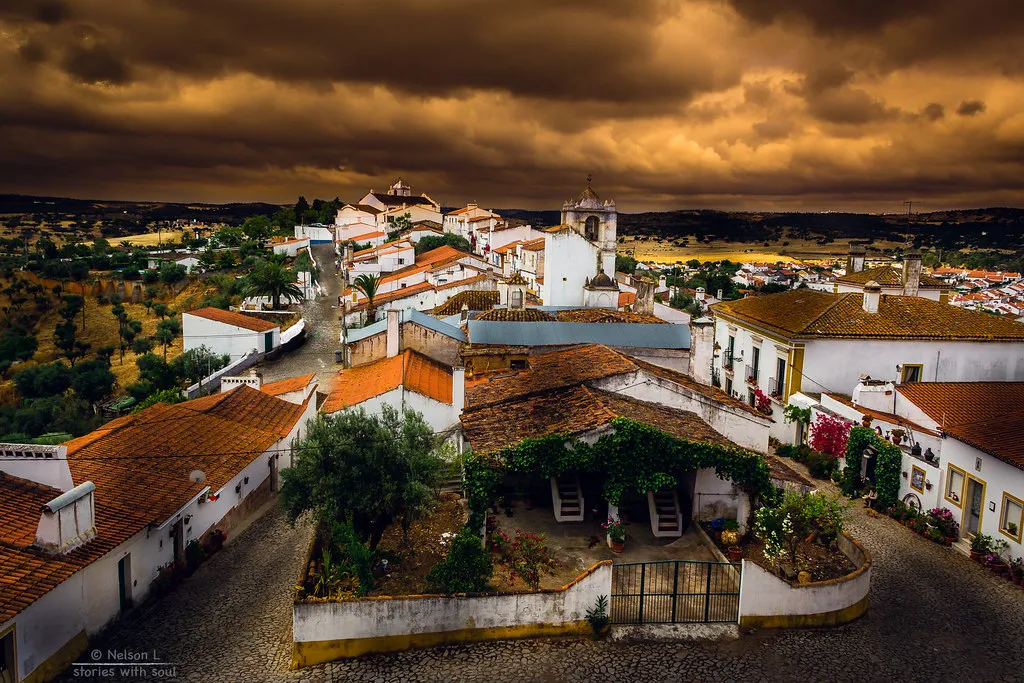
Mértola sits above the Guadiana River and is one of the best-preserved medieval towns in Portugal. The castle, the mosque-church, and the Roman ruins are all within walking distance of each other, and in April you may have them almost entirely to yourself. The Serpa area adds another dimension — the fortified town walls are intact and the local sheep's cheese (queijo de Serpa) is best bought directly from farms still operating on traditional schedules.
The wildflower season typically peaks between mid-March and late April. Timing varies by year — a wet winter followed by a warm March pushes everything earlier, while a dry February can delay the bloom by two to three weeks. Driving the back roads between Serpa, Mértola, and Castro Verde in April is one of the most quietly spectacular drives in southern Europe.
Cherry Blossoms in Fundão and Almond Trees in the Douro
Fundão, a small city in the Beira Baixa region of central Portugal, hosts one of the country's most impressive floral events. The cherry orchards that cover the surrounding hillsides bloom from late March into April, turning the landscape white and pale pink. The N18 road through the Serra da Gardunha foothills gives the best views, and the annual cherry blossom festival (Festa da Cereja) typically runs in early April with local food stalls and guided walks through the orchards. The drive from Coimbra to Fundão takes about an hour and fits naturally into a central Portugal itinerary.
The Douro Valley requires a caveat. Almond blossoms — which are spectacular in late February — are long finished by April. The vines are only just starting to show their first green shoots in mid-April, which means the landscape looks sparse compared to summer's dense green terraces or autumn's gold and red harvest colors. The valley's quintas (wine estates) are open for tastings, and river cruises restart their schedules, but if the iconic Douro scenery is your primary goal, visit in June or September instead. April works if you combine it with Porto and are not expecting the full vine canopy.
Attend the Feast of the Crosses in Barcelos
The Festa das Cruzes (Feast of the Crosses) in Barcelos is the first major pilgrimage event of the Portuguese calendar year. It takes place over several days in early May, but the fair and market that precede it begin in late April, making it a viable April event for visitors with flexible timing. Barcelos is a small town in the Minho region, about 45 minutes by road north of Porto. The town is already famous for the Barcelos cockerel — the rooster that became Portugal's unofficial national symbol — and the weekly Thursday market (one of the largest in the country) is worth timing a visit around.
The Festa das Cruzes involves a candlelit procession to the Cruz do Salvador and a large street fair with traditional crafts, folk music, and local food. It draws pilgrims from across northern Portugal and remains a genuinely local event rather than a tourist production. The flower carpets laid in the streets during the procession are particularly striking. If your trip falls in late April and you are based in Porto, the day trip to Barcelos for the fair atmosphere and Thursday market makes for a memorable afternoon.
April 25: Portugal's Carnation Revolution Holiday
The 25th of April is a national holiday in Portugal, commemorating the 1974 Carnation Revolution that ended nearly 50 years of dictatorship in a peaceful military coup. Soldiers placed red carnations in their gun barrels rather than firing them, and those flowers became a permanent symbol of the democratic transition. It is one of the most emotionally resonant dates in the Portuguese calendar — not a manufactured tourist event but a genuine national celebration.
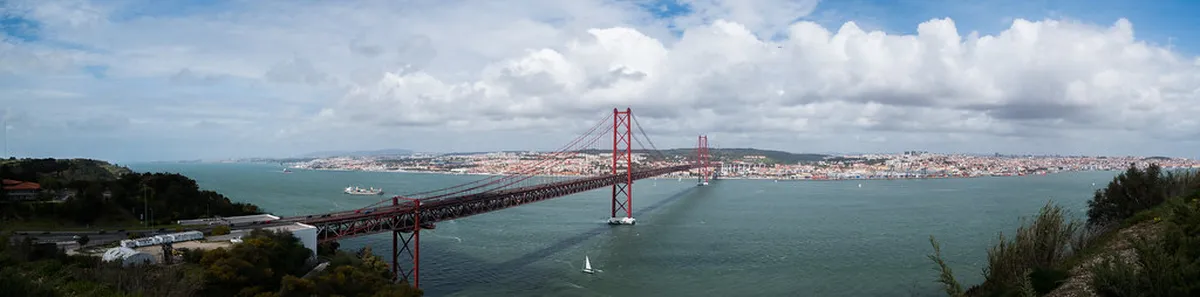
In Lisbon, the day brings street concerts, open-air exhibitions, and ceremonies on the Ponte 25 de Abril (the suspension bridge named for the revolution). The Museu do Aljube, a former political prison turned democracy museum near the cathedral, is particularly worth visiting around this date — it documents the resistance and repression of the Salazar regime in detail that few other museums in Europe match for honesty. Expect higher foot traffic in Lisbon on April 25th and the surrounding weekend. Restaurants in Bairro Alto and Mouraria will be busy, public transport runs a holiday schedule, and some smaller shops are closed. Book dinner reservations in advance if your trip falls on this date.
Travelers often overlook this date when planning April trips to Portugal. Factor it in: it adds genuine local atmosphere if you embrace it, but can disrupt logistics if you do not know it is coming.
Plan for Spring Crowds, Costs, and Logistics
Easter week is the single biggest logistical consideration for April travel in Portugal. The exact dates shift each year, but whenever Semana Santa falls, hotel prices across the entire country spike sharply and availability in popular areas drops well in advance. Accommodation in Sintra, Óbidos, and the Algarve resort towns fills up fastest. Book at least six to eight weeks ahead if your trip overlaps with Easter week, and expect to pay summer-adjacent rates for those specific days.
Outside Easter, April pricing is genuinely attractive. Accommodation in Lisbon's central neighborhoods runs 20–30% below July rates. Car rental is easier to find and cheaper than in summer, which matters because the Alentejo and central Portugal are very difficult to explore without a vehicle. Portugal's express train network helps with the major corridors: Lisbon to Porto takes three hours, Lisbon to Faro takes two and a half hours, making it practical to shift regions quickly if weather turns bad in one area.
Easter week drives prices across the entire country to near-summer levels. Accommodation in Sintra, Óbidos, and Algarve resort towns fills up first — book at least six to eight weeks ahead if your trip overlaps with Semana Santa.
For what to pack: a waterproof light jacket is non-negotiable, particularly for Porto and the north. Bring comfortable walking shoes with grip — cobblestones get slippery when wet. Layers matter more than heavy items: a lightweight merino base layer, two or three mid-layers, and a packable rain shell covers almost every April scenario. Sunscreen is underestimated in April; UV index is already moderate even on overcast days. A compact umbrella is worth the bag space. You can read more about planning the shoulder season in our guide on the Portugal rainy season.
Is April a Good Time to Visit Portugal?
For most types of travelers, yes. April offers the best combination of mild temperatures, manageable crowds, and lower prices available anywhere in the Portuguese calendar. Cities are lively without being overwhelming, and the natural landscapes — particularly in the Alentejo and central Portugal — are at their most photogenic.
The caveats are specific: avoid April if a guaranteed beach holiday is the goal, be cautious about the Douro Valley if vine scenery is your primary draw, and plan carefully around Easter if budget is a constraint. For everyone else, April in Portugal is one of Europe's better-kept seasonal secrets. Late April, when the first jacaranda trees begin to bloom in Lisbon's lower-elevation squares like Praça do Império, tips the balance further in the month's favor. The full purple canopies arrive in May, but the first blooms in late April make Lisbon genuinely beautiful. To compare with what follows, read our guide on visiting Portugal in May.
Frequently Asked Questions
Is April a good time to visit Portugal?
Yes, April is an excellent time for sightseeing and hiking. You will enjoy mild temperatures and fewer crowds than in summer. However, you should prepare for occasional rain showers throughout the month. It is a perfect balance for budget travelers.
Does it rain a lot in Portugal in April?
Rain is common but usually comes in short bursts rather than lasting all day. The northern regions like Porto receive more rainfall than the southern Algarve. You should always carry a light waterproof jacket when exploring. This helps you stay comfortable during sudden spring showers.
Can you swim in the Algarve in April?
The ocean remains quite cold in April with average temperatures around 16°C / 61°F. Most visitors will find the water much too chilly for swimming without a thick wetsuit. However, the sandy beaches are absolutely beautiful for long walks and sunbathing on clear days.
Portugal in April is a season of transformation that rewards travelers with stunning natural beauty. The mix of cultural festivals and blooming landscapes makes it a unique time for a visit. You will enjoy the authentic atmosphere of the cities before the peak summer tourism begins.
Plan your itinerary to include both the vibrant cities and the lush, green countryside. Portugal remains a top choice for a spring getaway that balances cost, comfort, and scenery. We hope this guide helps you enjoy every moment of your Portuguese spring adventure.