Best Month to Visit Portugal: 2026 Decision Guide by Traveler Type
May is the single best month for first-timers — mild weather, jacaranda bloom, short queues, and prices 30-40% below peak. September wins for beach lovers. This 2026 guide ranks every month by traveler type with real weather data.
19 min readBy Sofia Almeida
<p><strong>The best month to visit Portugal is May for most first-time visitors</strong> — warm but not hot (18–23°C in Lisbon), only 5 rainy days, jacaranda trees in purple bloom, all attractions open with manageable queues, and hotel prices 30–40% below the July peak. If warm-water swimming is your priority, September edges it out: sea temperatures reach 21–22°C on the Algarve while crowds drop sharply after August 31. June wins on festivals; winter wins on budget.</p>
<div class="map-embed"><iframe loading="lazy" src="https://maps.google.com/maps?q=Alfama,+Lisbon,+Portugal&z=13&output=embed" title="Map of Alfama, Lisbon"></iframe></div>
<h2>Best month by traveler type — quick reference</h2>
<p>Before the data deep-dive, here is the one-table answer for most people:</p>
<table>
<thead>
<tr>
<th>Traveler type</th>
<th>Best month</th>
<th>Why</th>
</tr>
</thead>
<tbody>
<tr>
<td>First-timer / sightseer</td>
<td><strong>May</strong></td>
<td>Balanced weather, jacaranda bloom, shorter queues, shoulder prices</td>
</tr>
<tr>
<td>Beach lover / swimmer</td>
<td><strong>September</strong></td>
<td>Sea peaks at 21–22°C (Algarve), crowds thin, prices drop post-Aug</td>
</tr>
<tr>
<td>Festival & nightlife</td>
<td><strong>June</strong></td>
<td>Santo António (Lisbon, June 12–13) + São João (Porto, June 23–24)</td>
</tr>
<tr>
<td>Wine & food traveler</td>
<td><strong>September–October</strong></td>
<td>Douro Valley vindima (harvest), quintas open for tastings</td>
</tr>
<tr>
<td>Budget traveler</td>
<td><strong>January–February</strong></td>
<td>Hotels 40–50% below peak, zero queues, mild Lisbon city weather</td>
</tr>
<tr>
<td>Surfer</td>
<td><strong>October–November</strong></td>
<td>Atlantic swells build at Nazaré and Ericeira, uncrowded lineups</td>
</tr>
<tr>
<td>Off-peak explorer</td>
<td><strong>April</strong></td>
<td>Early jacaranda, empty Sintra, 40–50% cheaper than summer</td>
</tr>
</tbody>
</table>
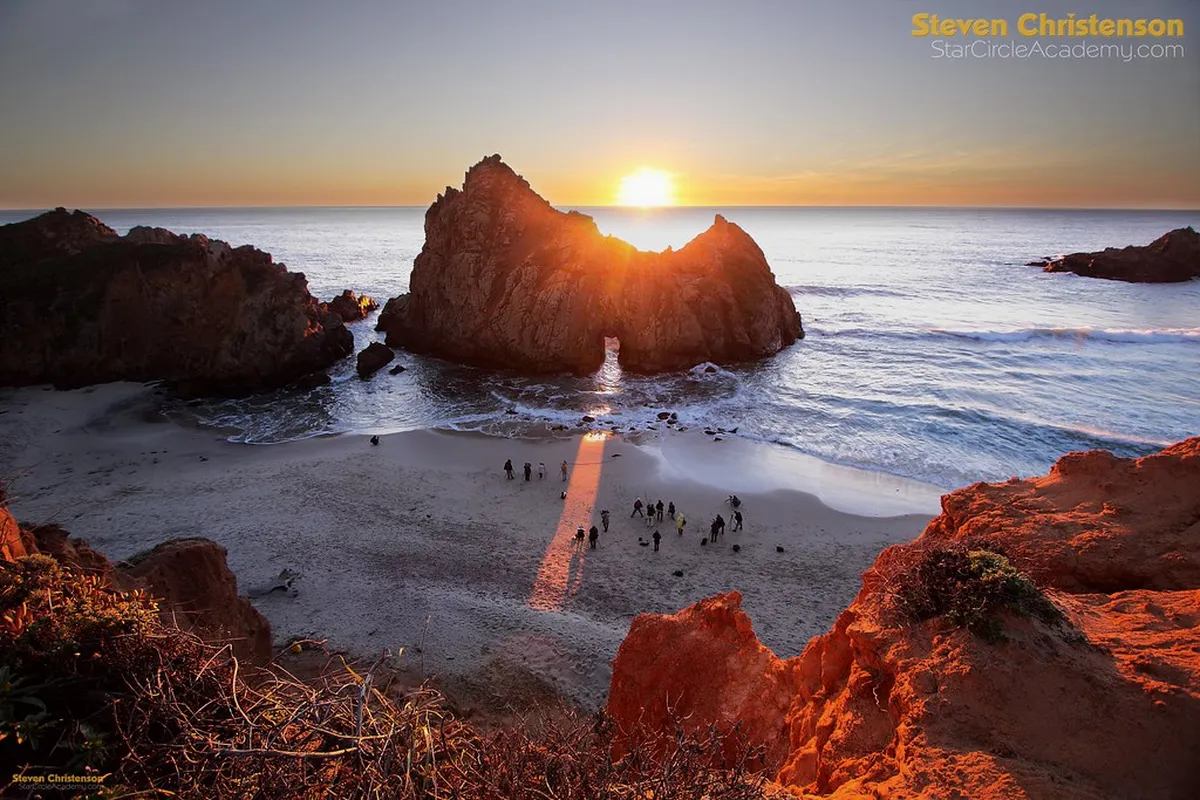
<h2>Portugal month-by-month weather data (2026)</h2>
<p>All figures are climate averages across three regions — Lisbon (central coast), Porto (north), and Algarve (south). "Rain days" means days with measurable precipitation. Sea temperatures are measured at the nearest coastal station.</p>
<figure class="article-figure"><img src="/images/best-month-to-visit-portugal-weather-data-2026.webp" alt="Weather data 2026 in Portugal, Portugal" loading="lazy" width="1200" height="800" /><figcaption>Photo: <a href="https://www.flickr.com/photos/76815277@N00/4752012821" rel="nofollow noopener">nmorao</a> via Flickr (CC)</figcaption></figure>
<h3>January</h3>
<table>
<thead>
<tr><th>Region</th><th>High / Low (°C)</th><th>Sun hrs/day</th><th>Rain days</th><th>Sea temp (°C)</th></tr>
</thead>
<tbody>
<tr><td>Lisbon</td><td>14 / 8</td><td>5</td><td>11</td><td>15</td></tr>
<tr><td>Porto</td><td>13 / 5</td><td>4</td><td>14</td><td>14</td></tr>
<tr><td>Algarve</td><td>15 / 9</td><td>6</td><td>8</td><td>16</td></tr>
</tbody>
</table>
<p>The coldest, wettest, cheapest month. Lisbon city breaks work well — all museums open, zero queues at Belém Tower and Jerónimos Monastery. Beach towns in the Algarve are quiet to the point of melancholy; most beach bars are shuttered.</p>
<h3>February</h3>
<table>
<thead>
<tr><th>Region</th><th>High / Low (°C)</th><th>Sun hrs/day</th><th>Rain days</th><th>Sea temp (°C)</th></tr>
</thead>
<tbody>
<tr><td>Lisbon</td><td>15 / 9</td><td>6</td><td>9</td><td>15</td></tr>
<tr><td>Porto</td><td>14 / 5</td><td>5</td><td>12</td><td>14</td></tr>
<tr><td>Algarve</td><td>16 / 9</td><td>6</td><td>7</td><td>15</td></tr>
</tbody>
</table>
<p>Carnaval season — Loulé (Algarve) and Torres Vedras host Portugal's most enthusiastic festivals in late February. Almond trees bloom across the Algarve interior. Still budget season, but the Algarve already starts warming. Slightly drier than January.</p>
<h3>March</h3>
<table>
<thead>
<tr><th>Region</th><th>High / Low (°C)</th><th>Sun hrs/day</th><th>Rain days</th><th>Sea temp (°C)</th></tr>
</thead>
<tbody>
<tr><td>Lisbon</td><td>17 / 11</td><td>7</td><td>9</td><td>15</td></tr>
<tr><td>Porto</td><td>16 / 7</td><td>6</td><td>12</td><td>14</td></tr>
<tr><td>Algarve</td><td>18 / 11</td><td>7</td><td>6</td><td>16</td></tr>
</tbody>
</table>
<p>Wildflowers and green countryside. The Algarve cliffs (Ponta da Piedade, <a href="https://portugalwander.com/praia-da-marinha-guide">Praia da Marinha</a>) are beautiful and empty — best hiking conditions of the year. Porto remains rainy. Sea still too cold for most swimmers.</p>
<h3>April</h3>
<table>
<thead>
<tr><th>Region</th><th>High / Low (°C)</th><th>Sun hrs/day</th><th>Rain days</th><th>Sea temp (°C)</th></tr>
</thead>
<tbody>
<tr><td>Lisbon</td><td>19 / 12</td><td>8</td><td>8</td><td>16</td></tr>
<tr><td>Porto</td><td>17 / 8</td><td>7</td><td>11</td><td>14</td></tr>
<tr><td>Algarve</td><td>20 / 12</td><td>9</td><td>5</td><td>17</td></tr>
</tbody>
</table>
<p>A genuine gamble. The last week of April often feels like May — sunny, mild, near-empty. The first week can deliver cold Atlantic rain. Easter week (when it falls in April) brings domestic crowds to the Algarve and raises prices by 15–25%. Book April for the wallet and the solitude; accept the weather risk.</p>
<h3>May</h3>
<table>
<thead>
<tr><th>Region</th><th>High / Low (°C)</th><th>Sun hrs/day</th><th>Rain days</th><th>Sea temp (°C)</th></tr>
</thead>
<tbody>
<tr><td>Lisbon</td><td>22 / 14</td><td>10</td><td>5</td><td>17</td></tr>
<tr><td>Porto</td><td>19 / 11</td><td>8</td><td>10</td><td>15</td></tr>
<tr><td>Algarve</td><td>23 / 14</td><td>10</td><td>3</td><td>18</td></tr>
</tbody>
</table>
<p>The consensus sweet spot for first-timers. Lisbon's jacaranda trees burst into purple-blue bloom from late April through mid-May — Avenida Dom Carlos I, Largo do Carmo, and the streets around Príncipe Real become the most photographed spots of the year. Sintra is busy but walkable (no 90-minute Pena Palace queues yet). The Algarve is warm and largely uncrowded. Sea at 17–18°C — brisk but swimmable for the determined. Best weakness: the Atlantic is still too cold for extended swimming.</p>
<h3>June</h3>
<table>
<thead>
<tr><th>Region</th><th>High / Low (°C)</th><th>Sun hrs/day</th><th>Rain days</th><th>Sea temp (°C)</th></tr>
</thead>
<tbody>
<tr><td>Lisbon</td><td>25 / 17</td><td>11</td><td>3</td><td>18</td></tr>
<tr><td>Porto</td><td>22 / 13</td><td>9</td><td>6</td><td>16</td></tr>
<tr><td>Algarve</td><td>27 / 17</td><td>11</td><td>2</td><td>20</td></tr>
</tbody>
</table>
<p>Festival month. Santo António floods Lisbon's Alfama with grilled sardines on June 12–13. São João turns Porto into a city-wide street party on June 23–24 — fireworks over the Douro at midnight, bonfire smoke, locals armed with squeaky plastic hammers. Daylight stretches past 9:30pm. Crucially, early June (before the 20th) is still pre-peak: prices are shoulder-season, queues manageable. After June 20, European school holidays hit and prices spike sharply.</p>
<h3>July</h3>
<table>
<thead>
<tr><th>Region</th><th>High / Low (°C)</th><th>Sun hrs/day</th><th>Rain days</th><th>Sea temp (°C)</th></tr>
</thead>
<tbody>
<tr><td>Lisbon</td><td>28 / 19</td><td>12</td><td>0</td><td>20</td></tr>
<tr><td>Porto</td><td>25 / 16</td><td>10</td><td>1</td><td>18</td></tr>
<tr><td>Algarve</td><td>30 / 20</td><td>12</td><td>0</td><td>21</td></tr>
</tbody>
</table>
<p>Peak summer begins. Zero rain days, maximum sunshine, and the Portuguese coast at its most genuinely beach-ready. The trade-offs accumulate fast: Pena Palace queues hit 2–3 hours mid-day; Algarve hotels cost 60–90% more than May; interior Alentejo and the Algarve regularly push 35°C+; Lisbon's famous hills feel brutal in full July heat. If you must visit July, target the first two weeks — prices are already high but the absolute August peak has not arrived yet.</p>
<h3>August</h3>
<table>
<thead>
<tr><th>Region</th><th>High / Low (°C)</th><th>Sun hrs/day</th><th>Rain days</th><th>Sea temp (°C)</th></tr>
</thead>
<tbody>
<tr><td>Lisbon</td><td>29 / 20</td><td>11</td><td>0</td><td>20</td></tr>
<tr><td>Porto</td><td>27 / 17</td><td>10</td><td>0</td><td>19</td></tr>
<tr><td>Algarve</td><td>31 / 21</td><td>11</td><td>0</td><td>22</td></tr>
</tbody>
</table>
<p>The absolute peak — highest prices, highest crowds, highest temperatures. The whole of European summer descends on Portugal simultaneously. Every Algarve beach requires early arrival by 9am to claim space. Same-day restaurant reservations in Lisbon and Porto are a near-impossibility. Internal flights from Lisbon to Faro book out weeks ahead. The only genuine upside: zero rain and the warmest sea of the year. Avoid for first-timers; tolerate if beach-maximization is the only goal.</p>
<div class="callout warning"><div class="callout-label">Heads up</div><p>August is Portugal's absolute peak — Algarve hotels cost 60–90% more than May, Pena Palace queues hit 2–3 hours mid-day, and Lisbon to Faro flights book out weeks in advance. If you're travelling in August, book accommodation and key attraction tickets at least 6–8 weeks ahead.</p></div>
<h3>September</h3>
<table>
<thead>
<tr><th>Region</th><th>High / Low (°C)</th><th>Sun hrs/day</th><th>Rain days</th><th>Sea temp (°C)</th></tr>
</thead>
<tbody>
<tr><td>Lisbon</td><td>27 / 17</td><td>9</td><td>4</td><td>21</td></tr>
<tr><td>Porto</td><td>24 / 14</td><td>8</td><td>4</td><td>19</td></tr>
<tr><td>Algarve</td><td>28 / 18</td><td>9</td><td>3</td><td>22</td></tr>
</tbody>
</table>
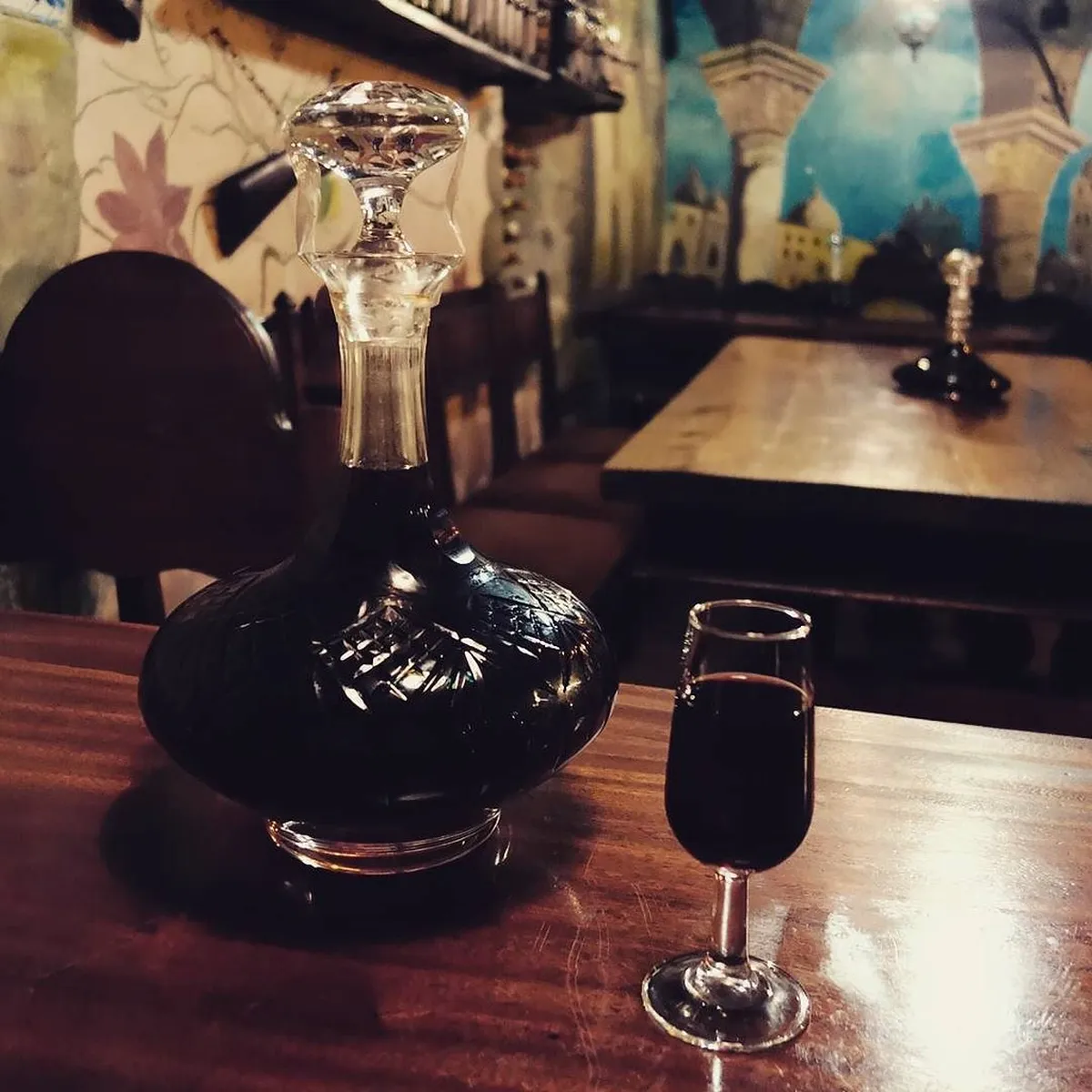
<p>The warm-sea paradox: the Atlantic off Portugal peaks in September, not August, because the ocean lags air temperature by roughly one month. Sea temperatures reach 21–22°C on the south-facing Algarve coast — warmer than at any point in summer. Meanwhile European school holidays end on the last weekend of August, so hotel occupancy drops 25–30% almost overnight from September 1. Sintra becomes walkable again. Restaurants take same-day bookings. Douro Valley <em>vindima</em> (grape harvest) runs from mid-September through mid-October — quintas open harvest experiences, foot-treading sessions, and harvest lunches. September is the single best month if you want beach + culture without the August premium.</p>
<h3>October</h3>
<table>
<thead>
<tr><th>Region</th><th>High / Low (°C)</th><th>Sun hrs/day</th><th>Rain days</th><th>Sea temp (°C)</th></tr>
</thead>
<tbody>
<tr><td>Lisbon</td><td>22 / 15</td><td>7</td><td>7</td><td>20</td></tr>
<tr><td>Porto</td><td>19 / 11</td><td>6</td><td>11</td><td>18</td></tr>
<tr><td>Algarve</td><td>24 / 15</td><td>7</td><td>5</td><td>21</td></tr>
</tbody>
</table>
<p>Early October still has warm Algarve days (24°C highs), swimmable sea, and golden cliff light ideal for hiking. The first proper Atlantic storms tend to arrive mid-month. Nazaré and Ericeira start drawing surfers for the season's opening swells. Lisbon and Porto are genuinely pleasant for city exploration — the 7 sun hours per day is enough for rooftop wine without rain gear. Good month for wine travelers still chasing the end of the Douro harvest. Book early October over late October for consistency.</p>
<h3>November</h3>
<table>
<thead>
<tr><th>Region</th><th>High / Low (°C)</th><th>Sun hrs/day</th><th>Rain days</th><th>Sea temp (°C)</th></tr>
</thead>
<tbody>
<tr><td>Lisbon</td><td>17 / 11</td><td>5</td><td>10</td><td>18</td></tr>
<tr><td>Porto</td><td>15 / 8</td><td>4</td><td>14</td><td>17</td></tr>
<tr><td>Algarve</td><td>19 / 12</td><td>6</td><td>7</td><td>19</td></tr>
</tbody>
</table>
<p>Shoulder-to-low-season transition. Hotels drop 30–40% below peak summer. Nazaré surfers are in full swing. Cities feel lived-in and local. The Algarve has noticeably more cloud than October, but warm days still arrive. The Atlantic is too cold for casual swimming but good for experienced surfers chasing the Nazaré big-wave season, which peaks November–February.</p>
<h3>December</h3>
<table>
<thead>
<tr><th>Region</th><th>High / Low (°C)</th><th>Sun hrs/day</th><th>Rain days</th><th>Sea temp (°C)</th></tr>
</thead>
<tbody>
<tr><td>Lisbon</td><td>14 / 8</td><td>5</td><td>12</td><td>16</td></tr>
<tr><td>Porto</td><td>13 / 6</td><td>4</td><td>14</td><td>15</td></tr>
<tr><td>Algarve</td><td>16 / 10</td><td>5</td><td>8</td><td>17</td></tr>
</tbody>
</table>
<p>Christmas markets in Porto (Aliados) and Óbidos are genuinely charming and uncrowded. The week between Christmas and New Year sees a modest price bump. Otherwise December is a budget city-break month — same mild conditions as January but with festive atmosphere in the cities. Daylight shrinks to 9 hours; the coast can be grey and cold.</p>
<h2>Top 5 months ranked: the comparison table</h2>
<p>Ranked across five dimensions: weather reliability, crowds, prices, sea swimming, and cultural richness. Each scored out of 5; max 25.</p>
<table>
<thead>
<tr>
<th>Month</th>
<th>Weather reliability</th>
<th>Crowd level (5 = empty)</th>
<th>Prices (5 = cheapest)</th>
<th>Sea swimming</th>
<th>Cultural richness</th>
<th>Total</th>
</tr>
</thead>
<tbody>
<tr>
<td><strong>May</strong></td>
<td>4</td>
<td>4</td>
<td>4</td>
<td>2</td>
<td>4</td>
<td><strong>18</strong></td>
</tr>
<tr>
<td><strong>September</strong></td>
<td>4</td>
<td>4</td>
<td>3</td>
<td>5</td>
<td>4</td>
<td><strong>20</strong></td>
</tr>
<tr>
<td><strong>June (early)</strong></td>
<td>5</td>
<td>3</td>
<td>3</td>
<td>3</td>
<td>5</td>
<td><strong>19</strong></td>
</tr>
<tr>
<td><strong>October (early)</strong></td>
<td>3</td>
<td>5</td>
<td>4</td>
<td>4</td>
<td>3</td>
<td><strong>19</strong></td>
</tr>
<tr>
<td><strong>April (late)</strong></td>
<td>2</td>
<td>5</td>
<td>5</td>
<td>1</td>
<td>3</td>
<td><strong>16</strong></td>
</tr>
</tbody>
</table>
<p>September edges out May on the raw total thanks to its exceptional sea temperatures — a difference that matters enormously for beach-focused trips and not at all for city-focused ones.</p>
<div class="table-scroll"><table class="data-table"><thead><tr><th>Month</th><th>Lisbon high (°C)</th><th>Algarve sea temp (°C)</th><th>Rain days (Lisbon)</th><th>Hotel price vs. July peak</th></tr></thead><tbody><tr><td>January</td><td>14</td><td>16</td><td>11</td><td>−50%</td></tr><tr><td>April</td><td>19</td><td>17</td><td>8</td><td>−40 to −50%</td></tr><tr><td>May</td><td>22</td><td>18</td><td>5</td><td>−30 to −40%</td></tr><tr><td>June (early)</td><td>25</td><td>20</td><td>3</td><td>−20 to −30%</td></tr><tr><td>July</td><td>28</td><td>21</td><td>0</td><td>peak (baseline)</td></tr><tr><td>August</td><td>29</td><td>22</td><td>0</td><td>+10 to +20% vs. July</td></tr><tr><td>September</td><td>27</td><td>22</td><td>4</td><td>−25 to −35%</td></tr><tr><td>October</td><td>22</td><td>21</td><td>7</td><td>−30 to −40%</td></tr></tbody></table></div>
<h2>May — best for first-timers and sightseers</h2>
<p>If this is your first trip to Portugal, book May. The combination of factors aligns more cleanly than in any other month.</p>
<p><strong>Weather:</strong> Lisbon averages a 22°C high and a 14°C low, with only 5 rainy days across the whole month and 10 sun hours per day. Porto runs slightly cooler at 19°C. The Algarve already hits 23–24°C on most afternoons, with just 3 rainy days. Critically, you get 13+ hours of daylight — enough to pack two attractions into a morning and still have a long afternoon for wine at a miradouro.</p>
<p><strong>Crowds:</strong> Sintra's Pena Palace is busy but you can still walk up to the ticket window without a 90-minute queue. Belém Tower lines stay manageable. Restaurants in Alfama and Bairro Alto take walk-ins. From late June onward, all of this changes.</p>
<p><strong>Prices:</strong> Hotels in Lisbon and Porto run roughly 30–40% below their July peak. A 4-star room that hits €280 in August sits closer to €170 in mid-May. Flights from London, Paris, and Madrid are similarly soft.</p>
<p><strong>The jacaranda bonus:</strong> From late April through mid-May, Lisbon's jacaranda trees explode into purple-blue bloom. Avenida Dom Carlos I, the Largo do Carmo, and the streets around Príncipe Real turn into postcards. It is the single most photogenic fortnight of Lisbon's year — almost invisible in generic travel guides but unmissable once you know to time for it.</p>
<p><strong>The trade-off:</strong> The Atlantic is too cold for most visitors to swim comfortably (17°C). If warm-water beach days are your primary goal, September is the better call. For deep dives into May specifically — festival calendar, day-trip logistics, what to pack — see our <a href="https://portugalwander.com/portugal-in-may">Portugal in May complete guide</a>.</p>
<div class="callout tip"><div class="callout-label">Good to know</div><p>Lisbon's jacaranda trees bloom from late April through mid-May — Avenida Dom Carlos I, Largo do Carmo, and the streets around Príncipe Real are at their most photogenic during this fortnight. Time your visit for the second week of May to catch full bloom alongside reliable warm weather.</p></div>
<h2>June — best for festivals</h2>
<p>June is the only month where Portugal hands you both of its biggest cultural festivals back to back, plus the longest daylight hours of the year. If you want the country at its most alive, June is your month.</p>
<p><strong>Santo António — Lisbon, June 12–13:</strong> The patron saint of Lisbon turns the entire Alfama district into an outdoor festival. Grilled sardines smoke on every corner, marchas populares (neighborhood parades) wind through Avenida da Liberdade on the night of the 12th, and the air smells of charcoal and basil from morning until 3am. It is loud, packed with locals, and completely unlike anything staged for tourists.</p>
<p><strong>São João — Porto, June 23–24:</strong> On the night of the 23rd, the entire city pours into the streets with squeaky plastic hammers (the tradition is to bonk strangers on the head — gently), bonfires, live music in every square, and fireworks over the Douro at midnight. Hotels book out 6 months ahead for this single night.</p>
<p><strong>Weather and timing:</strong> The key is booking before June 20. Early June (1–18) is still technically pre-peak — weather is excellent (25°C in Lisbon, 11 sun hours/day), prices are shoulder-level, and you still catch Santo António. After June 20, European school holidays hit and prices spike 30–40%. For detailed week-by-week strategy, see our <a href="https://portugalwander.com/portugal-in-june">Portugal in June guide</a>.</p>
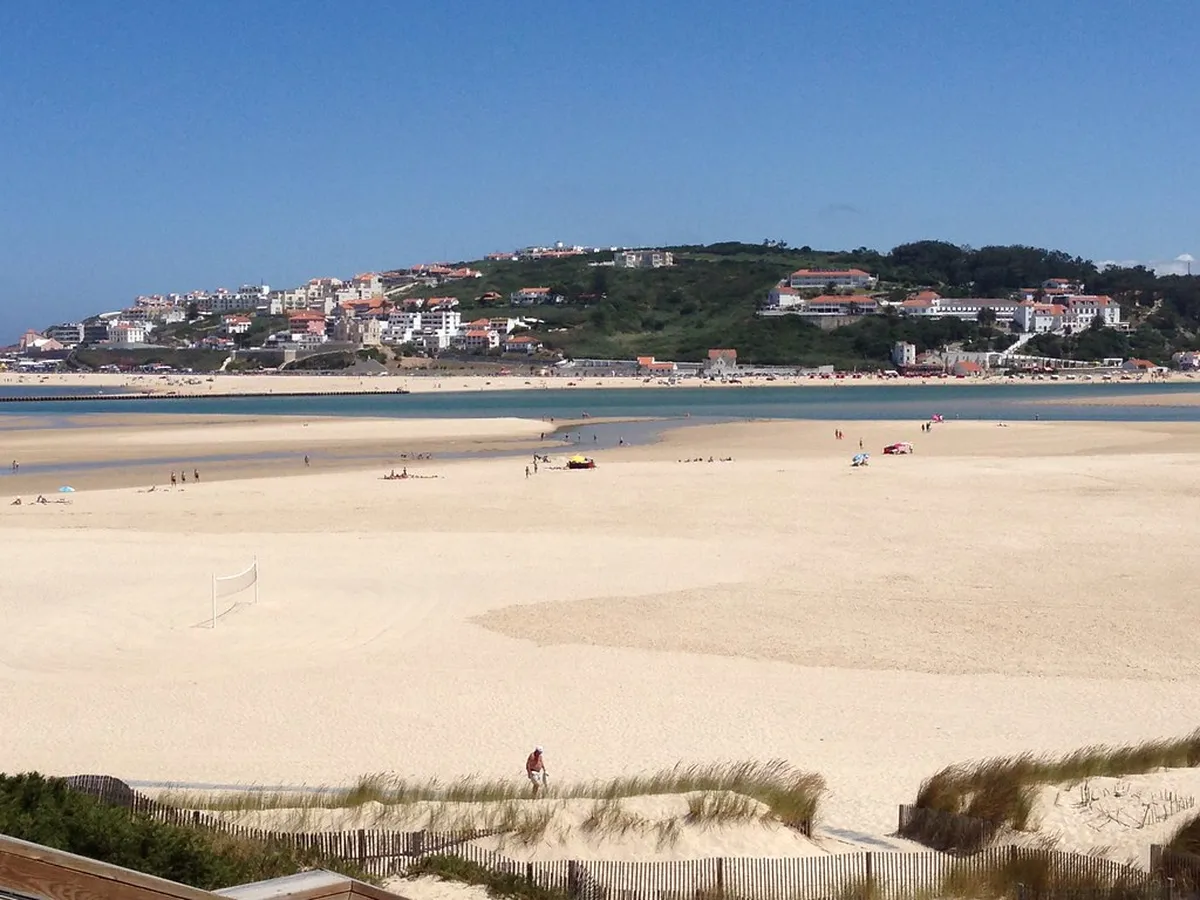
<h2>September — best for beach and wine</h2>
<p>September is the month most people underestimate and the one that often produces the best memories.</p>
<figure class="article-figure"><img src="/images/best-month-to-visit-portugal-september-beach-wine.webp" alt="September beach wine in Portugal, Portugal" loading="lazy" width="1200" height="800" /><figcaption>Photo: <a href="https://www.flickr.com/photos/116337886@N07/54521173150" rel="nofollow noopener">Harold Litwiler, Poppy</a> via Flickr (CC)</figcaption></figure>
<p><strong>The warm-sea paradox:</strong> Sea temperatures peak in September, not August. The Atlantic lags air temperature by roughly a month, so while air highs begin cooling from their August maximum, sea temperatures climb to 21–22°C on the south Algarve coast — the warmest they will be all year. Meanwhile European school holidays end on the last weekend of August, so crowds drop 25–30% almost overnight from September 1.</p>
<p><strong>Douro Valley harvest:</strong> From around September 10, the Douro enters <em>vindima</em> — the grape harvest. Quintas open for picking experiences, foot-treading sessions, and harvest lunches. The vineyards turn deep gold and red, and river cruises from Porto acquire a completely different character. Mid-to-late September is when serious wine travelers come to Portugal. For the full September experience, see our <a href="https://portugalwander.com/portugal-in-september">Portugal in September guide</a>.</p>
<p><strong>Why it beats August:</strong> Same warm sea, same sunny weather, 30% fewer people at every site, 25–35% lower hotel prices, same-day restaurant reservations in Lisbon. There is almost no reason to choose August over September unless you are constrained by school schedules.</p>
<h2>October and April — the shoulder gambles</h2>
<p>Both months are excellent in theory and unreliable in practice. They share the same profile: low crowds, low prices, and weather that delivers brilliant days alongside genuinely bad ones depending on the week you draw.</p>
<p><strong>October (early):</strong> Lisbon stays warm at 22°C through the first half. The Algarve hits 24°C. Sea temperature at 20–21°C remains swimmable. Algarve cliff hikes (Ponta da Piedade, Praia do Camilo) are stunning in golden autumn light. Surfers actively choose late October for Nazaré and Ericeira swells. First proper Atlantic storms typically arrive mid-month — if you hit a storm week you lose 2–3 days to wind and rain. Book the first two weeks of October for the highest chance of the October you imagined.</p>
<p><strong>April:</strong> The mirror image at the other end. The last week of April often feels like May — sunny, mild, near-empty Sintra. The first week can deliver cold Atlantic rain and grey skies. Hotels are 40–50% cheaper than summer. Easter week (when it falls in April) brings domestic crowds to the Algarve and a 15–25% price bump in coastal towns. Book April if you are flexible, cost-conscious, and able to shift outdoor plans around weather. Our <a href="https://portugalwander.com/portugal-weather-by-month">Portugal weather by month guide</a> has week-by-week breakdowns for planning around shoulder-season variability.</p>
<h2>Winter (November–February) — the budget play</h2>
<p>November through February gets dismissed too quickly. Portugal in winter is mild by European standards — Lisbon averages 8–15°C, the Algarve climbs to 16–19°C on sunny days, and frost is essentially unheard of along the coast. If you are traveling from London, Berlin, or New York, it feels like an extended autumn.</p>
<p><strong>The wins:</strong> Hotels run 40–50% below peak summer. Pena Palace, Jerónimos Monastery, and Belém Tower have zero queues. Walk-in restaurants across Lisbon and Porto. Flights at their annual low. February brings Carnaval in Loulé and Torres Vedras. Christmas markets in Porto and Óbidos.</p>
<p><strong>The trade-offs:</strong> December and January are the rainiest months (11–14 wet days each). Daylight shrinks to 9–10 hours. Most Algarve beach businesses close from November through March. The Atlantic is too cold for swimming. Some smaller museums shorten hours.</p>
<p><strong>Who should book winter:</strong> Anyone focused on Lisbon and Porto — food, wine, fado bars, museums, Sintra day trips, Douro valley visits. Avoid if beach time or consistent sunshine is the point of the trip.</p>
<h2>When is peak season in Portugal?</h2>
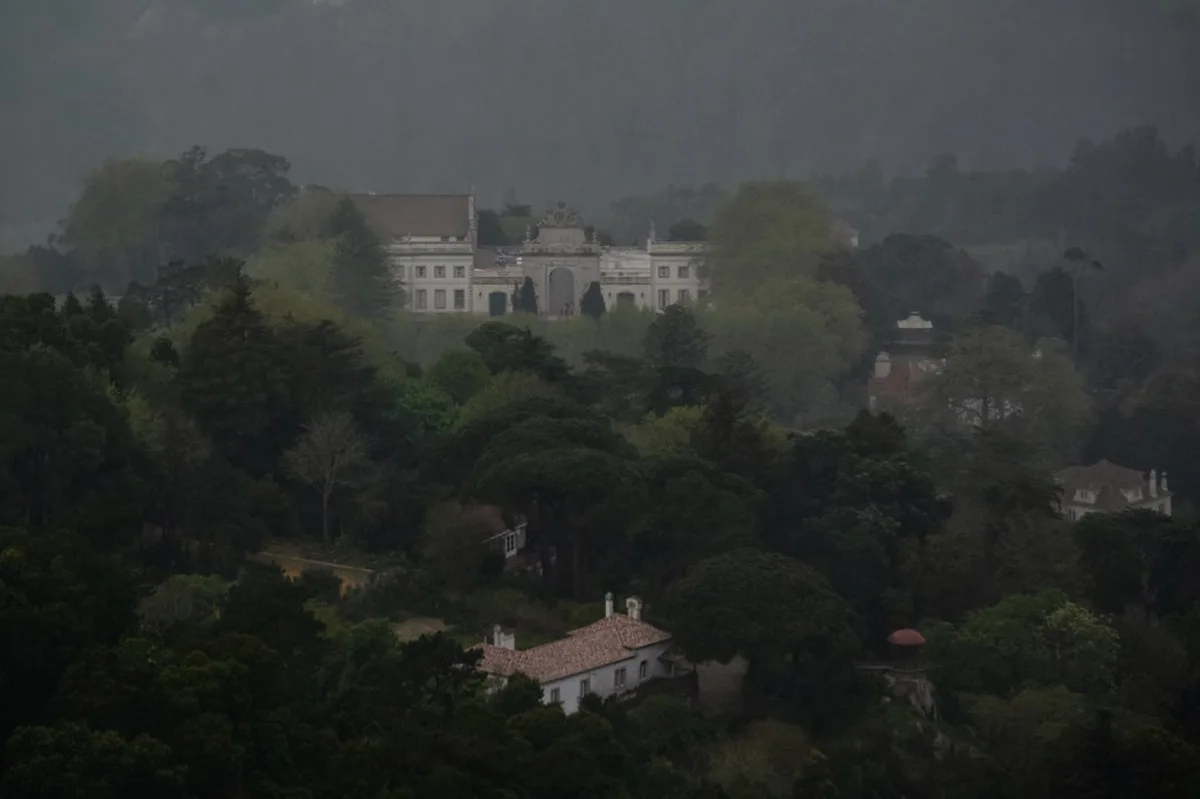
<p>Peak season runs roughly from <strong>mid-June through mid-September</strong>, with an intensified core from <strong>mid-July to mid-August</strong> when European school holidays compound and hotel prices reach their absolute maximum. Understanding the difference between "busy" and "absolute peak" is the most valuable planning insight for first-time visitors.</p>
<figure class="article-figure"><img src="/images/best-month-to-visit-portugal-peak-season-portugal.webp" alt="Peak season Portugal, Portugal" loading="lazy" width="1200" height="800" /><figcaption>Photo: <a href="https://www.flickr.com/photos/47035764@N03/8189767321" rel="nofollow noopener">HereIsTom</a> via Flickr (CC)</figcaption></figure>
<p>Concrete differences between "busy June" and "absolute peak August": A €160 Lisbon room in May hits €280–320 in late July. Pena Palace ticket slots sell out online the day before in August; in June you can still walk up. The Algarve's most-photographed beaches (Praia de Benagil, Praia da Marinha) require arriving by 8–9am in August; in May you can arrive at noon. Restaurant walk-ins in Alfama and Bairro Alto: possible in June, near-impossible in August.</p>
<p>If you have no choice but to travel in peak season, target <strong>the first two weeks of July</strong>. Prices are already high but crowds have not hit the August wall, and most Portuguese locals have not begun their own holidays — so cities feel lived-in rather than emptied out for tourists.</p>
<h2>Frequently Asked Questions</h2>
<h3>What is the best month to visit Portugal?</h3>
<p>The best month to visit Portugal for most first-time visitors is <strong>May</strong>. It offers warm but not hot weather (22°C in Lisbon), only 5 rainy days, jacaranda blooms, all attractions open with shorter queues, and hotel prices 30–40% below the July peak. If you prioritize warm-water swimming, <strong>September</strong> is better — Atlantic sea temperatures peak at 21–22°C on the Algarve while crowds thin sharply after August.</p>
<h3>Is May or September better for Portugal?</h3>
<p><strong>September is better for beach lovers</strong> — sea temperatures peak at 21–22°C (Algarve) versus 17–18°C in May, and Douro Valley harvest adds a major cultural draw. <strong>May is better for sightseers</strong> — lower crowds (especially at Sintra), jacaranda bloom in Lisbon, and slightly lower prices than September. Air temperatures are similar: May averages 22°C in Lisbon, September averages 27°C. Choose May for city-focused itineraries, September for beach-plus-wine trips.</p>
<h3>Is June a good time to visit Portugal?</h3>
<p>Yes — June is one of the three best months. It is the only month with both Santo António in Lisbon (June 12–13) and São João in Porto (June 23–24), Portugal's two largest popular festivals. Temperatures reach 25°C in Lisbon, with 11 sun hours per day and only 3 rainy days. The critical tip: book June 1–18 for pre-peak prices; from June 20 onward European school holidays cause a 30–40% price spike and sharply busier conditions.</p>
<h3>When is Portugal cheapest to visit?</h3>
<p>Portugal is cheapest in <strong>January and February</strong>, when hotel rates fall 40–50% below the July peak and flights are at their annual low. November is a close second at 30–40% below peak. For the best balance of low prices and usable weather, target <strong>late April</strong> or <strong>early October</strong> — roughly 30–40% cheaper than summer but with warm days and functional beach conditions in the Algarve.</p>
<h3>Should I visit Portugal in winter?</h3>
<p>Yes, if your trip is focused on Lisbon and Porto — food, wine, fado bars, museums, and Sintra day trips. Temperatures stay mild (8–15°C in Lisbon, 16–19°C in the Algarve), prices are at their lowest, and queues at major attractions disappear. <strong>Avoid winter</strong> if beach time or consistent sunshine is the priority — December and January average 11–14 rainy days each and the Atlantic is too cold to swim.</p>
<h3>What is the best month for the Algarve specifically?</h3>
<p>For beach-focused Algarve trips, <strong>September</strong> is the sweet spot — sea temperatures reach 22°C (the annual maximum), air highs sit at 28°C, and post-August crowds mean you can actually claim a sunbed at Praia de Benagil or Praia da Marinha without arriving at dawn. June and July work for beach weather but with significantly higher prices and crowds. The Algarve in <strong>March</strong> is ideal for cliff hiking — Ponta da Piedade and Praia da Marinha are stunning and completely empty.</p>
<h3>When does Portugal get the most sun?</h3>
<p>July has the most sun hours in Portugal — Faro (Algarve) records around 12 hours of sunshine per day in July, with 361 total hours for the month, making it one of the sunniest cities in Europe. Lisbon averages 12 sun hours in July. For travelers who want maximum sunshine but not maximum heat, <strong>June</strong> delivers 11 sun hours per day in Lisbon with slightly more bearable temperatures than July.</p>
<h3>Is August worth it despite the crowds?</h3>
<p>August is worth it only if swimming and beach time are your single priority and you are comfortable paying a 60–90% price premium for Algarve hotels. Sea temperatures are excellent (22°C on the south coast), rain is zero, and the atmosphere is electric. But Pena Palace queues hit 2–3 hours, same-day restaurant reservations in Lisbon are near-impossible, and interior Portugal (Alentejo, Douro) can push 35–40°C. For most travelers, <strong>September</strong> delivers the same beach conditions with 30% fewer people and 25–35% lower prices.</p>
<script type="application/ld+json">{"@context": "https://schema.org", "@graph": [{"@type": "FAQPage", "mainEntity": [{"@type": "Question", "name": "What is the best month to visit Portugal?", "acceptedAnswer": {"@type": "Answer", "text": "The best month to visit Portugal for most first-time visitors is May. It offers warm but not hot weather (22°C in Lisbon), only 5 rainy days, jacaranda blooms, all attractions open with shorter queues, and hotel prices 30-40% below the July peak. If you prioritize warm-water swimming, September is better — Atlantic sea temperatures peak at 21-22°C on the Algarve while crowds thin sharply after August."}}, {"@type": "Question", "name": "Is May or September better for Portugal?", "acceptedAnswer": {"@type": "Answer", "text": "September is better for beach lovers — sea temperatures peak at 21-22°C (Algarve) versus 17-18°C in May, and Douro Valley harvest adds a major cultural draw. May is better for sightseers — lower crowds at Sintra, jacaranda bloom in Lisbon, and slightly lower prices. Choose May for city-focused itineraries, September for beach-plus-wine trips."}}, {"@type": "Question", "name": "Is June a good time to visit Portugal?", "acceptedAnswer": {"@type": "Answer", "text": "Yes — June is one of the three best months. It features Santo António in Lisbon (June 12-13) and São João in Porto (June 23-24). Temperatures reach 25°C in Lisbon with 11 sun hours per day and only 3 rainy days. Book June 1-18 for pre-peak prices; from June 20 onward school holidays cause a 30-40% price spike."}}, {"@type": "Question", "name": "When is Portugal cheapest to visit?", "acceptedAnswer": {"@type": "Answer", "text": "Portugal is cheapest in January and February, when hotel rates fall 40-50% below the July peak. For the best balance of low prices and usable weather, target late April or early October — roughly 30-40% cheaper than summer with warm days and functional beach conditions in the Algarve."}}, {"@type": "Question", "name": "Should I visit Portugal in winter?", "acceptedAnswer": {"@type": "Answer", "text": "Yes, if your trip focuses on Lisbon and Porto city breaks — food, wine, fado bars, museums. Temperatures stay mild (8-15°C in Lisbon, 16-19°C in the Algarve) and prices are at their lowest. Avoid winter if beach time or consistent sunshine is the priority — December and January average 11-14 rainy days each."}}, {"@type": "Question", "name": "What is the best month for the Algarve specifically?", "acceptedAnswer": {"@type": "Answer", "text": "For beach-focused Algarve trips, September is the sweet spot — sea temperatures reach 22°C, air highs sit at 28°C, and post-August crowds mean you can claim a sunbed at Praia de Benagil without arriving at dawn. March is ideal for cliff hiking — Ponta da Piedade and Praia da Marinha are stunning and completely empty."}}, {"@type": "Question", "name": "When does Portugal get the most sun?", "acceptedAnswer": {"@type": "Answer", "text": "July has the most sun hours — Faro records around 12 hours of sunshine per day, with 361 total hours for the month. For maximum sunshine without peak heat, June delivers 11 sun hours per day in Lisbon with more bearable temperatures than July."}}, {"@type": "Question", "name": "Is August worth it despite the crowds?", "acceptedAnswer": {"@type": "Answer", "text": "August is worth it only if swimming is your single priority. Sea temperatures are excellent (22°C on the south coast) and rain is zero. But Pena Palace queues hit 2-3 hours, same-day restaurant reservations in Lisbon are near-impossible, and hotels cost 60-90% more than May. September delivers the same beach conditions with 30% fewer people and 25-35% lower prices."}}]}]}</script>
More articles like this