
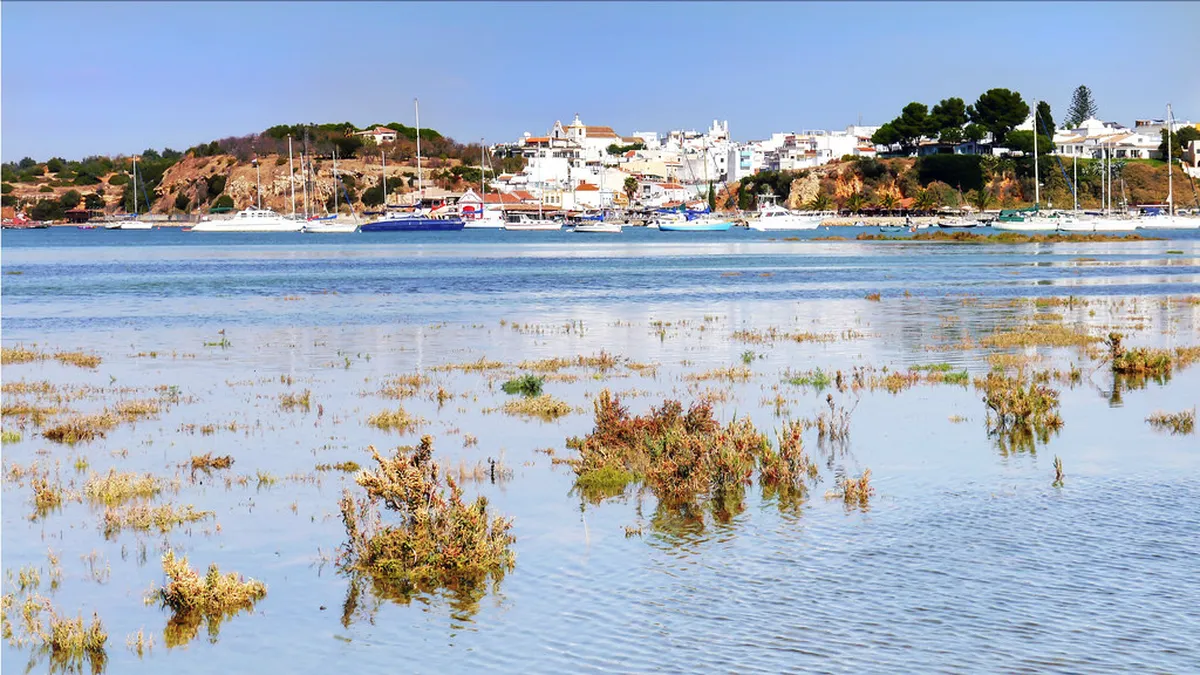
10 Essential Chapters for Your Algarve Beach Itinerary Road Trip
Plan the ultimate 7-day Algarve beach itinerary road trip. Includes A22 toll-free driving tips, hidden beaches, and a day-by-day route for southern Portugal.
On this page
10 Essential Chapters for Your Algarve Beach Itinerary Road Trip
The southern coast of Portugal offers a stunning mix of golden cliffs and turquoise waters that no train or bus can fully unlock. I designed this 7-day Algarve beach itinerary road trip after revisiting the region in spring 2026. The route covers the iconic limestone stacks of the west, the sleepy fishing towns of the centre, and the quiet island lagoons of the east. First-time visitors often overlook the eastern half — this guide corrects that mistake.
Driving is the only realistic way to reach the hidden coves tucked between cliffsides. Good news for 2026: the A22 motorway has been toll-free since 1 January 2025, so you can cross the region quickly at zero extra cost. We will cover everything from the rugged cliffs of Lagos to the sandy lagoons near Tavira, including where to park, when to go, and which route choice suits your pace.
Algarve Itinerary at a Glance: 7-Day Quick Reference
This quick summary helps you visualize the flow of your week-long adventure across southern Portugal. We start in the west to tackle the most famous cliffside views while your energy is high. The route then moves east toward the calmer waters and historic towns of the Ria Formosa. Staying in at least two bases — three nights in Lagos, four nights near Tavira — minimizes daily driving time.

This balance lets you experience both the dramatic Atlantic surf and the warm lagoons without spending your mornings in the car. Keep this list handy on your phone to track daily progress. Each day is built to maximize sunlight hours while avoiding the heaviest midday crowds at popular spots.
- Day 1: Classic Lagos cliff exploration
- Morning: Ponta da Piedade walk
- Afternoon: Praia do Camilo
- Evening: Lagos Old Town
- Day 2: Coastal hiking and Carvoeiro
- Morning: Trail of Headlands
- Afternoon: Carvoeiro beach time
- Evening: Ferragudo harbor dinner
- Day 3: Iconic caves and Marinha
- Morning: Benagil Cave boat
- Afternoon: Praia da Marinha
- Evening: Portimão riverfront
- Day 4: Albufeira sun and sand
- Morning: Praia da Falésia
- Afternoon: Albufeira Old Town
- Evening: Marina cocktail hour
- Day 5: Central coast hidden gems
- Morning: Praia do Carvalho
- Afternoon: Vilamoura luxury stroll
- Evening: Faro city walls
- Day 6: Eastern islands and markets
- Morning: Olhão fish market
- Afternoon: Armona Island ferry
- Evening: Tavira Roman bridge
- Day 7: Tavira charm and lagoons
- Morning: Ria Formosa boat
- Afternoon: Barril Beach train
- Evening: Final seafood feast
| Day | Base | Highlights | Drive time |
|---|---|---|---|
| Day 1 | Lagos | Ponta da Piedade · Praia do Camilo | ~45 min from Faro |
| Day 2 | Lagos | Trail of Headlands · Carvoeiro village | ~20 min Lagos–Carvoeiro |
| Day 3 | Lagos | Benagil Cave boat · Praia da Marinha | ~30 min Lagos–Benagil |
| Day 4 | Albufeira area | Praia da Falésia · Albufeira Old Town | ~40 min Lagos–Albufeira |
| Day 5 | Faro | Faro Old Town · Ria Formosa ferry | ~35 min Albufeira–Faro |
| Day 6 | Tavira | Olhão market · São Brás cork tour | ~30 min Faro–Tavira |
| Day 7 | Tavira | Ilha de Tavira ferry · Barril Beach | Local ferry ~€2 |
Comprehensive Week-Long Algarve Beach Itinerary Road Trip
Our journey begins in Lagos, the ultimate gateway to the western Algarve. Pick up your rental car at Faro Airport and drive the A22 west — it is now completely free of tolls, so no transponder is needed. The first few days focus on the Ponta da Piedade area and its dramatic rock formations. Expect to pay around five euros for parking at the most popular beach trailheads.
Mid-week, we transition toward the central coast to see the famous Benagil sea cave. Arriving at Praia da Marinha before 09:00 is essential to secure a spot before the large tour buses arrive from the bigger resorts. Most beaches are free to enter, but cave boat tours usually cost around 25–35 euros per person. Book them at least 48 hours in advance from May through September.
The final days take us to the quieter, sandy landscapes of the eastern Algarve. You will notice the water gets slightly warmer as you move toward the Spanish border. We explored the best beaches in Albufeira before heading to the historic streets of Tavira. This area feels much more authentic and far less focused on mass-market tourism than the central resort strip.
- Day 1: Golden cliffs of Lagos
- Morning: 09:00 Ponta da Piedade
- Afternoon: Praia do Camilo swimming
- Evening: Dinner in Lagos centre
- Time: ~6 hours exploration
- Logistics: Park near the lighthouse
- Optional: Kayak tour from Lagos
- Day 2: Hiking the Ferragudo coastline
- Morning: Trail of Headlands hike
- Afternoon: Relax in Carvoeiro village
- Evening: Sunset at Algar Seco
- Time: ~7 hours active
- Logistics: One-way hike requires taxi
- Optional: Visit Alfanzina lighthouse
- Day 3: Benagil and Marinha views
- Morning: Benagil Cave boat trip
- Afternoon: Marinha cliff-top walk
- Evening: Portimão sardine dinner
- Time: ~5 hours beach
- Logistics: Book boats 48h early
- Optional: Swim at Carvalho beach
- Day 4: Red cliffs of Albufeira
- Morning: Praia da Falésia walk
- Afternoon: Old Town shopping
- Evening: Albufeira waterfront
- Time: ~6 hours walking
- Logistics: Use free municipal parking
- Optional: Visit Paderne Castle
- Day 5: Faro culture and lagoons
- Morning: Faro Old Town walls
- Afternoon: Ria Formosa ferry trip
- Evening: Faro marina sunset
- Time: ~5 hours city
- Logistics: Trains run hourly here
- Optional: Visit the Bone Chapel
- Day 6: Olhão and Tavira history
- Morning: Olhão market breakfast
- Afternoon: São Brás cork tour
- Evening: Tavira riverfront walk
- Time: ~7 hours sightseeing
- Logistics: Market closed on Sundays
- Optional: Visit Tavira Castle
- Day 7: Eastern island beach day
- Morning: Ilha de Tavira ferry
- Afternoon: Anchor graveyard visit
- Evening: Final Tavira dinner
- Time: ~6 hours beach
- Logistics: Ferry costs ~2 euros
- Optional: Bike to Santa Luzia
A22 vs N125: Choosing Your Road
The Algarve has two main east-west arteries, and understanding the difference saves time and frustration. The A22 (Via do Infante) is the motorway that runs from the Spanish border all the way to Lagos. It has been completely free of tolls since 1 January 2025 — no transponder, no Easytoll registration, no post-trip invoice. Use it whenever you need to cover distance quickly between bases.
The N125 is the old national road that threads through every village and roundabout along the coast. It is slower — expect 90 minutes for a journey the A22 does in 45 — but it passes through Silves, Lagoa, and Loulé market towns worth a brief stop. Save the N125 for leisurely mornings when you are not anchored to a timed boat tour. The two roads run roughly parallel, so you can mix them freely day to day depending on your schedule.
Parking strategy matters more than road choice. At peak summer beaches, arrive before 09:00 or after 17:00. Most cliffside spots near Ponta da Piedade fill by 10:00 and charge around five euros. For Carvoeiro and Carvalho, the dirt lots on the edge of town are free and a short walk from the sand. Never leave valuables visible in the car — tourist break-ins are a known issue at trailhead car parks.
The A22 motorway has been completely toll-free since 1 January 2025 — no transponder or Easytoll registration is required. Use it to cover distance quickly between bases, and save the slower N125 for leisurely mornings when you have no timed boat tours.
Book in Advance: Reserve These Algarve Highlights Early
Certain attractions sell out weeks in advance during the summer season. The Benagil Cave boat tours are the most critical item to book before you arrive. Secure your spot at least two weeks ahead during July and August. Most operators offer a full refund if sea conditions are too rough on the day.
The Camera Obscura Tower in Tavira is another spot that benefits from a timed entry. It only accommodates small groups at once to ensure everyone has a clear view. Check official websites for opening hours, as they change during winter. Most museums across the Algarve are closed on Mondays, so plan your cultural days accordingly.
Popular seafood restaurants in Lagos require reservations at least 48 hours in advance during peak months. Walking in without a booking during July often results in a two-hour wait. Off-season dining — October through March — rarely needs advance booking, and prices drop noticeably outside the summer window.
Tourist break-ins are a known issue at trailhead car parks along the Algarve coast — never leave valuables, passports, or bags visible inside the car. Park in well-lit public areas when possible and use the boot for anything you cannot carry with you.
Add an Extra Day: Sagres and the West Coast
If your schedule allows for an eighth day, head further west to Sagres. This area feels much more rugged and windswept than the central resort towns. It is the best place in the region for world-class surfing on exposed Atlantic swells. The views from the cliffs at Cabo de São Vicente — the southwesternmost point of mainland Europe — are unlike anything else on the coast.
The Sagres Fortress (Fortaleza de Sagres) was built in the 15th century and served as Prince Henry the Navigator's base for planning Portugal's Age of Discovery. Entry costs around three euros and takes about 90 minutes to walk the perimeter. The giant wind compass carved into the courtyard is the centrepiece — walk its circumference for context on how medieval navigators read the ocean winds. The fortress is open daily from 10:00 to 18:00.
You can also explore sections of the Rota Vicentina hiking trail, which follows the cliff edges here. Bring a windbreaker even in mid-summer — thermal winds at this headland are considerably stronger than in Lagos or Faro. The drive from Lagos to Sagres takes about 40 minutes via the N125, which is more scenic than the short A22 stretch on this section. For current weather forecasts before planning an exposed cliff day, check IPMA (Portuguese Met Office).
The Best Algarve Beaches for Your Route
Selecting the right beach depends entirely on what kind of scenery you prefer. The best beaches in Algarve divide broadly into two distinct styles. Western beaches feature massive limestone stacks and hidden caves accessible only by water. Eastern beaches are part of the Ria Formosa natural park and consist of long, barrier-island sands.
I personally rate Praia do Camilo as the most photogenic spot in the west. You descend over 200 wooden steps to reach a small sandy cove framed by golden rock arches. Visit during low tide to have enough space — high tide covers most of the sand and leaves almost no room to lay a towel. The steps are well-maintained but steep; sandals with grip are recommended.
For families, the wide sands of Meia Praia north of Lagos or Praia da Rocha near Portimão are far more manageable. These beaches offer sunbeds, umbrellas, and beach bars within easy reach. Swimming is safer here as waves are typically small. Parking is also much less stressful than the tiny cliffside access points further west.
When to Go: Seasonal Timing for Your Road Trip
May, June, and September are the strongest months for this itinerary. Temperatures sit in the low-to-mid 20s Celsius, the sea has warmed enough for comfortable swimming, and parking is manageable without the 09:00 scramble. July and August bring reliable sun but also crowded beaches, inflated accommodation rates, and boat tours that sell out weeks in advance.
October through early November is an underrated window. Beaches are nearly empty, the A22 moves freely, and many restaurants drop prices by 20–30%. The Atlantic is still swimmable at around 19°C. Rain starts picking up in November and peaks in January and February, though even winter days can be crisp and sunny — ideal for cliff walks if not beach swimming.
One detail most itineraries skip: the eastern Algarve around Tavira and the Ria Formosa warms up faster in spring and retains heat longer into autumn than the exposed western Atlantic coast. If you are visiting in May or October, plan your beach swimming days around the east and save the dramatic cliff walks for the west, where water temperature matters less. Check IPMA forecasts before committing to an exposed Sagres day.
How to Get Around the Algarve Efficiently
The train line runs several kilometres inland and does not follow the coastline, making beach access difficult without a car. Check the Algarve by train and bus guide for specific route maps if you plan car-free days. Intercity buses run between Faro, Lagos, and Tavira, but schedules are limited on weekends — plan ahead if you rely on public transport for one leg of the trip.
Renting a car remains the most efficient way to reach hidden beach gems. Uber and Bolt operate in Lagos, Albufeira, and Faro, but long-distance fares between coastal hubs are expensive — typically 40–60 euros for a cross-region trip. Ride-sharing works well for individual evenings when you want to drink at dinner without driving.
Within a single base, walking or cycling covers most ground. Lagos and Tavira are compact and flat near the waterfront. Many hotels offer bike rentals at around 15 euros per day, which is enough to reach nearby beaches without parking stress. For the island beaches of the eastern Ria Formosa, short passenger ferries are the only option regardless of whether you have a car.
Where to Stay in the Algarve: Top Bases
Lagos is the best choice for those who want nightlife, cliff access, and a young international crowd. Most of the famous rock formations are within a 10-minute drive of the centre. The old town has a dense selection of restaurants, bars, and independent guesthouses. It books out quickly in July and August — reserve at least six weeks ahead during peak season.
Tavira is the ideal alternative for travelers seeking a slower pace. The town is filled with historic churches, traditional tiled houses, and a working harbour. It provides easy access to the sandy barrier islands of the eastern Ria Formosa park. I find the atmosphere here far more relaxing and authentically Portuguese than in Albufeira or Portimão.
Faro is often overlooked but serves as an excellent central base for transit-heavy itineraries. It sits closest to the airport and has the best rail connections along the coast. The city has a thriving local culture independent of mass tourism. Accommodation prices here are noticeably lower than in Lagos or Albufeira, particularly during shoulder season. For planning the full region, the official Visit Algarve tourism portal maintains up-to-date event listings and beach flag status during summer.
Do I Need to Rent a Car When Visiting the Algarve?
Yes — if you want to follow this road itinerary, a car is essential. The good news for 2026 is that the A22 motorway is entirely toll-free following the Portuguese government's decision to abolish charges from 1 January 2025. You do not need a transponder, an Easytoll device, or any pre-registration. Simply drive — the toll gantries remain standing but are not charging.
Parking in historic centres like Lagos is competitive during peak season. It is nearly impossible to find a spot after 10:00 in summer. Look for large free lots on the outskirts of town — they are usually a short, flat walk from the main attractions. In Albufeira, the free municipal car parks near the municipal market are well-signed and rarely full before noon.
Driving in Portugal is generally safe, but narrow village streets require patience. A small car makes navigating tight corners considerably easier than a large SUV or minivan. Always confirm whether your rental agreement uses a full-to-full or full-to-empty fuel policy before signing. Reputable airport agencies offer full-to-full as standard; avoid any contract that charges you for a pre-filled tank at inflated rates.
Day 2: Trail of Headlands and Carvoeiro
The Trail of Headlands (Percurso dos Sete Vales Suspensos) is one of the most scenic coastal walks in southern Europe. It begins near Ferragudo and ends in the centre of Carvoeiro, covering about six kilometres in roughly three hours. Starting early avoids the worst of the afternoon heat, which can be intense from June onward. The path is well-marked with yellow and red signs along the rocky cliff edges.
You will pass several secluded beaches accessible by steep descent paths. Praia dos Caneiros is a good morning swim stop with a small beach bar open from mid-morning. Wear sturdy footwear — the limestone surface is sharp and uneven, and sandals are not appropriate for this trail. The final approach into Carvoeiro drops steeply; poles help if you have bad knees.
Once in Carvoeiro, reward yourself with a cold drink at one of the beachfront cafes. The village sits in a narrow valley between two high cliffs, with a small sandy beach at the base. Most restaurants open for lunch at noon and stay busy until 15:00. The drive back to Lagos takes about 20 minutes on the N125.
Day 6: Olhão, São Brás de Alportel, and Tavira
The eastern Algarve offers a completely different landscape compared to the rugged western coast. Olhão is famous for its large covered fish market and distinctive North African-influenced cubist architecture. Visit on a Saturday morning when the farmers' market fills the adjacent square with fresh produce, local cheeses, and almond pastries. The energy here feels authentically Portuguese rather than tourist-facing.
Head inland to São Brás de Alportel to learn about the regional cork industry. This town was once the centre of cork production for the country, and guided tours still run to show how bark is harvested from the trees without killing them. Tours typically cost around ten euros and run in English several times per week. It is a genuinely interesting detour that most itineraries skip in favour of another beach day.
Finish your day in Tavira, widely regarded as the most beautiful town in the Algarve. The Roman bridge over the Gilão River and the tiled facades of the old town create an exceptional setting for an evening walk. It is considerably quieter than the resort towns of the central coast. Wander the cobblestone streets as the sun sets over the hills, then settle into one of the riverside restaurants for a final eastern-Algarve seafood dinner.
Frequently Asked Questions
How many days in Algarve, Portugal is enough?
Seven days is the ideal duration for a complete road trip. This allows you to explore both the western cliffs and eastern islands without rushing. You can see the main highlights in four days if you stay in one base.
Is the water cold in the Algarve?
Yes, the water is the Atlantic Ocean and stays quite cool year-round. Expect temperatures between 18°C and 21°C even in the summer. The eastern beaches near Tavira are usually a few degrees warmer than the west.
Do I need an International Driving Permit in Portugal?
Most travelers with a valid license from the US, UK, or EU do not need one. However, it is always safer to check with your specific rental agency. Always carry your passport and insurance documents while driving.
Use our Algarve beaches hub to plan the rest of your beach trip. The Algarve is a region that rewards those who are willing to explore by car. Following this Algarve beach itinerary road trip ensures you see the best of both worlds. You will experience the dramatic cliffs of the west and the peaceful islands of the east. I hope this guide helps you plan a truly memorable journey through southern Portugal.
Remember to book your cave tours and popular restaurants well in advance of your arrival. Respect the local environment by staying on marked trails and taking your rubbish with you. The beauty of this coastline is fragile and depends on responsible tourism from all visitors. Safe travels as you navigate the golden roads of this stunning stretch of southern Europe.
For related Algarve beach deep-dives, see our Getting Around the Algarve by Train and Bus and Best Time to Visit Algarve guides.
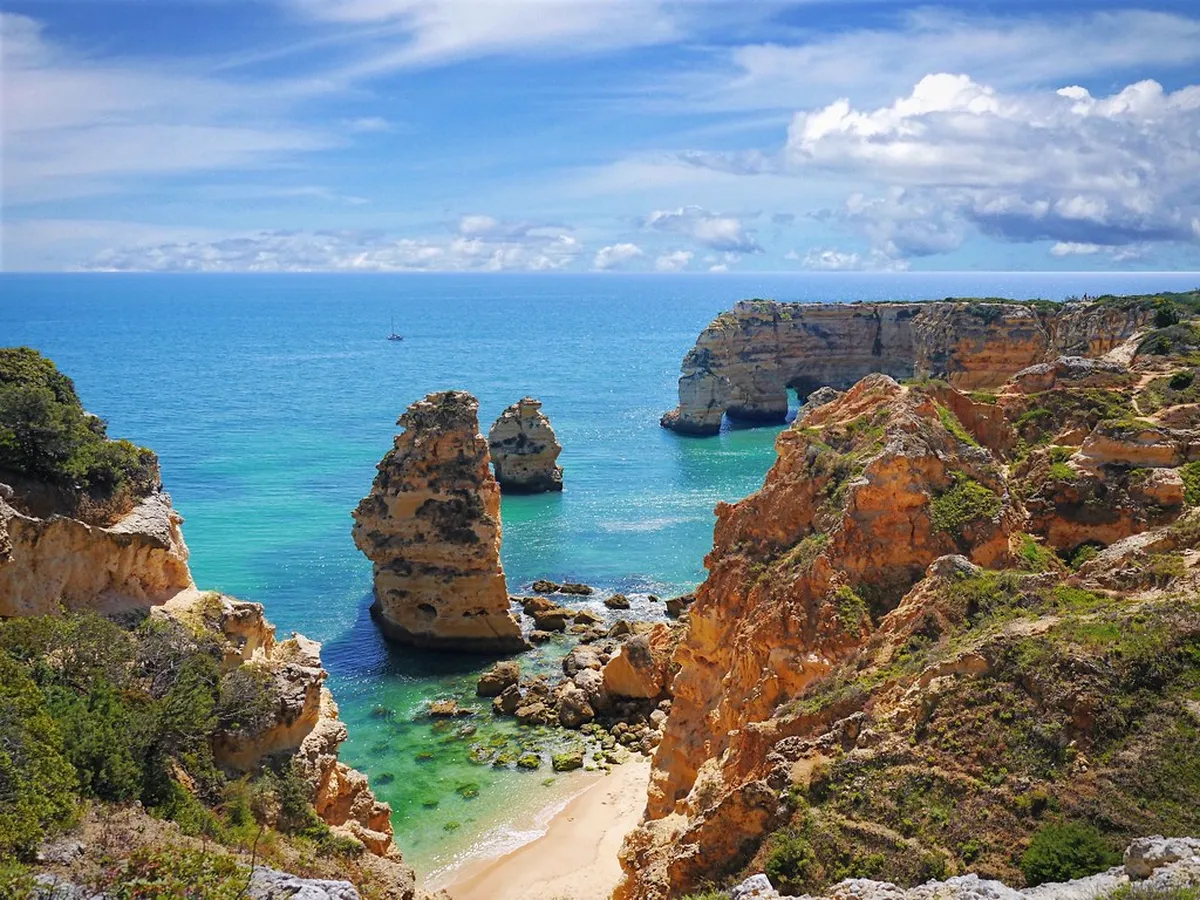
 8 Key Elements of a Tavira Day Trip From LagosJune 2, 2026