Best Beaches in Lagos Portugal: Top 10 for 2026
Lagos packs more named beaches per km than any Algarve town. This 2026 guide covers the 10 best — from iconic Praia Dona Ana to the 4 km sweep of Meia Praia — with parking fees, lifeguard hours, and accessibility notes.
On this page
TL;DR (2026): Lagos has 10 distinct beaches within a 6 km coastline. Praia Dona Ana and Praia do Camilo are the iconic cliff coves (best before 9:30 a.m. in July–August). Meia Praia stretches 4 km of flat sand for swimming and families. Praia da Luz, 5 km west, is the safest family base. Parking near the cliff coves runs €1.20–€2/hour in peak season; lifeguards staff the main beaches from 15 June to 15 September. All Lagos beaches are free to access. For the city overview see our Lagos Portugal complete guide.
Lagos has more named beaches per square kilometer than anywhere else on the Algarve coast. Within a 6 km stretch of shoreline you'll find more than a dozen distinct coves, each with its own character — from the jaw-dropping golden sandstone cliffs of Praia Dona Ana to the 4 km sweep of sand at Meia Praia where families come to actually swim. This 2026 guide ranks the 10 best beaches in Lagos with honest access notes (some require 200 wooden steps down a cliff), parking-fee specifics, lifeguard hours, accessibility for wheelchairs and strollers, and clear advice on which beach suits which kind of traveler. Whether you're chasing Instagram cliffs or looking for a calm swim with the kids, Lagos has a beach for you. For the wider Algarve picture, see our best beaches in the Algarve guide.
Lagos beach map: west to east
Orienting yourself on a map before you arrive saves confusion — Lagos beaches fall into three geographic groups based on which direction you leave town:
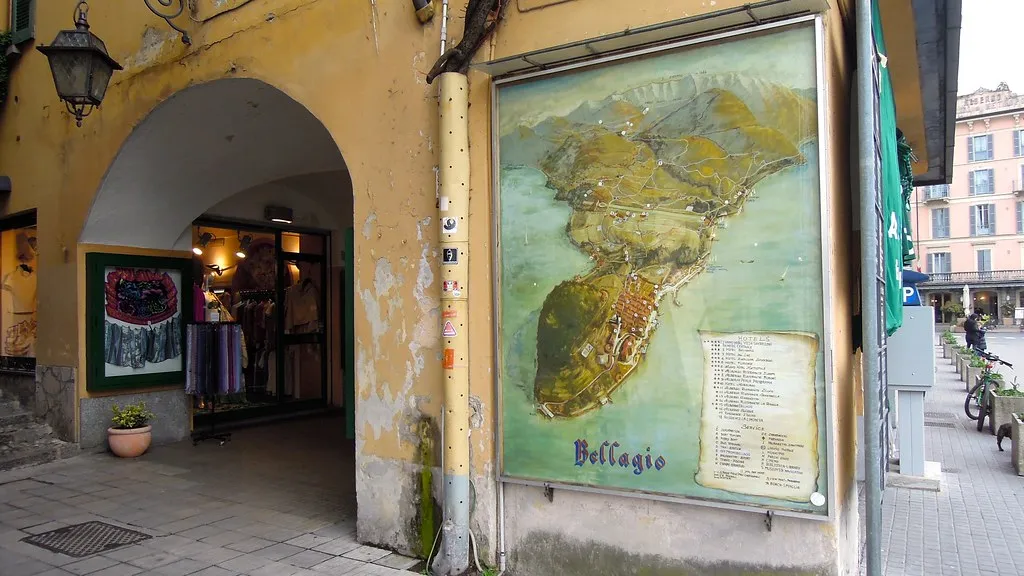
- West of Lagos (open Atlantic, surf-ready): Praia da Luz (5 km west) → Praia do Porto de Mós (4 km west)
- South of Lagos (cliff coves, iconic scenery): Praia do Barranco → Praia do Canavial → Praia do Camilo → Praia do Pinhão → Praia Dona Ana → Praia dos Estudantes → Praia da Batata (east-to-west cliff walk order)
- East of Lagos (long sandy beach): Meia Praia (stretching 4+ km toward Alvor)
The southern cliff coves (Dona Ana, Camilo, Pinhão) are accessed from a single clifftop coastal path — park once and walk between them. The western beaches require a short drive or bus. Meia Praia is reached by crossing the marina pedestrian bridge or hopping the Onda bus east. All distances are measured from Lagos old town (Praça do Infante).
Lagos beach quick-comparison table (2026)
| Beach | Family-friendly | Surf | Secluded | Parking | Lifeguards | Blue Flag |
|---|---|---|---|---|---|---|
| Praia Dona Ana | Partial (steep stairs) | No | No (very popular) | Paid €1.50/hr | 15 Jun–15 Sep | Yes |
| Praia do Camilo | No (200 steps) | No | Moderate | Free (60 cars) | 15 Jun–15 Sep | Yes |
| Praia do Pinhão | No | No | High | Use Dona Ana lot | No | No |
| Meia Praia | Yes (best option) | Beginner | Low (4 km absorbs) | Free (multiple lots) | 15 Jun–15 Sep | Yes |
| Praia do Porto de Mós | Moderate | Yes (beginner–intermediate) | Moderate | Free (large lot) | 15 Jun–15 Sep | Yes |
| Praia da Luz | Yes (safest) | No | Low (village beach) | Free + paid €1/hr | 1 Jun–30 Sep | Yes |
| Praia da Batata | Yes | No | Low (closest to town) | Paid €1.20/hr (town garages) | 15 Jun–15 Sep | Yes |
| Praia dos Estudantes | No (tiny, tidal) | No | High | Town garages | No | No |
| Praia do Canavial | No | No | Very high | Use Camilo lot | No | No |
| Praia do Barranco | No | No | Extreme | Use Camilo lot | No | No |
Praia Dona Ana — the iconic cove
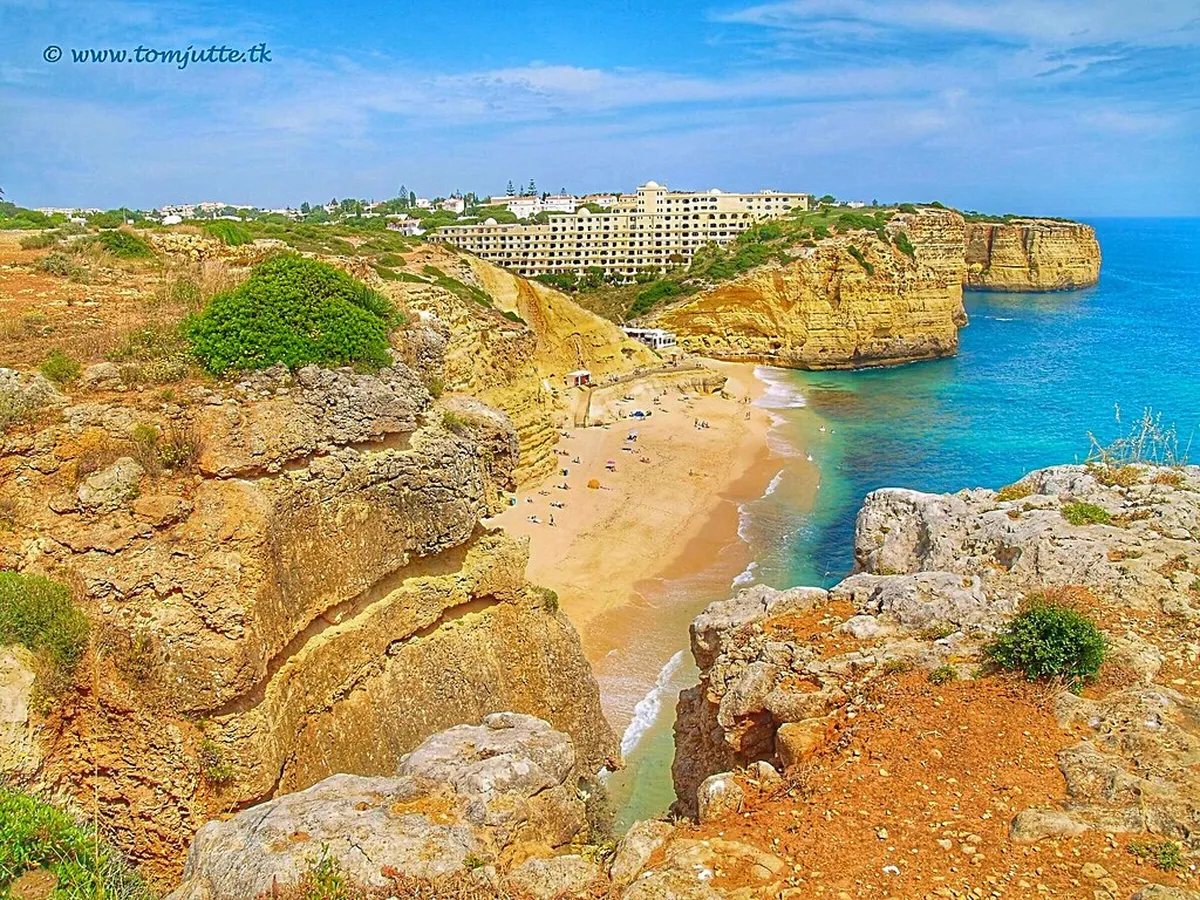
Praia Dona Ana is the most photographed beach in Portugal, and once you see it in person you'll understand why. Golden sandstone cliffs rise 20 meters above turquoise water, framing a crescent of soft sand. After a 2016 sand replenishment, the beach was extended to roughly 300 meters of shoreline and 70 meters of depth — making it the largest cove along the Ponta da Piedade coastline. Sea stacks and arches, carved by millennia of Atlantic weather, jut from the shallows just offshore. It's the postcard version of the Algarve made real.
How to get there: Dona Ana is 1.8 km south of Lagos town center — a 25-minute walk along the coastal path or a 6-minute drive. Local bus line "Onda" stops nearby in summer.
Parking: A paid clifftop car park (€1.50/hour, max €8/day in 2026) sits directly above the staircase. It fills by 10:00 a.m. in July–August. Free street parking is scarce within 400 m.
Facilities: Lifeguards on duty 15 June–15 September, 09:30–19:00. One beach restaurant at the top of the cliff plus a snack bar on the sand in summer. Public toilets, sunbed-and-parasol rentals (€18–€20/day in 2026), and an accessible wooden walkway with a beach-wheelchair loan program (book ahead via Lagos turismo).
Snorkelling: The sea stacks at either end of the cove offer excellent snorkelling in calm conditions. Visibility can reach 5–8 metres on still mornings; expect sea bream, wrasse, and occasional octopus in the rock crevices. Avoid snorkelling when the orange flag is flying — Atlantic swells push through the cove entrance and the rock edges become hazardous.
Photography tips: The clifftop path between the car park and the staircase offers the classic elevated shot — orange cliffs, turquoise water, sand crescent. Arrive at golden hour (roughly 07:00–08:30 June–August) for clean light without crowds filling the frame. Long lenses from the clifftop compress the sea stacks beautifully.
Best time: Sunrise (around 6:50 a.m. in summer) for empty cliffs; May, June, September, or early October for warm weather without the crush. Water temperature hovers around 19–20 °C even in August — swimmable but cool. Blue Flag status confirmed for the 2026 season. For a deeper standalone breakdown see our Praia Dona Ana visitor guide. For the dramatic coastline immediately south, see our Ponta da Piedade guide.
The Praia Dona Ana clifftop car park fills by 10:00 a.m. in July–August. Arrive before 09:30 or park in Lagos old town and walk the 25-minute coastal path — you'll also pass Praia do Pinhão and Praia do Camilo along the way.
Praia do Camilo — 200 steps to a double cove
If Dona Ana is the supermodel of Lagos beaches, Praia do Camilo is its slightly smaller, more intimate sibling. Tucked between tall ochre cliffs about 2.3 km south of town, Camilo is reached by descending a wooden staircase of exactly 200 steps — count them on the way down, and brace yourself on the way back up.
What makes Camilo unique is its geometry: it's actually two small coves linked by a short tunnel carved through the rock. At low tide you can walk between them through the tunnel; at high tide you'll need to wade. Both coves together offer about 100 meters of sand, which is why the space fills up fast.
How to get there: Drive or taxi to the clifftop (10 min from town center), or walk the coastal path from Dona Ana (about 12 minutes). Bicycles can lock up at the top.
Parking: Free roadside parking at the clifftop fits roughly 60 cars and fills by 09:30 a.m. in peak season. Overflow parking is 400 m back along Estrada do Farol.
Facilities: Lifeguards 15 June–15 September, 09:30–19:00. "O Camilo" restaurant at the staircase top serves grilled fish daily 12:00–22:00 — book ahead June–September. No facilities on the sand itself; bring water.
Accessibility: Not wheelchair or stroller friendly — the 200-step descent has no lift or ramp alternative.
Snorkelling and swimming: Both coves are excellent for snorkelling — the eastern cove is calmer and shallower, the western cove slightly deeper with better rock formations. At low tide the tunnel linking them is walkable; at high tide you'll wade to your knees. Always check tide times before descending (Tide-forecast.com lists Lagos tides).
Photography: The top of the staircase gives the definitive twin-cove shot. The afternoon sun lights the eastern cliff face best (roughly 14:00–17:00 in summer). Come after 17:00 in July–August when many day-trippers have left and the light is warmest.
Best time: Arrive before 9:00 a.m. in summer or after 17:00 for soft golden light. The view from the staircase top, looking down at the twin coves, is one of those moments that justifies the whole trip. For a full deep-dive see our 10 Essential Tips for Visiting Praia do Camilo, Lagos. Planning a boat trip from Lagos to see the sea caves? Our Benagil Cave from Lagos guide covers every option by boat, kayak, and SUP.
Praia do Pinhão — the local choice
Hidden between Dona Ana and Camilo, Praia do Pinhão is the beach most tourists walk right past on their way to its famous neighbors. The access path is steeper and less obvious — a narrow trail from the coastal walkway — and there's no wooden staircase or signage pulling crowds in.
The result: Pinhão is consistently quieter than the beaches on either side of it, even in peak August. It's not as photogenic — the cliffs are lower and the cove smaller — but for a swim without elbowing three German tour groups, Pinhão wins. Locals from Lagos head here on Sunday mornings.
How to get there: Walk the coastal path between Dona Ana and Camilo and watch for a side trail descending steeply to your right (signed "Praia do Pinhão"). About 18 minutes on foot from Lagos town center.
Parking: Use the Dona Ana clifftop lot and walk 5 minutes along the path.
Facilities: None. No lifeguards, no toilets, no restaurants, no shade. Bring water, snacks, and reef-safe sunscreen.
Best time: Late morning when the sun fully clears the cliffs. Wear closed-toe shoes for the path — flip-flops are a recipe for a twisted ankle.
Note (2026): Sections of Praia do Pinhão have been intermittently closed due to unstable cliffs and rockfall risk. Check signage at the access path before descending — some routes may be fenced off. Always stay back from cliff edges; warning signs are not optional.
Praia do Pinhão has no lifeguards, no toilets, and no facilities on the sand. Sections of the access trail are subject to intermittent closure due to cliff instability — always check the signage at the trailhead before descending and keep well back from cliff edges.
Meia Praia — 4 km of sand for swimming
Meia Praia is the anti-Dona Ana: no cliffs, no sea stacks, no Instagram cove. Just over 4 kilometers of wide, soft golden sand stretching east from Lagos marina toward the village of Alvor. This is where you come if you actually want to swim, not just photograph yourself standing next to a rock — and it's the largest of all the Lagos beaches.
Because Meia Praia faces southeast and has no cliff walls hemming it in, the water is calmer than at the west-facing beaches and the sand shelves gently — ideal for families with small kids. The sheer length means it never feels overcrowded: even in peak August, walk five minutes from any access point and you'll find a quiet patch. The eastern end is unofficially clothing-optional (per the Portuguese Naturist Federation); the western end near the marina is the family default.
How to get there: 20-minute walk from Lagos town center across the pedestrian footbridge over the marina, or 5 minutes on the local "Onda" bus (€1.30 single in 2026). Lagos train station sits at the western end — handy if you're arriving from Lisbon. The full coastal stroll from old town to the eastern end takes about an hour.
Parking: Multiple free car parks along Avenida dos Descobrimentos and at the eastern end near Alvor. Western (marina) lots fill earliest.
Facilities: Lifeguards at four flagged sections, 15 June–15 September, 09:30–19:00. Multiple beach bars and full restaurants along the stretch. Watersports rentals (paddleboards €15/hour, kayaks €20/hour, windsurfing lessons from €45 in 2026) clustered near the western end. Public toilets, freshwater showers, and beach-wheelchair loan stations at the main accesses make Meia Praia the most accessible Lagos beach for wheelchair users and strollers.
Surfing at Meia Praia: The western end near the marina wall holds the cleanest beach-break banks and is where every Lagos surf school sets up. It works best at low to mid tide with a long-period northwest swell. On flat summer mornings the water is barely rippled — good for swimming, less exciting for surfing. See our Lagos surfing guide for conditions, school options, and the better breaks at Porto de Mós for intermediates.
Train access: Lagos train station sits at the western end of Meia Praia — one of the few Algarve beaches with direct rail access. Day-trippers arriving from Lisbon or Faro can step off the train and be on the sand in three minutes. See our best time to visit the Algarve guide for seasonal crowd and weather patterns across the region.
Best time: Anytime — the length absorbs crowds. For a full deep-dive see our Meia Praia complete guide.
Praia do Porto de Mós
West of Lagos town, Praia do Porto de Mós offers about 1 kilometer of golden sand backed by lower cliffs and green hills — a wilder, less manicured feel than the showier beaches south of town. It's a surf school zone, with beginner-friendly Atlantic waves rolling in almost year-round and several schools renting boards and offering lessons.
How to get there: 4 km from Lagos town center — too far to walk comfortably, but a 9-minute drive or a 25-minute bike ride. Bus line 2 runs hourly in summer.
Parking: Large free parking area at the top of the approach road; rarely fills up before noon.
Facilities: Lifeguards 15 June–15 September. Two beach restaurants at the western end serving grilled fish and cold beers until sunset (typically 11:00–22:00 in season). Surf schools (Lagos Surf, Algarve Surf School) charge around €40 for a 2-hour group lesson with board and wetsuit included. Public toilets and a beach-wheelchair loan station.
Hiking connection: Porto de Mós sits on the Fishermen's Trail (Rota Vicentina), which continues 5 km west to Praia da Luz. The clifftop section between the two beaches is one of the most scenic walking legs on the entire Algarve coast — golden sandstone formations, sea-level tunnels at low tide, and almost no other walkers outside July and August. Allow 2 hours in each direction; the western half beyond Porto de Mós is wilder and more rugged.
Best time: Late afternoon for the surf scene; mid-morning for calmer swimming. Because it's far enough from town to deter casual day-trippers, the vibe is more local-Portuguese-family than international-tour-group. For more Lagos coastal hikes and surf spots further west, see our Lagos surfing and surf spots guide.
Praia da Luz — 5 km west of Lagos
Praia da Luz sits in the village of Luz, about 5 km west of Lagos. It's a family-friendly beach with calm waters, a long promenade lined with restaurants and cafés, and a gentle sandy bottom that makes it one of the safest swimming spots on this stretch of coast.
The village itself is walkable, low-rise, and pleasantly un-touristy outside peak weeks — a good base if you want a beach holiday without the bustle of Lagos town. The black volcanic cliff (Rocha Negra) at the eastern end is a distinctive landmark and marks the start of a scenic coastal walk back toward Porto de Mós.
How to get there: Bus line "Onda" connects Luz to Lagos in about 15 minutes (€2.50 single in 2026). Driving takes 12 minutes.
Parking: Several free lots within 200 m of the beach plus paid roadside parking on the promenade (€1/hour).
Facilities: Lifeguards 1 June–30 September (longer season than Lagos beaches). Promenade restaurants, public toilets, freshwater showers, sunbed rentals (€15/day), and a wheelchair-accessible boardwalk down to the sand.
The village: Luz is low-rise, walkable, and pleasant for a multi-day beach-base. The promenade (Avenida dos Pescadores) runs the full length of the beach with cafés, restaurants, and an ice cream shop that locals rate as the best on the Algarve's western tip. A small supermarket, pharmacy, and ATM mean you won't need to drive into Lagos for daily needs. Self-catering apartments are generally better value here than in Lagos town during peak weeks.
Rocha Negra walk: The black volcanic cliff at the eastern end of Luz beach is a striking geological contrast to the orange limestone dominant elsewhere. A short clifftop path behind the rock leads to panoramic views of the bay — a 20-minute out-and-back that's worth doing at sunset. This is also the start of the coastal path toward Porto de Mós.
Best time: If you're staying multiple days and want one beach you can return to repeatedly with kids, Praia da Luz is the most sensible choice on the Lagos coastline. Read more in our Praia da Luz complete guide. For seasonal weather and month-by-month crowd guidance across the Algarve, see our best time to visit the Algarve guide.
Praia da Batata — the closest beach to Lagos town
Praia da Batata is the beach you can walk to in five minutes from Praça do Infante in the heart of Lagos old town — head south past the fort and you're on the sand. That proximity alone makes it the "starter" Lagos beach: the one you hit on your first afternoon before you've figured out where Dona Ana or Camilo even are.
The cove itself is a small crescent of soft sand about 100 meters wide, framed by low ochre cliffs and a distinctive rock tunnel on the eastern side that leads through to neighboring Praia dos Estudantes. Because it's tucked behind the cliffs of the old town, the water is noticeably sheltered from Atlantic swell — calm, shallow near the shore, and safe enough that Portuguese families with toddlers treat it as their default.
How to get there: 5-minute walk from anywhere in old town. No driving needed.
Parking: Use the paid old-town car parks (€1.20/hour). The closest is Parque de Estacionamento da Avenida (€10/day in 2026).
Facilities: The best of any Lagos beach — cafés and snack bars right on the sand, public toilets, lifeguards 15 June–15 September, beachfront sunbed rentals (€15/day), and a fully accessible boardwalk from the old town fort all the way to the sand.
Swimming conditions: The cove is well-sheltered by the old-town headland, so the water stays calm even when there's swell elsewhere on the coast. The sandy bottom shelves gently — safe for young children and non-swimmers. Water temperature here runs slightly warmer than the exposed western beaches, often 1–2 °C above the regional average in summer, because the sheltered cove traps heat. Expect 20–21 °C in late July and August.
Fort and boardwalk: The accessible boardwalk from the old-town fort (Forte da Ponta da Bandeira, admission €3 in 2026) runs all the way to the beach — one of the most convenient beach approaches of any Algarve town. The fort itself is worth 30 minutes for its azulejo-tiled chapel and harbour views before you head to the sand.
Best time: If you only have half a day in Lagos and don't want a logistical operation, Batata is the answer. Expect it to be the busiest beach in Lagos on any sunny afternoon in July or August precisely because of how easy it is to reach. For how Batata fits into a wider Algarve beach-hopping itinerary, see our best beaches in the Algarve guide.
Praia dos Estudantes — the Roman bridge beach
Praia dos Estudantes sits immediately east of Praia da Batata, hidden behind a low headland and reached by an arched stone footbridge that looks convincingly Roman (it's actually a 19th-century folly, but nobody's going to quiz you). That little bridge is the reason Estudantes has become one of the most photographed micro-beaches in the Algarve — a perfect ochre arch framing a pocket of turquoise water, with the open Atlantic beyond.
The beach itself is tiny: maybe 40 meters of sand at low tide, significantly less when the tide comes in. It's sheltered by cliffs on three sides, so the water is flat calm and warm-ish by Lagos standards — good for a quick dip rather than a serious swim.
How to get there: 10-minute walk from Lagos old town — follow the coastal path south from Praia da Batata and the bridge appears on your left.
Parking: Same as Batata — use old-town paid lots.
Facilities: None on the beach itself, but Batata's cafés are a two-minute walk away.
Swimming conditions: The cove is tiny and tidal — at high tide the sand nearly disappears. Swimming is possible and safe in calm conditions (the surrounding cliffs block most swell), but don't come expecting space. Use Praia da Batata, a two-minute walk away, if you want to actually swim and sunbathe. Estudantes is a photography and curiosity stop, not a beach day.
Name and history: The name "Estudantes" (Students) derives from the 19th century, when university students from nearby towns would gather here for informal swimming parties away from the more formal resort beaches. The stone arch bridge, often mistaken for a Roman ruin, was built in the late 1800s to improve access across the tidal channel — its mossy stonework has aged convincingly enough to fool most visitors.
Best time: The draw isn't the swimming, it's the scenery. Arrive at golden hour (roughly an hour before sunset in spring and autumn) for clean photos. Expect a queue of photographers around the arch in peak season — come early morning if you want a clean shot. Combine with a visit to our Ponta da Piedade cliff walk for a full morning of Lagos's most dramatic coastal scenery.
Praia do Canavial — the wild cliff hike
Praia do Canavial is the secret weapon of Lagos beaches — a wide, wild cove tucked into the Ponta da Piedade headland, reached only by a 15-minute hike along an unmarked clifftop trail or a 90-step descent down a rough staircase. There's no road access, no car park, and crucially no tour bus on earth that can reach it.
The result: even in mid-August, Canavial is uncrowded by Lagos standards. Around 200 meters of soft sand backed by towering ochre cliffs, with shallow turquoise water and excellent snorkeling around the rock formations at either end. The eastern end of the beach is unofficially clothing-optional.
How to get there: Park at the Camilo or Dona Ana clifftop lots and follow the coastal path south for about 15 minutes. Watch for the trail dropping left near a tall radio mast. Closed-toe shoes essential.
Parking: Use Camilo's free clifftop lot.
Facilities: None — no lifeguards, no toilets, no shade, no shop. Bring everything you need including extra water (the climb back up is steep in afternoon heat).
Best time: Mid-morning before the sun is overhead. Skip if there's an Atlantic swell warning — there's no lifeguard and no easy escape route.
Praia do Barranco — the Ponta da Piedade hidden gem
Praia do Barranco (sometimes called Praia do Balanço) is one of the smallest and least-known Lagos beaches, tucked into a narrow ravine just east of Praia do Camilo. Most visitors miss it entirely. Access is via an unmarked footpath that drops down through pines from the coastal walkway — no signage, no staircase, no formal path beyond a worn rope-handled scramble at the bottom.
How to get there: Walk the coastal path between Camilo and Ponta da Piedade and watch for a path descending steeply through scrub on your right. Roughly 25 minutes from Lagos town center on foot.
Parking: Use the Camilo or Ponta da Piedade lots.
Facilities: Absolutely nothing.
Best time: Low tide in shoulder months. Skip in high summer if you want any shade or amenities — this is a beach for people who want solitude over comfort.
Beach access tips
Parking (2026 rates): In July and August, paid clifftop parking near Dona Ana costs €1.50/hour (max €8/day) and fills by 10:00 a.m. Camilo, Porto de Mós, and Praia da Luz have free lots; old-town garages charge €1.20/hour or €10/day. Free street parking within Lagos town is rare in peak season — arrive before 09:00 or use a paid garage.
Lifeguard hours: Most Lagos beaches are staffed 15 June through 15 September, daily 09:30–19:00. Praia da Luz extends to 1 June–30 September. Outside these dates, swim at your own risk; flag systems remain in place but no rescue staff are present.
Shade: Almost none of the cove beaches have natural shade. Bring an umbrella or rent a sunbed-and-parasol set at the main beaches (around €15–€20/day in 2026). Cliffs do not provide useful shade except very early or very late in the day.
Water temperature: Lagos sits on the Atlantic, not the Mediterranean. Water ranges from about 16 °C in April to 19–20 °C in August. It's swimmable but noticeably cool — a 15 °C air-to-water temperature swing is normal on summer afternoons. For a full month-by-month breakdown see our Weather in Lagos Algarve by Month: Your 2026 Guide guide.
Accessibility: Meia Praia, Praia da Batata, Praia da Luz, and Porto de Mós have boardwalks suitable for wheelchairs and strollers. Praia Dona Ana has an accessible walkway plus a beach-wheelchair loan program (book ahead via Lagos turismo, +351 282 763 031). Camilo, Pinhão, Estudantes, Canavial, and Barranco are not wheelchair accessible.
Blue Flag status: Dona Ana, Meia Praia, Camilo, Porto de Mós, Batata, and Luz all hold confirmed Blue Flag status for the 2026 season — meaning they meet strict water quality, safety, and environmental standards.
What to bring: Water (no fountains on the sand), reef-safe sunscreen, a towel that doubles as a wrap for cool sea breezes, and water shoes for rocky entries. ATM access in Lagos town only — beach restaurants take cards but bars sometimes don't.
Lagos beaches: direct answers for 2026
How many beaches does Lagos have? Lagos has at least 10 named, accessible beaches within a 6 km coastline — more distinct beaches per kilometre than any other Algarve town. From the westernmost (Praia da Luz, 5 km west of town) to the easternmost (Meia Praia, 4 km east), the range covers family sandy bays, dramatic cliff coves, and wild surf beaches in under 10 km of coast.
What is the water temperature at Lagos beaches in 2026? Lagos faces the open Atlantic, not the sheltered Mediterranean. Measured water temperatures at Dona Ana and Meia Praia in 2026 run: April 15–16 °C, May 17 °C, June 18 °C, July 19 °C, August 19–20 °C, September 20 °C, October 18 °C. The sheltered coves (Batata, Estudantes) run 1–2 °C warmer than exposed beaches. Wetsuits are common for surfers year-round; swimmers outside July–September should be prepared for a shock.
Which Lagos beach has the least crowds in summer? Among named beaches with any facilities, Praia do Pinhão is consistently the quietest — its access trail is steep, unsigned, and not signposted on Google Maps street view. Among beaches with facilities, Porto de Mós typically has the best crowd-to-space ratio in July–August. Among cliff coves, arriving before 08:30 or after 17:30 at Dona Ana and Camilo dramatically reduces the crowd experience even in peak season.
Are Lagos beaches good for snorkelling in 2026? Yes — three beaches stand out. Praia Dona Ana has sea stacks with 5–8 m visibility in calm conditions (sea bream, wrasse, octopus). Praia do Canavial has excellent rock formations at both ends. Praia do Camilo's eastern cove is calm and shallow, good for beginners. All require flat-calm seas; the orange or red flag means no snorkelling. Best months for visibility: May, June, September (post-storm clarity is the worst, post-calm is the best).
Frequently Asked Questions
Which is the best beach in Lagos?
For photography and drama, Praia Dona Ana and Praia do Camilo are tied — both are stunning but crowded by 10:00 a.m. in summer. For swimming and families, Meia Praia wins with its 4 km of calm sand and gentle shelf. For a quieter local vibe, Praia do Pinhão or Porto de Mós. For a full beach holiday base, Praia da Luz. For the full Lagos context and itinerary, see our Lagos Portugal complete guide.
Are Lagos beaches free?
Yes. All beaches in Lagos — including Dona Ana, Camilo, Meia Praia, and Praia da Luz — are free to access. You only pay if you park in a paid clifftop lot in peak season (€1.50/hour at Dona Ana in July–August), use a paid town garage (€1.20/hour), or rent sunbeds and parasols (€15–€20/day in 2026).
Can you swim at Praia Dona Ana?
Yes, swimming is allowed and popular at Dona Ana. The cove is protected from most Atlantic swell by its cliff walls, so the water is calm most of the time. Lifeguards are on duty 15 June through 15 September, 09:30 to 19:00. Expect water temperatures around 19–20 °C even in August. The beach holds Blue Flag status for 2026, confirming clean water and safety standards.
How do you get to Praia do Camilo?
Praia do Camilo is 2.3 km south of Lagos town center. Drive or taxi to the free clifftop parking area, then walk down exactly 200 wooden steps to reach the beach. There's no vehicle access to the sand and no lift or ramp alternative, so it's not wheelchair accessible. Walking from Lagos town along the coastal path takes about 25 minutes and passes Praia Dona Ana along the way.
Are Lagos beaches crowded?
In July and August, yes — Dona Ana and Camilo fill up by 10:00 a.m. and stay packed until sunset. In May, June, September, and October the crowds thin significantly while the weather stays warm and the water swimmable. For a broader Algarve beach comparison, see our best beaches in the Algarve guide.
Which Lagos beach is best for families with small kids?
Praia da Luz is the safest and most family-oriented — calm water, gentle sandy shelf, lifeguards from 1 June to 30 September, and a promenade with restaurants. Meia Praia is a close second for its 4 km of space and accessible boardwalks. Avoid Pinhão, Canavial, and Barranco with toddlers — they have no facilities and steep access paths.
Are Lagos beaches wheelchair accessible?
Four beaches have boardwalks and accessible facilities suitable for wheelchairs and strollers: Meia Praia, Praia da Batata, Praia da Luz, and Praia do Porto de Mós. Praia Dona Ana has an accessible walkway plus a free beach-wheelchair loan program — book ahead via Lagos turismo (+351 282 763 031). The cliff coves (Camilo, Pinhão, Estudantes, Canavial, Barranco) are not accessible due to staircases or unmaintained trails.
What's the water temperature in Lagos?
Lagos faces the Atlantic, not the Mediterranean, so the water is noticeably cool. Expect 16 °C in April, 18 °C in June, 19–20 °C in August, and 18 °C in October. Wetsuits are common for surfers year-round and useful for swimmers outside July–September.
Plan your Lagos beach trip
Most travelers stay 3–5 days in Lagos, which is enough to hit the four flagship beaches (Dona Ana, Camilo, Meia Praia, and one of Luz or Porto de Mós) plus one or two hidden coves. For itinerary ideas including which beach to pair with sightseeing, see our Lagos 3-day itinerary and day trips from Lagos guides. If you're arriving from Lisbon, our Lisbon to Lagos transport guide covers train, bus, and car options.