Best Restaurants in Lisbon: 2026 Food Guide by Category
Lisbon's food scene runs from €10 tasca lunches to €250 Michelin tasting menus. This guide covers the categories that matter — and how to spot the best of each.
On this page
Best Restaurants in Lisbon: 2026 Food Guide by Category
Lisbon's food scene blends old-world Portuguese tradition with modern Atlantic influences, and the gap between a €10 lunch and a €250 tasting menu has never felt so navigable. Grilled sardines smoke on charcoal grills in Alfama doorways, salt cod appears on menus in dozens of preparations — Portugal has 370+ documented ways to cook bacalhau — and the city's pastelarias pull warm pastéis de nata from ovens from breakfast until midnight. Francesinha may belong to Porto, but Lisbon has absorbed it happily, and the Michelin scene has quietly grown to nine or more starred restaurants as of 2026. This guide is organized by category rather than by specific restaurants. Restaurants in Lisbon open, close, change chefs, and rotate quickly — but the categories are stable. Learn them, and you will eat well at every price point. For a broader overview of the city, see our complete Lisbon travel guide.
How to navigate Lisbon's food scene
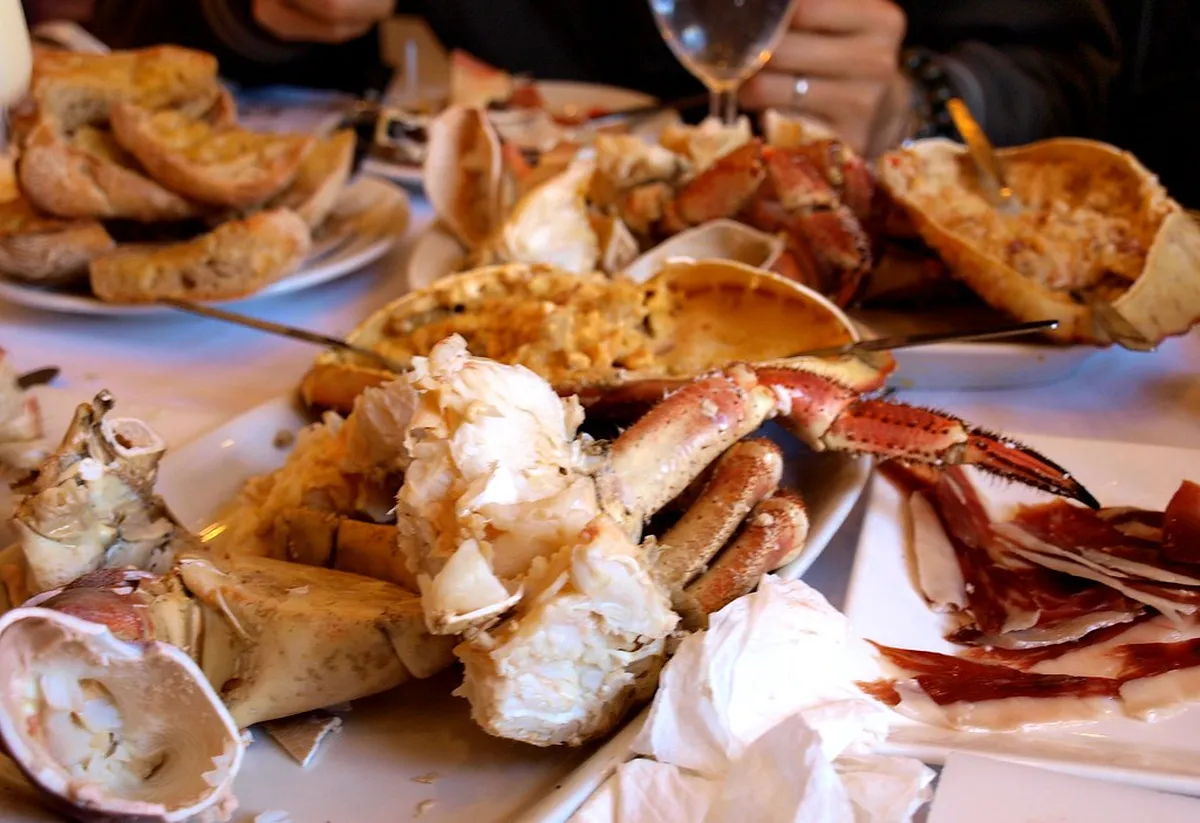
Lisbon's restaurants fall into four rough categories, and knowing the difference will save you money and steer you toward the right experience. A tasca is a small, family-run restaurant with a handful of tables, handwritten specials, and cooking that has not changed in thirty years. A cervejaria is a beer hall — usually larger, louder, seafood-forward, and open late. A marisqueira specializes in shellfish and is priced by the kilo, so ask before you order. A restaurante is the formal end of the scale, where the tablecloth is linen and the wine list runs several pages.
Three practical rules make Lisbon dining much easier. First, lunch is the cheapest meal of the day: the "prato do dia" (dish of the day) runs €10–15 at most tascas and often includes bread, soup, main, and coffee. The same dish at dinner can cost 40% more. Second, Lisbon locals eat dinner late — most kitchens get busy between 8:00 and 10:00 p.m., and many tascas do not open until 7:30. Third, the bread, olives, cheese, and sardine pâté placed on your table before you order are the "couvert" and are not free. If you do not want them, politely send them back.
Traditional Portuguese tasca experiences
A tasca is the backbone of how Lisbon actually eats. Expect tiled walls, mismatched chairs, a television playing football in the corner, and a handwritten menu taped to the wall. The cook is often the owner, and the server is frequently their relative. What you want to order depends on the day, but a handful of dishes appear on nearly every tasca menu and are almost always worth ordering.
Start with caldo verde, a thick kale and potato soup with slices of chouriço sausage — the national comfort dish. Bifana is a marinated pork sandwich served in a crusty roll with mustard and piri-piri; locals eat them standing up at the bar with a small beer. Bacalhau à brás is shredded salt cod scrambled with eggs, straw potatoes, and olives, and is one of the gentlest introductions to bacalhau for first-timers. Sardinhas assadas — charcoal-grilled sardines served with boiled potatoes and roasted pepper salad — are at their peak from June through August, when the fish are fatty and the grills smoke outside every doorway. And polvo à lagareiro, whole roasted octopus drenched in olive oil and garlic, is the splurge dish most tascas do well.
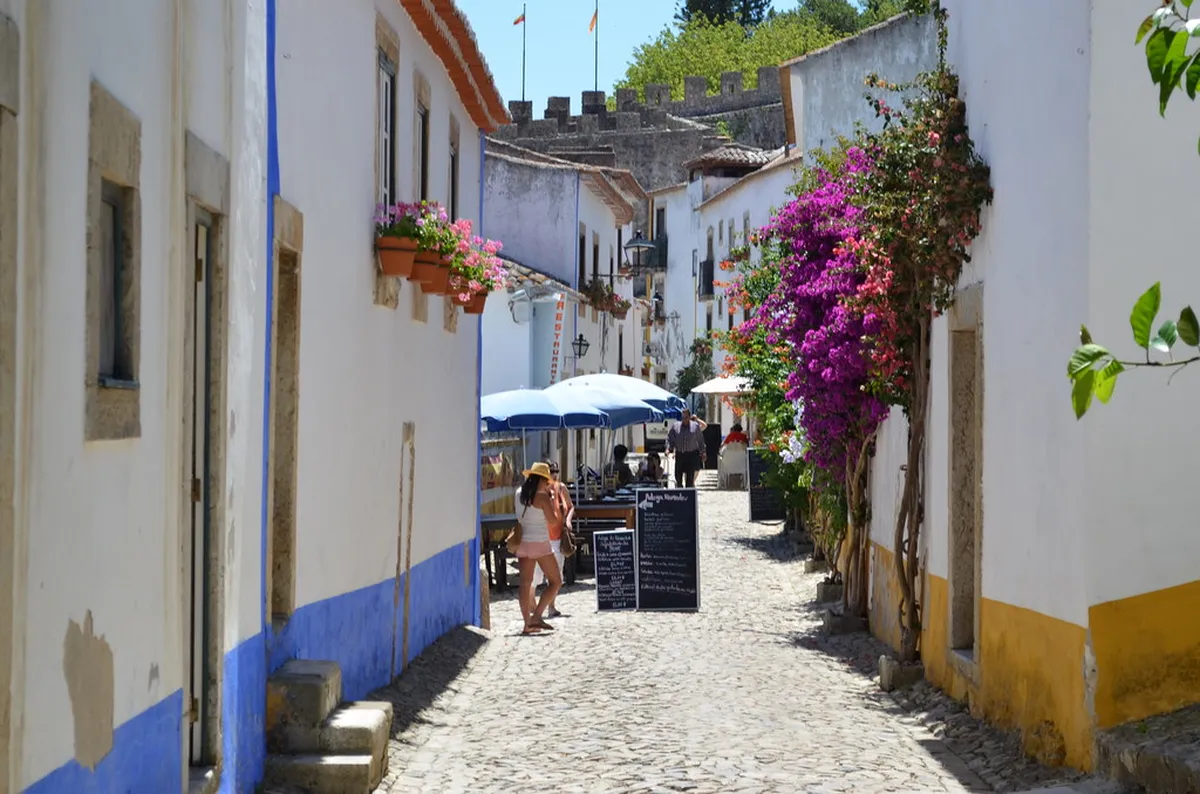
The best tasca neighborhoods are Mouraria (still the least touristed central district) and the backstreets of Alfama, where the narrow lanes are lined with family-run places that have served the same regulars for decades. Expect to pay €10–18 per person at lunch, €15–25 at dinner, and always carry cash — many tascas still do not take cards.
The prato do dia (dish of the day) at a tasca typically includes bread, soup, a main, and coffee for €10–15 — making lunch the best-value meal in Lisbon. Carry cash, as many tascas in Alfama and Mouraria still do not accept cards.
Best fado dinner houses
Fado is Lisbon's soul music: a melancholy, guitar-driven vocal tradition that UNESCO recognized as Intangible Cultural Heritage in 2011. But there is a sharp line between the two kinds of fado experiences a visitor can book, and knowing the difference matters.
Commercial fado tours bundle a set menu with a short performance, often aimed at bus groups, and the food is usually forgettable. Authentic fado houses — "casas de fado" — treat the music seriously. You arrive at 8:00 or 8:30 p.m., are seated at a small table in a candle-lit dining room, and a multi-course Portuguese dinner unfolds slowly between sets of live fado. Two or three singers take turns across the evening, accompanied by a Portuguese guitar and a classical guitar. The songs are short — usually two or three minutes — and the room goes completely silent when they begin.
Fado etiquette is simple but firm: no talking, no phones, no photos, no clinking cutlery during songs. Even the servers freeze mid-pour. Applaud warmly when the singer finishes, then conversation resumes. Eating between songs is expected. The best concentrations of authentic fado houses are in Alfama (the traditional heartland), Bairro Alto (livelier, more varied), and Mouraria (the genre's historical birthplace). Expect to pay €40–80 per person for dinner and show, with wine extra. Reserve at least a week ahead in high season.
Authentic fado houses require absolute silence during songs — no phones, photos, or clinking cutlery. Even servers pause mid-service. Ignore this rule and you will receive very direct feedback from the room.
Time Out Market and Lisbon's food halls
The Time Out Market in Cais do Sodré — housed inside the old Mercado da Ribeira, Lisbon's main fresh market since 1892 — is the single most efficient way to sample the city's food scene in one sitting. Time Out's food critics curated roughly 35 stalls, each run by a different chef or restaurant, and the result is a sprawling food hall where you can order a Michelin-chef burger, a bifana from a 60-year-old institution, and a pastel de nata at the same meal. You pay each stall separately and eat at the communal tables in the middle of the hall.
The big mistake is timing. The market gets packed between 1:00 and 2:00 p.m. at lunch and 8:00 to 9:30 p.m. at dinner, when finding a table becomes a contact sport. Go before noon or after 2:30 p.m. for a calm lunch, or arrive at 6:30 p.m. for an early dinner. Expect to spend €15–25 per person for a full meal with a drink. Other food halls worth knowing are Mercado de Campo de Ourique, smaller and more local in feel, and the Hub Criativo do Beato, a newer, design-forward food court in a converted industrial complex in the east of the city.
Michelin-starred dining in Lisbon
Lisbon's fine dining scene has quietly become one of Europe's most interesting, with nine or more Michelin-starred restaurants in the city as of 2026 — and several of those holding two stars. The common thread across the scene is a confident return to Portuguese terroir: chefs source almost exclusively from Portuguese waters, farms, and forests, then apply modern European technique to traditional ingredients. Expect tasting menus that move through Atlantic seafood, Alentejan pork, Douro wines, and foraged herbs from the country's Atlantic coast.
Price expectations are important to set before booking. A tasting menu at a one-star Lisbon restaurant runs €120–180 per person, while two-star rooms can reach €200–250, and the wine pairing typically adds another 60–70%. Most starred restaurants in Lisbon serve a single tasting menu — there is rarely an à la carte option at dinner, though some offer shorter lunch tastings at roughly 60% of the dinner price.
Reservations are essential and competitive: the top rooms book out two to four weeks in advance, and the most famous names often need six weeks. Book through the restaurant's own website when possible (third-party platforms sometimes drop bookings) and confirm 48 hours before. Dress code is smart-casual — jackets not required, but shorts and flip-flops will get turned away. Dietary restrictions are handled gracefully if you flag them at the time of booking; walk-in changes are much harder.
| Dining Category | Typical Price per Person | Best Time to Go | Reservation Needed? |
|---|---|---|---|
| Tasca lunch (prato do dia) | €10–15 | Noon–2:00 p.m. | No |
| Tasca dinner | €15–25 | 8:00–9:30 p.m. | Recommended |
| Time Out Market | €15–25 | Before noon or after 2:30 p.m. | No |
| Fado dinner house | €40–80 (excl. wine) | 8:00–8:30 p.m. arrival | Yes — 1+ week ahead |
| Michelin 1-star (tasting menu) | €120–180 | Dinner only (lunch ~60% price) | Yes — 2–4 weeks ahead |
| Michelin 2-star (tasting menu) | €200–250 | Dinner only | Yes — up to 6 weeks ahead |
Where to find the BEST pastéis de nata
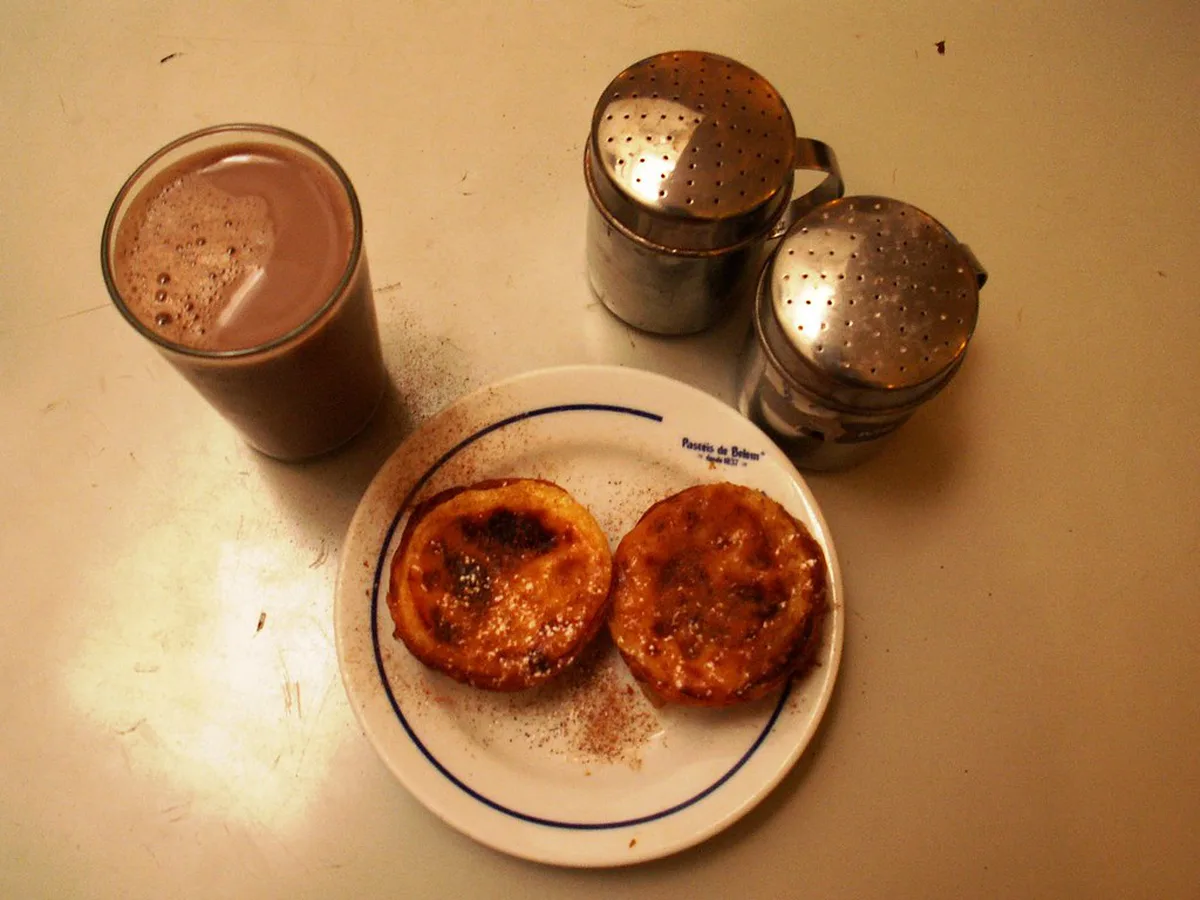
The pastel de nata — a small, crisp custard tart dusted with cinnamon — is Lisbon's most famous export, and the debate over who makes the best version has been running for nearly two hundred years. Pastéis de Belém, in the Belém district, is the historical answer. The shop has been baking from the same 19th-century recipe since 1837 and sells over 20,000 pastéis daily. The original recipe is a protected secret, known only to a handful of bakers who work behind frosted glass. The queue at the takeaway window moves fast; the seated interior (with a separate entrance) is much calmer and worth the 10-minute wait.
The serious rival is Manteigaria, with its flagship counter in Chiado and several newer locations around the city. Manteigaria pulls fresh trays from the oven every few minutes and rings a bell when they come out — you will almost always bite into a warm one, which is arguably the ideal way to eat the tart. Beyond these two names, excellent pastéis appear at neighborhood pastelarias across Lisbon; the signs of a good one are a visibly flaky, slightly blistered pastry shell, custard that is set but still jiggles in the center, and a light char on top from a final blast of high heat. Expect to pay €1.50–2.00 per tart almost everywhere, and pair it with a bica (Lisbon's short, strong espresso).
Manteigaria rings a bell each time a fresh tray of pastéis de nata comes out of the oven — listen for it and join the short queue. A warm tart straight from the oven, dusted with cinnamon and paired with a bica espresso, is the ideal way to eat one.
Frequently Asked Questions
Are Lisbon restaurants expensive?
Lisbon remains one of Western Europe's most affordable capitals for food. A traditional tasca lunch with the prato do dia runs €10–15, a mid-range dinner with wine is €20–35 per person, Time Out Market meals average €15–25, and fado dinner houses charge €40–80. Only Michelin-starred tasting menus (€120–250) reach the prices you would see in Paris or Copenhagen. Lunch is consistently cheaper than dinner for the same dishes.
Do you tip in Lisbon?
Tipping is appreciated but not obligatory. Service is not automatically added to the bill at most restaurants. Rounding up to the nearest euro at a tasca, leaving 5–10% at a mid-range restaurant, and 10% at a fine-dining meal is standard. Cash tips go directly to the server; tips added to a card are not always passed on.
What is Lisbon's most famous dish?
Bacalhau — salt cod — is the undisputed national dish, and Portugal has over 370 documented ways of preparing it. In Lisbon, the most common versions are bacalhau à brás (with eggs and potatoes), bacalhau com natas (baked with cream), and pastéis de bacalhau (fried cod cakes). Grilled sardines are a close second in summer, and the pastel de nata is the city's most iconic sweet.
Can vegetarians eat well in Lisbon?
Yes — vegetarian dining has improved dramatically in Lisbon over the past decade. Dedicated vegetarian and vegan restaurants now exist in every central neighborhood, Time Out Market has multiple plant-based stalls, and even traditional tascas will usually prepare a plate of grilled vegetables, rice, and bean stew on request. Vegans should learn the phrase "sem queijo, sem ovos, sem manteiga" (without cheese, eggs, or butter), since dairy is common in otherwise vegetable-based dishes.
When do Lisbon locals eat dinner?
Dinner in Lisbon starts late by Northern European standards. Most kitchens open at 7:00 or 7:30 p.m., and locals typically arrive between 8:30 and 10:00 p.m. Kitchens usually close at 11:00 p.m. on weeknights and midnight on weekends. If you want a quiet dining room, arrive at 7:30. If you want to eat where the locals are, come at 9:00. For help planning your trip around dining and weather, see our guide to the best time to visit Lisbon, and browse our full list of things to do in Lisbon for neighborhoods that pair well with each category above.
Explore More Lisbon Food & Dining Guides
Go deeper on every part of eating in Lisbon — from the city's famous food hall and street snacks, to fine dining, seafood, tapas, and the best bars for a drink with a view.
Markets & Street Food
Restaurants & Fine Dining
- Michelin-Star Restaurants in Lisbon
- Best Seafood Restaurants in Lisbon
- Best Tapas & Petiscos in Lisbon