
12 Best Things to Do in the Algarve (2026)
Discover the best things to do in the Algarve, from Benagil sea caves to hidden Moorish towns. Plan your trip with local tips on food, timing, and offbeat gems.
On this page
12 Best Things to Do in the Algarve
After three visits to the Algarve over the last five years, I still find new corners of this coastline that surprise me. The region offers a striking contrast between the neon-lit resort towns of the central coast and the windswept, silent cliffs of the west. Whether you seek the famous golden grottoes or quiet Moorish hill towns, the variety here caters to every type of traveler. This guide was last refreshed in May 2026 following my most recent spring road trip through the Faro district.
Planning a trip for 2026 requires understanding how much the region has evolved beyond a simple summer beach destination. Portugal's Maritime Authority introduced strict new entry rules for Benagil Cave in 2024 and tightened them again for the 2026 season, so the old "rent a kayak and paddle in alone" advice no longer applies. Our editors have reviewed every neighborhood from the Spanish border to the Atlantic edge to keep these picks current. Expect a mix of iconic landmarks and secluded spots that most guides overlook during their brief seasonal visits.
Key Takeaways
- Quick Pick (Best Overall): Ponta da Piedade for its world-class coastal scenery and accessibility.
- Quick Pick (Best for Families): Alvor Boardwalk for safe, flat walking and easy beach access.
- Quick Pick (Best Free): Hiking the Seven Hanging Valleys trail for incredible cave views without the boat cost.
- Quick Pick (Best Hidden Gem): Castro Marim Salt Pans for unique birdwatching and a break from the crowds.
- Practical Tip: Carry €20–€30 in cash for small village cafés and rural produce stalls where international cards are frequently refused.
- 2026 Rule Change: Independent kayak and SUP entry into Benagil Cave is banned; only licensed guided tours may land inside.
12 Best Things to Do in the Algarve (2026)
The Algarve is traditionally divided into three distinct zones: the sandy barrier islands of the east, the rocky central cliffs, and the wild Atlantic west. Most first-time visitors gravitate toward the central region for its famous sea caves and accessible resort infrastructure. However, the eastern side near the Spanish border offers a much slower pace and better value for budget-conscious travelers exploring the Algarve on a budget. We have categorized these top twelve picks to help you balance iconic sights with authentic local experiences.
I recommend choosing two different bases if you have more than five days to explore the entire southern coastline. Staying in Lagos provides excellent access to the western cliffs, while Tavira is the perfect gateway for the Ria Formosa lagoons. Central hubs like Albufeira are convenient but can feel overwhelmingly commercial during the peak months of July and August; our Lagos vs Albufeira vs Faro: Where to Stay in the Algarve in 2026 comparison breaks down which base suits which traveler. For a more balanced trip, follow a structured Algarve 7-day itinerary, or compress it into a 3-day weekend or 5-day loop.
The following list represents the absolute essentials that define the spirit of southern Portugal today. From the red sandstone of Silves to the turquoise waters of Marinha, these spots showcase the region's diverse geological and cultural history. Always check local weather forecasts for sea conditions, as high swells can frequently cancel boat tours to the famous caves. Most of these locations are best reached by car, though the cliffside trails and 12 Best Algarve Viewpoints: Scenic Spots & Hidden Gems reward active travelers on foot.
- Benagil Sea Cave Guided Boat Tour
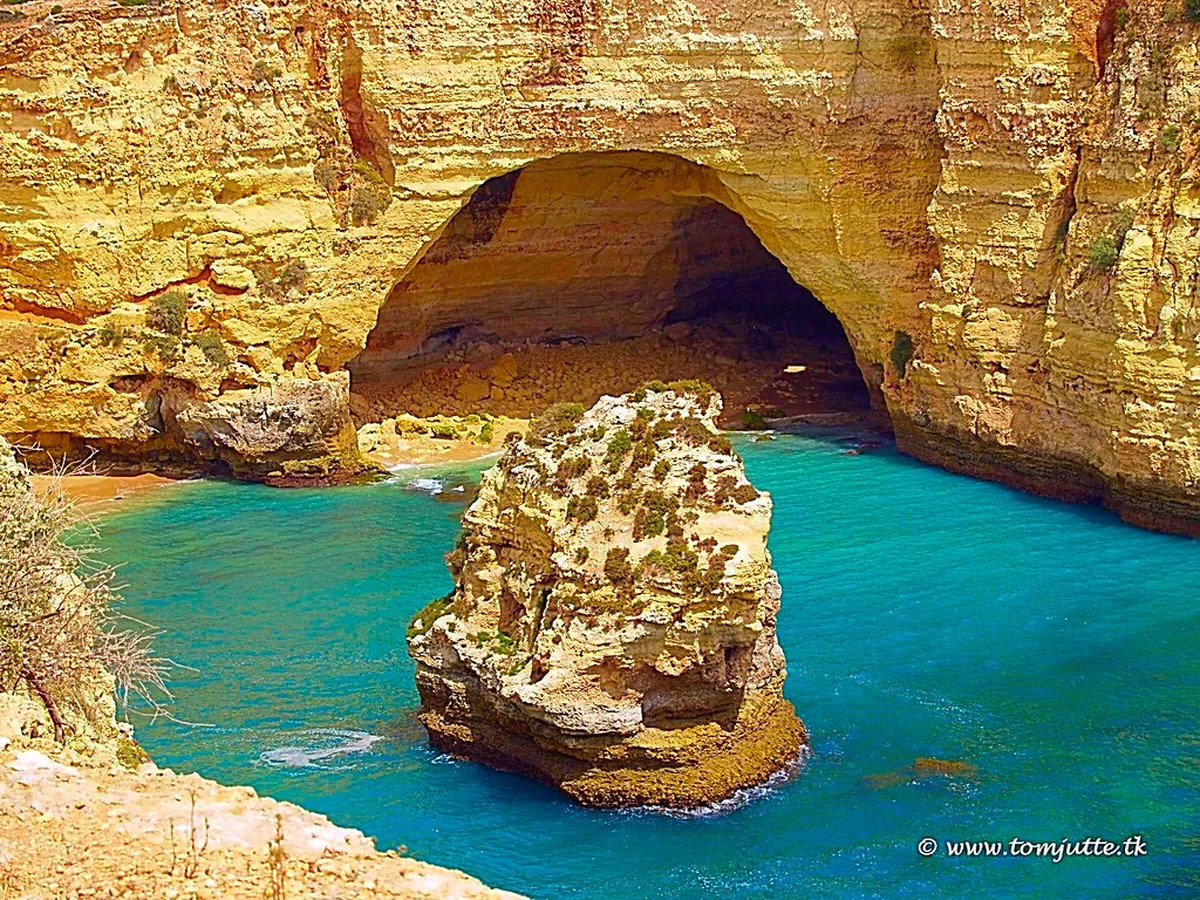
- The Algarve's most photographed sea cave features a natural skylight and a hidden beach reached only by water.
- Licensed guided boat or SUP tours from Carvoeiro cost €25–€45 per adult and depart from 8:30 to 17:00 between April and October.
- As of the 2026 season, independent kayak and SUP entry to the cave is banned by the Maritime Authority; only operators on the official permit list may land inside.
- Ponta da Piedade Cliffs in Lagos
- Dramatic golden rock formations and sea arches create one of the most beautiful viewpoints in all of Europe.
- The clifftop walk is free and open 24 hours, though the golden hour before sunset is the most popular time for photography.
- Walk down the 182 stone steps to the small jetty for sea-level grotto boat rides (€15 per person, 30 minutes) without booking ahead.
- Silves Castle and Moorish Old Town
- This red sandstone fortress offers a deep look into the Moorish history of the former regional capital, A̲l̲-G̲h̲a̲r̲b̲.
- Entry to the castle costs €3 per adult and the site opens daily from 09:00 to 18:00 (until 19:00 July–August).
- Visit during the Medieval Festival in mid-August to see the town transform with traditional crafts, jousting and street performances.
- Ria Formosa Natural Park Island Hopping
- A 60 km system of lagoons and barrier islands shelters flamingos, chameleons and Europe's largest seahorse colony.
- Public ferries from Olhão to Culatra or Armona cost €5 return; smaller water taxis to Ilha Deserta run €10–€15 each way.
- Spend a full day on Ilha Deserta for total seclusion and crystal-clear water far from the mainland crowds.
- Loulé Municipal Market and Islamic Baths
- This neo-Arab market building is the best place to buy local honey, almonds, and traditional cork products.
- The market is free to enter and busiest on Saturday mornings when farmers from the Barrocal arrive with fresh produce.
- Explore the nearby 12th-century Islamic baths, which are among the best-preserved examples on the entire Iberian Peninsula.
- Roman Ruins of Milreu in Estoi
- This archaeological site features well-preserved mosaics from a luxury Roman villa dating back to the 1st century.
- Standard admission is €2 and the site is closed on Mondays; combine it with the pink rococo Estoi Palace ten minutes away.
- Look for the intricate fish mosaics in the bathing complex which remain remarkably vibrant after two thousand years.
- Cabo de São Vicente Lighthouse
- Known as the 'End of the World,' this southwestern tip of Europe offers 60-meter cliffs and powerful Atlantic swells.
- The grounds are free to explore, though the small lighthouse museum charges €1.50; food trucks at the gate serve the famous Letzte Bratwurst.
- Bring a heavy windbreaker even in summer because the gusts at this point are notoriously strong and cold.
- Praia da Marinha Snorkeling Experience
- Consistently ranked among the world's best beaches, Marinha features iconic double arches and incredibly clear turquoise water.
- Access is free via a long staircase, and the beach is best visited 90 minutes either side of low tide for walking under the arches.
- Swim around the 'M' shaped rock formation to find small hidden coves that are inaccessible from the shore.
- Monchique Mountain Thermal Springs
- The village of Caldas de Monchique offers healing alkaline waters tucked away in a lush eucalyptus and chestnut forest.
- A day pass for the thermal pools costs €15–€25 at the resort spas; the public spring fountain in the square is free.
- Taste the local Medronho firewater at a mountain tavern, but be warned that it is exceptionally high in alcohol.
- Castro Marim Salt Pans and Flamingos
- These traditional salt pans near the Spanish border are a prime spot for observing migratory bird species.
- Guided birdwatching tours are available for €20–€35, or you can walk the public perimeter paths for free.
- The views from the nearby medieval castle provide a perfect panorama of the Guadiana River and neighboring Spain — a highlight on any tour of 10 Best Algarve Historic Towns for History Lovers.
- Alvor Boardwalk and Nature Trail
- This 1.2 km wooden walkway protects the delicate dunes while providing a flat path for walking, wheelchairs and cycling.
- The trail is free to use and particularly beautiful during the golden hour just before the sun sets.
- Stop at one of the rustic seafood shacks at the end of the path for fresh grilled sardines and a €1.80 imperial of Sagres lager.
- Ferragudo Traditional Fishing Village
- This photogenic village across from Portimão has maintained its traditional character despite the growth of regional tourism.
- Walking the narrow cobbled streets is free, and the small Praia Grande ferry from Portimão marina costs €2 each way.
- Visit the Forte de Nossa Senhora da Encarnacao for a great view of the Arade river mouth.
Benagil 2026 Rules and How to Actually Get Inside
Benagil Cave has become the single most contested attraction in the Algarve. After two fatal incidents and worsening congestion, Portugal's Maritime Authority closed the cave to independent swimmers in mid-2023, and from summer 2024 onward, unguided kayaks and stand-up paddleboards have been banned from landing on the interior beach. The 2026 season tightens this further: only operators on the official permit list issued by the Portimão Captaincy may enter, and every passenger must wear a coast-guard-approved life jacket regardless of swimming ability.
Practically, this means three legitimate ways to step inside the cave today. A licensed guided kayak or SUP tour from neighbouring Praia de Benagil or Praia da Marinha is the most affordable option at €25–€35 and includes a brief landing on the sand. A small open zodiac with a certified skipper costs €30–€45 and slips in and out without landing, which is enough for photos. Larger catamaran tours out of Lagos or Albufeira (€35–€55) reach the cave mouth but rarely enter — confirm "interior landing" with the operator before booking if that matters.
Two practical edge cases save real money and frustration. First, sea swells above 1.2 m or wind above 20 knots cancel cave entry even for licensed operators; always book a morning slot and request a rain-check rather than a refund, as conditions usually calm by lunch. Second, the Algar de Benagil is just one of dozens of grottoes along this stretch — Capelinha and Carvalho caves are quieter, equally photogenic, and accessible by the same boats without the queue.
Always book a morning Benagil tour slot — sea conditions typically deteriorate by mid-afternoon. If your tour is cancelled due to swells above 1.2 m, ask for a rain-check rather than a refund; most licensed operators honor same-week rescheduling.
Getting There and Getting Around
Faro Airport (FAO) is the only commercial gateway and sits 7 km east of Faro city centre. From the terminal, a metered taxi to central Faro costs €10–€14 (set tariff after 22:00 is €15), while Bus 16 to the city bus station runs every 20–40 minutes for €2.45. Direct buses to Albufeira (€7), Lagos (€8), Portimão (€7) and Tavira (€5) leave from the airport forecourt; reserve seats via Vamus Algarve for 2026 to avoid sold-out summer departures.
If you are arriving overland from Lisbon, the Alfa Pendular train reaches Faro in 2h 50m for €23.10–€32.10 standard class — comfortable but slow versus the Rede Expressos bus, which covers the same route in 2h 45m for €20. Day trippers from the capital should read our guide to the best Algarve day trips from Lisbon before committing to a single base. Couples or families staying multiple nights almost always benefit from a rental car (€25–€55 per day in 2026), which unlocks the western beaches and Monchique mountains that public transport cannot reach.
The A22 Via do Infante toll motorway runs the length of the region and uses electronic gantries with no cash booths. Confirm at pickup whether your rental car has a Via Verde transponder pre-fitted (€1.85/day plus tolls) or whether you need to register a credit card at the EasyToll kiosk at the airport. Tolls between Faro and Lagos total roughly €6 each way, and the parallel toll-free EN125 is slower but lined with markets and roadside fruit stalls worth a stop.
The A22 motorway has no cash toll booths — fines for unregistered vehicles arrive by post weeks later. At the rental counter, confirm your car has a Via Verde transponder or register a credit card at the EasyToll kiosk before leaving the airport.
The Wild West: Costa Vicentina and Aljezur
The western coast of the Algarve, protected within a natural park, feels like a different country compared to the south. Here, the calm turquoise bays are replaced by massive Atlantic rollers and dark, jagged schist cliffs that drop into the sea. Towns like Aljezur and Sagres serve as a base for surfers and hikers who prefer silence over the booming nightlife of Albufeira. You will find far fewer crowds here, but the trade-off is a significantly cooler climate and much stronger winds.
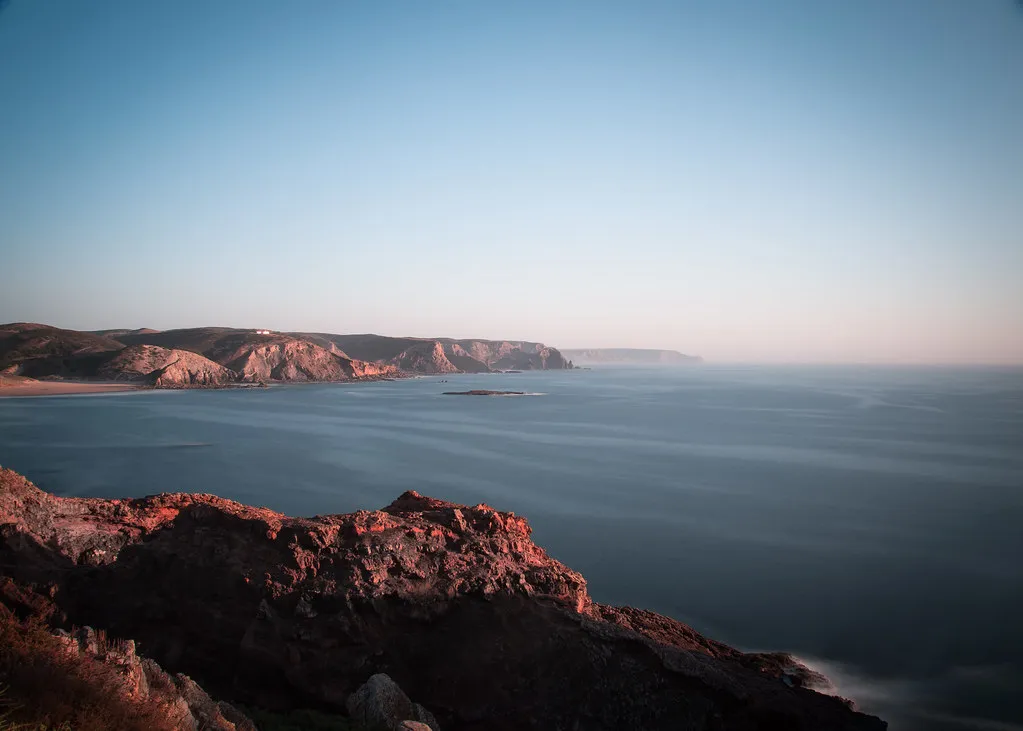
To navigate this area effectively, you should understand the local wind patterns that affect beach comfort and safety. The 'Nortada' wind blows from the north and can make sunbathing difficult on exposed beaches like Praia da Bordeira. I always recommend checking a wind map before heading out; if the west is too gusty, the south coast usually remains calm. Look for 'footprint-free' bays near Sagres where 4x4 access is often required to reach the most secluded sand stretches.
Surfing is the primary draw for many visitors to this rugged stretch of the Portuguese coastline. Schools in Carrapateira offer lessons for about €40–€55, including all the necessary gear and a 4/3 mm wetsuit for the cold Atlantic water. If you aren't a surfer, the Rota Vicentina hiking trails offer spectacular cliff-top walks that are well-marked and safe. The trail from Arrifana to Monte Clérigo is a personal favorite for its dramatic views and hidden archaeological ruins.
Authentic Villages: Carvoeiro, Ferragudo, and Vale de Bispo
While the Algarve is famous for its beaches, the small villages often hold the most charm for long-term travelers. Ferragudo remains one of the most authentic spots, where fishermen still mend nets on the quay outside their white cottages. Carvoeiro offers a more polished experience with its amphitheater-like beach setting and the nearby Algar Seco rock walk. These towns provide a glimpse into the traditional life that existed long before the first luxury resorts were built.
When deciding where to eat, use our 'Seafood Decision Matrix' to find the best local specialties in each village. Head to Santa Luzia for octopus, as this village is known as the regional capital for this specific delicacy. Portimão is the place for sardines, while Lagos and Olhão are better for complex shellfish stews known as Cataplana. Avoid the generic 'tourist menus' displayed in English on the main squares, as these often lack the freshness of backstreet taverns.
I suggest skipping 'The Strip' in Albufeira if you are looking for anything remotely resembling Portuguese culture. This area is dominated by neon signs and fast food, which contrasts sharply with the quiet beauty of the surrounding region. Instead, spend your evening in the Praca da Republica in Tavira for a more sophisticated atmosphere. The local experience is found in the slow pace of the squares where residents gather for coffee and conversation.
How to Plan a Smooth Algarve Trip
Renting a car remains the most efficient way to navigate the region's sprawling coastline and hidden inland villages. While public buses connect major hubs like Faro and Lagos, reaching the wilder west coast beaches requires private transport. Expect to pay between €25 and €60 per day for a standard vehicle during the peak summer months. Always verify if your rental includes a transponder for the A22 electronic toll system to avoid heavy fines that arrive by post months later.
Understanding the difference between local and tourist prices will help you manage your daily travel budget effectively. A 'bica' (espresso) in a local village café should cost no more than €0.80 to €1.20 even in 2026. If you are paying €3.00 for a simple coffee, you are in a high-traffic zone designed specifically for visitors. Dining at a traditional 'tasca' for lunch (the 'prato do dia') costs €9–€14 for a full meal including the house wine and dessert.
Booking accommodation in advance is essential if you plan to visit during the high season from June to September; understand the best time to visit the Algarve and the Algarve Weather By Month: Climate Data and Monthly Averages before locking in dates. For those seeking a more curated experience, our guide to 18 Essential Algarve Hidden Gems and Travel Tips highlights unique stays in lesser-visited villages. The central Algarve is the most expensive zone, while the eastern marshlands and northern Monchique mountains offer significantly better value. Check the IPMA bandeira (flag) system at each beach for daily water-safety status before swimming.
Different traveler types should weight different parts of this guide. Honeymooners and couples planning a slow week should consult our 8 Best Tips for Planning an Algarve for Couples Trip guide, while families with young kids will get more out of the boardwalks and shallow lagoons covered in 15 Best Things to Do and Planning Tips for Algarve With Kids. Beach lovers comparing sand should pair this article with our list of the best beaches in the Algarve and the practical Algarve beach road-trip itinerary.
Is the Algarve Worth Visiting in Winter?
Traveling to the Algarve in winter is one of the best-kept secrets for those who enjoy hiking and photography. Daytime temperatures often hover around 16–18°C (60–65°F), which is perfect for exploring the coastal trails without the summer heat. While it is too cold for swimming for most visitors, the light is exceptionally clear and the major attractions are almost entirely empty. Our deep-dive on the Algarve in Winter: The Ultimate Guide to Sun and Seafood covers monthly weather breakdowns and which towns stay open.
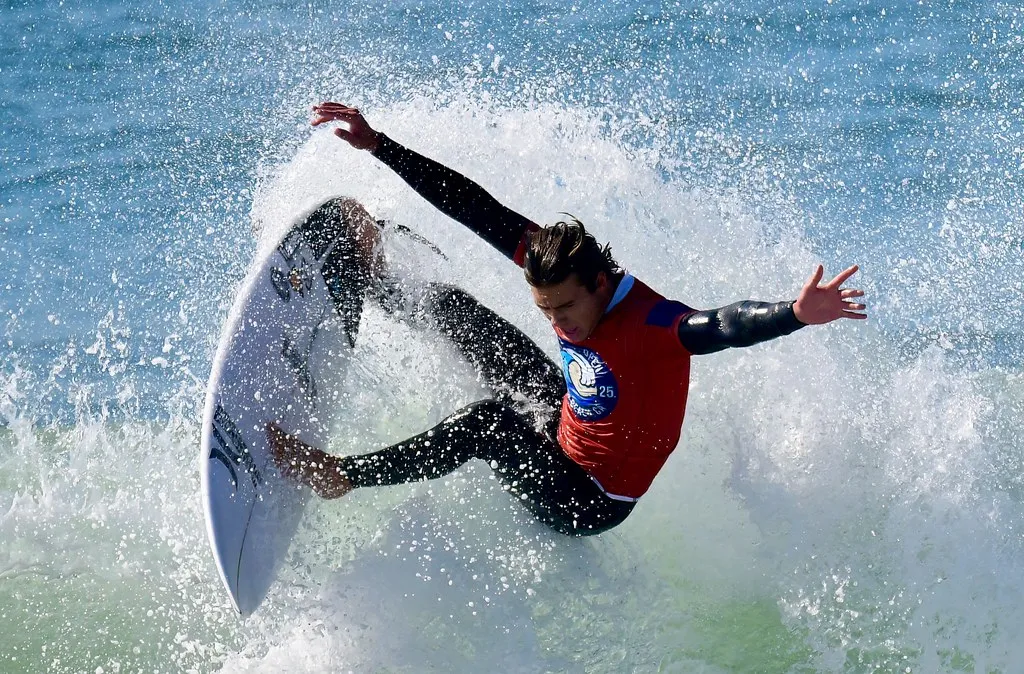
Be aware that some smaller resort towns like Armação de Pêra can feel like 'ghost towns' during January and February. Faro, Lagos, and Tavira remain active year-round because they have large permanent populations and functional local economies. Most high-end restaurants stay open, but beach-side kiosks usually close their doors from November until the Easter holidays. This is the best time to visit the Monchique mountains, as the crisp air makes the thermal springs even more inviting.
Accommodation prices during the off-season can drop by as much as 60% compared to the peak August rates. Luxury hotels that cost €380 per night in summer often list rooms for €130–€150 during the quietest winter weeks. Car rentals are also significantly cheaper (€15–€22 per day in February), making it the ideal time for a long-distance road trip through the interior. If you prefer vibrant nightlife and bustling streets, stick to the months of May through October for your visit.
Frequently Asked Questions
When is the best time to visit the Algarve?
Late spring and early autumn offer the best balance of warm weather and manageable crowds. May, June, and September provide ideal temperatures for both beach days and hiking without the extreme August heat.
Do you need a car to get around the Algarve?
A car is highly recommended for exploring hidden beaches and inland villages like Monchique. While trains connect major towns, they do not reach the most scenic coastal spots or the wild west coast.
Is the Algarve expensive for tourists?
The Algarve offers excellent value compared to other European coastal destinations. Local meals cost $12–$20, though prices in high-end resort areas like Vilamoura are significantly higher than in traditional fishing villages.
The Algarve remains one of Europe's most versatile destinations, offering far more than just sun and sand. By balancing the iconic cliffs of the central coast with the quiet history of the east, you can experience the true soul of Portugal. Whether you are surfing the Atlantic swells or dining on fresh octopus in a quiet village, the region rewards those who explore beyond the resorts.
Remember to respect the delicate natural environments of the Ria Formosa and the western natural parks during your stay. Planning with a mix of popular sights and hidden gems ensures a trip that is both spectacular and authentically local. Enjoy your journey through this golden corner of the Iberian Peninsula and make the most of its unique 2026 offerings.
Explore More Algarve Guides
Deep-dive guides for every part of an Algarve trip — from where to stay and what to do in each town, to seasonal angles, audience-specific picks, and practical planning.
City Guides
- Albufeira
- Faro
- Tavira
- Sagres
- Portimão
- Carvoeiro
- Vilamoura
- Olhão
- Loulé
- Monchique
- Armação de Pêra
- Best Towns Overview
Itineraries
Themes & Audiences
- hidden gems of the Algarve
- family Algarve guide
- romantic Algarve guide
- Historic Towns
- Best Viewpoints