Things To Do In Armacao De Pera: A Complete Travel Guide
Discover the best things to do in Armação de Pêra, from Benagil cave tours to hidden beaches. Includes local tips on parking, car rentals, and history.
On this page
Things To Do In Armacao De Pera
Armação de Pêra sits midway along the central Algarve coast, roughly 50 kilometres west of Faro Airport and squeezed between Albufeira and Carvoeiro. It pairs a two-kilometre arc of sand with a working fishing front where wooden boats still rest on tractor trailers. The town is the closest mainland village to the Benagil sea cave, which makes it a popular launchpad for the 2026 cave-tour season.
This guide covers the Things to Do in Armacao de Pera that actually justify the trip: the sand-launched boat tours, the 17th-century fort, the Salgados lagoon footbridge, and the practical headaches around parking and rental cars. For wider regional context, see the full 12 Best Things to Do in the Algarve hub.
Armação de Pêra Holiday Travel Guide
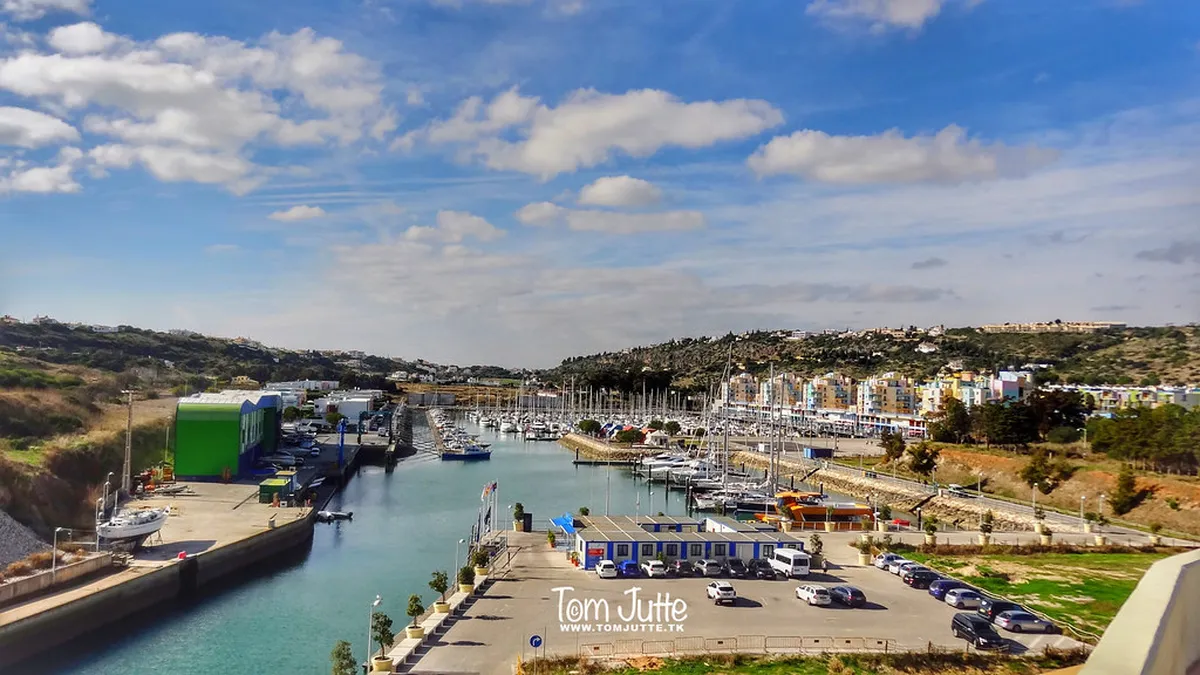
The town runs along a single seafront avenue, Avenida Marginal, which curves for about three kilometres above the beach. The eastern end is the old fishing quarter, still home to the colourful wooden vessels that launch from the sand each morning. The western end is dominated by 1970s-era apartment blocks and the larger hotel complexes.
Most travellers arrive via the A22 motorway from Faro (around 45 minutes by car) or by EVA bus on the Faro–Portimão coastal line. The drive from Lisbon takes roughly 2 hours 45 minutes via the A2/A22. If you are pairing Armação de Pêra with other stops, it slots neatly into an Algarve 3-day itinerary as the "central coast" base.
Compared with other 10 Best Towns in the Algarve, Armação de Pêra is quieter than Albufeira but livelier than Carvoeiro, and it has the longest unbroken beach of the three. Stop at the small tourism kiosk on Largo Engenheiro Duarte Pacheco for the 2026 festival calendar — the fishermen's procession in late August is the highlight.
The Brief History of Armação de Pêra
The settlement dates to 1577, when fishermen from the inland village of Pêra moved to the coast to set up a seasonal "armação" — a tuna trap net anchored offshore. The makeshift camp eventually became permanent, and the village still carries the name of that fishing technique.
In 1885, the tuna runs collapsed and the community pivoted to sardines, which were canned in factories along the Algarve coast. By the 1960s, fishing had ceded ground to package tourism, and the high-rise blocks west of the old town went up in a single decade.
The squat 17th-century fort, Fortaleza de Armação de Pêra (also called Forte de São João), was built around 1640 to defend the offshore tuna nets from North African corsairs. Only the outer walls and the small whitewashed chapel of Santo António survive today. Walk through the seaward arch about 30 minutes before sunset — the light hits the bay at the right angle and the tour groups have already cleared out.
Must-See Armacao Attractions
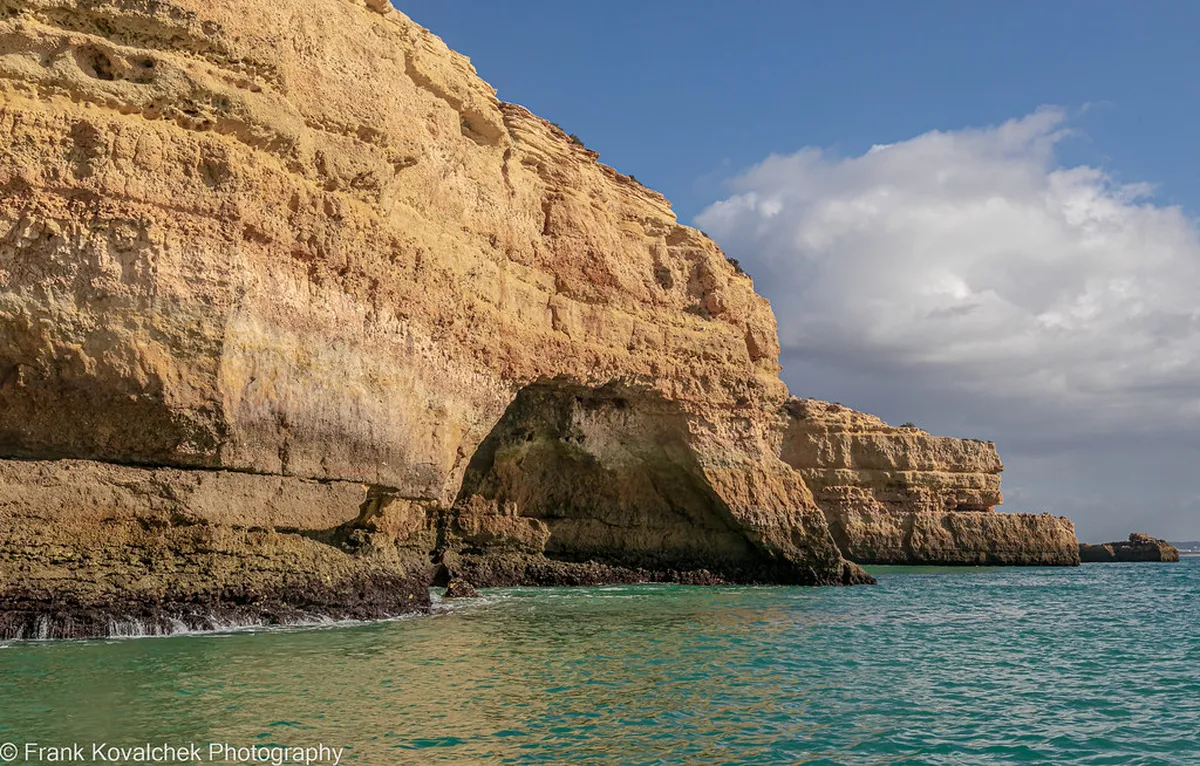
The signature experience is a boat tour along the coast to the Benagil sea cave, about 10 kilometres west. The cave sits at the heart of the central-coast geology and is also the main draw on the Things To Do In Carvoeiro: The Ultimate Algarve Travel Guide coastline immediately to the west.
The Ermida de Nossa Senhora da Rocha is a small whitewashed chapel perched on a sandstone headland between Armação de Pêra and Porches. It dates from the 16th century and sits on a Visigothic ritual site. The headland separates two coves — Senhora da Rocha and Nova — and you can walk between them via the wooden boardwalk in about 20 minutes.
In the old town centre, the Igreja Matriz (also called Capela de Santo António) is worth a brief stop for its hand-painted azulejo panels. The nearby fish market on Rua Mouzinho de Albuquerque is most lively before 10:00, when the morning catch is auctioned. The handful of streets behind it form the original fishing quarter and shelter the best tascas in town.
How the Sand-Launch Boat Tours Actually Work
Armação de Pêra is one of the very few spots in the Algarve where boats still launch directly from the beach. There is no marina — operators tow each small RIB or wooden boat across the sand on a tractor, reverse it into the surf, and you wade in over your ankles to board. Albufeira, Portimão, and Lagos all use enclosed marinas, so the experience here is genuinely different.
That logistics quirk has practical implications. The smaller "sand-launch" boats (typically 8–12 passengers) can nose right inside Benagil and the neighbouring grottoes, while the larger catamarans that sail from Albufeira have to drop anchor offshore and shuttle visitors in by dinghy. If actually entering the cave matters to you, book a small-boat tour from the Armação de Pêra eastern beach rather than a catamaran cruise.
Tours run roughly between 09:00 and 17:30 in 2026, with departures every 30–45 minutes in high season. Expect to pay €25–€35 per adult for a 90-minute Benagil-and-back run, or €40–€55 for the longer "seven hanging valleys" coastal tour. Cash and card are both accepted at the beach kiosks. If swell exceeds about 1.5 metres the operators cancel — there is no harbour to hide behind. Compare alternative launches in the dedicated Benagil Cave from Lagos: 2026 Guide to Tours, Kayak & Prices write-up.
Book the first (09:00–10:00) or last (16:30–17:30) departure slot for Benagil — midday tours coincide with the largest catamaran arrivals from Albufeira and the cave becomes uncomfortably crowded. Small-boat tours (8–12 passengers) launched from the sand can enter the cave directly; larger catamarans must anchor offshore and use a dinghy shuttle.
Natural Areas to Explore Nearby
Walk east along the seafront and after about 15 minutes you reach the wooden footbridge that crosses the Lagoa dos Salgados. The lagoon is a protected wetland and a favourite of birders — you can reasonably expect flamingos, purple swamphens, and black-winged stilts year-round, with passage migrants in spring and autumn. The boardwalk is roughly 1.2 kilometres long and continues to Praia Grande, one of the longest undeveloped beaches in the central Algarve.
Heading west, the cliff path leads in around 35 minutes to Praia da Marinha, repeatedly ranked among Europe's best beaches for its layered honey-coloured sandstone. For a deeper look at access, parking, and the best photo points, see the dedicated 11 Essential Tips for Your Praia da Marinha Guide. The full corridor from Praia dos Pescadores east of town to Praia da Marinha is also covered in our roundup of the Best Beaches in the Algarve: 17 Top Beaches for 2026 (Western, Central &.
- Praia de Armação de Pêra — flat access from the promenade, with showers, lifeguards in summer, and free public toilets near the fort.
- Praia da Marinha — steep wooden staircase down from the clifftop car park, one snack bar at the top, no facilities on the sand itself.
Most Popular Routes and Hiking Trails
The signature hike is the Percurso dos Sete Vales Suspensos (Seven Hanging Valleys), a 5.7-kilometre clifftop trail between Praia da Marinha and Praia de Vale Centeanes. It threads past the Benagil cliff (you can peer down into the algar from above) and a string of sea arches. Allow about 2 hours one way, plus bus or taxi back.
For a flatter alternative, the Ribeira de Alcantarilha route follows the river inland from the eastern edge of Armação de Pêra. It is roughly 8 kilometres return, mostly shaded by reeds and fig trees, and works well as a morning ride if you have rented bikes.
If you want to keep walking west along the coast toward the 15 Best Things to Do in Albufeira: 2025 Algarve Guide beaches, the cliffside trail runs continuously for about 12 kilometres. The terrain is sandy and uneven in places, so use trail shoes and download an offline map before you leave town.
Family-Friendly and Budget-Friendly Options in Armacao
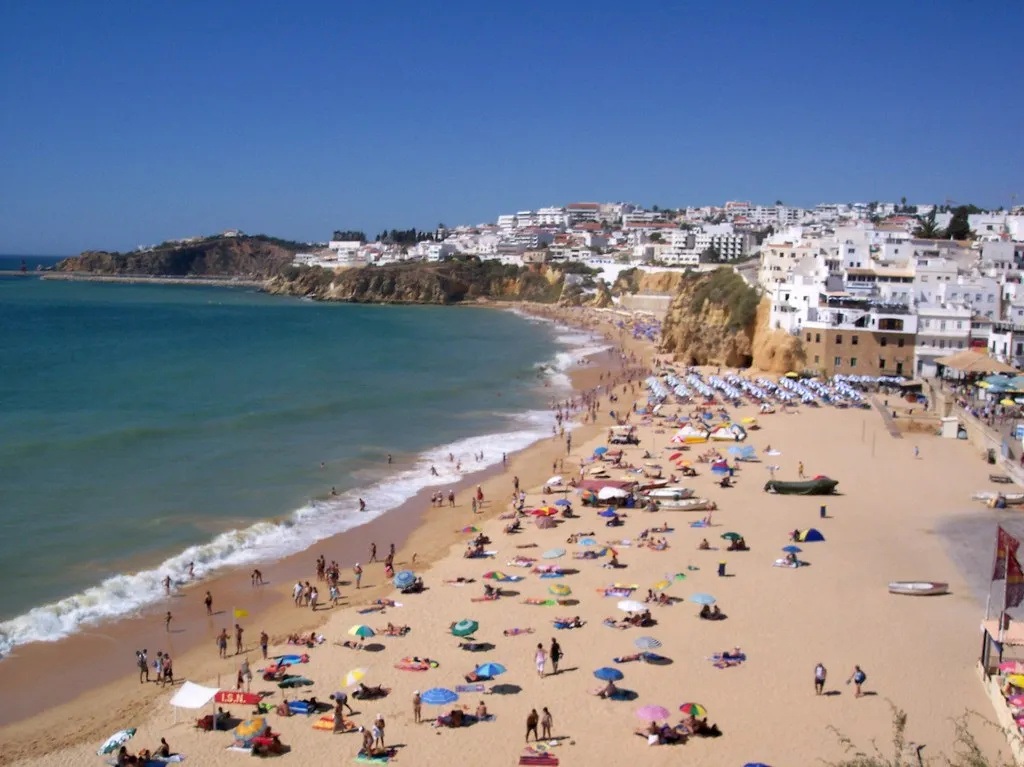
The main beach is one of the gentlest in the central Algarve — it is wide, flat, and the eastern half is sheltered enough that small children can paddle without breaking surf. Water sports operators on the sand rent paddleboards (about €15 per hour in 2026) and run short water-skiing sessions off the eastern groyne.
The municipal fish and produce market in the old town is the cheapest place to assemble a beach picnic — fresh figs, almonds, sardines, and pastéis de nata are all available from local vendors. If you are travelling with younger children, our broader guide to 15 Best Things to Do and Planning Tips for Algarve With Kids covers wet-weather backups in the area.
The free attractions stack up well: the promenade walk, the fort grounds, the footbridge to Salgados, and the eastern fishermen's beach where boats are launched. Buy sunscreen and inflatables at the Pingo Doce supermarket near the roundabout — beachfront kiosks routinely charge double.
How to Plan a Smooth Armacao Attractions Day
Start at the fish market before 10:00 to see the auction, then walk west to the fort and the old town tascas for coffee. The Fortaleza grounds are hottest and most crowded between 12:00 and 15:00 in July and August — visit at 09:30 or after 18:00 instead. Sunset from the seaward arch is reliably the best photo of the day.
If a Benagil boat tour is on the list, lock it in for the first or last slot (09:00–10:00 or 16:30–17:30). Midday tours coincide with the largest catamaran arrivals and the cave gets uncomfortably busy. Check the operator's tide note at booking — extreme low tides briefly close some of the smaller adjacent grottoes.
Save the afternoon for either the Lagoa dos Salgados footbridge (flat, family-friendly, about 90 minutes return) or the Sete Vales Suspensos clifftop (more demanding, half a day). A reservation matters for sea-view dinner on the promenade in August; outside the peak, walk-ins after 19:30 are usually fine.
Parking in Armação de Pêra
Street parking in the old town is genuinely difficult between June and mid-September. The grid of narrow lanes around the fort was laid out for fishing carts, not modern SUVs, and oncoming traffic forces frequent reversing. Do not try to drive the inner lanes if you are not comfortable folding mirrors against a wall.
The safer plan is the large free dirt lot east of the fort near the Salgados footbridge entrance, or the paid surface lot off Rua dos Pescadores near the post office (around €0.60 per hour in 2026). Both are a five-to-ten-minute walk to the seafront. Arrive before 09:30 in high season or you will be circling.
If you are staying overnight, choose accommodation with a private garage on the western side of town — the modern apartment blocks above Praia Grande almost all include a parking bay. Hotels in the old town centre rarely do, and street parking is enforced by the municipal police.
The narrow lanes around the fort were built for fishing carts, not modern vehicles. Do not attempt to drive the inner streets during June–September if you are not comfortable reversing against a wall with mirrors folded. The free dirt lot east of the fort near the Salgados footbridge entrance is the safest alternative — arrive before 09:30 in high season.
Affordable Car Rental in the Algarve
You can pick up a hire car at Faro Airport from any of the international chains, but several family-run Algarve outfits (Luzcar, GoldCar local, Yor) consistently beat them on shoulder-season rates. Expect roughly €18–€28 per day in May or October 2026 for a small hatchback, versus €35–€55 from the big chains.
The standout perk is the "no deposit, no credit card hold" policy that the local agencies offer — particularly useful if you are travelling on a debit card. Insurance is usually included rather than upsold at the counter, which removes the most common rental-day friction point.
Whichever provider you choose, photograph the car from every angle (including the wheels and roof) before driving off, and confirm the fuel-return policy in writing. Book at least two months ahead for July and August, when the entire Algarve rental fleet sells out.
Where the Locals Actually Eat
The promenade is lined with large terrace restaurants that turn over hundreds of covers a day. They work for a quick beachfront drink, but the cooking is workmanlike and the prices are 30–50% above what you will pay one street back. Most visitors never realise there is a separate restaurant scene.
The traditional tascas cluster on three short streets behind the fort: Rua Capitães de Abril, Rua da Igreja, and Rua Mouzinho de Albuquerque. These are tiled-front rooms with paper tablecloths, charcoal grills out the back, and handwritten daily specials. Look for grilled sardines (June to September), cataplana de marisco, and arroz de marisco — single-portion mains run €11–€16 in 2026.
The simple rule that holds up year after year: if the menu has photographs and translations into five languages, walk past. If the menu is hand-chalked in Portuguese only and the regulars are eating cataplana at 14:30, sit down.
Get Inspired with the Komoot Mobile App
Trail signage on the central Algarve is uneven — the Sete Vales Suspensos is well marked at both ends but vague in the middle, and the Ribeira de Alcantarilha route uses small wooden posts that are easy to miss. The Komoot app is the most useful offline backup; it carries community-tagged variants of both routes plus shorter loops out of Armação de Pêra.
Download the relevant region tile over Wi-Fi before you leave the hotel — phone signal drops to nothing along the cliff sections between Marinha and Benagil. The app also flags water fountains and viewpoints reported by other walkers, which matter on the open clifftop sections in July.
Set your fitness level honestly when you create your profile. The default "intermediate" setting gives generous time estimates for the clifftop trail; if you are walking with children, the "casual" setting is closer to reality.
More Local Tips for Your Portugal Adventure
Atlantic water off Armação de Pêra rarely climbs above 18–19°C even in August, because the prevailing northerly winds drive cold upwelling along the coast. If you want actually warm swimming water, book a hotel with a pool — most of the 4-star properties on the western side have heated outdoor pools that hold around 26°C.
Evenings cool faster than first-time visitors expect. From 19:30 onward you will want a light layer for sea-view dinners, even in July. Cash is still useful at the smallest tascas and at the beach boat-tour kiosks, although card payment is now almost universal in restaurants and supermarkets.
A few Portuguese phrases go a long way. "Bom dia" (good morning), "obrigado / obrigada" (thank you, masculine / feminine), and "a conta, por favor" (the bill, please) will be appreciated everywhere. The tip convention is to round up or leave 5–10% in cash on the table after a sit-down meal.
Frequently Asked Questions
What to do in the village of Armaçao de Pêra in Portugal?
Visitors can enjoy the expansive beach, explore the 17th-century fort, and take boat tours to the Benagil caves. The town also offers a lively promenade and excellent seafood dining in the old center. You can find more inspiration on our travel blog for regional activities.
Where to stay in Armação de Pêra with parking?
Look for modern apartment complexes or hotels on the western side of town that offer private garages. Staying slightly away from the narrow streets of the old town center makes parking much easier. Many vacation rentals include dedicated spots for guests during the busy summer months.
How do I get to Armação de Pêra from Faro?
The most convenient way is by car or private transfer, which takes about 40 minutes via the A22 motorway. Alternatively, you can take a bus from Faro city center, though this takes longer. Many travelers prefer renting a car directly from the airport for maximum flexibility.
Is Armação de Pêra worth visiting for a day trip?
Yes, it is worth visiting to see the unique sand-launch boat tours and the historic fort. The beach is one of the largest in the central Algarve and perfect for a relaxing day. It is also a great starting point for the scenic Sete Vales Suspensos hiking trail.
Armação de Pêra remains a top choice for travelers seeking a mix of history and sun. The town provides everything needed for a memorable and relaxing Portuguese holiday. You can easily balance beach time with cultural exploration in this traditional fishing village.
Whether you are hiking the cliffs or enjoying fresh sardines, the experience is authentic. Plan your visit today to discover why so many people return to this coastal gem. We hope this guide helps you make the most of your time in the Algarve.
For more Algarve city deep-dives, see our Albufeira trip guide and Carvoeiro guide guides.