10 Best Towns in the Algarve (2026 Travel Guide)
Discover the 10 best towns in the Algarve with our 2026 guide. Find local tips, pricing, and the best hidden gems for your Portugal trip.
On this page
10 Best Towns in the Algarve to Explore in 2026
After five separate trips along Portugal's southern coast, I have learned that no two Algarve towns feel the same. The region splits neatly into a rugged, cliff-lined west and a quieter, lagoon-fringed east, and choosing the right base shapes the entire holiday. On my last visit I spent a full afternoon lost in the Moorish alleys of Silves before tracking down a charcoal-grilled sardine lunch for €9.
This 2026 edition reflects ferry timetables, monument entry fees, and Via Verde toll behavior valid as of May 2026. Whether you want to plan a week-long road trip or pick one quiet base, the ten towns below cover every style of Algarve holiday. For wider context on the region, see our pillar guide to things to do in the Algarve.
Eastern vs Western Algarve: Which Side Suits You
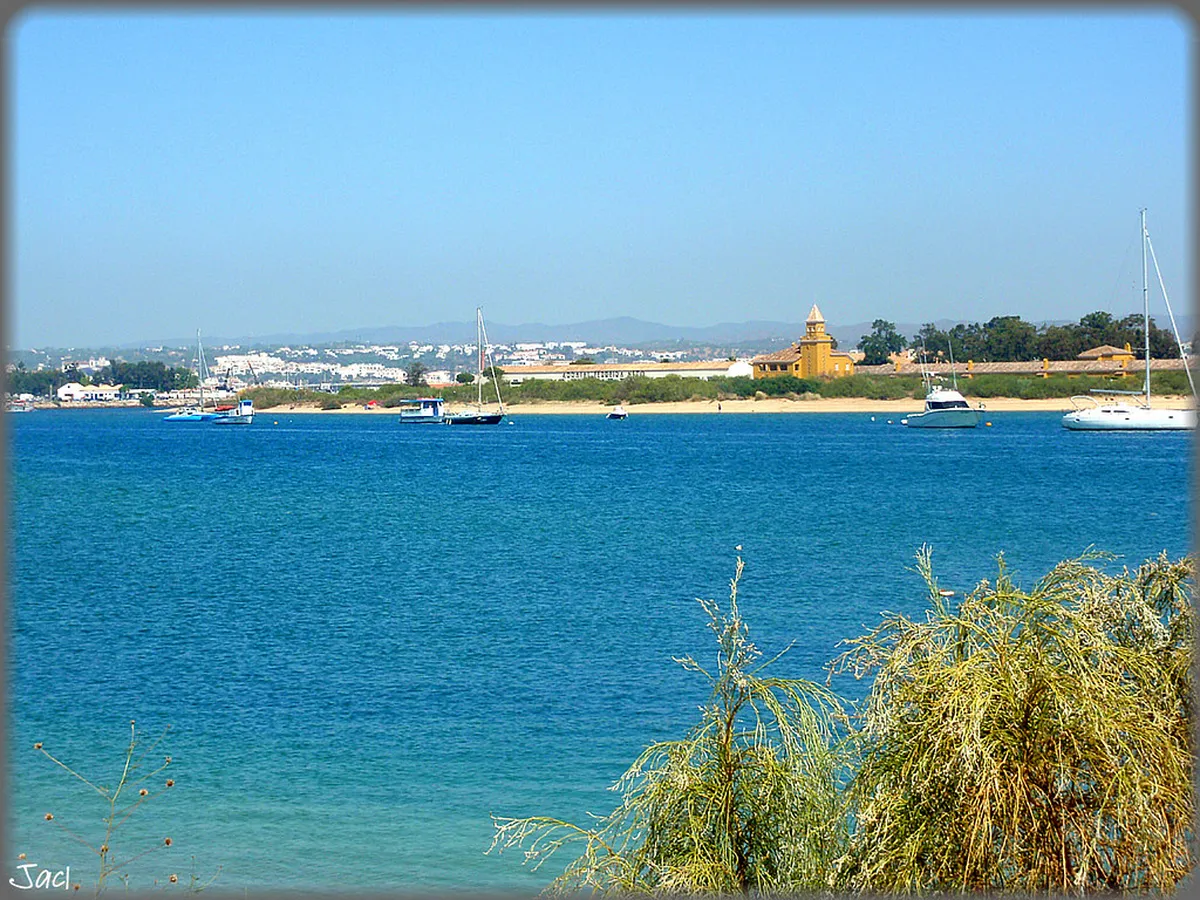
The Algarve divides at roughly Albufeira. East of that line, the coast flattens into the Ria Formosa lagoon, where most "beaches" are actually barrier islands reached by short ferry hops. Towns like Tavira, Olhão, and Faro feel residential, the cooking leans toward clams and oysters, and prices stay 20–30% lower than the western resorts.

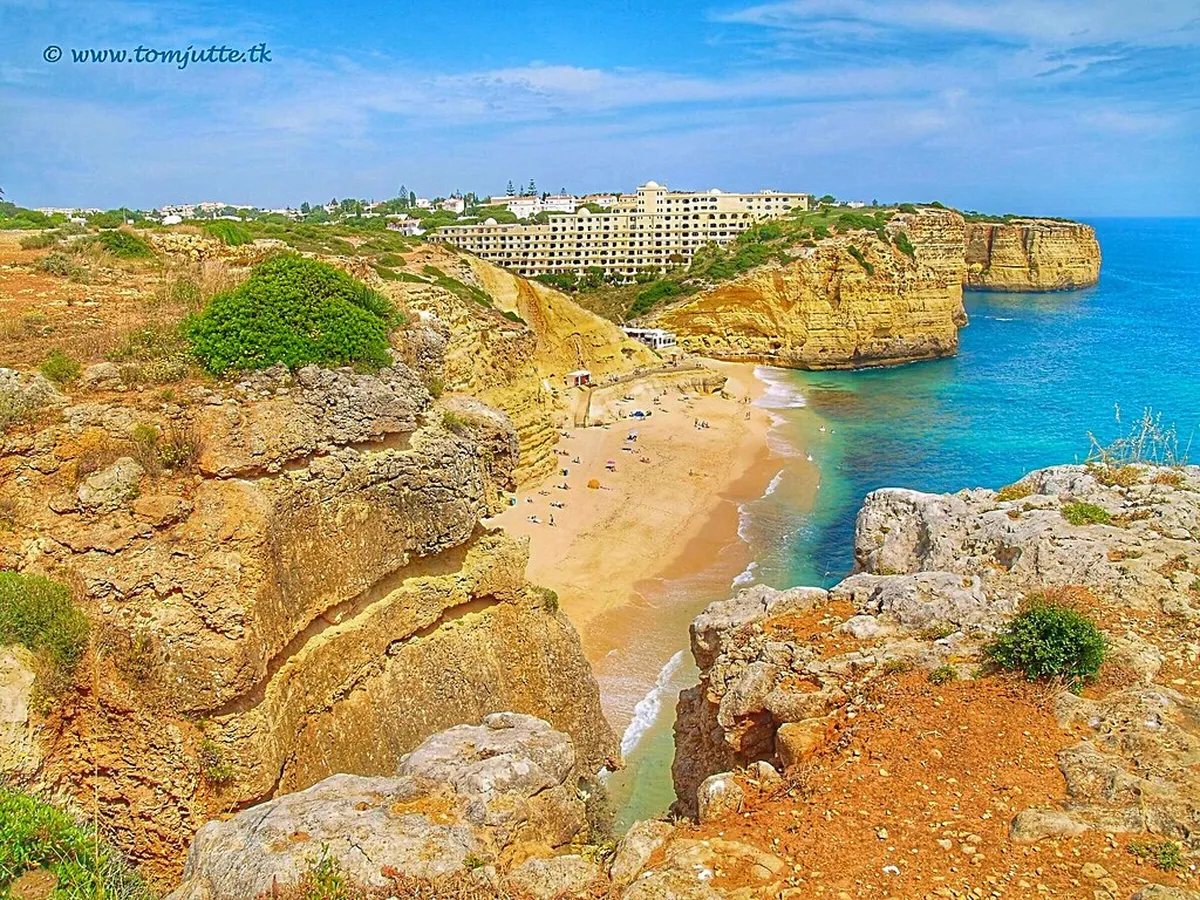
West of Albufeira the coast lifts into the famous ochre cliffs and caves. Lagos, Carvoeiro, and Sagres sit in this zone, paired with surf beaches, boat tours to Ponta da Piedade and Benagil, and a younger, more international crowd. If you want one rule: head east for quiet history and seafood, head west for cliffs, surf, and nightlife. The historic interior towns of Silves, Monchique, and Loulé sit on top of both options as easy day trips. For a detailed comparison of the western bases, see our Lagos vs Albufeira guide.
The 10 Best Algarve Towns to Visit in 2026
The list below is ordered by how I would prioritize them on a first visit, not by size. Each entry covers what makes the town distinctive, what it costs to see the headline sight, and how to reach it without a car where possible. Park in municipal lots on the outskirts and arrive before 10:00 to dodge tour-bus traffic and afternoon heat.
- Lagos — Historic walled town in the western Algarve, famous for the golden cliffs at Ponta da Piedade. The boat tour to the sea caves runs €25–€35 per adult and is the single most photographed activity in the region. Trains from Faro reach Lagos in 1h40 for about €8. See our deep guide to Lagos, Portugal and the Lagos vs Albufeira vs Faro: Where to Stay in the Algarve in 2026 comparison.
- Tavira — The prettiest town in the eastern Algarve, built across both banks of the Gilão River and dotted with thirty-seven churches. The castle gardens are free and open 09:00–17:00 daily. The €2 ferry to Ilha de Tavira drops you on one of Portugal's quietest white-sand beaches. Full breakdown in our 18 Best Things to Do in Tavira: A Complete Algarve Guide guide.
- Faro — The regional capital and airport hub, often skipped but worth a full day for the walled Vila Adentro quarter and the bone chapel at Igreja do Carmo (€5, closed Sundays). Faro is also the launching point for boat tours into the Ria Formosa lagoon. Our 12 Best Things To Do In Faro: The Ultimate Guide guide lists the under-the-radar stops.
- Albufeira — The largest resort town and the easiest answer for first-timers who want everything in one place: family beaches by day, nightlife strip after dark, and a small whitewashed old town that survives behind it. Praia dos Pescadores is free; sunbeds at Praia de São Rafael run about €15 per pair. See 15 Best Things to Do in Albufeira: 2025 Algarve Guide.
- Carvoeiro — A small fishing village turned boutique beach base, with a cliff-edge wooden boardwalk linking Algar Seco to Praia do Carvoeiro. It is the most convenient launchpad for the Benagil sea cave (kayak tours from €35 in 2026). Read our Things To Do In Carvoeiro: The Ultimate Algarve Travel Guide guide.
- Sagres — The southwestern tip of mainland Europe and Portugal's surf capital. The Fortaleza de Sagres charges €3 (09:30–17:30 winter, until 20:00 in summer) and Cabo de São Vicente, 6 km west, is the place to watch sunset. Bring a windbreaker even in July. More in 17 Best Things to Do in Sagres: 2026 Travel Guide.
- Silves — The Moorish capital of the Algarve, dominated by a red-sandstone castle (€2.80, daily 09:00–17:30) and a Gothic cathedral on the same hilltop. Quietest in the morning; combines well with a Monchique afternoon. The town is a centerpiece of our 10 Best Algarve Historic Towns for History Lovers route.
- Olhão — A working fishing port with two red-brick market halls (fish on one side, produce on the other) that open 07:00–14:00, busiest Saturday mornings. From the quay, €5 water taxis cross to the car-free islands of Armona and Culatra. See things to do in Olhão.
- Monchique — A hill town 458 m up in the Serra de Monchique, around 25 °C when the coast hits 35 °C. The thermal spa at Caldas de Monchique sells day passes from €18 in 2026. Drive a further 10 km to Fóia, the highest point in the Algarve at 902 m, for free panoramic views to the sea. Details in 13 Best Things to Do in Monchique.
- Loulé — A market town inland from Vilamoura, anchored by a neo-Moorish covered market (07:00–15:00, closed Sundays). The Saturday outdoor market is the best place in the central Algarve to buy cork goods, ceramics, and Serra honey. Walking notes in our things to do in Loulé guide.
| Town | Region | Headline Sight | Entry Fee (2026) | Best For |
|---|---|---|---|---|
| Lagos | West | Ponta da Piedade boat tour | €25–€35 | Cliff beaches, first-timers |
| Tavira | East | Castle gardens + Ilha de Tavira ferry | Free / €2 ferry | Quiet history, couples |
| Faro | East | Igreja do Carmo bone chapel | €5 | City culture, airport base |
| Sagres | West | Fortaleza de Sagres | €3 | Surf, dramatic sunsets |
| Silves | Interior | Moorish red-sandstone castle | €2.80 | History, day trips |
| Olhão | East | Red-brick market halls + island ferry | Free / €5 water taxi | Authentic seafood, budget |
| Monchique | Interior | Caldas de Monchique thermal spa | From €18 | Cool-weather escape, hiking |
Honorable Mentions: Portimão, Vilamoura, Armação de Pêra, Fuseta
Four more towns deserve a slot if your itinerary stretches past a week. Portimão is the second-largest city in the region and the launchpad for most Benagil boat tours; its tinned-fish factory turned museum, Museu de Portimão, is a sleeper hit at €3. See our things to do in Portimão guide.
Vilamoura is the Algarve's golf-and-marina capital, more useful as a base than as sightseeing — five championship courses sit within 10 minutes' drive. 12 Best Things to Do in Vilamoura covers the marina, casino, and Cerro da Vila Roman ruins. Armação de Pêra has the longest sandy beach on the central coast and quieter prices than nearby Carvoeiro; details in things to do in Armação de Pêra.
Fuseta is the curveball pick: a small fishing village 20 minutes east of Olhão, with one cafe-lined square, a tidal lagoon for safe family swimming, and a €1.80 ferry to Ilha da Fuseta beach. Almost no international tourism, peak August included.
The Algarve Interior: More Than Sun, Sea, and Sand
The interior is the part most rental cars never reach, and it is where the cork forests, almond groves, and traditional pottery villages survive. The Caldeirão hills behind Tavira hide whitewashed villages like Cacela Velha and Estoi, both reachable on a half-day loop from the coast. Family pottery workshops in São Brás de Alportel still hand-throw the wide olla pots used in regional clam stews.
Inland gastronomy diverges sharply from the grilled-fish coast. Expect wild boar stew (javali estufado), almond tart (tarte de amêndoa), and medronho — the local strawberry-tree brandy distilled in family stills around Monchique. Prices fall noticeably here: a coffee plus pastel de nata runs €1.80–€2.20 in 2026, versus €3.50 along the marina fronts.
Time your inland day for one of the seasonal fairs: the Silves Medieval Fair in mid-August fills the castle streets with reenactors and food stalls, and Loulé's Carnival in February is the largest in Portugal outside Lisbon. For more low-traffic routes, see our 18 Essential Algarve Hidden Gems and Travel Tips list.
A 5-Day Town-Hopping Road Trip
The cleanest 5-day route runs east-to-west: Tavira (2 nights), Faro half-day, Albufeira or Carvoeiro (1 night), Lagos (2 nights), with a Sagres day trip on the last morning. This avoids backtracking and ends near Faro airport if you finish by looping back along the A22.
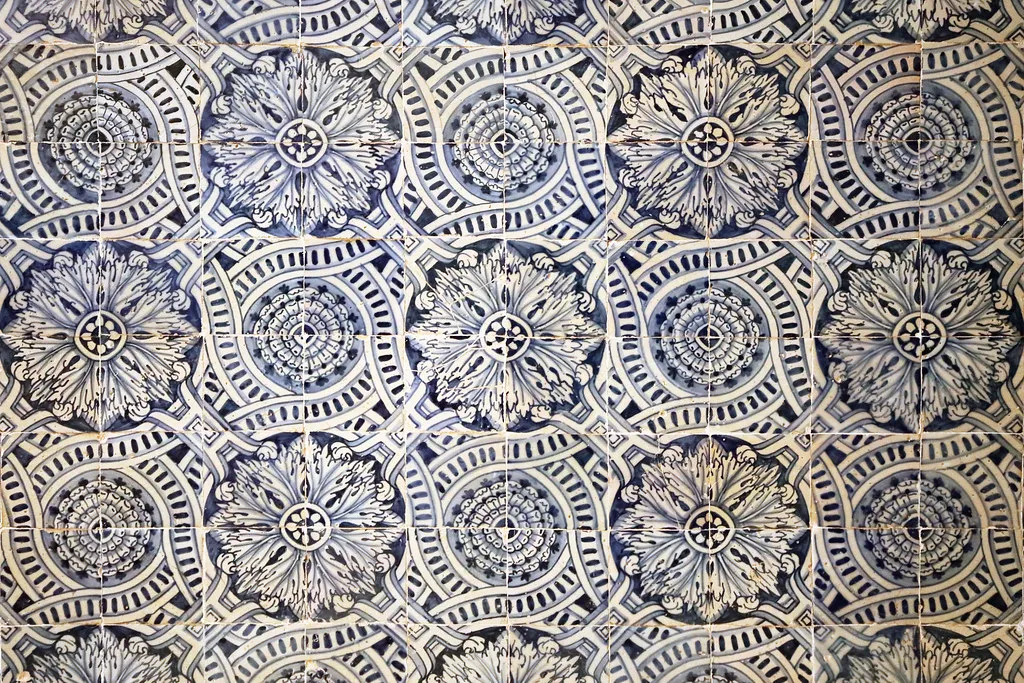
The A22 motorway uses Via Verde electronic tolls — your rental car must have a transponder. Expect to pay €0.10–€0.25 per km, billed to the rental at the end. The slower N125 runs roughly parallel and is free, but it is congested July through August and adds 30–45 minutes between major stops.
Parking is the bottleneck inside the towns, not the drive between them. Aim for municipal lots on the outskirts of Albufeira, Lagos, and Tavira; most charge €0.80–€1.50 per hour and are free overnight. Carvoeiro and Salema have severely limited parking in July and August — arrive by 09:30 or stay overnight.
The A22 motorway uses Via Verde electronic tolls — your rental car must have a transponder already fitted. Without one, take the free but slower N125, which adds 30–45 minutes between major stops in peak summer.
Where to Base Yourself: A Decision Matrix Most Guides Skip
Most lists rank Algarve towns by "prettiness" and stop there. The harder question is where to sleep, which depends on the kind of day you want. For families with young children who want lagoon-calm water and short transfers, base in Tavira or Armação de Pêra and skip the cliff coast. For a couple's trip centered on cliff beaches and boat tours, sleep in Carvoeiro or western Lagos — both put you within 15 minutes of Benagil and Ponta da Piedade. For in-depth guidance on where to stay in the Algarve, our dedicated base guide covers all logistics for a week-long stay.
Surfers and digital nomads do best in Sagres (west coast swell, working spaces in old fort outbuildings) or eastern Lagos near Meia Praia (consistent 4G, longboard-friendly beach breaks). Older travelers who want walkable historic centers with restaurants in evening reach should pick Tavira or Silves; both compress into 15-minute strolls and have minimal stair climbing once you are in the old town. Solo travelers on a budget should stay in Olhão, which has the cheapest hostels in the region (€22–€30 per dorm bed in 2026) and the most authentic local food.
One rule worth following: do not split a one-week trip across more than two bases. Each move costs half a day to check out, drive, and check in, and the Algarve is small enough that any town is reachable within 90 minutes from a single central base like Albufeira or Lagoa.
What to Skip in the Algarve
A few stretches have outgrown their charm. Avoid "The Strip" in Albufeira (Avenida Sá Carneiro) if you came for Portuguese atmosphere — it is essentially a British nightlife district transplanted onto the cliff, and the old town a kilometer west delivers a far better evening.
Praia da Rocha in Portimão is the cautionary tale of overbuilding: the beach is still vast and beautiful, but the high-rises behind it block the entire skyline and the seafront restaurants charge €25–€30 for the same grilled dorada that costs €14 inland. Skip Vilamoura's marina-front restaurants for the same reason and walk two blocks inland.
Finally, skip Quarteira if you are short on time. It is functional and inexpensive but lacks the historic core or scenic beach that justifies a detour over Tavira or Carvoeiro.
When to Visit and How to Get Around in 2026
The shoulder seasons — May, early June, mid-September, and October — are the sweet spot. Sea temperature hits 19–22 °C, daytime highs sit around 24–28 °C, and accommodation rates drop 35–45% from the August peak. Easter week and the first two weekends of August are the only times when bookings genuinely need to be locked in months ahead.
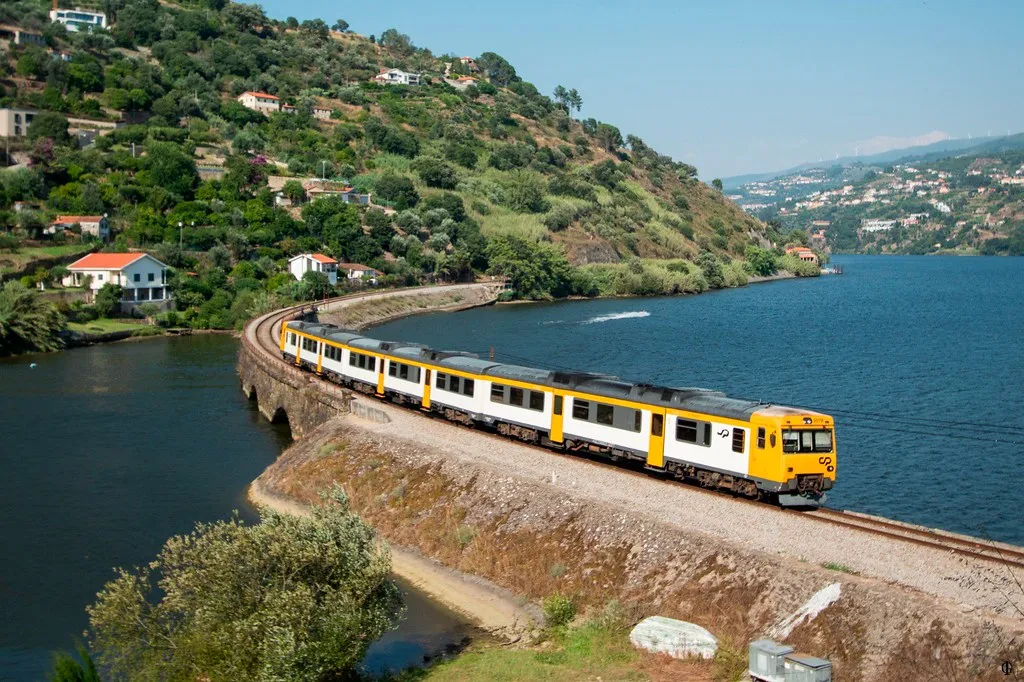
Visiting in May, early June, or October cuts accommodation costs by 35–45% versus the August peak, while sea temperatures still reach 19–22 °C — ideal for swimming without the crowds.
The Linha do Algarve regional train runs Lagos → Faro → Vila Real de Santo António with stops in Albufeira, Tunes (Silves transfer), Loulé, Olhão, and Tavira. Tickets cost €3–€10 and trains run roughly hourly. It is reliable for moving between historic centers, but every beach east of Faro requires a final ferry or bus hop. Rent a car if you plan to chase cliff beaches west of Lagos or visit Monchique.
English is widely spoken in tourist areas, but a basic "bom dia" and "obrigado" still earns a noticeably warmer welcome inland. Many family restaurants close 15:00–19:00, so plan lunch by 14:00 or wait for dinner after 19:30. Tap water is safe across the region, and a refillable bottle saves around €2 per liter versus beach kiosk prices.
Keep Planning Your Algarve Trip
The ten towns above are just an entry point. Our pillar guide to things to do in the Algarve covers activities, food, and beaches in more detail. If you want to focus on heritage rather than coast, the historic Algarve towns route loops Silves, Loulé, and Tavira in two days.
Heading off the obvious circuit, the hidden gems of the Algarve guide flags Cacela Velha, Alte, and the Ribat da Arrifana ruins — three stops that almost never appear on group itineraries. For a town-by-town breakdown of where to sleep, eat, and base yourself, work back through the individual guides linked in the list above.
Frequently Asked Questions
Which town in the Algarve is best for first-time visitors?
Lagos is the best choice for first-timers because it combines historic charm with incredible beaches. You can easily walk to famous cliffs like Ponta da Piedade and enjoy a lively dining scene. It offers a perfect balance of culture and coastal beauty.
Do I need a car to visit the best towns in the Algarve?
Yes, renting a car is highly recommended for exploring the Algarve effectively. While trains connect major hubs like Faro and Lagos, many smaller villages and beaches are inaccessible by public transport. A car provides the freedom to visit inland gems and hidden coves.
Is the Algarve expensive to visit in 2026?
The Algarve remains very affordable compared to other European coastal destinations. Expect to pay €15–€25 for a mid-range meal and under €5 for most museum entries. Visiting during the shoulder season will significantly reduce your accommodation and rental car costs.
The Algarve rewards visitors who mix coast with interior and east with west rather than parking at a single resort for a week. Pairing Tavira or Silves with Lagos or Carvoeiro gives you the full sweep — Moorish history, cliff beaches, lagoon ferries, and serra cooking — without driving more than 90 minutes in any direction. I hope this 2026 guide helps you pick the right two bases for your trip.
Take your time at the towns you choose. Whether you are eating fresh clams in Olhão, watching surf at Cabo de São Vicente, or wandering the castle walls of Silves at sunset, the region works best at a slow pace.