23 Best Things to Do in Madeira: The Ultimate Guide (2025)
Discover the 23 best things to do in Madeira, from the Pico do Arieiro hike to Porto Moniz pools. Includes local tips on transport, timing, and hidden gems.
On this page
23 Best Things to Do in Madeira (Including Travel Tips)
After visiting the 'Island of Eternal Spring' multiple times, I still find new corners of this volcanic paradise to explore. Madeira offers a dramatic mix of jagged mountain peaks, ancient laurel forests, and natural swimming pools carved from lava. This guide highlights the top experiences that make the archipelago a world-class destination for nature lovers, foodies, adventurers, and those simply looking to unwind.
I last refreshed this list in 2026 to ensure all pricing and transport details remain accurate for your next trip. Whether you are planning a visit to Madeira for the first time or returning, these picks cover every essential stop across the island. I have organized these 23 activities into five traveler types — nature, adventure, culture, food, and relaxation — to help you match the island's diverse offerings to your own style.
Key Takeaways
- Best overall: Pico do Arieiro to Pico Ruivo hike for unmatched mountain views.
- Best for families: Porto Moniz natural volcanic pools for safe, unique swimming.
- Best rainy-day: Madeira Wine tasting tour at Blandy's Wine Lodge in Funchal.
- Best free activity: Exploring the mystical Fanal Forest on the Paul da Serra plateau.
- Insider tip: Use local webcams to find sunny spots when the mountains are covered in clouds.
Things to Do in Madeira for Nature Lovers
Madeira's trail network is the backbone of any serious nature itinerary. The island has over 300 km of mapped levada paths — irrigation channels built centuries ago that now double as some of the world's most scenic footpaths. Most trailheads are free to access, and the range of difficulty means there is a route for every fitness level. For detailed information about trail conditions and maps, consult Visit Madeira, the official regional tourism authority. Renting a car is strongly recommended, as public buses rarely stop at the best starting points.
The most famous route is the PR1 hike from Pico do Arieiro to Pico Ruivo, connecting the two highest peaks at roughly 1,818 m through narrow ridges, tunnels, and cloud-sea views. Arrive at Pico do Arieiro at least 45 minutes before sunrise to secure parking and watch the peaks glow above the cloud layer — one of the genuinely unmissable sights in Portugal. The full round trip takes 5 to 7 hours and demands solid footwear with ankle support. Check the official park webcam for summit visibility before you leave.
The PR6 walk to 25 Fontes and Risco Waterfall is a flatter but equally spectacular choice. The trail begins at Rabaçal and passes dozens of small cascades before ending at a towering vertical waterfall. The car park fills by 09:00 in summer — take the €5 shuttle from the overflow lot to skip the steep paved descent. Bring a headlamp for the PR18 Levada do Caldeirão Verde route, which passes through four pitch-black tunnels en route to a high-walled green canyon. The trailhead at Queimadas Forest Park charges around €3 for parking.
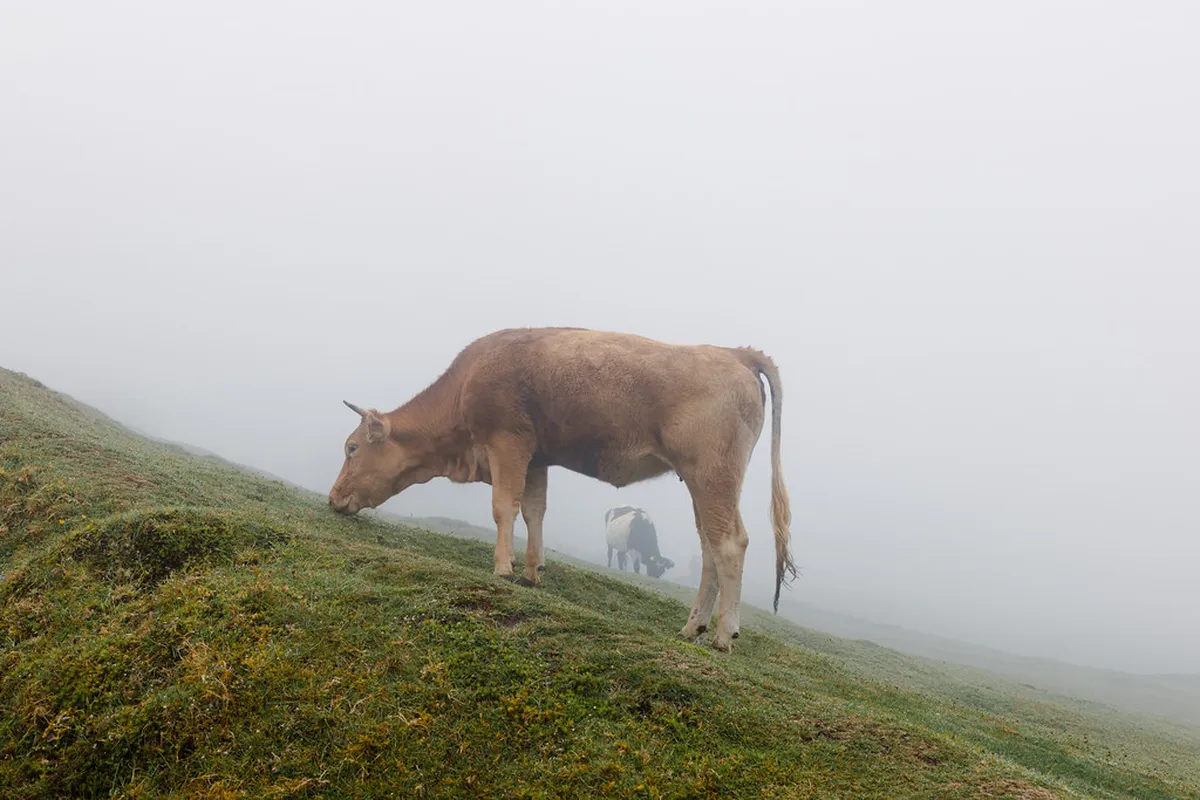
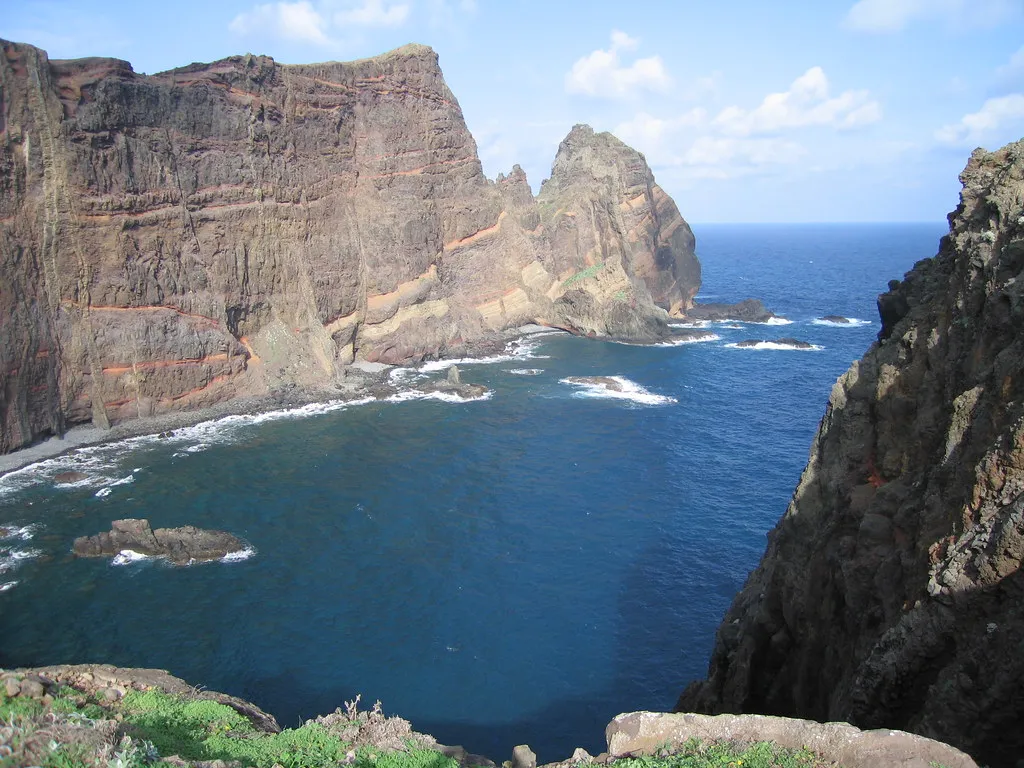
Two contrasting coastal hikes round out the nature category. Ponta de São Lourenço, the island's easternmost tip, offers a desert-like landscape of red volcanic rock and crashing Atlantic waves. The PR8 trail is easy-graded, takes about 3 hours return, and carries no entry fee, though there is zero shade — carry at least 1.5 litres of water. The Fanal Forest on the Paul da Serra plateau sits at the other extreme: a UNESCO-listed Laurisilva of twisted, centuries-old laurel trees that is eerie and atmospheric on foggy mornings. Entry is free at any time, and temperatures on the plateau can be 8–10°C cooler than the coast even in July.
Arrive at Pico do Arieiro at least 45 minutes before sunrise to secure parking and catch the mountain peaks glowing above the cloud layer. The full PR1 hike to Pico Ruivo takes 5 to 7 hours — solid ankle-support footwear is essential.
Things to Do in Madeira for Adventure Lovers
The island is famous for its 22 Best Madeira Attractions: The Ultimate 2026 Guide that push the limits of conventional tourism. Whale and dolphin watching is one of the best of these. Madeira sits on a migration corridor that sees Sperm whales regularly in summer and Pilot whales almost year-round. Tours depart multiple times daily from Funchal Marina and cost €35 to €60 per adult. Book with an eco-certified operator that follows the 100-metre rule for cetaceans — operators displaying the WiSH Network badge meet this standard.
Kayaking along the Garajau Nature Reserve coastline is a different kind of ocean adventure. Guided two-hour sessions cost around €35 and include snorkelling gear; the reserve's protected waters hold an unusually high density of large groupers. Morning departures are calmer and give you the best underwater visibility. For those who want more adrenaline, canyoning tours run from several points around the island — the Visit Madeira website lists accredited operators by difficulty level.
The Achadas da Cruz cable car is one of the island's least-visited highlights. Billed as the steepest cable car in Europe, it drops almost vertically down a basalt cliff face to a quiet coastal farm. A return ticket costs around €5. Check wind conditions before going, as the car closes when gusts exceed safe limits. The village at the base has no tourist infrastructure — that is entirely the point. Back in Funchal, the Monte Toboggan (Carreiros do Monte) offers a completely different sort of ride: two men in white steer a wicker basket sled down steep cobbled streets. A two-person ride costs €35 and runs Monday to Saturday. It ends at Livramento, from where you'll need a taxi back to the city centre.
The Ribeira das Janelas sea stacks on the north coast reward a short detour. These volcanic pillars rise dramatically from the ocean just offshore from a pebble beach. Parking is free at a large lay-by with public toilets, and a short tunnel through the cliff leads down to the beach. Keep back from the shoreline even on calm days — the northern swell is deceptively powerful and the rocks are slippery.
Cultural Highlights: Funchal and Beyond
Funchal rewards a full day of exploration on foot. The Mercado dos Lavradores (Farmers' Market) is the most sensory introduction to island life — flower vendors in traditional Madeiran dress occupy the ground floor, while the basement fish market displays giant black scabbardfish and tuna. Visit on a Friday for the busiest atmosphere. Be cautious of vendors offering free exotic fruit samples; prices for the fruit are not always transparent and can be very high. Go in the morning, buy your fruit, and leave before the tour coaches arrive.
The Cabo Girão Skywalk is a glass-bottomed platform perched 580 metres above sea level on one of Europe's highest sea cliffs. Entry costs €2 and the site opens daily from 08:00 to 19:00. Visit before 10:00 to avoid the tour bus rush. Directly below the platform, you can see the 'fajãs' — small terraced farmlands that locals still cultivate by descending on ropes. The Madeira Botanical Garden near Funchal is another cultural fixture worth pairing with a cable car ride up from Monte. The garden is open daily from 09:00 to 18:00 and entry costs €6.
Câmara de Lobos is the most photogenic fishing village on the island — famously painted by Winston Churchill — and still functions as a working harbour. Colourful wooden boats bob against the quay each morning, and the narrow backstreets hold some of the island's best bars for sampling Poncha, the local sugar-cane spirit. Prices in the village bars start at around €1.50 per glass. Ask for the traditional version with aguardente, honey, and lemon rather than the tourist-softened mix served in Funchal's main strip.
In the north, the Santana thatched houses are among the most recognizable symbols of Madeiran heritage. The triangular, colourfully framed dwellings date from a farming tradition unique to the island. Arrive before 09:00 or after 16:00 to see them without coach groups. The heritage centre charges around €5 to enter. Nearby, the hilltop Capelinha de Nossa Senhora de Fátima at São Vicente offers 175 stairs, sweeping valley views, and a very local feel — the small wine bar Porto de Abrigo at the base is one of the better spots on the island for a dry Madeiran port.
Curral das Freiras, the Valley of the Nuns, is one of the island's most dramatic geographical features. Nuns from the Santa Clara Convent in Funchal fled here to hide from pirate raids in the 16th century. The free Eira do Serrado viewpoint gives the best aerial perspective of the village far below. Stop in the village to try chestnut soup or bolo de mel de cana, a dark molasses cake that keeps for months and is specific to this valley.
Be cautious of vendors at the Mercado dos Lavradores offering free exotic fruit samples — prices for the fruit are not always clearly displayed and can be very high. Visit in the morning, buy your fruit early, and leave before the tour coaches arrive.
Things to Do in Madeira for Foodies and Drink Lovers
The island's food culture is built on two things: what comes out of the sea and what grows on the mountainside. The black scabbardfish (espada preta) is the emblematic dish — a deep-sea species caught nightly by the Câmara de Lobos fleet and typically served fried with banana and passionfruit sauce. Limpets (lapas) are grilled in garlic butter and served as a starter in almost every coastal restaurant. Order them at a cliffside table above a working harbour for the full effect.
Espetadas are another essential order: large beef skewers traditionally cooked over laurel wood, hung vertically over the table on a hook. The combination of smokiness and the wood's distinctive flavour is hard to replicate elsewhere. Bolo do caco — flat sweet-potato rolls stuffed with garlic herb butter — come alongside almost every meal. The Funchal Market food walking tours (typically 3 hours, €45 to €65 per person) are worth doing early in your trip to orient yourself to both the flavours and the neighbourhoods.
Madeira wine deserves more attention than a single tasting note. The unique 'Estufagem' process — where wine is heated in tanks at 45–50°C for months — was accidentally discovered when wine that survived long ocean voyages in the hold was found to be dramatically improved by the heat. This oxidative process gives Madeiran wine its exceptional longevity; a bottle opened in 2026 may have been produced in the 1960s and still be perfectly drinking. Blandy's Wine Lodge in Funchal offers guided tours Monday to Saturday for €10 to €30 depending on the tasting flight. The dry Sercial works as an aperitif; the sweet Malmsey pairs with the island's honey cake, bolo de mel.
Poncha is the island's unofficial cocktail — aguardente de cana (sugar-cane spirit), honey, and fresh orange or lemon juice, shaken cold in a traditional wooden mixing tool. Sample it in the small bars of Câmara de Lobos for around €1.50 per glass rather than in tourist-facing Funchal restaurants where it costs three times more and may use bottled juice. Ponta do Sol, the sunniest village on the south coast, has developed a small craft beer scene catering to its growing digital nomad community — the pier viewpoint there is also the best reliable spot for a sunset drink over the Atlantic.
Things to Do in Madeira for Those Who Love to Relax
Madeira has a long thalassotherapy and spa tradition rooted in its thermal mineral springs and seawater pools. The island's top resort hotels offer seawater therapy circuits, algae wraps, and volcanic stone massages that draw specifically on local geological and marine resources — not just generic wellness menus. The Cliff Bay near Funchal and the Saccharum Resort in Calheta are the most frequently cited for serious spa programmes. Book at least one treatment day into a week-long trip as a recovery session after long hikes.
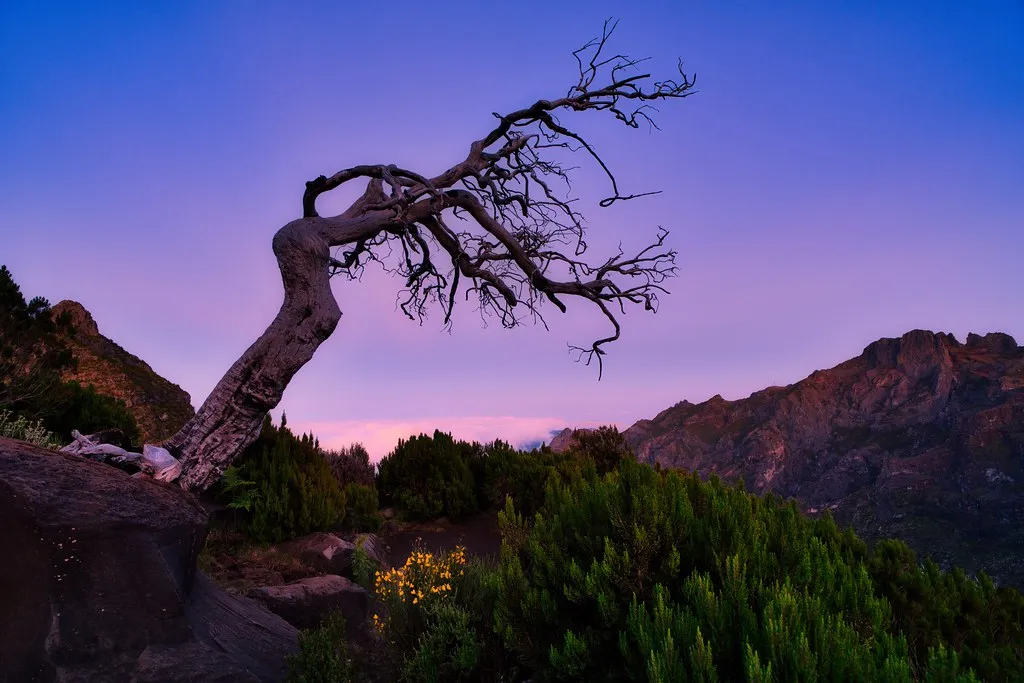
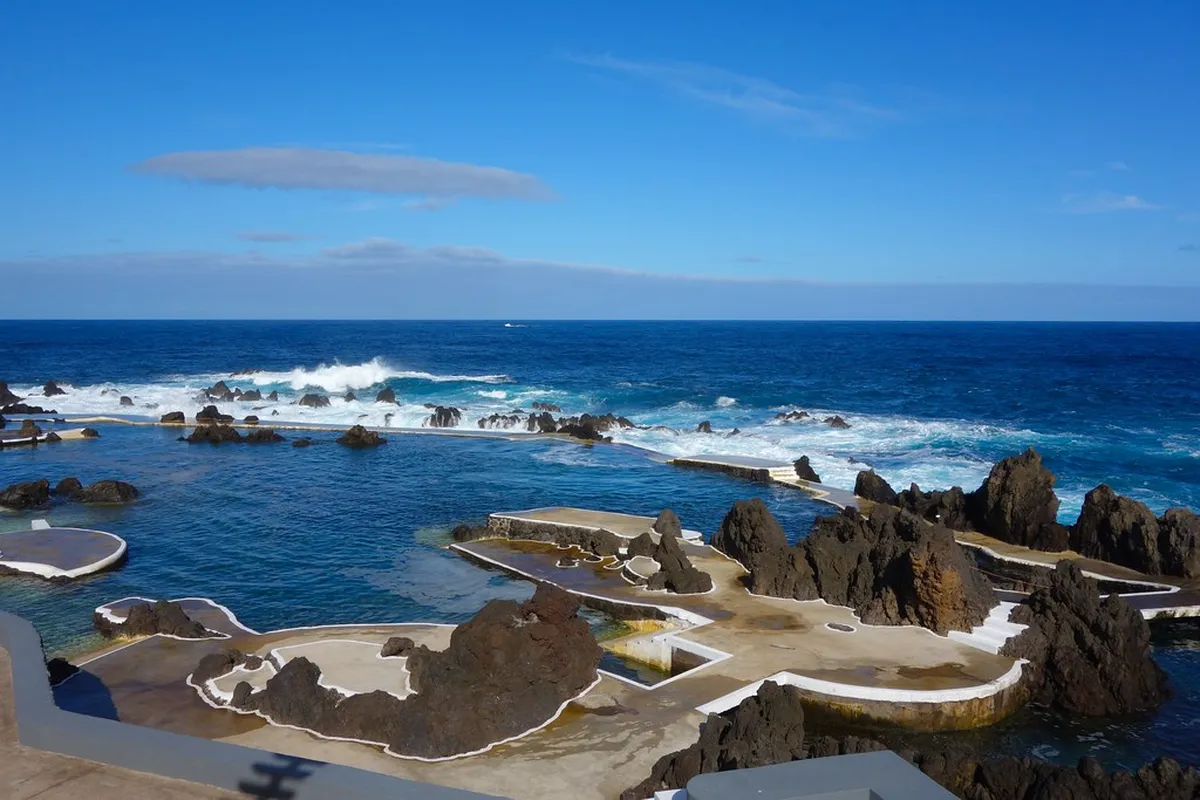
The Porto Moniz volcanic pools are the island's best pure relaxation swim spot. Two sets of natural pools sit in the northwest, filled and refreshed by Atlantic tides. The main pools charge €3 for access including changing rooms. Walking a few minutes further along the esplanade reveals the free set, which includes a wild infinity pool directly over the ocean. The water stays cool even in August, making it genuinely refreshing after a long drive. Seixal's black sand beach (Praia do Porto do Seixal) is a short detour away — it has no entry fee, no artificial sand, and the cliffs above feed small waterfalls directly onto the shoreline at high tide.
For beach days closer to Funchal, Calheta and Machico both have imported golden sand beaches with calm water, sun-lounger hire, and basic facilities. They are among the very few places on the island suitable for families with young children who want a conventional beach experience. Machico also puts you at the start of the Ponta de São Lourenço trailhead for those wanting to combine a morning hike with an afternoon on the sand.
The Funchal cable car to Monte is an effortless way to absorb the city's geography without hiking. The 15-minute gondola ride climbs 560 metres to the Monte Palace Tropical Garden, where you can walk through bamboo groves, koi ponds, and tile-decorated pathways for a €12 entry fee. Combine this with the Monte Toboggan ride back down and you have a relaxed half-day that requires zero driving. Finish at Câmara de Lobos for a harbour-front lunch and the afternoon is as comfortable a day as the island allows.
Madeira Travel Guide: Microclimates, When to Go, and How to Get Around
Madeira's most under-explained feature is its microclimate system, and misunderstanding it is the most common reason visitors have a worse trip than they should. The central mountain spine at 1,700+ metres acts as a physical barrier to the trade winds, creating two fundamentally different weather zones. The south coast — Funchal, Cabo Girão, Câmara de Lobos — is drier and sunnier year-round. The north coast — Santana, São Vicente, Seixal — receives more rainfall and mist. When cloud covers the south, the north is often clear, and vice versa. For detailed climate data and seasonal forecasting, the Portuguese Institute of the Sea and Atmosphere provides authoritative meteorological information. This means that on any given morning, checking the webcams at Pico do Arieiro, Porto Moniz, and Funchal gives you a live picture of three weather realities and lets you pivot your entire day plan in under five minutes.
The practical playbook: if the south is overcast before 10:00, drive north immediately via the fast tunnel through the mountains. If the mountain peaks are clear, prioritise levada walks and summit hikes before 13:00 when afternoon cloud tends to build. April, May, September, and October offer the best hiking conditions — mild temperatures, fewer crowds, and spring wildflowers lining the levadas. July and August are best for swimming and coastal activities. The island's lowest-crowd months are January through March, when prices drop noticeably and the New Year fireworks display (one of the world's largest relative to population) has passed.
Renting a car is the most efficient way to navigate the island. Book an automatic with a powerful engine — the mountain roads are very steep and narrow, and manual cars in low gear can overheat on long climbs. Rental agencies cluster at the airport and book out quickly in July and August. Confirm your booking includes full insurance, as the narrow village roads produce a high rate of mirror damage. Funchal has a public bus network that covers the southern and eastern coasts adequately for those staying in the capital without a car, but most northern trailheads are unreachable by bus.
If you prefer not to drive, guided 4x4 jeep tours cover most of the island's highlights in a single day and include hotel pickup from Funchal. These typically cost €50 to €75 and are a practical option for a first visit before deciding which areas to return to independently. For connectivity, an eSIM (available from providers like Holafly or Airalo) is preferable to a local SIM if you are only visiting for one to two weeks — data coverage is strong on the south coast and along major roads. Mountain trail coverage is patchy above 1,200 metres, so download offline maps before you leave your hotel. Check out our other Portugal travel guides for planning tips on neighbouring Azores itineraries and mainland Atlantic coastal routes.
Madeira's Beaches, Pools, and Ocean Activities at a Glance
Because the island is volcanic, genuinely sandy beaches are rare. Most coastal swimming happens in natural or constructed lava pools, pebble coves, or purpose-built sea pools attached to clifftop hotels. This is not a drawback — the volcanic pool experience at Porto Moniz or the black sand of Seixal is more striking than a generic sandy resort beach. The two golden sand beaches at Calheta and Machico use imported sand but have calm, safe water and are the best options for young children and non-swimmers.
Surfing and stand-up paddleboarding are increasingly popular along the northern coast. Porto da Cruz is the primary surf spot, with consistent swells year-round and a surf school (Calhau Surf School) that runs two-hour beginner lessons for around €50 including equipment. Be prepared for rocky water entries — sandy beach access is minimal here. The tradeoff versus mainland Portuguese surf spots like Ericeira or Peniche is consistency: Porto da Cruz breaks reliably when Atlantic storm systems pass north of the island, making it productive in winter when mainland spots can be blown out.
Diving and snorkelling are centred on the Garajau Marine Reserve east of Funchal. The reserve protects a section of coast where visibility regularly exceeds 20 metres and where large species — grouper, moray eels, rays — are habituated to divers. Snorkelling tours run from Funchal Marina for around €25, while full dive excursions with equipment start at €60. The reserve's protections have been in place since 1986 and it is consistently ranked among the top three dive sites in Portugal.
Whale watching peaks between April and October when Sperm whales are most regularly sighted off the island's south coast, but Pilot whales, Bottlenose dolphins, and Atlantic Spotted dolphins appear throughout the year. Tours depart from Funchal Marina and from Calheta. A half-day trip costs €35 to €60. Sighting rates for cetaceans of some kind — usually dolphins even if whales are absent — exceed 90% on most trips according to operators. The Madeira Tourism: The Ultimate Island Travel Guide board lists cetacean-watching operators that hold the WiSH Network certification for responsible wildlife interaction.
Frequently Asked Questions
How many days do you need in Madeira?
You should plan for at least 7 to 10 days to see the main highlights without rushing. This allows enough time to cover both the north and south coasts while leaving room for weather-dependent mountain hikes. A shorter 5-day trip is possible but will require choosing between the eastern and western regions.
Is it easy to get around Madeira without a car?
It is possible to stay in Funchal and use public buses or organized tours to reach major sites. However, many of the best hiking trailheads are not served by public transport, making a rental car the best choice for flexibility. Taxis are available but can be expensive for full-day trips across the island.
When is the best time to visit Madeira for hiking?
The best months for hiking are April, May, September, and October when temperatures are mild and the trails are less crowded. Spring offers the added bonus of blooming wildflowers along the levadas. Always check the mountain webcams before setting out, as weather changes rapidly at high altitudes.
Madeira is a destination that rewards those who are willing to venture beyond the capital city of Funchal. The combination of dramatic geology, ancient forests, and unique cultural traditions creates an experience that is truly one of a kind. Whether you prioritise summits, seafood, volcanic pools, or spa retreats, the island consistently delivers on its promises for 2026 and beyond.
Remember to pack for all seasons, respect the local environment, and always check the webcams before heading to the mountains. For more detailed planning, check our complete Portugal travel guides for nearby islands and mainland destinations.
Explore More Madeira Guides
Deep-dive guides for every part of a Madeira trip — from where to stay and what to eat, to seasonal events, hikes, and the island's unique wine culture.
Beaches & Swimming
- Beaches and Swimming Spots in Porto Santo Madeira
- Beaches in Funchal and Nearby (Madeira Guide 2026)
- Madeira Beaches and Swimming Spots
- Sandy Beaches and Swimming Spots in Madeira
Funchal & City Life
- Restaurants and Food Experiences in Funchal
- Areas and Spots for Funchal Nightlife
- Funchal Old Town Travel Guide
- Things to Do for Madeira Nightlife
- Madeira Wine Cellar Tours in Funchal
- 12 Best Things to Do in Funchal
- Things to Do in Funchal Portugal
- Places and Tips for Buying Madeira Wine in Funchal
Food, Wine & Restaurants
- Restaurants in Madeira for Food Lovers
- Madeira Wine Festival 2025
- 10 Essential Tips for Booking Madeira Wine Tours
- 7 Essential Facts About Michelin Star Restaurants in Madeira
Hiking & Outdoor
- Hiking in Madeira in November: Weather, Trails, and Packing
- 8 Essential Tips for the Madeira Crossing Hike
Seasonal & When to Visit
- Madeira in April: 10 Things to Know Before You Go
- 8 Things to Know About Visiting Madeira in December
- Madeira in February: Weather, Carnival Guide & Travel Tips
- 7 Essential Tips for Visiting Madeira in March
- Madeira in May: Weather, Festivals, and Travel Guide
- 8 Things to Know About Visiting Madeira in November
- 7 Things to Know About Madeira Winter Temperatures
Trip Planning & Logistics
- How Big is Madeira? (6 Key Facts on Size and Scale)
- Is Madeira Expensive? 9 Things to Know About Costs
- Is Madeira Portugal Safe? 10 Essential Safety Tips for Travelers
- Is Madeira Worth Visiting? 10 Honest Insights for Your Trip
- Madeira Hostels and Planning Tips
- Madeira Itinerary 5 Days Travel Guide
- Madeira Portugal Vacation Packages Travel Guide
- Madeira Travel Guide: The Ultimate Island Planning Resource
- Visit Madeira: 23 Best Things to Do and Travel Tips
- 10 Iconic Things Madeira Is Famous For
- Where Is Madeira: Location, Geography, and Travel Guide
- Where Is Madeira Airport: Location, History, and Travel Guide