Is Madeira Portugal Safe? 10 Essential Safety Tips for Travelers
Is Madeira safe to visit? Discover the truth about crime rates, hiking risks, driving the steep mountain roads, and solo female travel safety in our 2026 guide.
On this page
Is Madeira Portugal Safe? 10 Essential Safety Tips for Travelers
Yes, Madeira is one of the safest island destinations in Europe. The violent crime rate is near zero, locals are genuinely welcoming, and the infrastructure is modern and well-maintained. That said, safety on this volcanic archipelago means something different than it does in a city break destination. The mountains, the Atlantic surf, and Madeira's famously shifting microclimates are where the real risks hide. This 2026 guide cuts through the usual reassurances and gives you the practical detail you need before you land.
So, is Madeira safe? (The Verdict)
Madeira consistently ranks among the safest destinations in southern Europe. As an autonomous region of Portugal — an EU member state — it operates under the same legal framework, policing standards, and consumer protections as any Western European country. Funchal's Numbeo Crime Index sits at 19.11, compared to London at 54.46 and New York above 60. In nearly every sub-category — fear of mugging, physical attack, property crime — Funchal scores "low" or "very low."
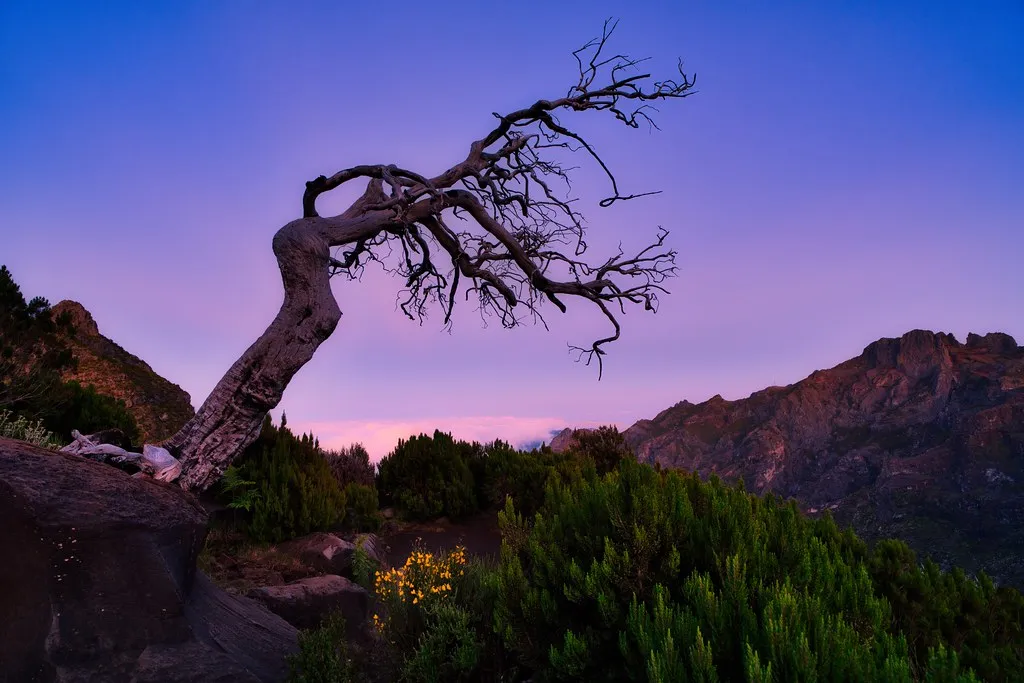
In practice, that means you can walk through most of Funchal late at night without incident. You can leave a jacket on a cafe chair while you use the bathroom. The social environment is relaxed and the police presence is visible but not heavy. My recent Madeira Travel Guide: The Ultimate Island Planning Resource describes the island as feeling more like a large village than a regional capital.
The risks that do exist are terrain-based, not people-based. Steep levada paths, unpredictable Atlantic swells, and sharp vertical roads are where visitors get hurt. Understanding that distinction shapes how you prepare. Pack the right gear for the mountains and the ocean, and you will have a very safe trip.
Crime in Madeira: What the stats say
Violent crime targeting tourists is extremely rare on the island. The isolated geography helps — Madeira is a small, tight-knit community where strangers are noticed and criminal escape routes are limited. Local police maintain a regular presence in Funchal's historic core and along the seafront promenade. The U.S. State Department travel advisory confirms Portugal as a low-risk destination.
Petty theft is the one genuine concern. The Mercado dos Lavradores (the famous flower and fruit market in central Funchal) and the harbor area see enough tourist foot traffic to attract occasional pickpockets. Keep your phone in a front pocket and use a crossbody bag rather than a backpack in crowded market spaces. That is the level of caution needed — nothing beyond normal European city awareness.
Drugs and alcohol are not significant safety issues. Alcohol is freely available and poncha, the local sugar-cane spirit, is stronger than it tastes — pace yourself. Drug use exists but is not visible or aggressive. Drink spiking is very rare but standard bar precautions apply: keep your glass in sight in unfamiliar venues.
Hiking safety: Levadas and cliff edges
Hiking is the top activity on Madeira and the top cause of tourist injury. The levada trails — paths built alongside historic irrigation channels — cut across cliff faces, through long unlit tunnels, and over loose rock in dense cloud forest. Most routes are well-marked, but the terrain forgives no complacency.
In 2023, two separate fatalities occurred on popular trails: one on the Levada das 25 Fontes and one at Cascata dos Anjos, where a visitor stepped onto a road barrier for a photo and fell 30 metres. These are reminders that the cliffs are real and the edges are often unmarked. Never take a step backward while framing a shot without confirming solid ground behind you.
Tunnels are a unique hazard. Some levada tunnels run 300 to 800 metres through solid rock with flooded, uneven floors. A phone torch is not adequate — carry a dedicated headlamp. Waterproof boots with grip are essential on mossy stone sections. Below is a practical checklist before any levada walk:
- Headlamp with fresh batteries — mandatory for any tunnel section
- Waterproof trail boots with ankle support, not trainers
- Rain jacket and a mid-layer — temperatures drop sharply in forest sections
- Minimum 1.5 litres of water per person
- Downloaded offline map (Maps.me or Komoot) — mobile signal is patchy in mountain zones
- Tell your accommodation which trail you are doing and your expected return time
- Check trail status at the official Madeira trails portal for closures after storms
For the Pico do Arieiro to Pico Ruivo traverse — the island's most celebrated hike — expect narrow staircases with single-rope protection along exposed ridgelines. It is safe for fit, sure-footed adults. It is not suitable for anyone with mobility difficulties or young children. Hire a local guide if you are unfamiliar with exposed ridge hiking.
Levada tunnels can run up to 800 metres through solid rock with flooded, uneven floors — a phone torch is not adequate. Always carry a dedicated headlamp with fresh batteries before setting out on any levada walk that includes a tunnel section.
Scams in Madeira: Funchal taxi tips
Taxi overcharging is the only scam worth discussing in detail. Some Funchal drivers quote flat fares to tourists — particularly from the airport — that are significantly above what the meter would show. Official yellow-and-blue taxis are required to use the meter by law. Always confirm the meter is running before the car moves. If a driver claims the meter is broken, get out and find another taxi.
A typical metered ride within central Funchal costs €7 to €12. Airport to central Funchal runs roughly €20 to €30 by meter. Bolt operates reliably on the island and shows the fare estimate before you book — it removes the negotiation entirely and is the easiest solution if you want certainty.
The Mercado dos Lavradores vendors sometimes charge tourist prices for fruit and souvenirs. It is worth visiting for the atmosphere and the flower stalls, but compare prices at a nearby supermarket before buying food. Smaller shops in the back streets around the Old Town typically charge local prices without the tourist markup. Avoid "free tour" offers near the harbor — they consistently end at timeshare presentations.
Madeira's microclimates: The hidden safety factor
No safety guide covers this adequately, yet it is the factor most likely to catch visitors off guard. Funchal sits at sea level on the warm southern coast, where the temperature is typically 22–26°C in summer and rarely drops below 16°C in winter. Pico Arieiro, the island's third-highest peak at 1818 metres, is a 40-minute drive away. Up there, temperatures can be 12–15°C lower than in Funchal, cloud can reduce visibility to a few metres, and wind chill makes thin clothing genuinely dangerous.
The island's mountainous terrain creates completely separate weather systems within very short distances. The north coast receives two to three times the rainfall of the south. The central plateau is frequently cloud-covered even when Funchal is clear and sunny. Hikers in Funchal T-shirts who drive up to the trailheads at Pico do Arieiro or Fanal Forest have been caught in freezing fog with no layers — this is a preventable emergency.
The practical rule: check the mountain weather specifically, not just the Funchal forecast. The IPMA Portugal weather service provides elevation-specific forecasts and mountain alerts essential for safe hiking planning. Pack a fleece and a waterproof in your daypack regardless of what the morning looks like from your hotel window. If heavy cloud is sitting on the central peaks, consider a lower-altitude levada instead of a summit route.
Is driving in Madeira safe?
Driving in Madeira is safe but requires honest self-assessment. The main motorways and VR-series expressways — which connect Funchal to the airport, Câmara de Lobos, and the west — are modern dual carriageways that most drivers handle easily. The challenge starts when you leave these arteries for the old ER101 coastal road or any route up into the mountains.
Side roads narrow to single-lane width, gradients steepen sharply, and local drivers are comfortable overtaking on blind curves. The safest approach is not to match their pace. Pull into a viewpoint layby and let impatient drivers past. Renting an automatic car eliminates the complexity of hill starts on tight mountain switchbacks. Full collision insurance coverage is strongly recommended given the difficulty of parking in Funchal's historic streets.
Avoid mountain roads at night. The combination of reduced visibility, sharp drops, and the possibility of cattle or pedestrians on rural roads increases risk significantly. In heavy rain, check the IPMA alerts — Madeira's steep hillsides can generate flash floods and rockfalls on lower valley roads. Check our Madeira cost guide for rental car pricing and insurance breakdowns.
Is Madeira Airport safe to fly into?
Madeira Airport (IATA: FNC) has a reputation as one of Europe's most technically demanding approaches. The runway was originally built on a coastal cliff and extended over the sea on concrete pillars — it looks alarming in aerial photos. Crosswinds can be strong, and some landings feel turbulent. However, the airport has an excellent safety record. There has been no commercial aviation fatality since 1977, when the runway was significantly shorter and safety standards were fundamentally different.
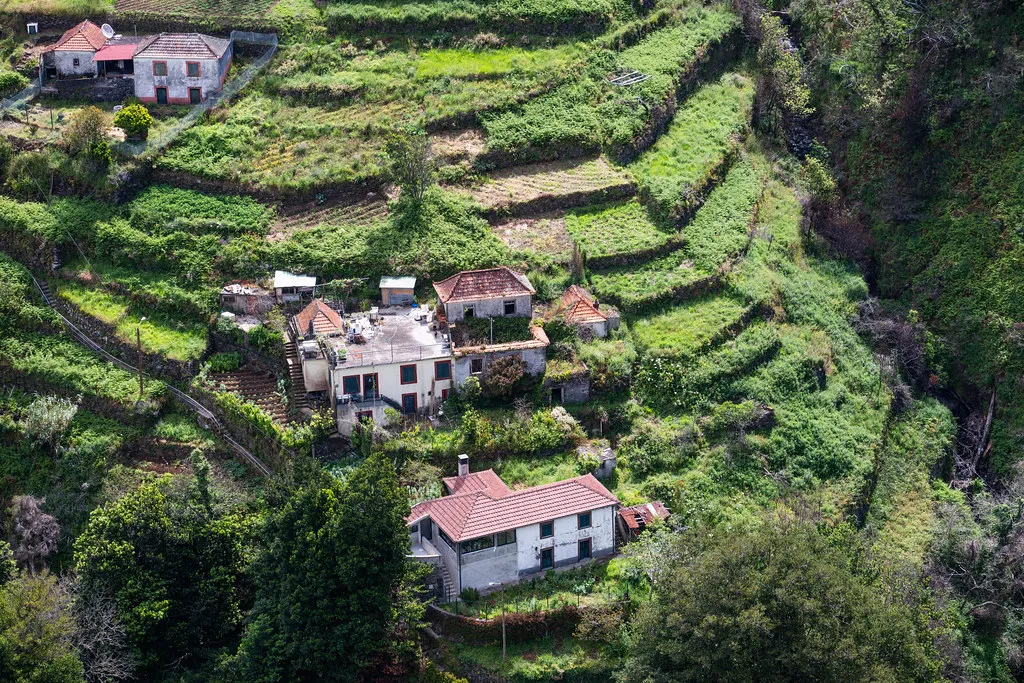
All commercial pilots authorized to land at Madeira complete specific training for the approach. Flights are diverted to Porto Santo or Gran Canaria when weather conditions exceed safe parameters. If you are a nervous flier, the approach can feel rough, but the technical safety of the operation is sound. Madeira Airport's history reflects decades of safe operations; no special concern is warranted beyond the general anxiety of any challenging airport.
Are the Monte toboggans safe?
The wicker sled ride from Monte to Livramento is a century-old Madeiran tradition. Two Carreiros — professional sledge drivers — steer the sled down 2 kilometres of public road using rubber-soled boots as brakes. The sleds reach 30 km/h on the steepest sections and there are no seatbelts. Ernest Hemingway called it "the most exhilarating experience of his life."
In practice, 99.9% of riders finish unscathed. The Carreiros do this multiple times a day and have decades of experience navigating around actual road traffic. Occasional accidents have resulted in hospital visits — they are rare but documented. If you have a back or neck condition that is aggravated by jolting, skip this activity. For everyone else, the risk is comparable to riding a fairground attraction.
The ride costs approximately €25 per person or €35 for two sharing a sled. It ends at Livramento, not at the base of the hill — from there you walk or take a taxi back to Funchal. Book at the top of Monte, near the church, not from street touts further down.
Beach and swimming safety: Atlantic currents
Madeira's coastline is primarily volcanic rock, and the Atlantic swells on the north coast are genuinely dangerous. The northern beaches at Seixal and Porto da Cruz can generate waves that have knocked visitors off their feet on days that look calm from a distance. The rule is simple: obey the flag system. Red flag means stay out of the water entirely. Yellow means wade only, no swimming. Do not enter when red flags are flying regardless of how the sea looks to you.
For safe swimming, the lidos (saltwater pools built into the volcanic rock) along the Funchal seafront are the best option — Lido Complexo Balnear do Funchal, Barreirinha, and Doca do Cavacas all have lifeguards in season. Machico Beach on the east coast is sheltered by breakwaters and calm enough for children. Porto Moniz on the northwest corner has spectacular natural lava rock pools that are well-protected from the open ocean.
Rogue waves can hit exposed sections of the coastline without warning on otherwise ordinary days. Never stand close to cliff edges or wave-washed rocks to take photographs. Volcanic rock is also sharper than it looks — wear water shoes if you are exploring natural rock pools rather than swimming from a beach or lido.
The red flag means stay out of the water entirely — do not enter regardless of how calm the sea looks to you. Rogue waves on the north coast at beaches like Seixal and Porto da Cruz can knock visitors off their feet without warning.
The not-so-great news: Is Madeira losing its charm?
This is worth addressing honestly. Madeira's visitor numbers have risen sharply over the past five years, driven by its digital nomad reputation, a wave of travel blog coverage, and cheaper flights from across Europe. The charming old streets of Funchal's Zona Velha now see cruise-ship crowds on peak days. Some levada trailheads are busy enough that solo hikers rarely feel alone.
The safety implication is practical: popular trails are better for beginners (more people around if something goes wrong) but busier lidos and beaches mean you need to arrive earlier to secure a lifeguard-attended spot. Prices for accommodation and restaurants in Funchal have risen meaningfully since 2022, though the island remains affordable compared to Lisbon or the Algarve.
If you want the quieter Madeira, the north coast villages and the Paul da Serra plateau still see a fraction of the tourist traffic. Visiting between October and February avoids the summer peak entirely. The island's infrastructure is modern enough to absorb the visitor growth without becoming unsafe — it simply requires a little more planning than it did five years ago.
Can I drink the tap water in Madeira?
Yes. Tap water across Madeira is safe to drink and meets EU standards. The water comes from mountain springs and reservoirs in the island's high interior, and it is fresh and clean throughout the island. Restaurants will give you tap water on request — there is no need to buy bottled water.
The mineral content is slightly higher than what some visitors are used to, which can occasionally cause mild stomach adjustment in the first day or two — not illness, just the body adapting to different mineral levels. Hikers in the mountains can fill bottles from designated drinking fountains (look for the "água potável" signs). Random levada water is not safe to drink without treatment — it flows through agricultural land and can carry contaminants.
Food hygiene standards are solid across the island. As an EU territory, Madeira follows the same food safety regulations as the rest of Portugal and the continent. The only precaution worth noting is the usual one: check recent reviews of restaurants rather than judging by appearance, and be conservative with raw shellfish at very cheap harbour-side spots in hot weather.
Solo female travel safety in Madeira
Madeira is an excellent destination for solo female travelers. Walking alone in Funchal after dark is comfortable in a way that most European capitals are not. Catcalling is rare and the social atmosphere is genuinely respectful rather than performatively so. The hostel scene in Funchal is social and well-organized, making it easy to connect with other solo travelers before heading out on trails.
Standard urban precautions still apply in bars and nightlife areas — keep your drink in sight, use Bolt rather than flagging random taxis late at night, and stick to well-lit streets if walking back alone after midnight. The risk level, however, is well below that of most mainland European cities. Many experienced solo female travelers rate Madeira highly as one of the most relaxed solo destinations they have visited.
On hiking trails, the recommended precaution for solo travel is to choose popular routes during daylight hours and inform your accommodation of your planned trail and return time. Joining a guided group for the more remote western trails is sensible for any solo hiker, male or female — not because of crime, but because mountain rescue response times on the remote interior routes can be long.
Verdict: Is Madeira worth it in 2026?
Madeira remains one of the safest travel decisions you can make. The crime environment is genuinely benign, the healthcare facilities are modern (Hospital Dr. Nélio Mendonça in Funchal handles emergency cases well), and the island is well-connected enough that serious emergencies are manageable. European Health Insurance Cards (EHIC) are accepted, and travel insurance covering hiking and water sports is strongly recommended for active itineraries.
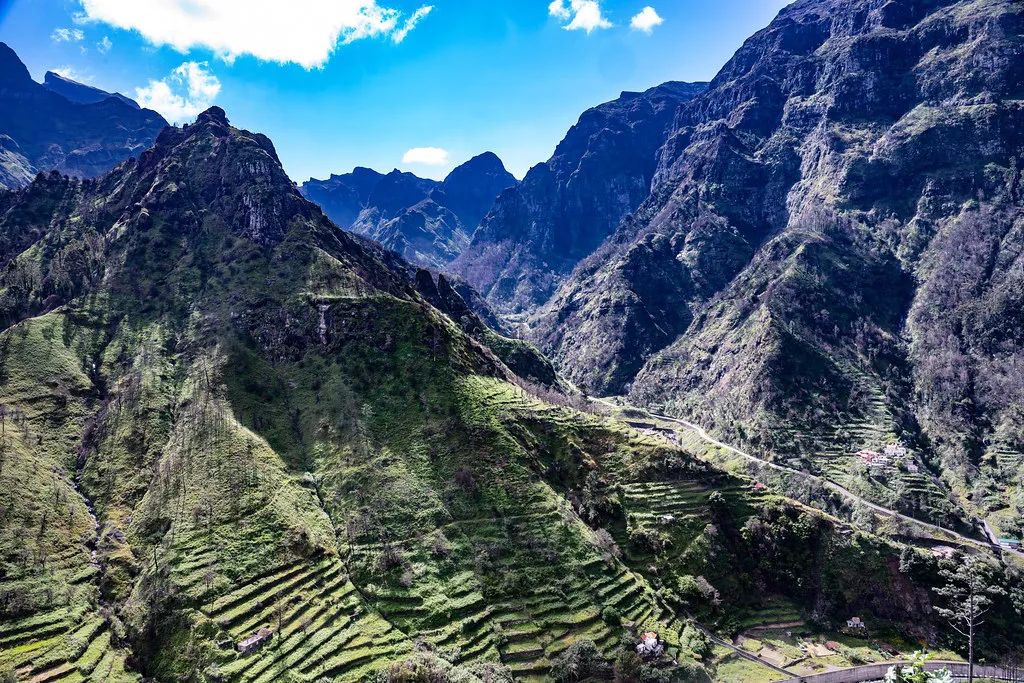
The island rewards preparation more than most destinations. The hikers who get into trouble are the ones who underestimate the terrain and the weather. The drivers who have difficult experiences are the ones who take mountain roads too fast too soon. Go in with the right gear, check the mountain forecast each morning, and use Bolt for airport transfers — and the risks are well within normal travel parameters.
Whether you are a solo traveler, a family with children, or an active retiree, Madeira's combination of safety, scenery, and outdoor infrastructure is hard to match elsewhere in the Atlantic. The growing crowds are a genuine change from five years ago, but they have not made the island unsafe — just busier in the peak months.
Frequently Asked Questions
Can you drink the tap water in Madeira?
Yes, the tap water is perfectly safe to drink across the island. It has a high mineral content that might taste different to some visitors. Hikers should bring a reusable bottle to fill up at designated mountain springs.
Is it safe to drive in Madeira?
Driving is safe but challenging due to steep gradients and narrow curves. You should be a confident driver and consider renting an automatic vehicle. Modern tunnels have made crossing the island much faster and safer than before.
What is the crime rate in Funchal?
Funchal has one of the lowest crime rates in Europe, with a crime index of 19.11. Petty theft is the only real concern in tourist areas. Violent crime is extremely rare, making the city safe at all hours.
Madeira in 2026 is still one of the safest islands in the Atlantic. The crime environment barely requires thought — the terrain and weather are where your attention should go. Bring waterproof boots, pack layers regardless of the Funchal forecast, carry a headlamp for levada tunnels, and use Bolt for your taxi needs. With those basics covered, you can spend your mental energy on the scenery rather than the safety logistics.
Pair this with our broader things to do in Madeira guide for the full island overview.
For related Madeira deep-dives, see our Madeira Travel Guide: The Ultimate Island Planning Resource and Where Is Madeira: Location, Geography, and Travel Guide guides.