Madeira Travel Guide: The Ultimate Island Planning Resource
Plan your perfect trip with our Madeira travel guide. Discover top bucket-list places, levada hiking tips, car rental advice, and local secrets for an island getaway.
On this page
Madeira Travel Guide
Madeira is a volcanic island in the Atlantic Ocean, roughly 1,000 kilometres off the coast of mainland Portugal, closer to Morocco than Lisbon. Its landscape shifts from sub-tropical coastline to mist-wrapped mountain peaks within a 30-minute drive, which is why locals and repeat visitors call it the island of eternal spring.
Whether you want to walk the levada irrigation channels through laurel forest, ride a wicker toboggan down a cobbled hill, or eat espada fish with fried bananas at a harbour-side restaurant, this Madeira Travel Guide: The Ultimate Island Planning Resource covers everything you need to plan your trip in 2026.
Key Takeaways
- Check NetMadeira webcams before heading to mountain peaks — Pico do Arieiro is above cloud level roughly half the mornings each month.
- Always carry a waterproof jacket; the north and south coasts can be in completely different weather simultaneously.
- Book your car rental at least two weeks in advance in summer; demand far outstrips supply for automatics and larger vehicles.
- The Carreiros do Monte toboggan ride ends in Livramento, not Funchal — have an exit plan or the unofficial taxi drivers will charge you four times the fair rate.
Must-See Madeira Attractions & Bucket List Places
Cabo Girão is one of the first stops most visitors put on their list, and it deserves its reputation. At 580 metres it is one of the highest sea cliffs in Europe, and the glass-floored viewing platform lets you look straight down to the ocean. Go early in the morning before the tour coaches arrive and the platform fills up.
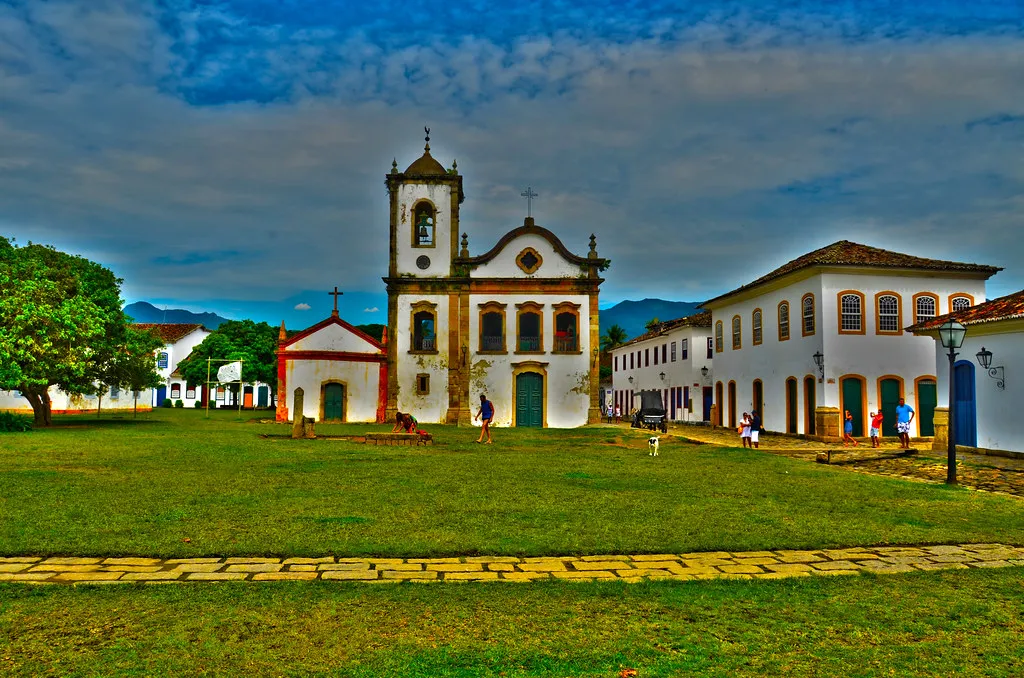
Porto Moniz, on the north-west tip of the island, is home to the most photogenic natural swimming pools in the Atlantic. Volcanic lava formed a series of interconnected basalt pools that fill with sea water at high tide. Midweek visits in spring avoid the worst of the summer crowds, and the pools are considerably cleaner before peak season. The H. Zell - Porto Moniz Natural Pools photograph gives a fair impression of what to expect.
Santana on the north coast is where you will find the island's traditional triangular thatched houses, known as palheiros. The ornate buildings date from the 16th century and are now heritage monuments rather than active residences, but the surrounding craft shops and the views down to the sea make the detour worthwhile. For a preview, the cudi - Santana Traditional Houses image shows the distinctive red-and-yellow facades.
Seixal beach, a short drive east of Porto Moniz, is the easiest black sand beach to reach by car. The dark volcanic sand gets hot quickly in summer, so arrive before 10:00. Cascata dos Anjos near Ponta do Sol is a roadside waterfall that drops directly beside the road — you can pull over for ten minutes and it costs nothing.
Essential Viewpoints: Sunrise and Sunset Spots
Pico do Arieiro sits at 1,818 metres and is the island's third highest peak. You can drive almost to the summit on a tarmac road, making it accessible even for visitors who are not planning to hike. The sunrise here is extraordinary when conditions cooperate: you stand above the cloud layer watching it glow orange across the Atlantic. The H. Zell - Pico do Arieiro View captures a clear-day view.
The key planning detail: check the NetMadeira webcam for Pico do Arieiro the evening before you intend to go. The peak sits above the cloud inversion layer that forms overnight, and on a bad day the summit car park is completely socked in by 07:00. If the webcam shows clear sky, set your alarm. If it shows white static, sleep in and reschedule for another morning during your trip.
Miradouro do Juncal on the north coast offers a different kind of viewpoint — a vertiginous lookout over the Penha d'Águia rock and the coastline stretching toward São Jorge. It is less visited than Arieiro and makes for a good mid-afternoon stop when the cloud often clears from the north coast. For sunset, the west-facing miradouros above Câmara de Lobos catch the last light over the Atlantic in a way that made Churchill famously sit and paint the village below.
Check the NetMadeira webcam for Pico do Arieiro the evening before your planned sunrise visit. The peak sits above the overnight cloud inversion layer, and the summit can be completely socked in by 07:00 on a bad day — the webcam saves you a 1,818-metre drive into white static.
Hiking the Levadas: Safety and Trail Selection
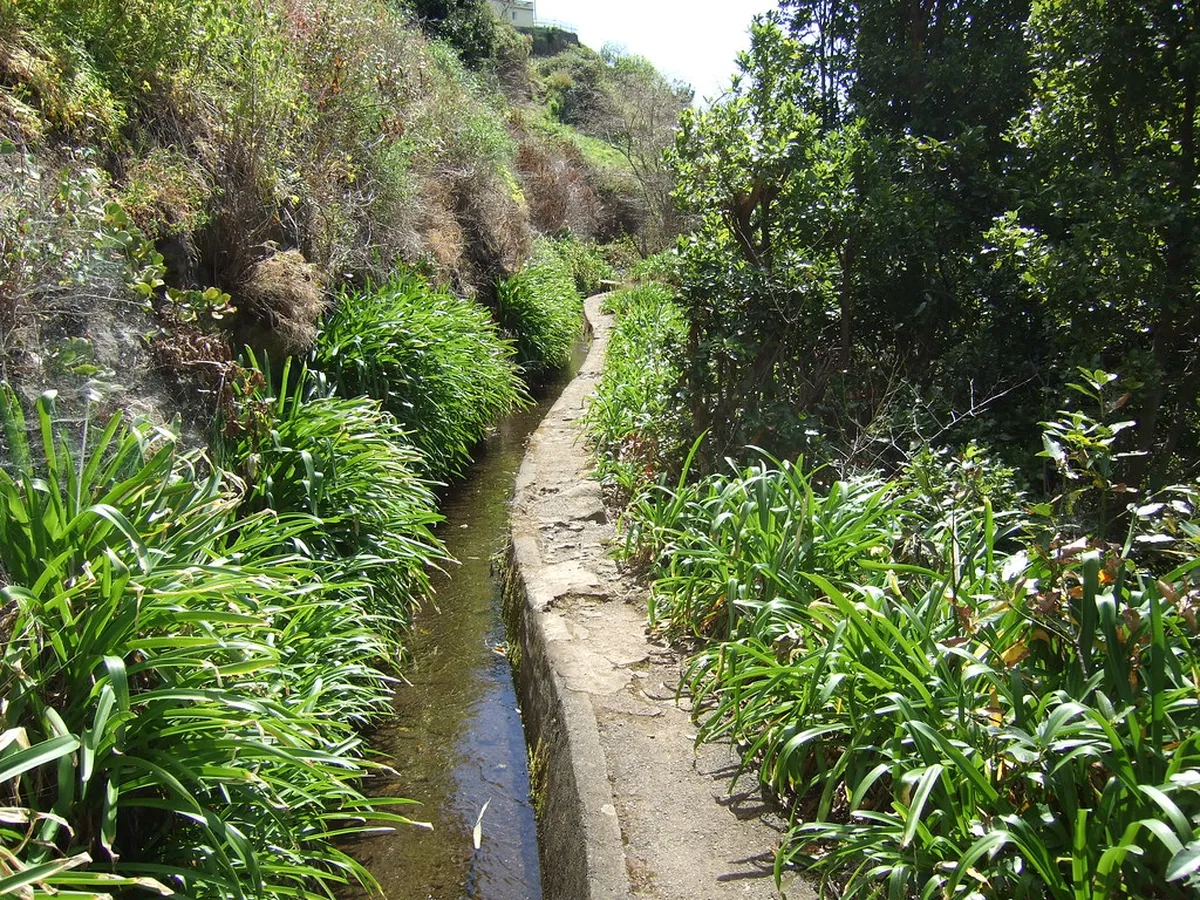
Madeira has over 200 levadas — irrigation channels built from the 16th century onward to carry water from the wet north coast to the drier south. Most have maintenance paths alongside them, and those paths form the island's hiking trail network. The key distinction that confuses first-timers is the difference between a levada walk and a vereda. Levada walks follow the channel: they are flat or near-flat, often through forest, and suit all fitness levels. Veredas are mountain ridge trails that gain serious elevation and require proper hiking boots and a head for heights.
PR6 Levada das 25 Fontes is the classic introduction. The trail passes through eucalyptus and laurel forest before reaching a waterfall basin with 25 separate springs. One section goes through a short dark tunnel — bring a head torch even on a bright day. The round trip from Rabaçal takes about four hours at a comfortable pace.
PR1 Vereda do Arieiro connects Pico do Arieiro to Pico Ruivo, the island's highest point at 1,862 metres. This is the island's most famous trail and one of its hardest. Expect metal stairways, exposed ridges, and sections through tunnels hewn out of rock. Start from Arieiro in the early morning so you are descending before the afternoon cloud rolls in. The AllTrails listing for this route has accurate elevation profiles and current trail condition notes worth reading before you go.
Levada do Caldeirão Verde is the best choice if you want a longer levada walk with genuine drama. The trail ends at a pool beneath a 100-metre waterfall inside a natural amphitheatre. The final kilometre passes through four dark tunnels, the longest around 700 metres. A head torch and a waterproof jacket are both essential, not optional.
The Fanal Forest: Madeira's Most Underrated Morning
The Laurissilva forest of Madeira is a UNESCO World Heritage Site and covers roughly 15,000 hectares of the island's interior. Fanal is the part most accessible to visitors, a plateau at around 1,150 metres in the Paul da Serra plateau where ancient til and laurel trees have grown into grotesque horizontal forms under decades of Atlantic wind. On still mornings low cloud rolls through the branches, creating a scene that looks more like a Tolkien illustration than a real place.
The timing matters more than any other factor. Arrive between 07:00 and 09:00 in autumn or winter and you will often find the mist present; by 10:30 the plateau can be completely clear and the atmosphere is gone. Summer mornings tend to be clearer, so the best Fanal visits are in October through February. The plateau is free to enter, there are no facilities, and you should bring layers — it is 7-10 degrees cooler at this altitude than in Funchal.
What none of the standard Madeira itineraries mention is that Fanal works as a pairing with the PR17 Levada dos Cedros trail, which starts near the plateau and descends through ancient cedar and laurel forest to the coast at Seixal. The full route is about 9 kilometres one-way and finishes at the black sand beach. You need a car at each end or a return taxi booked in advance from Seixal.
The Toboggan Ride and Funchal Highlights
The Carreiros do Monte toboggan is one of those experiences that sounds absurd but is genuinely memorable. Two men in white linen suits and straw hats guide a wicker basket-sled down two kilometres of cobbled road from the Nossa Senhora do Monte church to the suburb of Livramento. The sled reaches up to 48 km/h on the steeper sections. A single rider costs €25, two riders €30, three riders €45. The best way to reach Monte is via the cable car from central Funchal, which costs €11 one-way.
The practical trap that catches first-timers: the toboggan ends in Livramento, which is not Funchal city centre. Once you step off the sled you will immediately be approached by unofficial drivers quoting €15-20 for a short transfer back to the cable car base or the old town. The actual taxi fare is €4-6 by meter. Either agree a fixed price before getting in or use the local bus (Rodoeste line 47) which stops near the finish point and costs under €2.
The toboggan ride finishes in Livramento, not central Funchal. Unofficial drivers waiting at the finish point typically quote €15–20 for the transfer back; the metered taxi fare for the same journey is €4–6. Rodoeste bus line 47 stops nearby and costs under €2.
In Funchal itself, the Mercado dos Lavradores is the right place to spend a morning. The Art Deco market sells tropical fruit you will not find in mainland Portugal — custard apples, baby bananas, pitanga cherries — along with flowers, local spices, and fresh fish. The surrounding streets in the Old Town zone have been taken over by outdoor murals that make the area worth wandering without any particular plan. The Monte Palace Tropical Garden is the best botanical garden on the island, with 70,000 plant species across 70,000 square metres of terraced hillside — entry is €15 in 2026.
Where to Stay: Funchal vs. Rural Quintas
Funchal is the right base for first-time visitors and shorter trips of four days or fewer. The capital sits in a natural valley on the south coast, which means it gets the most sunshine, the best restaurant density, and the fastest access to the highway network. You can reach most of the island's main attractions within 45 minutes by car from a central Funchal hotel.
For trips of a week or more, splitting your stay between Funchal and a rural base makes the logistics easier. Santana on the north coast puts you within 20 minutes of Caldeirão Verde and several other levada trailheads. Câmara de Lobos, just 15 minutes west of Funchal, offers much better hotel value than the capital with sea views and direct access to the Cabo Girão road. Travelers on a tight budget should also look at hostels in Madeira's Old Town — a handful have opened near the Zona Velha in the last three years.
Traditional quintas are historic estate properties that were originally the country residences of wine merchants and landowners. They tend to sit in elevated garden settings above Funchal — the Jardins do Lago and Quinta da Casa Branca are the two most consistently recommended — and offer a more atmospheric alternative to modern resort hotels for mid-range to luxury budgets. If you are travelling in peak summer (July–August), book any accommodation at least eight weeks in advance. Madeira has become significantly more popular since 2022 and good-value rooms at quality properties sell out months ahead.
Getting Around Madeira: Car Rentals and Driving Tips
A rental car is effectively mandatory for seeing anything beyond Funchal. The public bus network run by SAM (eastern half) and Rodoeste (western half) exists and is cheap — a single ride costs under €2 — but schedules are infrequent and a journey from São Vicente to Funchal can take over two hours by bus versus 35 minutes by car. Both companies depart from Sá Carneiro Avenue in Funchal if you want to use them for day trips to specific destinations.
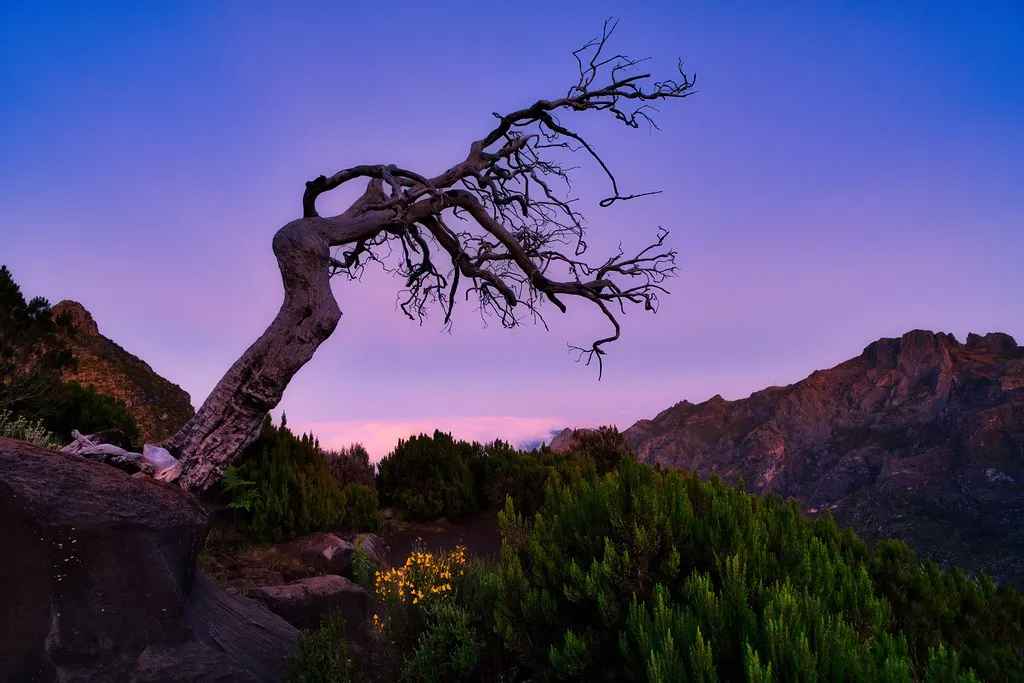
The modern Via Rápida expressway has transformed driving on the island. The tunnel network connects Funchal to the north coast, to the west, and to the airport in well under an hour with fully tarmaced dual carriageway. Most visitors use it without incident. The challenge comes when you leave the expressway for the older ER101 coastal road and the interior mountain roads. These are narrow, single-track in places, with sheer drops that have no safety barriers. Local drivers are fast and experienced on them; rental car visitors who have never driven mountain hairpins are not. Stick to the expressway unless you are comfortable with exposed mountain driving and have a vehicle with adequate power for steep climbs.
For car rental, Discover Cars aggregates rates from both the major international brands and smaller local agencies — the local agencies often undercut the internationals by 30-40% for the same vehicle class. Book an automatic if you are not confident with manual gears on steep terrain. Collect and return your car at the airport if you can; the downtown Funchal agencies charge a premium for city-centre convenience.
Uber operates in Funchal and works well for trips within the capital. For anywhere outside the city, pre-negotiate a fixed price with a licensed taxi driver rather than relying on meter pricing for long routes to remote trailheads.
Practical Planning: Entry Requirements and Best Time to Visit
Madeira is an autonomous region of Portugal and therefore part of the European Union and the Schengen Area. EU and EEA citizens need only a national ID card. Citizens of the UK, USA, Canada, and Australia can enter for up to 90 days within any 180-day window without a visa. All other nationalities should verify current requirements with the Portuguese consulate before booking — rules do change, and the 90-day Schengen limit applies across all EU member states combined, not per country. You arrive through Cristiano Ronaldo International Airport on the eastern coast, officially named Aeroporto Internacional da Madeira.
The island earns its "island of eternal spring" nickname because temperatures rarely drop below 16°C in winter or exceed 28°C in summer at sea level. That said, there are distinct seasons worth understanding. April and May bring the Flower Festival in Funchal and genuinely good hiking conditions before the summer heat. September offers warm sea temperatures, fewer crowds than July and August, and more settled weather than winter. December through March sees the Christmas and New Year festivities, which are a genuine event on the island — Funchal's fireworks display on 31 December is one of the largest in Europe — but rain and cloud are more frequent in the mountains during these months.
The practical planning resource most visitors overlook is the five-day Madeira itinerary guide, which structures a shorter trip around the south coast highlights and one north coast day to make the most of a week-long stay. For a deeper trip of ten days, add Porto Santo (ferry from Funchal harbour takes about two and a half hours; return tickets run around €40-60 per adult) and a second base in the north.
Eating and Drinking: From Poncha to Espada
Madeiran food is more distinct from mainland Portuguese cuisine than most visitors expect. Espada — scabbardfish — is the defining local dish, typically served pan-fried alongside fried banana and passion fruit sauce. The combination sounds odd and tastes excellent. Most restaurants along the harbour front and in Câmara de Lobos prepare it daily; the fishing village of Câmara de Lobos is the best place to eat it at modest prices rather than the tourist-facing Funchal waterfront.
Bolo do Caco is the bread you will eat at almost every meal — a flat, circular loaf made from sweet potato dough, served warm with garlic butter. It is a side dish at restaurants but also sold from street stalls near Mercado dos Lavradores from early morning. Espetada, a beef kebab skewered on a bay laurel stick and grilled over charcoal, is the correct thing to order at a traditional taberna in the interior; the bay laurel infuses the meat with a subtle herbal flavour that steel-skewered versions do not replicate.
Poncha is the island's signature cocktail: sugar-cane aguardente (a rough spirit at around 40% ABV) mixed with honey, sugar, and fresh lemon or orange juice. The regional style is made with lemon and is sharp; the fisherman's style substitutes orange for a sweeter, rounder drink. The drink is mixed by hand in a wooden cup using a wooden pestle called an esmagador. Authentic poncha bars in Câmara de Lobos still make it properly; tourist-bar versions are often pre-mixed and significantly weaker. For wine, Blandy's Wine Lodge in Funchal runs daily tastings of Madeira wine, the fortified variety that comes in styles from dry sercial to sweet malmsey — tastings start from around €15 per person.
Madeira Itineraries: Planning for 5 to 10 Days
Five days is the minimum recommended stay for the main island. A well-structured five-day trip covers Funchal and its surroundings on day one, the Levada das 25 Fontes hike on day two, the north coast (Santana, Porto Moniz natural pools, Seixal beach) on day three, Cabo Girão and Câmara de Lobos on day four, and a Pico do Arieiro sunrise followed by free time in Funchal on day five. This structure avoids backtracking and keeps daily drives under two hours.
A ten-day trip adds meaningful depth. Days six and seven work well as a Porto Santo extension: take the morning ferry from Funchal, spend two nights on the island (the 9-kilometre golden sand beach at Praia do Porto Santo is the draw), and return by evening ferry on day seven. Days eight and nine can be used for the PR1 Arieiro-to-Ruivo ridge hike and a slower exploration of the Paul da Serra plateau including Fanal forest. Day ten is buffer time in Funchal for the Toboggan, Monte Palace gardens, and final meals.
First-timer mistakes that extend days unnecessarily: underestimating drive times on the old coastal roads (add 40% to Google Maps estimates for the north-coast ER101), not booking levada trail parking in advance for popular starts like Rabaçal (the car park fills by 08:30 on summer weekends), and treating the tunnel network as free when some sections require tolls payable by credit card at automated booths.
Museums, Art, and Culture in Madeira
Teatro Municipal Baltazar Dias in Funchal is the island's main performing arts venue, a 19th-century playhouse with red velvet seats and painted ceilings that hosts theatre, classical music, and occasional jazz sessions. Checking the calendar before you arrive and booking tickets (typically €10-25) is worth doing; performances sell out among both tourists and locals during the winter cultural season.
The Monte Palace Tropical Garden is the most visited cultural site outside the city centre. Its 70,000 square metres of terraced gardens contain a permanent collection of Portuguese azulejo tiles, African sculpture, and minerals from around the world embedded in outdoor paths and walls. The garden sits above Funchal and the views over the city bay are excellent from the upper terraces.
Funchal's Zona Velha (Old Town) has been transformed in recent years by the Arte de Portas Abertas street art project, which invited local and international artists to paint the old fishermen's doors along Rua de Santa Maria. The street is now an outdoor gallery of around 200 painted doors, each one a distinct work. It is free, takes about 45 minutes to walk end to end, and is one of the genuinely pleasant things to do in the city that requires no planning or admission fee.
Sustainable Travel: Packing and Eco-Friendly Tips
Madeira holds the EarthCheck silver certification for sustainable tourism, a recognition that reflects genuine island-level policy rather than marketing. The tap water is safe to drink across the island, though water drawn from the volcanic highland aquifers can have a mild mineral taste. A bottle with a built-in carbon filter eliminates this — carrying one means you do not need to buy single-use plastic throughout your stay.
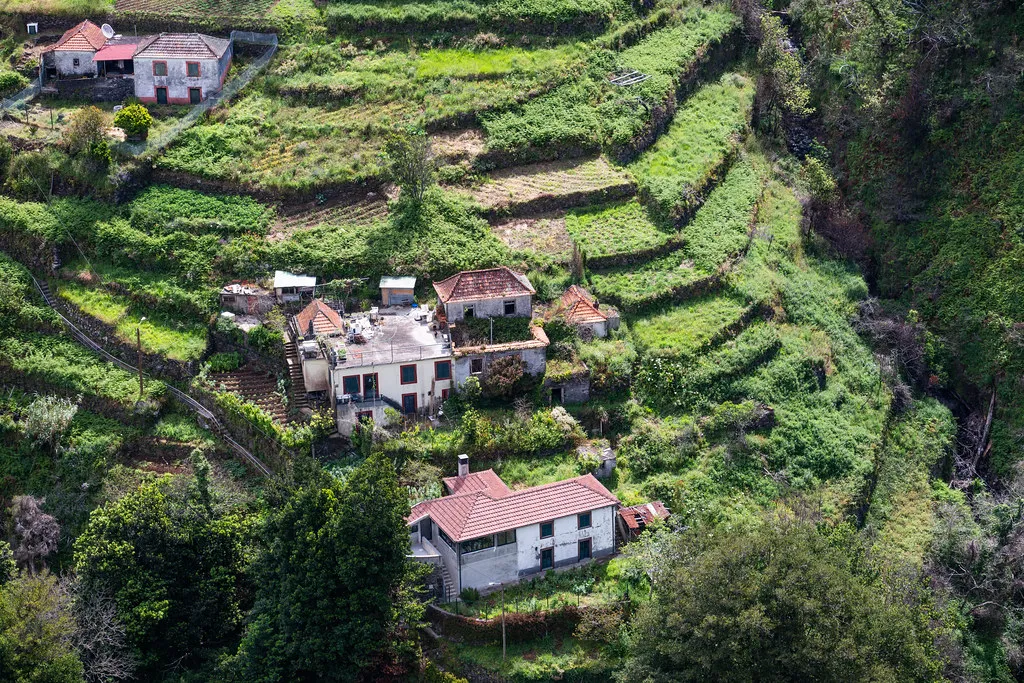
Packing for Madeira's microclimates is one of the most common mistakes first-timers make. The south coast in Funchal can be 24°C and sunny at the same time that the Fanal plateau is 14°C with horizontal rain. Carrying a thin waterproof layer and a mid-layer fleece in a daypack covers every situation without bulk. Proper hiking shoes (not trail runners) are worth bringing if you plan to walk any vereda routes — the volcanic rock is sharp and can be wet even in summer.
The Mercado dos Lavradores is the best place to buy local produce rather than supermarket imports. Buying directly from farmers' stalls at the market supports the island's small-scale agricultural economy, and the tropical fruit (pitanga, anona, banana passion fruit) is genuinely better than anything you can find outside Madeira. Guided levada walks with local operators also keep money within the island rather than with international tour aggregators.
Frequently Asked Questions
How many days do you need in Madeira?
You should plan for at least seven to ten days to see the main highlights. This timeframe allows you to explore both the north and south coasts at a relaxed pace. Consider following a Madeira Itinerary 5 Days Travel Guide if you have a shorter window for your visit.
Is it easy to drive around Madeira?
Driving is manageable if you stick to the modern highways and tunnels. However, the older mountain roads can be very narrow and steep for inexperienced drivers. Always check your brakes and stay alert for local buses on the sharp corners.
What is the best month to visit Madeira?
May and June are often considered the best months because of the pleasant temperatures and blooming flowers. September also offers warm weather with fewer crowds than the peak summer season. Winter is a great time for hikers who prefer cooler mountain conditions.
Do you need a car in Madeira?
You definitely need a car if you want to visit remote hiking trails and small villages. While Funchal has a good bus system, public transport to the north coast is limited. Renting a vehicle provides the freedom to follow your own schedule.
Madeira rewards thorough planning more than most destinations its size. The microclimates, trail conditions, and seasonal timing all affect whether a visit is good or exceptional. Using this Madeira Travel Guide: The Ultimate Island Planning Resource as your starting point, then digging into specific sections as your dates firm up, will give you the best chance of an itinerary that actually works on the ground.
The island has grown significantly in popularity since 2022 and the infrastructure — accommodation, flights, car rental — is under pressure during peak months. Book accommodation and car hire early, check the webcams before heading to the mountains, and leave buffer days in your itinerary. Madeira is dense; you will always find one more trail or village that was worth seeing.
See our Madeira attractions guide for the broader island overview.