Madeira Itinerary 5 Days Travel Guide
Plan your madeira itinerary 5 days with top picks, neighborhood context, timing tips, and practical booking advice for a smoother trip.
On this page
Madeira Itinerary 5 Days
Five days is enough time to see the most dramatic parts of Madeira without rushing. This guide covers the peaks, levada hikes, volcanic pools, and Funchal's historic core in a logical sequence that minimizes backtracking. It is built around a rental car, since public transport makes the mountain interior nearly inaccessible. Check our Madeira Travel Guide: The Ultimate Island Planning Resource for broader background before diving into the day-by-day plan below.
Madeira sits in the Atlantic about 1,000 km southwest of Lisbon. It is an autonomous Portuguese region with its own microclimate — sunny on the south coast, misty in the mountains, wet on the north coast, often all at once. You can learn more about everyday safety in our Is Madeira Portugal Safe? 10 Essential Safety Tips for Travelers report. Plan for layers regardless of the forecast; conditions change within an hour at altitude.
How to Reach Madeira
All flights land at Cristiano Ronaldo International Airport (FNC) near Machico on the island's east coast. Flight time from Lisbon is around 1.5 hours, with TAP Portugal running multiple daily departures. Direct seasonal flights operate from London, Amsterdam, Frankfurt, Madrid, and other European hubs. Return fares from Lisbon average €60–€100 booked a few weeks out; budget carriers sometimes beat that by €20–€30.
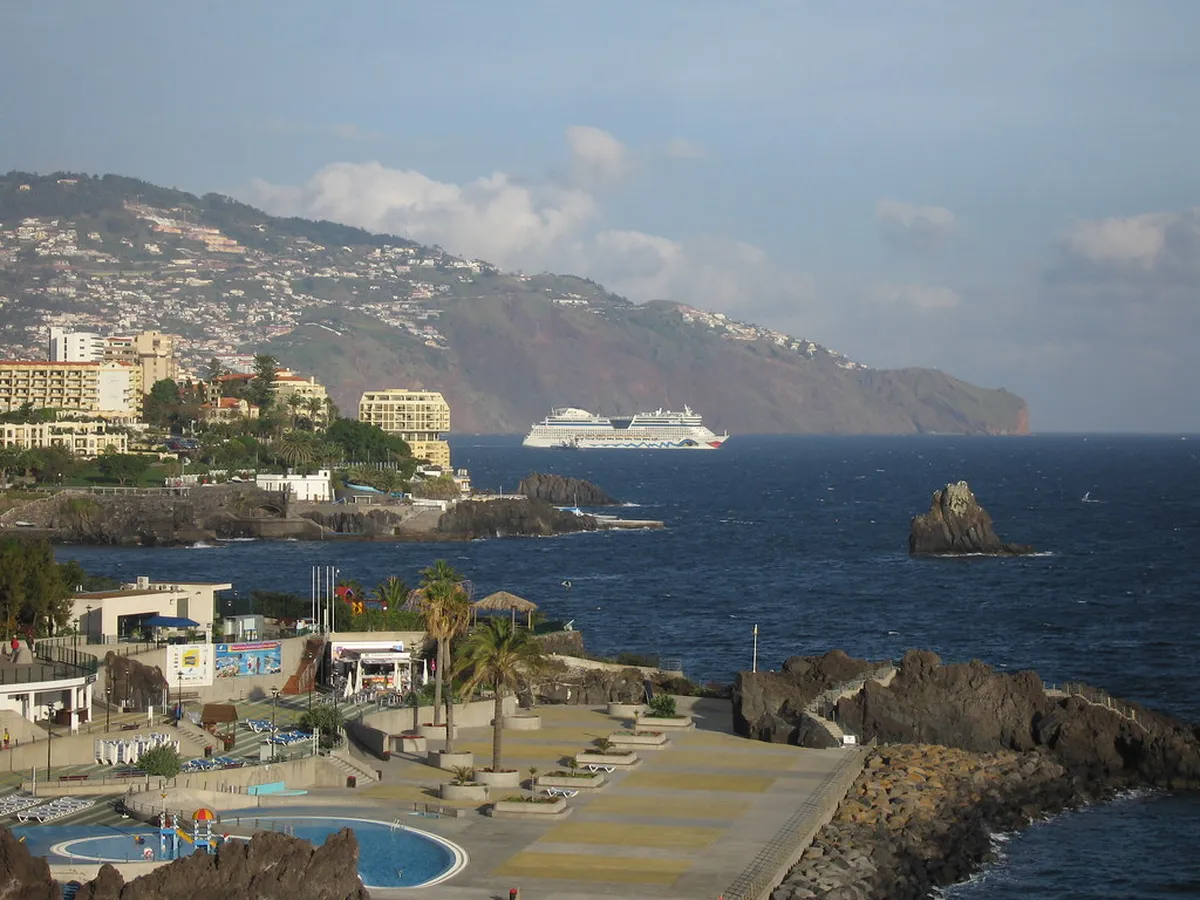
The airport has a reputation for a tricky crosswind approach on a runway built over the sea on extended piers. Diversions do happen. Local pilots who fly this route regularly handle it well; if you are nervous about turbulent approaches, TAP or SATA (the local Azorean airline) tend to operate with crews experienced on this specific runway. Once on the ground, Funchal is a 20-minute taxi ride (around €25–€30) or a 30-minute shuttle for €5.
Note that Madeira levies a tourist tax of €4 per person per night, payable in cash at your accommodation. Budget this on top of hotel rates. There is no tax cap for stays beyond five nights, so a week costs €28 per person in tourist tax alone.
How to Rent a Car in Madeira
A rental car is the single most important booking for this itinerary. Without one, Day 2 (Pico do Arieiro), Day 3 (Fanal Forest), Day 4 (25 Fontes), and Day 5 (Porto Moniz) are not practical. Book at least six to eight weeks in advance — inventory shrinks fast in spring and summer, and prices can double if you wait. Airport pickup is convenient but adds a small surcharge; some companies offer free hotel delivery in Machico or Funchal.
Request an automatic transmission. Madeira's roads are steep, full of hairpin bends, and long tunnels. Manual driving is feasible but exhausting, especially on mountain ascents. A compact car in the A or B segment is fine for most roads, though a slightly larger B-SUV adds ground clearance for rougher tracks near Fanal. Always photograph the car thoroughly before driving off — note every existing dent and scratch on the rental sheet. Expect a refundable deposit of around €100 held on your card.
Budget for tolls. The Via Expresso tunnel network connects Funchal to most parts of the island quickly and cheaply (usually under €3 per trip). Scenic coastal roads exist but add significant drive time. Check whether your rental includes a transponder for electronic toll payment, or plan to keep small coins handy for manual booths.
Book your rental car at least six to eight weeks in advance — inventory shrinks fast in spring and summer and prices can double if you wait. Request automatic transmission, as Madeira's steep hairpin roads make manual driving exhausting.
Where to Stay in Madeira
Funchal is the best base for a five-day itinerary. Every major destination can be reached in 45 minutes to an hour by car, and Funchal has the widest range of restaurants, cafes, and evening options. The São Martinho district on the western edge of town is popular with tourists — it borders Funchal's center on foot (about 40 minutes walking) and has ample hotel parking. Check our 10 Best Madeira Hostels and Planning Tips guide for budget options, or look at vacation packages at Madeira Portugal Vacation Packages Travel Guide for better-value bundles.
If your flight lands late at night, consider spending the first night in Machico near the airport rather than paying for a taxi to Funchal at midnight. Machico has several solid hotels within 4 km of arrivals. You wake up already positioned for the Ponta de São Lourenço viewpoint and the yellow-sand beach, which slots naturally into Day 1 before driving to Funchal. This small rerouting saves real money and avoids a tired midnight drive on unfamiliar mountain roads.
At the luxury end, Reid's Palace on a cliff west of Funchal is iconic. Even if you do not stay there, book the afternoon tea service 30 days ahead — finger sandwiches, scones, and pastries on the balcony overlooking the ocean. It costs around €60–€80 per person and is worth it once.
Perfect 5-Day Madeira Itinerary: Our Plan
The plan below groups activities by geography to keep driving time under two hours per day. Each day focuses on one region, with morning departure from Funchal and return by early evening. Flexibility is built in: mountain days (Days 2 and 4) can swap if cloud cover is thick. Check the Pico do Arieiro webcam before driving up — if it shows a wall of cloud at sunrise, delay and wait an hour. The camera refreshes live and saves a wasted 90-minute drive.
- Day 1: Machico and Funchal. Start at Miradouro do Pico do Facho viewpoint in Machico for airplane-spotting over the bay. Walk Ponta de São Lourenço if energy allows (arrive before 09:00 for parking). Afternoon: Funchal Mercado dos Lavradores and cable car to Monte Palace gardens. Evening: dinner in Zona Velha (Old Town).
- Day 2: Pico do Arieiro and Ribeiro Frio. Leave Funchal by 06:30 for the sunrise drive to Pico do Arieiro (1,818 m). Hike toward Pico Ruivo as far as energy allows — the PR1 trail is 11 km one-way. Return via Ribeiro Frio for the easy Vereda dos Balcões walk (1 hour, flat terrain). Seafood lunch or dinner in Machico or São Gonçalo.
- Day 3: Levada do Moinho, Cabo Girão, and Fanal Forest. Morning: start the Levada do Moinho trailhead near Igreja da Lombada church in Ponta do Sol. Afternoon: Cabo Girão Skywalk (free, open daily). Late afternoon: drive north to Fanal Forest — aim for late afternoon mist. Dinner with fresh limpets in Seixal or Ribeira da Janela.
- Day 4: 25 Fontes and Levada do Risco. Arrive at Rabaçal parking by 08:30 — it fills early. Walk 2 km down to the trailhead then hike 4 km to the 25 Fontes waterfalls. On the return, detour to Risco waterfall (100 m high, less crowded than 25 Fontes). Shuttle bus back up costs €5 per person as of 2026. Paul da Serra plateau drive in the afternoon for wide-open Atlantic views.
- Day 5: Porto Moniz and Santana. Morning: volcanic pools at Porto Moniz — use the official managed pools, not the open lava formations. Continue east along the north coast to Santana village for the traditional triangular thatched houses. Optional: Parque Temático da Madeira open-air museum. Return to Funchal for a final dinner.
| Day | Main Focus | Highlights | Drive from Funchal |
|---|---|---|---|
| Day 1 | Machico & Funchal | Ponta de São Lourenço, Mercado dos Lavradores, Monte cable car | 20 min |
| Day 2 | Pico do Arieiro & Ribeiro Frio | PR1 trail, sunrise views at 1,818 m, Vereda dos Balcões walk | 45 min |
| Day 3 | Levada do Moinho, Cabo Girão & Fanal | Levada walk, 580 m sea cliff skywalk, ancient laurel forest | 30–60 min |
| Day 4 | 25 Fontes & Risco | Rabaçal waterfalls, Paul da Serra plateau, shuttle €5 | 60 min |
| Day 5 | Porto Moniz & Santana | Volcanic seawater pools (€2–€3), traditional A-frame houses | 75 min |
Things to Do in Machico and Funchal
Machico is Madeira's second town and is often skipped by visitors heading straight to Funchal from the airport. That is a mistake. The Machico bay has the island's only natural yellow-sand beach — a rarity on a volcanic island where most coastlines are black rock. Miradouro do Pico do Facho above the town gives a sweeping panorama of the bay, the airport runway, and the cliffs of Ponta de São Lourenço. It is a ten-minute drive uphill from the beach. Plane-spotters rate it as one of the best airside viewpoints in Europe, especially when crosswind landings are in progress.
Funchal's must-do list is longer. The Mercado dos Lavradores (farmers' market) is open Monday to Saturday and sells exotic fruits — passion fruit, custard apples, pitangas — at higher prices than supermarkets but in an atmosphere that is worth the premium. The CR7 Museum near the marina is free to look at from outside; entry costs €6 and is worth 45 minutes for football fans. The cable car to Monte (€15 one-way, €22 return) lifts you 560 m above sea level in 15 minutes with views over the whole bay. At the top, Monte Palace Tropical Garden charges a separate €12 entry but is genuinely impressive.
The Monte toboggan ride descends 2 km back to Funchal via wicker sleds steered by two men in straw hats. It costs around €30 for two and queues form by 10:00 AM. Arrive at the Monte departure point by 09:00 to walk on. The ride lasts about 10 minutes and is genuinely thrilling on the steep residential streets.
Pico do Arieiro and Ribeiro Frio
Pico do Arieiro at 1,818 m is Madeira's third-highest peak and the one most visitors go to first — it is accessible by car with a paved road all the way to the summit car park. The panoramic views of the central ridge are extraordinary when clear. The PR1 trail from here to Pico Ruivo (1,862 m) covers 11 km one-way with roughly 700 m of cumulative ascent and takes four to five hours one-way. You do not need to complete the full traverse; the trail's first 3 km past the first tunnel offers spectacular views and turns back easily. Wear hiking boots — the terrain is rocky and drops are significant.
The webcam rule matters here. The peak clouds over fast and clears just as fast. Check the live Pico do Arieiro webcam before leaving Funchal. If it shows cloud at 07:00, wait until 09:00 and check again. Many visitors drive up into a wall of fog, wait 20 minutes, and leave — only to watch the webcam show clear skies an hour after they came down. Patience pays off more than an early alarm clock on this particular peak.
Ribeiro Frio is a small village 30 minutes from Pico do Arieiro on the way back toward Funchal. It sits inside a laurel forest and is the starting point of the Vereda dos Balcões trail — a gentle 45-minute return walk along a levada to a viewpoint where you can hand-feed wild chaffinches. There is a trout farm and a simple restaurant serving fresh trout for lunch. It is one of the easiest nature experiences on the island and pairs perfectly with a morning at the peaks.
Levada do Moinho, Cabo Girão Skywalk, and Fanal Forest
The Levada do Moinho starts near the Igreja da Lombada church in Ponta do Sol and follows an irrigation canal into the hills above Ribeira Brava. It is a 4-km one-way trail (about 2 hours each way) that passes a small waterfall and gives close-up views of how the levada water management system works. The trail is less crowded than 25 Fontes or Vereda dos Balcões, making it a better choice on weekends when popular trails hit capacity. The upper return route involves steep stairs without railings and is exposed — skip it if you are uncomfortable with heights and retrace the lower path instead.
Cabo Girão is one of Europe's highest sea cliffs at 580 m. The glass-floor skywalk extends over the edge and looks straight down to terraced farmland on the cliffside and the ocean beyond. Entry is free. It is open daily and takes 20 minutes to visit. Go in the afternoon when the sun hits the sea below. The adjacent cafe is overpriced but serviceable for a quick coffee.
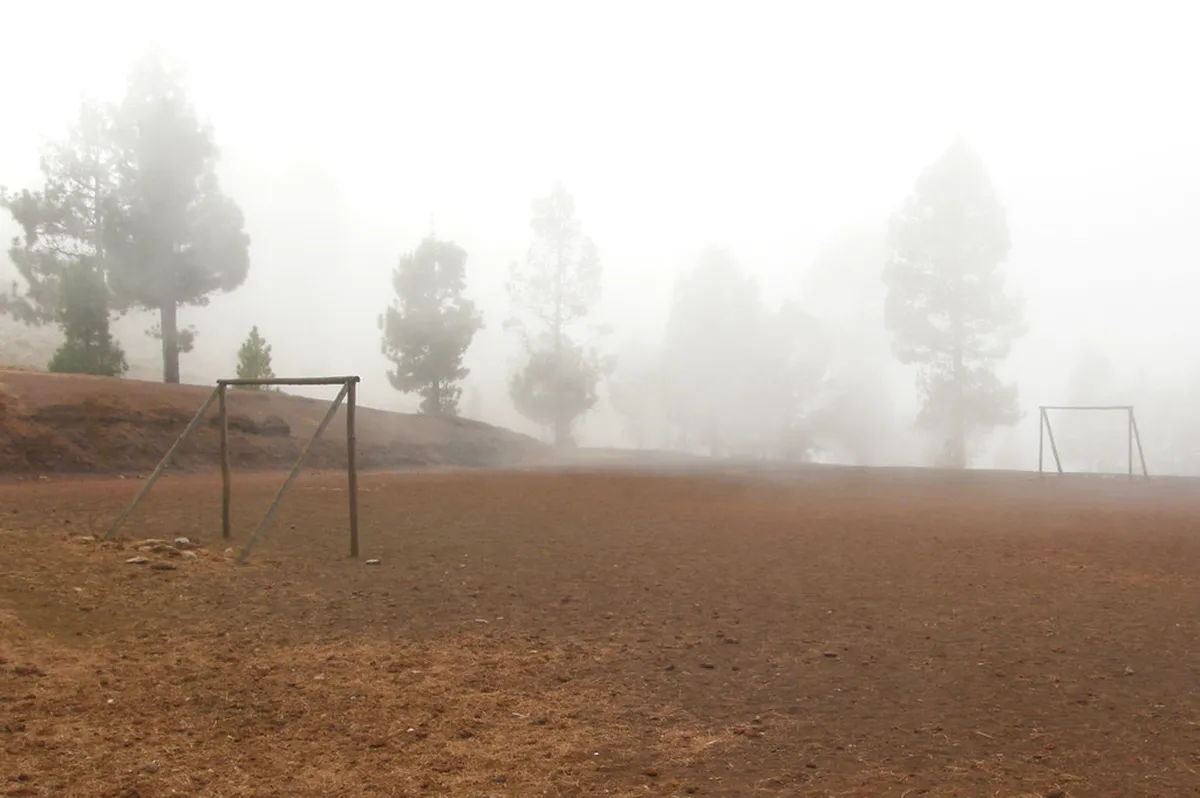
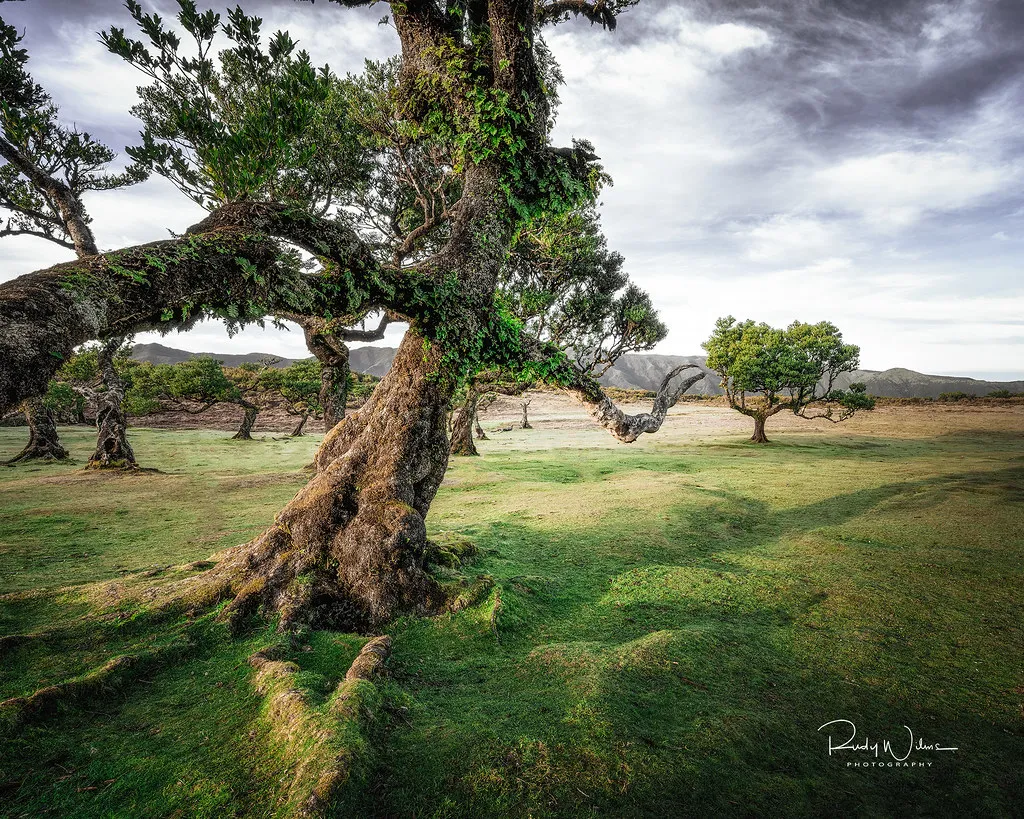
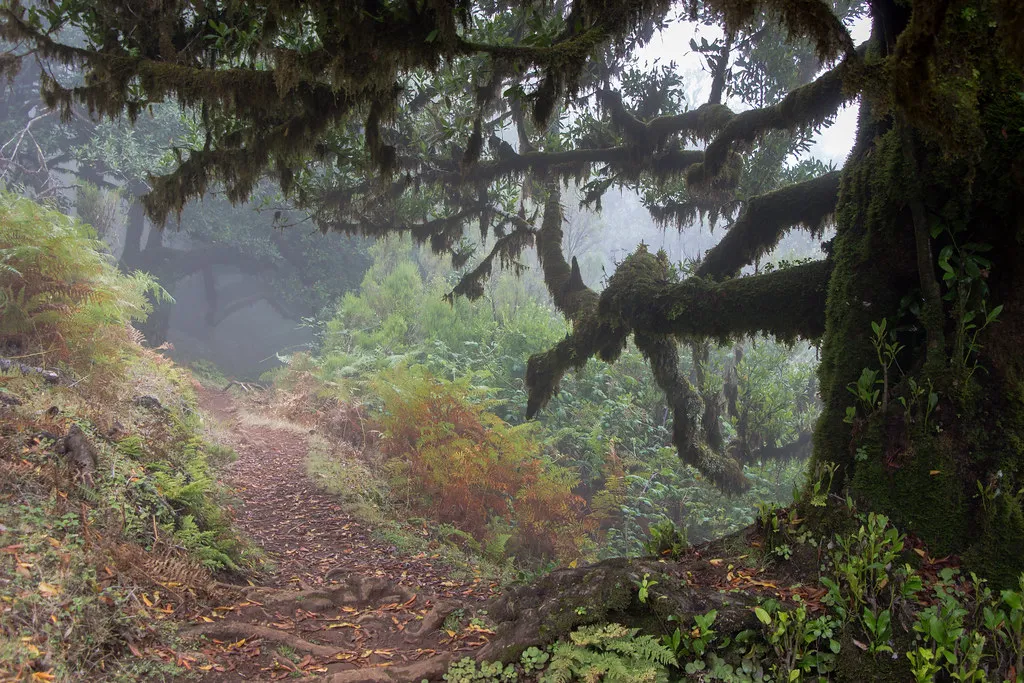
Fanal Forest, in the northwest highlands, is a UNESCO-listed laurel grove estimated to be 2,000 years old. The fog that rolls through the ancient, moss-covered trees gives the forest an otherworldly atmosphere. Visit in cloudy or misty conditions for the best photos; clear sunny days make it look ordinary by comparison. There are no entry fees and minimal facilities — bring water and a snack. Local cows graze freely among the trees and are completely unbothered by visitors.
Porto Moniz and Santana
Porto Moniz is a small coastal town on Madeira's northwest tip, about 80 km from Funchal (roughly 75 minutes via the VE2 coastal road, longer on the scenic north coast route). The town is built into dramatic lava formations, and the open-air seawater pools are filled by Atlantic waves. Use the managed official pools, not the open lava formations — the latter are unguarded and conditions can change without warning. Pool entry is modest, around €2–€3. The scenery is spectacular even if you do not swim.
Santana village is on the north coast, about 35 km east of Porto Moniz. It is famous for its A-frame triangular thatched houses painted in bright primary colors. The houses are genuinely traditional and still inhabited, not reconstructed museum pieces. A handful are open for viewing. The Parque Temático da Madeira nearby covers Madeiran history through life-size reconstructions and is worth an hour for families with children or anyone interested in the island's cultural roots.
Combine Porto Moniz and Santana into one day and drive the north coast between them — it is one of the most scenic roads in Portugal, cutting through tunnels blasted into cliff faces with ocean views at every exit. Allow the full day. Fuel up before leaving Funchal as petrol stations are sparse on the northwest coast.
At Porto Moniz, use only the managed official seawater pools — not the open lava formations. The open formations are unguarded and conditions can change without warning. Pool entry costs around €2–€3 and includes safer, maintained facilities.
What to Eat in Madeira
Espetada is the dish to order first: beef marinated in garlic and bay leaf, grilled on laurel wood skewers over open coals. It is typically served suspended on a hook over the table with milho frito (deep-fried polenta cubes) and a simple salad. Look for restaurants with visible wood-fire grills in the hills above Funchal or in Câmara de Lobos. Prices are reasonable — a full espetada portion runs €14–€18 and is enough for two if you order starters.
Espada com banana is the other local specialty worth trying: black scabbardfish (peixe-espada) served with fried banana. The combination sounds odd but the sweet banana balances the oily, deeply flavored fish. It is served across the island but appears most often in traditional workers' restaurants rather than tourist-facing spots. Bolo do Caco (flat garlic bread baked on a basalt stone) arrives at almost every table as a starter and is addictive — order extra.
For drinks, Madeira wine is the island's most famous export. Blandy's Wine Lodge in central Funchal offers tours for €10–€25 depending on which vintage tier you choose, with a tasting included. Poncha is the local cocktail: aguardente de cana (sugarcane spirit) shaken with honey, sugar, and lemon or orange juice. It is stronger than it tastes. You will find it at virtually every bar for €2–€4 per glass. For a sit-down meal with ocean views, Avista in the PortoBay hotel is a step up in price but delivers on atmosphere and quality.
Is 5 Days in Madeira Enough?
Five days covers the island's headline experiences without the burnout that comes from trying to do too much. You will see the highest peaks, the best levada hike, the north coast pools, the capital, and sample the food culture. What five days does not give you is depth: serious hikers who want multiple long PR-trail routes, or those interested in the eastern peninsula (Ponta de São Lourenço as a full-day hike), would benefit from seven to ten days. You can get a sense of How Big is Madeira? (6 Key Facts on Size and Scale) by driving across it in a single afternoon, which helps calibrate how much more you want.
The practical constraint is weather, not time. One mountain day will almost certainly be clouded over. Build your itinerary with two potential mountain mornings (Days 2 and 4) so a fog day does not ruin the plan. Swap freely: if Day 2's peaks are socked in, run the 25 Fontes hike instead and try the peaks on Day 4 morning. The coastal and forest activities are far less weather-dependent.
Keep Funchal as your base for all five nights. Moving hotels mid-trip costs time and energy with no meaningful reward. Most attractions on the island are within 75 minutes each way, which is manageable as day trips. Use the evenings in Funchal for wine, food, and the Monte toboggan — those experiences do not require early starts.
The Webcam Rule: Timing the Mountains Correctly
The single most common mistake first-timers make in Madeira is treating mountain visits like fixed calendar entries. They set a 06:00 alarm, drive 90 minutes to Pico do Arieiro, and arrive in dense fog. An hour after they leave, the webcam shows clear skies. The problem is commitment to a plan over real-time conditions.
The fix is simple. Before every mountain morning, open the Pico do Arieiro webcam while still in Funchal. If it shows cloud, eat a slow breakfast and check again at 09:00 and 10:00. Madeira's high-altitude cloud burns off fast once the sun heats the ridgelines. Mid-morning arrivals at clear peaks beat early fog arrivals every time. The same logic applies to Fanal Forest in reverse: that site is better in fog, so a cloudy day that ruins the peaks is a perfect Fanal day.
Matching your activity to the actual morning conditions — rather than the itinerary you wrote two months ago — is what separates a great Madeira trip from a frustrating one. Build two swappable mountain days into your plan, keep your driving destinations flexible until the morning of, and let the weather decide the sequence.
Add an Extra Day: Porto Santo
If you have a sixth day, Porto Santo is the obvious extension. This sister island 40 km north of Madeira has a nine-kilometer stretch of golden sand beach — a complete contrast to Madeira's rocky, vertical coastline. The Porto Santo Line ferry departs Funchal at 08:00 and returns around 18:30, making it a clean day trip. The crossing takes about two and a half hours each way. Round-trip tickets cost €65–€80; book a few days ahead in summer.
The island itself is flat, small, and unhurried. Rent a bicycle or a buggy to explore beyond the beach. There are a handful of good beach restaurants for fresh fish and salad lunches. The water is clear and calm compared to Madeira's Atlantic-facing shores. It is the best option for anyone who needs a rest day between hikes but does not want to spend it in a city.
Frequently Asked Questions
How to reach Madeira?
You can reach Madeira by flying into Cristiano Ronaldo International Airport. Most flights arrive from mainland Portugal or major European cities. The airport is about 20 minutes from Funchal by taxi or shuttle.
Which madeira itinerary 5 days options fit first-time visitors?
First-time visitors should focus on Funchal, Pico do Arieiro, and the Porto Moniz pools. These spots offer the best variety of culture and nature. Our 5-day plan covers all these essential highlights efficiently.
How much time should you plan for madeira itinerary 5 days?
Plan for five full days to see the main sights without rushing. This allows for three days of nature and two days of culture. You will have enough time for the best hikes and local meals.
Madeira is a truly special destination that offers something for every traveler. This 5-day itinerary ensures you see the very best of the island's landscape. From high peaks to volcanic pools, your days will be filled with wonder. I hope you enjoy the magic of this Portuguese paradise as much as I did.
Remember to pack your hiking boots and a sense of adventure. The island's beauty is best discovered by getting out into nature. Safe travels on your upcoming Madeira adventure! Visit Portugal Wander for more tips on exploring this beautiful country.
For the wider island context, see our complete guide to things to do in Madeira.