22 Best Madeira Attractions: The Ultimate 2026 Guide
Discover the 22 best Madeira attractions, from Pico do Arieiro to Porto Moniz pools. Includes local tips on hiking, wine tasting, and hidden gems for 2026.
On this page
22 Best Madeira Attractions to Visit
After visiting Madeira four times over the last decade, I have seen this volcanic island evolve into a premier global destination. The dramatic cliffs and lush laurel forests offer a landscape that feels more like Hawaii than Europe. If you are wondering Is Madeira Worth Visiting? 10 Honest Insights for Your Trip for your next holiday, the answer is a resounding yes. Our team at Portugal Wander has scouted every corner of this archipelago to bring you this updated list.
This guide covers all 22 top attractions with practical entry fees, opening hours, and timing tips. We have combined iconic landmarks with hidden gems that most tour buses simply drive past. The recommendations below prioritize authentic experiences and efficient planning for first-time visitors in 2026.
Quick Summary: Best Madeira Attractions for a 3-Day Trip
If you only have three days, focus your time on these six highlights rather than trying to circle the entire island. On day one, start with Funchal's Mercado dos Lavradores in the morning, then ride the cable car up to Monte for the toboggan ride down. Spend the afternoon at Câmara de Lobos for sunset. On day two, drive to Pico do Arieiro at sunrise (leave Funchal by 05:30), then continue west to Porto Moniz pools for a midday swim. On day three, hike the Ponta de São Lourenço peninsula in the morning and end with a wine tasting in Funchal.
Trying to see the entire island in a long weekend leads to exhaustion and too much driving. The roads are winding and steep, meaning distances on the map take far longer than you expect. Slow down and commit to fewer places done properly rather than a rushed tick-list.
Planning Your Trip to Madeira
Madeira sits in the middle of the Atlantic Ocean, roughly 1,000 km southwest of mainland Portugal. This isolated position created a unique ecosystem filled with endemic plants and ancient irrigation channels known as levadas. Most travelers base themselves in Funchal, but the north coast offers a much quieter and more rugged atmosphere. Exploring the various 22 Best Madeira Activities for Your 2026 Island Adventure requires a bit of logistical planning due to the steep terrain.
Weather changes rapidly here, often delivering four seasons in a single day of driving. Bright sunshine in the south can coincide with thick mist on the north coast. Always pack a waterproof jacket and sturdy hiking boots, even if the morning looks clear in the city. Check the official netmadeira.com webcam feeds before heading to the high peaks to avoid total cloud cover.
The island is increasingly popular, so booking your rental car and popular tours several months in advance is essential. Many mountain trails now require small entry fees or online registration to manage visitor flow. Renting a car is non-negotiable for reaching most attractions — choose a model with a strong engine for the constant vertical climbs. Understanding 10 Iconic Things Madeira Is Famous For helps you prioritize your limited time on the island.
The Best Levada Walks: A Quick Comparison
Levadas are Madeira's ancient irrigation channels, carved into the mountainside over five centuries to carry water from the wet north to the dry south. Today they double as some of the world's most scenic walking routes, threading through laurel forest, past waterfalls, and through hand-chiselled rock tunnels. Most trails are free to walk and are well-marked with official PR (Percurso Recomendado) numbers.
- PR1 — Pico do Arieiro to Pico Ruivo: 7.5 km one-way, strenuous, 5–7 hours. The most dramatic high-altitude trail on the island, connecting the two highest peaks above the cloud line. No levada sections; this is a mountain ridge hike.
- PR6 — Levada das 25 Fontes / Risco: 11 km round-trip, moderate, 3–4 hours. Leads through sub-tropical forest to a wall of twenty-five springs and the Risco waterfall. Park at Rabaçal — arrive before 08:30 to secure a spot.
- PR9 — Levada do Caldeirão Verde: 13 km round-trip, moderate, 4–5 hours. Four tunnels (bring a headlamp), ending at a pool below a 100-metre waterfall. Starts in Queimadas Park near Santana.
- Levada do Moinho to Levada Nova: 8 km, easy, 2–3 hours. Less crowded than PR9, equally lush, excellent for first-time levada walkers based in the south.
For families or visitors who prefer lower intensity, the Levada do Moinho route is the standout choice. Experienced hikers should combine PR1 with an overnight stay at Pico Ruivo hut — book the hut well in advance as it holds only a handful of beds.
22 Best Madeira Attractions (2026 Guide)
The following list covers the full range of experiences across the island — from high-altitude hikes to coastal swims, cultural villages, and food and drink. Each entry includes practical details on costs, timing, and local tips to help you avoid the biggest crowds. Many of these locations are free to visit, making Madeira outstanding value for nature lovers.
1. Funchal and the Mercado dos Lavradores
Funchal's historic market serves as the beating heart of the capital's local food scene. Vendors sell exotic tropical fruits — banana passion fruit, tamarillos, and anona — alongside the day's fish catch, which arrives early and sells out fast. Entry to the market is free, but be cautious of vendors near the main entrance who charge tourist prices for small fruit samples.
Arrive before 10:00 to see the fishmongers prepare the daily catch before the heavy crowds arrive. The market runs Monday to Friday 07:00–19:00, Saturday 07:00–14:00, and is closed Sunday. While you are in central Funchal, the Madeira Story Centre on Rua Dom Carlos I offers a solid two-hour overview of the island's history for around €5 per adult — useful context before heading into the interior.
2. Pico do Arieiro to Pico Ruivo Hike
This challenging trail — officially PR1 — connects the island's two highest points, both above 1,800 metres and often above the cloud layer. The route is free to access and takes 5–7 hours for the full traverse from Pico do Arieiro (1,818 m) to Pico Ruivo (1,862 m). Starting at sunrise provides the most spectacular views, but the car park at Arieiro fills by 06:30 on clear days. Wear serious layers: the temperature at altitude is routinely 10–15°C colder than at sea level.
This is also the starting point for the iconic 8 Essential Tips for the Madeira Crossing Hike, one of the finest ridge walks in Europe. The trail involves some exposed scrambling and tunnels — trekking poles and a headlamp are strongly recommended. Do not attempt it in fog or rain unless you have mountain experience.
3. Porto Moniz Natural Volcanic Pools
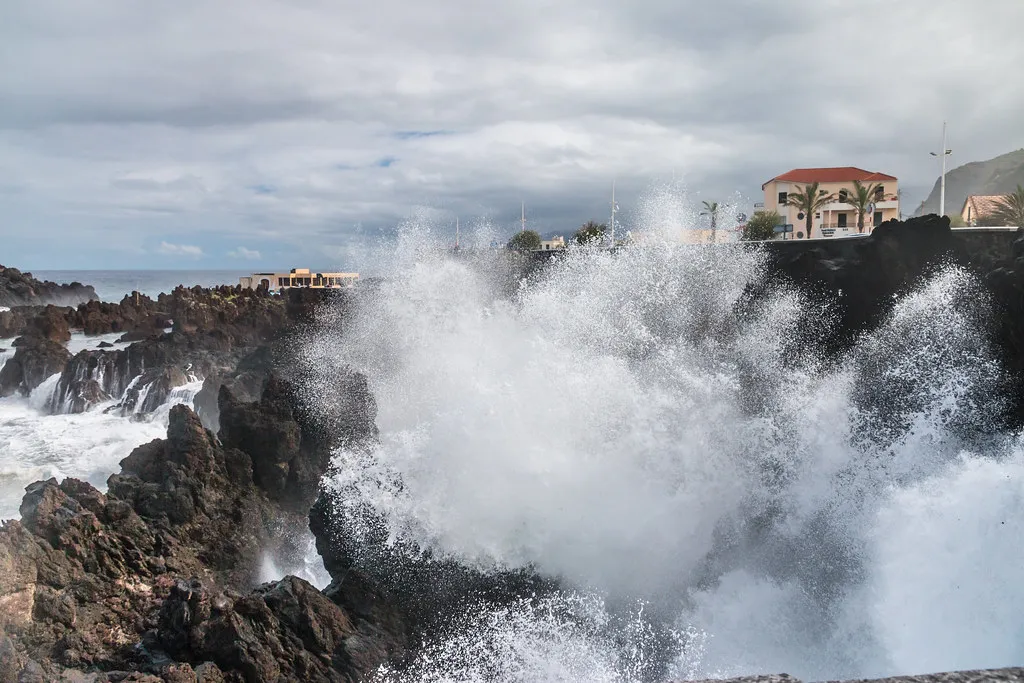
The Piscinas Naturais do Porto Moniz are saltwater pools formed by ancient lava flows and replenished by Atlantic tides. The managed complex charges €3 per adult and is open daily 09:00–19:00 (shorter hours in winter). It includes concrete walkways, sunbeds, changing rooms, and a snack bar. Located on the island's northwestern tip, these are the safest place to swim in the ocean on the rough north coast.
Walk five minutes south along the esplanade to reach the free unmanaged pools — equally impressive lava formations without the infrastructure. The view from the free pools toward the cliff face is arguably better for photography. Porto Moniz is a two-hour drive from Funchal; combine it with Seixal and Fanal Forest to make the journey worthwhile.
The managed Porto Moniz pools charge €3 per adult and include sunbeds and changing rooms, but just five minutes south along the esplanade you can swim in equally spectacular free unmanaged lava pools. Combine the drive with Seixal and Fanal Forest to justify the two-hour trip from Funchal.
4. Traditional Santana Houses
The iconic triangular palheiros of Santana — with their thatched roofs and brightly painted doors — represent traditional rural Madeiran architecture. Most are free to photograph from the outside, though some operate as small souvenir shops. The main cluster in the village center is open daily 09:00–18:00.
Arrive before 09:00 to beat the coach crowds that typically descend from 10:00 onward. For a more authentic experience, drive into the hills surrounding the village where original thatched buildings are still used as working farm storage by local families — these see almost no visitors.
5. Ponta de São Lourenço Peninsula
The Ponta de São Lourenço is Madeira's easternmost point and one of its most dramatic contrasts: the lush green interior gives way to a dry, near-desert landscape of red and ochre rock plunging into the Atlantic. The free trail (PR8) runs 4.5 km to the tip and back, taking 3–4 hours. Wind is the main hazard — gusts regularly exceed 60 km/h at the exposed headlands.
Bring at least one litre of water per person as there is zero shade along the entire route. The light hits the red cliffs at their best in the early morning and late afternoon. Park at the Baía d'Abra car park at the start of the peninsula — the small access road is narrow and the lot fills up by 09:30 on weekends.
6. Seixal Black Sand Beach
Seixal offers one of the most dramatic beach settings on the island: jet-black sand backed by sheer green cliffs, with a small waterfall trickling onto the shore from above. The beach itself is free and accessible 24 hours. Park in the upper lot and walk down — the road to the lower parking area is extremely steep and narrow, with few passing places.
Seixal also has its own natural volcanic pools — the Piscinas Naturais do Seixal — which are a genuine alternative to the more famous Porto Moniz pools and, in many ways, more photogenic. Entry costs just €2 (versus Porto Moniz's €3), and the facility includes a snack bar, bathrooms, and a lifeguard on duty. The backdrop of the black cliff rising directly behind the pools makes this arguably the most striking swimming spot on the island — yet far fewer visitors make the detour here specifically for the pools. During the colder months the water temperature drops significantly, but the visual reward is year-round.
7. Ancient Fanal Laurel Forest
The Fanal Forest on the Paul da Serra plateau is part of Madeira's UNESCO World Heritage laurel forest (Laurissilva), and it looks like something from a fantasy film set. Centuries-old Til and Laurel trees twist into tortured shapes, and when the plateau fog rolls in, the atmosphere becomes genuinely otherworldly. Entry is free; the forest is accessible year-round but the road can be closed in severe weather.
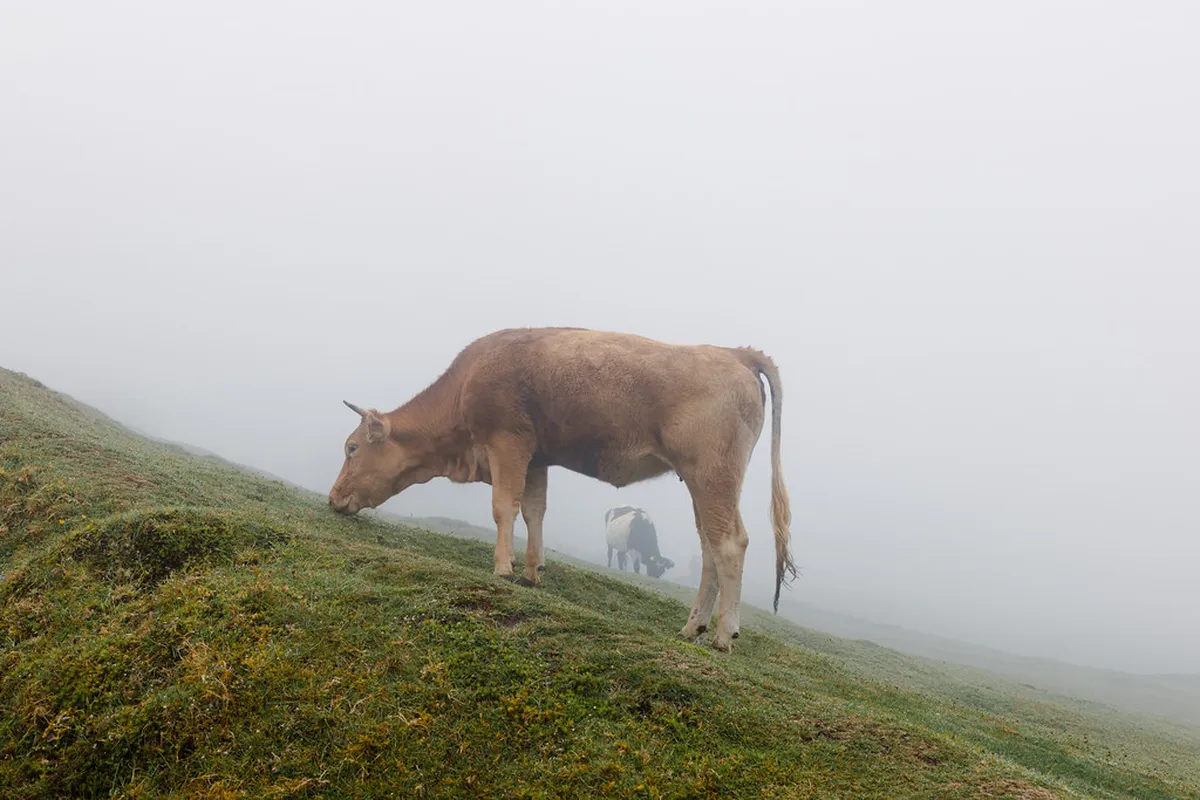
The forest is most atmospheric on misty mornings — fog is common and adds, rather than detracts from the experience. However, by late morning the car park fills with Instagram crowds. Arrive before 08:00 for solitude. Download an offline map (Maps.me or Google offline) before you go — mobile signal is weak throughout the plateau.
8. Cabo Girão Skywalk
At 580 metres above sea level, Cabo Girão is the second-highest ocean cliff in Europe. The glass-floored skywalk extends over the edge, offering a stomach-dropping view straight down to terraced vineyards and the sea below. Entry costs around €2 per adult; open daily 08:00–20:00 (shorter in winter). The site is a 20-minute drive west of Funchal in the Câmara de Lobos district.
Avoid visiting between 11:00 and 15:00 when cruise ship excursions create queues of 20–30 minutes for the glass platform. Arriving at 08:00 or after 17:00 gives you near-exclusive access for photography. The viewpoint cafe serves decent coffee and the terrace has a non-glass-floor section for those who prefer firm ground under their feet.
9. Monte Toboggan and Tropical Garden
Riding a carro de cesto — a wicker basket sled steered by two men in traditional white uniforms and straw hats — is one of Madeira's most genuinely unique experiences. The sled descends 2 km of steep cobbled street from Monte to Livramento. A shared sled for two costs around €30 and operates Monday to Saturday until 18:00. The ride takes about 10 minutes.
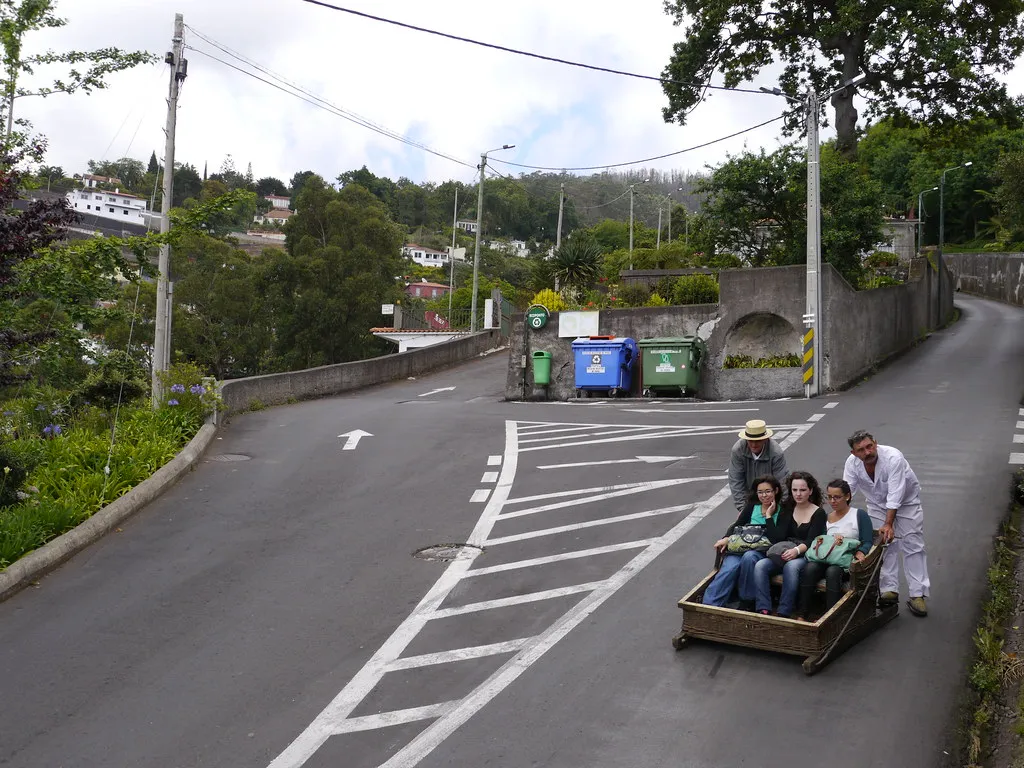
Combine this with a visit to the Monte Palace Tropical Garden directly at the cable car terminus (entry ~€12.50). The garden holds one of the finest collections of azulejos (blue tiles) in Portugal, plus koi ponds and rare cycads. Walk down afterward or take a taxi — the sleds only cover the first stretch, not all the way to Funchal's center.
10. Câmara de Lobos Fishing Village
Câmara de Lobos is a working fishing village west of Funchal where Winston Churchill famously set up his easel to paint the harbor. The brightly colored canoas fishing boats that fill the small port are among the most photographed subjects in Madeira. The village is free to visit and the harbor front is best in the late afternoon when golden light hits the boats directly.
Try a Nikita — a hyper-local drink made with beer, vanilla ice cream, and pineapple juice that you will find only in Câmara de Lobos. The village is also the traditional home of espetada, Madeiran beef skewers cooked over laurel wood. Lunch at any of the harbor-front restaurants runs €12–18 per person for a full meal.
11. Levada das 25 Fontes and Risco Waterfall
The PR6 trail from Rabaçal is the most popular levada walk on the island, and for good reason. The route splits to cover both the wall of twenty-five springs (the "25 Fontes") and the 100-metre Risco Waterfall. Total loop distance is 11 km with around 400 metres of elevation gain. Allow 4–5 hours and bring a headlamp for the short dark tunnels.
The Rabaçal parking area is tiny. Arrive before 08:30 to guarantee a spot on weekends. The trail is free to access and runs through dense subtropical vegetation — temperatures in the forest can be 6–8°C cooler than on the coast. Waterproof boots are essential after rain.
12. Curral das Freiras
Curral das Freiras (Valley of the Nuns) sits inside a deep volcanic caldera that once served as a hiding place for Funchal's nuns fleeing pirate raids in the 16th century. The village is only accessible via a narrow, winding road that descends into the crater — the drive itself is half the experience. The Eira do Serrado viewpoint, perched on the crater rim above the village, provides the most dramatic panorama.
The village is free to enter and famous for its chestnut products — liqueurs, cakes, and poncha made with local chestnut honey. Small cafes sell tasting platters for €5–8. Visit on a weekday to avoid the coach-tour peak, which hits between 11:00 and 14:00.
13. Ponta do Sol Sunset
Ponta do Sol is the sunniest village on Madeira — it receives measurably more annual sunshine hours than anywhere else on the island due to its sheltered position and southern aspect. The pebble beach and historic pier are free and accessible at any time. The cliffs to either side of the village turn amber in the final thirty minutes before sunset.
The pier gets crowded by 18:00; arrive by 17:30 to claim a spot at the railing. Several cliffside bars serve local wine and poncha — the passion fruit version is the local recommendation. Ponta do Sol is also home to a small surfing community and beginners can often find informal lessons through the beach cafes.
14. Achadas da Cruz Cable Car
The Achadas da Cruz cable car runs at a 78% gradient, making it among the steepest funicular-style rides in Portugal. A round-trip ticket costs €5 and the car operates daily 08:00–18:00. It transports you to a remote coastal fajã — a flat platform of land at the cliff base — where local families tend small organic gardens and fishing boats sit on a pebble beach.
There are no shops or facilities at the bottom. Bring water and snacks. The fajã itself is rarely crowded because few tourists make the long drive to this northwestern corner. Budget 90 minutes for the experience including the walk around the fajã floor.
15. Surfing and Rum at Porto da Cruz
Porto da Cruz on the northeast coast serves two distinct audiences. Surfers come for one of the few consistent beach-break waves on the island — the bay faces northeast and picks up Atlantic swells from October through March. The wave is beginner-to-intermediate friendly. Several surf schools in the village offer two-hour lessons for around €40 including board and wetsuit.
For non-surfers, the North Mills Distillery (Engenhos do Norte) is one of the last traditional sugarcane rum operations in Madeira. Entry to the museum is free; rum tastings cost a few euros per pour. Visit during the harvest season (March–May) when the steam-powered press is operating and the smell of fresh cane fills the village. Porto da Cruz pairs surfing and history in a way no other village on the island can match.
16. Cascata dos Anjos
The Cascata dos Anjos waterfall spills directly onto a coastal road between Ponta do Sol and Madalena do Mar, creating a natural car wash that bemuses and delights in equal measure. The falls are free to visit and visible from the road at any time. The old coastal road here is extremely narrow with blind curves — do not attempt it in a large vehicle.
Park in the wider section at least 200 metres before the falls and walk. Falling rock is a genuine hazard; do not stand directly beneath the cascade. The falls are most impressive in winter and spring after heavy rain.
17. Ribeira das Janelas
The Ribeira das Janelas sea stacks rise directly from the ocean off the north coast near Porto Moniz. The name translates roughly as "River of Windows," referring to the natural arches bored through the basalt rock by centuries of wave action. Access to the viewpoint is free; a short tunnel through the cliff leads to a hidden lower platform with the stacks directly in front of you.
This is a photography stop rather than a swimming spot — the swell and rock make entry into the water dangerous. The light is best in the early morning when the sun catches the stacks directly. Budget 30 minutes here as part of a Porto Moniz loop.
18. Whale and Dolphin Watching
Madeira's position above a deep underwater canyon makes it one of Europe's most reliable year-round whale and dolphin watching destinations. Resident pilot whales are present throughout the year; sperm whales are most commonly sighted from March to October. Atlantic spotted dolphins and bottlenose dolphins are almost guaranteed on every tour.
Tours depart from the Funchal marina and cost €45–60 per adult for a 2.5–3-hour trip. Choose a RIB (rigid inflatable boat) for a faster, more intimate experience; opt for a catamaran if you are prone to seasickness or travelling with young children. All operators use marine biologists or trained naturalists as guides — look for operators displaying the "See Whales" certification. Visit The Whaling Museum of Madeira in Caniçal to understand the island's complex whaling history before booking your tour.
19. Madeira Wine Tasting
Madeira wine is one of the most long-lived wines in the world, capable of aging for over a century. The unique estufagem process heats the wine in large tanks for months, replicating the effect of long sea voyages in the tropics that Madeiran ships once made. This heating drives off volatile acidity and creates the wine's characteristic nutty, oxidised character.
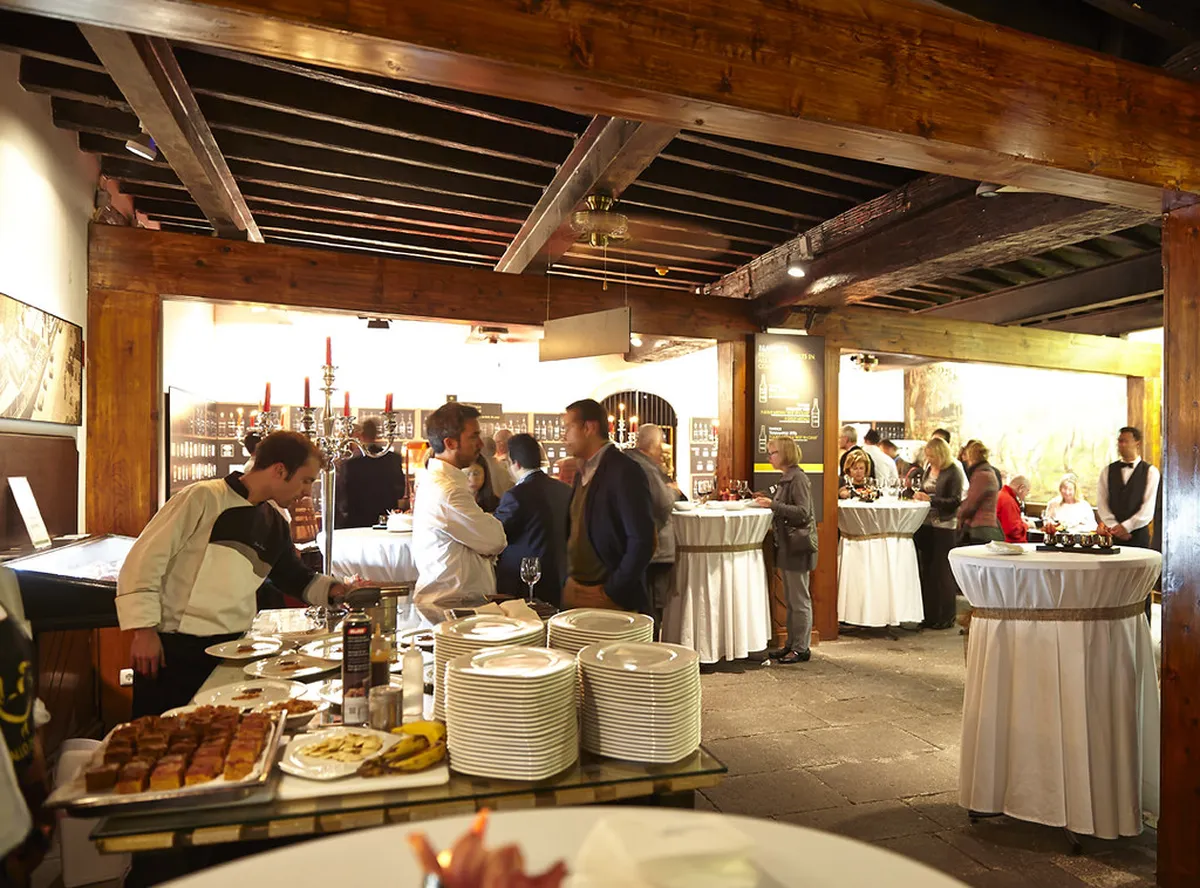
The four main styles run from bone-dry to richly sweet: Sercial (dry, high acidity, good aperitif), Verdelho (off-dry, medium-bodied), Bual (medium-sweet, smoky), and Malmsey (luscious, dark, dessert wine). Wine lodge tastings at houses like Blandy's or Pereira d'Oliveira on Rua dos Ferreiros cost €10–25 per flight of three to five wines. For tasting notes and grape variety details, consult the Say Yes to Madeira drink guide. Book an evening tasting to avoid day-tripper queues.
20. Machico and Calheta Beaches
Machico and Calheta are the only two locations on the island with imported golden sand — trucked in from the Sahara to create sheltered swimming beaches. Both are free to access and protected by stone breakwaters that calm the Atlantic swell. Sunbed rental runs €5–8 per day and changing rooms are available at both.
Calheta generally registers slightly higher temperatures and is the better choice for families with young children. The town itself has a good selection of waterfront restaurants. Machico is larger and has a stronger local atmosphere — the old town behind the beach has a market on weekend mornings worth exploring.
21. São Vicente Church and Volcanic Caves
São Vicente in the north offers two distinct experiences in the same village. The Capelinha de Nossa Senhora de Fátima sits on a hilltop accessed by 175 stairs from the roadside — the climb takes ten minutes and the views over the valley and coast reward every step. The church exterior is brilliant white against the deep green valley walls, making this one of the most photogenic architectural spots on the island.
The São Vicente Volcanic Caves (Centro das Grotas) charge around €8 for a guided tour through lava tubes formed during the island's volcanic birth approximately 890,000 years ago. Open daily from 10:00. Check the Visit Madeira website for current access updates. Tours last 45 minutes and are genuinely informative for understanding Madeira's geological origins.
22. Porto Santo Island
Porto Santo is Madeira's sister island, a 2.5-hour ferry ride from Funchal harbor. It offers everything Madeira does not: a 9-kilometre sweep of fine golden sand beach, calm shallow water, and a flat, sun-drenched landscape. The contrast with volcanic Madeira is total and deliberate — many visitors do Porto Santo as a deliberate counterpoint to Madeira's rugged scenery.
The ferry costs €35–45 per adult return and runs daily. Book at least two days ahead in July and August when the boat sells out. The island is small enough to circle by bicycle (rentals from ~€15/day at the port). Colombo connections: Christopher Columbus lived on Porto Santo briefly in the 1470s and the small house museum is worth 30 minutes of your time.
The Madeira Botanical Garden: A Low-Key Alternative for Non-Hikers
The Jardim Botânico da Madeira above Funchal is consistently overlooked in visitor itineraries, yet it represents one of the finest botanical collections in the Atlantic region. Spread across a hillside with panoramic views over Funchal and the bay, the garden holds over 2,000 plant species — including endangered Macaronesian endemics found nowhere else on earth. Entry costs €7.50 for adults, open daily 09:00–18:00.
For visitors who cannot or do not want to hike, this is the best way to encounter Madeira's legendary flora without leaving city range. The terraced paths are paved and manageable for most fitness levels. Take the cable car from the city center up to Monte and walk down through the garden — the descent to the lower gate takes about 40 minutes and covers the best sections. This route also allows you to combine the garden with the Monte Toboggan ride in a single logical half-day loop without backtracking.
The garden is quietest between 09:00 and 10:30. After that, school groups and guided tours arrive. The small cafe at the upper terrace has exceptional views and reasonable coffee — a good reward after the climb from the lower entrance if you are going uphill.
How Many Days Do You Need in Madeira?
Five to seven days is the practical minimum to see the highlights without feeling rushed. This duration allows three days on the south and west, two days on the north coast, and one day for the Porto Santo ferry if desired. One week also gives buffer time for the unpredictable mountain weather — some days at altitude are simply not hikeable and you will want a flexible itinerary.
With ten days, you can add the quieter eastern end of the island (Ponta de São Lourenço deserves a full morning), a second levada, and a self-guided wine tour of the Câmara de Lobos vineyards. The island is compact enough that nothing is more than two hours from Funchal by car, but the roads punish haste.
Our Madeira Tourism: The Ultimate Island Travel Guide guide recommends visiting between April and June for the best combination of weather, flowers, and manageable crowds. The annual Flower Festival in Funchal (usually late April/early May) transforms the city with elaborate floral displays. Winter hiking is possible year-round thanks to the mild subtropical climate, though the high peaks can be closed by snow in January and February.
Getting Around Madeira
Renting a car is the only practical way to reach most of the best Visit Madeira: 23 Best Things to Do and Travel Tips spots. Public buses serve locals and rarely stop at remote trailheads or viewpoints. Choose a car with a powerful engine — 1.5 litres minimum — for the constant vertical climbs. Compact SUVs are the most popular choice among experienced Madeira visitors.
Driving in Funchal is stressful due to one-way systems and scarce parking. Outside the capital, the modern network of tunnels makes travel fast. Keep your fuel tank above half at all times; petrol stations in the central mountains are few and often closed on Sundays. The island has over 150 road tunnels — many are narrow and require you to yield to oncoming traffic on one-lane sections.
If you prefer not to drive, a private full-day guide typically costs €150–200 and covers more ground than any group tour. Bolt and Uber operate in Funchal but are not reliable for trips to the north coast. For the Funchal area, the public cable car to Monte (€12.50 return) and the local bus network (€1.95 per journey) are perfectly adequate for a day in the city.
Choose a rental car with at least a 1.5-litre engine — the constant steep climbs will strain smaller models. Keep your fuel tank above half at all times, as petrol stations in the central mountains are few and often closed on Sundays.
Frequently Asked Questions
When is the best time to visit Madeira for hiking?
The best time for hiking is from April to June when the flowers are in full bloom. Temperatures are mild and the trails are generally drier than in winter. Always check the mountain weather cameras before starting your trek.
Is it necessary to rent a car in Madeira?
Yes, renting a car is highly recommended to reach the best natural attractions. Public transport is limited and doesn't reach many trailheads or remote viewpoints. Ensure your rental has a strong engine for the steep hills.
How many days do you need to see the main attractions?
You should plan for at least five to seven days to see the main highlights. This allows time for several major hikes and coastal exploration. A shorter trip will feel rushed due to the winding roads.
Madeira is a rare destination that offers both high-adrenaline adventure and peaceful coastal relaxation. Whether you are standing above the clouds at Pico Ruivo or swimming in volcanic pools, the island never ceases to amaze. The 22 attractions listed here provide a balanced look at what makes this archipelago so special.
Pack your hiking boots, respect the local trails, and prepare for an unforgettable Atlantic adventure. The magic of Madeira lies in its rugged landscapes and the warm hospitality of its people. We hope this guide helps you plan the perfect trip to the Pearl of the Atlantic in 2026.
Combine this with our main Madeira attractions guide for a fuller itinerary.
For related Madeira deep-dives, see our 22 Best Madeira Activities for Your 2026 Island Adventure and Madeira Tourism: The Ultimate Island Travel Guide guides.