10 Iconic Things Madeira Is Famous For (2026)
Discover what is madeira famous for with our 2026 guide. From volcanic pools to fortified wine, plan your perfect trip with expert tips and costs.
On this page
10 Iconic Things Madeira Is Famous For
Madeira sits in the Atlantic at roughly the same latitude as Morocco, yet it feels nothing like the African coast or the rest of Portugal. The island is a dense stack of volcanic cliffs, ancient laurel forest, and subtropical valleys — a place where you can swim in natural lava pools in the morning and hike above the clouds by afternoon. This guide covers what the island is genuinely famous for, with the practical details you need to plan a real trip in 2026.
Many travelers ask what is madeira famous for before booking their flights to this lush Portuguese territory. While the fortified wine often takes center stage, the dramatic levada walks and volcanic pools are equally iconic. If you want to Visit Madeira: 23 Best Things to Do and Travel Tips properly, plan for at least a week to cover both coasts.
The island rewards slow exploration. Funchal is cosmopolitan enough for great food and wine tasting, but the highlights are spread across the north and west coasts where the crowds thin out. The sections below cover the places and experiences that define the island — each with timing advice and what things actually cost in 2026.
Ponta de São Lourenço
The easternmost tip of Madeira is unlike anything else on the island. Where the rest of Madeira is densely green, Ponta de São Lourenço is raw volcanic rock: rust-red ridgelines, sheer cliffs dropping straight into the Atlantic, and almost no vegetation beyond low scrub. The contrast is dramatic enough to feel like a different island entirely.
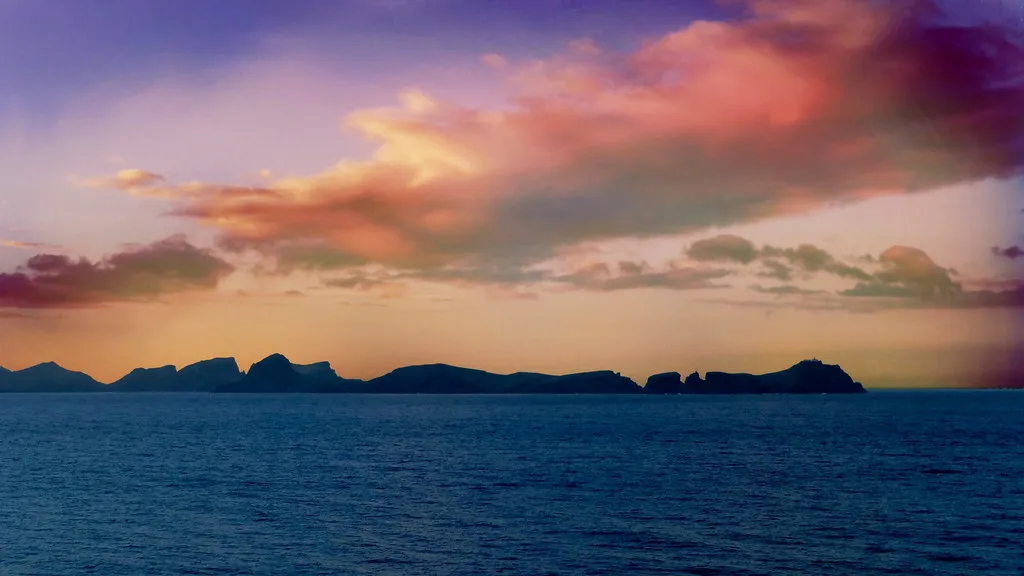
The main trail runs roughly 7.5 km return from the car park at Baía d'Abra and takes around 3 hours at a relaxed pace. Entry is free and the path stays open daily. Bring at least 1.5 litres of water per person — there is zero shade anywhere on the route. Sunrise is the best time for photography: the light catches the red cliffs from the east and the tourist buses haven't arrived yet.
The car park fills fast in summer. Arriving before 08:00 guarantees a space. If you're driving from Funchal, allow 40 minutes via the VE1 expressway. The trailhead is well-signposted from Caniçal village.
Porto Moniz Natural Volcanic Pools
Porto Moniz on the northwest tip of the island is famous for its natural lava pools — saltwater swimming holes formed by ancient volcanic flows and refilled daily by Atlantic tides. The pools are among the most photographed spots in Madeira and for good reason: the dark rock, turquoise water, and surrounding cliffs make for a genuinely striking scene.
There are two pool complexes side by side. The municipal Piscinas Naturais charges €3 per adult (2026 price) and opens daily from 09:00 to 18:00 in summer, with shorter hours from October through April. The water temperature hovers around 20–22°C in summer. Arrive before 10:00 to secure sunbathing space on the flat concrete platforms before the tour groups arrive from Funchal.
Porto Moniz is a 1.5-hour drive from Funchal via the north coast road (ER101). That route passes through some of the most dramatic scenery on the island, including the Ribeira da Janela sea stacks just east of town. If you come by tour bus, you'll typically get 90 minutes at the pools — not enough time. Drive yourself and stay for lunch at one of the seafood restaurants on the harbour.
The municipal Piscinas Naturais at Porto Moniz charges €3 per adult (2026 price) and opens daily from 09:00 to 18:00 in summer. Arrive before 10:00 to secure a spot on the sunbathing platforms before tour groups arrive from Funchal.
Seixal Black Sand Beach
Seixal is the only natural black sand beach on Madeira. The sand is ground volcanic basalt, dark grey-black, and the beach sits below emerald cliffs with a small waterfall feeding into the shore. It is a striking setting and access is free year-round. Local surfers and photographers use it constantly, and it sees far fewer visitors than Porto Moniz despite being only 10 minutes apart by car.
Tides matter here more than at most Madeiran beaches. At low tide the sand strip is wide enough to lay a towel; at high tide the waves reach the cliff base and the beach effectively disappears. Check the tide charts for Seixal before you drive over — the difference between a good beach day and no beach at all is about 1.5 metres of Atlantic tide. Parking is limited on the village road above; the walk down takes around 5 minutes.
The combination of Seixal and Porto Moniz works perfectly as a single half-day loop from Funchal along the north coast road. Drive west to Porto Moniz first (morning, pools open 09:00), then stop at Seixal on the way back east in the early afternoon when tides are typically lower. The road between the two is spectacular — narrow, coastal, and carved through cliffsides.
What to Drink in Madeira
Madeira wine is the island's most famous export and one of the most misunderstood wines in the world. It is a fortified wine that undergoes an unusual heating process called estufagem, which accidentally mimics the effect of long sea voyages that once aged the wine in ship holds. The result is a wine with extraordinary longevity and a complex flavour profile that ranges from dry and saline (Sercial) to rich and caramel-sweet (Malmsey/Malvasia). Bottles a century old are not unusual and still drinkable.
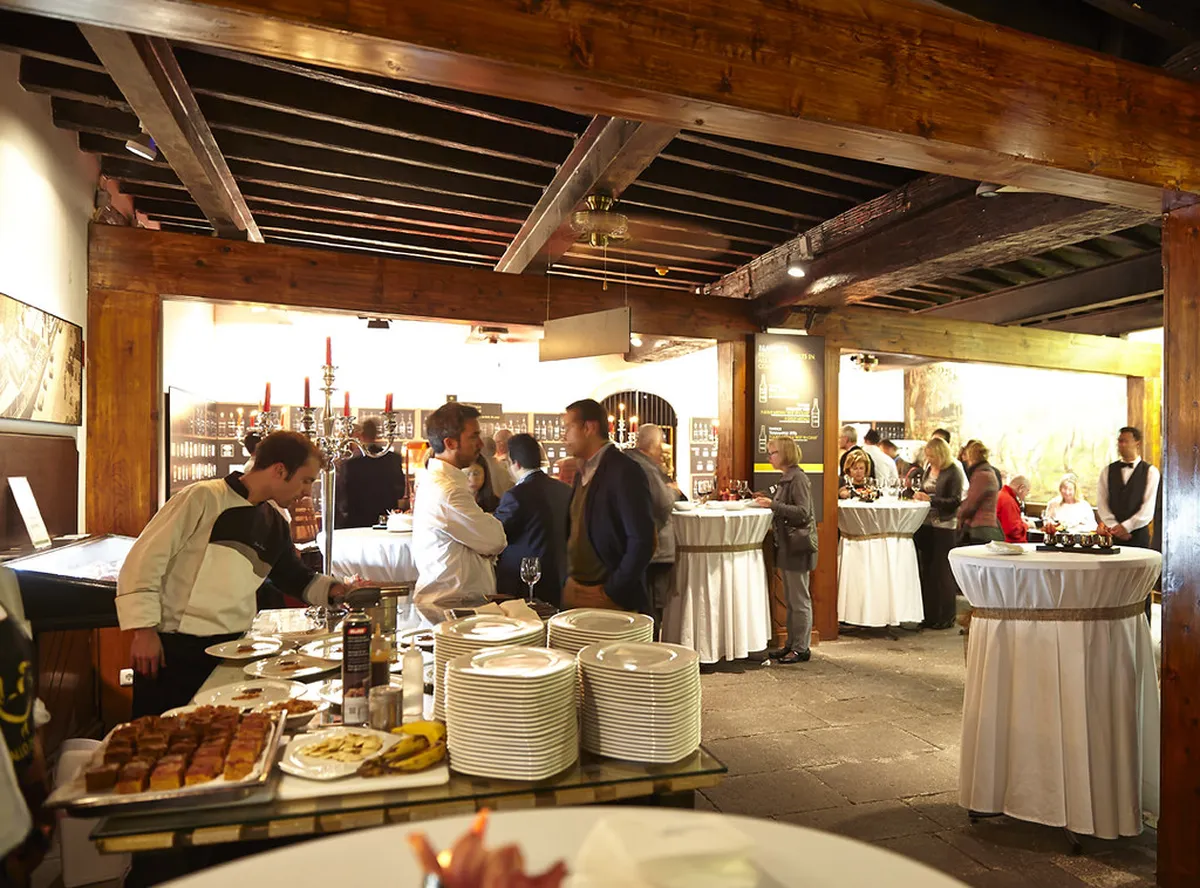
For a proper introduction, Blandy's Wine Lodge in central Funchal offers guided cellar tours and tastings. Tours run several times daily and cost between €15 and €50 depending on which vintages you want to try. The afternoon session (around 14:30) is worth booking — the cellar stays cool while the city outside bakes. You can book directly at the lodge or online at least a day ahead in peak season.
Poncha is the island's other famous drink — and the one locals actually order on a Tuesday evening. It is made from sugar cane aguardente, honey, and fresh citrus juice, mixed with a traditional wooden tool called a caralhinho until the honey fully dissolves. The classic version uses lemon; a regional variant from Câmara de Lobos uses orange. A glass costs €2–4 at a village bar. It is stronger than it tastes. The best Poncha in Funchal is reliably found in the back streets of the Zona Velha (Old Town) near the waterfront.
Câmara de Lobos Fishing Village
Câmara de Lobos sits 9 km west of Funchal and is one of the most photogenic spots on the island: a small harbour filled with brightly painted wooden fishing boats, surrounded by tall black cliffs. Winston Churchill painted this harbour repeatedly during his visits to Madeira in the 1950s, and a plaque on the main road marks the spot where he set up his easel.
The village is famous for scabbard fish — the deep-sea black fish (peixe espada) that is one of Madeira's signature dishes. The fishermen who catch it operate from Câmara de Lobos, working depths of 800–1,200 metres at night. If you arrive in the early morning you may see the day's catch being unloaded at the pier. The fish is almost always served as a grilled fillet with fried banana — an odd combination that genuinely works.
Walk through the village any time for free. The harbour bars are liveliest from around 17:00 when the fishing boats return. For the best espetada (beef skewers on laurel wood) on the island, the restaurant O Polar sits above the harbour and requires a car or taxi to reach — but it is worth the detour.
Levada Walks and the Laurel Forest
Madeira's levadas are irrigation channels built into the hillsides over five centuries to carry water from the wet north to the dry south. There are over 2,000 km of these channels, many with narrow footpaths running alongside them through the island's interior. Walking a levada is the defining Madeira activity — it is low-gradient (the water must flow), deeply immersive, and free.
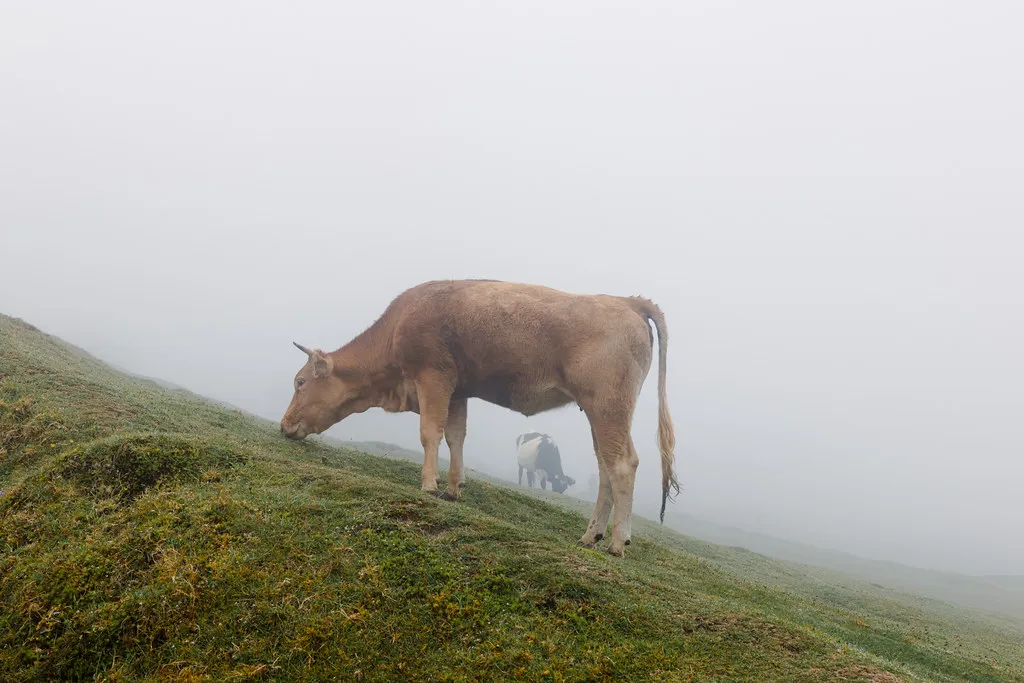
The Levada do Caldeirão Verde in the Queimadas forest park is the best single levada for first-time visitors. The trail runs 13 km return, passing through the UNESCO-listed Laurisilva laurel forest and ending at a 100-metre waterfall inside a narrow canyon. The forest here is classified as a World Heritage Site — it is a relict of the subtropical forests that covered southern Europe before the ice ages. Allow 4–5 hours. The trailhead is at Queimadas park (free entry), reached by a steep road from Santana village. Waterproof layers are essential: the canyon is always cool and the forest generates its own mist.
For a shorter option, the Levada dos Balcões near Ribeiro Frio takes around 1.5 hours return and ends at a viewpoint above the central mountain peaks. It is the easiest good levada on the island and suitable for most fitness levels. Neither trail requires a guide, though guided group tours from Funchal (typically €25–40 per person) handle the logistics if you prefer not to drive the mountain roads.
Waterproof layers are essential on levada walks — the laurel forest canyon stays cool and generates its own mist year-round. The Levada do Caldeirão Verde trail runs 13 km return and takes 4–5 hours; start from Queimadas park (free entry) near Santana village.
Whale and Dolphin Watching
The deep ocean trench surrounding Madeira makes it one of the best places in Europe to watch whales and dolphins from a boat. The channel between Madeira and the Desertas islands regularly hosts sperm whales, common and bottlenose dolphins, and occasional blue whales and short-finned pilot whales. Madeira-based tour operators use shore-based spotters with binoculars and radios to locate animals before the boats depart — sighting rates are genuinely high, typically above 90% for dolphins and 70–80% for whales in the main season (April through October).
Tours depart from Funchal marina and cost between €35 and €60 per adult, typically running 2–3 hours. Catamaran tours give a more stable ride and suit families; rigid inflatable boats (RIBs) are faster and more agile, reaching animals more quickly. Both types operate multiple daily departures. Book at least a day ahead in July and August. Two reputable operators are Catamaran Ventura and Lobosonda — both operate responsible wildlife-watching practices under Madeira's marine wildlife regulation framework.
Cascata dos Anjos: The Waterfall You Drive Through
Most travel guides mention Madeira's waterfalls in passing. One they consistently underserve is Cascata dos Anjos near Ponta do Sol — a waterfall that falls directly across the old ER101 coast road, meaning you drive your car underneath it to continue along the route. It is a bizarre and memorable 10 seconds: water pouring over your windscreen, the road slick, the cliff face directly above you. There is nowhere else in Portugal quite like it.
The spot sits between Ponta do Sol and Calheta on the old coastal road, not the modern bypass. You need to deliberately choose the lower ER101 rather than the viaduct — GPS will usually route you via the faster highway, so override it. The detour adds about 15 minutes but also passes through the village of Lugar de Baixo and some of the best coastal scenery on the south coast. Go early in the morning to avoid facing oncoming traffic on the narrow road and to catch the waterfall at its fullest after overnight rainfall.
What Food is Madeira Famous For?
Scabbard fish (peixe espada) is the dish most closely tied to Madeira's identity. The fish is caught at depths between 800 and 1,200 metres off the island's north and west coasts — Madeira and the Azores are the only places in the world with a significant fishing tradition for this species. The meat is mild, white, and delicate despite the fish's alarming appearance. It is almost always served as a grilled fillet alongside fried Madeiran bananas, which are smaller, denser, and sweeter than supermarket bananas. The combination sounds strange and tastes excellent.
Espetada is beef cut into large chunks, rubbed with garlic and sea salt, and grilled over laurel wood embers on a long iron skewer that is then hung from a ceiling hook at the table. The laurel wood imparts a faint aromatic smoke to the meat. It is a dish for sharing and is sold by weight (typically 300–400 g per person). Expect to pay €18–25 for two at a traditional restaurant outside Funchal.
The island's exotic fruit market is a genuine discovery. The Mercado dos Lavradores in Funchal stocks fruit unavailable in mainland supermarkets: monstera deliciosa (a cross between pineapple and banana in flavour), tamarillo, passion fruit, custard apple, and the tiny sweet Madeiran banana. Stallholders offer samples. Prices in the indoor market are tourist-pitched; the same fruit is cheaper at the exterior stalls on the street level, or at the municipal market in any smaller town.
Ponta do Sol Sunsets and the Santana Houses
Ponta do Sol is the sunniest village on the island — a fact that has made it the default sunset-watching destination for the south coast. The pebble beach and concrete pier are free. Several café terraces above the beach face directly west and fill from about 18:00 onward as the light changes. Arrive 40 minutes before sunset if you want a table. Parking is tight in the village centre; the car park on the main road above the village is a 5-minute walk down.
Santana in the north is famous for its palheiros: triangular thatched cottages with steep straw roofs that come down almost to the ground. These houses are genuinely traditional — farmers kept animals on the ground floor and lived above them for warmth — and a handful of restored examples are open to the public near the village centre. Viewing from outside is free; the small interiors that operate as gift shops charge €2 entry. They make for a distinctive photograph and are worth the 20-minute stop if you are already on the north coast road between Porto Moniz and Ponta de São Lourenço.
Planning Your Trip to Madeira in 2026
Getting around the island without a car is slow and limits you to the main towns. The modern tunnel system (VR1 and VE1) has compressed driving times significantly — Funchal to Porto Moniz now takes 1 hour 20 minutes via tunnel versus nearly 2 hours on the old coast road. Automatic rental cars are strongly recommended. Hill starts on Madeira's roads are frequent and steep, and a manual car on a 20% gradient with a queue behind you is a poor introduction to the island. Expect to pay €35–60 per day for a small automatic in summer 2026.
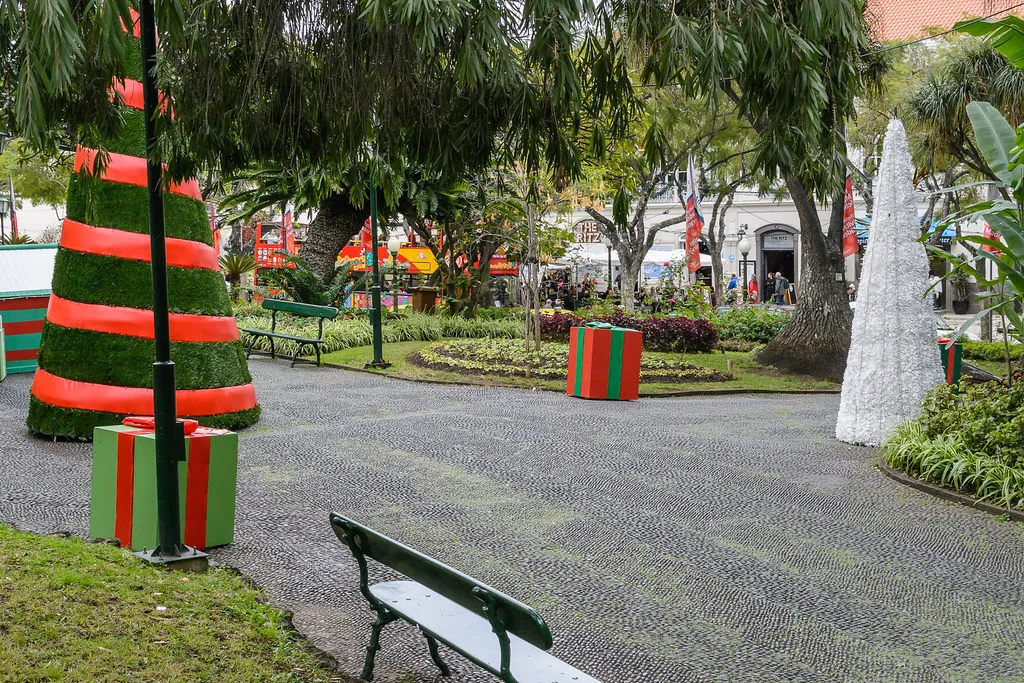
Weather varies radically by altitude and by coast. The south (Funchal, Câmara de Lobos, Ponta do Sol) is reliably sunny in summer. The north coast (Seixal, Porto Moniz) is wetter and dramatically greener. The central highlands above 1,400 metres can be clouded-in completely even when Funchal is 26°C. Always pack a waterproof layer regardless of the forecast in the city. If you plan to do the 8 Essential Tips for the Madeira Crossing Hike, check the mountain weather station reports the night before — the Pico do Arieiro webcam gives real-time conditions at the trailhead.
Funchal works well as a base for the whole island. However, staying one or two nights in Calheta or Santana puts you 20 minutes from the north coast highlights rather than 90. For more to do across the island, the 23 Best Things to Do in Madeira: The Ultimate Guide guide covers day trips, hiking routes, and which areas suit which type of traveler.
Frequently Asked Questions
What food is Madeira famous for?
Madeira is best known for Espetada, which consists of garlic-rubbed beef skewers grilled over laurel wood. You should also try the black scabbard fish served with local bananas for a unique sweet and savory mix. These dishes are available at most traditional taverns.
Is Madeira expensive for food and drink?
Eating out in Madeira is generally affordable compared to mainland Europe, with local lunch specials often costing under €12. A glass of local wine or a Poncha typically ranges from €3 to €6. Fine dining in Funchal will naturally carry higher price points.
How many days do you need in Madeira?
You should plan for at least 7 to 10 days to see the major highlights without rushing. This allows enough time to explore both the sunny south coast and the rugged northern landscapes. A shorter trip may leave you feeling hurried on the winding roads.
Madeira is a destination that rewards those who venture beyond the capital city of Funchal. From the misty laurel forests to the sun-drenched cliffs of the west, the island offers endless variety. Whether you are here for the wine or the walks, the Atlantic scenery will surely leave a lasting impression.
Remember to book your car and popular tours in advance, especially if you are visiting during the summer. You can find more travel tips and destination guides on the Portugal Wander blog for your next trip. Enjoy your journey to this floating garden and embrace the slow, island pace of life.
Use our Madeira tourism hub to plan the rest of your trip.
For related Madeira deep-dives, see our 22 Best Madeira Attractions and 22 Best Madeira Activities for Your 2026 Island Adventure guides.