10 Best Beaches and Swimming Spots in Porto Santo Madeira (2026)
Discover the 10 best beaches and natural pools in Porto Santo, Madeira. From golden sands to hidden tidal pools, plan your perfect island escape today.
On this page
10 Best Beaches and Swimming Spots in Porto Santo Madeira
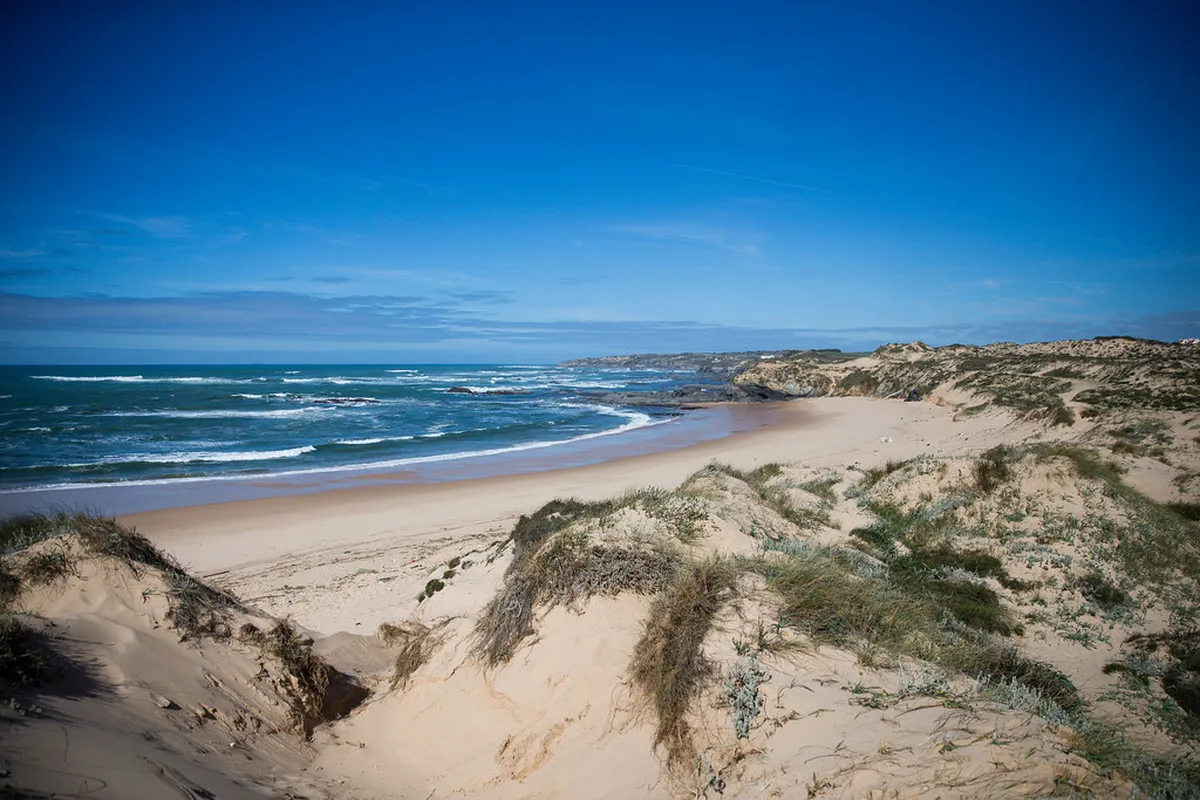
Porto Santo's nine-kilometer golden coastline is unlike anything else in the Madeira archipelago. While the main island of Madeira offers dramatic volcanic pebble shores, Porto Santo delivers soft, powder-fine sand stretching in an almost unbroken arc along its southern coast. Add wild tidal pools on the northern shore and the island becomes one of the most versatile beach destinations in the Atlantic.
This guide covers every significant swimming spot on the island in 2026, from the accessible family beaches of Vila Baleira to the tide-dependent natural pools at Porto das Salemas. If you are already exploring 13 Best Sandy Beaches and Swimming Spots in Madeira, Porto Santo is the essential island addition to your itinerary.
How to Get to Porto Santo: Ferry vs. Flight
The Porto Santo Line ferry departs from Funchal harbor and arrives at Vila Baleira port after approximately two hours and fifteen minutes. The crossing runs daily year-round, typically departing around 08:00 and returning from Porto Santo around 18:00, giving day-trippers roughly seven hours on the island. Tickets cost between €50 and €75 return depending on season, and booking online at least a few days ahead is strongly recommended in July and August.
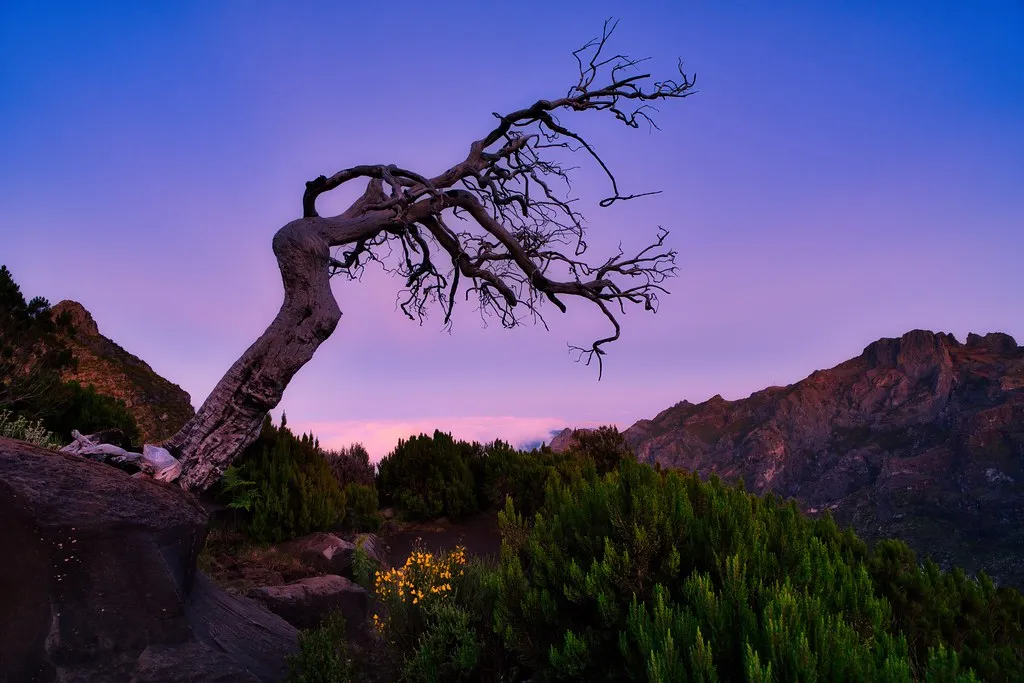
Binter Canarias operates a fifteen-minute flight between Madeira Airport (FNC) and Porto Santo Airport (PXO). Fares start around €60 one-way but typically run €90–€130 return. The flight eliminates sea transit time but adds airport check-in on both ends, so the practical time saving over the ferry is smaller than it first appears — around forty-five minutes door to door.
For day-trippers focused on beach time, the ferry is the better choice. The onboard amenities are comfortable and the scenic crossing across the Atlantic is genuinely enjoyable. Travelers prone to seasickness or those planning to prioritise the northern pools should consider flying and hiring a car or scooter at the airport.
| Route | Operator | Duration | Return Fare (approx.) | Best For |
|---|---|---|---|---|
| Ferry (Funchal → Vila Baleira) | Porto Santo Line | ~2h 15min | €50–€75 | Day-trippers; scenic crossing |
| Flight (FNC → PXO) | Binter Canarias | ~15min | €90–€130 | Travelers prone to seasickness; northern pool focus |
When to Swim in Porto Santo
The swimming season runs from June through October. Water temperatures peak between 23°C and 25°C in August and September, and the island's consistent northeast trade winds keep air temperatures pleasant rather than oppressive. Crowds peak in July and August, particularly on the southern stretch in front of the large resorts.
May and early June offer a strong shoulder-season case. The water sits around 19°C–20°C, most beach bars are already open, and the main beach is noticeably quieter. September is arguably the ideal month: warm water, thinner crowds after the school-holiday rush, and reliable sunshine. Even in the middle of winter, water temperatures rarely drop below 17°C, so a wetsuit swim is possible year-round.
The southern beach stays calm for most of the year because of its east-facing aspect, which shields it from the dominant Atlantic swell. The northern tidal pools are more exposed and become genuinely hazardous in the swells that arrive from November through March. Plan northern coast visits for the calmer summer and early autumn months and always verify conditions locally on the day.
September is arguably the best month to visit Porto Santo: water temperatures reach 23–25°C, crowds thin after the school-holiday rush, and sunshine is reliable. The shoulder months of May and early June offer quieter beaches with water around 19–20°C and most beach bars already open.
1. Praia da Fontinha (Vila Baleira)
Praia da Fontinha sits at the heart of Porto Santo's capital and is the island's most social beach. The wooden pier that extends into the water is a landmark in its own right — walk to the end at low tide and turn back toward shore to see the full sweep of golden sand backed by the town's pastel facades. Local children jump off the low pier edge; swimmers enter via the stairs built into the structure itself.
Facilities here are the strongest of any spot on the island: supervised in season, toilets and showers available near Hotel Torre Praia, bicycle parking, and a children's playground. It is also the only beach on the southern coast with a PRM ramp and an amphibious beach wheelchair available on request, making it the most accessible option for visitors with mobility needs. Arrive before 10:00 in peak season to secure a position near the pier. Restaurants and cafes are within a two-minute walk in every direction.
2. Ponta da Calheta Beach
Ponta da Calheta marks the southwestern tip of the island and is widely regarded as the best spot for both sunrise and sunset on Porto Santo. The nearby Ilhéu da Cal islet sits low on the horizon and catches the late light in a way that is difficult to photograph adequately. The sand near the water's edge gives way to pebbles and volcanic rocks, so water shoes help for entry.
The beach is also the departure point for kayak excursions exploring the coastal caves toward Zimbralinho — the most practical way to reach that cove in 2026 while the overland path remains closed. A restaurant directly overlooking the beach serves fresh local fish. Drive ten minutes from Vila Baleira along the ER120 to reach the free car park at the road's end. There is a PMR ramp and accessible toilets at this location.
3. Praia Pedras Pretas
Pedras Pretas translates to "black rocks" and the name is apt: dark volcanic formations break up the golden sand and create natural windbreaks along the shore. It is the only stretch of the southern coast consistently patrolled by a lifeguard during peak season, which makes it a sound choice for families with young children. Hotel Porto Santo & Spa sits directly behind this beach and rents deckchairs and parasols to non-guests.
The Pé na Água restaurant nearby is among the most recommended on the island for fresh fish. Access is via a sandy path off the ER111 road, about a twenty-minute walk from the town center or a five-minute drive. Parking is available at the road's end. There is no PMR ramp at this section. The path itself is easy and well-maintained; just use the wooden footbridge and short staircase at the beach entrance.
4. Praia Ribeiro Salgado
Ribeiro Salgado sits roughly equidistant between the port and Ponta da Calheta and has a more local, low-key character than the resort-facing beaches. A row of traditional fishing huts in varying shapes and sizes lines the back of the beach and gives it a distinctly authentic feel. The small beach bar here is popular with residents rather than tourists and the overall atmosphere is relaxed without the resort infrastructure of the central stretch.
A large free car park at the end of Rua do Ribeiro Salgado makes this one of the easier beaches to drive to. Toilets and changing rooms are available next to the bar. The water is exceptionally clear in summer and the fine, therapeutic sand slopes gradually — useful for families letting young children wade in slowly. There is no PMR ramp but also no steps; the transition from car park to sand is flat and easy to navigate.
5. Praia Cabeço da Ponta
Cabeço da Ponta fronts the island's largest resort cluster — Hotel Pestana Porto Santo and Hotel Vila Baleira both operate here, each with designated deckchair zones on the sand. The beach itself remains fully public, so you can lay a towel anywhere outside the resort lines at no cost. The water in front of these hotels is routinely calm and remains one of the better family swimming zones on the island's southern coast.
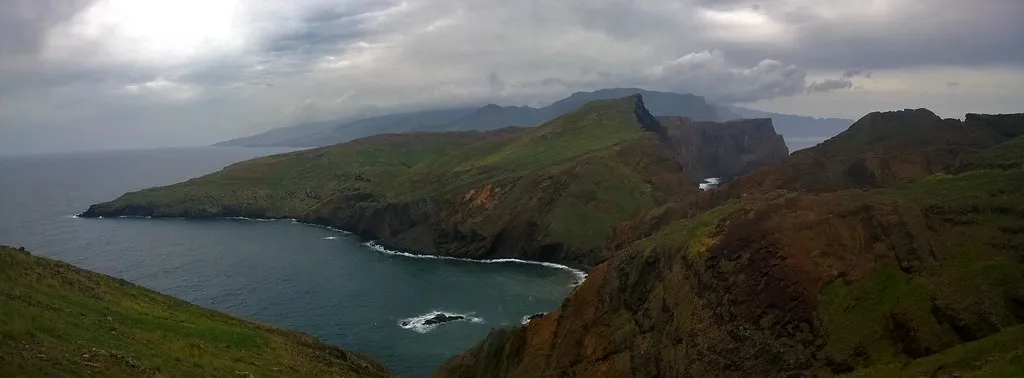
The rolling sand dunes directly behind this beach are worth thirty minutes of exploration on foot. The dune landscape looks almost incongruous given the Atlantic setting, resembling a small-scale desert more than a European beach. Walking here early in the morning, before the sun is fully overhead, is the most comfortable approach. The Mar e Sol restaurant is nearby on the road north for fish and shellfish after a beach morning.
6. Praia do Penedo (Port of Porto Santo)
Penedo Beach sits between the ferry marina and Vila Baleira and is almost always the first beach day-trippers pass after disembarking. It is frequently overlooked in favor of walking further down the coast, which works in your favor: the sand here is as fine and therapeutic as anywhere on the southern stretch, and the view looking west along the full arc toward Ponta da Calheta is one of the most photogenic on the island.
The beach has umbrellas set up by local operators and sits within a short walk of the port's cafes and restaurants. Practically, it is the most logical last-stop beach for day-trippers who want a final swim before the evening ferry. If the water feels turbid near the dock itself — occasionally affected by ferry wake — walking five minutes west along the sand resolves the issue entirely.
7. Praia do Zimbralinho
Zimbralinho is a wild pebble cove tucked beneath tall cliffs on the island's western edge. As of 2026, the pedestrian path leading down to the beach remains closed to the public due to ongoing landslide risk. The view from the clifftop near Miradouro das Flores is still worth the drive — the cove sits in a near-perfect natural bowl, the water an intense cobalt blue framed by dark volcanic walls.
The practical route to Zimbralinho today is by kayak from Ponta da Calheta, a paddle of around thirty to forty minutes that passes coastal caves en route. Several operators at Calheta run guided tours that combine kayaking with snorkeling inside the rock formations. This is now the standard way to experience Zimbralinho and adds significant value over a solo land approach would in any case. Book ahead in July and August as tour slots fill quickly.
8. Porto das Salemas Natural Pools
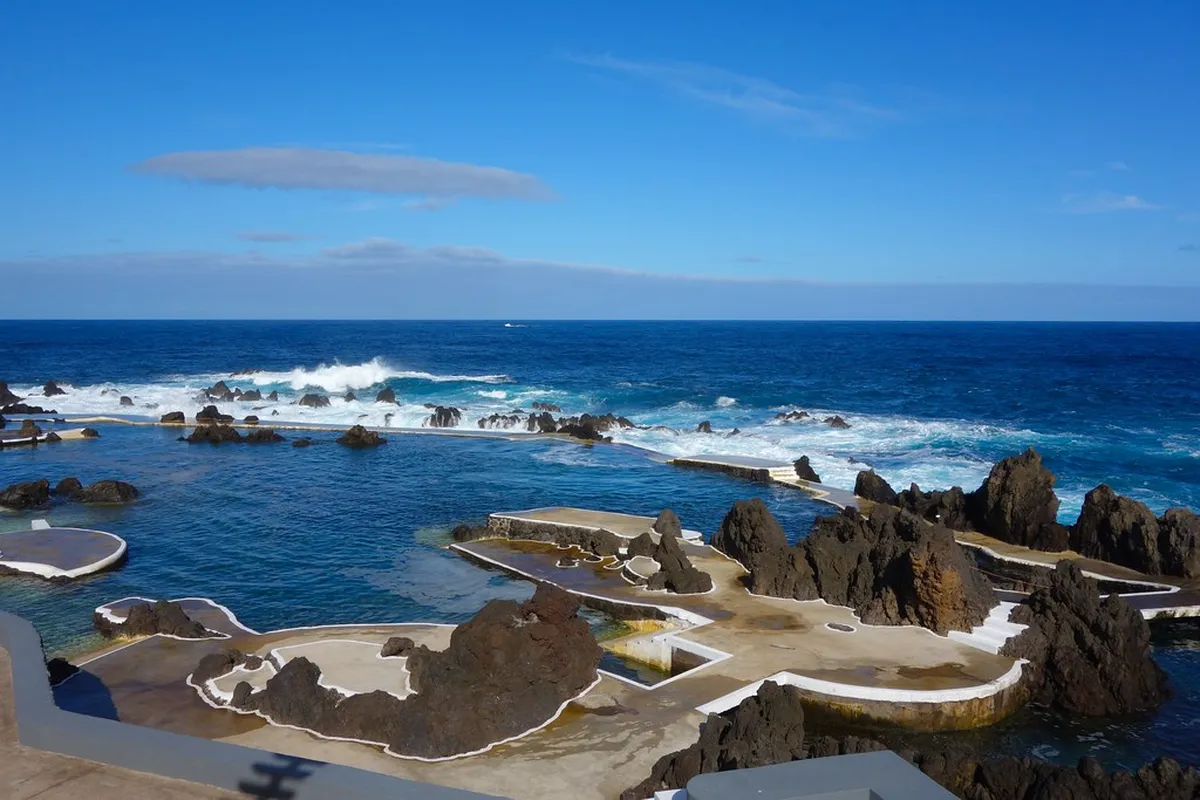
Porto Santo's northern coast features the most spectacular swimming site: Porto das Salemas, a site that requires the most planning. The pools are carved into a basalt shelf and are only accessible for roughly two hours centered on low tide. Outside that window, Atlantic surge covers them completely and swimming is dangerous. Before making the drive, check the tide forecast for Vila de Porto Santo and aim to arrive one hour before low tide to maximise your window in the pools.
Inside the pools, the water is crystal clear and sheltered from open-ocean waves. A small sandy beach — large enough for twenty to thirty people — sits just before the basalt shelf and offers a rare patch of sand on the otherwise rocky northern coast. The contrast between the surging Atlantic breaking against the outer wall and the still pool water on the inside is striking. There are no facilities at this location; bring water and sun protection for the entire visit.
The drive from Vila Baleira takes around twenty minutes on the ER111. A bicycle is feasible but the northern road is hillier than it looks on a map. An electric bike or a small hire car is the more comfortable option for most visitors. The car park near the pools is small; arrive early on summer weekends to avoid a long walk back from roadside parking.
Porto das Salemas pools are only accessible for roughly two hours around low tide — outside this window, Atlantic surge covers them completely and swimming is dangerous. Check the tide forecast for Vila de Porto Santo before making the drive and aim to arrive one hour before low tide to maximise your window.
9. Porto dos Frades Tidal Pools
Porto dos Frades sits on the island's eastern coast and combines accessible snorkeling with a small sandy beach — an unusual pairing on the rocky northern shore. The tidal pools are protected by a volcanic reef wall that suppresses wave action inside, creating sheltered, shallow water that hosts octopus, moray eels, and a wide variety of reef fish. The pools function at most tide stages, which makes this a reliable northern coast option when the Salemas tide window does not align with your schedule.
Parking sits directly adjacent to the beach, making Porto dos Frades the most easily reached spot on the eastern coastline. Pico do Maçarico rises behind the beach as a clean volcanic backdrop. A guided snorkel tour with one of the island's operators — Porto Santo Destination Tours runs these regularly — is the most effective way to find the best entry points and know which rock formations to investigate. Even without a guide, the snorkeling is immediately rewarding from the main pool entry on the northern side of the reef wall.
10. Praia do Porto dos Padres
Porto dos Padres is the remote option for travelers who have seen the main sites and want genuine solitude. The beach sits on the north coast and requires a vehicle plus a short walk over uneven terrain. There are no facilities of any kind nearby, so bring all food, water, and sun protection for the entire visit. The reward is a sense of complete isolation that is increasingly rare on a small island that is otherwise well-equipped for tourism.
The swell exposure here is higher than the southern beaches, and swimming conditions can deteriorate quickly from October through April. Check conditions locally before swimming. Porto dos Padres works best as a combined stop on a northern coast loop that also takes in Porto dos Frades and Porto das Salemas — string all three together on a single day with a hire car and you cover the entire wild northern coastline in one efficient loop.
Therapeutic Sand and Psammotherapy
Porto Santo's sand is internationally recognized as medically therapeutic because of its unusual mineral composition. The grains are biogenic — formed from crushed marine organisms over millennia — and are rich in magnesium, calcium, strontium, and carbonates. This composition allows the sand to retain and release heat slowly against the skin, which is the physical basis for psammotherapy: the practice of burying the body in warm, dry sand to treat musculoskeletal and circulatory conditions. The island has been marketing this property as a health tourism product since the 1970s.
The spas at Hotel Porto Santo & Spa and Pestana Porto Santo Beach Resort & Spa both offer formal psammotherapy sessions. A typical session involves lying in a purpose-built sand bed at specific temperatures for thirty to forty-five minutes under therapist supervision. The treatments target conditions including rheumatism, arthritis, and joint inflammation. Sessions start around €40 in 2026 and should be booked in advance during peak season, particularly in July and August when the spas operate at capacity.
You do not need a spa booking to benefit from the sand. Walking barefoot on the dry dunes behind Praia Cabeço da Ponta for thirty minutes provides meaningful mineral contact and exfoliation. The sand brushes off cleanly when fully dry, unlike coarser Atlantic beach sands. The therapeutic properties are present across the entire southern nine-kilometer stretch — no premium accommodation or resort fee is required to access them.
Is Porto Santo Worth a Day Trip From Funchal?
A day trip via the ferry gives you roughly six to seven hours on the island. That is enough time to cover the southern stretch thoroughly and reach Porto dos Frades if you have a hire car waiting at the port. It is not enough time to combine both northern pool sites unless the Porto das Salemas low tide window falls neatly in the middle of your day — check the tide table before booking the ferry if the natural pools are a priority.
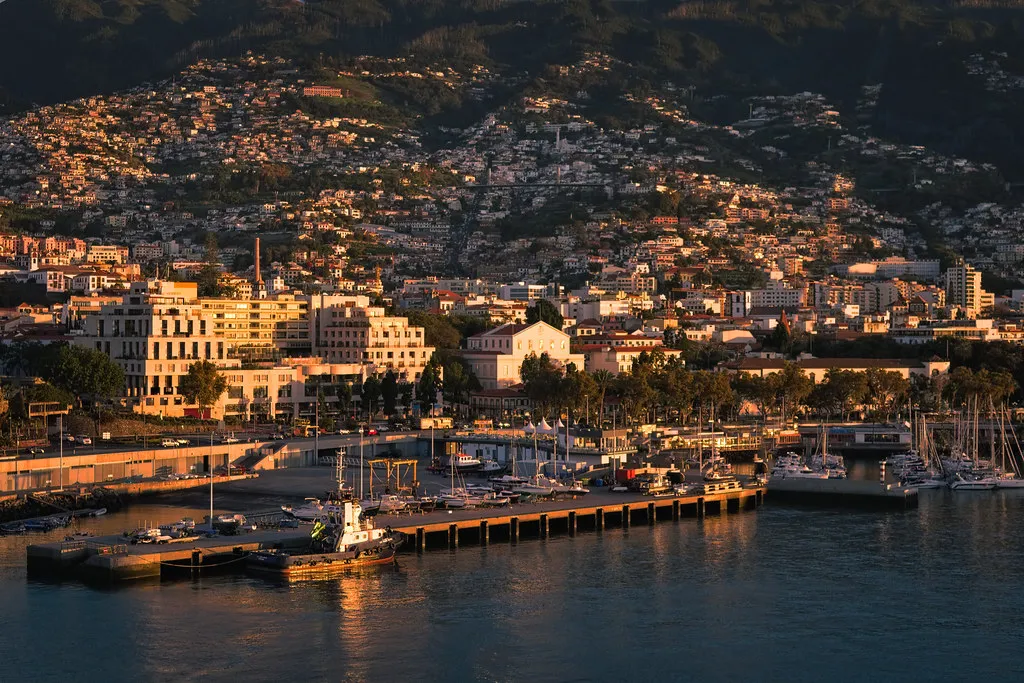
Staying overnight transforms the experience significantly. The island quietens after the return ferry departs around 18:00. Vila Baleira in the evening is genuinely local: restaurants fill with residents, the pace slows, and the southern beach is almost empty for a sunset walk. A two-night stay is the practical minimum to cover both the southern and northern coasts without rushing. For more travel inspiration and accommodation ideas, browse the latest posts on the Portugal Wander blog.
Frequently Asked Questions
Are there any private beaches in Porto Santo?
All beaches in Porto Santo are public and free to access by law. While some resorts have sunbeds on the sand, you can always set up your own towel nearby without paying.
What is the best way to get from Madeira to Porto Santo?
The Porto Santo Line ferry is the most popular choice for its scenic views and reasonable price. It departs from Funchal harbor most mornings and returns in the late evening.
Where to stay in Porto Santo for beach access?
Vila Baleira is the most convenient area for those who want to be within walking distance of shops and the main beach. The southern resort zone is better for direct beachfront luxury.
Porto Santo rewards planning. Match the Porto das Salemas visit to the tide window, book the ferry early for July and August, and keep at least one full day for the northern coast. The combination of therapeutic southern sands and wild northern pools makes this island genuinely unique within the Portuguese Atlantic — and increasingly hard to replicate anywhere else in Europe.
For the wider island context, see our complete guide to things to do in Madeira.
For related Madeira deep-dives, see our 15 Best Madeira Beaches and Swimming Spots and 13 Best Sandy Beaches and Swimming Spots in Madeira guides.