13 Best Sandy Beaches and Swimming Spots in Madeira (2026)
Discover the 13 best sandy beaches and swimming spots in Madeira, from natural black sand in Seixal to golden shores in Machico and the 9km beach of Porto Santo.
On this page
13 Best Sandy Beaches and Swimming Spots in Madeira
Madeira is not a typical beach island. Most of its coastline is sheer basalt cliff or coarse pebble, which catches first-timers off guard after seeing the tourism brochures. But hidden within that volcanic landscape are striking black sand coves, two patches of imported golden shore, and a neighboring island with a 9-kilometer stretch of natural sand that ranks among the finest in all of Portugal.
This guide covers the 13 best sandy beaches in Madeira and the swimming spots worth your time in 2026, including practical details on parking, entrance fees, water conditions, and which beaches work for families versus which require more effort to reach. Knowing exactly what each spot looks like before you arrive will save you a lot of disappointment on the road.
What to Expect from Madeira's Coastline
The geological history of the island explains everything. Madeira is a young volcanic island, and most of its natural shore is either jet-black volcanic sand or smooth pebbles polished by the Atlantic. The famous black sand — most visible at Seixal and Prainha do Caniçal — is fine-grained and surprisingly soft underfoot, nothing like the coarse grit of a lava field. It feels noticeably different from anything you will find in the Algarve.
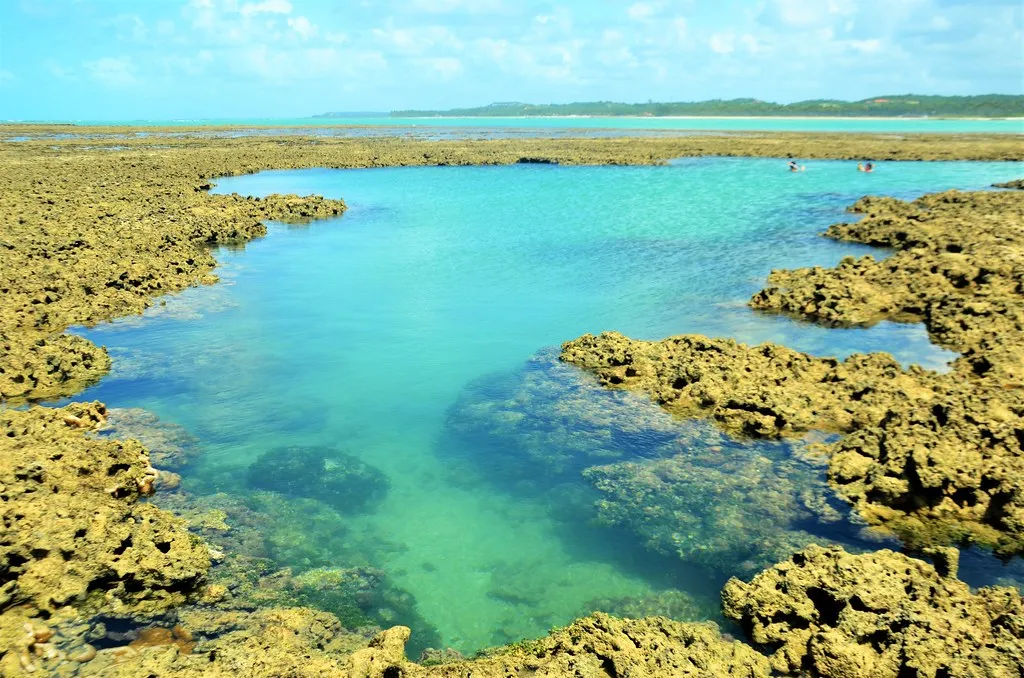
To meet demand for traditional golden sand sunbathing, the regional government imported Saharan sand and built protective breakwaters at Machico and Calheta. These artificial beaches are well-maintained and genuinely comfortable, but they are man-made environments — the sand is held in place by stone walls and requires periodic replenishment after winter storms. Neither location holds a Blue Flag designation, since the EU award scheme does not apply to artificial sand installations in the same way it does to natural beaches.
Porto Santo, the smaller island in the Madeira Archipelago reachable by a 2.5-hour ferry from Funchal, is the one place where nature did the work. Its 9-kilometer golden strand is naturally occurring, mineral-rich, and consistently ranked among the best beaches in Portugal. If a proper beach holiday is your main goal, Porto Santo deserves serious consideration over a day spent chasing short coves on the main island.
| Beach / Spot | Sand Type | Entry Fee | Lifeguards | Family-Friendly |
|---|---|---|---|---|
| Seixal Black Sand | Natural black sand | Free | No | Moderate (lava pool calmer) |
| Praia de Machico | Imported golden sand | Free (loungers ~€10) | Yes (Jun–Sep) | Yes — calm shallow lagoon |
| Calheta Beach | Imported golden sand | Free (loungers ~€5–10) | Seasonal | Yes — sheltered coves |
| Prainha do Caniçal | Natural black sand | Free | No | Moderate (steep path) |
| Porto Santo Beach | Natural golden sand (9km) | Ferry ~€60–70 return | Seasonal | Yes — calm, shallow water |
| Porto Moniz Lava Pools | Volcanic rock pools | ~€3 per adult | Yes | Yes — calm in all weather |
| Seixal Lava Pools | Volcanic rock pools | €2.50 per adult | Yes | Moderate (steep access road) |
| Praia do Garajau | Pebble (marine reserve) | Cable car ~€4 return | No | Moderate (snorkeling focus) |
1. Seixal Black Sand Beach (Porto do Seixal)
Seixal is widely considered the most beautiful beach in Madeira and most visitors who make the 50-minute drive from Funchal agree. The setting is dramatic: tall green cliffs ringed with vegetation rise sharply behind the soft black sand, and on a calm day the Atlantic water is remarkably clear. The beach is natural, free to enter, and open year-round.
What no competitor mentions is the seasonal waterfall that flows directly onto the eastern edge of the sand. From roughly October through April, rainwater drains down the cliffs and drops onto the beach in a thin, powerful cascade. Swimming near an active waterfall on volcanic sand is a genuinely rare experience — it is one of the main reasons photographers and couples schedule their Madeira trips around the wetter months rather than avoiding them. In dry summer weather the waterfall disappears entirely.
Swimming is possible on calm days, but the ocean here is exposed to Atlantic swells and can shift quickly. The natural lava pool on the left side of the beach (Poças das Lesmas) provides a calmer alternative when the waves are up. Parking is extremely limited — there are roughly 20 spaces at the bottom of the access road, reserved partly for residents. Arrive before 9 am or expect to park in the village and walk down a steep hill. The small seasonal bar near the pool has toilets and snacks.
2. Praia de Machico (Golden Sand)
Machico sits 30 minutes east of Funchal, near the airport, and its crescent beach is one of only two places on the main island where you will find soft golden sand. The sand is imported from North Africa and held in place by a stone breakwater that also creates a calm, shallow lagoon on the eastern side. This makes Machico the most reliably swimmable spot on the island for young children — even on windy days the protected water stays gentle.
Lifeguards are on duty from approximately 9 am to 7 pm during peak season (June through September). The beach is free to use. Sun loungers and umbrellas are available for hire at around 10 euros per set. The town behind the beach has a proper promenade, cafes, and restaurants, so a full beach day is easy to organise without needing to drive anywhere.
The trade-off for the golden sand is crowds. Machico is the most popular beach on the island among both locals and package tourists, and by late morning on a summer Saturday it feels congested. Paid parking is available within a 5-minute walk of the beach; in March even that is difficult to find before 10 am, so plan accordingly.
3. Calheta Sandy Beach (Artificial Golden Sand)
Calheta sits on the southwest coast, sheltered from the prevailing north winds that batter the upper coastline. The beach consists of two small golden sand coves separated by a marina pier. Like Machico, the sand is imported and the breakwater keeps the water calm. Unlike Machico, Calheta feels quieter and more contained — the coves are smaller, and the surrounding town is less built-up.
Access to the beach is free. Lounger and umbrella hire runs roughly 5 to 10 euros per set. The marina alongside offers several seafood restaurants that are useful when the midday sun peaks. Calheta is also a departure point for whale and dolphin watching boats, so if you want to combine a beach morning with a wildlife afternoon, this location is hard to beat for logistics.
The wind protection here is genuine. On days when the north coast is completely unswimmable due to swells, Calheta's enclosed coves remain calm and warm. If your visit coincides with rougher weather, this is the most reliable golden sand alternative to Porto Santo on the main island.
4. Prainha do Caniçal (Natural Black Sand Cove)
Prainha is a small natural black sand cove near the eastern tip of Madeira, close to the São Lourenço Peninsula. It requires a 10-minute walk down a steep, unpaved path from a roadside parking area. The descent is manageable for most visitors but unsuitable for prams or anyone with limited mobility. At the bottom you find a sheltered cove with surprisingly warm water, dark sand, and cliffs on both sides that block the wind.
A small seasonal restaurant operates at beach level, but opening hours are unreliable outside summer. Bring your own water and snacks if you visit in spring or autumn. The lizards here are remarkably tame — the endemic Madeiran lizard (Teira dugesii) treats the warm sand as its territory and will approach picnickers directly. It is harmless and entertaining for children.
Prainha sits just a few kilometres from the start of the Ponta de São Lourenço hiking trail (PR8), one of the island's most famous walks. Combining both in a single day makes practical sense — hike the peninsula in the morning while it is cool, then descend to the beach for a swim and lunch. The parking area serves both the hike and the beach, and it fills up by 9 am on summer weekends.
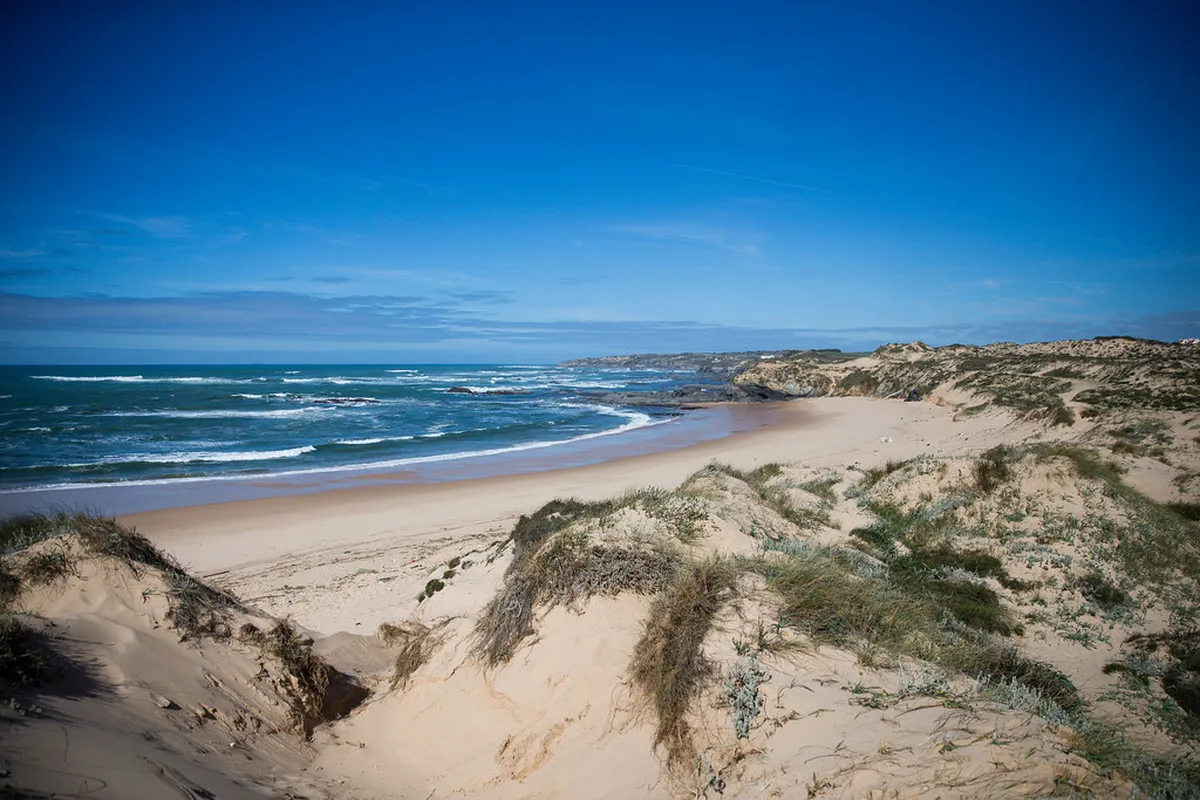
5. Porto Santo Beach (The 9km Golden Shore)
Porto Santo is a separate island in the Madeira Archipelago, reached by the Porto Santo Line ferry from Funchal harbor. The crossing takes approximately 2.5 hours each way. The ferry typically departs Funchal at 08:00 and returns around 19:00, giving you roughly nine hours on the island for a day trip. Round-trip tickets currently cost around 60 to 70 euros per adult depending on season and how far in advance you book. Check current schedules and prices at the Porto Santo Line official site before committing, as the ferry can be cancelled in rough weather — this happens several times each winter and occasionally in early spring.
The Porto Santo Line ferry departs Funchal at 08:00 and returns around 19:00, giving around nine hours for a day trip. Round-trip tickets cost roughly 60–70 euros per adult — book in advance during summer as sailings sell out, and note that the crossing can be cancelled in rough winter weather.
The beach itself is extraordinary by any measure. Nine kilometers of natural golden sand with consistently calm, shallow blue water runs along almost the entire southern coast of the island. In the off-season it feels nearly deserted. The sand is warm, fine-grained, and famously mineral-rich — locals and visiting Portuguese claim it soothes joint pain and skin conditions, a belief grounded in the sand's unusually high content of magnesium, calcium, and iron compounds. Whether or not you believe the therapeutic claims, lying on it for a day is genuinely restorative.
A day trip is enough to see the main beach, but the island deserves at least one overnight stay. The crowds thin dramatically after the afternoon ferry, the sunsets over the Atlantic are exceptional, and the pace of the island changes entirely once the day-trippers leave. For detailed planning on the smaller island, see our guide to the best beaches in Porto Santo.
6. Praia Formosa (Funchal)
Praia Formosa is the largest beach near the capital and is easily reached on foot or by bus from central Funchal. Manage your expectations clearly before visiting: this is not a sandy beach. It is approximately 90 percent large, rounded basalt pebbles that are uncomfortable to walk across without water shoes. Small patches of dark sand appear at low tide but disappear when the water rises. The beach is listed prominently in older guidebooks as a top attraction, and the resulting disappointment is one of the most common complaints among first-time visitors to the island.
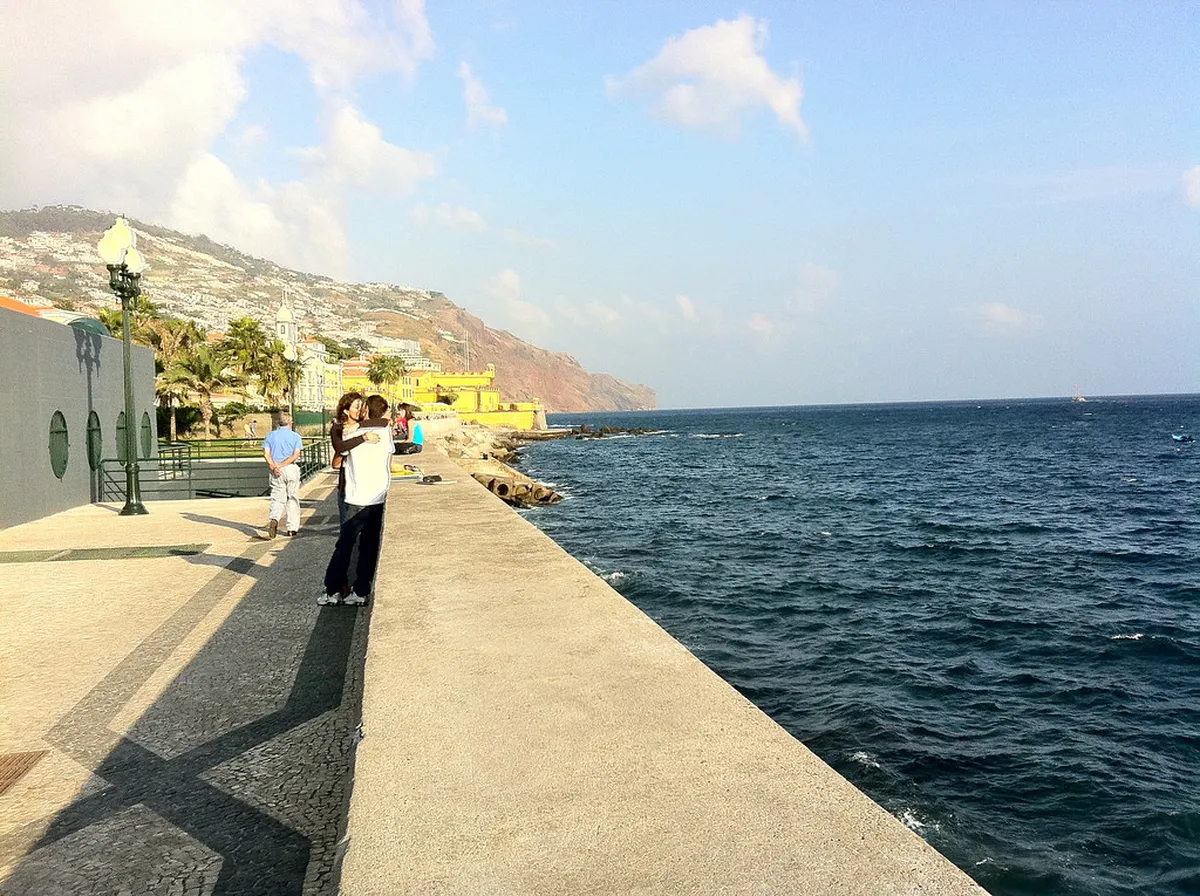
What Praia Formosa does offer is a long open-air promenade, accessible 24 hours a day, with sea views and several restaurants and kiosks. It is a pleasant place to walk at sunset. If you are staying in Funchal and want an actual swimming experience, the Doca do Cavacas natural pools, a short distance west along the coast road, are a far better option than the pebble beach.
7. Praia da Alagoa (Porto da Cruz)
Porto da Cruz is a village on the northeast coast with one of the most distinctive settings on the island. The beach sits directly beneath the Penha d'Águia, a 590-metre basalt monolith that rises from the sea in a near-vertical wall of dark rock. From the water the view back to shore is genuinely dramatic. The beach itself is black sand with some pebbles, free to access, and popular with local surfers who find consistent beginner-to-intermediate waves here.
Adjacent to the beach is a public balneario (bathing complex) that charges around 5 euros for access to its freshwater pool, changing rooms, and showers. This is useful for rinsing off after a swim in the salty Atlantic. The village behind has a handful of cafes and a small bar at the beach itself. Bus connections to Funchal exist but are infrequent; a car makes visiting significantly easier.
8. Praia da Maiata
Praia da Maiata is a wild, unmanaged black sand beach with no facilities and minimal signage. It sits on a rugged stretch of coast and requires some navigation to find. There are no entrance fees, no lifeguards, and no infrastructure of any kind. This is its appeal for those seeking isolation — on weekdays you can have a black sand Atlantic beach entirely to yourself.
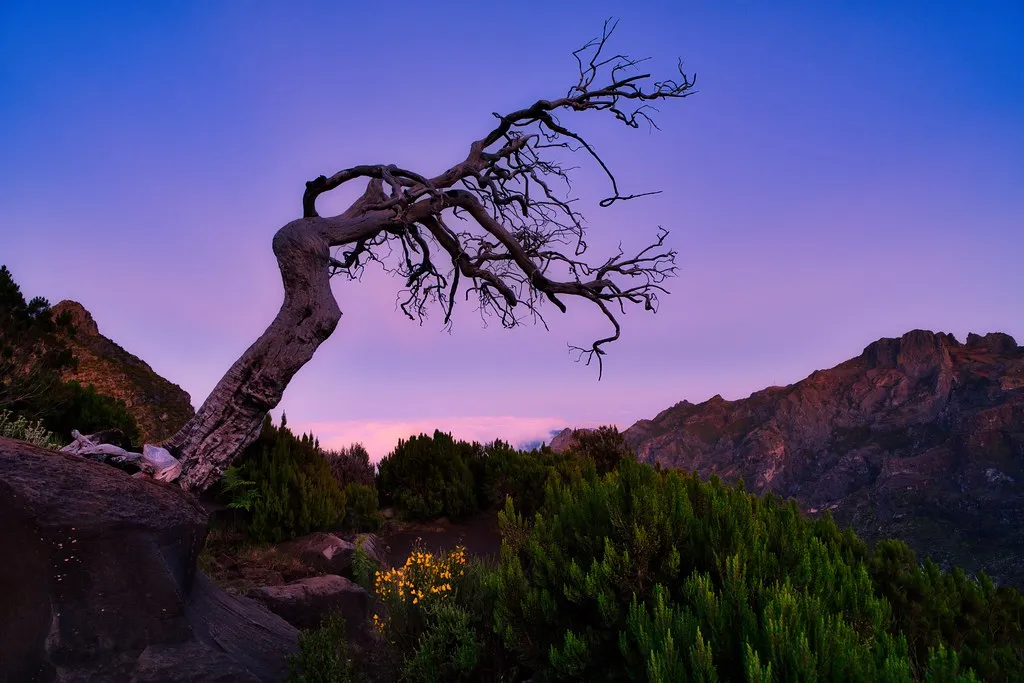
Check the surf and wind forecast before visiting. This part of the coastline is exposed and the waves can be powerful and unpredictable. Red flag conditions at nearby beaches mean conditions here are likely worse. It is best suited to experienced sea swimmers or those content to sit above the waterline and appreciate the scenery rather than enter the water.
9. Porto Moniz Natural Lava Pools
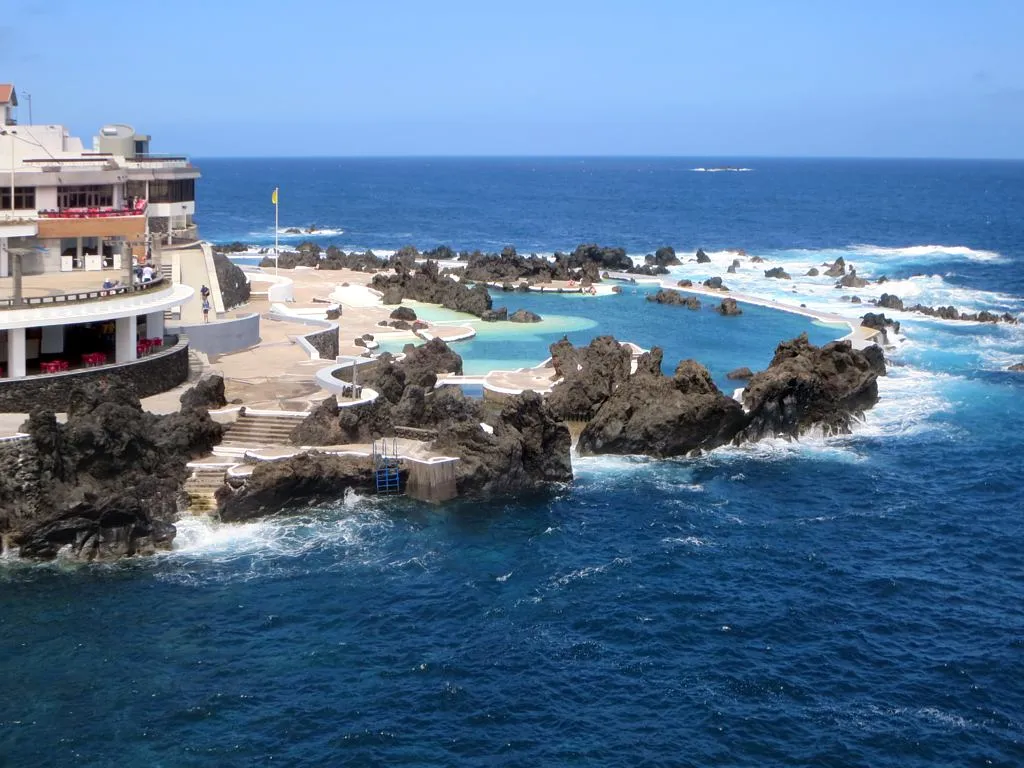
Porto Moniz sits on the northwest tip of the island, about an hour from Funchal by car. The town has two distinct lava pool areas. The first, Piscinas Naturais do Aquário, is the more developed option with lifeguards, sun loungers, changing rooms, and showers. Entry costs approximately 3 euros per adult. The second area, Piscinas Naturais do Porto Moniz, is wilder and free to enter but has minimal amenities. Both are carved from ancient volcanic rock and naturally replenished by Atlantic tides — the water quality is excellent and the setting, with ocean spray crashing over the outer walls, is spectacular.
The drive to Porto Moniz along the north coast road is genuinely scenic and passes the famous Miradouro das Ilhéus da Ribeira da Janela viewpoint, worth a 10-minute stop. Parking in Porto Moniz is paid and can be competitive in summer; arrive before 10 am. When the sea is rough, the pools still tend to be swimmable — this is their key advantage over open beaches on the same coastline.
10. Seixal Natural Lava Pools (Poças das Lesmas)
The natural pools at Seixal are arguably more scenic than those at Porto Moniz because of the volcanic rock arch that frames one of the main swimming areas. A natural basalt arch rises from the water and creates a cathedral-like impression. Entry costs 2.50 euros per adult. Lifeguards are on duty, there are basic changing rooms, and a small bar serves drinks and snacks at beach level.
The access road down to the pools is extremely steep — a 33 percent gradient in places — and can feel alarming in a standard hire car. Parking at the bottom is limited to around 10 spaces. Most visitors park at the top and walk down, which takes about 5 minutes but requires sturdy footwear on wet volcanic rock. People with mobility restrictions will find the hill genuinely challenging both ways.
11. Praia do Garajau
Garajau sits within a protected marine reserve, which means the underwater visibility and fish density here are exceptional compared to most other spots on the island. The beach is predominantly smooth pebbles, but the snorkeling and diving quality more than compensate. A cable car descends the cliff face to beach level and costs approximately 4 euros per person for a return ticket. The ride takes about three minutes and provides views along the south coast that are worth the fee alone.
The marine reserve status means no fishing and no anchoring, which keeps the water clear of boat traffic. You can rent snorkeling gear from a small operation near the beach. If you only snorkel once during your time in Madeira, Garajau is the most reliable location for seeing the island's underwater life.
12. Câmara de Lobos Beach (Praia do Vigário)
Praia do Vigário is a dark sand and pebble beach accessed via a tunnel from the center of Câmara de Lobos, the famous fishing village 15 minutes west of Funchal. The beach is free, rarely overcrowded despite the village's popularity with visitors, and faces west — which makes it one of the better spots on the south coast for watching sunset from the water. Local fishing boats pass in front of the beach as they head out for night fishing, providing an authentic working-harbor atmosphere that the more touristic beaches lack.
Câmara de Lobos itself is worth exploring before or after the beach. The brightly painted boats in the harbor and the clifftop views toward Cabo Girão are among the most photographed scenes in Madeira. Several good seafood restaurants sit within a three-minute walk of the beach entrance tunnel.
13. Faial Beach (Complexo Balnear do Faial)
Faial's bathing complex on the northeast coast combines a small protected sandy area with a large outdoor swimming pool and direct ocean access via a rocky bay. The general beach and pool area is free to enter, though the pool facilities may carry a small fee during peak summer months. The surrounding park includes a sand volleyball court and a children's playground, which makes it one of the more practical options for families who need infrastructure alongside their beach time.
The complex sits at the base of the Faial valley with good mountain views behind the coast. It is less visited than the beaches on the south coast and parking is generally straightforward outside of August. A cafe on site handles basic meals and drinks.
Map of Madeira Beaches and Swimming Spots
The beaches on this list are spread across the entire island, and their geography shapes how you plan your days. The south coast (Machico, Calheta, Garajau, Praia Formosa, Câmara de Lobos) is drier and sunnier, with calmer seas and better public transport links. The north coast (Seixal, Seixal Lava Pools, Porto Moniz, Alagoa, Maiata) is dramatically scenic but wetter, more exposed to Atlantic swells, and essentially requires a hire car.
The east tip (Prainha do Caniçal, Faial) sits in a transitional climate zone and offers some of the island's wildest natural conditions with relatively easy road access. Porto Santo is entirely separate and requires the ferry from Funchal harbor. Check the Visit Madeira official beach guide for real-time water quality reports and seasonal opening hours for managed facilities before you head out.
For planning a multi-day itinerary that combines the best beaches with Madeira's hiking trails and villages, the island's compact size works in your favor — even the northernmost beaches are under 90 minutes from Funchal by car. A logical two-day beach circuit pairs the north coast (Seixal, Porto Moniz) on day one with the east tip (Machico, Prainha do Caniçal) on day two.
Practical Tips for Swimming in Madeira
Water temperatures in Madeira stay between 18°C in winter and 24°C in late summer. The ocean is swimmable year-round, though a light wetsuit helps during long snorkeling sessions in January or February. The sea is generally calmer on the south coast regardless of season.
Parking is the single greatest practical challenge. The narrow coastal roads on the north side do not accommodate overflow parking, and local police issue fines for blocking access routes. Arriving by 9 am is the standard rule for any popular north coast spot. For Machico, Calheta, and Funchal-area beaches, bus connections from the capital are reliable and remove the parking problem entirely.
Always bring water shoes. Many swimming spots require a walk over wet volcanic rock or rough pebble before you reach the water. A high-SPF sunscreen is non-negotiable — the Atlantic breeze consistently masks how strong the sun is until the damage is done. Obey red and yellow flag systems at managed beaches; Atlantic swells on the north coast are deceptively powerful even on days that appear calm from shore.
Parking on Madeira's north coast roads is severely limited and police issue fines for blocking access routes. Arrive at popular spots like Seixal and Porto Moniz by 9 am — later arrivals on summer weekends often find no legal space within a 20-minute walk. For south coast beaches like Machico and Calheta, bus connections from Funchal remove the parking problem entirely.
Frequently Asked Questions
Are there any natural golden sand beaches in Madeira?
No, there are no natural golden sand beaches on the main island of Madeira. All golden sand in Machico and Calheta was imported from the Sahara Desert, while the neighboring island of Porto Santo has 9km of natural golden sand.
Which Madeira beaches are best for families with children?
Praia de Machico and Calheta are the best choices for families because they feature imported soft sand and stone breakwaters. These barriers keep the water calm and shallow, providing a safe environment for young children to swim.
How do I get to Porto Santo from Funchal for the beach?
You can take the Porto Santo Line ferry from the Funchal harbor, which takes about two and a half hours. The ferry usually departs early in the morning and returns in the evening, making a beach day trip very easy.
Finding the perfect sandy beach in Madeira requires choosing the right type of experience first. Families with young children will do best at Machico or Calheta. Travelers seeking dramatic volcanic scenery should prioritize Seixal. Anyone wanting a proper sandy beach holiday should take the ferry to Porto Santo. And if you want calm protected water without crowds, the lava pools at Porto Moniz and Seixal are the most reliable swimming spots on the island regardless of weather.
For more on planning your time in Portugal, visit the Portugal Wander blog. The island's coastal conditions change with the season, so always check local weather, tide reports, and the official Visit Madeira beach guide before heading out. The volcanic landscape rewards patience — the best moments on Madeira's coast often come to those willing to arrive early and stay late.
For the wider island context, see our complete guide to things to do in Madeira.
For related Madeira deep-dives, see our 15 Best Madeira Beaches and Swimming Spots and 10 Best Beaches in Funchal and Nearby (Madeira Guide 2026) guides.