12 Best Things to Do in Funchal Portugal (2026)
Discover what to do in Funchal, Portugal. From the Monte Cable Car to the CR7 Museum, explore the top 12 attractions with local tips on transport and timing.
On this page
12 Best Things to Do in Funchal Portugal
Funchal is a city that earns its reputation slowly. Arriving at the harbour, you see a compact port town; walk inland three blocks and the streets tilt sharply upward into a layered, subtropical city that takes days to fully read. This guide was refreshed in 2026 to keep all pricing, transport routes, and seasonal event dates current.
The city works best as a base for the whole island while offering enough on its own to fill two or three solid days. From painted doors in the Old Town to the world-record New Year’s Eve fireworks, the calendar and the streets give you constant reasons to stay engaged. What follows covers the twelve essential things to do, plus practical guidance on timing, food, drink, and where to sleep that most travel articles leave out.
Planning Your Visit to Funchal
Funchal sits on the southern coast of Madeira, rising from the Atlantic into a natural amphitheater of green peaks. Most major attractions cluster within the historic center or the elevated parish of Monte, reachable by a fifteen-minute cable car ride. The flat promenade along the marina is easy walking, but prepare for steep climbs the moment you move three blocks inland.
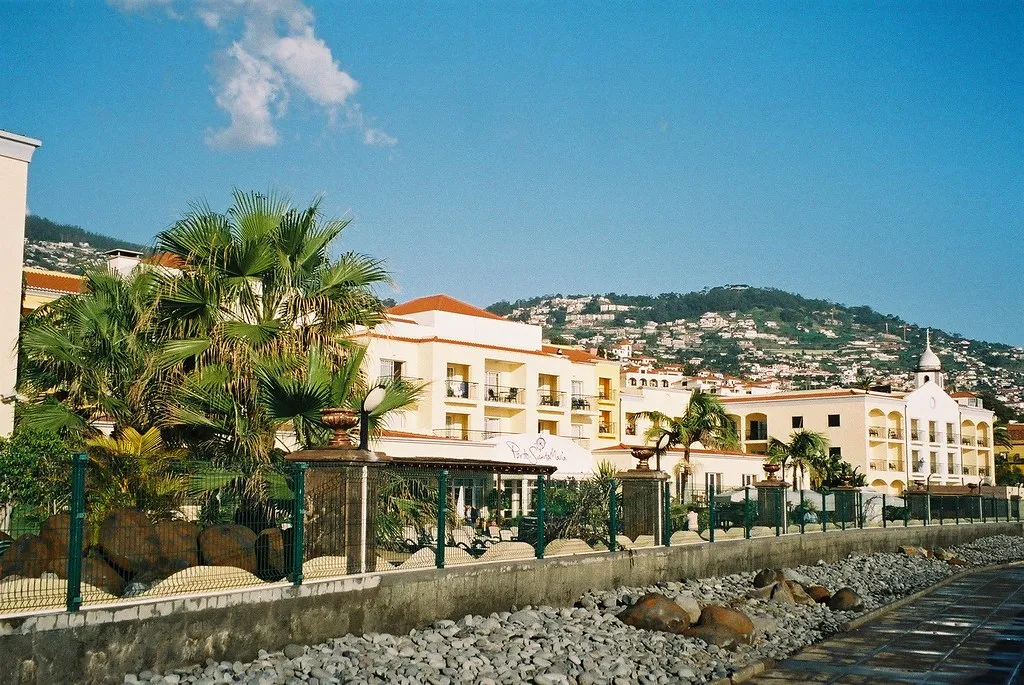
Public buses cover most of the city efficiently, running frequently between 07:00 and 22:00. Yellow taxis wait near the cable car station and the marina; a ride from the center to Monte costs around €10. Many visitors combine walking the downhill routes with taxis or buses uphill to save their legs for the gardens. The city serves as the best hub for exploring the whole island, with transport links to every corner of Madeira. Everything from traditional poncha bars to the 7 Essential Facts About Michelin Star Restaurants in Madeira has developed in recent years sits within a short distance of the center.
Funchal operates at a slower pace than Lisbon, particularly during the long midday lunch window from 13:00 to 15:00. Embracing that rhythm, rather than fighting it, allows you to enjoy the subtropical climate and the lush public gardens. Bring a light layer even in July: the microclimate shifts noticeably once you climb toward Monte, and the mountains can pull in cloud cover within minutes.
Wander the Historic Funchal Old Town (Zona Velha)
The Old Town, locally called Zona Velha, is the right place to begin any visit to Funchal. Narrow cobblestone streets run parallel to the seafront, lined with restaurants, small bars, and the occasional traditional crafts shop. The atmosphere is unhurried in the morning; by late afternoon the waiters at the outdoor tables grow more insistent, so an early wander gives you the streets to yourself.
Rua de Santa Maria is the centrepiece and home to the Painted Doors Project. Local and international artists have transformed over 200 old doorways into murals, turning the entire street into an open-air gallery. The doors range from botanical illustrations to abstract geometric work, and new panels are added each year. Walking the full length takes about twenty minutes; allow longer if you stop to photograph each door. The broader area also contains the Fort of São Tiago, a bright yellow 17th-century fortification at the eastern end of the Old Town. Entry is free and the battlements offer a solid view over the Atlantic — a natural turning point at the end of a morning walk.
On nearby Avenida do Mar you will find the Cristiano Ronaldo statue at Praça CR7 and direct access to the Funchal marina. The walk from the Old Town to the marina and back through the Funchal Old Town Travel Guide: Explore Madeira's Heart is the best free half-day itinerary in the city. For more, Avenida Arriaga — the main boulevard lined with tall trees and black-and-white mosaic paving — connects the marina end to the cathedral end and is worth walking in both directions.
Visit the Iconic Funchal Cathedral (Sé)
The Sé Cathedral stands at the heart of Funchal and is one of the few structures from the island’s early colonial period that survives intact. Built in the late 15th and early 16th centuries from dark volcanic rock quarried at Cabo Girão, the building is a compact example of Manueline architecture with a relatively plain facade. The interior rewards a closer look. The wooden ceiling above the nave features intricate geometric marquetry in a mudéjar style with ivory inlay that forms a pattern of stars viewed from below.
The silver processional cross displayed inside is considered one of the finest examples of Portuguese silverwork from the Age of Discovery. Entry is free and the cathedral is open daily from 07:30 to 19:00, except during scheduled services. Spend thirty minutes here before the cruise ship groups arrive mid-morning. Just outside the main entrance, Praça do Município is worth a minute: the square’s black-and-white mosaic pavement and the surrounding 18th-century town hall provide one of the more photogenic corners of the city center.
Take the Funchal Cable Car to Monte
The Teleférico do Funchal is the single most efficient way to understand the geography of the city. The fifteen-minute ascent from Avenida do Mar to the mountain parish of Monte covers a vertical rise that would take forty minutes to walk. The views over the red-roofed city, the marina, and the curved coastline are the reason most visitors buy a one-way rather than a return ticket.
The cable car operates daily from 09:00 to 17:45 and runs 364 days a year. A one-way adult ticket costs €12.50; a return costs €18.50. Children under 3 travel free. The queue builds quickly when cruise ships are in port — arriving before 09:30 or after 15:00 usually means no wait. Check the Official Madeira Events Calendar to know what is happening in Monte on your travel day, as local festivals occasionally affect access roads near the upper station.
At the top, a second cable car connects Monte to the Madeira Botanical Garden, roughly 900 metres lower in elevation. This connector (separate ticket, approximately €5 one-way) saves significant downhill walking if you plan to visit both gardens in one day. It runs on the garden’s operating schedule rather than the main cable car timetable, so confirm the last departure time before you set off.
The cable car runs 364 days a year from 09:00 to 17:45. A one-way adult ticket costs €12.50 and return is €18.50 — buy one-way if you plan to toboggan back down. Arriving before 09:30 or after 15:00 avoids queues when cruise ships are in port.
Ride the Traditional Wicker Basket Toboggan
The Monte toboggan sounds absurd in a travel brochure and turns out to be genuinely enjoyable. Two drivers in white linen suits and straw hats steer a large wicker sled down approximately two kilometres of public road toward the Livramento neighbourhood. The ride takes ten to fifteen minutes and reaches speeds of up to 48 km/h on the steeper sections. It is a tourist activity by any honest measure, the queue can be long, and it ends roughly halfway between Monte and the city center — all details competitors rarely state plainly.
A seat for two costs €30 total (€15 per person); three people sharing a basket pay €25 each. The ride operates Monday through Saturday from 09:00 to 18:00 and does not run on Sundays. Arrive before 10:00 or after 15:00 to avoid the worst queues, which form when cable car passengers from the first two morning departures converge at once.
The ride ends in Livramento, not in the city center. From the finish point: catch bus 19 or bus 20 from the stop just below the finish line (frequent, costs about €1.50), take a waiting taxi (roughly €8 to €12 to the marina), or walk the 20-minute downhill route. Most visitors take the bus. If you bought a one-way cable car ticket and plan to toboggan back down, budget an extra 30 minutes to reach your next destination after the ride ends.
The toboggan does not run on Sundays, and the ride drops you in Livramento — not the city center. Budget extra time and €1.50 for bus 19 or 20 to reach your next stop, or around €10 by taxi.
Explore the Monte Palace Tropical Garden
Monte Palace is the garden most visitors remember longest. The hillside estate spreads across multiple terraced levels connected by paths that wind past koi ponds, black swans, a waterfall, and thousands of square metres of exotic plants from five continents. The collection of traditional Portuguese azulejo tiles — over a million individual pieces arranged in large panels depicting scenes from Portuguese history — runs along the main staircases and is unique among Madeira’s gardens.
The African sculpture museum inside the grounds holds more than 1,000 Zimbabwean pieces, and a separate wing displays a mineral collection of around 700 specimens. Plan for at least two to three hours to see the full property without rushing. General admission is €12.50 for adults; children under 15 enter free. The garden is open daily from 09:30 to 18:00. It sits directly next to the upper cable car station, making it a natural first stop after arriving in Monte.
Discover the Madeira Botanical Garden
The Botanical Garden sits below Monte at an elevation that gives it panoramic views across the entire Funchal harbour. The centrepiece is a large patterned flower bed in the middle of the main terrace — one of the most photographed spots on the island. The garden also contains a cactus section, an orchid greenhouse, and replicas of the traditional triangular-roofed Santana houses that are easier to see here than at the Madeira Theme Park further away.
Admission is €10 for adults and €4 for children. The garden opens daily at 09:00 and closes at 18:00, every day except Christmas. The on-site café sits at an elevated position with the same harbour view and charges standard city prices. From Monte Palace, the connecting cable car brings you directly here in about five minutes. Bus 29 runs from the Old Town to the garden entrance and is the easiest option if you are visiting independently without going to Monte first.
Experience the Mercado dos Lavradores (Farmers Market)
The Mercado dos Lavradores is an Art Deco building from 1940 that remains a genuine working market. The ground floor stalls sell flowers, tropical fruit, and the black scabbard fish (peixe espada) that appears on almost every menu in the city. The flower sellers, who wear traditional Madeiran dress on Fridays, occupy the covered central area. The fish section at the back is worth a look regardless of whether you plan to buy: the long black scabbard fish displayed hanging vertically from hooks are a common local sight that consistently surprises first-time visitors.
Entry is free. The market opens at 07:00 Monday through Thursday, closes at 15:00 on Saturdays, and is shut on Sundays. Friday morning is the best visit: the widest range of vendors, the traditional flower sellers in dress, and producers from other parts of the island. One note worth repeating: the vendors on the upper floor offer free samples of exotic fruit and then quote prices of €5 to €15 per piece. The ground floor stalls sell the same fruit at normal market prices to locals doing their weekly shop. The black scabbard fish you see here ends up on tables across the city — see the 12 Best Restaurants and Food Experiences in Funchal guide for where it is prepared well.
Visit the CR7 Museum (Museu CR7)
Cristiano Ronaldo was born in Funchal in 1985 and the city makes little effort to downplay the connection. The airport bears his name, a bronze statue stands at Praça CR7 on the marina, and the CR7 Museum sits directly adjacent. For football fans, the museum holds his five Ballon d’Or trophies, several Golden Boot awards, and career memorabilia displayed across two floors in chronological order from his youth at Sporting CP through his senior international career.
For visitors with no particular interest in football, the statue makes a quick photo opportunity and the surrounding marina is pleasant to walk regardless. Museum tickets are €6 for adults and €4 for children. Opening hours are Monday to Saturday 10:00 to 18:00, and Sunday 10:00 to 13:00. The museum rarely needs more than forty-five minutes. Mid-morning on a cruise ship day can feel crowded; the late afternoon slot is consistently quieter.
Sample Local Flavors at Blandy’s Wine Lodge
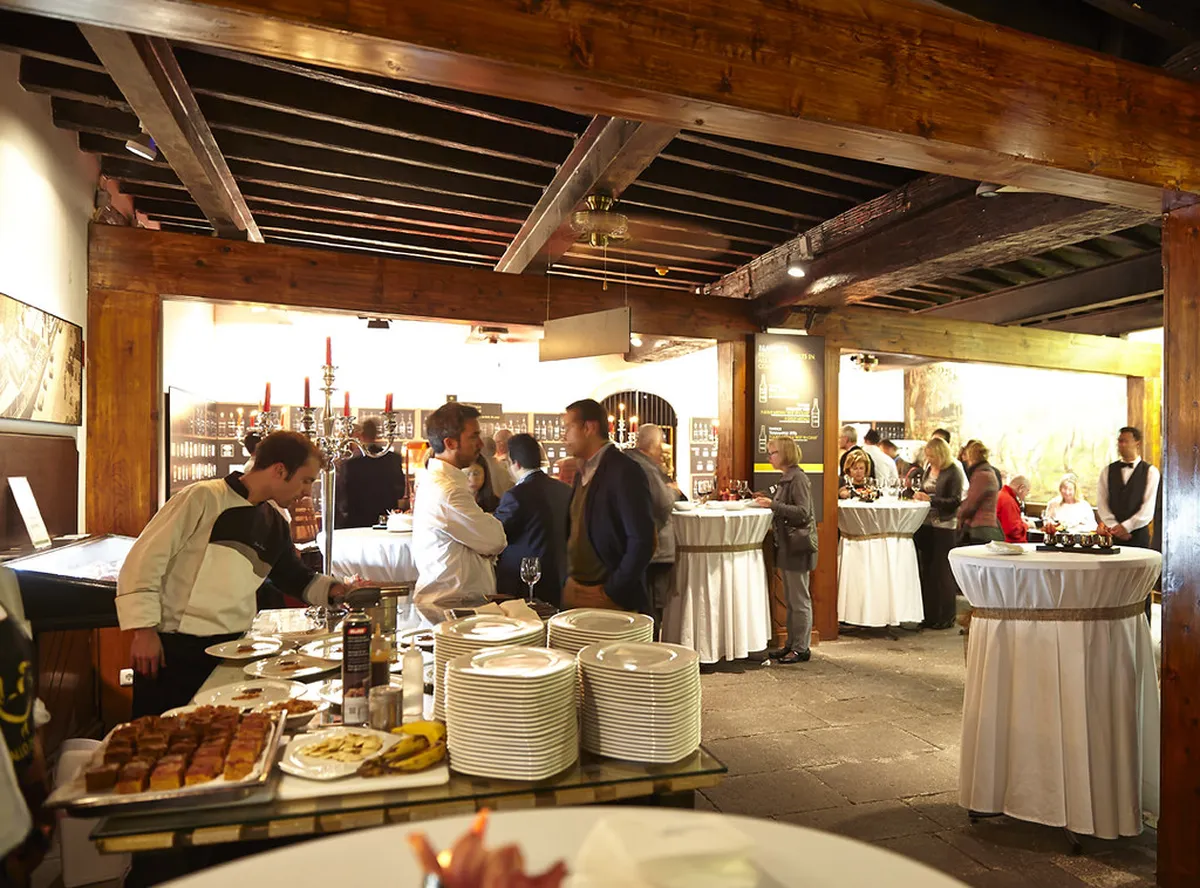
Blandy’s Wine Lodge sits on Avenida Arriaga, the main boulevard, adjacent to the municipal garden. The Blandy family has been producing Madeira wine in Funchal since 1811 and the lodge is the most accessible introduction to the island’s fortified wine. Guided tours (approximately €13, including tastings) take you through the aging lodges where casks mature for five to over forty years. The distinctive heating process — estufagem — is what gives Madeira its unique caramel, walnut, and dried-fruit character and also makes it effectively indestructible: an opened bottle of Madeira keeps for months without deteriorating.
Tasting-only visits to the tasting room require no booking and cost from €8. Tours need advance reservation, particularly in summer. The four main styles run from the bone-dry Sercial to the very sweet Malmsey — knowing the style before ordering in a restaurant saves confusion later. The gift shop stocks 200ml travel bottles that carry well and survive checked luggage without issue.
Poncha vs. Madeira Wine: Knowing What to Order
Funchal has two iconic drinks and they occupy completely different parts of the evening. Understanding the difference makes navigating the city’s bars considerably easier. Madeira wine is a fortified, oxidised wine served in small glasses, typically before or after a meal. It is sipped rather than consumed in quantity, and its flavour runs from bone-dry (Sercial) to very sweet (Malmsey). Blandy’s Lodge and Pereira D’Oliveira — a smaller, less commercial alternative a short walk away — are the right places to learn the styles. A glass costs €3 to €8 depending on age and style.
Poncha is something else entirely. Made from aguardente de cana (local sugar cane spirit), honey, and freshly squeezed citrus — traditionally orange and lemon — it is served in a small earthenware cup, mixed fresh at the bar, and drunk quickly. The alcohol content is typically 20 to 30% and the sweetness masks it effectively. There are now dozens of flavour variations: passionfruit, ginja (sour cherry), banana, and others. The traditional orange-and-lemon version is the most balanced starting point. Premixed bottled poncha sold at supermarkets bears little resemblance to the fresh version and is worth avoiding.
Rei de Poncha on Rua de Santa Maria in the Old Town is the most consistent spot in Funchal for fresh poncha. The bar has outdoor seating, a takeout window, and typically more than twelve flavours on the board. Order the traditional version first, then experiment. Expect to pay €2.50 to €3.50 per cup. The evening atmosphere on Rua de Santa Maria builds from around 20:00 and the poncha bars stay lively until midnight or later. This is the drink to have in Funchal; the 10 Best Things to Do for Madeira Nightlife scene is built around it.
Embark on a Dolphin and Whale Watching Tour
Funchal Marina is one of the best departure points for cetacean watching in the North Atlantic. The deep water immediately off the south coast creates a feeding corridor that bottlenose dolphins, spotted dolphins, and pilot whales use year-round. Sperm whales, fin whales, and occasionally blue whales are sighted during the spring migration window from March to June. Dolphin sightings are reliably high in any month; whale species depend more on season.
Two main vessel types operate from the marina: catamarans and speedboats. Catamarans have a more stable deck and suit anyone prone to seasickness. Speedboats reach marine life faster once a sighting is called in, which can make a difference on a day with widely spaced pods. Tours run in the morning (departures around 09:00) and early afternoon (around 14:00), lasting two to three hours. Morning tours are better for calmer seas and photography. Prices range from €35 to €55 per adult depending on vessel type and whether snorkeling is included. Book in advance during summer — morning departures fill quickly on days when multiple cruise ships are docked.
Stroll the Lido Promenade and Marina
The Lido promenade runs west from the city center along the coastline toward the hotel zone, connecting the marina to the Lido swimming complex. The paved path is flat, well-lit, and passes several public garden sections, coffee and gelato kiosks, and a series of seafront sculptures. It is the best option for a morning run or evening walk without the city’s characteristic steep climbs. Look for the large MADEIRA sign in coloured letters along the seafront — it is a popular photo stop and genuinely difficult to miss.
The public Lido swimming complex charges around €5 for adults and €2.50 for children, with access to saltwater pools, sun terraces, and changing rooms. Barreirinha beach at the eastern end of the Old Town is a free alternative — smaller and rockier but Blue Flag certified and convenient for an afternoon dip. Praia Formosa, about 4km west, is the most popular natural beach near Funchal and accessible by bus 1 or 2 from the center. Relax in Santa Catarina Park — the green space overlooking the harbour with a small lake, a chapel, and free entry from dawn to dusk — if you need a quiet pause between the marina and the shopping streets of the center.
Funchal’s Seasonal Events: When to Plan Around
The most important date in the Funchal calendar is New Year’s Eve. The fireworks display over the bay holds a Guinness World Record for the highest number of fireworks per square kilometre. The show lasts about eight minutes and is visible from the entire seafront, from Santa Catarina Park, and from hotel balconies along the Lido. Hotels charge significant premiums between December 28 and January 2 — rates can double or triple — but the spectacle justifies the trip for visitors who plan specifically around it.
The Madeira Flower Festival runs over four weeks in spring, typically from late April through mid-May, timed to the weeks following Easter. Funchal hosts the main parade, during which schoolchildren carry flowers and assemble a large carpet of blooms in front of the cathedral. The city fills up and the Monte Cable Car queue can reach two hours on parade weekend — book accommodation and cable car tickets three to four months in advance if your dates overlap with this window.
The Atlantic Festival in June brings four weekends of fireworks and live music over the bay, with less crowding than New Year’s Eve and milder weather than August. September is quieter but has the warmest sea temperature of the year; European families thin out noticeably once the school year restarts. The Official Madeira Events Calendar lists all confirmed event dates for 2026 and is worth checking before booking flights.
Where to Stay in Funchal: Old Town vs. Hotel Zone
Funchal divides into two main accommodation zones and the choice affects how you experience the city. The Old Town and the historic center cluster around the cathedral, the market, and the eastern seafront. Staying here puts you within walking distance of the cable car station, the market, the best poncha bars, and the restaurant streets. The streets are lively until midnight. Budget guesthouses (residenciais) start around €50 per night; boutique hotels like Castanheiro Boutique Hotel or Living Funchal Apartments run €130 to €200 and sit within a few minutes walk of everything.
The Lido hotel zone extends west of the center along the seafront promenade. This is where the large resort hotels operate — the Melía Madeira Mare, for example, sits on the beachfront with pool access at rates around €150 to €200 per night. The zone is quieter in the evenings, closer to the Lido swimming complex, and better suited to families or visitors who want a more resort-like experience. The trade-off is a 15 to 20-minute walk or a short taxi to reach the Old Town and cable car. The 7 Essential Facts About Michelin Star Restaurants in Madeira has attracted tend to cluster in this corridor as well. For visitors on a budget, any property within five minutes walk of Avenida do Mar balances access and cost effectively for a first visit.
The Funchal Cruise Ship Survival Guide
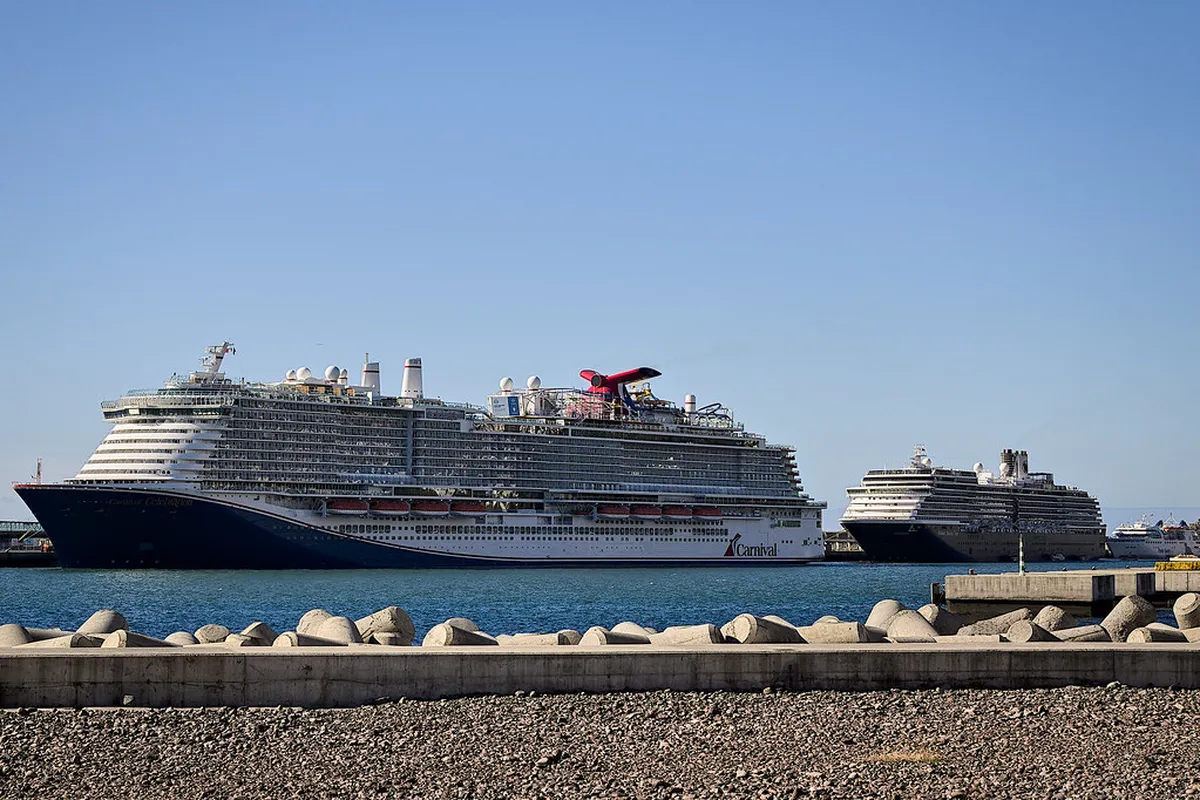
Funchal is a regular port of call for Atlantic cruise routes and the city feels it sharply on docking days. When two or three large ships arrive simultaneously, the queue for the Monte Cable Car can exceed two hours and the Old Town fills quickly between 10:00 and 14:00. Checking the Funchal Port Authority schedule online before you leave your hotel takes under two minutes and can reshape your entire morning.
If ships are in port, go to Monte before 09:30 or after 15:00. The cruise groups operate on tight turnaround schedules and clear out by early afternoon. The western end of the Lido promenade stays comparatively quiet regardless of port activity. Blandy’s tasting room, Pereira D’Oliveira, and the smaller streets behind the cathedral are all lower-density alternatives for the middle of the day when the main landmarks are at their most crowded.
During peak docking periods, book whale watching and wine tour time slots in advance. These activities have fixed capacity and sell out by the morning of a busy port day. A confirmed 09:00 whale watching departure also guarantees you are off the marina before the cruise crowds concentrate along the seafront.
Essential Funchal Planning Tips for 2026
The best months are April to May (Flower Festival, warm weather, green hillsides) and September (warm sea, thinner crowds). July and August are reliable but busier. December is exceptional if you plan around New Year’s Eve. June is pleasant but can bring days of low cloud at Monte elevation — check the summit webcams before committing a morning to the cable car.
The most common first-timer mistake is visiting Pico do Arieiro by taxi without checking conditions first. The peak sits at 1,818 metres and cloud cover can obscure the view completely for hours. The live summit webcam is publicly accessible and shows current conditions in real time. If it shows clear sky, go. If it shows white static, save the taxi fare.
Two budget tips most guides skip: the Funchal circular bus routes (20-23) cover most tourist sites for €1.50 per trip and run regularly throughout the day. And the Mercado dos Lavradores ground floor sells the same tropical fruit at normal prices that locals pay — the upstairs vendors are the ones charging €5 to €15 per piece. For more island-wide planning and updated pricing, the Portugal Wander blog covers additional Madeira travel resources.
Frequently Asked Questions
How do I get back to the center after the toboggan ride?
The toboggan ride ends in the Livramento neighborhood, which is about a 20-minute walk downhill to the center. Most visitors prefer taking local bus 19 or 20, or hiring one of the many waiting taxis for about $10-$15.
Is the Madeira Botanical Garden free?
No, the Botanical Garden requires a paid ticket which costs approximately $8 per adult. It is open daily from 9:00am to 6:00pm and offers some of the best floral displays and views on the island.
What is the best way to see dolphins in Funchal?
Booking a catamaran tour from the Funchal Marina is the most reliable method for wildlife spotting. These tours usually last three hours and have a very high success rate for seeing dolphins and whales in their natural habitat.
Funchal rewards visitors who engage with its layers rather than ticking boxes at the main landmarks. The Old Town, the gardens, and the cable car form the obvious spine of a first visit, but the poncha bars on Rua de Santa Maria at 21:00, the market at 07:30 on a Friday, and the New Year's Eve fireworks visible from the seafront are the details that make the city stick. Budget five days to cover everything on this list without rushing, and use Funchal as a base for the levada trails and coastal villages that fill the rest of the island. Madeira in 2026 remains one of the most underrated long-stay destinations in the Atlantic.
Use our Madeira tourism hub to plan the rest of your trip.
For related Madeira deep-dives, see our 12 Best Things to Do in Funchal and Funchal Old Town Travel Guide guides.