Funchal Old Town Travel Guide: Explore Madeira's Heart
Plan your visit to funchal old town with our expert guide featuring top picks, neighborhood context, timing tips, and practical advice for a smooth trip.
On this page
Funchal Old Town
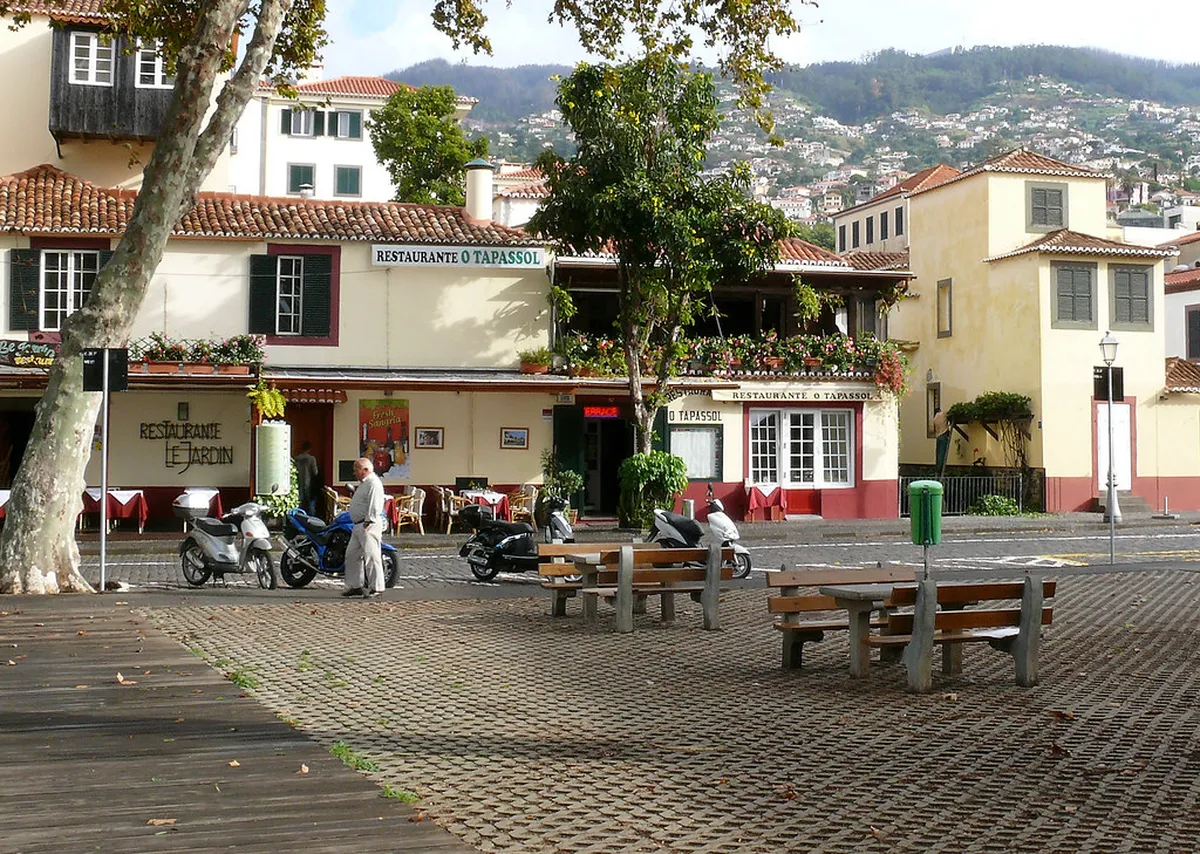
Walking through the narrow streets of funchal old town reveals centuries of history and vibrant modern creativity. This historic district, known locally as the Zona Velha, serves as the cultural soul of Madeira's capital city. Visitors often find themselves captivated by the colorful facades and the salty breeze coming from the nearby Atlantic.
Exploring this area is one of the most rewarding things to do in Funchal for any traveler. You will encounter a unique blend of traditional architecture and contemporary art projects that breathe life into old walls. The neighborhood has transformed from a quiet fishing hub into a bustling center for dining and social gatherings.
Planning a visit requires a bit of local knowledge to avoid the busiest crowds and find the best views. Whether you are looking for ancient forts or trendy cafes, this guide provides the essential details for your journey. Prepare to discover the hidden corners and famous landmarks that make this part of Portugal so special.
Funchal Old Town: The Zona Velha
The history of funchal old town dates back to the 15th century when the first Portuguese settlers arrived on the island. It was originally a humble area where fishermen and merchants built small, sturdy homes close to the water. The architecture reflects this functional past, with thick stone walls and narrow windows designed to keep out the Atlantic heat.
In recent decades, the city government invested heavily in restoring the historic character of the Zona Velha. They replaced aging infrastructure while preserving the original layout of the winding alleyways. This balance of preservation and modernization has made the district a model for urban renewal in Portugal.
The district stretches roughly 600 metres from the Mercado dos Lavradores down to the Fortaleza de São Tiago at the waterfront. That short walk packs in more character than most European city centres ten times its size. Thanks to its fully pedestrianized streets, it is entirely safe and practical to navigate on foot at any hour.
The vibe shifts dramatically between day and night. During the day it is a place of commerce and sightseeing, filled with tourists and local shoppers. After dark, the restaurants push tables onto the cobblestones and the bars open wide, turning the Zona Velha into the liveliest stretch of 10 Best Things to Do for Madeira Nightlife on the island.
Landmarks of Funchal Old Town
Rua de Santa Maria is the oldest and most famous street in the district. It is home to the Arte de Portas Abertas project — over 200 doors decorated by artists from around the world, turning the entire lane into a living open-air gallery. Walking its length takes about 20 minutes if you stop to photograph every door, which most visitors do.
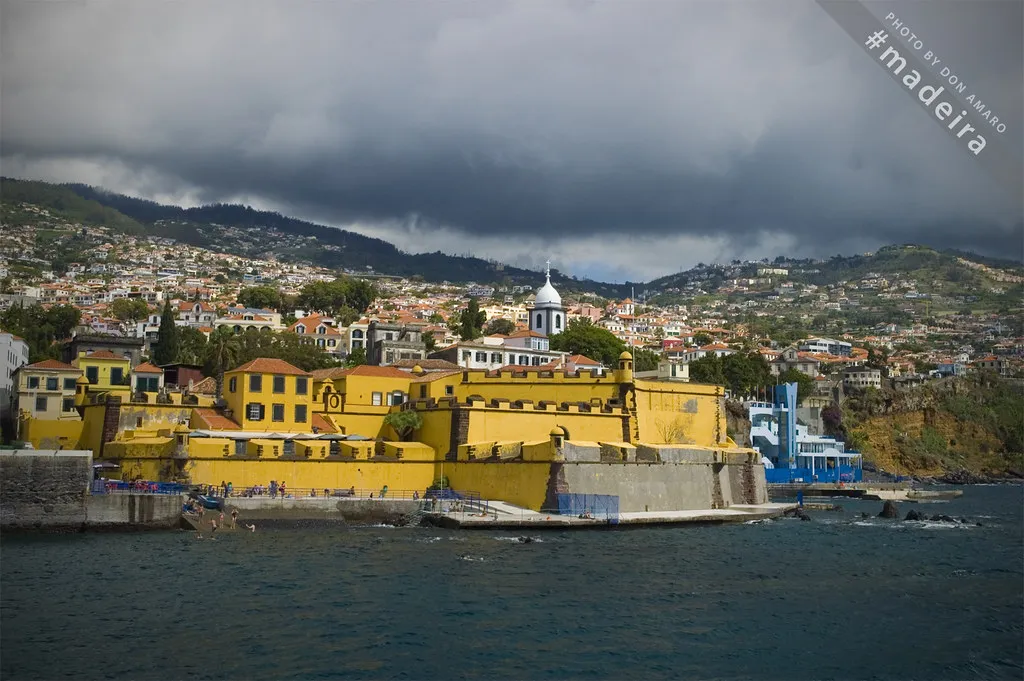
The bright yellow walls of the Fortaleza de São Tiago dominate the eastern end of the waterfront. This 17th-century fortress once protected the city from pirate attacks and now houses a well-regarded restaurant. Climbing the ramparts is free and provides panoramic views of the harbor, the terracotta rooftops, and on a clear day the distant Desertas Islands.
The Corpo Santo Chapel, a 15th-century fishermen's chapel, sits quietly on a side street and is easy to miss. Fishermen prayed here before heading out to sea, and it remains one of the oldest standing structures in Funchal. The interior contains intricate wood carvings and religious artifacts that reflect deep maritime heritage.
Miradouro do Socorro is a waterfront viewpoint that most first-timers overlook entirely. From here you can see Funchal's cruise terminal, the Barreirinha Bathing Complex below, and the full arc of the coastline heading east. It takes about three minutes to walk from Rua de Santa Maria and rewards you with one of the best free views in the city.
What to Find in Funchal Historic Centre
Food is the primary draw for many people visiting the historic centre today. Searching for the 12 Best Restaurants and Food Experiences in Funchal often leads visitors directly to these cobblestone streets, where you can find everything from high-end seafood to casual taverns serving espetada, the traditional beef skewer cooked over laurel wood. The range is wide enough to satisfy solo diners, families, and groups with any budget.
Poncha is the signature drink of Madeira and is widely available in the old town bars. It is made from sugar cane spirit, honey, and lemon or orange juice, mixed at the bar with a traditional wooden tool called a caralhinho. Enjoying a glass while sitting outside is a quintessential part of the 7 Best Areas and Spots for Funchal Nightlife experience.
For shopping, Rua Dr. Fernão de Ornelas runs parallel to Rua de Santa Maria and mixes old neighbourhood shops with newer businesses. The streets around the cathedral are better for traditional souvenirs: hand-stitched embroidery, wicker baskets, and bottles of aged Madeira wine produced by local artisans. These items are genuinely made on the island, unlike most airport gift-shop equivalents.
The Mercado dos Lavradores has operated since the 1940s and opens every day except Sunday. It sells exotic fruits like passionfruit, custard apple, and monstera deliciosa alongside fresh flowers, fish, and local handicrafts in the courtyard. The best day to visit is Friday, when farmers from surrounding villages bring their produce in, making the market noticeably busier and more atmospheric than on quieter weekday mornings.
The Mercado dos Lavradores is closed on Sundays. Visit on a Friday morning for the widest selection of local produce and the most lively atmosphere.
Museums, Art, and Culture in Funchal
The Madeira Story Centre provides a comprehensive look at the island's volcanic origins and the explorer voyages that put it on the map. Interactive exhibits make the history of funchal old town engaging for visitors of all ages. You can trace the sugar trade and the wine industry that shaped the local economy across five centuries.
Art enthusiasts will appreciate the variety of small galleries tucked away in restored townhouses throughout the district. These spaces often showcase the work of contemporary Madeiran painters and sculptors who draw inspiration from the landscape and the sea. Many galleries offer free admission and the chance to speak directly with the artists about their practice.
The Painted Doors project remains the most significant cultural intervention in the historic centre. Called "The Art of Open Doors," it was designed by the local council to revitalize a once-dilapidated area, and it succeeded. The project turned a neglected street into an internationally recognized attraction and a template later copied by cities across Europe.
Parks, Gardens, and Outdoor Spots in Funchal
Jardim Almirante Reis sits at the entrance to the old town and offers a peaceful green escape after a long morning of walking. The garden contains works by local artists and a small café where you can rest with a coffee and watch the foot traffic pass. It also marks the lower terminus of the famous Funchal cable car, which runs up to Monte for views over the entire bay.
The Barreirinha Bathing Complex is a public sea-access facility just east of the old town, reachable in five minutes on foot from the fort. It offers a natural lava-rock pool, a small sandy area, sun loungers for hire, and a café. Entry costs around €1.50 for adults in 2026, making it one of the best-value ways to spend an afternoon once you have covered the main sights in the morning.
The Funchal promenade stretches along the coast and provides a scenic flat path for walking. You can watch cruise ships manoeuvre into the harbor while enjoying the fresh Atlantic air. Several kiosks along the way serve coffee and local pastries for those who want to linger by the water.
Family-Friendly and Budget-Friendly Options in Funchal
Families will find the old town surprisingly easy to navigate with children because the streets are fully pedestrianized. The painted doors provide a natural scavenger hunt activity that keeps younger travelers engaged for hours. Most cafes offer outdoor seating where kids can watch the street life in a safe, car-free environment.
Budget-conscious travelers can enjoy the atmosphere without spending much at all. Walking the streets, visiting the public squares, and viewing the painted doors costs nothing. You can find affordable snacks like bolo do caco — a thick garlic flatbread cooked on a stone — at many local stands for under €2.
Poncha bars in the side streets are significantly cheaper than the restaurants on Rua de Santa Maria, typically charging €2–3 per glass rather than the €5–6 found at tourist-facing spots on the main strip. The Barreirinha Bathing Complex is the most budget-friendly way to spend a full afternoon in the area. Enjoying the 10 Best Things to Do for Madeira Nightlife on a budget is entirely feasible by sticking to those neighbourhood bars where locals actually drink.
Best Tours to Discover Funchal
Guided walking tours are highly recommended for those who want to understand the deep history of the area. Professional guides can point out architectural details and share stories that you would miss on your own, including the individual narratives behind specific painted doors on Rua de Santa Maria. These tours typically last two hours and include a stop at the market plus a tasting of local wine or fruit.
Tuk-tuk tours have become a popular way to cover more ground efficiently. These small electric vehicles navigate the steep streets surrounding the old town and can reach viewpoints inaccessible to larger tour buses. They are particularly useful for travelers with mobility limitations or those on a tight schedule who want to see multiple highlights in a half-day.
Food and wine tours allow you to taste your way through the best culinary spots in the district. You will visit several different venues to try local specialties like limpets grilled with butter and garlic, and bolo de mel honey cake. This is a practical way to sample widely without the guesswork of choosing restaurants in an unfamiliar area.
Most tours depart from near the cable car station or the main cathedral. Booking in advance is necessary during July and August and over the Christmas and New Year period when Funchal's famous fireworks draw visitors from across Europe. Off-peak months like October and November offer the same tours with smaller groups and easier last-minute availability. Check European Best Destinations for updated lists of top-rated operators in the region.
How to Plan a Smooth Funchal Old Town Day
Starting early is the best strategy. Most shops and the market open by 09:00, and the cobblestone streets are cool and crowd-free before 10:00. The morning light is also ideal for photographing the painted doors before other visitors fill the frame.
A practical sequence for a full day: start at the Mercado dos Lavradores, walk Rua de Santa Maria from west to east, stop at the Corpo Santo Chapel, climb to Miradouro do Socorro for the harbor view, then continue to the Fortaleza de São Tiago. After lunch at one of the terrace restaurants, walk five minutes east to Barreirinha for a swim in the afternoon. Return to the old town in the evening for dinner and poncha.
Entry to the Barreirinha Bathing Complex costs around €1.50 for adults in 2026 — one of the best-value afternoon options after a morning exploring the old town. Climbing the ramparts of Fortaleza de São Tiago is free.
Wear comfortable shoes. The traditional Portuguese basalt-stone pavement is beautiful but uneven in older sections and becomes slippery when wet. Flat-soled trainers or walking sandals with grip are the practical choice. Checking current opening times for the Madeira Story Centre on the official Visit Madeira website before you go will save you a wasted trip, as some venues run reduced hours in winter and on public holidays.
Frequently Asked Questions
What to find in Funchal Historic Centre?
In the historic centre, you will find the famous Painted Doors of Rua de Santa Maria, the Mercado dos Lavradores, and numerous traditional restaurants. It is also home to the yellow Fortaleza de São Tiago and many bars serving authentic Madeiran poncha. Check our blog for more tips.
How much time should you plan for funchal old town?
You should plan at least three to four hours to see the main highlights of the old town. This allows time for walking the art streets, visiting the market, and enjoying a local lunch. If you enjoy museums, consider staying for a full day to explore the fort.
Is funchal old town worth including on a short itinerary?
Yes, it is absolutely worth including because it represents the most concentrated area of culture and history in the city. Even a short two-hour walk will allow you to see the famous painted doors and the harbor. It is the best place to experience the local atmosphere quickly.
What should travelers avoid when planning funchal old town?
Travelers should avoid visiting the market on Sundays as it is generally closed to the public. You should also avoid wearing slippery shoes like flip-flops on the uneven cobblestone streets. Do not forget to check restaurant prices before sitting down in the most tourist-heavy areas.
Funchal old town remains a must-visit destination for anyone traveling to the beautiful island of Madeira. The combination of historic architecture, vibrant street art, and delicious local food creates a unique travel experience. You will find that the charm of the Zona Velha stays with you long after your trip has ended.
Remember to take your time and wander off the main paths to find the most authentic corners. Every painted door and stone alleyway tells a piece of the story of this resilient island community. Prepare for a journey that balances the weight of history with the energy of modern life.
Pair this with our broader things to do in Madeira guide for the full island overview.
For related Madeira deep-dives, see our 12 Best Things to Do in Funchal and 12 Best Things to Do in Funchal Portugal guides.
 Cascais Old Town Travel GuideMay 17, 2026