10 Best Furnas Azores Hot Springs to Visit (2026)
Discover the 10 best Furnas Azores hot springs and attractions. Our 2026 guide covers Terra Nostra, Dona Beija, and expert tips for a perfect soak.
On this page
10 Best Furnas Azores Hot Springs and Attractions
After visiting São Miguel four times, I still find the steam rising from the Furnas Valley to be the island's most magical sight. This dormant volcanic crater hides some of the most rejuvenating thermal waters in the Atlantic. Our editors have vetted every pool and trail to ensure your visit is seamless and memorable.
This guide was last refreshed in May 2026 to reflect updated 2026 pricing, current booking requirements, and revised opening hours across all major sites. You will find a mix of iconic landmarks and quiet corners that most tourists overlook during their first trip. Proper planning is essential because many of these popular thermal pools in the Azores now require advance reservations.
Prepare for a sensory experience filled with the scent of sulfur and the sight of lush, prehistoric ferns. The iron-rich waters will leave a lasting impression, though they might also leave a permanent stain on your favorite white swimsuit. We recommend reading through the logistics sections before heading out to ensure you beat the midday tour bus crowds.
How to Get to Furnas
Furnas sits on the eastern side of São Miguel island, roughly 40–45 minutes from Ponta Delgada by car along the EN1-1A. If you are coming from Ribeira Grande the drive shrinks to about 30 minutes. A rental car gives you the most flexibility, especially if you want to reach the fumaroles early or stay for an evening soak at Dona Beija.

Traveling without a car is possible but requires planning. Buses 110 and 114 depart from Avenida Marginal in Ponta Delgada roughly every hour and reach Furnas village in about 60 minutes, dropping you a five-minute walk from Terra Nostra Park. The fare is approximately €1.50–2 each way. The return last bus typically leaves Furnas around 19:00–19:30, which rules out a night soak at Dona Beija unless you are staying overnight. A taxi from Ponta Delgada costs approximately €35–45 one way.
Parking in the village center is tight between 11:00 and 15:00. The paid lot near the fumaroles and calderas charges €3. Arriving before 09:30 or after 16:00 usually means free parking on the surrounding streets without circling. If you are joining an organized tour, transport and parking are handled for you, and a local guide typically adds historical context that elevates every stop.
Must-See Furnas Hot Springs
The thermal pool at Terra Nostra Park is the anchor of any Furnas visit. The main pool measures roughly 35 meters wide and holds iron-rich water at 38–40°C, giving it a distinctive brownish-orange tint. A 2024 renovation upgraded the changing rooms and showers significantly — the facilities are now genuinely comfortable compared with a few years ago. Adult admission in 2026 is €17, which includes both the botanical garden and the pool. Children under seven enter free, and teenagers aged 6–17 and seniors over 65 pay €14.50. Guests of Terra Nostra Garden Hotel get private pool access before 10:00 and after 17:00, effectively around the clock. Day visitors are admitted from 10:00, with a last entry at 16:30.
Poças da Dona Beija is the best choice for an evening soak. Five shallow pools sit along a narrow volcanic stream surrounded by jungle greenery, with water temperatures ranging from 37°C to 39°C. The facility stays open until 23:00, with the last entry at 21:30. Daytime admission is €12 per adult; children aged 2–6 pay €6. The night rate rises to €16 per adult and €14 for young children, which is worth it: the pools are softly lit, the steam is more dramatic in cool air, and the atmosphere shifts from day-trip crowd to something genuinely atmospheric. Book your online ticket for Dona Beija Hot Springs at least a few days ahead in summer, and two weeks ahead for weekend evenings in July and August.
Poça da Tia Silvina is a free public spot just off Rua da Água Quente, a ten-minute walk from the village center. One detail that surprises many visitors: this is a footbath only. The iron-rich basin sits at around 38–40°C and is designed for soaking feet up to the knee, not full-body immersion. Locals drop by to alternate between the hot spring and the cold stream running alongside it. Bring a small towel and flip-flops; there are no changing rooms or showers on site. It is a worthwhile five-minute detour after a long day of hiking, not a primary destination.
The iron-rich water at Terra Nostra and Dona Beija will likely leave a permanent orange stain on light-colored swimwear. Wear a dark or old swimsuit you don't mind ruining, and rinse your gear thoroughly with fresh water immediately after your soak.
Parks, Gardens, and Outdoor Spots in Furnas
The botanical garden inside Terra Nostra Park spans 12 hectares and contains over 600 exotic plant species, including one of Europe's largest collections of camellias. Even if you skip the thermal pool, a stroll through shaded paths among giant tree ferns, sequoias, and rare cycads is worth the entry fee. Allow at least 90 minutes to cover the garden properly without rushing. The gardener bar and terrace inside the park offers a pleasant coffee stop mid-walk.
Lagoa das Furnas is a 15-minute drive south of the village. A flat trail loops the lake shore and connects to the fumarole field on the northern bank, where you can watch the heavy pots of volcanic stew being pulled from the earth around 12:30 daily. The lake itself is green-tinged from organic matter and is not safe for swimming, but the surrounding scenery is dramatic. Parking near the caldeiras costs €3. Mata-Jardim José do Canto on the south shore is a quieter alternative to Terra Nostra, with a hidden waterfall and rare flora; admission is €4 per person and the garden is typically open 10:00–18:00. The path to the Salto do Rosal waterfall inside is flat and easy for families.
Pico do Ferro Viewpoint sits at 570 meters and delivers the most comprehensive panorama of the entire Furnas crater and the lake below. It is a short five-minute drive from the village and costs nothing to visit. Go early in the morning to see the mist clinging to the valley floor. For a second angle, Salto do Cavalo Viewpoint about 20 minutes from Furnas shows the full valley bowl from the opposite rim, with views stretching to both coasts of São Miguel. Grená Park, also on the lake shore, is a restored 19th-century estate with maintained trails and diverse fauna; entry is €10.
Museums, Art, and Culture in Furnas
The Chapel of Nossa Senhora das Vitórias stands on the southern shore of Lagoa das Furnas and looks like it was transplanted from northern Europe. Built in the 19th century as a funeral chapel, it features intricate Neo-Gothic stonework and stained glass. The exterior view from the lakeside path is free; interior entry costs €5 and the chapel is open 10:00–17:00, though it may close for private events. The combination of Gothic architecture framed against volcanic steam rising from the lake is one of the most photographed scenes in the Azores.
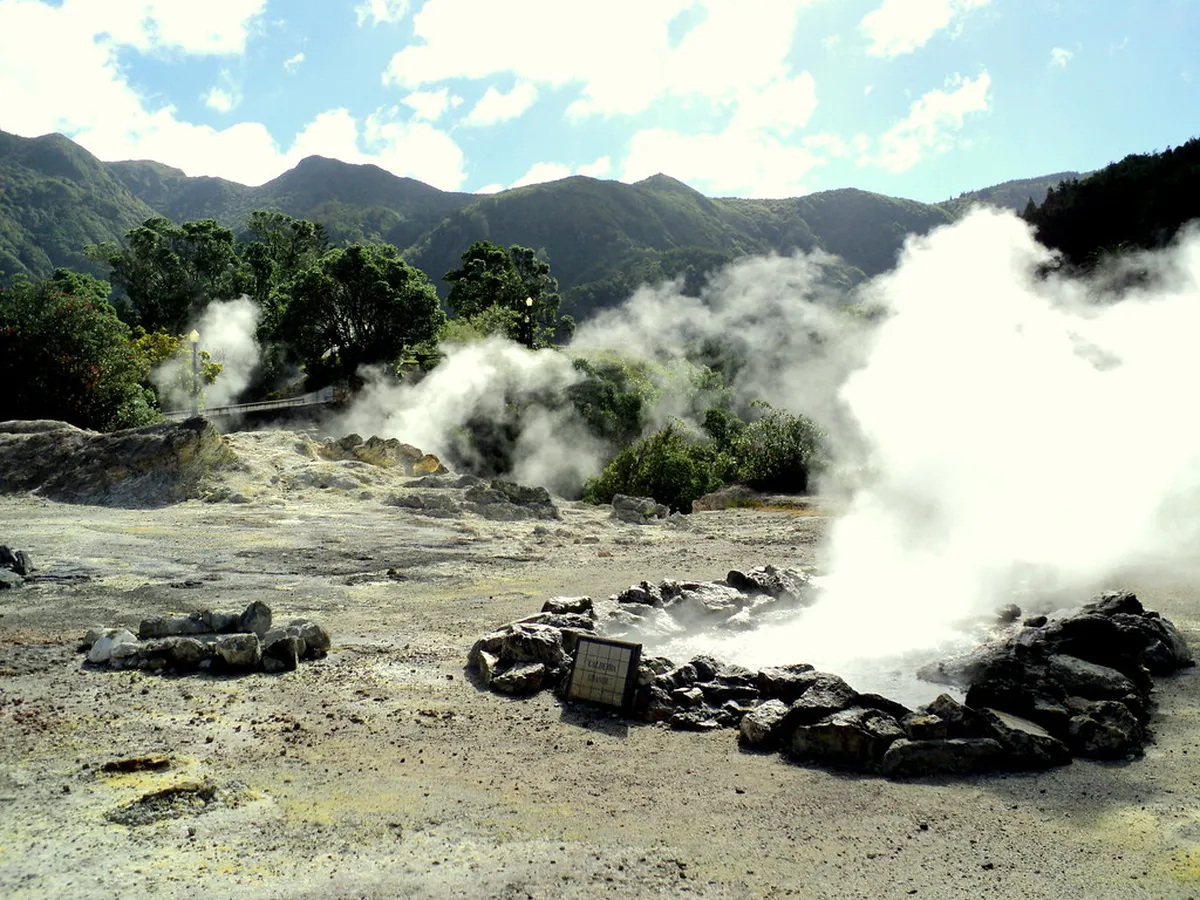
The fumaroles and calderas area in the village center functions as a living geological museum. Wooden walkways lead visitors safely among boiling mud pits and sulfurous steam vents that bubble at temperatures exceeding 100°C. The site is open 24 hours and entry is free. Reading the information boards as you walk explains the tectonic context behind what you are seeing, turning a scenic stop into a genuinely educational experience. This is also where the Cozido das Furnas pots are buried and pulled daily — the ritual itself is a form of living cultural heritage unique to this valley.
Queijaria Furnense in the village is worth a brief stop for anyone curious about local food culture. The small shop sells several varieties of Azorean cheese, with the garlic-flavored variety considered the standout. It also has tables where you can try local burgers and steak using regional ingredients. It sees far fewer visitors than the thermal pools and provides an authentic counterpoint to the tourist circuit. If you want a lighter alternative to the Cozido, this is where locals eat.
Cozido das Furnas: Where to Eat
Cozido das Furnas is the defining culinary experience of the valley. Pots of pork, beef, chicken, sausages, potatoes, carrots, cabbage, and kale are sealed and buried in the volcanic fumarole field at the lake shore, where they slow-cook for six hours using natural geothermal heat. The result is a deeply rich stew unlike any version of cozido you will find elsewhere in Portugal. Most restaurants prepare the dish only upon advance request, so booking your table 24–48 hours ahead is essential in any season.

Caldeiras & Vulcões is the most prominent restaurant in the village, known for consistent execution and fresh ingredients. Tony's is the longer-standing local favorite with a slightly more informal atmosphere; you cannot book online but can call directly. At both restaurants, expect to pay €15–25 per person for the stew. Some restaurants now offer a vegetarian version of the Cozido for those who want the volcanic cooking experience without the meat — call ahead to confirm availability.
If you want to witness the actual cooking process, head to the lake fumaroles around 12:15. Local chefs arrive to pull the heavy pots from the earth at approximately 12:30, and watching this happen is free. Leave promptly after the pots emerge if you want to avoid the crowds that converge on the village restaurants in the following 30 minutes. Arriving at 12:15 and leaving by 12:45 is the sweet spot between seeing the ritual and beating the queue.
Family-Friendly and Budget-Friendly Options in Furnas
Furnas is accessible on a range of budgets. Free stops include the fumaroles walkway in the village center, Pico do Ferro Viewpoint, the lake shore trail to the chapel, and Poça da Tia Silvina footbath. A full morning exploring these costs nothing beyond transport. If you are traveling on a tight budget, check our Azores budget guide for more free activity ideas across the island.
For families, Terra Nostra is the strongest paid option. Children under seven enter free, the garden gives older kids room to roam among towering tree ferns, and the main pool is large enough that it rarely feels crowded. The paved main paths are manageable with a pushchair, though some garden sections use unpaved tracks. Caldeira Velha, about 25 minutes away on the slopes of Fogo Volcano, is another strong family pick: four jungle pools at 37–38°C and a natural thermal waterfall create a genuinely memorable setting. Adult tickets cost €10, children aged 4–12 pay €5, and children under four enter free. You must book your Caldeira Velha ticket in advance; each 90-minute slot is capped at 100 visitors and sells out in peak season.
Families who want to combine thermal bathing with a nature activity at no cost should do the lake shore walk and free fumaroles visit together — this takes about 90 minutes at a relaxed pace and is completely flat. Arriving at the lake caldeiras by 12:15 lets children watch the pot-extraction ritual, which tends to make a bigger impression than any pool. Pack a dark towel, a change of clothes for each person, and a plastic bag for wet gear before you leave the accommodation.
Where to Stay in Furnas
Staying overnight in Furnas is less common than doing a day trip from Ponta Delgada, but it has real advantages. You get access to the fumaroles at dawn before tour buses arrive, you can do a night soak at Dona Beija without worrying about a return bus, and the village feels completely different after the day-trippers leave. The streets go quiet by 21:00 and the steam from the calderas is more visible in the cool evening air.
Budget options include Victória Guest House — a centrally located guesthouse with private rooms and free parking — and Hotel Vale Verde, a converted traditional house with breakfast included and a good price-to-quality ratio. Both are within walking distance of Terra Nostra and the fumaroles. The standout option at the top end is Terra Nostra Garden Hotel, which sits inside the botanical garden itself. Hotel guests have unlimited pool access outside public hours, meaning you can soak in the iron-rich pool at 06:00 before anyone else arrives or at midnight if you want. The hotel rate is significantly higher than the village guesthouses, but for a thermal pool obsessive it is the defining experience of the valley.
There are no large chain hotels in Furnas. The village is small and accommodation fills quickly in July and August, so book at least six weeks ahead for summer stays. If Furnas is full, Ribeira Grande is the next closest base — about 30 minutes away — and has a wider range of hotels.
How to Plan a Smooth Furnas Day
A successful day in Furnas requires a balance between active exploration and deep relaxation in the pools. Arrive before 09:30 to beat the tour buses. Head to Terra Nostra Park when it opens at 10:00 — start in the botanical garden while the pool is quiet, soak for an hour, and budget at least two hours total for the visit.
Drive to the lake fumaroles by 12:15 to watch the Cozido pots being pulled from the earth, then head back to the village for lunch. Book your restaurant table the day before. If you have not eaten geothermally cooked stew before, this is the meal to prioritize over everything else on the itinerary. Finding the best time to visit the Azores overall is April through June, when crowds are lighter and weather is stable — this applies equally to Furnas.
Save the Dona Beija soak for late afternoon or evening when the air cools. If you are traveling on a budget and have already soaked at Terra Nostra, use the afternoon to walk the Lagoa das Furnas shore trail, visit the chapel, and end the day at the free fumaroles walkway as the steam intensifies in the cooling air. If you are combining Furnas with the nearby Gorreana Tea Plantation, check our Gorreana tea plantation guide for timing — it works best as a morning stop before driving south to Furnas.
Arrive at Terra Nostra when it opens at 10:00 to enjoy the pool before the midday tour bus crowds, then head to the lake fumaroles by 12:15 to watch the Cozido pots pulled from the earth. Book your restaurant table 24–48 hours ahead — most places only prepare the volcanic stew on request.
Is Furnas Worth Visiting on a Short Trip?
If you only have a few days on São Miguel, Furnas should be at the top of your list. It provides a concentrated look at the volcanic forces that created the archipelago in a very accessible way. The combination of gardens, gastronomy, and geology is unmatched by any other single village on the island.
Travelers often wonder if they should prioritize Furnas over the famous Sete Cidades crater lakes. While both are beautiful, Furnas offers more interactive activities — swimming, watching food cooked underground, and walking among active fumaroles. If you have to choose just one volcanic valley on a short trip, the thermal pools here usually tip the scale for most visitors.
Spending even half a day here will give you a deep appreciation for the unique culture of the Azores. The ease of access from Ponta Delgada — under an hour by car — makes it a low-stress addition to any itinerary. We believe it is an essential stop that defines the spirit of a São Miguel vacation.
Frequently Asked Questions
Can you swim in the Furnas hot springs year-round?
Yes, the thermal pools in Furnas maintain a consistent temperature between 35°C and 40°C regardless of the season. The warm water feels especially pleasant during the rainy winter months when the air is cool. Check our thermal pools guide for seasonal opening hour changes.
Do I need to book tickets for the hot springs in advance?
Advanced booking is highly recommended for Poças da Dona Beija and mandatory for Caldeira Velha. Terra Nostra typically allows walk-ins, but capacity limits can apply during peak summer weekends. Always check the official websites for the most current reservation policies before you drive to the valley.
Will the hot springs ruin my swimsuit?
The high iron and mineral content in the Furnas waters will likely leave a permanent orange or yellowish stain on light fabrics. We strongly advise wearing an old or dark-colored swimsuit that you do not mind potentially ruining. You should also rinse your gear thoroughly with fresh water immediately after your soak.
The Furnas Valley remains one of the most enchanting destinations in Portugal for nature lovers and spa enthusiasts alike. From the historic depths of Terra Nostra to the modern comfort of Dona Beija, there is a soak for every style. We hope this guide helps you navigate the steam and find your own favorite corner of this volcanic paradise.
Remember to respect the local environment and follow all safety signs near the boiling fumaroles. The Azores are a fragile ecosystem, and your mindful visit helps preserve these wonders for future generations. Enjoy your time in the thermal heart of São Miguel and safe travels on your 2026 journey.

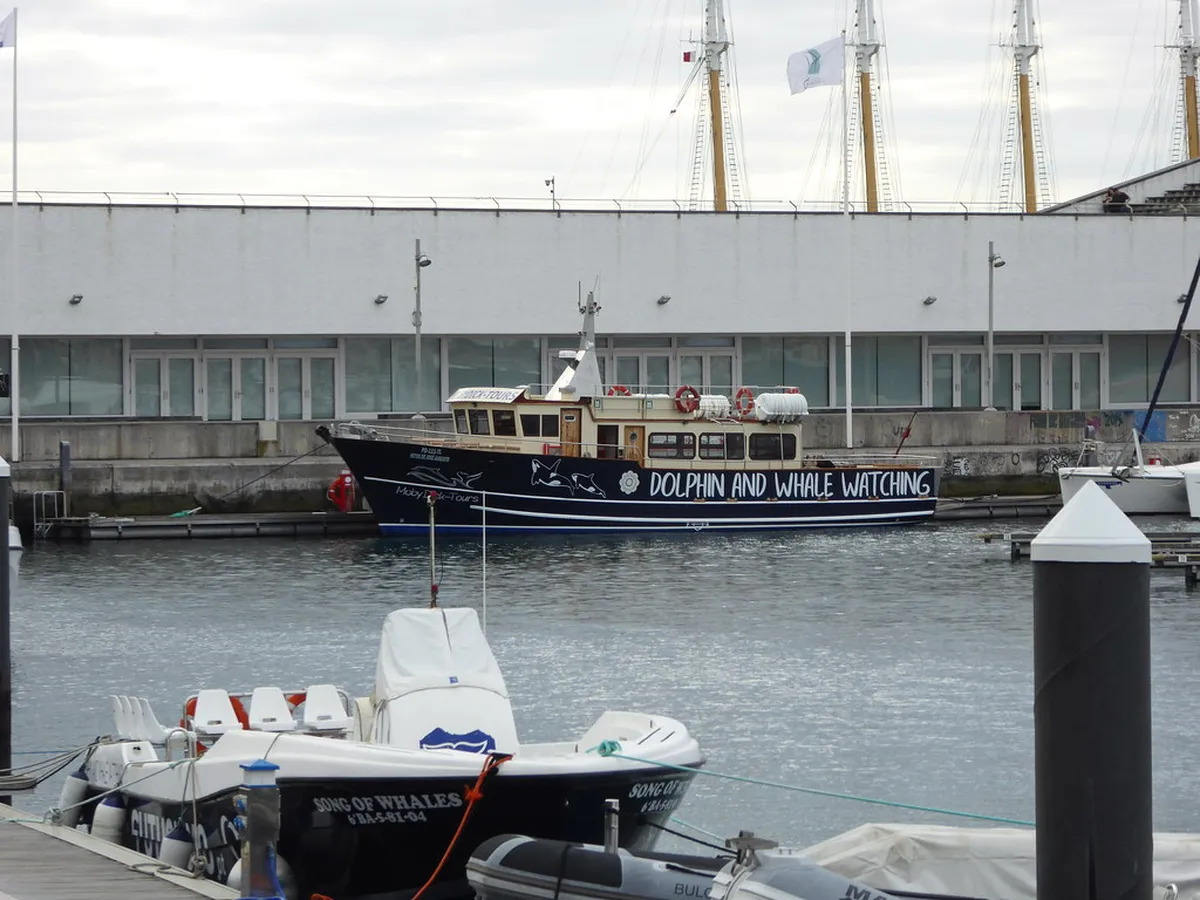 10 Best Boat Tours in the Azores for 2026May 17, 2026