
10 Best Thermal Pools in the Azores (2026)
Plan your thermal pools azores trip for 2026 with our expert guide. Discover 10 top hot springs, pricing, hours, and local tips for a perfect soak.
On this page
10 Best Thermal Pools in the Azores (2026)
After three visits to the archipelago over five years, I still find the volcanic steam rising from the hills breathtaking. The thermal pools azores offers are more than just tourist stops; they are a way of life for the islanders. I first discovered the iron-rich waters of Furnas during a rainy November afternoon that changed my perspective on winter travel.
This guide covers 2026 pricing and booking rules for every major hot spring on the islands. Planning a trip to these remote Atlantic islands requires understanding the unique geothermal landscape of each specific island. You should consider the 10 Essential Tips for the Best Time to Visit the Azores to maximize your time in the outdoor springs.
While many travelers flock to the famous orange pools, there are several hidden gems that offer a quieter experience. From ocean-side vents to jungle-shrouded basins, the variety of soaking spots is truly staggering across the nine islands. Our editors have vetted every location on this list to provide you with the most reliable planning data available.
Things to Know Before You Go
The Azores thermal pools operate differently from resort spas, and a few preparation basics will save you real frustration on the ground. Wear a dark-coloured swimsuit to every iron-rich pool — the mineral water permanently stains light fabrics orange. This matters most at Terra Nostra and Poça da Dona Beija, where iron concentrations are highest. Bring your own towel; not all sites include one in the entry price, and renting on-site costs around €4.
Booking is no longer optional at the most visited springs. Caldeira Velha sells out three or more days ahead during July and August 2026, and Poça da Dona Beija operates on strict 90-minute timed sessions with no refunds. Book both online at least 48 hours in advance. If you find a slot is sold out, try the 09:00 opening session — capacity is released earlier than afternoon windows.
Leave jewellery in your hotel safe. Silver tarnishes black within minutes in sulfur-rich water, and even some gold alloys show discolouration. Rinse your hair and skin immediately after soaking because the mineral content continues to affect pores long after you leave. Pregnant visitors and anyone with open skin wounds should skip the thermal pools entirely and consult a doctor beforehand.
- Dark swimsuit — old or expendable, iron staining is permanent
- Flip-flops or water shoes — volcanic rock edges are sharp at natural pools
- Refillable water bottle — heat dehydrates faster than expected
- €1–2 in coins — lockers at most sites require coins, not cards
- Tide table app — essential for Ponta da Ferraria timing
Caldeira Velha and Poça da Dona Beija sell out days ahead in summer 2026 — book online at least 48 hours in advance. Bring an old dark-coloured swimsuit, as the iron-rich water permanently stains light fabrics orange.
Terra Nostra Hot Springs
Terra Nostra is the most iconic thermal pool in the Azores and the one that anchors most first-time itineraries on São Miguel. The pool sits at the heart of a 12-hectare botanical garden in Furnas, surrounded by century-old camelia trees, a bamboo grove, and a lily pond. The water is a distinctive rust-orange from decades of iron mineral accumulation, and it hovers between 36°C and 42°C (97°F–108°F) year-round. The official Terra Nostra Gardens website offers detailed booking information and garden hours for current visitors.
Public visiting hours are strictly 10:30–16:30 daily. That is a short window, and the pool fills up fast. Adults pay €17 for entry; youth and seniors over 65 pay €14.50. Children under 12 with a paying adult enter free. The fee includes access to the gardens, which alone justify a full two hours of wandering before your soak. Guests of the on-site Terra Nostra Garden Hotel have pool access around the clock — worth factoring in if your dates align with the hotel's rates, as Condé Nast Traveler has ranked it among the world's best Green Retreats.
Two smaller jacuzzi pools were added adjacent to the main pool in recent years, useful when the central tank is crowded in peak summer. Plan to arrive at 10:30 on the dot between June and September. By 11:30 the changing room queues form. The iron-stained water transfers immediately to fabric — bring an old dark towel rather than anything from your hotel room. The 30-acre botanical garden includes a Ginkgo Biloba avenue, caves, and a giant lily pond that are easy to spend a full morning exploring before or after your soak. A detailed look at the 10 Best Furnas Azores Hot Springs to Visit reveals more options clustered in the valley alone.
Natural Pools on São Miguel
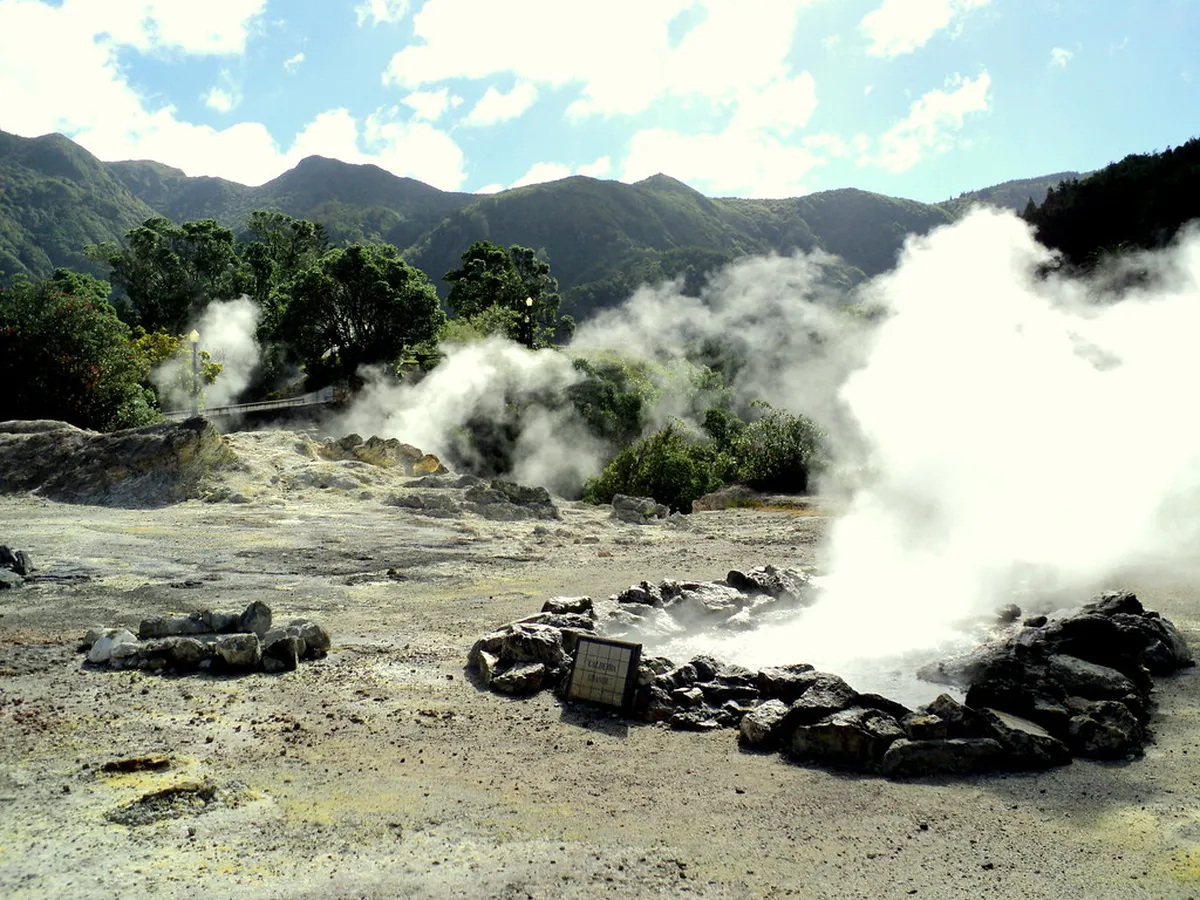
São Miguel is the undisputed capital of geothermal activity in the mid-Atlantic, sitting on the tectonic boundary between the Eurasian and North American plates. This position creates a constant supply of heated mineral water for the surface, giving the island the highest concentration of hot springs in Europe. Exploring São Miguel Azores things to do usually begins and ends with a long, relaxing soak.
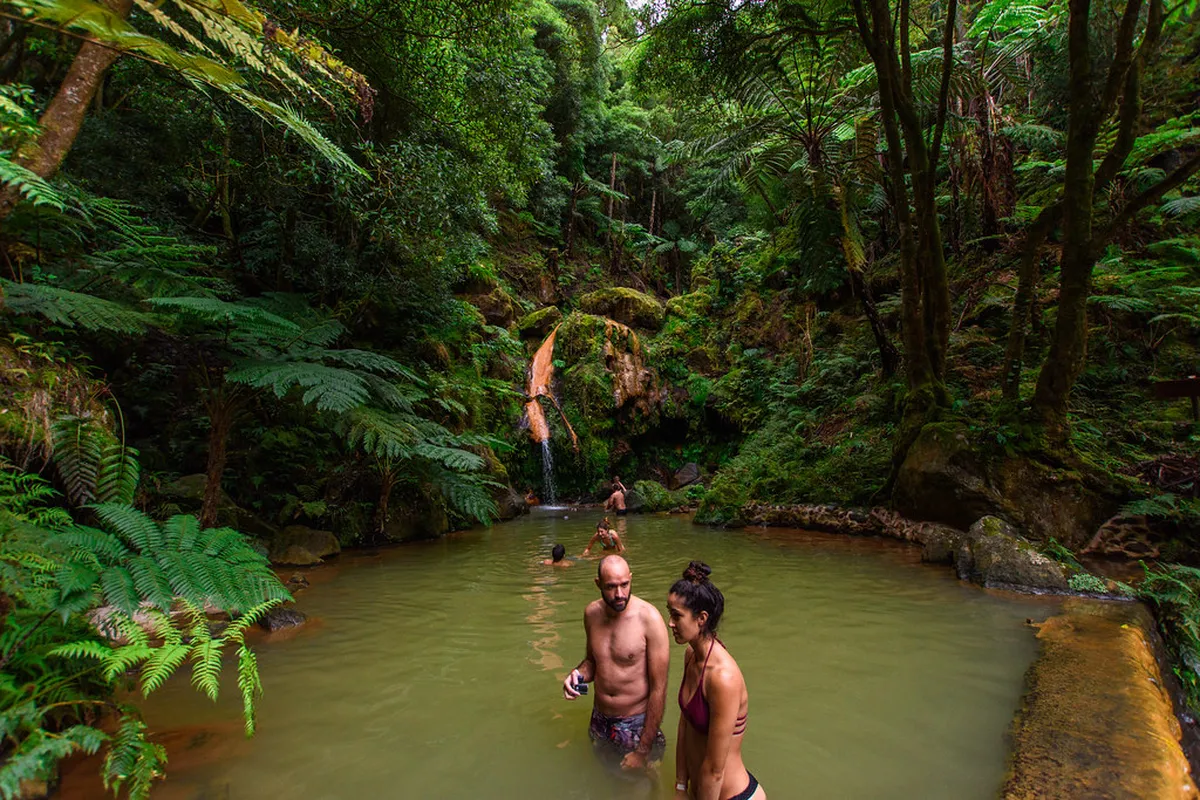
The three main managed pools — Caldeira Velha, Poça da Dona Beija, and Terra Nostra — each offer a distinctly different atmosphere. Caldeira Velha is the most immersive nature experience: a protected rainforest reserve where warm water pools sit beneath Jurassic-scaled tree ferns and basalt waterfalls, with temperatures from 23°C to 38°C (73°F–100°F). Poça da Dona Beija is more social, with five pools open until 23:00, making it the go-to for evening bathing. Terra Nostra is the grandest, combining a vast orange pool with a historic botanical garden.
Beyond the three flagships, São Miguel also has free natural pools that most itineraries skip entirely. The Santo António natural tidal pool on the north shore costs nothing and rewards high-tide visits with calm, clear water. Mosteiros on the west coast features a deep volcanic rock pool behind a cliff-top snack bar — best reached after a sunset view. These free options are worth building into a multi-day itinerary to break up the paid-entry circuit and experience what Azoreans actually swim in day to day.
Caldeira Velha and Poça da Dona Beija
Caldeira Velha sits in the mountains above Ribeira Grande, about 30 minutes from Ponta Delgada. Entry is €10 for adults, €5 for children aged 7–14 and seniors 65+, and free for children under six. Opening hours shift with the season: 09:00–17:00 November through March, 09:00–18:30 in April and October, and 09:00–20:30 May through September. Sessions are capped at roughly 100 people and last 90 minutes. Book the day before at minimum — in July 2025 it sold out three days ahead, a pattern expected to continue in 2026.
Start with the upper waterfall pool when you arrive. It runs cooler, around 23°C (73°F), and makes for good photos with fewer people clustered around the falls. The two lower pools reach 38–39°C (100–102°F) and are where most bathers concentrate. Lockers cost €2, paid at the interpretation centre inside. There are only two toilets and two showers on site, so finish your soak five minutes before your session ends if you need to change efficiently. After exiting, the small interpretation centre explains the island's geothermal geology and is worth a 15-minute walk-through.
Poça da Dona Beija in Furnas is the late-night option: it opens at 08:30 and accepts the last entry at 22:00, closing at 23:00. Day entry is €12; after 18:00 it rises to €16. The five pools range from 28°C (82°F) in the shallowest to 39°C (102°F) in the deeper basins. The gift shop inside rents towels and sells swimwear if you arrive unprepared. No refunds and no time-slot swaps are the strict rules — book only when you are certain of your plans. The Poça da Dona Beija booking site provides real-time slot availability and QR-based ticket entry. Night bathing here, with steam rising into cool Azorean air and ferns silhouetted against the sky, is genuinely one of the best experiences on the island.
Ponta da Ferraria: Free Ocean Pool vs. Termas da Ferraria Spa
Ponta da Ferraria on the western coast of São Miguel is unlike any other thermal pool in the Azores — or anywhere else. Hot volcanic water seeps through the ocean floor into a cove of jagged lava rock, mixing with cold Atlantic waves. The result is a natural temperature gradient: scalding near the thermal source, cool at the outer edges. Entry to the ocean pool is free and technically 24/7, but timing is everything. Visit within two hours either side of low tide for the best warmth. At high tide the cold seawater overwhelms the thermal water entirely, and you get a very expensive shiver for your trouble.
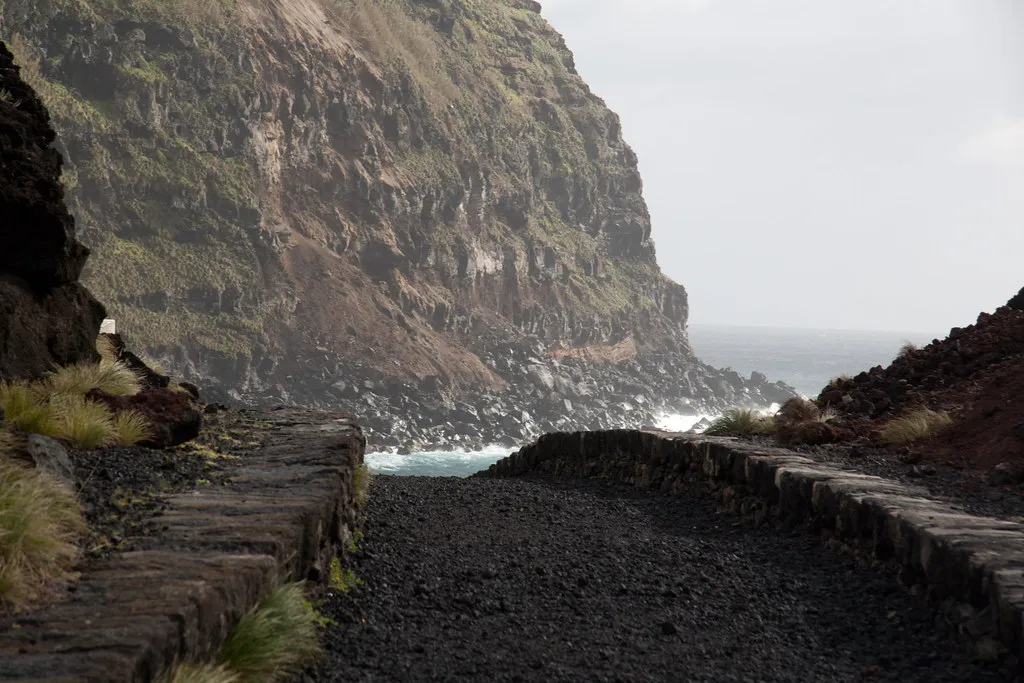
The road down to the car park is steep with tight hairpin bends — use first gear the entire way up and down. At the bottom, parking is plentiful and free. The walk to the ocean pool is mostly paved, but the final stretch across volcanic rock is rough on bare feet, so water shoes are essential here. A lifeguard is on duty during peak season from June through August. This pool is for confident swimmers only; rope lines stretched across the cove keep bathers from being swept into the outer rocks by Atlantic swells.
Adjacent to the car park, the Termas da Ferraria Spa is the paid, managed alternative at the same location. It runs a controlled thermal pool at a comfortable 36°C (97°F), compared to the highly variable temperature of the free ocean pool. The spa opens Wednesday through Sunday, 10:30–17:30, with no advance booking required. In summer it runs a sunset music programme, and the on-site restaurant offers a lunch buffet plus pool access deal for roughly €20 — genuinely competitive with the managed Furnas parks. If you are travelling with children under ten, the calm, supervised spa pool is a far better choice than the unpredictable ocean cove below.
Hot Springs Beyond São Miguel
Most thermal pool coverage fixates on São Miguel, but three other islands offer legitimate soaking experiences worth adding to a multi-island trip. Termas do Carapacho on Graciosa overlooks the ocean with mineral water that is notably clearer than the iron-heavy pools on São Miguel. Entry costs €5–10, and it opens Tuesday through Sunday, 10:00–19:00. Local seniors gather here in the late afternoon — it is as much a social institution as a wellness facility, and the relaxed pace is a stark contrast to the queues at Furnas. For complete details on all thermal springs, the official Azores tourism website lists facilities, accessibility, and seasonal hours across all nine islands.
On Terceira, the Biscoitos lava-rock pools on the northern coast are free to enter and offer good facilities including changing rooms and a snack bar. A quick review of the 12 Best Things to Do in Terceira Azores list shows how well the pools pair with the island's other highlights. Biscoitos is consistently rated Terceira's most popular swimming destination by the regional tourism board. The pools are not geothermally heated, but dark volcanic rock absorbs solar heat efficiently, making the water feel warm from late May through September. Visit in the shoulder season for the best combination of warmth and manageable crowds.
São Jorge offers Poça de Simão Dias, a free, always-open site where crystal-clear water sits inside a cathedral of vertical basalt columns at the ocean's edge. Bring a snorkel — the underwater volcanic structures attract small shoals of silver fish. The walk to the pool is steep, so wear sturdy footwear rather than flip-flops for the descent. Be sure to check the 15 Best Azores Tourist Attractions: 2026 Travel Guide guide for how to combine island hopping with a multi-pool itinerary across the archipelago.
Planning Your Visit: Getting Around and Timing
A rental car is the most practical way to visit multiple thermal sites on São Miguel. The pools are spread across the island, and public transport schedules do not align with early-morning opening times or late-night sessions at Poça da Dona Beija. If you prefer not to drive, small-group tours from Ponta Delgada cover the main Furnas sites and typically include Caldeira Velha, Terra Nostra, and a thermal dinner with cozido das Furnas cooked underground. Check the guide on How To Get To Azores Travel Guide to plan your arrival logistics before worrying about on-island transport.
The thermal pools are open year-round, and the best season depends more on crowd tolerance than weather. Spring (March to May) offers mild temperatures and significantly smaller queues — Caldeira Velha rarely sells out before April. Summer (June to August) is peak season: all pools are at their busiest, booking windows extend three or more days ahead, and accommodation prices near Furnas climb sharply. Autumn (September to November) is the sweet spot for experienced visitors: cooler air makes the contrast of hot water more enjoyable, and crowds thin noticeably after the school holidays end. Winter visits are possible and peaceful, with far fewer tourists and the same volcanic heat.
Group your visits geographically to reduce driving: pair Caldeira Velha with nearby Lagoa do Fogo in the morning and Furnas (Terra Nostra plus Poça da Dona Beija) in the afternoon, rather than crisscrossing the island between sites. Keep a dedicated thermal kit in your car: old dark towels, a backup swimsuit, flip-flops, a water bottle, and €5 in coins for lockers. The sulfur scent will linger on your skin for a few hours after soaking — this is normal, not a sign of overexposure, and it fades on its own.
What Makes the Azores Hot Springs Unique
The mineral composition of Azorean thermal water sets it apart from most European spa destinations. Iron, sulfur, silica, calcium, and magnesium content varies significantly between pools — the orange colour at Terra Nostra is decades of iron deposit, while Caldeira Velha's water runs clearer but hotter. This diversity means that different pools genuinely feel different on the skin, rather than being interchangeable experiences packaged in different settings.
The health associations are long-established in Azorean culture: locals have used these waters for circulatory conditions, joint pain, and skin disorders since the 18th century. Modern hydrotherapy at the Octant Hotel in Furnas formalises this tradition. The hotel draws from the Quenturas spring at 59°C (138°F), cools it to around 30°C (86°F) for its indoor and outdoor pools, and offers a full circuit including sauna, Turkish bath, and aromatic showers. Non-guests pay €40 for the full circuit; hotel guests use it at no additional charge.
One detail no pool guide consistently explains is the effect of rainfall on water temperature. After heavy storms, even managed pools can run 2–3°C cooler than listed as fresh water dilutes the thermal source underground. In the free ocean pools like Ferraria, the variation is more pronounced and can make the difference between a satisfying soak and a cold dip. Check local weather in the 48 hours before your visit — a string of dry days generally means more consistent and hotter water in every basin on the island.
Practical Etiquette and First-Timer Mistakes
The most common first-timer mistake is underestimating how hot the water actually is. Limit sessions in basins above 40°C to 20 minutes before getting out and cooling down in the shade or a cold shower. The warmth is deceptive — you will not feel as hot as you are, and lightheadedness from overheating is a genuine risk, especially for older visitors and children. Drink water before, during, and after every soak.
Limit sessions in basins above 40°C to 20 minutes before cooling down. Pregnant visitors and anyone with open skin wounds should skip the thermal pools entirely and consult a doctor beforehand.
Respecting the quiet of the pools is a cultural expectation that many visitors miss entirely. Azoreans treat these springs as places of healing and reflection, not social gathering spots. Keep your voice low, leave phone speakers off, and avoid large inflatables in shared stone basins. Locals who use these pools regularly for physical therapy tend to occupy the same spots every visit — if a corner is full of regulars, move to a different section rather than crowding into their space.
Always greet staff and other bathers with 'Bom dia' in the morning or 'Boa tarde' in the afternoon. It costs nothing and immediately marks you as a considerate visitor. Tipping is not expected at municipal or park-run pools but is appreciated at private spa facilities. Most ticket counters now accept contactless payment, but smaller outdoor pools on Graciosa and Terceira still prefer cash for low-cost entry fees. Keep €5–10 in notes available throughout any island-hopping itinerary.
Is an Azores Thermal Pool Trip Worth It?
The short answer is yes, especially for anyone who values raw nature alongside wellness. There are few places on Earth where you can soak in volcanic heat surrounded by prehistoric forest or with Atlantic waves crashing metres away. The entry fees are affordable — €0 at Ferraria and Biscoitos, €6–12 at the managed parks — which keeps the experience accessible across a range of travel budgets in 2026.

If you dislike the smell of sulfur or have sensitivities to mineral-stained skin, certain pools will be more comfortable than others. The clearest, least sulphurous water is at Termas do Carapacho on Graciosa and Caldeira Velha's upper waterfall pool. If your priority is the thermal experience without full sensory intensity, start there rather than throwing yourself into the deep orange basin of Terra Nostra on day one.
The memory of floating in warm water while Atlantic mist rolls over dark basalt cliffs is the kind of travel moment that becomes a permanent reference point. It provides a sense of peace that is hard to find in more commercialised European spa destinations. I believe it is the single most unique activity the islands have to offer, and one that every visitor to Portugal's mid-Atlantic territory should experience at least once.
Frequently Asked Questions
Do I need to book thermal pools azores in advance?
Yes, you should book popular sites like Caldeira Velha and Poça da Dona Beija online. During the peak summer months of 2026, time slots often sell out several days in advance. This ensures you have a guaranteed entry and helps prevent overcrowding at these delicate natural sites.
Will the water ruin my swimsuit?
The iron-rich water in many Azores pools will leave permanent orange stains on light-colored fabrics. I recommend bringing an old, dark-colored swimsuit that you do not mind potentially ruining. Rinse your gear thoroughly with fresh water immediately after your soak to minimize the mineral buildup.
What is the best time of day to visit the hot springs?
The best times to visit are early morning at opening or late in the evening before closing. These windows offer the most peaceful atmosphere and help you avoid the large tour groups that arrive midday. Night bathing at Poça da Dona Beija is a particularly magical experience under the stars.
The thermal pools azores provides are a testament to the raw, untamed beauty of the Portuguese islands. Whether you are seeking the historic grandeur of Terra Nostra or the wild ocean spray of Ferraria, there is a soak for everyone. I hope this guide helps you navigate the volcanic landscape with confidence and a sense of wonder.
Remember to pack your dark swimsuit and a sense of adventure as you explore these geothermal treasures. The islands are waiting to share their warmth and healing waters with you during your 2026 adventure. Your love letter from Portugal begins the moment you step into the steam of a hidden mountain spring.
 12 Best Things to Do in Terceira Azores (2026)May 17, 2026