14 Best Things to Do on Pico Island, Azores (2025)
Discover the best things to do on Pico Island, from hiking Portugal's highest peak to exploring UNESCO vineyards and lava caves. Plan your perfect trip today.
On this page
14 Best Things to Do on Pico Island, Azores
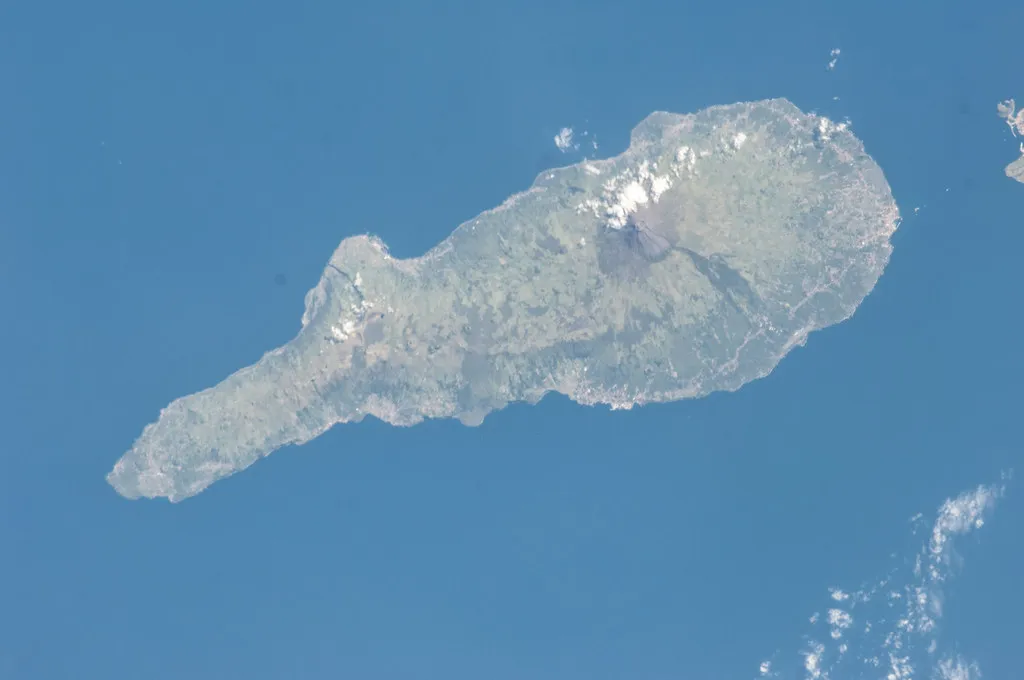
Pico is the most enigmatic island in the Azores. While São Miguel draws the crowds with its hot springs and Faial lures sailors into Horta marina, Pico rewards travelers who show up for something rawer: Portugal's highest peak, lava fields that stretch to the ocean, and vineyards so unusual they earned a UNESCO listing. If you are following an Azores 7-day itinerary, Pico is the ideal centerpiece for the central group days.
Planning a trip here requires more logistics than a standard beach holiday. The mountain needs a permit. Cave tours book out weeks in advance. Car rental supply is genuinely limited. This guide covers every major activity along with the practical details — getting here, getting around, and where to sleep — so you can plan without surprises in 2026.
Hike to the Summit of Mount Pico
Climbing Mount Pico is the defining experience on the island, and for many visitors across the entire Azores trip. At 2,351 metres, it is Portugal's highest point. The trail starts at Casa da Montanha (Mountain House) at roughly 1,200 metres and covers 3.8 km to the summit, ascending 1,150 metres over volcanic lava rock marked by 47 wooden posts.
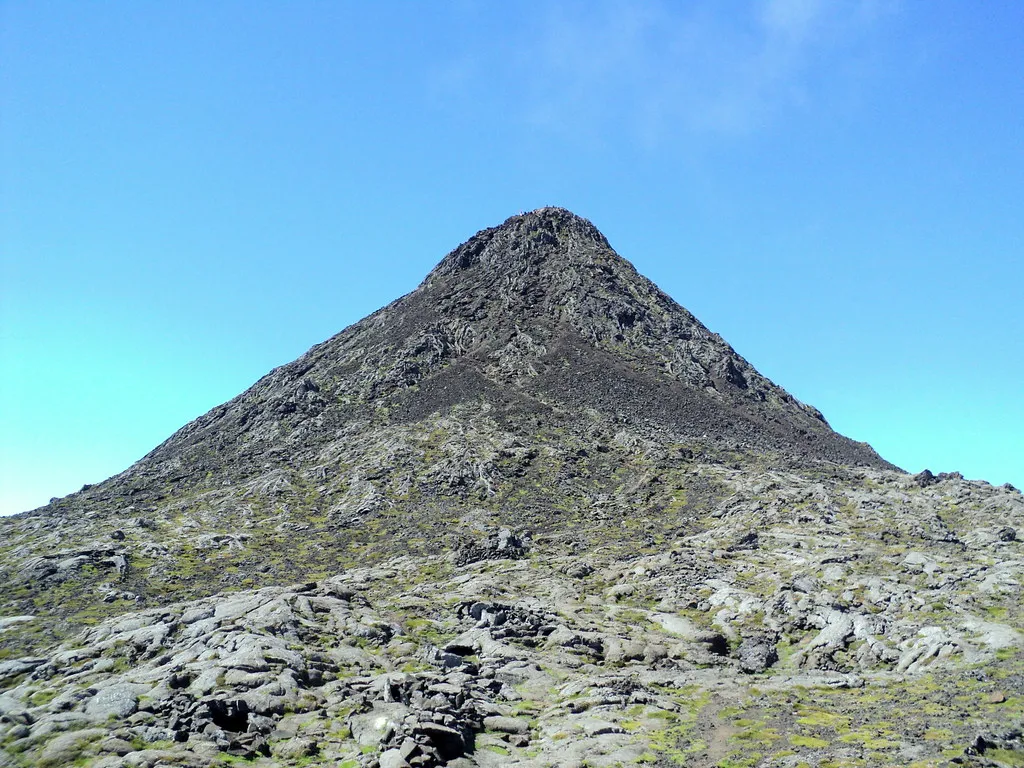
Expect 3 to 4 hours up and slightly less on the way down, for a total round-trip of 6 to 8 hours depending on fitness. The final stretch involves scrambling up Piquinho, a small lava cone at the very top. If you have any vertigo, this section requires caution: it is essentially bouldering on volcanic rock.
A permit is mandatory and costs around €25 per person for the full summit. Visiting only the crater rim without reaching Piquinho costs around €5. Rangers at Casa da Montanha issue a GPS tracker that every hiker must carry — this is not optional. If you are not an experienced hiker, book a guide through a company like Tripix; guided tours start around €75 per person and the safety value on a day with rapid weather changes is real. Check the Official Azores Trails page for weather alerts and current permit availability before you travel.
For the sunrise experience, many hikers start at 02:00 or 03:00 to reach the summit by dawn. Temperatures at the peak run 10 to 15 degrees Celsius colder than at sea level, so pack thermal layers even in summer. Read our dedicated Mount Pico hike guide for a full gear list and timing breakdown.
A permit is mandatory for the full summit and costs around €25 per person. Rangers at Casa da Montanha issue a GPS tracker that every hiker must carry — this is not optional, and guided tours start around €75 per person for those who want extra safety on a mountain where weather changes rapidly.
Walk the UNESCO World Heritage Vineyards
The vineyards around Criação Velha, just east of Madalena, look unlike any wine region on Earth. Thousands of small enclosures called currais — low walls of black basalt — divide the landscape into a mosaic of protected plots. Each curral shields its vines from Atlantic salt wind and sea spray, a system that Pico islanders developed over five centuries. UNESCO recognised the area as a World Heritage Site in 2004.
The marked hiking trail here is PR05, connecting the parishes of Candelária to Areia Larga, covering around 7 km in roughly two hours. Note that the trail is linear: unless you park a second car at the far end, you will walk back the same way. Many visitors prefer to drive slowly through Criação Velha, stop at viewpoints, and walk the vineyards closest to the ocean rather than completing the full linear trail.
The iconic red windmill — Moinho do Frade — sits within the vineyard landscape with Mount Pico as a backdrop on clear days. It is the most photographed spot on the island and worth the short detour. Access to the vineyard paths and windmill viewpoints is free year-round.
Explore the Gruta das Torres Lava Cave — and What to Do Instead
Important update for 2026: Gruta das Torres is currently closed to visitors due to a structural collapse within the cave system. Access is suspended for safety reasons and no guided tours are operating until further notice. Check the official Gruta das Torres site before planning your visit — the situation may change, but as of 2026 the closure is in effect.
When open, Gruta das Torres is the longest lava tube in the Azores at over five kilometres, with guided tours running roughly 90 minutes through chambers and narrow passages. Entry has been priced at around €10 for adults, with a family ticket (two adults plus children under 14) at €20. The cave sits near Criação Velha, making it a natural pairing with the vineyard walk.
The free alternative that no one should skip regardless of the Torres closure is Furna do Frei Matias, on the western slopes of the mountain. These lava tunnels require no guide, no entry fee, and no advance booking. There are multiple entry points — a short walk-through tunnel, a large cave entrance, and a third tunnel that seems to go on indefinitely. Bring a powerful headlamp, as the interior is completely dark and the ground is uneven. Allow 45 minutes to an hour for the main exploration. This is one of the genuinely wild experiences on the island and it is consistently missed by travelers who write Furna do Frei Matias off as a consolation prize.
Gruta das Torres is currently closed to visitors in 2026 due to a structural collapse within the cave system — no guided tours are operating until further notice. Check the official Azores Parks site before your visit, and head to Furna do Frei Matias as the free, unguided alternative nearby.
Join a Whale Watching Expedition from Lajes do Pico
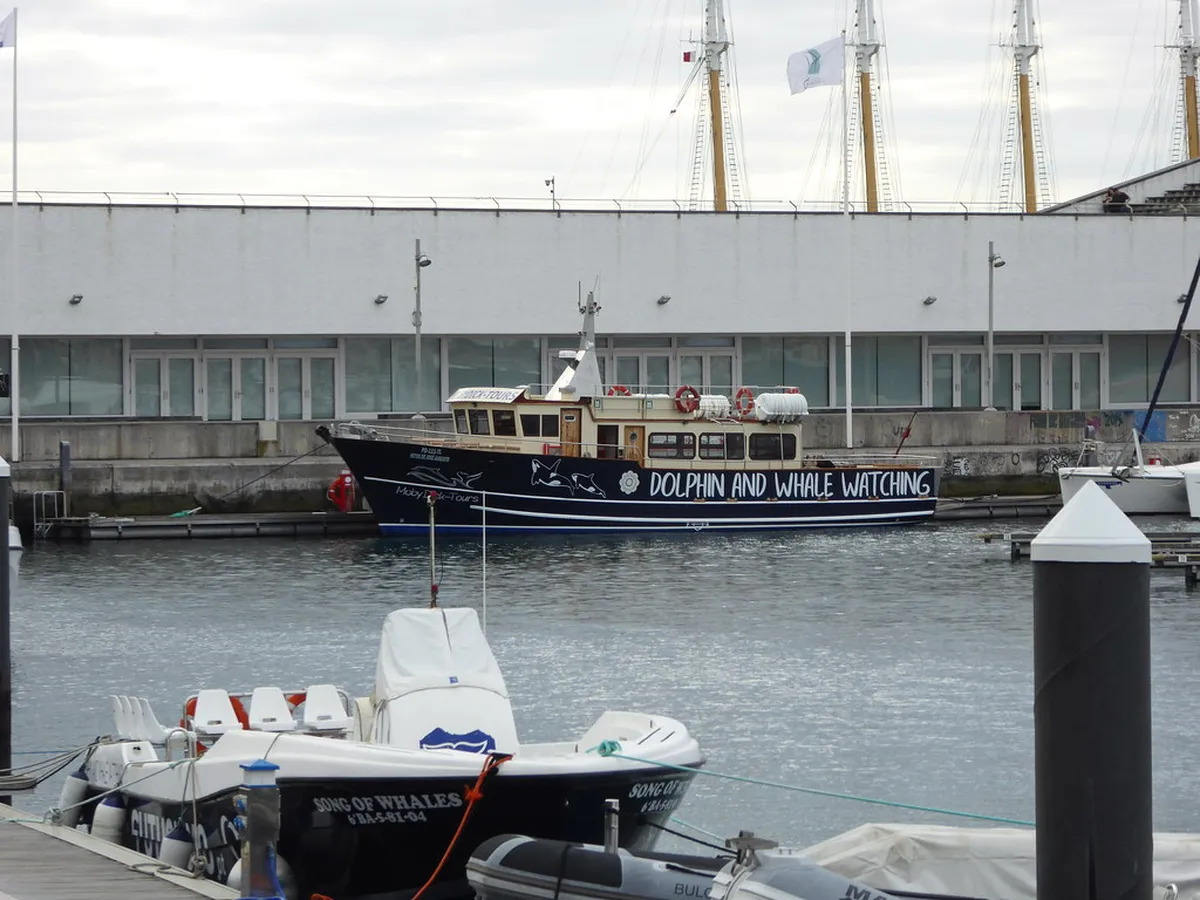
Lajes do Pico was the historic heart of the Azorean whaling industry and is now the best base for whale watching in the Azores. The deep water directly off Pico's coast makes sperm whale sightings more consistent here than from any other island. Resident sperm whales dive deep and typically show only their flukes when descending — spectacular, but different from the breaching behaviours seen with other species. You are also very likely to see common dolphins on the same tour.
Tours typically run three hours and leave in the morning (around 09:00) and early afternoon (around 14:00). Prices sit at €50 to €65 per adult depending on the operator and season. Children aged 7 to 18 pay around €28 with most operators; the activity is not recommended for very young children. Two reliable operators are Futurismo Azores (guided by maritime biologists) and Aqua Açores — Futurismo books out fast in summer, so check both when planning. Book morning departures for calmer water.
Drive the Scenic Caminho das Lagoas
The Caminho das Lagoas is a high-altitude road that cuts through the island's volcanic interior past several crater lakes. The road surface is rough and full of potholes, so drive slowly. Allow half a day rather than just the 45-minute driving time — the value is in stopping, walking around the lake margins, and absorbing the landscape.
Standout stops include Lagoa Seca and Lagoa do Paúl. The best single view, however, is not on this road at all: Lagoa do Capitão, situated on the approach to Casa da Montanha, offers a mirror reflection of Mount Pico on still mornings. Walk to the back of the lake for the classic mountain backdrop shot. Cows wander freely across the highland plateau, so watch your speed. Wild horses also appear occasionally between the lagoons further east.
Visit the Pico Wine Museum in Madalena
The Museu do Vinho is the best starting point for understanding Pico's viticulture before you taste anything. Located in a former convent in Madalena, the complex includes a red cabin with vineyard views, several buildings displaying traditional wine-making tools, and a garden with some of the oldest dragon trees on the island. Staff hand out English-language folders on entry because the information panels inside are a mix of English and Portuguese.
Entry costs €2 per adult and the museum is open Monday to Saturday, 10:00 to 17:30. There is no wine tasting inside the museum itself — for that, you head five minutes down the road to the Azorean Wine Company. See the Pico Wine Museum on TripAdvisor for current visitor reviews.
Wine Tasting: Choosing the Right Experience for You
Pico's wines are unlike those from anywhere else in Portugal. The combination of volcanic basalt soil, Atlantic salinity, and the centuries-old currai system produces white wines — mainly Verdelho, Arinto dos Açores, and the nearly-extinct Terrantez do Pico — with a distinctive mineral acidity that sommeliers have only recently started to pay attention to.

The Azorean Wine Company in Criação Velha is the prestige option: a stunning contemporary building overlooking both the UNESCO vineyards and the Atlantic, with tastings from around €30 per person for four wines. Opening hours are 11:00 to 19:00 daily. Try the Terrantez do Pico if available — it was nearly wiped out and is being revived through collaboration with agricultural services. The Cooperativa Vitivinícola da Ilha do Pico in Madalena is the traditional alternative: less architectural flair, much lower price point, and a straightforward way to sample a range of local bottles before buying. For a sunset glass of wine without committing to a tasting, Cella Bar in Madalena sits directly by the sea and is widely considered the best spot on the island for an evening drink.
If you want a driver and a structured route, book a dedicated wine tour that bundles the museum, a vineyard walk, and a winery stop. This lets you taste freely without worrying about driving the narrow roads back.
Discover the Whaling Museums
Pico has two distinct whaling museums and they cover very different ground. Understanding the difference helps you choose based on your interests rather than visiting both out of obligation.
The Museu dos Baleeiros (Whalers' Museum) in Lajes do Pico focuses on the human side: the lives, dangers, and culture of the men who hunted whales from small open boats. The visit begins with a filmed whale hunt from the 1960s — the video is difficult to watch but gives irreplaceable context for the poverty and necessity that drove the industry. Exhibits include whale-tooth engravings, hand-crafted personal objects, and traditional fishing boats. Entry is €2; open Tuesday to Sunday, 10:00 to 17:30 in summer (09:30 to 17:00 in winter).
The Museum of the Whaling Industry in São Roque do Pico (not Santo Amaro) covers the factory side: the machinery and industrial processes used to transform a whale into sperm oil, bone flour, and meat products. It is a more engineering-focused visit. If you are short on time, the Lajes museum is the more culturally resonant choice. If industrial history appeals to you, São Roque adds a layer the Lajes museum does not attempt. Entry is also €2; same opening hours apply.
Swim in the Natural Volcanic Pools
The Piscina Natural da Criação Velha near Madalena is the most accessible natural pool on the island. Concrete platforms ring a lava rock inlet, giving you a safe entry point into the Atlantic via ladders. The pools are free to use. Bring a snorkel mask — small fish cluster in the rocky crevices, and the visibility on calm days is excellent.
The water is cold even in summer, coming directly from the Atlantic. June water temperatures sit around 19°C, July and August around 21°C. If you are visiting in spring or autumn, expect 15 to 17°C. High tide is the best time to visit, when the incoming swell refreshes the pool water and the surface is clearest. Spend at least two hours here to make the drive worthwhile.
How to Get to Pico Island
There are two ways to reach Pico: by ferry or by plane. The right choice depends on where you are coming from in your Azores itinerary.
The ferry from Faial (Horta to Madalena) takes 35 minutes and is the easiest option if you are island-hopping through the central group. Atlantico Line runs daily connections. The ferry is also an option from São Jorge. This is the most scenic and logistically clean arrival — you step off the boat directly into Madalena with car rental agencies within walking distance.
Flying makes sense if you are coming from São Miguel or starting your trip at Pico Airport directly. SATA Air Azores connects Pico with São Miguel and Terceira on inter-island routes. Azores Airlines serves Pico from Lisbon. There are no direct international flights to Pico — all international travelers connect through Lisbon, Porto, or São Miguel first. The airport is near Lajes do Pico on the island's southern coast, about 40 minutes by car from Madalena.
How to Get Around Pico Island
Renting a car is the only practical way to see the island. Public transport exists but runs on schedules designed for local workers and schoolchildren, not tourists — you may wait several hours at a rural stop. Book your car rental well in advance, especially for summer: supply is genuinely limited and the good vehicles disappear months ahead. If you arrive by ferry, pick up your rental in Madalena. If you fly in, collect it at Lajes airport.
Pico is 42 km long. Most major attractions sit within a 45-minute drive of each other regardless of your base. Keep your fuel tank above half — petrol stations are sparse in the island's interior. A full-day guided tour (€80 to €120 per person via Viator or GetYourGuide) is a reasonable alternative if you prefer not to drive.
Where to Stay on Pico Island
Madalena is the most convenient base for first-time visitors. The ferry terminal, car rental agencies, the wine museum, the Azorean Wine Company, and the Criação Velha vineyard trail are all within easy reach. If your priority is the UNESCO vineyards and Mount Pico, stay here.
Lajes do Pico is the better choice if whale watching is your main draw. Tour operators depart from here, the Whalers' Museum is in the town centre, and the atmosphere is quieter and more traditionally Azorean than Madalena. Lajes is also close to Pico Airport, which simplifies logistics if you are flying in or out. São Roque do Pico sits centrally between Madalena and Lajes and is a practical middle-ground, especially if you want easy access to both the mountain and the whale-watching boats.
For accommodation style, look for adega rentals — traditional lava stone houses or converted winery buildings that offer self-catering in the most atmospheric setting the island has. These book up fast in July and August. Boutique options near the ferry port in Madalena give the best walking convenience. If you are looking at the Pico vineyards as your main focus, a property in Criação Velha puts you directly in the UNESCO landscape.
Best Time to Visit Pico Island
The best window for climbing Mount Pico is June through September, when cloud cover is lower and the summit is clear more often. June offers a balance of decent weather and smaller crowds than July or August, which are peak season. Prices for accommodation and car rental increase significantly in summer, and the good rentals disappear months in advance.
Whale watching runs year-round but is most reliable between April and October, when resident sperm whales are consistently present. For vineyards, any time of year works — the landscape is extraordinary even in winter when the contrast between the black basalt and the green vines is sharpest. Shoulder season visitors (May, October) often find the island in T-shirt weather with far fewer people. October can bring rain, but webcam services like Spot Azores give real-time visibility across the islands, which proves more accurate than standard weather apps for planning day-to-day on the ground.
Frequently Asked Questions
How many days do you need on Pico Island?
You should plan for at least three to four days to see the main sights. This allows one full day for the Mount Pico hike and time to explore the vineyards and museums. Extra days are helpful in case of bad weather.
Can you climb Mount Pico without a guide?
Yes, you can climb independently if you are an experienced hiker and have a permit. However, the trail is poorly marked in sections and the weather changes rapidly. Many visitors prefer a guide for safety and local insights.
What is the best time of year to visit Pico?
The best time to visit is between June and September for stable hiking weather and whale sightings. July and August are the busiest months, so book your car and accommodation early. Late spring is also beautiful for flowers.
Pico rewards the traveler who does their homework. Permits sorted in advance, cave closure flagged, car rental booked months out — and then the island opens up completely. The vineyard walks, the volcanic summit, the deep sperm whale waters, the mineral Verdelho at sunset on Cella Bar's terrace: none of this requires a tour group or a big budget. It requires showing up prepared.
Whether you are planning one stop in a multi-island Azores trip or building a full week around Pico, this guide gives you the complete picture. Safe travels on your 2026 Azorean adventure.
 10 Best Boat Tours in the Azores for 2026May 17, 2026