14 Essential Tips and Things to Do in Faial Island Azores (2026)
Discover the best things to do in Faial Island, Azores. From the Capelinhos volcano to whale watching and Horta's marina, plan your perfect trip with our expert guide.
On this page
14 Essential Tips and Things to Do in Faial Island Azores
After my fourth trip to the 'Blue Island', I have realized Faial is the most cosmopolitan corner of the archipelago. The historic harbor in Horta serves as a global crossroads for sailors crossing the Atlantic Ocean. This unique blend of maritime history and volcanic landscapes makes it a standout destination for any traveler.
Faial offers more than scenic views. It provides a deep connection to the sea, to geology that is still very much alive, and to a small-town culture that has quietly shaped transatlantic history for centuries. Whether you are exploring ash fields or sipping gin at a bar that has been open since 1918, the island has a rhythm unlike anywhere else in Portugal.
Planning your visit involves understanding the island's distinct microclimates and seasonal shifts. Knowing the best time to visit the Azores will help you avoid the heavy fog that often masks the central peaks. The 14 experiences below cover everything from iconic volcanic craters to the legendary bars of Horta, organized as individual stops so you can build your own itinerary.
1. Stroll Through the Historic Streets of Horta
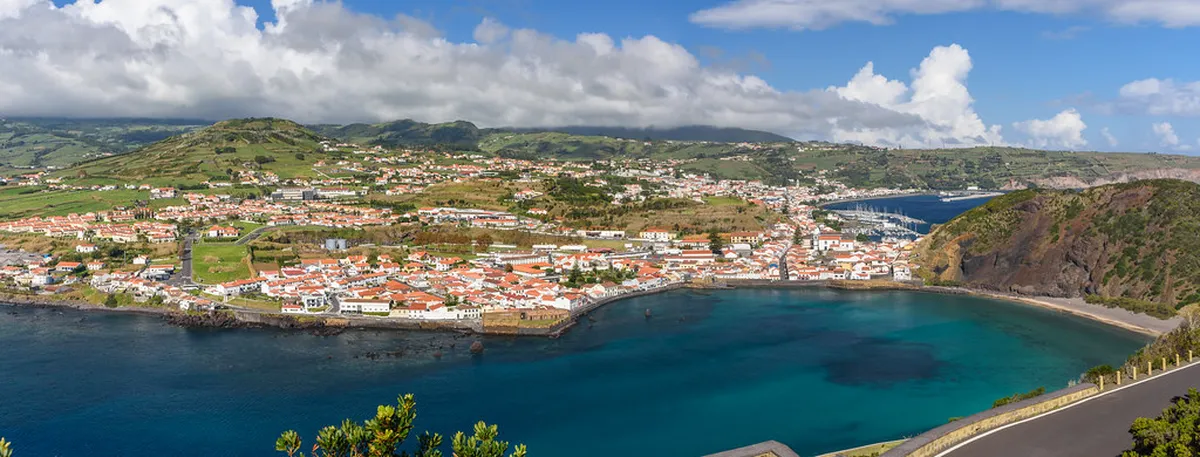
Horta is a genuine Atlantic town, not a tourist village built around a single sight. Start on Avenida 25 de Abril, the main waterfront avenue, and walk south toward the marina. You will pass tiled facades that reflect the wealth accrued during the orange and wine trade, ornate Manueline churches, and the grand Art Deco buildings left over from Faial's era as a transatlantic telecommunications hub.
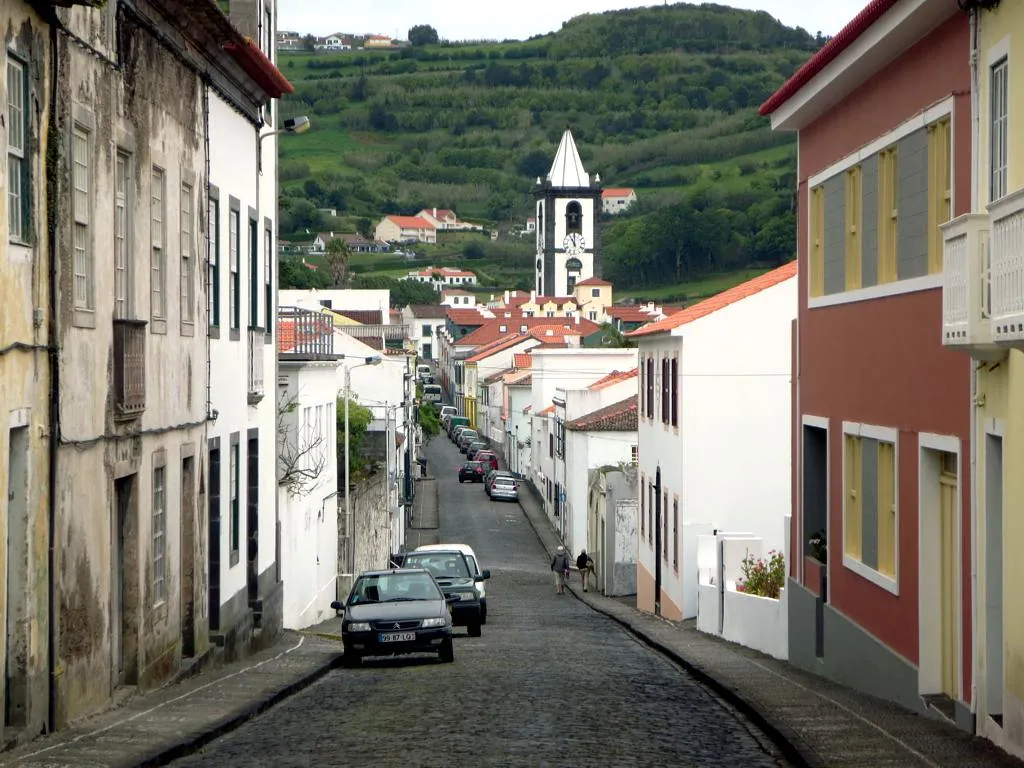
Do not miss the Colónia Alemã along Rua Cônsul Dabney, a cluster of five villas built in 1919 to house the engineers who operated the underwater cable connecting Borkum to New York via Horta. The Casa do Relógio still has its original colored glass window panes. This street is one of the most undervisited spots in the entire Azores.
The 16th-century Igreja do Santíssimo Salvador has an azulejo-clad chancel worth a few minutes inside. The Casa Memória Manuel de Arriaga, birthplace of Portugal's first Republican president, is nearby and free to view from outside. Allow two to three hours to walk the town properly before heading toward the marina.
2. Take in the Views from Monte da Guia
Monte da Guia is a former submarine volcano that fused with Faial over millennia and now guards the southern edge of Horta's bay. You can drive or hike to the top via the Entre Montes walking trail (PRC08FAI), which starts in Horta. The drive takes five minutes from the harbor; the hike takes around 45 minutes.
The first viewpoint, Miradouro da Lira, offers the best angles over Porto Pim Bay and is only a short walk from the parking area. A few minutes further up the road sits the small Chapel of Nossa Senhora da Guia, patron saint of fishermen and sailors. From the chapel terrace you see the Caldeira do Inferno on one side and the full sweep of Porto Pim Bay on the other.
Visit in the late afternoon for the best light on Pico Island across the channel. The area is free to enter at any hour. If you plan to walk rather than drive, check the Azores hiking trails guide for the full route details before you go.
3. Watch the Sunrise at Espalamaca Lookout
Espalamaca is arguably the finest viewpoint on Faial on a clear morning. The platform sits about ten minutes' drive east of Horta and overlooks a 30-meter statue of Our Lady of Conception set against the Atlantic, with Mount Pico, São Jorge, and Graciosa all visible on the horizon when the weather cooperates. Arrive 30 minutes before sunrise for the best color over the central island group.
The Azores are notorious for cloud cover, and Espalamaca is no exception. Check the Spot Azores live webcam before leaving your accommodation. The viewpoint is free, open 24 hours, and has limited roadside parking on both sides. If the summit is socked in on your first attempt, try again the following morning — the light shifts quickly here.
4. Catch the Sunset at Porto Pim Beach
Porto Pim is Horta's most accessible beach, a sheltered crescent bay with calm black sand and easy walking distance from the town center. The bay was historically the main whaling port and the site of the island's first European settlement in the 15th century. An old whaling factory on the eastern shore still stands and is occasionally open to visitors.
The water here is calmer than on the northern and western coasts, making it suitable for families and casual swimmers. During the bathing season from May to October there are lifeguards, toilet facilities, and a small restaurant. Outside these months the facilities close. Arrive before 19:00 in summer for a west-facing sunset over the bay — you do not need to drive to Espalamaca if the sky is clear from this beach.
5. Explore the Capelinhos Volcano and Interpretation Center
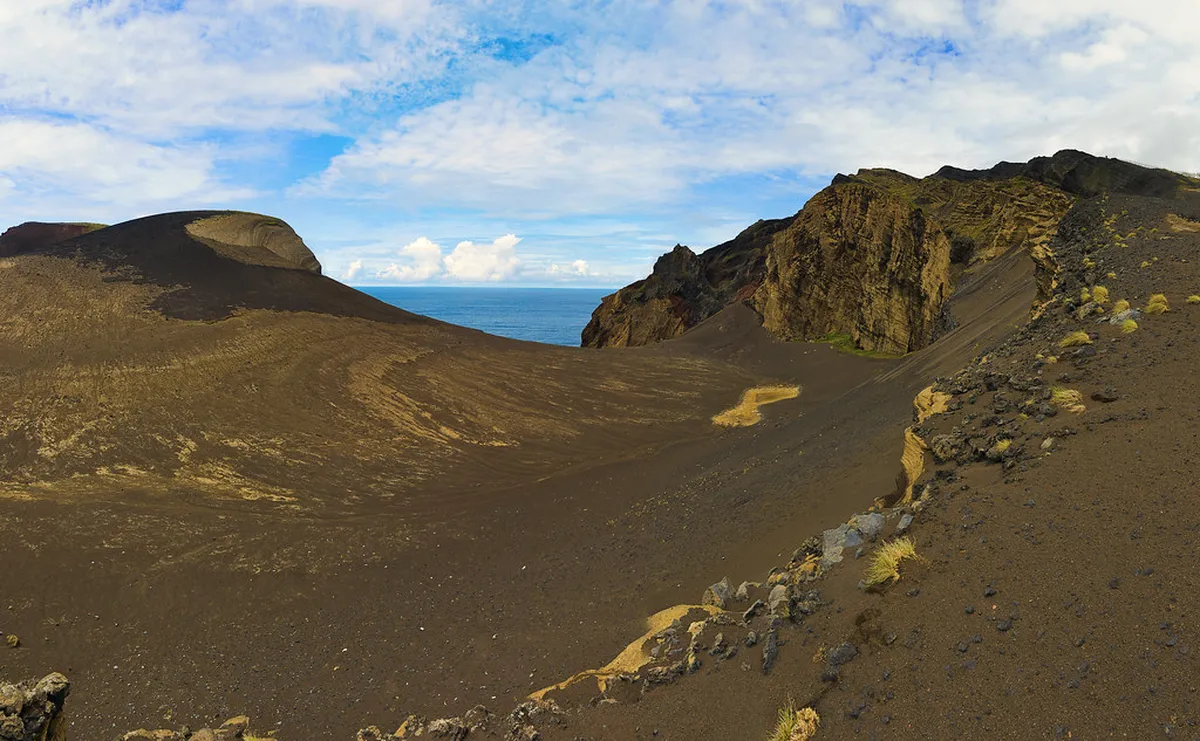
The Capelinhos Volcano erupted for 13 consecutive months from September 1957 to October 1958, adding a tongue of new land to Faial's western tip and burying the homes of 2,000 residents under ash and pumice. The landscape today looks convincingly lunar. An abandoned lighthouse tower rises from the ash field — that tower now houses the entrance to one of the best geology museums in Portugal.
The Interpretation Center is built underground, which keeps it cool even in summer and creates a dramatic architectural contrast with the barren surface outside. Interactive exhibits explain volcanism, the formation of the Azorean archipelago, and the social impact of the 1957 eruption, including the mass emigration that followed, largely to the United States. Budget 90 minutes for the museum and viewpoints combined.
Admission costs €10 for adults, €5 for seniors over 65 and children aged 7 to 14, and €20 for a family of two adults with children under 14. Azores residents and children under 6 enter free. Opening hours are Tuesday to Sunday, 10:00 to 17:30. Do not visit on a windy day — the ash field can turn a gentle breeze into a sandblasting experience. For photography, the ash-field colors show best in the soft light of early morning or late afternoon, not midday.
The Capelinhos ash field is open to the wind coming off the Atlantic — on gusty days the fine volcanic grit makes the experience genuinely unpleasant. Check the wind forecast before driving to the western tip, and avoid midday sun for photography since the pale ash washes out in harsh light.
6. Hike the Rim of the Caldeira Crater
The Caldeira do Faial sits at the island's volcanic heart: roughly two kilometers wide and more than 400 meters deep, its walls draped in native laurel forest that shelters over 60% of the Azores' endemic plant species. The crater has been a protected natural reserve since 1972. The trailhead is a 20-minute drive from Horta; a mossy tunnel cut through the crater wall leads you up to the rim.
Here is the practical decision you need to make before you go. The rim hike (PRC04FAI) is free, self-guided, 6.8 km circular, rated easy, and takes about 2.5 hours. It gives you the panoramic views of the crater interior and out toward Pico and São Jorge. The crater descent is an entirely different proposition: it requires a licensed guide, a daily permit issued by the Faial Natural Park, and costs €70 to €100 per person depending on group size and operator. The descent trail is only 4 km but steep, narrow, and frequently muddy at the bottom. Solid hiking boots are non-negotiable. If you do not have a specific reason to descend (botanical interest, photography requiring close-up shots of the endemic flora), the rim hike delivers a comparable visual reward for free.
Check the Spot Azores webcam before driving up. The summit cloud sits independently of Horta's weather — it can be sunny in town and zero visibility at the crater in the same hour. Do not make the drive without checking first.
7. Relax at Praia de Almoxarife Black Sand Beach
Almoxarife is the most beautiful beach on Faial and the island's best vantage point for photographing Mount Pico. The volcano sits directly across the Faial-Pico channel and, on a clear day, fills the entire eastern horizon from the beach. Come in the late afternoon when the light is behind you and Pico turns from grey to orange. This framing is what makes Almoxarife distinctly different from Porto Pim, and most competitors mention it only in passing.
The beach is five kilometers northeast of Horta with ample parking and a small campsite adjacent to the sand. Facilities include showers, changing rooms, and two seaside bars and restaurants. Lifeguards are present in summer. A cluster of small historical forts nearby — Fort of Nossa Senhora do Rosário, Fort of Nossa Senhora dos Remédios, and the Church of Our Lady of Grace — gives the surrounding area enough interest for a half-day outing rather than just a quick beach stop.
8. Experience World-Class Diving and Snorkeling
Faial sits at the convergence of three tectonic plates, which means the underwater terrain around the island is dramatically varied. Caves, chimneys, and the wrecks of cargo vessels lost in Atlantic crossings all sit within day-trip distance of Horta harbor. The core diving season runs June to September. Entry-level dives start at around €60 per person; check the Dive Visit Azores site for a current list of accredited dive centers and site conditions.
The Princess Alice Bank, a remote seamount roughly 80 kilometers southwest of Faial, is an advanced dive in a class of its own. Schools of mobula rays and oceanic manta rays gather here seasonally, along with blue sharks and large tuna. Full-day trips depart Horta harbor and take about three hours each way. Expect to pay €250 to €350 per person and bring an Advanced Open Water certification at minimum. It is a long day and a significant cost, but it is one of the most biologically rich dive sites in the North Atlantic.
9. Book a Whale and Dolphin Watching Expedition
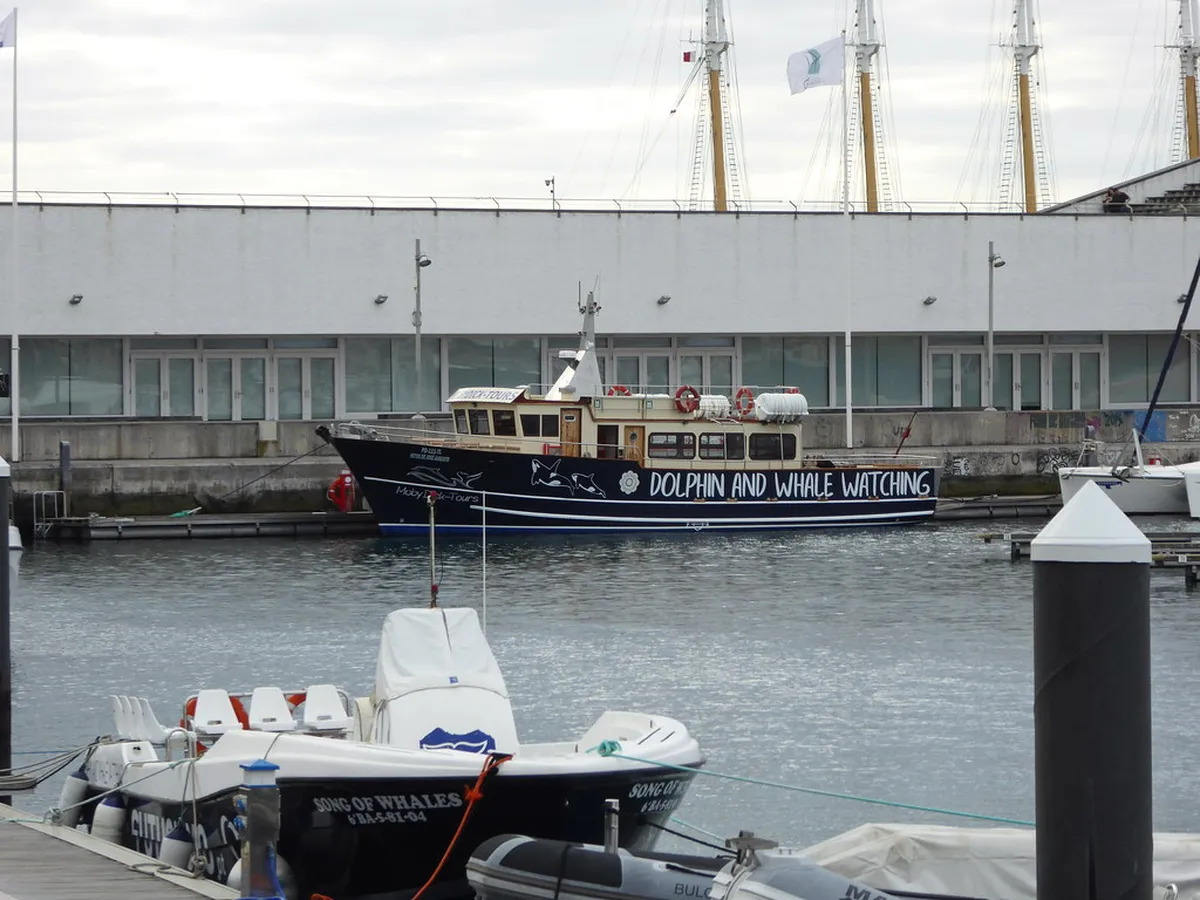
The waters around Faial and the neighboring islands are among the best places in the world for sperm whale sightings, with blue whales, fin whales, and multiple dolphin species also present between April and October. What makes Faial's whale watching operations stand out is a centuries-old land-based lookout system called the Vigia. Before any boat leaves the harbor, trained spotters stationed at high points along the coast scan the sea with binoculars. Tours only depart when the spotters have confirmed animals in the water.
Naturalist — Tourism & Science uses this Vigia system and guarantees sightings on 98% of departures. All guides are marine biologists, which means the commentary is substantive rather than anecdotal. After each trip, participants receive identification photos of the animals observed by email. Tours cost approximately €70 per adult and €55 per child. Book at least a day in advance in summer, as morning slots sell out quickly. A morning departure gives you the calmest seas and best light for photography.
If you want a comparison before booking, Zodiac-style boats (rigid inflatable) get you closer to the water and allow faster repositioning when animals surface unexpectedly. Larger catamarans are more stable and better suited to families with young children or anyone prone to seasickness. Both boat types use the same Vigia lookout system, so sighting rates are comparable.
Morning departures give you the calmest seas and best light for photography — book at least a day ahead in summer as morning slots sell out quickly. Tours cost approximately €70 per adult and €55 per child, and operators using the Vigia land-spotter system guarantee sightings on 98% of departures.
10. Have a Legendary Gin and Tonic at Peter Café Sport
Peter Café Sport opened in 1918 and has been a required stop for Atlantic sailors ever since. The story behind the name is worth knowing: Henrique Azevedo's son José worked alongside a British naval captain who, missing his own son, began calling José by his son's name — Peter. The nickname stuck for life. Today the bar is run by the third generation of the Azevedo family and the walls are covered in flags, faded photographs, and logbooks from visiting yachts.
The gin and tonic with passionfruit syrup costs around €6 and is the drink most people come for. Newsweek once named it one of the best bars in the world, and it was recreated in full size for the 1998 World Expo in Lisbon. On the first floor, the Scrimshaw Museum displays one of the world's largest collections of whale-tooth engravings. Entry costs €1.50. The bar is open daily from 08:00 to midnight. Expect a lively crowd on summer evenings when transatlantic yachts are in port.
11. Visit the Ribeirinha Church Ruins
The 1998 earthquake that struck the Faial-Pico channel measured 6.2 on the Richter scale and left a visible scar on the eastern coast. The ruins of the São Mateus church in Ribeirinha stand partially collapsed, preserved as a memorial to the disaster. The site is free to visit, about 15 minutes by car from Horta, and sits near several viewpoints overlooking the narrow strait that separates Faial from Pico.
Ribeirinha is also the starting point for trail PRC09FAI, a circular 8.4 km hike that passes both the church ruins and the ruins of the Ribeirinha lighthouse. The trail is rated moderate and takes around three hours. It is one of the less-crowded routes on the island and offers consistent sea views throughout.
12. Swim in the Natural Pools of Varadouro
The Varadouro natural pools sit on the western coast near Capelo, carved into the basalt rock by centuries of Atlantic wave action. Entry is free and the pools are accessible daily. The water is calm enough for relaxed swimming when the sea is not rough, and some sections are warmed slightly by residual geothermal activity in the rock — not hot spring temperatures, but noticeably warmer than the open ocean on a cool day.
A quieter alternative for snorkeling is the natural pool at Porto Comprido, closer to the Capelinhos volcano. It is less visited and the rocky bottom makes it good for spotting fish. A dirt track runs parallel to the coast between Varadouro Comprido and the Capelinhos natural pool — this road is essentially unknown to most visitors and offers continuous Atlantic views along its entire length.
13. Plan Your Trip for the Best Weather
June through September is the most reliable window for settled weather on Faial. Average temperatures sit between 20 and 25 degrees Celsius. This is also peak season for whale watching, and when the hydrangeas that line the island's roads are at their fullest. Crowds are significantly higher in July and August, and car hire must be booked months in advance for those months.
Faial's microclimates are real and require planning rather than assumption. Horta can sit in full sunshine while the Caldeira summit is invisible inside cloud. The western tip near Capelinhos is consistently windier than the eastern coast. Always carry a waterproof layer regardless of what the morning sky suggests. The Spot Azores live webcams mounted across the island are a more reliable real-time tool than standard weather apps for this reason.
Spring (April and May) is an excellent shoulder season choice. Prices are lower, the hydrangeas are beginning to bloom, and the whale watching season is just opening. Autumn (October) can be mild and the light is softer, but Atlantic storms are a real risk from late October onward. Winter months see many tour operators reduce hours or close entirely. If you plan outdoor activities like the Caldeira hike or the Princess Alice Bank dive, May to September is the practical window.
14. Navigate the Island with Ease
Renting a car is by far the most practical option on Faial. The island is small — a full circuit takes under two hours without stops — but the viewpoints, volcanic sites, and beaches are spread around the coast and not served by convenient public transport. Book your vehicle as early as possible if visiting in July or August; the fleet on Faial is limited and sells out well ahead of peak season. Car hire desks are available at Horta airport and in the town center. Expect to pay €35 to €60 per day depending on season and category.
The Faial-Pico ferry is the single most useful piece of logistics for anyone combining both islands. The crossing from Horta to Madalena takes 25 to 30 minutes and runs multiple times daily. A one-way adult ticket costs around €8 from the Madalena side. The São Roque departure on Pico is slower (one hour) and costs €12. Atlanticoline operates the service; schedules change every two to three months, so verify current times on their website before planning your day. If you plan to take a car on the ferry, book that separately — car transport costs €38.50 one way and must be reserved in advance.
The 'Triangle Ticket' is a cost-saving option for visitors planning to cover Faial, Pico, and São Jorge. It bundles multiple crossings at a reduced combined rate and can be purchased through Atlanticoline. Check the Atlanticoline Ferry Schedules site for the current Triangle fare. If you are flying into Faial directly, a taxi from Horta airport to the town center costs approximately €11. There is no direct ferry from São Miguel to Faial — the two islands are in different island groups and the only connection is by SATA/Azores Airlines regional flight, which takes under an hour.
Where to stay: nearly all accommodation on Faial is concentrated in Horta, which is both practical (close to the ferry and airport) and ideal for walking the town in the evenings. Hotels along the marina offer views of Mount Pico across the channel. Budget options exist in the parishes outside Horta, but without a car they leave you dependent on very limited bus services.
Where to Eat and Drink in Horta
Horta's dining scene centers on fresh Atlantic seafood and Azorean beef. Grilled limpets (lapas grelhadas) smothered in garlic and butter are the standard starter across almost every restaurant. Tuna steak is the main-course staple. For grilled fish specifically, Atlético on Rua das Angústias is the local favorite — the catch is displayed at the entrance and staff explain what is fresh that day. A main course with wine runs €30 to €35 per person. Book a table for dinner in summer.
Genuino Restaurant is worth the visit for the owner as much as the food. Genuino has twice sailed around the world and treats his restaurant as an extension of that seafaring life. Canto da Doca in the marina is the best choice for lunch — they serve meat and fish on hot volcanic stones at the table. O Cantinho das Provas on Rua Conselheiro Medeiros, 38, specializes in local Azorean wines and cheeses, and the owners are knowledgeable guides to what is worth trying from the archipelago's small-production wineries.
For a quick breakfast, the branches of A Padaria bakery in Horta offer coffee, pastries, and savory lunch specials at very reasonable prices. After dinner, the waterfront bars near Porto Pim Bay are the natural end point — the terrace views over the bay are excellent as the light fades. Most main courses at local taverns cost between €12 and €20.
Frequently Asked Questions
How many days do you need on Faial Island?
You should plan for at least three days to see the main attractions like Capelinhos and the Caldeira. This allows time for a whale watching trip and exploring Horta's marina. Four days is ideal if you want to include a day trip to Pico.
Is it easy to get from Pico to Faial?
Yes, the ferry ride between Madalena on Pico and Horta on Faial takes only 25 to 30 minutes. Boats run several times a day throughout the year. It is one of the most reliable ferry routes in the Azores archipelago.
Do I need a car on Faial Island?
While Horta is walkable, you will need a car to reach the volcano, the Caldeira, and the natural pools. Public transport is limited and does not reach all tourist sites. Renting a car provides the freedom to follow the best weather around the island.
Faial Island successfully blends its rugged volcanic identity with a sophisticated maritime culture. From the ash fields of Capelinhos to the vibrant murals of Horta, every corner offers something unique. It remains one of my favorite islands for its accessibility and the endless views of Mount Pico.
Whether you are island hopping in the Azores or diving with rays, Faial delivers a world-class adventure. Start planning your trip today to experience the magic of the Blue Island for yourself. The memories of a sunset at Praia de Almoxarife will stay with you long after you leave.
Pair this with our broader Azores tourist attractions guide for the full archipelago overview.
 10 Best Boat Tours in the Azores for 2026May 17, 2026