
Estoril Coast Travel Guide: Best Things to Do & Planning Tips
Plan your trip to the Estoril Coast with our expert guide. Discover top beaches, the famous Casino, transport tips from Lisbon, and a Cascais vs. Estoril comparison.
On this page
Estoril Coast Travel Guide
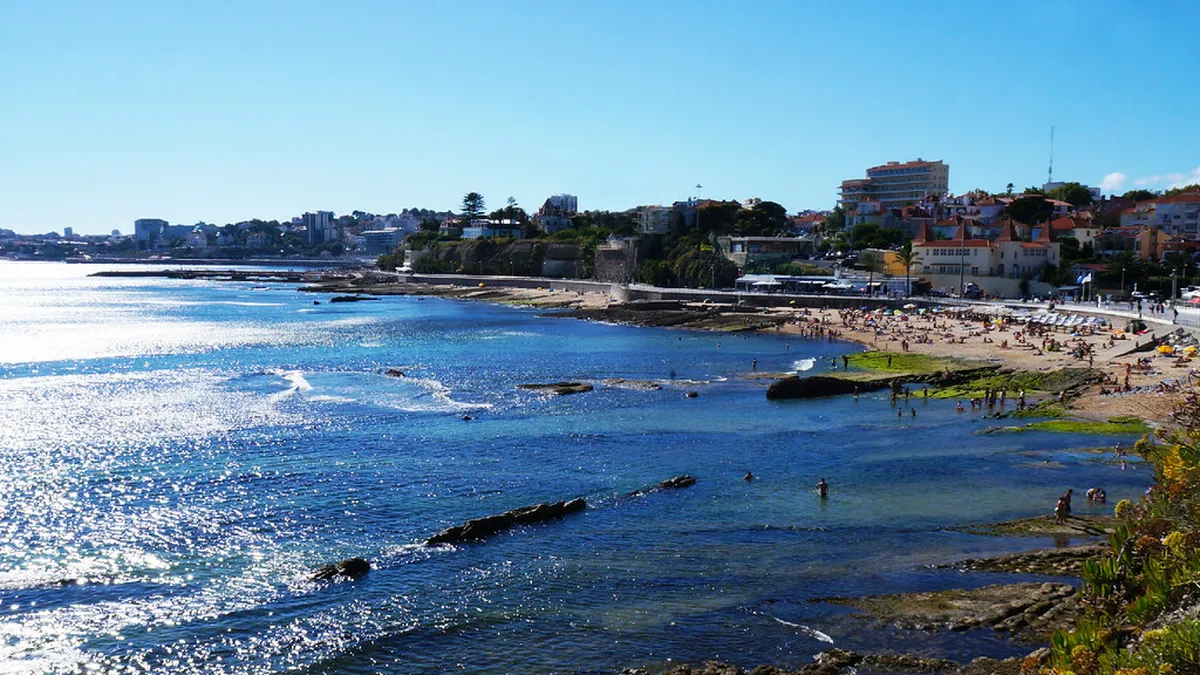
The Estoril Coast is a 30-kilometre stretch of Atlantic shoreline that runs west from Lisbon to the cape at Cascais. Locals call it the Linha de Cascais — the train line that has connected Cais do Sodré to this glamorous coastline since 1889. Whether you drive the EN6 Marginal road or ride the coastal train, the route passes golden beaches, Moorish-style villas, and a casino that once harboured real wartime spies. In 2026 it remains one of Portugal's most rewarding day trips and an underrated base for a longer stay.
This guide covers the full estoril coast experience: the Marginal scenic drive with its best stops, the top attractions in Estoril town, the beach choices, and how to link it all together in a single day or over a long weekend. Practical transport details, insider beach tips, and a Cascais vs. Estoril comparison help you decide exactly where to spend your time.
Driving the EN6 Marginal: The Coastal Route Stop by Stop
The EN6 Marginal is the defining "estoril coast" road — a narrow two-lane highway that hugs the waterline from Algés (on Lisbon's western edge) all the way to Cascais. At roughly 30 km it takes about 40 minutes without stops, but the real pleasure is in stopping every 5 to 10 km to look at the sea. Drive it westbound (Lisbon to Cascais) in the morning so the sun is behind you and the light falls on the water ahead. In the evening, reverse the direction and watch the Atlantic sunset from the wheel.

The first recommended stop is at Carcavelos, around the 12 km mark. Pull into the car park at Forte de São Julião da Barra — the 16th-century coastal fortress is visible from the road — and walk down to Praia de Carcavelos. This is the widest beach on the entire coast and the go-to spot for surfers riding its consistent beach-break waves. From here the road narrows and the views sharpen. At the São Pedro do Estoril stretch (around km 22) a small layby sits directly above the fort ruins with a panoramic view that most drivers miss entirely because there is no signage pointing to it.
The final leg from Estoril into Cascais passes the Casino gardens on your left and the Tamariz seafront on your right. Do not park at the first Estoril seafront car park on summer weekends — it fills by 10:00. Instead, continue 500 metres to the larger Cascais-side lot near the marina, then walk or cycle back along the Paredão promenade. One practical note: summer weekend traffic on the Marginal between 09:00 and 12:00 can double your drive time. The train is faster by 20 minutes on those days.
Drive the EN6 Marginal westbound (Lisbon to Cascais) in the morning so the sun is behind you and the light falls on the water ahead. On summer weekends, traffic between 09:00 and 12:00 can double your drive time — the train saves around 20 minutes on those days.
Must-See Estoril Attractions
The Casino Estoril stands as the most iconic landmark on the entire coast. Ian Fleming visited Estoril during World War II while working as a British naval intelligence officer and used the casino — and the real-life spies who crossed paths there — as direct inspiration for the first James Bond novel, Casino Royale. The building you see today is largely a 1960s rebuild, but its scale is still striking: it remains one of the largest working casinos in Europe and the grounds are open free to the public during the day. The casino garden, planted with palms and bordered by an illuminated fountain, is the best free viewpoint in the town centre.
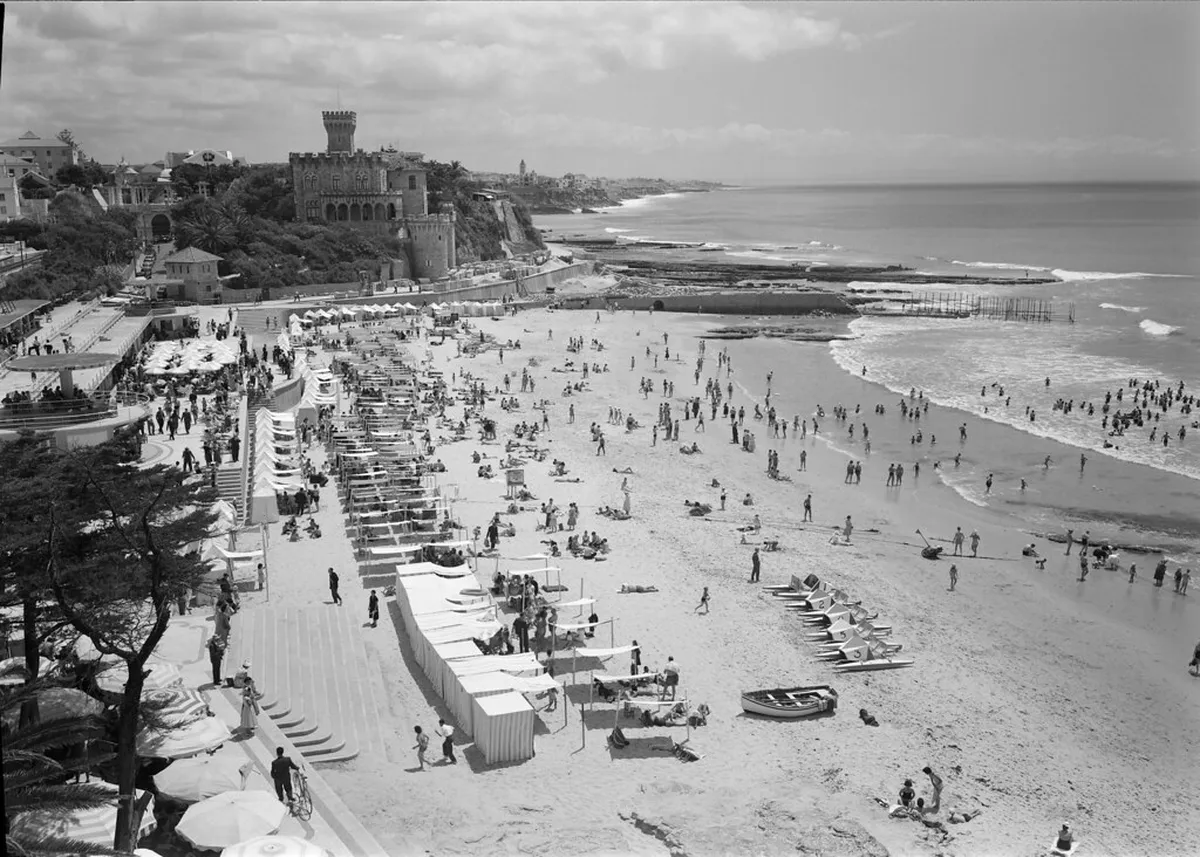
Just across the road from the casino lies Praia de Tamariz, Estoril's main beach. It is compact and sheltered, which makes it ideal for families and swimmers but means it fills fast on summer afternoons. A seawater pool sits at the northern end for those who prefer calmer conditions. Arrive before 11:00 in July and August to claim a spot. The adjacent Palácio Estoril Hotel is worth a look even if you are not staying — spies from both Allied and Axis powers reportedly drank at its bar simultaneously during the 1940s, a detail the hotel leans into with period photographs along the corridor walls.
Motorsport fans should check the schedule for the Autódromo do Estoril before their visit. The circuit hosted the Portuguese Formula 1 Grand Prix from 1984 to 1996 and still runs car and motorbike events throughout the year. It is a 10-minute taxi ride inland from the train station. Guided laps for amateur drivers can be booked in advance through the circuit's own website.
Estoril Coast Beaches: Choosing the Right One for You
The coast has a dozen distinct beaches, and choosing the wrong one wastes half a day. Praia de Tamariz in Estoril is best for families: sheltered, flat, good showers, and a 3-minute walk from the train station. Praia de Carcavelos, 15 minutes east by train, is best for space and surf — the widest beach on the line, consistently good Atlantic swells, and four surf schools operating year-round. Praia do Guincho, 9 km north of Cascais by road, is best for dramatic scenery and serious surfing but has almost no public transport link and is too wind-exposed for young children on most days.
For scenic photographs, Praia da Rainha (Queen's Beach) just east of Cascais marina is the pick. Its small crescent of sand backed by the town walls and the old fort makes for striking shots at low tide. Praia de São Pedro do Estoril, between Estoril and Cascais, is the least-known stretch on the line — rocky at the edges with natural pools revealed at low tide, calm water, and almost no tourist infrastructure. It suits those who want to sit quietly with a book rather than battle for a sunlounger.
One practical note that appears on none of the tourist maps: the Nortada wind. This strong northerly blows reliably on summer afternoons, usually kicking in around 14:00 and making exposed beaches feel 8 to 10 degrees cooler than the thermometer suggests. Tamariz and Praia da Rainha are naturally sheltered from the Nortada by the headland and stay comfortable. Guincho and Carcavelos take the full force — useful for kite surfers, less pleasant for families on beach chairs. Check the wind forecast on Windy.com before deciding which beach to target in the afternoon.
| Beach | Best for | Nortada exposure | Public transport | Notes |
|---|---|---|---|---|
| Praia de Tamariz (Estoril) | Families & swimmers | Sheltered | 3-min walk from Estoril station | Seawater pool at north end; fills fast July–Aug |
| Praia de Carcavelos | Surfers & space | Exposed | 15 min by train from Estoril | Widest beach on the coast; 4 surf schools |
| Praia da Rainha (Cascais) | Scenic photography | Sheltered | 15 min walk from Cascais station | Crescent of sand backed by old fort; best at low tide |
| Praia de São Pedro do Estoril | Quiet & off-the-beaten-path | Partially sheltered | Train to São Pedro do Estoril stop | Rocky edges, natural tidal pools; minimal crowds |
| Praia do Guincho | Dramatic scenery & serious surf | Fully exposed | No reliable public transport | 9 km north of Cascais; too windy for young children most days |
Museums, Art, and Culture Along the Coast
The Portuguese Music Museum occupies the beautiful Casa Verdades de Faria, a 19th-century manor house set in its own gardens between Estoril and Cascais. The collection covers rare instruments from the 15th century to the present, with particular strength in Portuguese folk music and fado. On certain dates the museum hosts small concerts in the garden — check the schedule on the Cascais municipality website before you visit, as these are free and rarely advertised to tourists. Entry to the permanent collection is also free on Sundays.
The Palácio dos Marqueses de Pombal sits a short drive inland from Estoril. The 18th-century estate showcases the wealth and influence of the Pombal dynasty with ornate azulejo tile panels and formal terraced gardens. It is an easy detour for anyone driving the Marginal who wants to step away from the seafront. The palace grounds are rarely crowded even in summer. Art lovers exploring further should note that Cascais town has the Paula Rego Museum (Casa das Histórias) — one of the most distinguished modern art spaces in Portugal and a 20-minute walk from the Cascais train station along the main Cascais tourism route.
The Paredão Walk: Estoril to Cascais on Foot
The Paredão is a flat, paved promenade that runs 3 km along the waterfront from Estoril to Cascais. At a relaxed pace the walk takes 35 to 40 minutes and delivers uninterrupted Atlantic views the entire way. It is one of the most pleasant urban coastal walks in Portugal and is completely free. The surface is smooth enough for pushchairs and wheelchairs, and there is almost no road crossing involved once you are on the path.
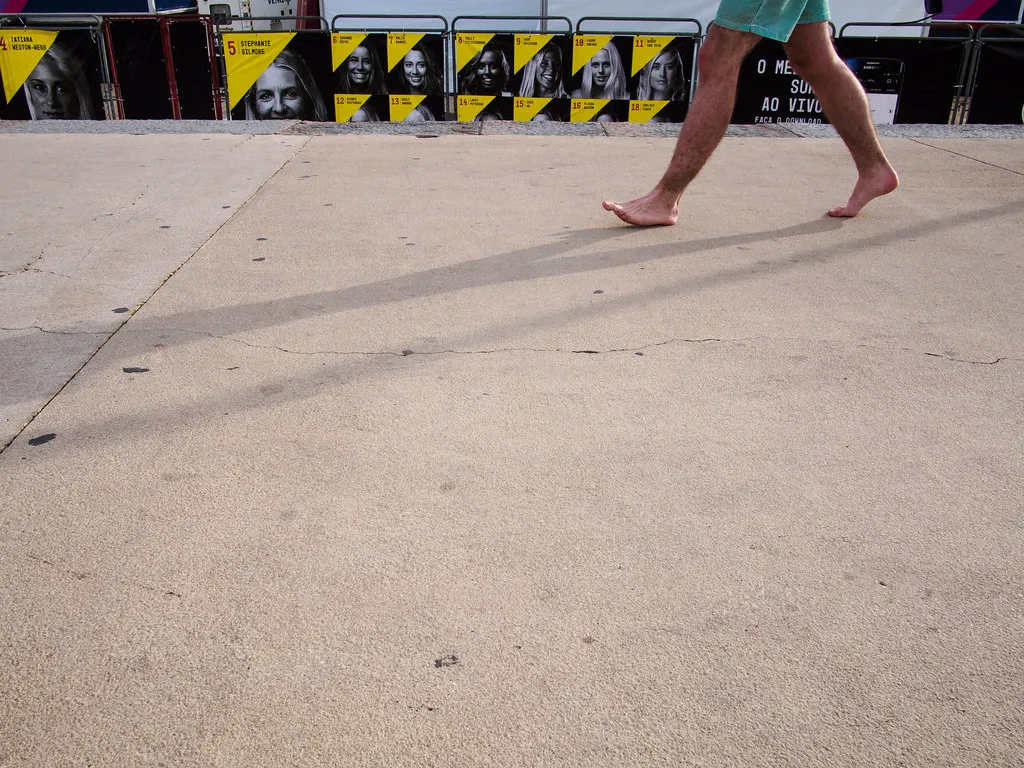
Walk from Estoril towards Cascais for the better perspective: the Cascais bay and marina open up ahead of you as you approach, rather than having the casino behind you. Stop at the midpoint café near the São João do Estoril stretch for a bica (espresso) or a pastel de nata — the terrace here juts out slightly over the sea wall and gives a good view of the surf on small swell days. Aim for this stop around 17:00 if you want to watch the afternoon light on the water. The final 500 metres into Cascais passes the 17th-century fortress of Nossa Senhora da Luz on your left before the path widens into the harbour.
The Jardim do Estoril at the eastern end of the promenade is a shady park with fountains and benches that makes a good starting or resting point. Local residents use it for morning exercise, and it often hosts open-air concerts in July and August. The Praia da Poça, a rocky beach just below the park, is a popular spot for intermediate surfers when a westerly swell pushes in.
Family-Friendly and Budget-Friendly Options
Traveling with children is straightforward on the Estoril Coast. The train from Cais do Sodré is the most practical option for families: no parking stress, trains every 20 minutes, and children under 4 travel free. Tamariz Beach is the safest swimming option — the bay faces southwest rather than northwest, so the Nortada wind barely touches it and the waves stay small. Public showers and changing rooms are available for a small fee beside the promenade. There is also a seawater pool at the northern end which is shallower and calmer than the open beach.
Budget travelers can eat well by walking two blocks inland from any seafront restaurant. The tascas in the residential streets behind the Estoril train station serve the prato do dia (dish of the day) for €8 to €11, typically including a starter, main, dessert, bread, and a drink. Restaurante Jackpot, near the casino, is the most reliable local option for honest bacalhau and grilled fish without the tourist markup. Ordering at the counter (balcão) rather than at a table at any local café saves the table service charge.
Exploring the coastline on foot between Estoril and Cascais is entirely free. The 3 km Paredão walk passes historic forts and working fishing boats. Pack a picnic from the Pingo Doce supermarket near the Estoril station — it costs a fraction of the beachfront café prices — and claim one of the sea wall benches for lunch. For an even cheaper day, the Cascais town beaches (Praia da Conceição and Praia da Rainha) are all free to access and within 15 minutes of the train station.
How to Plan a Smooth Estoril Day
The train from Cais do Sodré is almost always the right call. Trains depart every 20 minutes from 05:30 to 01:30, the journey to Estoril takes 33 minutes, and a single ticket costs €2.20 (current 2026 price, as published on CP Comboios de Portugal). The same ticket covers the Cascais stop at the end of the line, which is useful if you plan to walk the Paredão in one direction and take the train back. Buy at the machine at Cais do Sodré — the Viva Viagem card loads the fare and doubles as the Lisboa Card if you upgrade at purchase.
Driving the Marginal is worth it if you want to stop at multiple beaches or visit Cabo da Roca without backtracking. Use Waze rather than Google Maps for the Marginal, as Google often routes you inland onto the A5 motorway which misses the entire coastal scenery. Park in Cascais (the underground car park below the market costs €1.20 per hour) and use the Lisbon to Cascais transport guide for detailed parking and toll information before you set off.
Rideshare via Uber or Bolt from central Lisbon costs approximately €18 to €25 direct to Estoril (2026 estimate, higher during peak morning hours). This is a good choice for groups of three or four splitting the fare, or for anyone carrying heavy surf or beach equipment. A taxi from Lisbon runs €35 to €45 depending on traffic. Allow at least 45 minutes if you are travelling between 08:00 and 10:00 on weekdays.
The Cais do Sodré to Estoril train costs €2.20 (2026) and departs every 20 minutes from 05:30 to 01:30. A single ticket also covers the Cascais terminus at the end of the line — useful if you plan to walk the Paredão one way and take the train back.
Cabo da Roca and the Sintra Natural Park Extension
Cabo da Roca — the westernmost point of mainland Europe — sits 18 km north of Cascais by road and is the natural end-point for anyone who has driven the Marginal. The cliff-top lighthouse at 140 metres above the Atlantic is one of the most photographed spots in Portugal. Arrive in the last 90 minutes before sunset: the light turns the rock faces amber and the sea goes deep violet. Wind is almost always strong here, so carry a layer regardless of how warm it was in Estoril. There is a small visitor centre where you can buy a certificate confirming you stood at the westernmost tip of the continent — an oddly satisfying souvenir.
Bus 403 connects Cascais to Cabo da Roca and Sintra in both directions, running roughly every hour. The fare is €2.65 each way. This makes it possible to do the Marginal drive, walk the Paredão, and then continue to the cape by bus without needing a car for the full day. The return leg from Cabo da Roca to Sintra on bus 403 passes through the Sintra-Cascais Natural Park forested hills and is itself a scenic route worth the extra 30 minutes.
Sintra is a 40-minute drive from Cascais or a 20-minute train ride from the Cascais bus terminal. The key mistake first-timers make is arriving after 11:00 in summer — by then the Pena Palace queue stretches 45 minutes. Buy tickets online at the Parques de Sintra website the day before and pick up a full Cascais to Sintra itinerary to plan the connecting legs efficiently.
Good to Know Before Visiting
The best time to visit the Estoril Coast for beach weather is May to September. July and August bring the warmest water temperatures (around 21°C) but also the largest crowds and the strongest Nortada afternoons. May, June, and September offer warm air, quieter beaches, and no wind disruption — local consensus among residents is that June is the sweet spot. Winter is mild (12 to 17°C) and ideal for walking the Marginal and Paredão without the summer crowds. The casino stays open year-round until 02:00.
Most restaurants and shops accept major credit cards. Carry €10 to €20 in cash for beach showers, kiosks, and the tascas further from the seafront, which occasionally run card readers through a mobile hotspot that drops during peak periods. English is widely spoken in the tourism zones. The main safety note is rip currents at exposed beaches like Guincho — swim only in the flagged zones and pay attention to the colored flag system (green: safe, yellow: caution, red: no swimming).
The casino entry is free during the day for sightseeing and dining. Gaming tables open at 15:00 and require passport or EU ID card for entry. There is no dress code for the slot area, but the main gaming floor and restaurant enforce smart casual (no shorts or sleeveless tops after 19:00). Photography inside the gaming areas is prohibited.
Comparing Cascais and Estoril for Your Stay
Estoril feels quieter and more residential, with grander 20th-century architecture and fewer tourist shops. The streets away from the casino are genuinely calm, the restaurant quality is high relative to price, and you are a short walk or train stop from Cascais whenever you want more energy. Accommodation options range from the historic five-star Palácio Estoril Hotel to smaller boutique guesthouses along the side streets. It suits couples and solo travelers who want a quieter base with easy coast access.
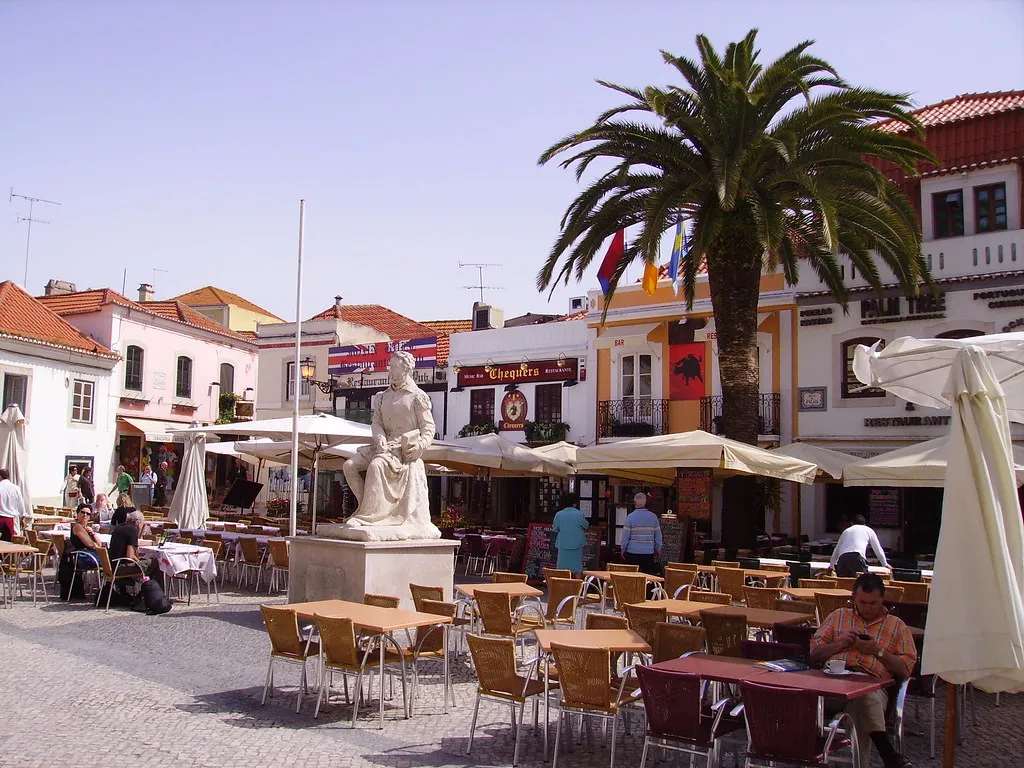
Cascais is more vibrant. The old town pedestrian zone around Largo de Camões has a concentration of restaurants, bars, and shops that keeps the streets lively until midnight in summer. Families benefit from the marina area, the Cascais Cultural Centre with its free museums, and the wider beach choices. The trade-off is noise — the town centre is noticeably louder on summer nights, and the central accommodation is priced accordingly. Cascais hosts excellent seafood restaurants and historic architecture from its royal heritage. The 10 Best Cascais Tourism Attractions: A Complete Travel Guide guide covers all the specific sights in the town in full detail.
Both towns connect to Lisbon by the same train and sit 3 km apart via the Paredão. The practical answer for most visitors is to stay in Cascais (more choice, better nightlife, livelier restaurants) and spend half a day in Estoril for the casino, Tamariz, and the Palácio Hotel bar. But if you want peace over social energy, Estoril is the right call. The InterContinental Cascais-Estoril sits precisely on the boundary between the two towns and is a good compromise base.
Frequently Asked Questions
Is Estoril worth visiting for a day trip?
Yes, Estoril is absolutely worth visiting for its unique blend of history and luxury. You can explore the famous Casino, walk the scenic promenade, and relax on Tamariz Beach. It offers a more tranquil experience than the busier 10 Best Cascais Tourism Attractions: A Complete Travel Guide nearby.
How do I get from Lisbon to Estoril?
The best way is to take the train from Cais do Sodré station in central Lisbon. The journey takes about 35 minutes and costs approximately €1.90. Trains run frequently throughout the day, providing beautiful views of the Tagus River and the Atlantic Ocean.
Which is better, Cascais or Estoril?
The choice depends on your personal travel style and preferences. Estoril is better for those seeking quiet elegance and a sophisticated, old-world vibe. Cascais is ideal if you want a lively atmosphere with many shops, restaurants, and a bustling nightlife scene.
What is Estoril famous for?
Estoril is most famous for its grand Casino, which inspired the James Bond series. It is also known as a historic refuge for European royalty during World War II. Today, it is celebrated for its beautiful beaches and its status as the 'Portuguese Riviera'.
Can you walk from Estoril to Cascais?
Yes, a flat and scenic promenade called the Paredão connects the two towns. The walk is about 3 kilometers long and takes roughly 30 to 40 minutes at a steady pace. It is a very popular route for both locals and tourists to enjoy the sea air.
The Estoril Coast remains one of the most enchanting destinations in all of Portugal. Whether you are drawn by the spy history or the golden beaches, there is something for everyone. Plan your visit in 2026 to experience the timeless glamour of this coastal gem. Enjoy the perfect balance of relaxation and exploration on the beautiful Portuguese Riviera. For related Cascais deep-dives, see our Cascais beaches guide and Guincho Beach guides.

 Best Time To Visit Cascais Travel GuideMay 17, 2026