12 Best Things to Do in Terceira Azores (2026)
Discover the best things to do in Terceira, from volcanic caves to UNESCO sites. Includes local food tips, hiking guides, and practical travel advice.
On this page
12 Best Things to Do in Terceira Azores
Terceira is the Azores island that rewards slow travel. Its UNESCO-listed capital, active volcanic geology, and patchwork green hills divided by black stone walls create a setting that feels genuinely different from the rest of the archipelago. This is not São Miguel with its crowded calderas — it is quieter, more cultural, and deeply connected to its Atlantic heritage.
Knowing the best time to visit the Azores shapes everything here. July through September brings the warmest weather and the famous Sanjoaninas festival in Angra, but the volcanic interior stays photogenic year-round. October and November offer fewer crowds, lower prices — roughly a third of summer rates — and the same core experiences minus the queues.
This 2026 guide covers the twelve activities that define a great Terceira trip, from the depths of a volcanic chimney to the perfect plate of slow-cooked beef. Practical details — entry fees, opening hours, travel times — are current for this year wherever available.
1. Explore the UNESCO Streets of Angra do Heroísmo
Angra do Heroísmo has been a UNESCO World Heritage Site since 1983, making it the first city in all of Portugal to receive that designation. Its grid of Renaissance streets, established by the earliest settlers in the 15th century, became the blueprint for colonial cities built across South America. Walking the historic center is free and easily fills a full morning.
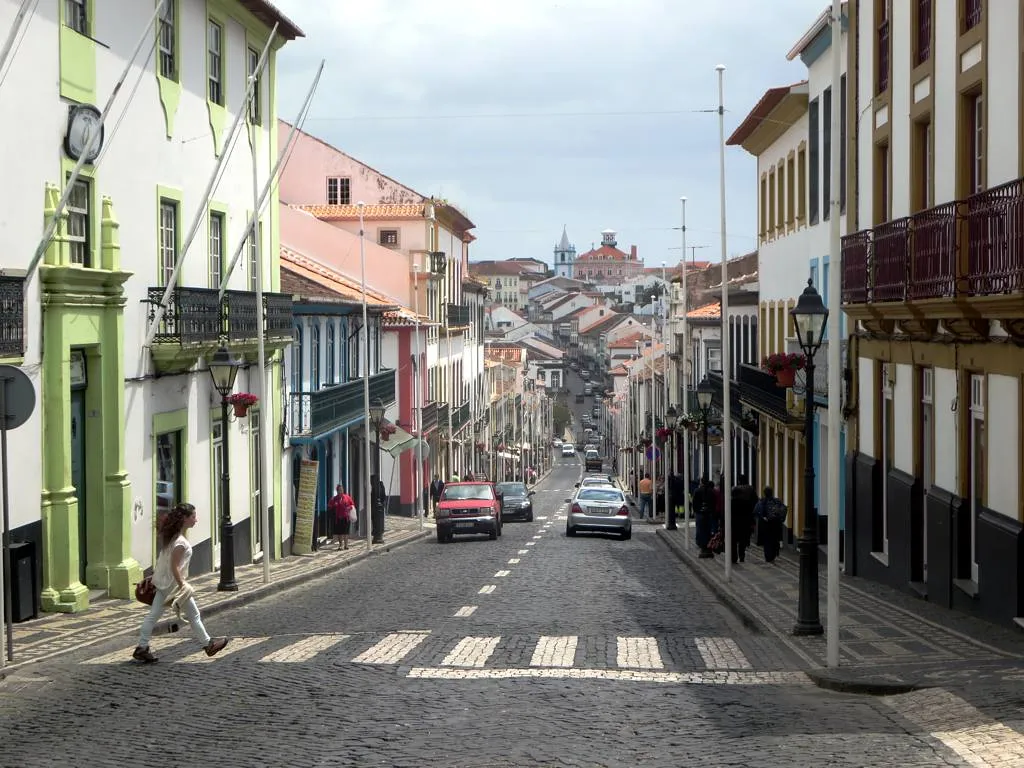
Start at the Sé Cathedral on Rua da Sé, built in the late 16th century with a deceptively sober exterior that gives way to gilded altars, azulejo panels, and an 18th-century pipe organ. From there, follow Rua Direita toward the port and stop at the Jardim Duque da Terceira botanical garden, which holds over 200 species and a small hilltop café with views over the rooftops. The Museu de Angra do Heroísmo, housed in a former Franciscan monastery, charges around €3–€5 and provides strong historical grounding for the rest of the island.
Local museums generally open 10:00–18:00 Tuesday through Sunday; check locally as reduced-season hours apply between November and April. For a deeper look at the architecture, our Angra do Heroísmo guide covers the cathedral, the port fort, and the best viewpoints in more detail.
2. Descend into the Algar do Carvão Volcanic Chimney
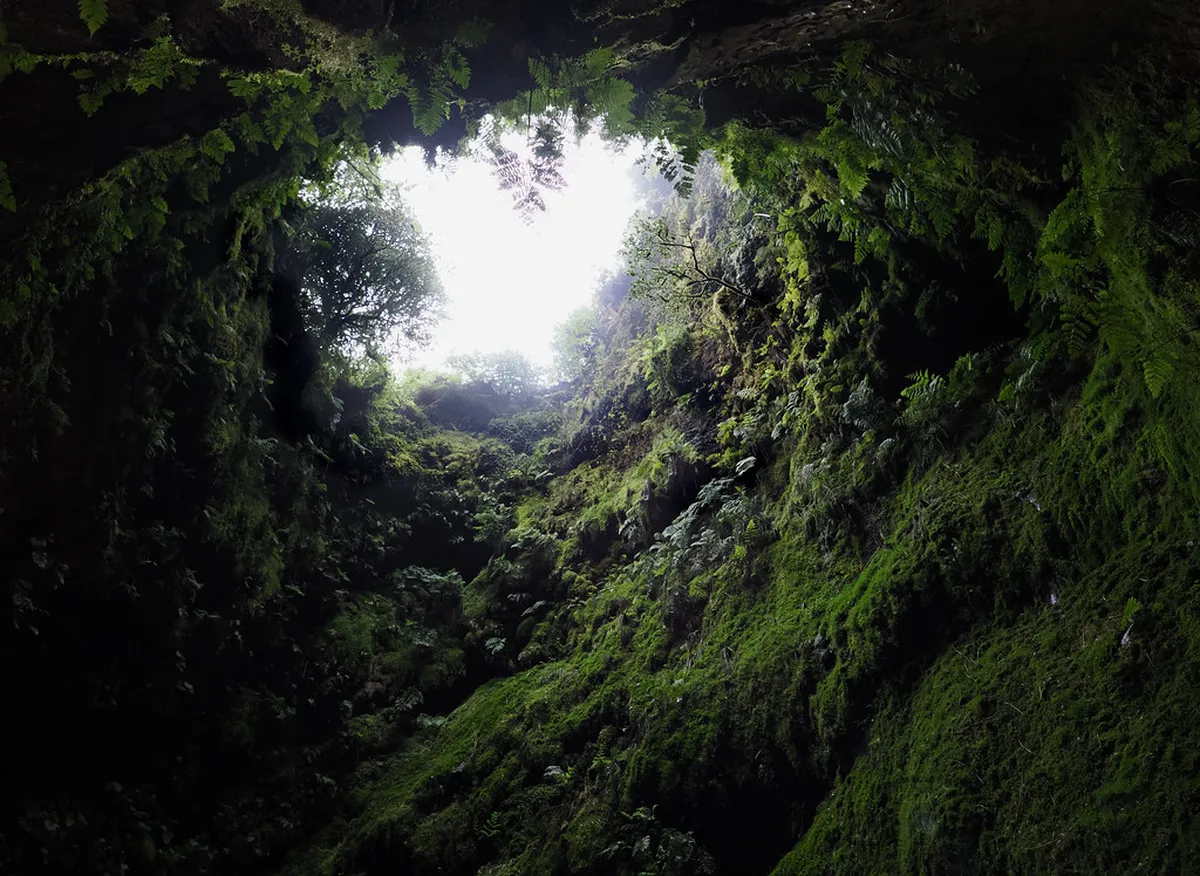
Algar do Carvão is the headline geological attraction on Terceira and one of only two places in the world where you can descend inside an intact volcanic chimney — the other is in Iceland. The chimney formed around 2,000 years ago during a basalt eruption; as the magma drained, it left a hollow cavity now reached by 388 stone steps. At the bottom you find stalactites, walls thick with silica deposits, and a small crystalline lake fed by rainwater from above.
Entry costs €10 per adult, payable by card or cash at the entrance. Opening hours in 2026 run 08:00–17:00 daily, though hours can shorten outside the summer peak — verify on the official Visit Azores site before your visit. Wear closed shoes with grip because the steps stay damp from the internal waterfall regardless of weather outside.
Arrive at opening time or in the final hour to avoid the midday tour-group rush. If you want to combine Algar do Carvão with the nearby Gruta do Natal lava tube, a combined ticket costs €15 and saves you queuing separately. Our Algar do Carvão guide covers the geology in more depth and explains what to look for in each of the four chambers.
3. Marvel at the Patchwork Fields of Serra do Cume
Serra do Cume sits at 542 metres above sea level in the eastern part of the island and offers the most recognizable view in Terceira: a volcanic crater basin divided into hundreds of green pastures by black stone walls, stretching all the way to the coastline at Praia da Vitória Bay. On clear days the American air base at Lajes is visible far below, and on the eastern horizon you can sometimes spot the cone of Pico island. The viewpoint has a small observation platform, a car park, and no entry fee.
The elevation makes the site susceptible to rapid weather changes. Fog rolls in without warning even when the coast is clear; the SpotAzores webcams show live conditions at the viewpoint before you make the drive. For the best light, arrive at sunrise on the eastern side of the platform or at golden hour on the western side. Wind is almost constant — bring a layer regardless of the season.
Photographers should note that the fields look most vivid after recent rain, when the grass is saturated green against the dark volcanic walls. The drive up from Angra takes about 25 minutes via the EN2-1A road through the interior.
4. Swim in the Volcanic Rock Pools of Biscoitos
The natural pools at Biscoitos on the island's northern coast are the most famous bathing area in Terceira. Black basalt formations create a series of interconnected lagoons where Atlantic water — which warms to around 21°C by late summer — pools behind natural rock walls. The main area called Abismo is a narrow, deep bay particularly popular with local families. Entry is free and the area holds an annual Blue Flag certification for water quality.
Facilities include a car park, outdoor showers, and a small seasonal café that opens June through September. Water shoes are genuinely useful here; the basalt edges are sharp and the pools have uneven rocky floors. If the sea is rough — which happens often after Atlantic depressions pass — posted warning signs should be taken seriously. Waves can overtop the outer rocks without warning.
The pools are 45 minutes by car from Angra via the EN3-1A coastal road, which passes through endemic laurel forest and small farming villages. Checking conditions in the morning and then combining the swim with a visit to the nearby Biscoitos Wine Museum in the afternoon makes efficient use of the drive.
Water shoes are essential at Biscoitos — the basalt edges are sharp and pool floors are uneven. When the sea is rough after Atlantic storms, posted warning signs must be taken seriously as waves can overtop the outer rocks without warning.
5. Hike the Primeval Mistérios Negros Trail
Mistérios Negros is the most celebrated hike on Terceira, running 4.9 km through a landscape of recent lava formations, dense laurel forest, and endemic ferns that create a disorienting, primeval atmosphere. The trail earns its nickname — the "Jurassic Park of the Azores" — on overcast days when low mist hangs over the black rock. The Official Trails site lists current trail status and any closures before you go.
The route has technical sections with steep climbs and some swampy passages; good waterproof boots are not optional. Estimated walking time is around 2.5 hours but allow 3 hours if the ground is wet, which it frequently is even in summer. The trailhead is in the Reserva Florestal da Serra de Santa Bárbara in the island's western interior, about 30 minutes from Angra.
Plan the hike for morning when visibility is best and the light filters through the canopy. The trail is rated as suitable for adults and older teenagers in reasonable fitness but is too technical for young children. Bring trekking poles if you own them — the descent off the lava sections can be slippery after rain.
6. Walk Through the Gruta do Natal Lava Tube
Gruta do Natal is a 700-metre lava tube formed by volcanic activity thousands of years ago. Unlike the vertiginous descent into Algar do Carvão, this cave is navigated horizontally along a mostly even floor with high ceilings and informational panels explaining the different types of lava and geological features visible in the rock. It is more accessible than Algar do Carvão and suitable for visitors who find descending 388 steps daunting.
The standalone entry fee is around €8–€10; the combined ticket with Algar do Carvão at €15 is better value if you plan to visit both. An interpretation centre outside the entrance provides context on the cave's geological and social history, including its use as a shelter during the 1761 volcanic eruption. Safety helmets are provided and mandatory — the ceiling dips low in several sections toward the rear of the tube.
Allow about one hour for the visit. The cave maintains a constant temperature of around 14°C year-round, which feels cold after a warm day outside — bring a light layer regardless of the season. Both cave sites sit close to each other near the village of Porto Judeu, making a half-day excursion easy to structure without excessive driving.
If you plan to visit both Algar do Carvão and Gruta do Natal, the combined ticket at €15 saves money over buying separately. Arrive at opening time (08:00) to avoid midday tour-group queues at Algar do Carvão.
7. Enjoy a Lakeside Picnic at Lagoa das Patas
Lagoa das Patas is a peaceful crater lake in the western interior, surrounded by cryptomeria trees and seasonal azaleas. The park is free to enter and has stone barbecue pits, picnic tables, benches along the waterfront, and a drinking fountain. Resident ducks and geese are thoroughly accustomed to visitors and will approach confidently for bread, which adds to the relaxed atmosphere. Ample parking sits across the road from the lake entrance.
For a proper picnic prep, stop at the Mercado do Produto Local in Angra on your way out — it typically opens by 08:00 and sells fresh bread baked that morning, Queijo da Ilha (the tangy local cow's milk cheese aged in volcanic caves), Verdelho wine from the Biscoitos area, and chouriço from the island's interior farms. Total cost for provisions for two runs about €15–€20. Combine Lagoa das Patas with a visit to the Furnas do Enxofre fumaroles a few minutes' drive away to make efficient use of the western highlands.
8. Witness the Earth Breathing at Furnas do Enxofre
Furnas do Enxofre is a field of active fumaroles in the island's central forest reserve — vents in the earth releasing volcanic gases through steam clouds that billow up through endemic vegetation. A wooden boardwalk loops around the main vents, keeping visitors at a safe distance while providing clear sightlines over the steaming ground. Access to the boardwalk is free and the site is open throughout the day.
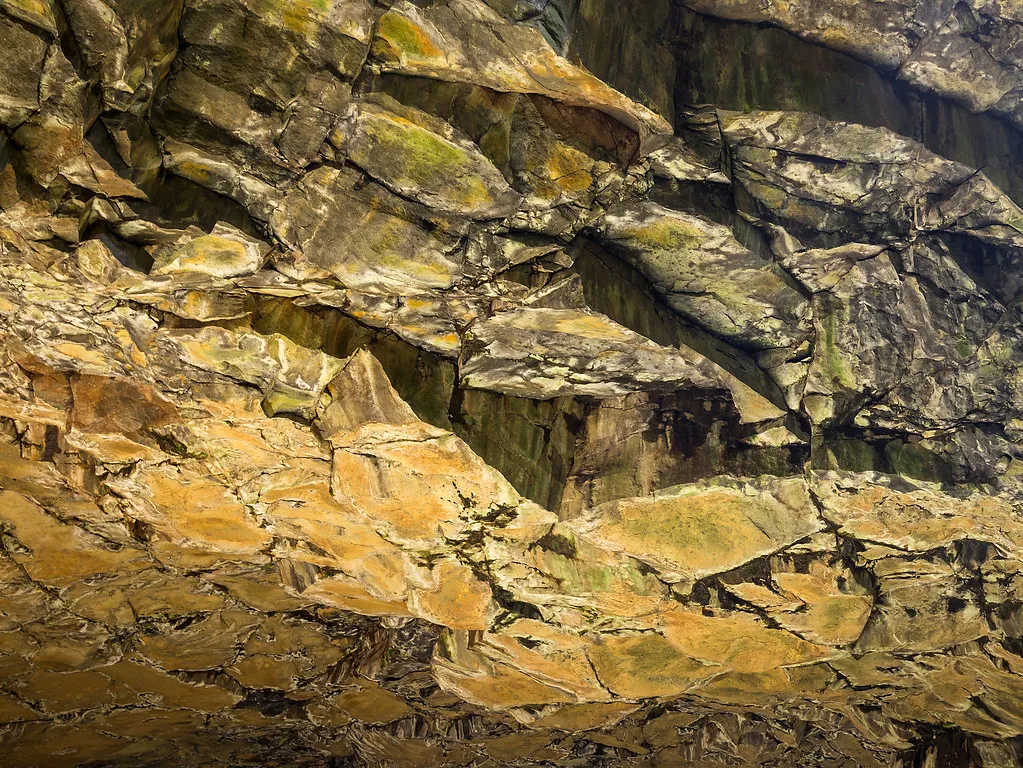
The sulfur smell is strong and immediate upon arrival — this is not a subtle geological feature. The vegetation immediately surrounding the vents has been bleached by the gases, creating a pale zone against the surrounding green laurel forest that is striking in photographs. The site sits at roughly 550 metres altitude so temperatures run cooler than the coast even on warm days.
The PRC10 TER hiking trail connects Algar do Carvão to Furnas do Enxofre through 4.5 km of varied forest and lava terrain. Walking this link rather than driving between the two sites adds about two hours but passes through some of the most geologically active land on the island. Alltrails carries current GPX data and user condition reports for this route.
9. Take in the Coastal Vistas from Monte Brasil
Monte Brasil is an extinct volcanic peninsula jutting into the sea south of Angra do Heroísmo and is one of the few major viewpoints on Terceira reachable entirely on foot from the city center. The trail system covers about 12 km over four peaks; the main loop (PRC04 TER, 7.4 km circular) is rated moderate and takes around three hours at a comfortable pace. Free car parking is available at Parque Municipal do Relvão on the peninsula approach road.
The summit provides a 360-degree panorama of Angra below, the Atlantic in every direction, and on clear days the islands of São Jorge and Pico to the south. The peninsula is also home to Fort São João Baptista — the largest Spanish fort ever built outside of Spain, constructed after the 1583 invasion and occupied for six decades. Cannons still line some of the ramparts and the scale of the fortifications is impressive even in ruin.
Sunset from the western ridge of Monte Brasil is exceptional, with the city and harbor catching the last light below. Pedro, one of the island's most recommended local guides, calls this his first stop on any Angra city tour for the historical context it provides over the whole of Terceira's past.
10. Indulge in Authentic Alcatra and Dona Amélia Cakes
Alcatra is the defining dish of Terceira — a slow-cooked beef pot roast prepared in an unglazed clay bowl with local wine, spices, and vegetables, then left in a wood oven for several hours until the meat collapses. The clay pot absorbs the flavors over time, which is why alcatra made in fresh crockery tastes noticeably different to the version from a seasoned family bowl. Ti Choa in the village of Canada do Pico and Quinta do Martelo in São Mateus da Calheta are the most consistently recommended spots; a full portion runs €18–€28 depending on the restaurant. Pair it with massa sovada (traditional Azorean sweet bread) to soak up the broth.
Dona Amélia cakes are a spiced pastry unique to Terceira, made with cinnamon, ginger, honey, and molasses. They were created in 1901 for Queen Amélia's visit to the island and have not changed significantly since. Every bakery has a slightly different intensity of spice; O Forno on Rua da Rocha in Angra is the local benchmark, opening daily around 08:00 with a small outdoor terrace. Buy half a dozen different pastries and compare — they vary more than you would expect.
For seafood, the restaurant Beira Mar in São Mateus serves the best limpets (lapas) on the island: grilled with garlic butter and served sizzling in the shell. The setting, a simple terrace above a former fishing bay, has views of São Jorge and Pico islands on clear evenings. Book in advance for dinner from June through September.
11. Embark on a Whale and Dolphin Watching Expedition
The waters around Terceira support resident and migratory cetacean populations year-round, with sperm whales, blue whales, and several dolphin species passing through the mid-Atlantic deep-water canyon nearby. Whale watching tours depart from Angra do Heroísmo and from the marina at Praia da Vitória, typically starting at 08:30. Adult tickets cost around €65; children aged 6–9 pay roughly half price. Tours run approximately three hours.
Operators use spotters stationed on Monte Brasil's heights to locate animals before boats leave the dock, which pushes sighting success rates well above 90% in good conditions. Zodiac-style rigid inflatable boats are standard — they are fast and provide low-down proximity to animals but offer no shelter from spray. Wear the waterproof jacket provided. Check our whale watching guide for tips on preventing motion sickness and choosing between operators in Angra and Praia da Vitória.
The peak season for sperm whales runs April through October; blue whales pass through primarily in late winter and spring. Common dolphins are present throughout the year and are often encountered in large pods. Booking at least two days ahead is advisable in high season — tours sell out by midday.
12. Discover Local Viticulture at the Biscoitos Wine Museum
The Biscoitos Wine Museum (Museu do Vinho) sits in the village of Biscoitos alongside working demonstration vineyards that explain why Terceira wine tastes different to anything on the Portuguese mainland. Vines are grown in small corrals of volcanic rock — stone enclosures about waist height — that protect them from Atlantic salt winds while the volcanic soil gives the wines a characteristic mineral finish. The Verdelho grape produces a semi-dry white with mild salinity that pairs naturally with local cheese and limpets.
Entry and a basic tasting cost around €5–€12 depending on the selection. For something more immersive, the nearby Materramenta family vineyard runs guided tastings starting at €35 per person, but advance booking is essential as it is a small operation that does not accept walk-ins. The wine museum itself is manageable in about 45 minutes and is particularly well suited for visitors who want context before buying bottles to take home.
Azorean wine exports are still limited, so the bottles you try here are genuinely difficult to find elsewhere in Europe. The museum shop stocks a curated range including older vintages not available in Angra's supermarkets. Combine this visit with a swim at the nearby natural pools to make the most of the drive to Biscoitos.
The Impérios: Terceira's Open-Air Cultural Secret
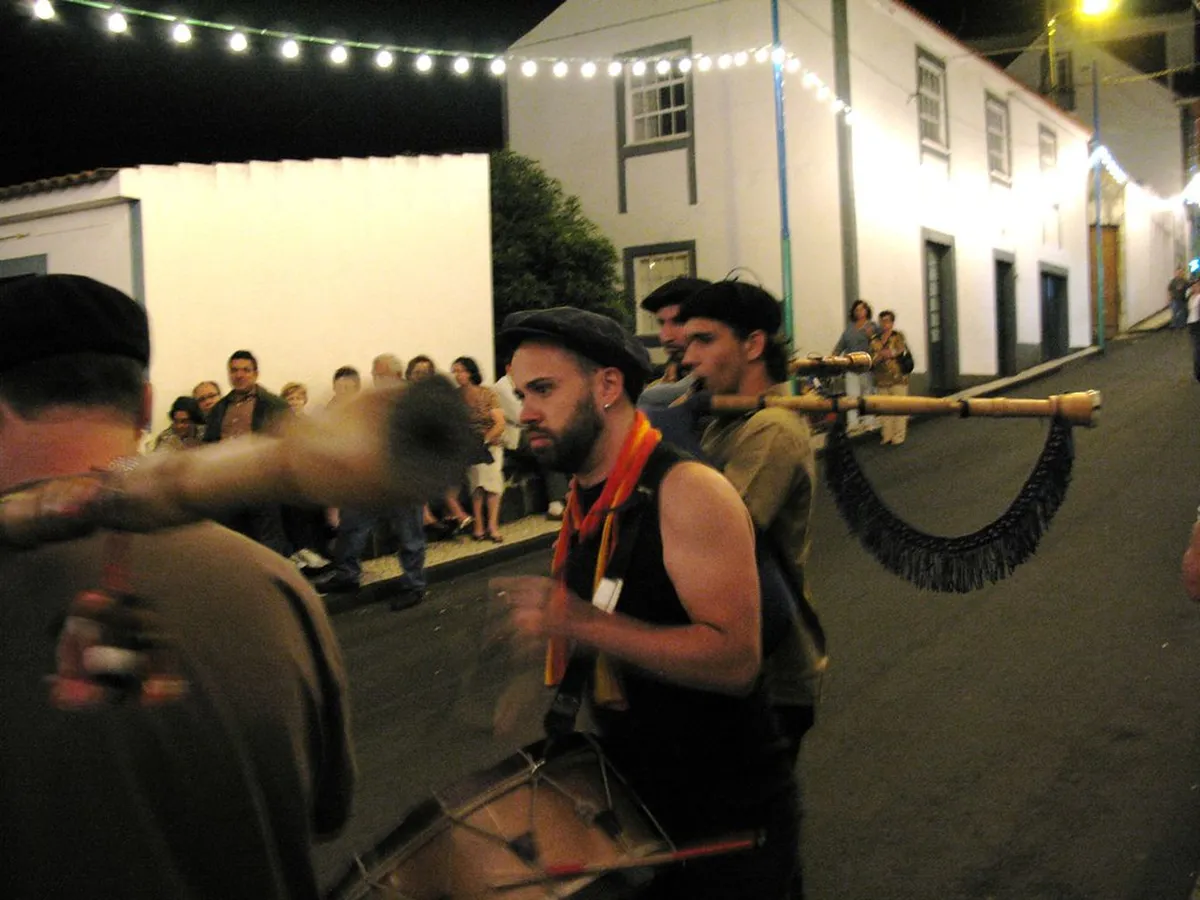
Every village on Terceira has at least one império — a brightly painted chapel dedicated to the Holy Spirit (Espírito Santo) that functions as the spiritual and social centre of local community life. These small structures, typically no larger than a garden shed, are painted in bold primary colors and decorated before each annual Festa do Espírito Santo, the Holy Ghost festival held from late April through August. The tradition of Holy Ghost worship is found across the Azores but nowhere is it more visually elaborate or communally central than on Terceira.
The eastern coastal drive — the EN1-2A road through Porto Judeu, São Sebastião, and Porto Martins — passes a concentrated cluster of impérios in original condition. São Sebastião also holds the oldest church on the island, erected by the first settlers and rebuilt after a fire in the 18th century. This drive takes about 90 minutes with stops and reveals a version of Terceira that most visitors who focus only on Angra and the caves entirely miss.
During festival weekends between June and August, local communities distribute free soup and bread to anyone who turns up — the tradition of feeding strangers dates to medieval times and continues without interruption. If you happen to be on the island when a village festa is running, the combination of music, food, and decorated impérios provides a more authentic encounter with Azorean culture than any paid attraction on the island.
Where to Stay in Terceira
Angra do Heroísmo is the best base for most visitors. Its central position puts every major site within 30 minutes by car, its restaurants are the best on the island, and the historic streets are worth exploring without a car on the evenings you return tired from hiking. Several locally owned boutique hotels occupy renovated historic buildings in the city center; expect to pay €90–€180 per night for a double in high season. Book three to four months in advance for July and August.
Praia da Vitória, on the eastern coast near Lajes Airport (TER), suits travelers on very early or late flights who want to avoid the 20-minute airport transfer to Angra. It is a functional town with a good sandy beach but has fewer restaurants and no historic center. The area around Biscoitos in the northwest offers rural quinta accommodations — farm stays in traditional Azorean houses — that make sense if your priorities are the natural pools and wine country rather than Angra's culture.
There is a government-imposed cap on new accommodation beds on Terceira, put in place to protect the island's ecosystem and fragile infrastructure. This means accommodation stock is genuinely limited, especially in the boutique category. Check our guide to where to stay in the Azores for a broader comparison across islands before committing to accommodation that locks in your base.
How to Get Around and How Many Days to Plan
A rental car is essential for seeing Terceira properly. Public buses serve local commuters and do not reach the volcanic caves, the Mistérios Negros trailhead, Biscoitos, or Serra do Cume. The EN1-1A road circles the entire island in about two hours without stops. Book your vehicle at least six to eight weeks ahead if visiting July through September — the island's accommodation cap also suppresses car rental stock, and last-minute availability is poor. Most major international agencies operate from Lajes Airport arrivals hall. Roads are well maintained but narrow through village centers; drive slowly through historic cores.
Three full days covers the major highlights without rushing: one day in Angra and Monte Brasil, one day for both volcanic caves and Furnas do Enxofre, one day for Biscoitos, Serra do Cume, and the wine museum. Five days adds Mistérios Negros, the eastern coastal village drive with its impérios, and a whale watching trip. A week allows you to take the trip at a genuinely Azorean pace — unhurried meals, impromptu stops at viewpoints, and time to find the small festivals that run on weekends from June through August.
Those with more than a week can combine Terceira with a nearby island by ferry or short flight. Graciosa, the smallest inhabited island in the Azores, sits 60 km to the northwest and offers a quieter version of the same volcanic geology with far fewer visitors. São Jorge, known for its dramatic fajãs (coastal ledges) and Pico cheese dairies, is reachable by ferry in summer from Angra. Check our 7-day Azores itinerary for logistics on multi-island routing, ferry schedules, and what to prioritize if you are island hopping for the first time.
Frequently Asked Questions
Is Terceira worth visiting?
Terceira is absolutely worth visiting for its unique blend of UNESCO history and dramatic volcanic geology. It offers a more cultural and laid-back vibe compared to the larger island of São Miguel. Travelers will find fewer crowds and very authentic Portuguese traditions here.
Can you swim in Terceira?
Yes, you can swim in Terceira at several natural volcanic pools and a few sandy beaches. The pools at Biscoitos are the most famous and provide a safe way to experience the Atlantic. Check out our guide on where to stay for nearby accommodation.
Do you need a car in Terceira?
A rental car is highly recommended because public transport does not reach the best hiking trails or volcanic caves. Having your own vehicle allows you to follow the scenic coastal roads at your own pace. Most major international rental agencies operate directly out of Lajes Airport.
Terceira rewards the visitor who takes time to look beyond the obvious. The UNESCO city, the volcanic caves, and the natural pools are all genuinely extraordinary — but the island's character lives in the impérios painted fresh every summer, the coastal road that tour buses skip, and the family restaurants where alcatra arrives in a clay bowl that has cooked a thousand meals before yours. Plan for at least three days and leave room for the unexpected.
Whether you are descending into a 2,000-year-old volcanic chimney or watching dolphins from a Zodiac at 08:30, Terceira delivers encounters that feel both wild and completely at ease with visitors. This island has protected its capacity without closing its doors — the bed cap, the conservation rules at Biscoitos, the government-mandated trail maintenance all reflect an unusually thoughtful approach to tourism. That restraint is exactly what makes it worth visiting in 2026.
Combine this with our main Azores attractions guide for a fuller itinerary.