Where To Stay In Azores: 11 Best Areas & Planning Tips (2026)
Discover where to stay in the Azores with our guide to all 9 islands. Compare São Miguel, Pico, and Terceira, plus top-rated hotels and local booking tips.
On this page
11 Best Areas Where to Stay in Azores & Planning Tips
Choosing where to stay in Azores is the single decision that shapes everything else about your trip. The nine islands are spread across hundreds of miles of Atlantic ocean, divided into three geographic clusters, each with a different character, ferry schedule, and pool of accommodation. Stay on the wrong island for your goals and you will spend half your trip in transit. Get it right and the archipelago feels effortless.
This guide covers all nine islands by travel style, gives concrete hotel tiers for each, and walks through the practical logistics that most accommodation guides skip — including the ferry cancellation realities that catch first-timers off guard in 2026.
Which Azores Island Should You Choose? (Quick Guide)
The archipelago splits into three clusters. The Eastern group (São Miguel and Santa Maria) is where most first-timers land. The Central group (Terceira, Faial, Pico, São Jorge, Graciosa) suits island-hoppers and hikers. The Western group (Flores and Corvo) is for experienced travellers who want genuine remoteness. Your cluster choice should come before your hotel search — the clusters are separated by flights, not ferries, so moving between them mid-trip is expensive and time-consuming.
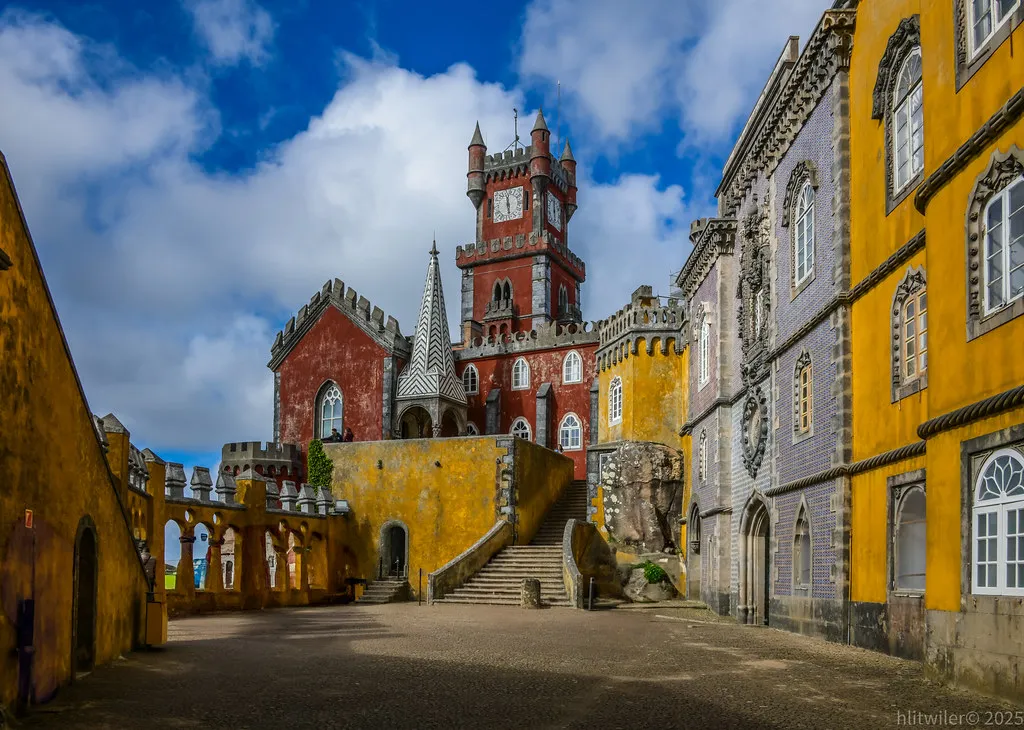
Here is the shortest honest summary by island: São Miguel is best all-round for first-timers; Santa Maria is the sunniest and driest; Terceira has the most walkable historic city; Faial is the natural ferry hub for the central cluster; Pico is for wine and volcanic hiking; São Jorge suits long-distance trekkers; Graciosa offers rural calm with almost no crowds; Flores and Corvo are for those who actively want to be far from everything. Cross-reference your dates against the best time to visit the Azores before committing to a cluster.
Trip length is a useful filter too. Under five days, stay on one island — São Miguel. Five to ten days opens up a two-island combination in the Central cluster. Over ten days is when the Western islands become realistic. See the 7-day Azores itinerary for a worked example of a multi-island route that balances São Miguel with one Central island.
São Miguel: The Best All-Rounder for First-Timers
São Miguel is the largest island and the most practical entry point. Ponta Delgada's João Paulo II Airport receives direct flights from Lisbon, London, Frankfurt, and several North American cities in summer 2026. The island packs thermal hot springs at Furnas, twin crater lakes at Sete Cidades, whale watching, and a strong restaurant scene in the capital — all within an hour's drive of each other.
Within São Miguel the choice of base matters more than most guides admit. Ponta Delgada is right for urban convenience, restaurant variety, and easy tour pickups — expect €80–€200 per night for a mid-range hotel. The VIP Executive Azores Hotel sits solidly mid-range with a rooftop sea-view restaurant and paid parking; the Grand Hotel Azores Atlântico is the upscale option in the historic centre; the Octant Ponta Delgada is the 5-star choice with a spa and outdoor pool. Budget for a garage or paid lot — street parking in the cobblestone centre is genuinely difficult.
Furnas is worth two nights if your budget allows (€250–€400). Staying there lets you soak in the Terra Nostra thermal park after it closes to day visitors at 16:30, and eat geothermal-cooked Cozido at lunch without rushing back to a distant hotel. Ribeira Grande on the north coast is the best value alternative: guesthouses at €70–€150, a surf beach, and a local atmosphere that Ponta Delgada has lost. It sits equidistant from the airport and the Sete Cidades lakes, making it strategically sound for longer stays. Check things to do in Ponta Delgada to compare the capital's neighbourhoods in detail before booking.
Terra Nostra thermal park in Furnas closes to day visitors at 16:30. Staying overnight in Furnas lets you enjoy the pools in the evening after the crowds have left — a significant advantage over day-tripping from Ponta Delgada.
Santa Maria: The Sunniest Choice for Beaches
Santa Maria receives less rainfall than any other island in the archipelago and has a distinctly drier microclimate. The red desert of Barreiro da Faneca, golden beaches at Praia Formosa, and the oldest settlement in the Azores at Vila do Porto are the main draws. It suits travellers who want a traditional beach holiday without the volcanic humidity of São Miguel or the logistical complexity of the Central cluster.
Accommodation in Vila do Porto runs €60–€140 per night, with availability dropping sharply in August during the Atlantic Festival. Hotel Colombo is the most established mid-range option; Charming Blue offers sea views and a quieter location just outside town; Villa Natura is a comfortable self-catering option for couples who value privacy. The Azores Youth Hostel on Santa Maria is one of the few well-run budget options in the archipelago outside São Miguel. Renting a scooter (around €30–€40 per day) is the most practical way to reach inland highlights from Vila do Porto. SATA Azores operates the only flights between Santa Maria and São Miguel at around 25 minutes; book at least a month ahead in peak season as seats are limited.
Terceira: Best for History and Culture
Angra do Heroísmo is the most walkable and historically rich town in the Azores. Its Renaissance core, 16th-century fortifications, and colourful street facades earned UNESCO World Heritage status in 1983. The city is compact enough to explore entirely on foot over two days, and the local restaurant and wine scene is the most sophisticated in the Central cluster. Terceira also has its own international airport with regular connections to Lisbon, making it a practical first stop if you want to enter the Central cluster before looping to São Miguel.
Boutique stays in Angra do Heroísmo average €90–€220 per night. The Caparica Azores Ecolodge on the north coast is consistently praised for its saltwater pool, exceptional breakfasts, and farm character — a genuine eco-resort rather than just an eco-label. For travellers on a tighter budget, the Praia da Vitória area on the east coast offers a quieter seaside alternative with easy ferry connections to São Jorge and Graciosa. Most museums in Angra are closed on Mondays, so plan arrival day accordingly. The Shipyard apartments in Angra are worth considering for families or longer stays, with kitchenettes and marina views.
Faial: The Best Base for Island Hopping
Horta is the natural hub of the Central cluster. The marina is legendary among transatlantic sailors — the painted walls left by arriving yachts date back decades and are worth an hour of exploration. Peter Café Sport, open since 1918, remains the social centre of the harbour. Faial's biggest practical advantage is ferry connectivity: Atlanticoline runs crossings to Pico (25 minutes, around €5–€8 each way) and São Jorge (under two hours) several times daily in summer, making day trips between all three islands straightforward.
Hotels in Horta range from €75–€190 per night for mid-range properties. The Pousada de Faial is the most polished option with harbour views. Budget guesthouses around the main square offer clean rooms from around €60. Faial also has the Capelinhos Volcano on its western tip — one of the most dramatic volcanic formations in Europe, formed by an eruption in 1957–58 — with an excellent interpretation centre that closes at 17:30. Staying at least two nights gives you time to visit Capelinhos and still do a ferry day trip to Pico or São Jorge without rushing.
Pico: Best for Wine Lovers and Hikers
Pico is dominated by Portugal's highest mountain (2351 metres) and a UNESCO-listed wine landscape of black basalt walls and traditional vineyards producing the Verdelho grape. The combination makes it unlike any other island in the archipelago. Hikers attempting the Mount Pico summit should plan for a 7–8 hour round trip and book their guide permit through the official park office in Madalena; the mountain is frequently closed by cloud cover, so build in a spare day.
Madalena is the main port town and ferry landing from Faial, with guesthouses and apartments ranging from €85–€240 per night. The Azores Wine Company on the island's south coast is the most atmospheric stay for wine enthusiasts — the property sits among the UNESCO-protected vineyards and serves exceptional meals. Aldeia da Fonte Hotel near Lajes do Pico is the island's most established resort with yoga, a Tai Chi garden, and direct ocean access. For trekking-focused travellers, booking accommodation in Lajes do Pico or São Roque do Pico puts you closer to summit trailheads and away from tourist traffic around Madalena. See the Pico vineyard guide for the best wine estate visits and tasting times.
São Jorge: The Ultimate Pick for Nature and Trekking
São Jorge is long, narrow, and dramatically steep. The island's defining feature is its fajãs — coastal plateaus formed by ancient lava flows at the base of sheer cliffs — and many are accessible only by trail. The Fajã dos Cubres and Fajã de Santo Cristo are the most celebrated, the latter home to a species of native clam found nowhere else on earth. Serious hikers consistently rate São Jorge above any other island for trail quality and solitude.
Accommodation choices are sparser than on Faial or Pico. Velas is the main town and primary base, with standard guesthouses ranging €65–€150 per night. Farm-stay properties near Velas offer mountain views and are well-suited to families. The São Jorge Cheese Cooperative in Velas is worth visiting before any long hike — the island's semi-hard cheese is one of Portugal's most distinctive regional products and makes excellent trail food; the cooperative shop typically closes by 18:00. Book accommodation at least two months ahead in July and August, as limited inventory fills quickly.
Graciosa: Best for a Quiet, Rural Escape
Graciosa is the flattest and most relaxed island in the archipelago. It has no crowds, no traffic, and a pace of life that feels untouched by tourism. The main attraction is Furna do Enxofre, a massive lava cave containing a sulphurous lake accessible by a spiral staircase — one of the more unusual natural sites in the Azores. The island is small enough to see all highlights in a full day by bike or scooter.
Simple guesthouses in Santa Cruz da Graciosa cost €55–€120 per night. A sea-view cottage with terrace access is the most desirable property type here, with several bookable through Booking.com. Some properties reduce to single-staff operation between November and February, so confirm availability directly if visiting in winter. The local bakeries produce Queijadas da Graciosa — small curd cheese pastries unique to the island — sold fresh every morning and usually sold out by 10:00.
Flores & Corvo: Best for Remote, Wild Landscapes
Flores is Europe's westernmost island and one of its most dramatic. Cascading waterfalls, crater lakes, and mossy ravines create a landscape unlike anywhere else in the EU. Corvo is even smaller — one village, one crater, a community of around 400 people, and a genuine sense of being at the edge of the world.
On Flores, basing yourself near Fajã Grande in the southwest gives the best access to the waterfall hikes. Stone cottage guesthouses with kitchenettes cost €70–€160 per night; a car is essential because the road connecting the island's western and eastern ends takes 40 minutes one-way. On Corvo, the single guesthouse in the village offers bright rooms at €60–€110 per night, but advance booking is non-negotiable — fewer than 20 beds exist on the entire island. The Rocha dos Bordões basalt columns and the 12 lakes of Flores' interior are enough to fill three full days independently of Corvo.
The One Planning Detail Most Guides Skip: Buffer Days and Cancellations
Every guide tells you to book transport early. Few explain how often it gets cancelled. In the Central cluster, the Pico–Faial ferry operates 5–6 crossings per day in summer but drops to 2–3 in winter, and Atlantic storm conditions can halt service with less than 12 hours' notice. If you are catching an onward flight from Faial (Azores Airlines to Lisbon), missing a morning ferry can mean missing the flight. The standard rule: sleep the night before any departure flight on the island you are flying from — not the island next door.
The Western islands compound this problem significantly. Flores has one daily SATA connection to São Miguel or Faial in high season; in low season this drops to three or four flights per week. The Flores–Corvo boat is a private operation with no guaranteed schedule — crossings are frequently cancelled with short notice due to sea state. Travellers who build tight connections between Flores and an international flight from São Miguel have been stranded for 24–48 hours. The practical rule: always end your trip with at least one buffer night on São Miguel or Terceira, buy flexible fare conditions on all internal SATA legs, and treat Corvo as weather-dependent rather than a fixed itinerary point. This applies even in June and July — Atlantic squalls are not seasonal.
Never sleep on a neighbouring island the night before a departure flight. Pico–Faial ferries can be cancelled with under 12 hours' notice due to Atlantic storms, and Flores–Corvo boat crossings have no guaranteed schedule — stranded travellers have missed international connections by a full day.
Staying in One Location vs. Island Hopping
Under five days: stay on São Miguel. Adding a second island on a short trip means at least one day absorbed in transit — ferry waits, airport check-in, repacking, hotel check-in — a poor trade-off when São Miguel alone requires four full days to cover properly. More context on transport logistics in our guide on how to get to the Azores.
Five to ten days: a two-island combination works well. The most popular pairing is São Miguel plus Faial, or São Miguel plus Terceira. Alternatively, staying on Faial and using it as a ferry hub to Pico and São Jorge keeps one base while still covering three islands — practical for active travellers who dislike repacking. Avoid attempting more than three islands in ten days; the logistics become stressful and overhead eats into actual sightseeing time.
Over ten days: adding Flores or the full Western cluster becomes realistic. The island hopping guide breaks down the best multi-island routes by season, including which ferry and flight combinations make sense for each cluster. Reserve internal SATA flights as soon as your international tickets are confirmed — two to three months ahead in peak season is not excessive.
| Island | Accommodation (per night) | Best For | Recommended Stay |
|---|---|---|---|
| São Miguel | €80–€200 | First-timers, all-round | 4–5 days |
| Santa Maria | €60–€140 | Beach holidays | 2–3 days |
| Terceira | €90–€220 | History & culture | 2–3 days |
| Faial | €75–€190 | Island-hopping hub | 2+ nights |
| Pico | €85–€240 | Wine & volcanic hiking | 2–3 days |
| São Jorge | €65–€150 | Trekking & nature | 2–3 days |
| Graciosa | €55–€120 | Quiet rural escape | 1–2 days |
| Flores | €70–€160 | Wild landscapes & waterfalls | 3 days |
| Corvo | €60–€110 | Remote adventure | 1–2 days |
Practical Tips: Booking, Car Rentals, and Timing
A rental car is essential on every island except Corvo. Public transport on São Miguel and Terceira covers main towns but misses every viewpoint, trailhead, and thermal pool that makes the islands worth visiting. Automatic transmission cars are scarce across the archipelago; if you cannot drive manual, book an automatic the same day your flights are confirmed. Check car rental options on DiscoverCars early — inventory on Pico, São Jorge, and Flores is genuinely limited to a handful of vehicles per island.

On booking platforms, Booking.com has the most comprehensive coverage of local guesthouses, including many rural properties on smaller islands that do not appear on Airbnb. Airbnb is worth checking for longer stays on São Miguel or Terceira, where monthly rates can undercut hotels by 30–40%. Regional rural tourism associations — Casas Açorianas being the most established — list properties with genuine local character not always available through the main OTAs. Always check recent reviews for heating and dehumidifier quality; the humidity is real year-round, and older properties that lack climate control become uncomfortable in wet weather.
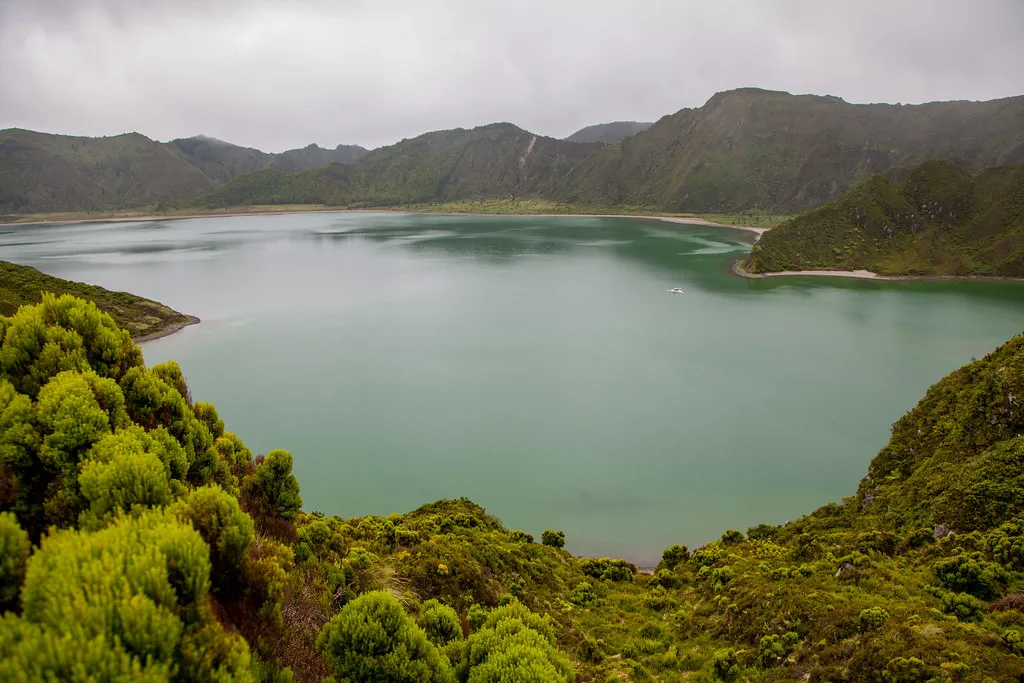
Timing matters for crowds at specific sites. Sete Cidades and Lagoa do Fogo on São Miguel see their worst congestion between 10:00 and 15:00 in July and August. Arriving before 09:00 or after 17:00 gives you the viewpoints largely to yourself. Restaurant reservations are advisable for dinner in smaller towns like Furnas, Madalena, and Velas — many restaurants have fewer than 20 covers and fill within hours of opening. Most kitchens stop taking orders around 22:00, earlier on the smaller islands.
Frequently Asked Questions
Which Azores island is best for first-time visitors?
São Miguel is the best choice for first-time visitors because it offers the most diverse scenery and activities. It features the famous twin lakes of Sete Cidades, thermal hot springs, and the archipelago's only international airport with frequent connections.
Do I need a car to explore the Azores?
Yes, a rental car is essential for exploring the Azores effectively. While some buses exist, they do not reach the most beautiful viewpoints or trailheads. Booking your vehicle several months in advance is highly recommended due to limited supply.
How many days should I spend on each island?
We recommend at least 4-5 days for São Miguel and 3 days for smaller islands like Pico or Terceira. If you plan to visit Flores or Corvo, allow extra time for potential weather-related travel delays.
Choosing where to stay in Azores depends entirely on your appetite for adventure and your logistical patience. São Miguel remains the most versatile base, while the Central and Western clusters offer a deeper dive into the archipelago's wild heart. By selecting a strategic location and booking your transport early, you can focus on the incredible natural beauty of these islands.
Whether you are soaking in a thermal pool or hiking a volcanic crater, the Azores will leave a lasting impression. Use the tips in this guide to build an itinerary that balances the iconic sights with the quiet, rural moments that make this region so special. The Atlantic is waiting for you, and your perfect Azorean home base is just a few clicks away.
 10 Best Things to Do in Braga with Kids (2026)June 4, 2026
 12 Best Free Things to Do in Braga (2026)June 4, 2026