8 Things to Know About Visiting Madeira in November
Planning a trip to Madeira in November? Discover weather expectations, what to pack, St. Martin's Day events, and tips for finding the best winter sun.
On this page
8 Things to Know About Visiting Madeira in November
Madeira in November is one of the Atlantic's best-kept secrets for European winter sun. The island sits close enough to the Tropic of Cancer that daytime temperatures hold at 19–22°C / 66–72°F while most of Europe shivers. Summer crowds are gone, prices drop sharply, and the St. Martin's Day chestnut festivals fill Funchal's streets with woodsmoke and local wine.
The landscape is at its greenest after the first autumn rains. Levada trails run with water, making waterfalls more dramatic than in July. The sea stays warm enough to swim — around 22°C / 72°F — and whale-watching season extends well into the month. This guide covers everything you need to decide whether November suits your trip style, with specific advice on weather by altitude, which trails to hike safely, costs, and the local traditions that make this month genuinely special.
Is November a Good Time to Visit Madeira?
Yes — with a clear caveat about altitude. In Funchal and along the south coast, November delivers reliable sunshine, warm afternoons, and far fewer tourists than summer. The Best Time to Visit Madeira: 10 Seasonal Guides & Tips depends on what you want: July and August win for beach weather and nightlife; November wins for hiking, value, and authentic local life.
Crowds at headline attractions shrink dramatically. Cabo Girão, the Monte Cable Car, and the Botanical Gardens are all walkable without queuing in November. Restaurants in Funchal seat you without a reservation on weekday evenings, and hotel rates typically fall 20–35% below their August peaks.
The trade-off is weather unpredictability, especially at elevation. Mountain areas like Pico Ruivo and the Paul da Serra plateau can be socked in fog for days at a time. If your entire itinerary centres on ridge hikes, late October or early May offer more consistent conditions. But for a mixed trip — coastal walks, food culture, a couple of levada days — November is excellent value.
Madeira Weather in November: Temperature and Rainfall
Funchal averages a daytime high of 20–22°C / 68–72°F and an overnight low of 16–18°C / 61–64°F. The sea temperature sits around 22–23°C / 72–73°F — warmer than many people expect in late autumn. Rainfall in Funchal averages around 66mm across roughly four rain days, meaning the month is mostly dry with occasional heavy bursts. For current conditions, check IPMA's official forecast the day before your hikes.
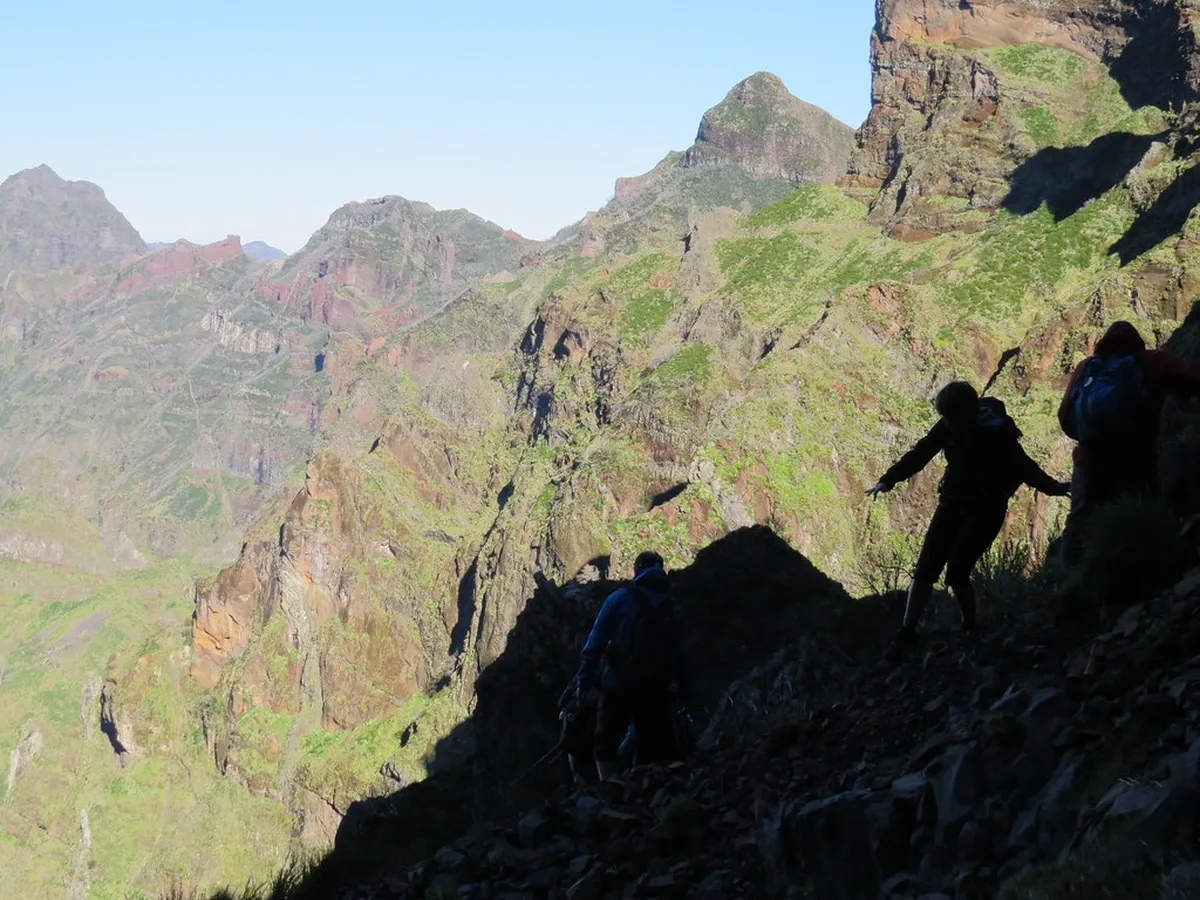
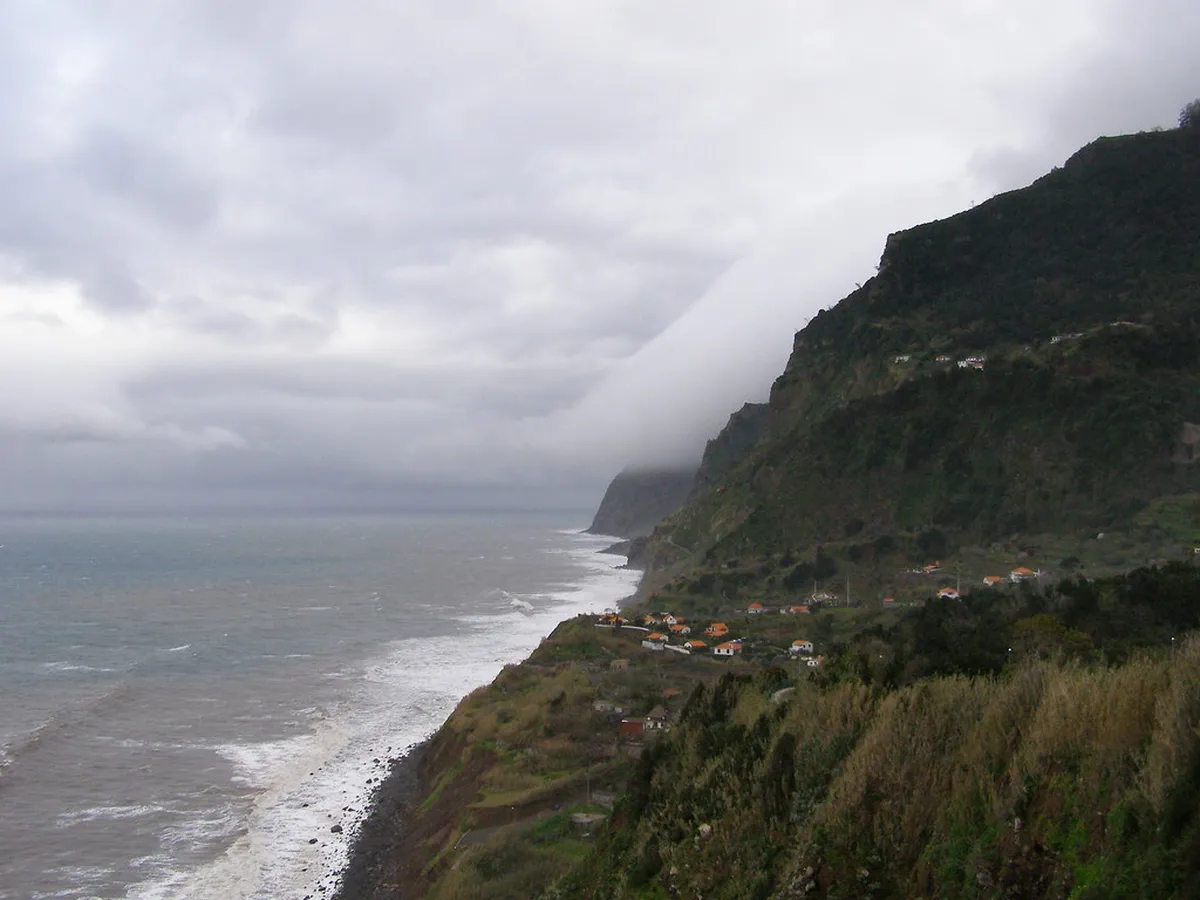
The critical factor is altitude. Madeira's volcanic topography creates wild microclimatic swings over just a few kilometres. The north coast — Porto Moniz, São Vicente — is significantly wetter and cooler than the south. The mountains above 800 metres can be shrouded in low cloud at any point, and the temperature drops roughly 6–7°C for every 1,000 metres you climb. A clear morning in Funchal does not mean a clear afternoon on Pico do Arieiro.
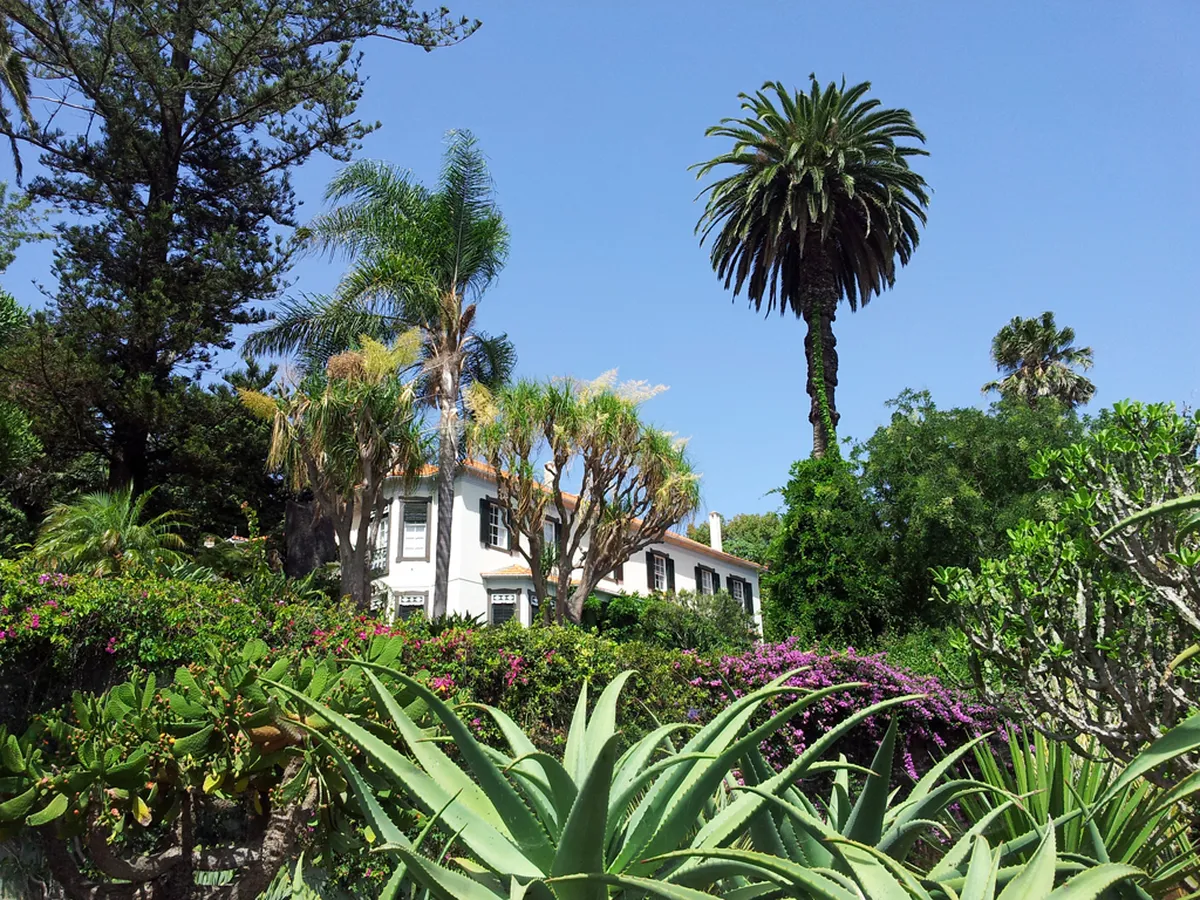
Locals use a concept called the "Banana Line" to navigate this. The Banana Line roughly follows the 200-metre contour on the island's southern slopes — the altitude up to which banana plantations thrive. Staying below it in the south gives you the warmest, most consistently sunny conditions. Hotels in central Funchal, Caniço, Calheta, and Câmara de Lobos all sit below the line. If you base yourself there and choose your mountain excursions for mornings with clear forecasts, you can enjoy nearly guaranteed warmth despite the autumn season.
Sunrise is around 07:35 and sunset around 18:05, giving you about 10.5 hours of daylight. That is enough for full-day hikes but worth planning around — trailheads at altitude should be reached by 09:00 to avoid fog rolling in from mid-afternoon.
Which Levada Trails Are Safe in November
All five competitor guides mention hiking in November but none name which trails to choose or avoid after rain. This matters in 2026: the Regional Government has added mandatory permit requirements for several north-slope routes since 2024, and November rainfall raises genuine landslide risk on specific paths.
The safest choices in November are southern and mid-altitude levadas. Levada das 25 Fontes (PR 6 LEV) starts at Rabaçal at roughly 1,020 metres but descends quickly through protected forest and ends at a spectacular 25-waterfall basin — the rain actually improves the spectacle. Levada do Alecrim in Paul da Serra is a flat, exposed moorland walk at around 1,400 metres; it is safe in dry spells but can be very cold and misty. Levada do Moinho near Ponta do Sol stays low, follows the south-coast terraces, and is reliable in most November weather.
Trails to use caution on after heavy rain are the north-slope routes above Santana, particularly Levada do Caldeirão Verde (PR 9) and Levada do Furado. Both pass through steep valleys where water runoff creates soft ground, fallen branches, and occasional rock debris. After 24 hours of rain, consult Visit Madeira's trail notices or the regional park office in Funchal before setting out. Canyoning operators in November move their sessions to lower-elevation sites precisely because the higher gorges run faster after storms.
A practical rule: if the forecast shows rain in Funchal, the mountains above 800 metres had double that rainfall the night before. Save north-coast trails for clear spells of two or more days and use them in the morning.
After heavy rain, north-slope levada routes above Santana — including Levada do Caldeirão Verde (PR 9) — can have soft ground, fallen branches, and rock debris. Always check Visit Madeira's official trail notices before setting out on these paths.
Best Things to Do in Madeira in November
Whale and dolphin watching runs year-round from Funchal marina, but November brings resident short-finned pilot whales closer to the southern coast as sea conditions calm after October swells. Bottlenose dolphins are present throughout the year. Operators like Lobosonda and Ventura do Mar run two-hour catamaran tours from the marina for around €45–55 per adult. Sightings are not guaranteed, but the 90% success rate operators quote for November remains high given the smaller tour groups competing for space.
The levada network offers some of its most atmospheric walking this month. The 25 Fontes waterfall basin runs full, and the Ribeira da Janela valley on the northwest coast shows the island's dramatic geology without summer humidity. Keep walks below 1,000 metres if the morning starts grey in Funchal. Check out Hiking in Madeira in November: Weather, Trails, and Packing for more specific trail conditions and safety notes.
Indoor options matter when the Atlantic showers arrive. The CR7 Museum in Funchal's marina district (Rua Princesa D. Amélia, entry €10 adults) is a useful rainy-afternoon option and appeals well beyond football fans. The Madeira Wine lodges — Blandy's on Avenida Arriaga runs guided cellar tours for €15 — offer tastings of aged Verdelho and Malmsey alongside genuine explanations of the estufagem heating process. The Mercado dos Lavradores market is free to walk and at its most authentic in November when tourist footfall is low.
Late in the month, the anona harvest — custard apple — reaches peak ripeness across the south-coast orchards. You will find vendors at Mercado dos Lavradores and in roadside stalls between Funchal and Câmara de Lobos selling them for under €3/kg. This is a true November-only food experience; the fruit does not ship well and rarely appears in supermarkets outside the island. Try it chilled, scooped straight from the skin.
November Events: St. Martin's Day and More
St. Martin's Day on 11 November is the cultural anchor of the month. The tradition — called Magusto — centres on roasting chestnuts over charcoal braziers and drinking vinho novo, the first new wine of the season pressed just weeks earlier. In Funchal, the festa at the parish of São Martinho (on the western outskirts, a 10-minute taxi from the city centre) is the liveliest gathering. Expect folk music, open-air food stalls, and locals pressing cups of young Verdelho and Malvasia into your hands.
The pairing of roasted chestnuts with vinho novo is specific and intentional. The wine is deliberately tart and barely fermented — locals drink it cool from clay cups. The chestnut smoke tempers the acidity. This combination only exists for about three weeks each year, and arriving in November is the only way to experience it outside a heritage festival re-enactment. Madeira's official tourism guide documents these seasonal traditions in detail. The whole atmosphere is informal and neighbourhood-focused rather than tourist-facing.
Later in the month, around the last week of November, Funchal begins switching on its Christmas lights — some years as early as 20 November. The city is famous across Europe for its Christmas illuminations, and catching the first lighting is a way to see the setup without December's crowds and higher prices. The Madeira International Mandolin Festival (Teatro Municipal Baltazar Dias) and the Madeira Street Arts Festival at the start of the month round out the cultural calendar for November 2026.
St. Martin's Day (11 November) is celebrated locally as Magusto — chestnut roasting and vinho novo drinking in the streets. The festa at the parish of São Martinho in western Funchal is the liveliest gathering, just a 10-minute taxi ride from the city centre.
Crowds, Costs, and Where to Stay
November is the quietest month on the island outside of February. Tourist numbers drop far below the summer peak, and the island essentially reverts to its local rhythm. This has real practical benefits: levada car parks do not fill by 08:00, restaurants in Funchal seat walk-ins, and boat tours run with smaller groups. The trade-off is that a handful of seasonal facilities — certain high-altitude cafes near Pico do Arieiro, some canyoning operators — run reduced schedules or pause entirely.
Hotel rates are typically 20–35% lower than in August. A four-star hotel in central Funchal that costs €180/night in August will often run €110–130 in November. Self-catering apartments in Caniço and Calheta — both excellent south-coast bases — cost €70–100/night for a well-equipped two-bedroom unit. Booking two to three weeks ahead is usually sufficient; last-minute availability is common. Flights from the UK are often the cheapest of the year in early-to-mid November before the pre-Christmas travel uptick begins from the last week onwards.
For base location, the choice comes down to your priorities. Funchal is the obvious default: the best restaurants, the cable car to Monte, and easy access to Blandy's and the CR7 Museum. If you plan to hike the western levadas (25 Fontes, Paul da Serra), staying in Calheta or Ribeira Brava cuts 30–40 minutes off each morning's drive. Families or those wanting beach and pool time in the south will find Caniço the most practical base, with good supermarkets and reliable lido access even in November.
What to Pack for Madeira in November
The key to packing for Madeira in November is layering for a 10-degree temperature swing within the same day. You will start a morning levada walk in cool cloud and finish a Funchal seafront lunch in warm sunshine. Base layers and a mid-fleece handle this better than one bulky jacket.
- A waterproof shell jacket — essential for sudden Atlantic showers and mandatory for any mountain trail
- Waterproof walking shoes or trail runners — levada paths are muddy after rain and some sections involve moss-covered stone
- A lightweight fleece or merino mid-layer for evenings and high-altitude mornings where it can drop to 10–12°C / 50–54°F
- T-shirts and light trousers or shorts for Funchal daytime — you will genuinely need them
- Swimwear and a compact towel — the sea at 22°C / 72°F and heated hotel pools are both inviting
- A compact umbrella — Madeiran locals carry one every November day, and you should too
- Sun protection — UV levels remain moderate even when clouds are present, and south-facing terraces are unshaded
One item most first-timers forget: a thin pair of gloves for the mountain tops. Pico do Arieiro sits at 1,818 metres and the wind chill in November can make the summit feel like 5°C / 41°F even on a clear day. You will be glad of them for the twenty minutes you spend at the viewpoint.
November vs October and December: How They Compare
October is the transition month. Temperatures are 2–3°C warmer than November, tropical storm risk is slightly higher, and the island is noticeably busier with half-term travellers from northern Europe. Prices are higher than November but lower than August. For pure weather, late October is marginally more reliable on mountain trails, but the crowds and costs are a step up.
December brings Funchal's famous Christmas lights — arguably one of the most spectacular festive displays in Europe — but hotel prices jump sharply from mid-December and flights sell out quickly. The first two weeks of December are actually an underrated sweet spot: lights are on, weather is similar to November, crowds are still manageable, and you avoid the school holiday surge.
| Month | Avg Daytime Temp | Sea Temp | Rain Days | Crowds | Average Hotel Rate |
|---|---|---|---|---|---|
| October | 22–24°C / 72–75°F | 23°C / 73°F | 3–4 | Moderate–High | Medium–High |
| November | 19–22°C / 66–72°F | 22°C / 72°F | 4 | Low | Low |
| December (early) | 17–20°C / 63–68°F | 21°C / 70°F | 6–7 | Low–Moderate | Medium |
| December (late) | 17–20°C / 63–68°F | 21°C / 70°F | 6–7 | High | High |
Frequently Asked Questions
Is the weather good in Madeira in November?
Yes, the weather is generally mild with temperatures around 17–21°C / 63–70°F. You should expect some rain, but sunny intervals are very common. It is much warmer than mainland Europe during this time.
Can you swim in Madeira in November?
You can certainly swim as the sea temperature stays near 20°C / 68°F. Many visitors prefer using heated hotel pools during the cooler autumn days. The natural lava pools in Porto Moniz remain open for use.
What is the rainiest month in Madeira?
December and January are typically the rainiest months on the island. November sees an increase in showers compared to summer, but it is not the wettest period. Rain usually falls in short, heavy bursts.
Madeira in November delivers a rare combination: genuine warmth when Europe turns grey, a major local festival in St. Martin's Day, and the island at its least crowded and most affordable. The key is choosing your base below the Banana Line, picking levada trails suited to autumn conditions, and timing mountain excursions to clear-weather mornings.
Check the Madeira Weather By Month: The Ultimate Seasonal Guide if you are weighing November against October or December for your specific priorities. Pack your waterproof jacket, book two or three weeks out for the best rates, and leave space in your itinerary for chestnuts and new wine on the 11th.
Pair this with our broader things to do in Madeira guide for the full island overview.