Best Time to Visit Madeira: 10 Seasonal Guides & Tips
Plan the best time to visit Madeira with our guide covering monthly weather, festival dates, and the best seasons for hiking and whale watching.
On this page
Best Time to Visit Madeira: 10 Seasonal Guides & Tips
Late spring and early autumn are the sweet spots for Madeira in 2026. May through early June and September through October offer the best balance of warm weather, manageable crowds, and reasonable prices. The island's Flower Festival peaks in May, while the sea reaches its warmest in September — two very different draws that make these shoulder months consistently popular.
Madeira's subtropical climate means no month is truly bad for a visit. But the island's complex terrain creates sharp contrasts between north and south, coast and mountain, that can catch first-timers off guard. Understanding these microclimates, the festival calendar, and the whale-watching calendar will help you pick exactly the right window for your trip.
Check our Madeira weather by month guide for granular temperature and rainfall data on each month.
Best Time to Visit Madeira: The Quick Answer
May is the single best month for most visitors. Temperatures settle at 18–22°C / 64–72°F along the southern coast, the island's famous flowers are at peak bloom, and the Flower Festival fills Funchal with colour and street events. Crowds and prices are noticeably lower than in July and August, so you get a premium experience at mid-range cost.

September runs a close second. Sea temperatures reach 23–24°C / 73–75°F, hiking conditions are excellent after the dry summer, and tourist numbers drop sharply after the first week of the month. The annual Wine Festival adds cultural depth to an already beautiful time of year.
If budget is the main driver, January through February offers the lowest accommodation prices and quietest levada trails. Temperatures stay above 13–15°C / 55–59°F even in the coldest weeks. The world-famous New Year's Eve fireworks in Funchal Bay make late December a worthwhile exception — but book six months ahead.
For a detailed mainland comparison, see our Portugal weather by month guide.
Madeira Weather and Climate Overview
Madeira has a subtropical oceanic climate shaped by the Atlantic and by high volcanic peaks that cut across the island's centre. The Laurissilva laurel forest covering the interior exists because moisture-laden northern winds drop their rain on the northern slopes. The south coast — including Funchal — sits in a rain shadow and gets significantly more sunshine.
A useful rule: if it's raining in Funchal, drive north and conditions may be clear there. The reverse also applies. On a single day, the north coast village of Santana can receive 10 mm of rain while the Lido in Funchal basks in full sun. Sunshine at sea level does not mean sunshine at altitude — always check a local forecast before heading above 1,000 m.
| Metric | Funchal (south) | Santana (north) |
|---|---|---|
| Annual rainfall | ~570 mm | ~1,700 mm |
| Avg Jan high | 18°C / 64°F | 14°C / 57°F |
| Avg Aug high | 26°C / 79°F | 22°C / 72°F |
| Sunshine hrs (July) | ~8 hrs/day | ~5 hrs/day |
An occasional weather event called the Leste blows hot, dry air off the Sahara. During a Leste event, temperatures can spike above 30°C / 86°F in Funchal and the sky takes on an orange, dusty haze. These events are short — rarely lasting more than two or three days — and most common in summer, though they can occur in any month.
The Weather in Madeira by Month
The table below summarises average daytime highs, sea temperatures, and approximate rainy days per month at Funchal. Mountain areas run 4–8°C colder and significantly wetter.
| Month | Day High (°C) | Sea Temp (°C) | Rainy Days | Crowd Level |
|---|---|---|---|---|
| January | 18 | 18 | 8–10 | Low |
| February | 18 | 18 | 5–7 | Low (Carnival spike) |
| March | 19 | 18 | 5–7 | Low–Medium |
| April | 20 | 19 | 2–4 | Medium |
| May | 22 | 19 | 2–4 | Medium (Flower Festival) |
| June | 24 | 20 | 0–1 | High |
| July | 26 | 22 | 0–1 | High |
| August | 27 | 23 | 0–1 | Peak |
| September | 27 | 24 | 2–4 | Medium–High |
| October | 25 | 23 | 5–7 | Medium |
| November | 22 | 22 | 8–10 | Low |
| December | 20 | 20 | 8–10 | Low (NYE spike) |
January and February are the coolest months, but Madeira remains one of the warmest places in Europe during this period. Rain in winter typically arrives in short, heavy bursts followed by sunshine rather than in prolonged grey drizzle. March dries out steadily, and by mid-April conditions are reliably pleasant for outdoor activities.
July and August are the driest and warmest months. Sea temperatures are ideal for swimming, but levada trails above 1,000 m can feel exposed and hot by mid-morning. October brings the return of occasional rain but retains summer-level sea temperatures — a popular combination for swimmers who dislike August crowds.
Best Time for Flowers and Gardens
Madeira earns its nickname "Floating Garden of the Atlantic" most convincingly between March and June. The island's subtropical soil and mild winters allow species from four continents to grow simultaneously. Agapanthus lines the coastal cliffs in vivid blue from June onwards. Bird-of-paradise flowers (Strelitzia) bloom almost year-round in Funchal's gardens, but March through May is when they're most densely concentrated alongside orchids, proteas, and calla lilies.
April and May bring the most dramatic displays. Jacaranda trees cover Funchal's streets in purple canopy — the main avenue, Avenida Arriaga, is one of the most photographed jacaranda corridors in Europe, typically at peak colour in late April. Wisteria and bougainvillea reach their apex in May. The Monte Palace Tropical Garden above Funchal (cable car accessible) showcases the island's botanical range at its most extravagant during spring.
The Madeira Flower Festival takes place in late April or May, depending on the Easter calendar. In 2026 it is expected in early May. The festival runs for about two weeks and centres on Funchal: a main parade features participants carrying enormous floral globe headdresses, children place flowers in the Wall of Hope in the Sé Cathedral square, and the whole city is decorated with flower carpets and arrangements. Book accommodation in Funchal at least three months in advance for festival dates — prices rise sharply and central hotels sell out.
Even in winter, Madeira offers flowers that would be considered exotic elsewhere in Europe. The Botanical Garden in Funchal stays open year-round and is free entry on Sunday mornings. If your trip falls outside spring, a visit there still gives a good sense of the island's floral identity.
The Madeira Flower Festival falls in early May 2026 and Funchal's central hotels sell out months in advance. Book accommodation at least three months ahead if your visit overlaps with festival dates.
Best Time for Outdoor Activities (Hiking & Walking)
April, May, June, September, and October are the best months for levada walking. In spring, wildflowers line the paths and the vegetation is lush after winter rains. The trails are generally dry and stable, reducing the risk of slipping on steep sections. Daylight runs from around 06:30 to 20:00 in June, giving ample time to complete longer routes like the Levada do Caldeirão Verde (13 km round trip from Queimadas).
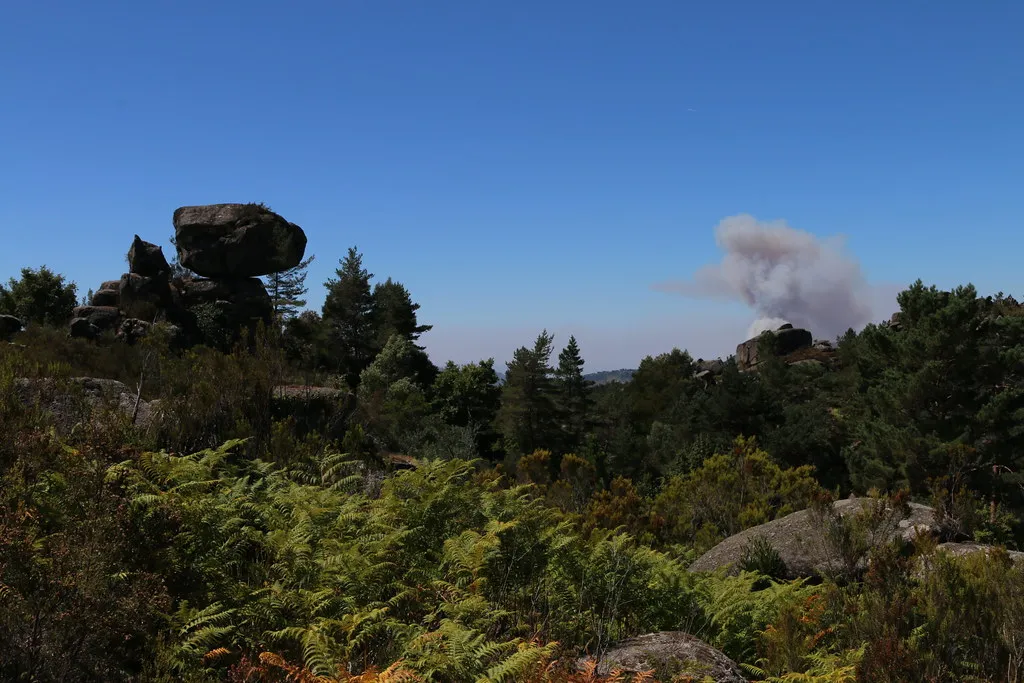
Autumn walking has a different quality. The air is crisp after summer heat and the deciduous trees in the Fanal forest show golden colours from late October. The shoulder season in October is particularly good for popular routes like Ponta de São Lourenço, where August crowds have fully thinned. Sea temperatures are still warm enough for a post-hike swim.
Summer hiking is possible but demands an early start. On exposed ridge trails like the PR1 Vereda do Areeiro, direct sun hits hard by 09:00 in July and August. Always carry at least 1.5 litres of water per person for mountain routes. The altitude makes UV radiation significantly stronger than at sea level — apply SPF 50 and wear a hat.
Winter walking requires more careful planning. Snow can fall on Pico Ruivo (1,862 m) and Pico do Arieiro (1,818 m) from December to February, and the authorities will close the connecting ridge trail when icy. Lower coastal trails like the Vereda da Ponta de São Lourenço remain walkable year-round. Check the regional weather service (ipma.pt) for mountain conditions before driving up.
The PR1 ridge trail between Pico do Arieiro and Pico Ruivo is officially closed when icy — typically December through February after snowfall. Always check ipma.pt for summit conditions before driving up, as road access can also be gated.
Best Time for Wildlife: Whale and Dolphin Watching
Madeira sits on a deep-water channel that attracts more than 20 cetacean species, making it one of Europe's most reliable whale-watching destinations. Tours run year-round from Funchal marina, but sighting rates and species vary substantially by month. Calm summer seas make it easier to spot fins and blows on the surface, and most operators base their tours in Funchal's marina near the Lido.
The key is knowing which species to expect when. Bottlenose dolphins and common dolphins are resident year-round and are seen on virtually every tour. Beyond those, the calendar breaks down roughly as follows:
- April to October: Sperm whales — the headline species. These deep-diving giants are seen most reliably from spring through autumn, particularly May to September. Madeira has a resident population, and morning tours on calm days have the best sighting rates.
- May to November: Short-finned pilot whales, often travelling in pods of 20 or more. These are among the most spectacular group sightings available.
- June to September: Striped dolphins in large, fast-moving groups; Bryde's whales, which feed in surface waters during the warmer months.
- September to November: Peak overall diversity. Sperm whales remain common, pilot whales peak, and migratory species passing through the Atlantic add variety. Sea temperatures are highest, which concentrates prey near the surface.
- December to March: Fin whales — the second-largest animal on Earth — pass through on Atlantic migrations. Sightings are not guaranteed, but when they occur they are extraordinary. Sea conditions are rougher, and some tours may be cancelled on short notice.
If seasickness is a concern, book June or July tours on the largest available catamaran. If species diversity is the priority, September to November gives the best odds. Always check the cancellation policy: reputable operators in Funchal offer full refunds if sea state forces a cancellation.
Madeira Festivals and Events by Season
Madeira's event calendar is dense enough that most months have at least one festival worth factoring into your planning. The four biggest events are Carnival, the Flower Festival, the Wine Festival, and New Year's Eve. Each brings specific crowd and booking pressure that travellers should understand before arriving.
Carnival (February or early March): Carnival lasts two weeks across the island and peaks in Funchal. The grand parade — the Cortejo Alegorico — rivals Rio and Tenerife for production value, with elaborate floats, samba dancers, and full sequin costuming. The satirical Cortejo Trapalhao parade on Shrove Tuesday is rowdier and funnier, with political floats built by local community groups. Book central Funchal hotels at least eight weeks in advance. Temperatures in February are mild (17–20°C / 63–68°F) and the festive atmosphere offsets the higher chance of rain.
Flower Festival (late April or May): Two weeks of parades, flower carpets, and events centred on Funchal. The main parade date changes each year based on the Easter calendar. In 2026 it falls in early May. Children's processions, garden open days, and outdoor concerts fill the supporting programme. Book Funchal accommodation three or more months ahead — this is the hardest time of year to find last-minute rooms.
Wine Festival (late August through September): Celebrates Madeira wine's 500-year history with grape treading, folk dance, tastings, and harvest dinners. The main events are held in Estreito de Câmara de Lobos and Funchal over about three weeks. The festival runs alongside warm weather and calmer seas, making it easy to combine with beach days and whale watching. Less pressure on accommodation than the spring festivals.
New Year's Eve (31 December): Funchal holds what is frequently cited as the world's largest fireworks display per square kilometre — a 2006 Guinness World Record that the city has continued to honour. The display fires from the hillsides surrounding Funchal Bay simultaneously and lasts about eight minutes. The city is booked out six months in advance by European visitors escaping cold winters. Prices are peak-summer level; budget accordingly.
Smaller events worth noting: the Atlantic Festival (June, with international fireworks competitions) and the Feast of São João on 23–25 June, when Funchal hosts outdoor concerts and seafront barbecues. The Portugal in May guide covers festival planning tips that apply broadly to Madeira as well.
| Festival | Typical Timing | Duration | Crowd Impact | Booking Lead Time |
|---|---|---|---|---|
| Carnival | February or early March | ~2 weeks | High (central Funchal) | 6–8 weeks ahead |
| Flower Festival | Late April or May | ~2 weeks | Very high (island-wide) | 3+ months ahead |
| Wine Festival | Late August–September | ~3 weeks | Moderate | 2–3 weeks ahead |
| New Year's Eve | 31 December | 1 night | Peak (city fully booked) | 6 months ahead |
| Atlantic Festival | June | Multi-weekend | Low–Moderate | 2 weeks ahead |
Visiting Madeira for Less Crowds and Better Prices
November and January offer the lowest prices and quietest conditions of any month outside the holiday peaks. Accommodation in Funchal can run 30–40% cheaper than in July or during the Flower Festival. Popular levada trails like the Levada das 25 Fontes are almost empty on weekday mornings. Restaurants in the Old Town have available tables without reservations, and car hire is easy to arrange on arrival.
February is low season by price, but Carnival week is an exception — accommodation near Funchal's parade route sells out quickly. If you want budget travel in February, either book the Carnival period well ahead or choose dates before and after it. March is similarly underrated: conditions dry out fast, temperatures are comfortable, and prices have not yet risen for spring. It is arguably the best month for budget hikers who still want spring flowers.
Mid-October through mid-November is the best window for warm-sea swimming at reduced cost. Sea temperatures stay at 22–23°C / 72–73°F well into November, which is warmer than most of Spain and France during those months. The main trade-off is higher rainfall probability from late October, so pack a rain shell and plan flexible days for hiking. The Portugal rainy season guide explains the Atlantic rain pattern that affects Madeira during this period.
Practical Tips for Planning Your Trip
Pack for multiple climates simultaneously. The temperature difference between Funchal's seafront and the summit of Pico do Arieiro can exceed 15°C / 27°F on the same afternoon. A lightweight waterproof jacket, a fleece mid-layer, and breathable base layers handle most conditions year-round. Sturdy grip-soled shoes are essential for levada trails — some paths are genuinely narrow and the rock is often slippery even in dry conditions.
Booking timing matters more than on most European islands. Funchal accommodation fills early for the Flower Festival (book by February for a May visit), New Year's Eve (book by June for a December visit), and Carnival (book six to eight weeks ahead). Outside these peaks, a two-to-three week lead time is usually sufficient. Car hire is worth booking in advance for July and August, when supply tightens.
For travel within the island, a rental car gives the most flexibility — public buses connect the main towns but run infrequently to mountain trailheads. The north coast road via Santana to São Vicente is one of the most scenic drives in Portugal and is easy in a standard vehicle. Taxis and ride shares are reliable and affordable in Funchal for evenings. The Funchal cable car to Monte runs daily and is one of the best easy viewpoints on the island regardless of season.
Frequently Asked Questions
What month is best to visit Madeira?
May is widely considered the best month to visit Madeira. You will enjoy the peak of the flower season and mild temperatures around 20°C / 68°F. This month also avoids the heavy summer crowds and the higher prices of the peak season.
Is Madeira too hot in August?
August is warm but rarely reaches extreme heat due to the cooling Atlantic breezes. Average highs are around 26°C / 79°F, which is perfect for swimming. However, the island is at its busiest and most expensive during this month.
When is the rainy season in Madeira?
The rainy season typically runs from November through February. While it rains more frequently, it often comes in short, heavy bursts followed by sunshine. Funchal remains much drier than the mountainous interior during these winter months.
Madeira rewards visitors in every season, but matching your trip to the right window dramatically improves the experience. May delivers flowers, mild temperatures, and the island's most celebrated festival. September combines warm sea swimming, quieter trails, and the Wine Festival. Winter is genuinely viable for budget travellers and walking enthusiasts who don't need beach weather. Whatever month you choose, the microclimate differences between north and south, coast and mountain, mean that good conditions are usually within a short drive even on a mixed-weather day.
For more planning help, explore our Portugal travel guides covering regions from Lisbon to the Algarve. Safe travels to the island of eternal spring.
 Best Time to Visit Évora Travel GuideJune 8, 2026