Madeira Weather By Month: The Ultimate Seasonal Guide
Plan your trip with our Madeira weather by month guide. Discover the best time for hiking, swimming, and festivals with temperature charts and packing tips.
On this page
Madeira Weather By Month
Madeira sits in the Atlantic Ocean roughly 1,000 km southwest of Lisbon and enjoys a subtropical climate that earns it the nickname the Island of Eternal Spring. Temperatures rarely punish you in either direction — Funchal averages 19°C in January and 26°C in August. That range is narrow enough to make Madeira a genuine year-round destination. When choosing the best time to visit Madeira, the real question is which activity matters most to you, not whether the weather will be bearable.
Understanding the Portugal weather by month helps you compare Madeira with the mainland regions, where summer heat and winter cold are far more pronounced. Madeira's stability comes from the Gulf Stream moderating the surrounding ocean and the island's mountainous interior forcing clouds to drop rain on the northern slopes before they reach the sunny south.
Madeira Weather Overview: The Island of Eternal Spring
Funchal, the capital and main coastal hub, sits on the sheltered southern shore and records around 3,000 hours of sunshine per year according to IPMA (Instituto Português do Mar e da Atmosfera). Average daily highs in coastal areas range from 19°C / 66°F in the coldest months to 26°C / 79°F at the summer peak. Nighttime lows rarely fall below 13°C / 55°F at sea level, even in January. That floor is what makes Madeira attractive to northern Europeans escaping dark winters.
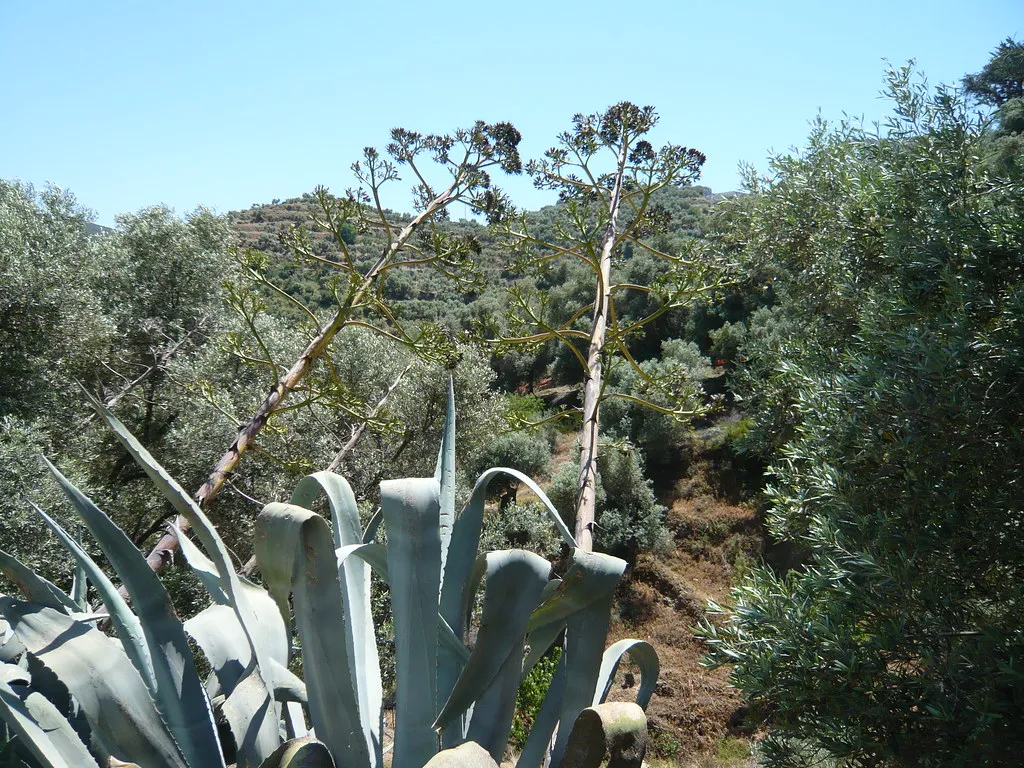
Rainfall patterns are the main variable. The south coast stays dry for much of the year, while the northern coast and the central mountains receive significantly more precipitation. Storms tend to arrive as short bursts rather than persistent grey days, so even a November visit can deliver stretches of clear blue sky between showers.
One weather event that surprises first-time visitors is the Leste wind, a warm dry Saharan wind that occasionally reaches Madeira between spring and early autumn. During a Leste event, temperatures in Funchal can spike to 34°C or higher for two to three days before a sea breeze restores normal conditions. Packing a light layer alongside your sun cream covers both ends of this range.
The Four Seasons of Madeira
Spring (March–May) is the most popular season for garden enthusiasts and hikers. Wildflowers cover the coastal terraces, the levadas run full of water, and temperatures settle between 19°C and 22°C at sea level. The Flower Festival in May draws large crowds to Funchal, so hotel rates rise accordingly. This is the sweet spot for anyone who wants mild hiking conditions without peak-summer prices.
Summer (June–August) brings the warmest sea temperatures and the longest days. Funchal highs reach 24–26°C, the crowds peak in July and August, and the eastern resorts near the airport see little rain. If you are focused on swimming and sunbathing, summer is the obvious choice, though the mountain trails can feel exposed and hot by midday.
Autumn (September–November) is the secret season. September carries over summer warmth with noticeably fewer tourists, and the Atlantic sea temperature still hits 23°C. October is ideal for hiking: the light softens, the trails are quieter, and the wine harvest festivals add atmosphere in Funchal. By November the rains pick up and some northern levadas become slippery.
Winter (December–February) is mild but noticeably wetter than summer. Funchal highs average 18–20°C, which still allows outdoor dining and coastal walks. Carnival in February is one of the island's biggest events and hotels fill up quickly for that weekend. The highest peaks, Pico Ruivo and Pico do Arieiro, occasionally receive snow, which locals treat as an event worth driving up to see.
September is arguably the best all-round month for a first visit: sea temperature reaches 23°C, crowds thin noticeably compared to August, and hotel rates drop — all while the summer warmth lingers.
Madeira Weather by Month: A Detailed Breakdown
The table below uses Funchal coastal averages based on IPMA climate data for 2026 planning. Mountain temperatures run 8–12°C colder at elevations above 1,500 m.
| Month | High (°C) | Low (°C) | Rain (mm) | Sea (°C) | Best for |
|---|---|---|---|---|---|
| January | 19 | 13 | 112 | 18 | Winter sun breaks, budget travel |
| February | 19 | 13 | 93 | 18 | Carnival, walking, low prices |
| March | 20 | 14 | 75 | 18 | Spring flowers, levada walks |
| April | 21 | 14 | 49 | 19 | Whale watching, gardens |
| May | 22 | 15 | 30 | 20 | Flower Festival, hiking |
| June | 24 | 17 | 18 | 21 | Swimming, long days |
| July | 26 | 19 | 9 | 22 | Families, beach, festivals |
| August | 26 | 20 | 12 | 24 | Warmest sea, wine harvest start |
| September | 25 | 19 | 38 | 23 | Quieter crowds, warm water |
| October | 23 | 17 | 82 | 22 | Hiking, wine festivals |
| November | 21 | 15 | 110 | 21 | Green landscapes, low rates |
| December | 19 | 13 | 108 | 19 | New Year fireworks, festive Funchal |
January is the coldest month on paper, but 19°C in sunshine still allows outdoor café lunches in a light jacket. The sea at 18°C is brisk for most swimmers but popular with wetsuits at Porto Moniz's natural lava pools. February warms slightly by the end of the month, and the Carnival celebrations mean Funchal hotels often sell out for that weekend. For Portugal in May, Madeira offers some of the best conditions — mild temperatures, the Flower Festival in full swing, and sea temperatures climbing past 20°C.
July and August are the driest months, with less than 12 mm of rain on average. August records the warmest sea temperature of the year at 24°C, making it the prime month for swimmers who want Mediterranean-style water without leaving the Atlantic. September sits just behind August in sea warmth but with noticeably thinner crowds and lower hotel rates — arguably the best all-round month for a first visit.
Rainy Weather in Madeira: What to Expect
Madeira does not have a classic dry-wet season split. Rain can arrive in any month, but November through February carries the highest chance of a wet day. November is typically the rainiest single month, averaging around 110 mm in Funchal — though that rain usually falls over several intense afternoon showers rather than all-day drizzle. Most mornings remain bright enough for a levada walk before clouds build over the central peaks.
The key thing to understand is that Funchal rain and mountain rain are not the same event. The central ridge acts as a weather barrier: a low-pressure system can dump 80 mm on the northern slopes while Funchal stays dry on the same day. Checking the mountain webcam at Pico do Arieiro before a high-altitude hike is a practical habit that separates experienced visitors from those who get caught in fog at 1,800 m.
Flash flooding is rare but possible after prolonged winter rain on the northern coast roads. The April 2010 floods are still remembered locally as a reminder of the island's steepness — water collects fast in the narrow ribeiras. Avoid driving in narrow northern valleys during a heavy evening downpour and you will encounter no issues during a standard visit.
Water Temperatures and Swimming Conditions
Madeira's sea temperature follows a gradual annual curve: it bottoms out at 18°C in January and February, climbs steadily through spring, peaks at 24°C in August, then eases back through autumn. Even the winter minimum is warmer than most of northern Europe's summer sea, which explains why cold-water swimmers and surfers visit year-round. Most leisure swimmers find 21°C — reached by June — comfortable without a wetsuit.
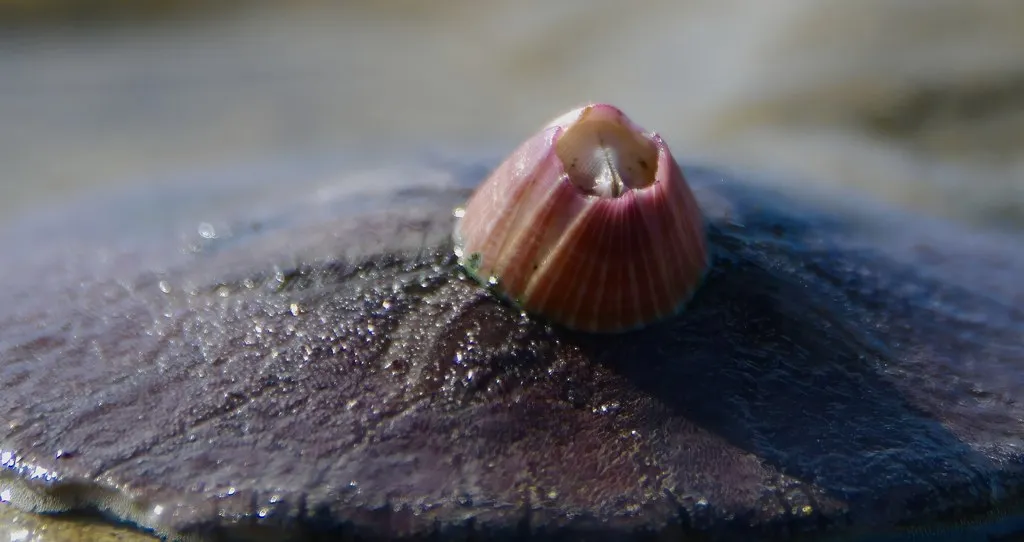
The ocean conditions differ between the south and north coasts. Funchal and the southern beaches face calmer waters for most of the year, sheltered from the dominant north-northeast swell. Porto Moniz on the northwest tip sits in a different exposure zone: its famous natural rock pools capture Atlantic water and provide safe swimming even when the open sea is rough, but the drive from Funchal takes about 90 minutes on mountain roads. Visiting Portugal in October still gives you a sea temperature of 22°C in Madeira — warmer than almost anywhere on the mainland at that time of year.
Whale and dolphin watching is tied directly to sea conditions. The calmest sea for excursion boats runs April through October, and these months also coincide with the peak presence of up to 20 cetacean species. Rough winter swells can cancel tours on short notice from November to March, so booking refundable tickets is sensible during those months.
Microclimates: North vs. South Madeira
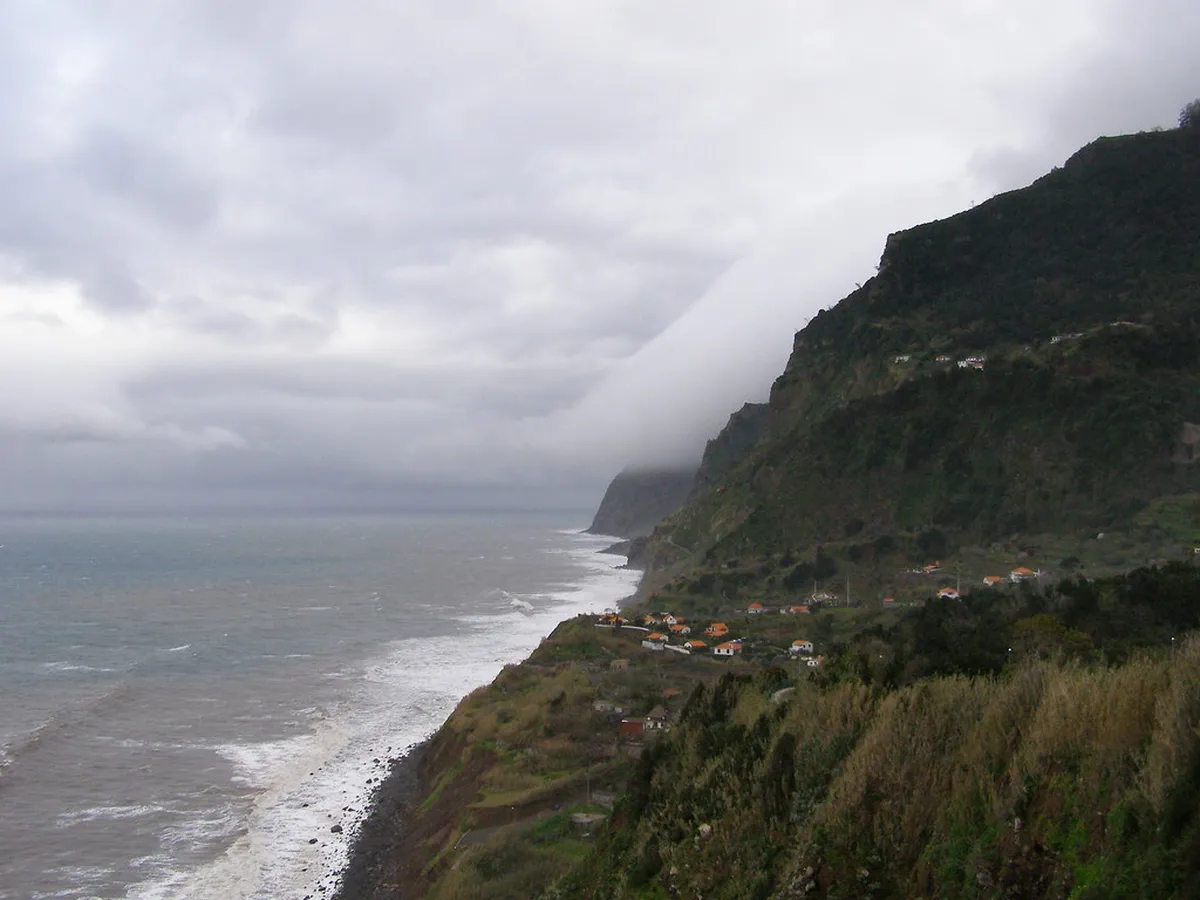
The single most important weather fact for trip planning is this: the north and south of Madeira are effectively different climates on the same island. The southern coast, including Funchal, São Gonçalo, and Calheta, stays arid and sheltered because the central mountain range blocks the moisture-laden trade winds before they reach the south. The northern coast towns — São Vicente, Porto Moniz, Santana — sit directly in the path of those same winds and receive significantly more cloud and rainfall throughout the year.
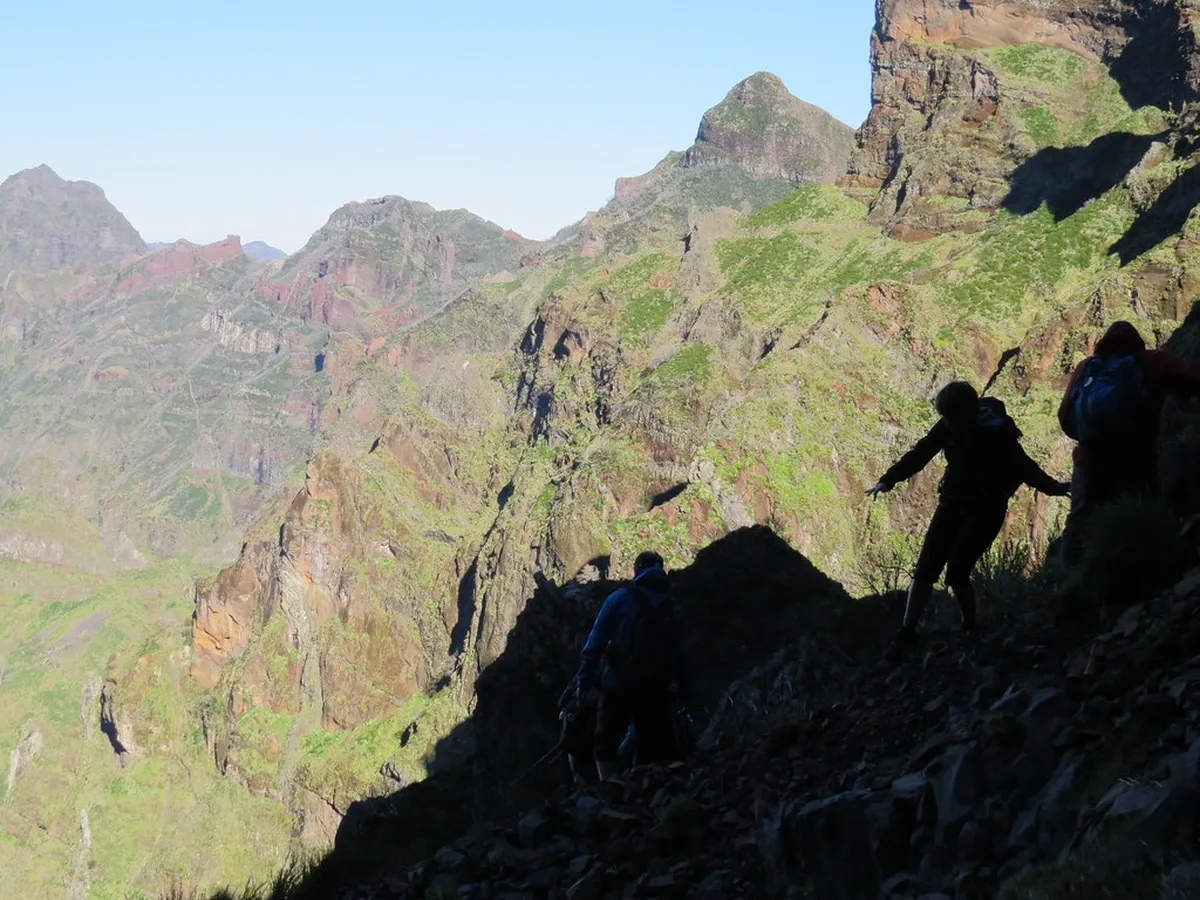
The altitude difference adds another layer. Funchal sits near sea level at 19°C in summer. Drive 30 km to Pico do Arieiro at 1,818 m and the temperature drops to 8–10°C on the same afternoon. This is not just a light chill: the summit frequently sits inside dense cloud, and wind chill can make it feel like 3–4°C even in July. Hikers who leave Funchal in a t-shirt and sandals for a Pico Ruivo walk learn this lesson the hard way. Carrying a fleece and waterproof jacket is mandatory above 1,200 m regardless of month.
Practically, this means you can engineer good weather by moving south if the north is overcast. Many visitors base themselves in Funchal but take day trips to the wilder north, timing the drive for morning when clouds are lower and the dramatic coastal scenery is most atmospheric. By early afternoon the north often clears, offering dry weather for the return journey. This micro-management is impossible on most islands — it is one of Madeira's genuine travel advantages.
Best Times to Visit Madeira for Festivals and Events
Carnival falls in February (occasionally early March) and lasts two weeks. The grand Cortejo Alegórico parade in Funchal draws enormous crowds on the final Saturday. February averages 93 mm of rain and highs of 19°C, so pack a light waterproof alongside your costume. Outdoor bleacher seating means the evening parade can be cold — a thin down layer under a rain jacket keeps you comfortable from start to finish.
The Madeira Flower Festival runs throughout May, with the main parade on the first Sunday of the month. May is the driest spring month with only 30 mm of rain, highs around 22°C, and consistent sunshine. The sea at 20°C is not yet warm enough for swimming, so expect a crowd that is there for the spectacle, the levadas, and the gardens rather than the beach. Hotel rates in Funchal spike for Flower Festival weekend — book three months ahead or stay in Monte or Câmara de Lobos to save 20–30%.
The Wine Festival runs late August into September in Funchal's old town. Temperatures are 24–25°C, the sea is at its warmest, and the grape harvest celebrations include tastings, traditional dances, and stomping demonstrations. St. John's Day (23–25 June) brings street parties and a traditional midnight sea dip along the Funchal waterfront. New Year's Eve in Funchal Bay is one of the world's largest fireworks displays by official record — hotels sell out months in advance for 31 December.
Hiking Weather: Levadas and the Mountain Factor
Madeira's 2,500 km of levada irrigation channels offer some of the most accessible trail walking in Europe, but the mountain weather makes preparation non-negotiable. The best months for levada hiking are May, June, September, and October. These months combine stable trail conditions, comfortable temperatures below 23°C on the lower routes, and fewer afternoon thunderstorms than July and August at altitude.
Cloud inversion is a regular phenomenon in Madeira. This occurs when a layer of cloud settles at 800–1,200 m while the coast and the mountain peaks above 1,400 m stay clear and sunny. The Levada do Caldeirão Verde (starting at Queimadas, 890 m) often sits inside this cloud band — beautiful for the mossy atmosphere, but you will need full waterproofs. The PR1 route up to Pico Ruivo is best attempted before 10:00 to get the summit views before cloud rolls in from the north by midday.
Winter levada walking is viable on the lower-altitude southern routes. The Levada dos Piornais (100 m altitude, starts near Funchal) and the Vereda da Ponta de São Lourenço on the dry eastern peninsula stay accessible and pleasant even in December and January. These routes require no specialist gear and give a genuine taste of the island's dramatic coastal scenery without the mountain weather risk.
Packing Essentials for Madeira's Changing Climate
Packing for Madeira means covering a 19°C coastal day and a 6°C mountain summit on the same trip. Layering is the only practical strategy. A base layer, a mid-weight fleece, and a waterproof shell covers every situation from the Funchal seafront to the Pico do Arieiro car park. Leave the heavy winter coat behind — you won't need it at sea level — but never leave without the fleece.

Sun protection is necessary year-round. The Atlantic UV index stays elevated even in winter, and many visitors underestimate it on overcast days when the light feels gentle. SPF 30 minimum and a wide-brimmed hat are practical items for any month. Hydration matters more than it seems: mountain trails at altitude in direct sun are more demanding than a flat sea-level walk of the same distance.
- Waterproof jacket — essential for mountain mist and any month above 800 m
- Mid-layer fleece — for mountain summits (5–10°C colder than the coast) and cool evenings
- Sturdy closed-toe hiking shoes — levada paths are often wet, narrow, and uneven
- Swimwear — sea temperature is swimmable June through October without a wetsuit
- SPF 30+ sunscreen — Atlantic UV is year-round regardless of cloud cover
- Light dress or shorts for Funchal — coastal evenings stay above 13°C all year
Check our Portugal summer packing list for a longer breakdown of gear that works across the archipelago's different zones. The rainy season on the mainland runs later than Madeira's wetter months, so if you are combining both in one trip, pack for mountain Madeira and you will be over-prepared for Lisbon.
Mountain temperatures at summits like Pico do Arieiro (1,818 m) run 8–12°C colder than coastal Funchal on the same afternoon. A fleece and waterproof shell are mandatory above 1,200 m in any month.
Frequently Asked Questions
What is the rainiest month in Madeira?
November is typically the rainiest month in Madeira. However, rain often comes in short, heavy bursts followed by sunshine. You should always carry a waterproof jacket when hiking in the mountains.
Is it warm enough to swim in Madeira in winter?
The sea temperature stays around 18°C / 64°F during the winter months. While some find this refreshing, others prefer heated hotel pools. The natural lava pools in Porto Moniz remain popular year-round.
Madeira offers a climate that genuinely suits every type of traveler across all twelve months. May and September stand out as the most balanced choices — mild temperatures, manageable crowds, and sea conditions that work for both swimmers and hikers. December rewards anyone willing to visit in winter with festive Funchal, empty levadas, and some of the most spectacular fireworks in the world.
The key is understanding that Madeira's weather is not uniform: a sunny Funchal morning and a cloud-wrapped mountain summit can coexist on the same afternoon. Pack layers, check the mountain webcam, and drive south if the north is grey. The island is small enough that you can always find the weather you came for.