
Porto Weather By Month: 10 Things to Know About the Climate
Plan your trip with our Porto weather by month guide. Discover the best time to visit, rainy season data, and seasonal packing tips for Northern Portugal.
On this page
Porto Weather By Month: 10 Things to Know About the Climate
Understanding Porto's weather before you book can save you from cold surprises and help you land in the city at the exact right moment. Porto sits in Atlantic Northern Portugal where the climate is wetter, greener, and considerably more unpredictable than the Algarve or even Lisbon. The city records over 1,100mm of rain annually — nearly double the rainfall of southern Portugal — yet July and August are reliably dry and sunny. This guide breaks down every month so you can pack correctly and plan around the weather rather than against it.
Understanding the portugal weather by month is essential for planning a successful trip north. Porto's climate combines Mediterranean warmth with a strong oceanic influence from the Atlantic, resulting in lush green landscapes but also more frequent rainfall than most visitors expect. Our guide covers average temperatures, rainfall by month, the best times to visit, and what each season actually feels like on the ground.
The Weather of Porto: A General Overview
Porto sits on the edge of the Atlantic Ocean in Northern Portugal. This location dictates a climate that is temperate and humid throughout the year. The best time to visit Porto depends on your tolerance for rain and heat, but no month is completely off the table for the right traveler. Summer days are rarely scorching, while winters remain relatively mild but wet.

The city benefits from a cooling sea breeze that keeps summer highs comfortable. Daytime temperatures in July typically hover around 24–26°C / 75–79°F. In contrast, winter temperatures rarely drop below 5°C / 41°F at night, and frost is uncommon. The high humidity, however, can make the air feel colder than the thermometer suggests.
Porto's climate is officially classified as temperate oceanic (Köppen Csb), which places it in the same category as parts of northern Spain and the Pacific Northwest. Spring and autumn bring the most atmospheric changes: flowers bloom early in March, while October offers golden foliage and warm afternoon light. Weather can shift from sunny to overcast quickly, so checking a reliable forecast each morning is a habit worth forming.
Average Temperature in Porto by Month
Porto's temperature range is moderate across the entire calendar year. The gap between the coldest and warmest months is roughly 12°C / 22°F, far smaller than most European capitals. January is the coldest month, averaging 6–14°C / 43–57°F. August is the warmest, with highs reaching 25–28°C / 77–82°F, though heat waves can occasionally push this higher.
| Month | Low (°C / °F) | High (°C / °F) | Sunshine hrs/day |
|---|---|---|---|
| January | 6 / 43 | 14 / 57 | 4.0 |
| February | 6 / 43 | 15 / 59 | 5.0 |
| March | 8 / 46 | 17 / 63 | 6.0 |
| April | 10 / 50 | 18 / 64 | 7.0 |
| May | 12 / 54 | 20 / 68 | 8.5 |
| June | 14 / 57 | 23 / 73 | 9.5 |
| July | 16 / 61 | 26 / 79 | 11.0 |
| August | 16 / 61 | 27 / 81 | 10.5 |
| September | 15 / 59 | 24 / 75 | 8.5 |
| October | 12 / 54 | 21 / 70 | 6.5 |
| November | 9 / 48 | 17 / 63 | 4.5 |
| December | 7 / 45 | 14 / 57 | 3.5 |
One figure that surprises visitors is the sea temperature. Even at the height of summer, the Atlantic water off Porto's beaches in Matosinhos and Foz do Douro only reaches around 18°C / 64°F. In winter it drops to 14°C / 57°F. This is caused by the cold Canary Current, which flows south along the entire Portuguese coast and keeps the ocean far cooler than the air temperature suggests. Pack accordingly if you plan to swim.
Average Rainfall in Porto by Month
Rainfall is the defining characteristic of Porto's climate and the statistic most travelers underestimate. The city averages about 1,150mm of rain per year, almost all concentrated in the October–April window. December is typically the wettest single month at around 170–180mm. July and August are strikingly dry, averaging only 15–20mm total over just three or four days of rain.
| Month | Rainfall (mm) | Rainy Days | Dry Windows |
|---|---|---|---|
| January | 155 | 14–16 | Short breaks between fronts |
| February | 130 | 12–14 | Occasional dry week possible |
| March | 95 | 11–13 | Improving by end of month |
| April | 90 | 11–13 | Still unpredictable |
| May | 65 | 9–11 | Rain decreases noticeably |
| June | 30 | 5–7 | Mostly dry |
| July | 15 | 2–4 | Reliably dry |
| August | 18 | 2–4 | Reliably dry |
| September | 45 | 6–8 | Good dry windows |
| October | 95 | 12–14 | First half often fine |
| November | 130 | 14–15 | Early November warmer/drier |
| December | 175 | 15–17 | Christmas markets worth braving |
A useful nuance from the table: even in wet months like January and February, not every day is a washout. There are typically dry windows of two to four consecutive days between Atlantic fronts. Flexible travelers who monitor the forecast a week in advance can book a winter trip and often catch several clear days in a row. The rain tends to come in heavy, defined bursts rather than light drizzle all day.
April is a month worth flagging separately. Many spring travelers assume Porto will be reliably pleasant by April, but it remains nearly as wet as January in terms of rainy day count. Mid-May is a safer starting point if dry weather is a priority.
Why is Porto Rainy? (The Atlantic and Mountain Influence)
Many visitors are surprised by the amount of rain in Northern Portugal. Porto is situated where Atlantic winds meet the rising coastal terrain, forcing moist air upward and leading to frequent cloud formation. The city is also positioned directly in the path of Atlantic low-pressure systems that track northeast across the ocean toward Iberia between October and April.
The Serra do Marão mountain range acts as a significant weather barrier directly east of the city. These mountains trap Atlantic moisture over the Porto metropolitan area, making the city considerably wetter than regions further inland. This is why Porto is far greener than the arid plains of the Alentejo or the sun-baked Algarve, and why locals carry umbrellas as a matter of course through much of the year.
The 'Nortada' wind is another defining feature. This northerly sea breeze picks up in the afternoons from around May onward and can drop temperatures by several degrees within an hour. It keeps the city fresh and tolerable even on the hottest summer days, but it catches unprepared visitors off guard when they step out of a warm restaurant at 21:00 and find themselves cold in shorts.
The Nortada northerly breeze picks up from May onward and can drop Porto's temperature by several degrees within an hour. Even in the height of summer, always carry a light layer for evening meals outdoors.
A Season-by-Season Guide to Porto
Spring (March–May): Spring is considered by many to be the best overall season for Porto. Gardens bloom, the Douro riverbanks fill with walkers, and temperatures are comfortable for all-day sightseeing at 10–20°C / 50–68°F. March and April carry a real rain risk — plan indoor backup options. May is the standout month of the season: the likelihood of rain drops sharply, daylight stretches past 20:00, and the city feels energised before summer crowds arrive. The Primavera Sound music festival typically takes place in late May or early June, drawing a lively international crowd.
Summer (June–August): Summer is Porto's most popular season and the most reliable for dry, warm weather. June kicks off with the Festas dos Santos Populares, culminating in the Festa de São João on the night of 23 June — one of Portugal's most exuberant street festivals, with grilled sardines, hammer-tapping, and fireworks over the Douro. July and August average 25–27°C / 77–81°F in the afternoon with just two to four rainy days per month. The Nortada breeze keeps the heat manageable, but book accommodation months in advance: the best riverside hotels sell out by January for peak summer dates.
Autumn (September–November): September is arguably Porto's finest single month. Temperatures remain warm at 24°C / 75°F, the summer crowds thin out, accommodation prices drop, and the Douro Valley harvest season makes day trips to the vineyards especially rewarding. October's first half is often still very pleasant; the second half brings the return of Atlantic fronts and the start of the wetter season. November sees a significant increase in rainfall, but early November can surprise: see the São Martinho section below.
Winter (December–February): Porto's winter is mild by European standards — highs average 14–15°C / 57–59°F and frost is rare — but the rainfall is persistent. December brings Porto's Christmas markets and two outdoor ice rinks, making the city atmospheric despite the grey skies. January is the hardest month: the most rainfall, the fewest sunshine hours (averaging 4.0 per day), and the lowest visitor numbers. February brings the Simplesmente Vinho wine fair, a good indoor anchor for a budget-friendly winter trip.
The Best Time of Year to Visit Porto
For most visitors, the single best month to be in Porto is June. The weather is reliably warm and sunny, the São João festival on 23 June transforms the entire city into a street party, and the intensity of July–August crowds has not yet arrived. Prices are below their July peak. Sightseeing in 20–23°C / 68–73°F weather is genuinely comfortable.
September is the strongest alternative. It delivers the same quality of weather as early summer, the river cruise season is still running, the Douro harvest draws wine travelers inland, and you can often find better accommodation value than any month between June and August. If you are visiting for the first time and flexibility on dates is possible, aim for early to mid-September.
Budget travelers who can tolerate rain should look seriously at January and February. Hotels and flights are at their cheapest, queues at Livraria Lello and the port wine cellars in Vila Nova de Gaia are nonexistent, and the city's restaurants are easy to walk into without a reservation. Monitor the forecast a week ahead and book when a dry spell is predicted — you can often secure three to five consecutive clear days even in the heart of winter.
The one month to approach with caution is April. Many spring bookings cluster here under the assumption that the weather will be settled, but April in Porto has a rainy-day count nearly equal to January. Mid-May is a safer target for guaranteed dry sightseeing.
April averages 90mm of rain across 11–13 rainy days — nearly as wet as January. If you need reliably dry sightseeing days, target mid-May onwards when the rainy-day count drops to 9–11 and continues falling through June.
The São Martinho Window: Porto's Secret Off-Season Spell
One detail that almost no travel resource mentions for Porto — and that no competitor in this SERP fully explains — is the São Martinho warm spell. Around the feast day of São Martinho on 11 November, Northern Portugal typically experiences a brief return to warm, dry, and sunny weather. Locals call this period Verão de São Martinho, or Saint Martin's Summer. Temperatures can climb back to 18–20°C / 64–68°F for a week or two in early-to-mid November, even after the first October rains have arrived.
For travelers who can visit outside school holidays, this window is genuinely underrated. Crowds are minimal, accommodation prices are well below summer rates, the Douro Valley has finished harvest but the estates are still open, and the chestnut roasting season is in full swing — street vendors set up carts across the city in October and November, and a paper cone of hot chestnuts for around €2–3 is a classic Porto autumn experience. The São Martinho spell is not guaranteed every year, but it appears with enough regularity that locals plan around it, and a five-day forecast showing it is more than enough reason to pull the trigger on a last-minute booking.
Is Porto a Year-Round Destination?
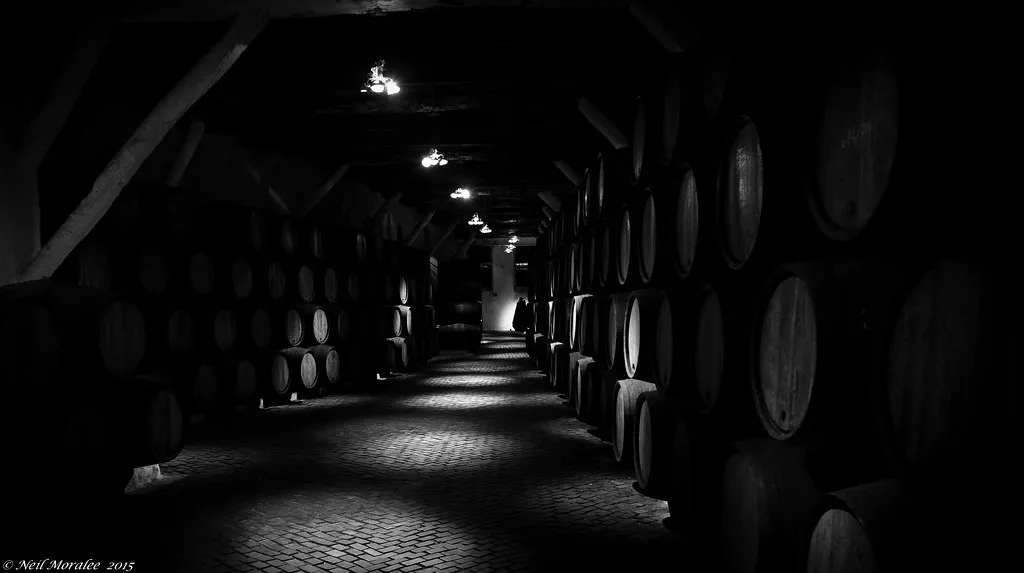
Porto remains a vibrant city throughout the entire calendar year. Unlike the resort towns of the Algarve, the city does not shut down in winter. The historic center stays lively with locals and students even in January. You will find plenty of indoor activities to enjoy during rainy spells: the port wine cellars in Vila Nova de Gaia, the Museu Nacional Soares dos Reis, and Livraria Lello are all worth an afternoon each.
However, Porto should not be sold as a winter-sun destination. The high probability of persistent rain between November and March means it is unsuitable for anyone whose trip depends on outdoor activities every day. The key to a successful winter visit is flexibility: keep plans loosely structured so you can pivot to a museum or cellar when rain arrives and head outdoors when a dry window opens.
Some seasonal closures do occur in the low season. Many Douro River cruise operators reduce their schedules or stop entirely between January and early March. Outdoor kiosks in the Foz district often close, and beach bars in Matosinhos may pack away their terraces until spring. Museums, port lodges, and most restaurants maintain standard hours year-round.
Choosing the Right Portuguese Region for the Season
Porto's weather is quite different from the rest of the country. The lisbon weather by month shows higher temperatures and less rain than Porto across every season. The Algarve, in the far south, averages around 500mm of annual rainfall — less than half of Porto's 1,150mm. Understanding this north-south gradient is essential for setting realistic expectations.
| Region | Annual Rainfall | Summer High | Winter High | Best Season |
|---|---|---|---|---|
| Porto | ~1,150mm | 26°C / 79°F | 14°C / 57°F | June, September |
| Lisbon | ~730mm | 29°C / 84°F | 15°C / 59°F | May–October |
| Algarve | ~500mm | 32°C / 90°F | 17°C / 63°F | Year-round sun |
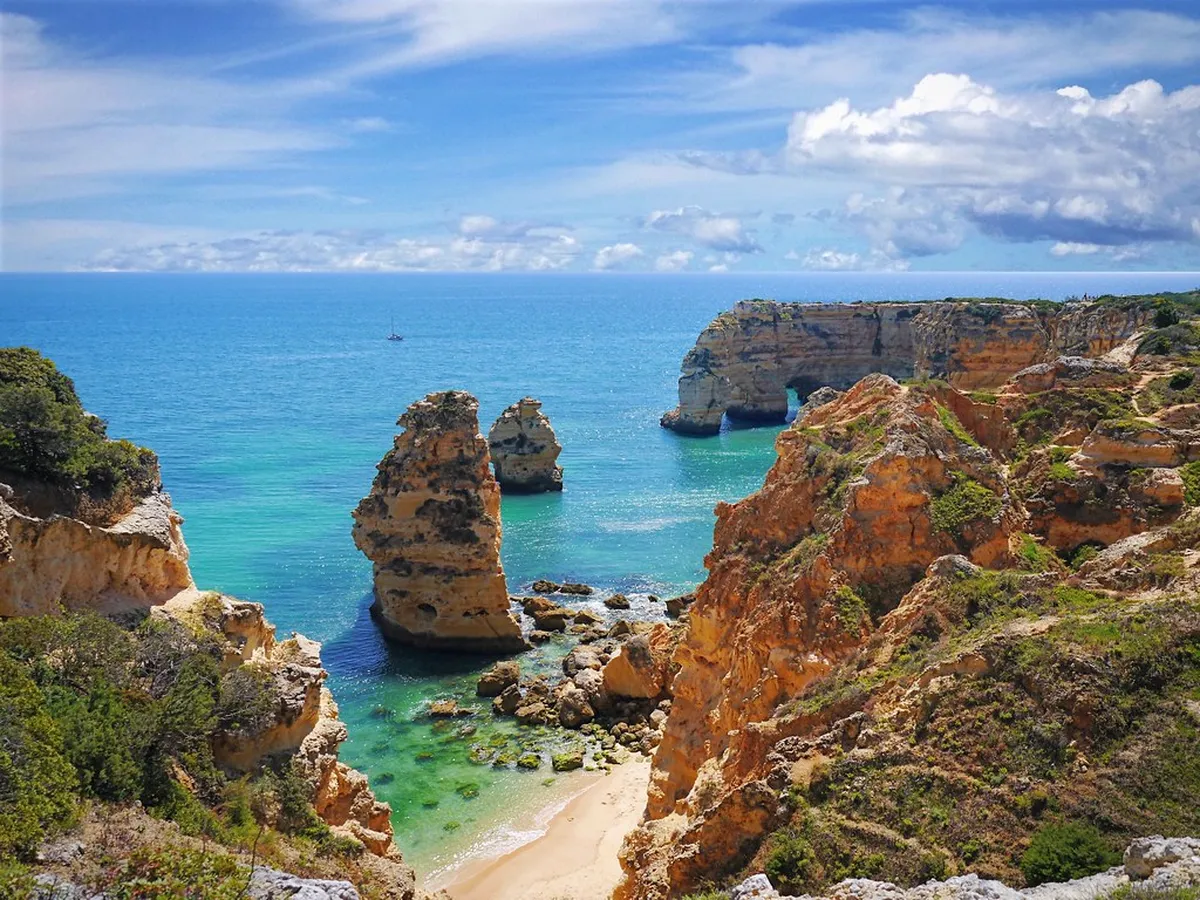
In winter, the Algarve remains the sunniest part of Portugal by a significant margin. Porto will likely be experiencing its peak rainfall during the same period when the Algarve sees 17°C days and mostly blue skies. If winter sun is your priority, head south. If you want the authentic Porto experience — moody Douro mist, port lodges, and fado bars — the rain comes with the territory and is ultimately part of the charm.
Combining Porto with a southern stop on a single trip provides useful contrast. Spend three or four days in Porto for culture and food, then take the train or drive south for beach time in the Algarve. This north-to-south structure is one of the most efficient ways to experience the full range of what Portugal offers.
Private Douro Valley Tours: Weather and Timing
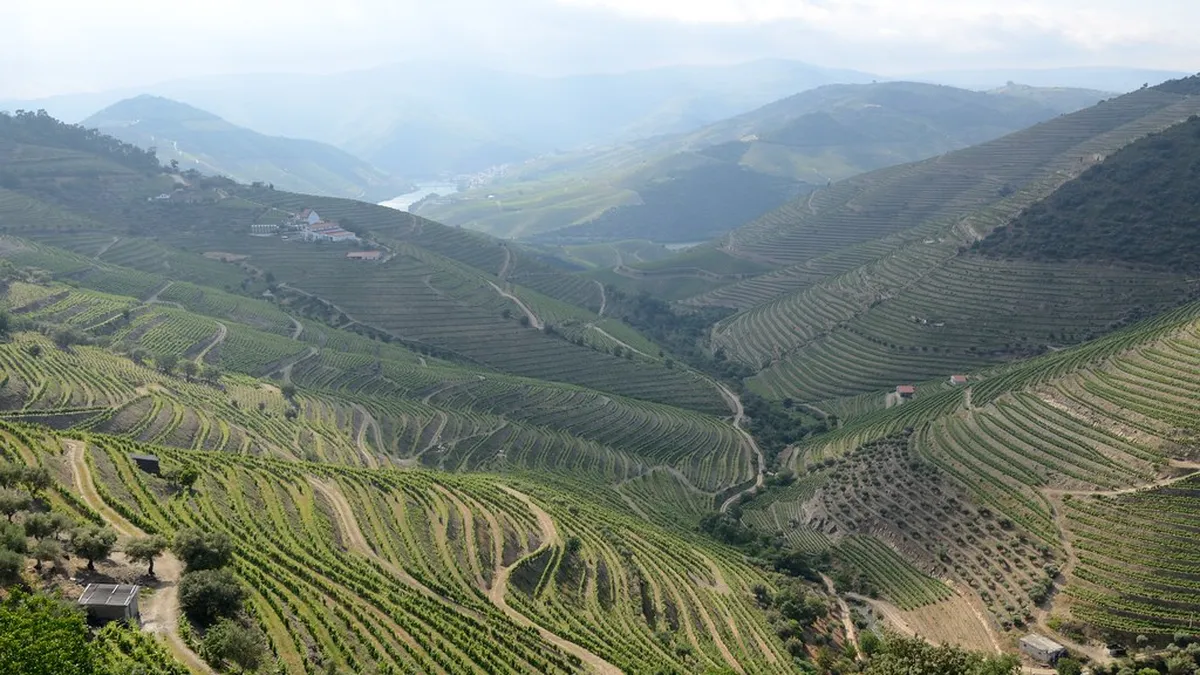
The best time to visit Douro Valley differs substantially from Porto. The valley sits on the far side of the Serra do Marão mountains, which blocks the cooling influence of the Atlantic. This creates a continental micro-climate known locally as 'Transmontano' — behind the mountains — where summers are far hotter and winters are colder than the coast.
Summer temperatures in the valley often exceed 35°C / 95°F and can reach 40°C / 104°F during heat waves. Vineyards are dramatic and green in spring, but visiting the valley in July and August without shade requires planning: go in the early morning before 10:00 or late afternoon after 17:00. The harvest season from mid-September through early October is the most rewarding time to visit: the weather is warm, the estates are full of activity, and you can often watch the grape picking and treading firsthand.
Winter in the Douro can be quite cold and foggy, and many smaller wine estates close their visitor facilities from January through February. Almond blossom season in late February and early March is a brief, beautiful window when the valley turns white and pink — if the timing works with your schedule, it is worth the trip for the scenery alone.
What to Pack for Porto's Climate
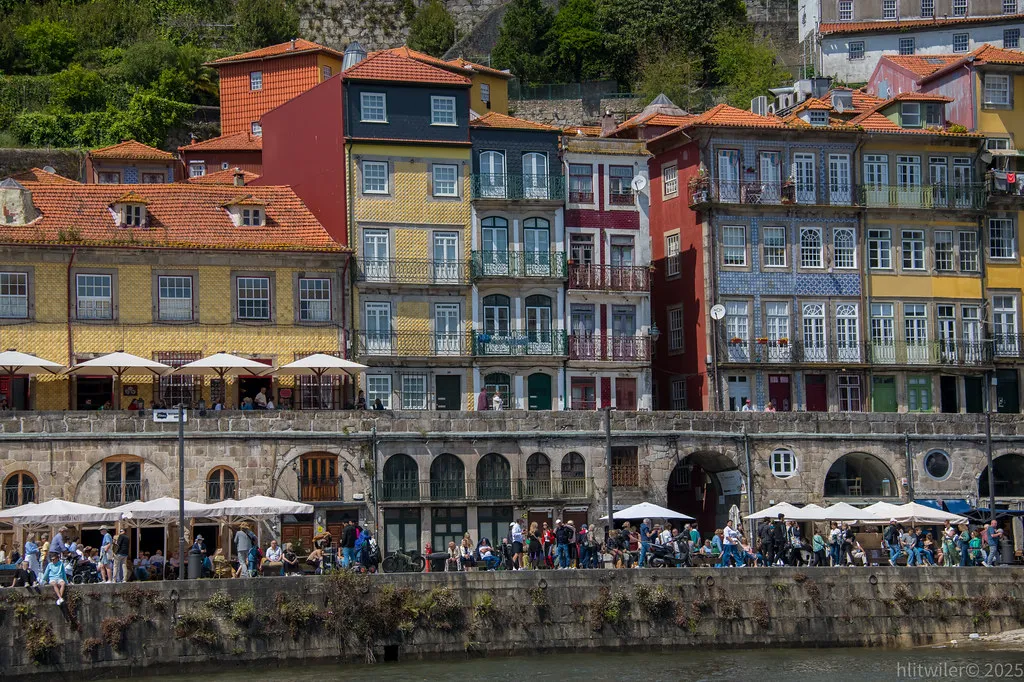
Packing for Porto requires a layering strategy regardless of season. The humidity means temperatures feel colder than the thermometer suggests, and the Nortada afternoon breeze catches visitors off guard in summer. A compact, high-quality umbrella is worth carrying from September through May. For the cobblestone streets — which become extremely slippery when wet — choose shoes with excellent grip and ankle support over anything flat-soled or fashionable.
- Spring (March–May): Light waterproof jacket, mid-layer fleece, walking shoes with grip. May alone can be lighter — a thin layer for evenings is enough.
- Summer (June–August): Light clothing, sun protection (SPF 30+ minimum), a light sweater for breezy evenings and air-conditioned restaurants. Sea swimming calls for a wetsuit or at least tolerance for 18°C water.
- Autumn (September–November): A packable waterproof layer from October onward. September is still warm enough for summer clothes with a jacket at night.
- Winter (December–February): Waterproof outer layer, warm mid-layer, waterproof footwear. Wind chill on the waterfront can be sharp in January and February.
- Year-round: Comfortable, non-slip shoes are non-negotiable. Porto's steep cobblestone streets are unforgiving on smooth soles.
If you are heading to the Douro Valley, add extra sun protection. The sun reflects off the river and terraced hillsides with intensity, and shade can be scarce. A wide-brimmed hat is practical during any vineyard tour from May through September. Review our portugal in october shoulder season guide for more specific tips on the transition period.
Frequently Asked Questions
When is the rainy season in Porto, Portugal?
The wettest months are typically November through March. You should expect frequent showers and overcast skies during this time. Carry a sturdy umbrella to stay dry while exploring.
Is Porto too hot in the summer?
Porto rarely experiences extreme heat due to the Atlantic breeze. Summer highs average around 25°C / 77°F. It is much cooler than inland Portugal or the southern coast.
What is the best month to visit Porto for low prices?
January and February offer the lowest accommodation prices. You will find great deals on hotels and flights. The city is quiet and perfect for budget-conscious travelers.
Porto is a city of layers, both in its history and its weather. By understanding the weather patterns month by month, you can ensure a comfortable and enjoyable trip. Whether you choose the sunny summer festivals, the golden September harvest, or a moody winter stay in the port lodges, Porto delivers. Prepare for the rain, embrace the Atlantic breeze, and enjoy the hospitality of Northern Portugal.
 10 Best Tips for Timing Your Visit to GuimarãesJune 8, 2026