
Portugal in October: Shoulder Season Guide for 2026
Visit Portugal in October 2026 for 20-25C weather, 30% cheaper hotels, Douro wine harvest, empty Sintra palaces, and Nazare big wave season.
On this page
Portugal in October: Your Complete 2026 Shoulder Season Guide
October sits in the sweet spot of the Portuguese travel calendar, offering mild temperatures, dramatically lower prices, and a cultural calendar that shifts from beach tourism toward wine harvests, surf season, and autumn festivals. The intense summer heat fades to a comfortable 20 to 25 degrees Celsius in the south, making long walking days through historic city centers and coastal trails genuinely enjoyable rather than an endurance test. Many experienced travelers consider October, not summer, the best month to visit Portugal for the balance of weather, value, and authenticity it delivers.
Autumn colors begin to transform the landscape from the terraced vineyards of the Douro Valley down through the rolling cork oak plains of the Alentejo. Hotel prices drop 20 to 40 percent from peak summer rates, and major monuments like Sintra's palaces and Lisbon's Jeronimos Monastery have noticeably shorter queues. The September crowds thin further as European school holidays end, leaving October visitors with a more intimate, less rushed experience across every region of the country.
October Weather by Region: Detailed Breakdown
Algarve (South): The Algarve maintains the warmest temperatures in Portugal throughout October, with daytime highs consistently reaching 23 to 27 degrees Celsius and occasional spells above 28 degrees in the first half of the month. Sunshine averages seven to eight hours per day, and rainfall is minimal, typically one to three days of showers across the entire month. Sea temperatures stay around 19 to 21 degrees Celsius, warm enough for comfortable swimming at the best Algarve beaches, particularly in the sheltered coves near Lagos and Albufeira.
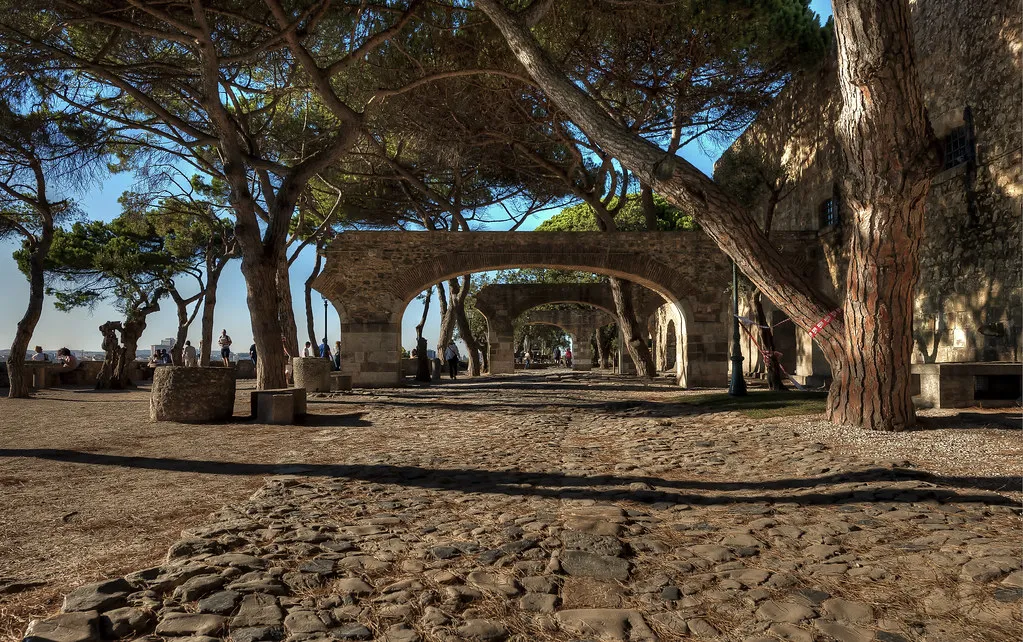
Lisbon and Central Coast: Lisbon provides balanced autumn conditions with crisp mornings around 15 degrees warming to pleasant afternoons of 22 to 24 degrees. The city receives about six hours of sunshine daily, with sunset around 6:45 PM early in the month shifting to 5:30 PM by late October as daylight saving ends. Rain probability increases through the month, with an average of five to seven rainy days, though showers are usually brief. The lower humidity compared to summer makes walking the hilly streets of Alfama and Bairro Alto much more comfortable. Check our weather guide for month-by-month temperature and rainfall data across all regions.
Porto and the North: Northern Portugal sees the earliest shift toward autumn conditions, with daytime temperatures averaging 18 to 21 degrees and nights dropping to 12 to 14 degrees. Porto experiences more frequent rainfall than the south, with eight to ten rainy days typically falling across October. However, many of these are brief morning showers that clear by lunch. The Douro Valley stays slightly warmer and drier than coastal Porto, making vineyard visits comfortable well into the month. A medium-weight jacket and a reliable waterproof layer are essential for northern itineraries.
Madeira and the Azores: Both island groups maintain subtropical conditions through October, with temperatures around 22 to 24 degrees and ocean temperatures of 22 to 23 degrees, some of the warmest swimming conditions in Portugal. Madeira receives moderate rainfall that feeds its famous levada walking trails, creating lush, green landscapes. The Azores are wetter and windier but offer dramatic volcanic scenery and exceptional whale-watching conditions as migratory species pass through.
Best Regions and Experiences for October
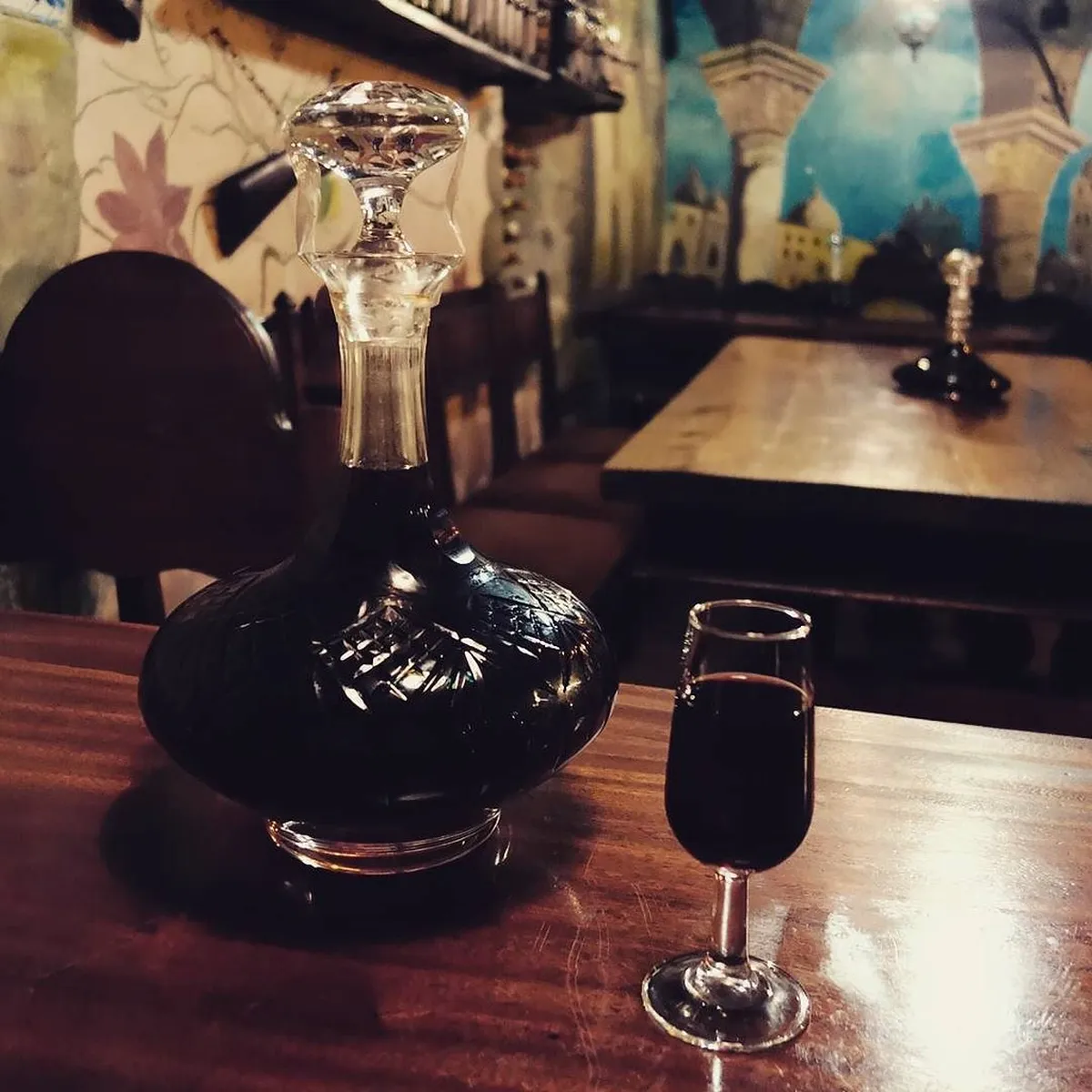
Douro Valley Wine Harvest: October is grape harvest season in the Douro Valley, making it the single most compelling reason to visit northern Portugal this month. The UNESCO-protected terraced vineyards turn vibrant shades of gold, amber, and crimson, creating one of the most photogenic landscapes in Europe. Many quintas (wine estates) open their doors for harvest tours where guests can participate in traditional grape treading, watch the pressing process, and taste new wines alongside aged ports. Tours cost between 20 and 50 euros per person depending on the estate and whether lunch is included. A scenic train ride from Porto to Pinhao costs roughly 15 euros one way and follows the river through the heart of the valley.
Lisbon Without the Crush: October transforms Lisbon from an overcrowded summer hotspot into a city that feels like it belongs to its residents again. Museums like the Gulbenkian, MAAT, and the National Tile Museum are less crowded, allowing for contemplative visits rather than rushed walks through packed galleries. Entry fees for major sites range from 6 to 15 euros per adult. Street performers and outdoor kiosks stay active in the warm afternoons, and the sunset viewpoints at Miradouro da Graca and Miradouro de Santa Luzia are spectacular without the jostling summer crowds. Our things to do in Lisbon guide covers the best attractions for any season.
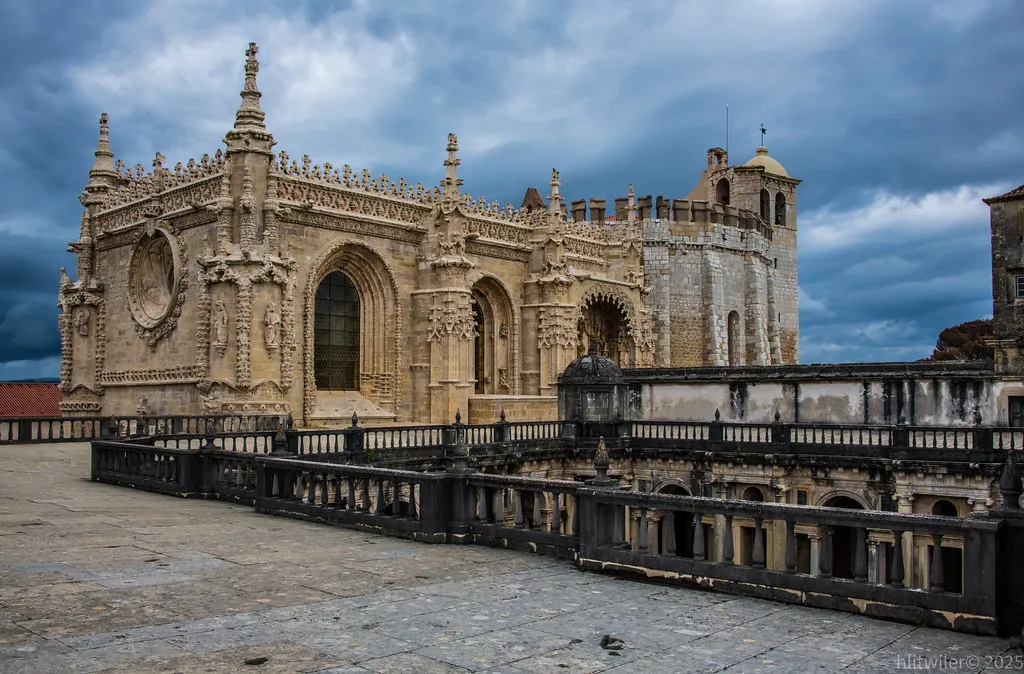
Sintra in Autumn Colors: The fairy-tale palaces of Sintra become significantly more accessible in October as the summer tour bus crowds disappear. The Pena Palace with its candy-colored towers, the mystical Quinta da Regaleira with its underground initiation well, and the gardens of Monserrate Palace all benefit from the softer autumn light and thinner visitor numbers. Getting crowd-free photos at these normally packed sites becomes genuinely possible. Our Sintra guide covers transport, tickets, and itinerary planning in detail.
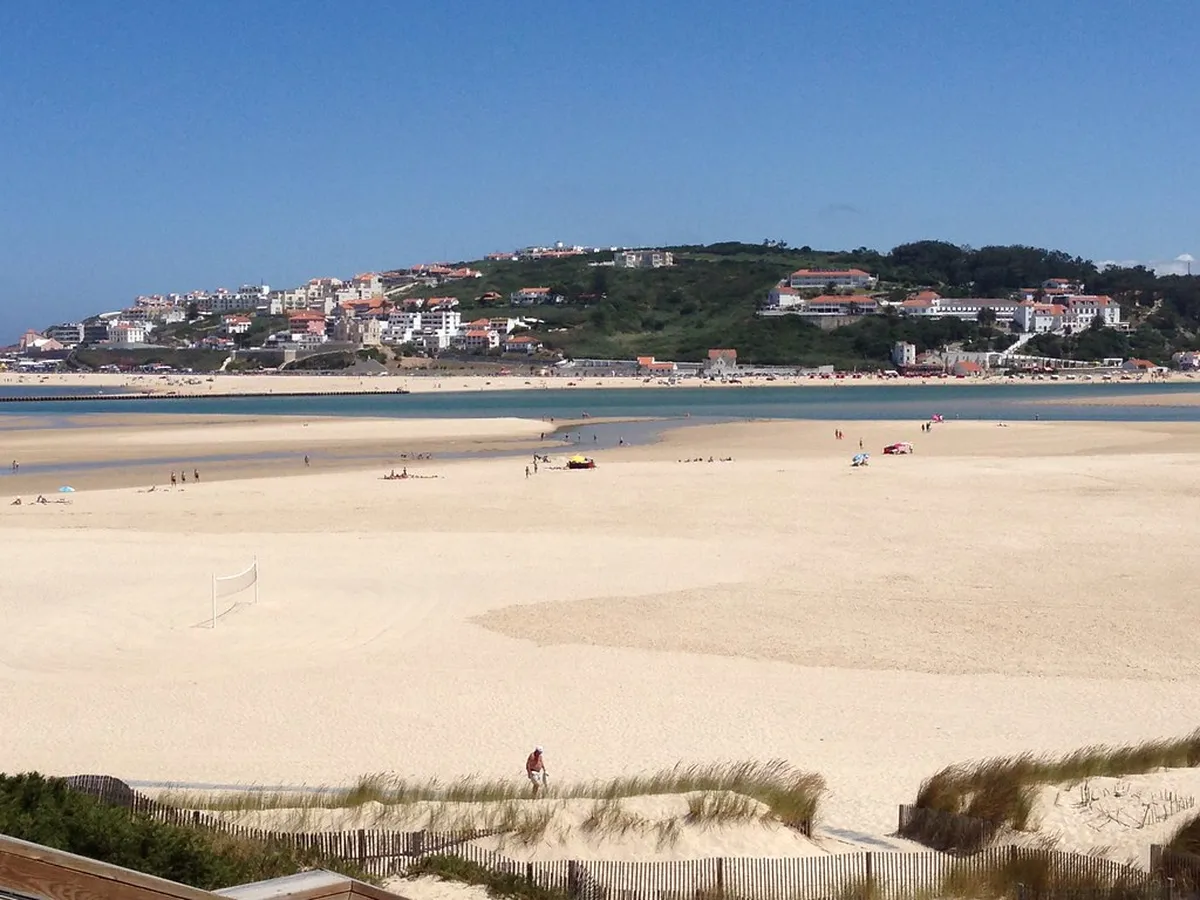
Nazare Big Wave Season: October marks the official start of big wave season at Nazare's Praia do Norte, where winter swells produce some of the tallest surfable waves on Earth, regularly exceeding 20 meters. Even if you are not a surfer, watching these giants from the clifftop lighthouse viewpoint at the Nazare Fort is an unforgettable spectacle. The town is easily reached as a day trip from Lisbon in about 90 minutes by car. The WSL Big Wave Challenge runs from October through March, and you might witness a world-record attempt during your visit.
- Douro Valley Wine Estates
- Type: Wine region harvest experience
- Best for: Wine lovers, photography, cultural immersion
- Where: Northern Portugal (train from Porto)
- Cost: 20-50 euros per tour, 15 euros train each way
- Lisbon Historic Districts
- Type: Urban exploration and culture
- Best for: Architecture, food, museums, viewpoints
- Where: Central coast
- Cost: Free walking, 6-15 euros per museum
- Algarve Coast
- Type: Beach, hiking, and water sports
- Best for: Swimming, surfing, cliff walks
- Where: Southern Portugal
- Cost: Beach free, surf lessons 40-50 euros
- Nazare Big Waves
- Type: Spectator sport and coastal scenery
- Best for: Surfers, thrill-seekers, photographers
- Where: Central coast (90 min from Lisbon)
- Cost: Free viewing from lighthouse
Autumn Festivals, Food, and Cultural Traditions
Autumn marks the beginning of the chestnut season, celebrated through the traditional Magusto gatherings. Street vendors appear across Lisbon and Porto with small charcoal carts selling roasted chestnuts in paper cones for about two to three euros per dozen. The warm, smoky aroma drifting through cobblestone streets signals the arrival of cooler weather and marks a cultural transition that the Portuguese embrace with genuine enthusiasm. In the Tras-os-Montes region of the far north, entire villages hold communal chestnut roasting festivals with live music, dancing, and locally distilled aguardente.
Wine festivals take place in rural villages across the Douro, Dao, and Alentejo regions to celebrate the successful conclusion of the grape harvest. Local taverns serve vinho novo, the year's fresh young wine, alongside hearty plates of regional smoked meats, fresh bread, and local cheeses. Sharing a communal meal in a family-run tasca costs between 12 and 18 euros per person for a generous plate with wine. Small towns often host open-air communal dinners where visitors are genuinely welcomed to join the festive atmosphere, making this one of the most authentic cultural experiences available anywhere in Europe.
Seafood remains a year-round staple, but October brings a seasonal shift toward heavier, warming dishes. Octopus stews, grilled sardines, and caldeirada (Portuguese fish stew) feature prominently on autumn menus in coastal towns. The famous percebes (goose barnacles), harvested from wave-battered rocks along the western coast, reach their peak flavor in autumn. Inland, the focus turns to game meats, roasted chestnuts, and mushroom dishes foraged from the forests of the Beira region. Restaurant reservations are easier to secure compared to summer, though popular spots in Lisbon and Porto still fill up on Friday and Saturday evenings.
The Vinhos a Descobrir wine festival at Forte de Gaia in Vila Nova de Gaia typically holds an autumn edition in early October, bringing together small and mid-sized Portuguese wine producers in an accessible, educational format. Entry fees include tasting and food pairings, making it one of the best value wine experiences in the Porto area.
Surfing, Hiking, and Outdoor Activities
October is arguably the best month for surfing in Portugal. Autumn Atlantic swells produce more consistent, better-formed waves than the flat summer months, while water temperatures remain warm enough at 19 to 21 degrees for comfortable sessions in a 3/2mm wetsuit. The Algarve town of Sagres and the central coast around Peniche and Ericeira attract surfers from across Europe as the season shifts. Surf lesson packages typically cost 40 to 55 euros per session including board and wetsuit rental, with prices dropping slightly from summer rates.

Hiking conditions are excellent across the country, with comfortable temperatures, lower UV levels, and wildflowers blooming after the first autumn rains. The Seven Hanging Valleys Trail in the Algarve, the Rota Vicentina along the western coast, and the levada walks of Madeira are all at their best in October. The risk of heat exhaustion that makes summer hiking dangerous in the Algarve disappears entirely, allowing full-day walks that would be inadvisable in July. Bring proper hiking shoes and a waterproof layer, as trail surfaces can become slippery after rain.
Cycling gains popularity in October as the milder temperatures make long rides more comfortable. The Ecovia do Algarve coastal path and the Ecopista do Dao rail trail in central Portugal offer flat, well-surfaced routes suitable for recreational cyclists. Bike rental shops in Lagos, Tavira, and the Douro Valley charge approximately 15 to 25 euros per day for quality touring bicycles. The quieter roads and reduced traffic make this the safest time of year for cycling on Portuguese roads.
October Costs: How Much You Will Save
Hotel rates in October typically sit 20 to 40 percent below peak summer prices across all regions. A boutique hotel in Lisbon's Bairro Alto that charges 180 euros per night in August drops to 110 to 130 euros in October. In the Algarve, apartment rentals fall from 150 euros per night to 80 to 100 euros. These savings allow many visitors to upgrade their accommodation tier, staying at four-star properties for the price of a summer three-star. Reviewing the general guide to Portugal helps you allocate your saved budget across dining, experiences, and transport.
Car rental prices follow the accommodation decline. A mid-sized rental car costs approximately 25 to 35 euros per day in October versus 55 to 75 euros in August. Fuel prices remain stable year-round at roughly 1.70 to 1.85 euros per liter for gasoline. Flights to Lisbon and Faro from major European cities are 20 to 35 percent cheaper than summer fares, with budget carriers frequently offering sub-50-euro one-way tickets.
Hotel rates in October are typically 20 to 40 percent below peak summer prices across all regions. Car rentals drop from around 55 to 75 euros per day in August to just 25 to 35 euros, so booking a road trip in October stretches your budget significantly.
Dining costs remain stable regardless of season, but October visitors benefit from more availability at popular restaurants and the return of weekday lunch specials that many establishments pause during the tourist-heavy summer. A three-course menu do dia with a drink costs eight to twelve euros at local restaurants throughout the country. Wine prices at restaurants are reasonable year-round, with a good bottle of regional wine typically priced at 12 to 25 euros.
Practical Tips for Your October Trip
Train travel between major cities is efficient and cost-effective year-round. The Alfa Pendular high-speed train connects Lisbon to Porto in about two hours and 40 minutes, with advance tickets on the CP website costing 18 to 30 euros in second class. Regional trains serve smaller towns and scenic routes like the Douro Valley line for under 15 euros per journey. October schedules run at full summer frequency until the last week of the month, when some routes may reduce to winter timetables.
Pack versatile layers including light t-shirts, a medium-weight sweater, and a waterproof shell jacket for the occasional Atlantic shower. Portuguese pavements become slippery when wet, so rubber-soled walking shoes with good tread are essential rather than optional. A compact travel umbrella fits easily in a daypack and covers you for the brief rain showers that are most common in the morning. Refer to our Portugal packing list for a detailed checklist, adjusting for the slightly cooler October temperatures.
Tipping in local restaurants is appreciated but not expected at the same level as in North America. Rounding up the bill or leaving one to two euros on a table is standard for good service. Most urban establishments accept credit cards, including contactless payment, but carrying 30 to 50 euros in cash is helpful for rural cafes and market purchases. ATMs, known locally as Multibanco, are widely available and usually charge no withdrawal fee for European bank cards.
Daylight saving time ends on the last Sunday of October, when clocks fall back one hour. This means sunset shifts from roughly 7:00 PM at the start of the month to about 5:30 PM by the end, significantly reducing afternoon daylight. Plan your outdoor activities and photography sessions for earlier in the day as the month progresses, especially if you want golden-hour light at viewpoints or coastal locations.
Clocks go back one hour on the last Sunday of October, moving sunset from around 7:00 PM early in the month to 5:30 PM by the end. Schedule hikes and viewpoint visits for the morning or early afternoon to make the most of available daylight.
Decision Guide: Is October Right for You?
October is ideal if you: Want comfortable walking temperatures for city exploration and hiking. Prefer fewer crowds at major monuments. Are interested in wine harvest experiences. Want to save 20-40 percent on accommodation and flights. Enjoy surfing or want to witness Nazare's big wave season. Prefer authentic local culture over peak-tourist atmospheres. Do not mind occasional brief rain showers.
October may not be ideal if you: Want guaranteed beach weather every day (the Algarve usually delivers, but occasional cooler days occur). Need all beach bars and water sports vendors to be open (some close by mid-month in smaller towns). Want the longest possible daylight hours for photography (summer offers four more hours of light). Prefer a livelier nightlife scene (some seasonal bars close after September).
Photography enthusiasts will appreciate the soft, golden light that lingers longer during autumn afternoons, with none of the harsh midday shadows that flatten summer photos. Crowd-free backgrounds at iconic sites like Pena Palace, the Lisbon tram 28 route, and the Porto Ribeira waterfront become achievable rather than aspirational. The changing colors of the Douro vineyards, chestnut forests, and Sintra gardens add visual variety that the monochrome summer landscape cannot match.
Frequently Asked Questions
Is it still warm enough to swim in Portugal during October?
Yes, swimming is comfortable in the Algarve where sea temperatures stay around 19 to 21 degrees Celsius throughout October. The sheltered beaches near Lagos and Albufeira are the warmest options. Northern beaches around Porto are cooler at 17 to 18 degrees, suitable for surfers in wetsuits but chilly for casual swimming. Madeira offers the warmest waters at 22 to 23 degrees.
What should I pack for a trip to Portugal in October?
Pack light layers including t-shirts, a medium-weight sweater, and a waterproof jacket for occasional rain. Comfortable walking shoes with rubber soles are essential for wet cobblestones. Bring a swimsuit for the sunny Algarve days, sunscreen for the still-moderate UV levels, and a compact umbrella. A light scarf covers church entry requirements and doubles as an evening wrap.
Are tourist attractions open during the shoulder season in October?
All major monuments, museums, and attractions remain open throughout October with standard hours. Some sites begin transitioning to slightly shorter winter hours in the last week of October. Seasonal beach bars in smaller Algarve towns may close by mid-month, but major resort areas and urban destinations operate at full capacity. Always verify specific closing times on official websites before visiting.
How do October prices compare to summer in Portugal?
Hotels are 20 to 40 percent cheaper in October than in July and August. Flights drop by a similar margin, with budget carriers offering sub-50-euro fares from major European cities. Car rentals cost roughly half their summer rates. Restaurant prices remain stable year-round, but you will find better availability and more weekday lunch specials. Overall, a two-week October trip can cost 30 percent less than the same itinerary in peak summer.
Is October good for wine tasting in Portugal?
October is the best month for wine experiences in Portugal. The Douro Valley grape harvest is in full swing, with many estates offering hands-on harvest tours, grape treading experiences, and tastings of brand-new wines alongside aged ports. Wine festivals take place in villages across the Douro, Dao, and Alentejo regions. The autumn colors of the terraced vineyards create one of the most photogenic landscapes in Europe.
Does the time change affect travel plans in October?
Daylight saving time ends on the last Sunday of October, when clocks move back one hour. Sunset shifts from about 7:00 PM early in the month to 5:30 PM by late October, reducing afternoon daylight by 90 minutes. Plan photography and outdoor activities earlier in the day as the month progresses. The time change does not affect Portugal's standard time zone offset from other European countries.
October delivers what many travelers consider the best version of Portugal: warm enough for beaches and outdoor dining, cool enough for comfortable city walking and hiking, and quiet enough to experience the country's culture without the filter of mass tourism. The combination of pleasant temperatures, lower costs, harvest festivals, and the start of big wave season at Nazare creates a month where every type of traveler finds something that matches their interests.
Compare the October experience to Portugal in June or the peak of Portugal in August to decide which season fits your personal priorities. If budget, authenticity, and comfortable temperatures rank above guaranteed hot weather and long daylight hours, October stands out as the clear winner. For more month-by-month comparisons, our Portugal weather by month guide provides detailed data across all regions and seasons.