
Porto vs Lisbon Comparison: Which City Is Best?
Porto vs Lisbon 2026: detailed cost tables, transport options, day-trip ecosystems, and a clear decision guide to help you pick the right Portuguese city.
On this page
Porto vs Lisbon: Which Portuguese City Should You Visit in 2026?
Porto and Lisbon are the two essential cities in Portugal, and most travelers agonize over which one to visit first. They share hilly terrain, stunning river views, and centuries of history, but the experience of being in each city is fundamentally different. Porto is compact, moody, and intimate with a population of around 230,000 people, while Lisbon is expansive, cosmopolitan, and lively with over 550,000 residents in the city proper.
This Porto vs Lisbon comparison breaks down every factor that matters for planning a 2026 trip: atmosphere, top sights, food, nightlife, costs, weather, transport, and day trip options. New in this 2026 update: a full cost-per-day table across budget, mid-range, and luxury tiers; a complete transport comparison with current Alfa Pendular and bus prices; a day-trip ecosystem comparison; and a 5, 7, and 10-day itinerary framework for visiting both cities. Instead of vague generalizations, you will find specific prices, distances, and practical details to help you make an informed decision.
The short answer is that both cities are exceptional and visiting both on a single trip is easy thanks to a 3-hour train connection. If you only have time for one, the decision guide below will match your travel style to the right city.
Atmosphere and Urban Character
Porto: Medieval, Moody, and Intimate
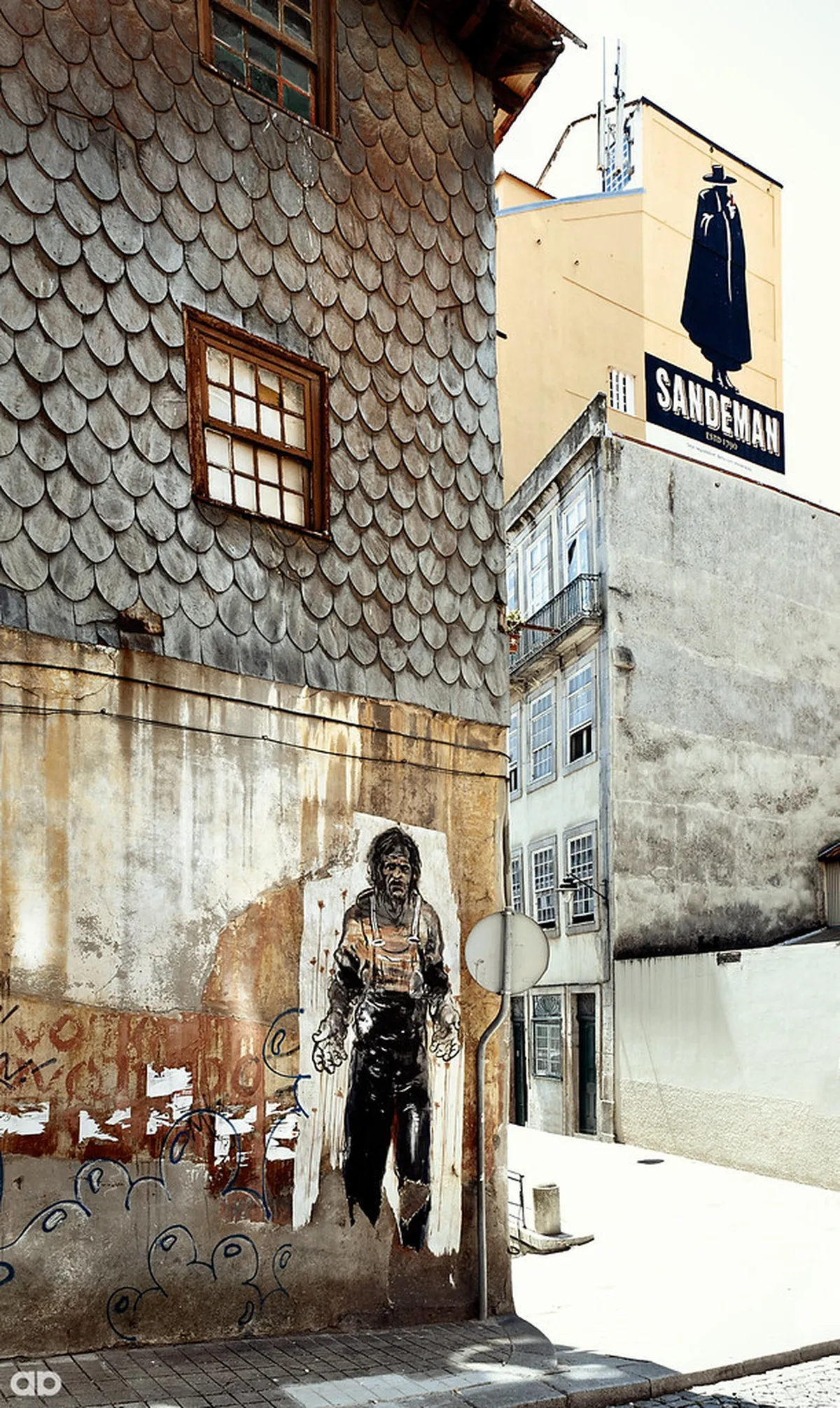
Porto feels like a city that has resisted the homogenizing forces of modern tourism. The narrow granite alleys of the Ribeira district are lined with weathered stone buildings where laundry hangs from wrought-iron balconies next to ancient churches covered in blue-and-white azulejo tiles. The atmosphere is gritty, authentic, and deeply romantic.
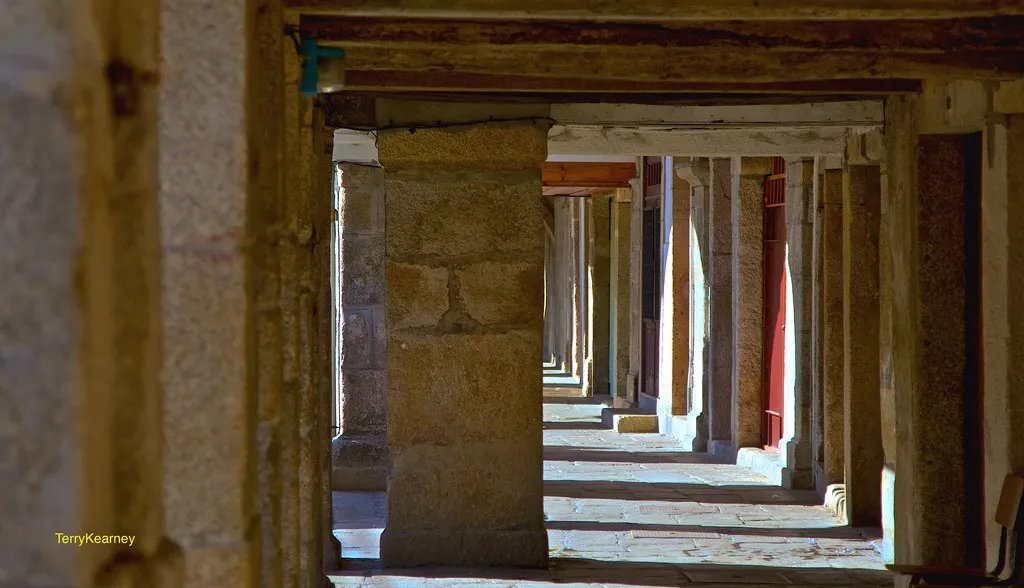
The pace of life is noticeably slower than in the capital. Locals take visible pride in their northern heritage and maintain a more reserved, understated demeanor than their Lisbon counterparts. Porto feels more like a large town than a major metropolitan center, and this intimacy makes it easy to feel connected to the local culture within two or three days.
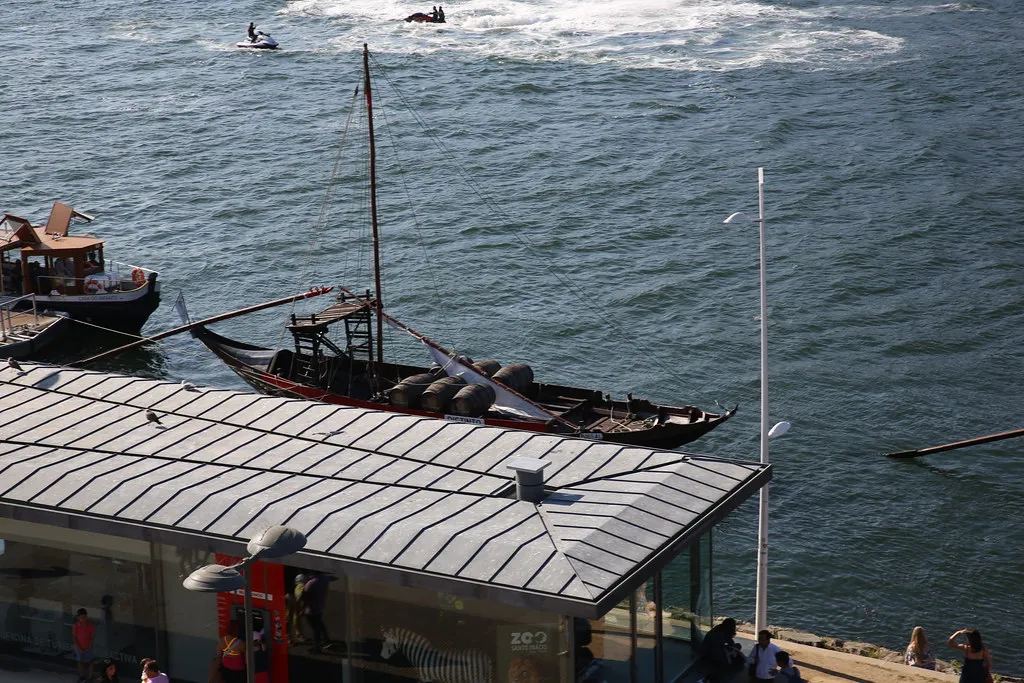
The city's personality is tied to the Douro River and the Ribeira riverfront, where the historic center drops steeply to the water. Walking through Porto involves constant elevation changes that are both physically demanding and visually rewarding. Every hill reveals a new perspective.
Lisbon: Grand, Cosmopolitan, and Electric
Lisbon offers a much more expansive and cosmopolitan feel. The capital is famous for its bright white limestone buildings, grand open plazas, and the wide Tagus River estuary that makes the city feel open to the sky. The mix of historic neighborhoods like Alfama and trendy modern districts like LX Factory creates a balance of old-world charm and contemporary energy.
English is widely spoken everywhere due to the large international expat community, and the cultural influences from former Portuguese colonies in Brazil, Angola, Mozambique, Cape Verde, and Goa create a diverse food and music scene. Lisbon feels alive around the clock, with a buzzing nightlife that Porto cannot match in scale.
The city's identity centers on its miradouros (viewpoints), its iconic yellow trams, and a relationship with the Atlantic that gives the light a distinctive quality found nowhere else in Europe. Lisbon is a city for those who love variety, walking different neighborhoods, and staying out late.
Top Sightseeing Compared
Porto's Best Sights
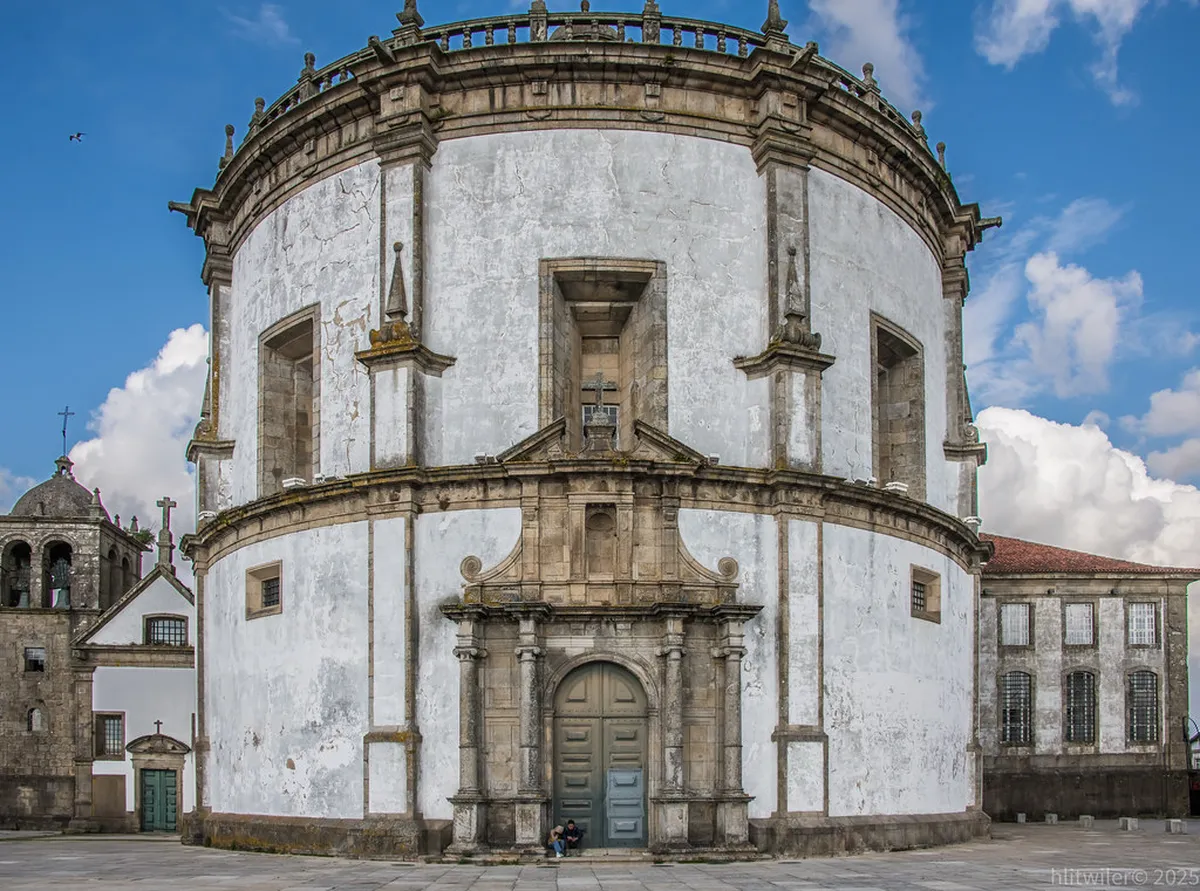
- Ribeira District and Dom Luis I Bridge: The UNESCO-listed medieval riverfront with the iconic double-deck iron bridge offering panoramic views. Free to walk.
- Livraria Lello: One of the world's most beautiful bookstores. Tickets from EUR 10. See our Lello Bookshop tickets guide for booking details.
- Sao Bento Train Station: 20,000 hand-painted azulejo tiles depicting Portuguese history. Free to visit.
- Clerigos Tower: 240 steps to the best panoramic view of the city. Entry EUR 8.
- Port Wine Cellars: World-famous wine lodges in Vila Nova de Gaia with guided tastings. From EUR 15. See our Port wine cellars guide.
- Bolhao Market: Renovated Art Nouveau food market with 80 traditional stalls.
Lisbon's Best Sights
- Belem Tower and Jeronimos Monastery: Iconic Manueline architecture on the Tagus waterfront. EUR 10 to EUR 12 each.
- Alfama District: Lisbon's oldest neighborhood with steep streets, Fado houses, and the Sao Jorge Castle (EUR 15).
- Tram 28: The famous yellow tram winds through Alfama, Graca, and Baixa. About EUR 3 per ride.
- Miradouros (Viewpoints): At least a dozen free panoramic viewpoints across the city's seven hills.
- Time Out Market: Curated food hall in Cais do Sodre with Lisbon's top chefs under one roof.
- LX Factory: Former industrial complex turned creative hub with shops, restaurants, and galleries.
For complete lists, see our guides to things to do in Porto and things to do in Lisbon.
Day Trip Options
Porto is the gateway to the Douro Valley wine region (2-hour train ride), the historic cities of Braga and Guimaraes, and the canal town of Aveiro. See our complete Porto day trips guide for routes and prices.
Lisbon offers easy access to the fairytale palaces of Sintra (40-minute train), the coastal town of Cascais, and the beaches of Setubal and Arrabida. See our day trips from Lisbon guide for full details.
Food and Dining: A Side-by-Side Comparison
Porto Food Culture
Porto's food identity is built on hearty, generous portions that reflect the city's working-class heritage. The Francesinha sandwich is the undisputed signature dish, a towering stack of meats, melted cheese, and spicy beer sauce that is uniquely Porto. Tripas a Moda do Porto (tripe stew) is the city's historic dish, and seafood including grilled sardines and bacalhau (salt cod) feature heavily on every menu.
Dining in Porto is noticeably cheaper than in Lisbon. A casual lunch costs EUR 8 to EUR 12 per person, and a dinner with wine at a good restaurant runs EUR 20 to EUR 30. Portions are enormous by European standards. For specific restaurant recommendations, see our Porto food tour and Francesinha guide.
Lisbon Food Culture
Lisbon's food scene is broader and more international, with influences from Brazil, Africa, and Asia alongside traditional Portuguese cuisine. The original Pasteis de Belem custard tarts are a must-eat, and the Time Out Market offers a curated selection of the city's best chefs. Traditional tascas in Alfama serve dishes like arroz de marisco (seafood rice) and amêijoas à Bulhão Pato (clams in garlic and cilantro).
Dining is more expensive than Porto but still affordable by Western European standards. A casual meal costs EUR 10 to EUR 15, and a dinner at a popular restaurant runs EUR 30 to EUR 45. Check our best restaurants in Lisbon guide.
Price Comparison Table
- Coffee (espresso/bica): Porto EUR 0.70 to EUR 1.00 vs Lisbon EUR 0.80 to EUR 1.20
- Casual lunch: Porto EUR 8 to EUR 12 vs Lisbon EUR 10 to EUR 15
- Dinner with wine: Porto EUR 20 to EUR 30 vs Lisbon EUR 30 to EUR 45
- Beer (draft, 330ml): Porto EUR 1.50 to EUR 2.50 vs Lisbon EUR 2.00 to EUR 3.50
- Pasteis de nata: Both cities EUR 1.00 to EUR 1.50
| Item | Porto | Lisbon |
|---|---|---|
| Coffee (espresso/bica) | EUR 0.70–1.00 | EUR 0.80–1.20 |
| Casual lunch | EUR 8–12 | EUR 10–15 |
| Dinner with wine | EUR 20–30 | EUR 30–45 |
| Beer (draft, 330ml) | EUR 1.50–2.50 | EUR 2.00–3.50 |
| Pasteis de nata | EUR 1.00–1.50 | EUR 1.00–1.50 |
Dining in Porto is noticeably cheaper than in Lisbon across every category. A casual lunch costs EUR 8–12 per person in Porto compared to EUR 10–15 in Lisbon, and portions in Porto are described as enormous by European standards.
Nightlife and Evening Entertainment
Lisbon: The Clear Winner for Nightlife
Lisbon's nightlife is legendary and operates on a much larger scale than Porto's. The narrow streets of Bairro Alto transform into an open-air bar crawl after 10:00 PM, with hundreds of tiny bars pouring drinks out of doorways onto the cobblestones. Pink Street in Cais do Sodre has become the fashionable late-night district with DJ bars and rooftop lounges that stay open until 4:00 AM or later.
Fado houses in Alfama provide a deeply emotional Portuguese musical experience. These intimate venues serve dinner while professional fadistas sing the saudade (longing) that defines Portuguese culture. Expect to pay EUR 25 to EUR 50 per person for dinner and a show at a quality Fado house.
Porto: Intimate and Wine-Focused
Porto's evening scene is more relaxed and intimate, centered around the Galerias de Paris street where a cluster of small bars offer live music and cocktails. The atmosphere is social and walkable but much smaller in scale than Lisbon's options.
The real evening highlight in Porto is crossing the river to Vila Nova de Gaia for Port wine tastings at the historic cellars. Many lodges offer evening sessions that combine tastings with river views. The combination of a tasting at Grahams or Taylors followed by a sunset walk back across the Dom Luis I Bridge is one of the most memorable evening experiences in Portugal. See the full Porto port wine cellars guide for 2026 prices, opening hours, and how to pick between houses by budget and wine style.
Costs and Budgeting for 2026
Porto is consistently the more budget-friendly option across nearly every spending category. The difference is most noticeable in accommodation and dining.
Accommodation
- Budget hostel: Porto EUR 20 to EUR 35/night vs Lisbon EUR 25 to EUR 45/night
- Mid-range hotel: Porto EUR 70 to EUR 120/night vs Lisbon EUR 90 to EUR 160/night
- Boutique/luxury: Porto EUR 150 to EUR 250/night vs Lisbon EUR 200 to EUR 400/night
For Porto accommodation advice, see our where to stay in Porto guide with neighborhood recommendations.
Daily Budget Estimates
- Budget traveler: Porto EUR 50 to EUR 70/day vs Lisbon EUR 65 to EUR 90/day
- Mid-range traveler: Porto EUR 100 to EUR 150/day vs Lisbon EUR 130 to EUR 200/day
- Luxury traveler: Porto EUR 250+/day vs Lisbon EUR 350+/day
Porto's smaller size also means you spend less on transport since most attractions are within walking distance. Lisbon's spread requires more metro, tram, and taxi usage to cover the main neighborhoods efficiently.
Weather and Best Time to Visit
Weather is one of the most significant differences between the two cities and often determines which one to visit during a particular season.
Lisbon Weather
Lisbon has milder winters and more sunshine throughout the year. Summer temperatures average 28 to 32 degrees Celsius with very little rain from June through September. Even winter months (December to February) see temperatures of 10 to 15 degrees with moderate rainfall. Lisbon averages around 2,800 hours of sunshine per year, making it one of the sunniest capitals in Europe.
Porto Weather
Porto experiences significantly more rain, especially from November through March. The city gets roughly 1,200mm of annual rainfall compared to Lisbon's 770mm. Winters are cooler at 5 to 12 degrees Celsius, and the famous Atlantic humidity can make it feel colder than the temperature suggests. However, Porto summers are pleasant at 20 to 27 degrees with long daylight hours.
Check our detailed best time to visit Porto guide for month-by-month weather data and crowd levels.
Season Recommendations
- Spring (April to June): Both cities are excellent. Porto's gardens bloom, and Lisbon warms up without summer crowds.
- Summer (July to August): Lisbon wins for beach access and guaranteed sunshine. Porto is warm but less scorching.
- Autumn (September to October): The best season for both. Lower prices, warm weather, and wine harvest season in the Douro.
- Winter (November to March): Choose Lisbon for better weather. Porto is atmospheric but expect rain on most days.
Porto receives roughly 1,200mm of annual rainfall — more than 50% more than Lisbon's 770mm — with the heaviest rain falling from November through March. If you are visiting Porto in winter, pack a waterproof layer and plan indoor activities like Port wine tastings and museum visits as backups.
Transport and Getting Around
Getting Between Porto and Lisbon
The Alfa Pendular high-speed train connects Porto Campanha station to Lisbon's Santa Apolonia or Oriente station in 2 hours 39 minutes. Tourist-class tickets cost EUR 28 to EUR 36 in 2026 when booked in advance. Trains run roughly every hour throughout the day. Budget bus services like Rede Expressos and FlixBus offer the same route for EUR 15 to EUR 22 but take 3.5 to 4 hours. Driving the A1 motorway takes about 3 hours with EUR 12 in tolls each way. For a full breakdown of all options with prices and booking tips, see the transport comparison table above.
Getting Around Porto
Porto's compact size is a major advantage. Most main attractions are within a 30-minute walk of each other, though the hills make this more tiring than the distance suggests. The modern metro system is clean and efficient, with Line D connecting the upper city to the riverfront and Gaia. An Andante rechargeable card costs EUR 0.60 plus EUR 1.20 per zone ride.
Getting Around Lisbon
Lisbon is more spread out and requires a combination of metro, bus, tram, and walking. The metro covers the main areas efficiently, and the iconic Tram 28 is both transport and tourist attraction. A rechargeable Viva Viagem card costs EUR 0.50 plus EUR 1.50 per metro ride. Taxis and ride-sharing apps are widely available and relatively affordable for cross-city trips (EUR 5 to EUR 12).
The Hill Factor and Physical Demands
Both cities are famous for their steep terrain, but the experience differs. Lisbon is called the City of Seven Hills, and its inclines are legendary. Porto's hills are equally demanding, particularly the climb from the Ribeira riverfront up to the city center, a vertical rise of about 60 meters through narrow, uneven streets.
Key differences in managing the hills include the following. Lisbon has more mechanical assistance in the form of funiculars, elevators (Elevador de Santa Justa), and the extensive metro system. Porto relies more on your legs, with the Funicular dos Guindais as the main hill-bypass option.
Both cities have uneven cobblestone sidewalks that become slippery when wet. Sturdy walking shoes with good grip are essential in both locations. Plan for frequent breaks at local cafes, which doubles as a way to rest while soaking in the atmosphere.
For travelers with limited mobility, Lisbon offers slightly better accessibility with more elevator and funicular options. However, both cities present challenges in their historic centers where narrow medieval streets were never designed for wheelchair access. Tuk-tuks are available in both cities for sightseeing without walking.
Which City Should You Choose?
Choose Porto If You Want
- A more intimate and authentic Portuguese experience
- World-class Port wine and hearty food at lower prices
- The iconic Ribeira riverfront and Douro Valley wine region
- A smaller, walkable city where three days covers the highlights
- A quieter, more romantic atmosphere with less tourist infrastructure
Choose Lisbon If You Want
- A larger, more cosmopolitan city with diverse neighborhoods
- Better nightlife, more restaurant variety, and international cuisine
- Better winter weather with more sunshine year-round
- Easy access to beaches, Sintra's palaces, and coastal towns
- A longer trip (four to five days recommended to explore properly)
Visit Both If You Can
The 3-hour train connection makes combining both cities straightforward. A classic 7 to 10 day itinerary covers 3 to 4 days in Lisbon, a day trip to Sintra, 2 to 3 days in Porto, and a day trip to the Douro Valley. See our Portugal 7-day itinerary for a complete route plan, or dive into the detailed Porto attractions guide and things to do in Lisbon to build your own schedule. For a full side-by-side itinerary with transport tips, see the 5, 7, and 10-day frameworks above.
Full Cost Comparison: Porto vs Lisbon in 2026
Below is a detailed side-by-side cost breakdown based on 2026 prices covering every major spending category. All figures are per person per day unless otherwise noted.
Daily Budget by Travel Style
| Category | Porto — Budget | Lisbon — Budget | Porto — Mid-Range | Lisbon — Mid-Range | Porto — Luxury | Lisbon — Luxury |
|---|---|---|---|---|---|---|
| Accommodation (per room/night) | EUR 20–35 | EUR 25–45 | EUR 75–130 | EUR 100–160 | EUR 180–280 | EUR 220–450 |
| Breakfast | EUR 3–5 | EUR 4–7 | EUR 6–10 | EUR 8–12 | EUR 15–25 | EUR 18–30 |
| Lunch | EUR 7–10 | EUR 9–13 | EUR 12–18 | EUR 15–22 | EUR 25–40 | EUR 30–50 |
| Dinner with drinks | EUR 15–22 | EUR 18–28 | EUR 28–40 | EUR 35–55 | EUR 55–90 | EUR 70–120 |
| Local transport | EUR 2–4 | EUR 3–7 | EUR 4–8 | EUR 6–12 | EUR 15–30 | EUR 20–40 |
| Sightseeing / entry fees | EUR 5–10 | EUR 8–15 | EUR 15–25 | EUR 20–35 | EUR 30–50 | EUR 40–70 |
| Total daily estimate | EUR 52–76 | EUR 67–95 | EUR 140–221 | EUR 184–296 | EUR 320–515 | EUR 398–760 |
Prices are 2026 averages. Peak-season (July–August) surcharges of 20–35% apply to accommodation in both cities. Accommodation figures assume shared cost of a double room between two travelers.
Key Cost Takeaways
- Porto runs 10–20% cheaper than Lisbon across every spending category in 2026. The gap is widest at the luxury end and narrowest on street food and public transport.
- The biggest single saving is on accommodation: a mid-range 4-star hotel in Porto averages EUR 75–130 per night, roughly EUR 25–30 less than its Lisbon equivalent.
- A budget traveler spending 4 days in each city saves roughly EUR 90–130 total by choosing Porto — approximately enough for two additional nights in a hostel.
- Free sightseeing skews heavily toward Porto: the Ribeira riverfront, Sao Bento station, and all miradouros are entirely free, keeping daily spend low even for explorers who hit every main sight.
Getting Between Porto and Lisbon: All Options with 2026 Prices
Choosing how to travel between the two cities is often the first practical decision after deciding to visit both. Here is every viable option with current costs and honest trade-offs.
| Option | Journey Time | Cost (one way) | Best For |
|---|---|---|---|
| Alfa Pendular train (tourist class) | 2h 39min | EUR 28–36 | Most travelers — fastest, most comfortable, city-center to city-center |
| Alfa Pendular (Conforto class) | 2h 39min | EUR 44–48 | Comfort upgrade with wider seats, ideal if booking last-minute (higher availability) |
| Intercidades train (2nd class) | 3h 15min | EUR 25–28 | Budget travelers — slightly slower and less plush, but still comfortable |
| Express bus (Rede Expressos / FlixBus) | 3h 30min–4h | EUR 15–22 | Tightest budgets — departs from Sete Rios (Lisbon) or Campo 24 de Agosto (Porto) every 30 minutes |
| Car rental / drive (A1 motorway) | ~3h | EUR 30–50 (car) + EUR 12 tolls each way | Travelers stopping at Coimbra, Aveiro, or Obidos en route; not recommended for city-only trips |
| Domestic flight (TAP/Ryanair) | ~45min flight + 2h airport time | EUR 35–90 | Almost never worth it — total door-to-door time equals or exceeds the train, at higher cost |
Practical Transport Tips
- Book Alfa Pendular at least 48 hours ahead in summer (July–August) — early morning departures sell out quickly. Book at cp.pt directly to avoid reseller fees.
- The train is city-center to city-center. Porto Campanha station has metro Line A/E connecting to central São Bento in 7 minutes (EUR 1.20). Lisbon Oriente and Santa Apolonia both connect directly to the metro.
- FlixBus is usually EUR 3–6 cheaper than Rede Expressos on the same route and uses the same journey time. Worth checking both on the same date.
- Driving makes sense if you plan to stop overnight in Coimbra (halfway point) or Aveiro (canal town, 1 hour south of Porto). Without those stops, parking costs in either city make the car less economical than the train.
Day-Trip Ecosystems Compared
One underrated factor in the Porto vs Lisbon decision is the quality and variety of day trips from each base. The two cities anchor very different regional itineraries.
Porto's Day-Trip Radius
- Douro Valley wine region (2h by regional train or 1h by car): terraced vineyards, quinta estates, river cruises, and harvest experiences. One of the most visually dramatic landscapes in Western Europe. See our Douro Valley day trip guide for route options.
- Braga (1h by train, EUR 4): Portugal's ecclesiastical capital with the spectacular Bom Jesus do Monte sanctuary and a vibrant student city center. Often called the most Portuguese city in Portugal.
- Guimaraes (1h by train, EUR 4): UNESCO-listed medieval center, birthplace of the Portuguese nation, and a walkable old town with one of the best-preserved medieval squares in Iberia.
- Aveiro (1h by train, EUR 8): Portugal's Venice, with colorful moliceiro boats navigating canals, Art Nouveau architecture, and the best ovos moles (egg sweets) in the country.
- Viana do Castelo (1.5h by train): charming coastal town with remarkable Romanesque-Manueline churches and a cable car to the Santa Luzia basilica.
See the full Porto day trips guide for transport details, entry prices, and recommended routes for each destination.
Lisbon's Day-Trip Radius
- Sintra (40min by train from Rossio, EUR 2.25): fairytale palaces perched in forested hills — Pena Palace, Quinta da Regaleira, and Monserrate Park. Portugal's single most-visited day trip. See our Sintra day trip guide.
- Cascais (40min by train from Cais do Sodré, EUR 2.25): Atlantic-facing resort town with excellent beaches, a lively fish market, and the wild Boca do Inferno cliffscape.
- Setubal and Arrabida Natural Park (1h by car or bus): arguably the most beautiful beach coastline in mainland Portugal, with turquoise water and white limestone cliffs. Harder to reach without a car.
- Obidos (1h by bus): perfectly preserved medieval walled village, ideal for a half-day excursion, particularly during the chocolate festival in March or the cherry liqueur (ginjinha) season. See our Obidos day trip guide.
- Evora (1.5h by train, EUR 14): UNESCO World Heritage city with Roman temple ruins, a bone chapel, and medieval walls. The best introduction to the Alentejo region.
Lisbon's day trips are better for beach lovers and palace enthusiasts; Porto's are better for wine and medieval heritage. Both cities reward a base-and-explore strategy, but Lisbon has a slight edge for variety if beach access matters to you.
How to Visit Both Porto and Lisbon: 5, 7, and 10-Day Itinerary Anchors
Most travelers who have time to visit both cities find the 3-hour train connection liberates them entirely from the either/or dilemma. Here are three realistic time frameworks.
5-Day Itinerary (Porto + Lisbon)
- Days 1–2 — Porto: Ribeira riverfront, Clerigos Tower, Sao Bento station, Livraria Lello, Port wine tasting in Gaia at sunset. Two days covers Porto's core highlights without rushing.
- Day 3 — Travel + Lisbon arrival: Morning Alfa Pendular train to Lisbon (2h 39min). Afternoon in Baixa-Chiado — arrive, check in, walk Praça do Comercio and the waterfront. Light exploration only.
- Days 4–5 — Lisbon: Day 4 covers Alfama, São Jorge Castle, Tram 28, and Bairro Alto in the evening. Day 5 covers Belem Tower, Jeronimos Monastery, and LX Factory.
Trade-off: 5 days is enough for city highlights only. No day trips. Sintra and the Douro Valley require a 7-day trip minimum.
7-Day Itinerary (Porto + Douro Valley + Lisbon + Sintra)
- Days 1–3 — Porto: Full city exploration across Ribeira, Gaia, Bolhao market, Miradouro da Serra do Pilar, and the neighborhoods of Bonfim and Cedofeita for local dining. See our Porto 2-day itinerary for a timed route.
- Day 4 — Douro Valley day trip: Regional train to Pinhao (2h), river cruise, quintas wine tasting, return to Porto for the evening.
- Day 5 — Travel to Lisbon: Morning train south. Afternoon exploring Alfama and the miradouros. Evening in Bairro Alto. See our Lisbon miradouros guide for the best viewpoints to hit first.
- Day 6 — Lisbon full day: Belem, Jeronimos, Time Out Market, LX Factory, Chiado evening.
- Day 7 — Sintra day trip: Early train from Rossio (40min). Pena Palace, Quinta da Regaleira, return to Lisbon for final evening. Book Pena Palace entry online — queues at the door reach 90+ minutes in summer.
This is the most popular framework for first-time Portugal visitors. Flies in/out of Lisbon to simplify logistics. Porto arrival by train from Lisbon on Day 1, or fly direct to Porto and end in Lisbon.
10-Day Itinerary (Porto + North + Lisbon + Coast)
- Days 1–4 — Porto base: City exploration on Days 1–2. Day 3: Braga and Guimaraes day trip. Day 4: Douro Valley. See the Porto attractions guide for a full priority list across the city.
- Day 5 — Drive or train south: Stop in Coimbra (1h south of Porto) for lunch and the old university. Continue to Lisbon in the afternoon.
- Days 6–8 — Lisbon base: Day 6: Alfama, Fado dinner. Day 7: Belem, riverside neighborhoods. Day 8: Chiado, Principe Real, rooftop bars.
- Day 9 — Sintra or Cascais: Choose based on weather. Sintra for cultural depth, Cascais for beach relaxation.
- Day 10 — Coastal or Setubal: Arrabida Natural Park (car recommended) for the finest beaches in mainland Portugal, or spend the final day in Lisbon exploring any remaining neighborhoods.
Ten days allows for a genuinely unhurried trip. The Lisbon–Porto–Lisbon loop works on the A1 by car (3h each way, EUR 12 tolls) if you want more flexibility mid-trip. For a first-timer's complete route, see our Lisbon, Porto & Sintra first-timer guide.
The Porto vs Lisbon Decision Guide: Pick Your Match
If you are still undecided, use the checklist below to match your travel style with the right city. Both cities are excellent; this is about fit, not ranking.
Pick Porto If...
- You have already visited a few European capitals and want something less polished and more locally rooted. Porto rewards curiosity more than Lisbon does.
- Your trip is 2–3 days. Porto's compact size means you cover the essentials without a car or excessive transport spending. Lisbon needs 4+ days to do it justice.
- Wine is central to your trip. The Port wine lodges in Gaia and the Douro Valley wine region are among the finest wine experiences in the world. Lisbon has no equivalent.
- You are traveling on a tight budget. Porto runs 10–20% cheaper across every category. On a EUR 65/day budget, Porto is comfortable; Lisbon is stretched.
- You prefer moody, photogenic atmosphere over beach and nightlife. Porto's granite alleys, azulejo-tiled churches, and riverside fog create a visual intensity that Lisbon's sunnier streets do not replicate.
- You want genuine, non-tourist-facing food. A Francesinha at a corner tasca in Porto is one of the most authentic and memorable meals in Portugal.
Pick Lisbon If...
- It is your first time in Portugal and you want the broadest possible introduction. Lisbon's variety of neighborhoods, landmarks, and day trips makes it the better single-city introduction to the country.
- You are traveling in December, January, or February. Lisbon's 2,800 annual sunshine hours and mild winters make it one of Europe's best off-season destinations. Porto in winter is atmospheric but expects rain most days.
- Nightlife is a priority. Bairro Alto, Pink Street, and Alfama's Fado houses operate at a scale and variety that Porto simply cannot match.
- You want easy beach access. Cascais and the Estoril coastline are 40 minutes from central Lisbon. Porto's nearest beaches are pleasant but require more planning.
- You are flying long-haul. Lisbon's Humberto Delgado Airport (LIS) has significantly more direct routes from North America and the Middle East than Porto's Francisco de Sá Carneiro Airport (OPO). Saves an internal connection.
- You have children or travelers with mobility limitations. Lisbon has more mechanical alternatives to walking hills (the Bica and Gloria funiculars, Elevador de Santa Justa, comprehensive metro), though both cities have steep, cobbled streets in their historic cores.
Visiting Both: Who Should
Anyone with 6 or more days and a genuine interest in Portugal should visit both. The cities are complementary, not redundant — they appeal to different parts of what makes Portugal exceptional. The 3-hour train is easy, affordable (EUR 28–36), and runs roughly every hour. Splitting your trip between both costs almost nothing extra in transport and delivers dramatically more depth than a longer stay in either city alone.
The classic first-timer's route: fly into Lisbon → 3 days Lisbon + Sintra → Alfa Pendular to Porto → 3 days Porto + Douro Valley → fly home from Porto (or back to Lisbon). This is the framework behind our Portugal first-timer guide, which covers logistics, neighborhood-by-neighborhood hotel picks, and daily schedules for each city.
Frequently Asked Questions
Is Porto or Lisbon better for a first-time visit to Portugal?
Lisbon is generally better for first-time visitors because it offers more variety and iconic landmarks, including Belem Tower, Alfama, and Tram 28. The capital provides a broader introduction to Portuguese culture, cuisine, and history. However, Porto is the better choice if you prefer a smaller, more romantic city with Port wine, the Francesinha, and the stunning Ribeira riverfront. Both are excellent, so the real question is your personal travel style.
How many days do I need for Porto and Lisbon?
Plan for 2 to 3 full days in Porto and 3 to 4 days in Lisbon. Porto's compact size means you can see the major sights efficiently, while Lisbon's spread-out neighborhoods and day trip options (Sintra, Cascais) justify extra time. If visiting both, a 7 to 10 day trip works well with the 3-hour train connection between the cities.
Which city is cheaper: Porto or Lisbon?
Porto is consistently cheaper across accommodation, dining, and activities. A mid-range daily budget in Porto is EUR 100 to EUR 150 compared to EUR 130 to EUR 200 in Lisbon. The biggest savings are on meals (EUR 8 to EUR 12 lunch in Porto vs EUR 10 to EUR 15 in Lisbon) and hotels (EUR 70 to EUR 120/night mid-range in Porto vs EUR 90 to EUR 160 in Lisbon).
Which city has better weather?
Lisbon has significantly better weather with roughly 2,800 hours of sunshine per year compared to Porto's more frequent rain, especially from November through March. Porto gets about 1,200mm of annual rainfall versus Lisbon's 770mm. Summer weather is pleasant in both cities, but Lisbon is the clear choice for winter travel with milder temperatures and more dry days.
How do I travel between Porto and Lisbon?
The fastest option is the Alfa Pendular high-speed train, taking 2 hours 45 minutes to 3 hours 15 minutes at a cost of EUR 25 to EUR 45 per ticket. Trains depart roughly hourly from Porto Campanha to Lisbon Santa Apolonia or Oriente. Budget buses (Rede Expressos, FlixBus) cost EUR 15 to EUR 25 but take 3.5 to 4 hours. Driving the A1 motorway takes about 3 hours plus EUR 12 in tolls.
Can I visit both Porto and Lisbon in one week?
Yes, one week is enough to see the highlights of both cities. A typical itinerary allocates 3 days in Lisbon (with a day trip to Sintra), a 3-hour train transfer, then 3 days in Porto (with a day trip to the Douro Valley). This gives you enough time to explore the main sights, eat well, and enjoy the atmosphere of each city without feeling rushed. See our Portugal 7-day itinerary for a detailed plan.
Porto and Lisbon are two of Europe's most compelling cities, and the good news is that choosing between them is not strictly necessary. The 3-hour train makes a combined trip easy, and many travelers who visit one immediately start planning a return to the other.
If forced to choose a single city for 2026, pick Porto for intimacy, affordability, and wine culture, or Lisbon for variety, nightlife, and sunshine. Both destinations deliver exceptional food, stunning views, and the warm Portuguese hospitality that makes this country one of the best travel destinations in Europe.
Whichever city you choose, the cobblestone streets, azulejo-covered buildings, and unforgettable river views will stay with you long after you return home.

 Porto To Aveiro By Train Travel GuideJune 8, 2026