
Where to Stay in Porto: 2026 Neighborhood Guide for Every Traveler
Porto's 6 main neighborhoods broken down by vibe, walkability, and traveler type — Ribeira for the iconic experience, Vila Nova de Gaia for views, Cedofeita for local character.
On this page
Porto is compact enough that almost any central neighborhood puts you within walking distance of the main sights, but the right pick still depends on what you want your trip to feel like. Do you want to wake up to river views and the sound of seagulls in the UNESCO old town? Prioritize flat streets and metro access so luggage is not a nightmare? Trade tourist crowds for design shops and indie cafés? Or sleep across the river in Vila Nova de Gaia with the postcard skyline framed by your hotel window? This 2026 guide breaks down the six neighborhoods most visitors actually consider — Ribeira, Baixa and Aliados, Cedofeita, Vila Nova de Gaia, Boavista, and Foz do Douro — with honest pros, cons, price ranges, and who each area is best for. For a full picture of the city before you book, start with our Porto attractions guide and our deep-dive Porto neighborhoods guide. Once you know where you are sleeping, see our things to do in Porto for building your itinerary.
How to choose a Porto neighborhood
Porto's historic core sits on steep granite hills tumbling down to the Douro River. That geography shapes everything — including where you should sleep. Before picking a hotel, work through these four trade-offs:
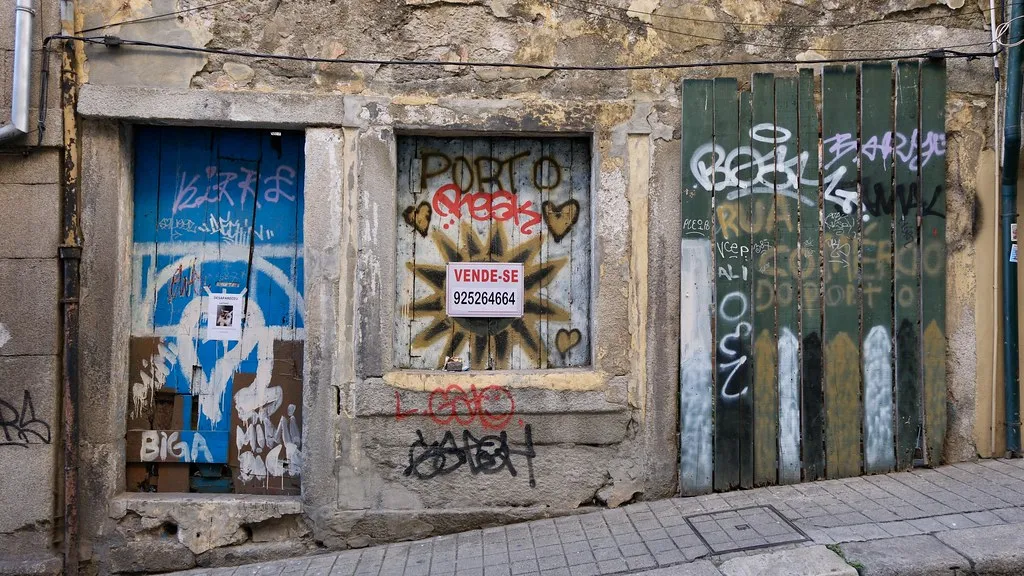
- Walkability vs hills. Ribeira and the streets climbing up to the Sé cathedral are beautiful but brutal with luggage. Baixa and Cedofeita sit on flatter ground and are far easier on the knees.
- Nightlife vs quiet. Ribeira and Galerias de Paris (near Aliados) are buzzing until late. Foz do Douro and Boavista are residential and calm after 10pm.
- River views vs central transit. You can have atmospheric views (Ribeira, Gaia) or excellent metro and train links (Baixa, near São Bento), but rarely both in the same room.
- Budget vs upscale. Cedofeita and parts of Baixa still have mid-range guesthouses around €80-120 a night in 2026, while riverfront boutique hotels climb to €200+.
Quick rule of thumb: first-time visitors staying 2-3 nights should pick Ribeira or Baixa. Repeat visitors or anyone staying 4+ nights often prefer Cedofeita or Foz for a more local rhythm.
| Neighborhood | Flat Streets | Metro Access | River Views | Nightlife | Mid-Range Price (2026) |
|---|---|---|---|---|---|
| Ribeira | No — steep & cobbled | Indirect | Yes — iconic | Busy until midnight | €100–€150 |
| Baixa / Aliados | Yes | Yes — 3 lines at Trindade | No | Rowdy on weekends | €85–€130 |
| Cedofeita | Mostly flat | Yes — via Trindade | No | Quiet after dinner | €70–€110 |
| Vila Nova de Gaia | Hilly riverside | Line D | Yes — best skyline | Touristy strip | €110–€160 |
| Boavista | Yes | Yes — line A (fastest to airport) | No | Calm after 10pm | €100–€150 |
| Foz do Douro | Yes — promenade | Tram 1 / Bus 500 | Ocean views | Calm after 10pm | €100–€140 |
Ribeira — atmospheric riverfront
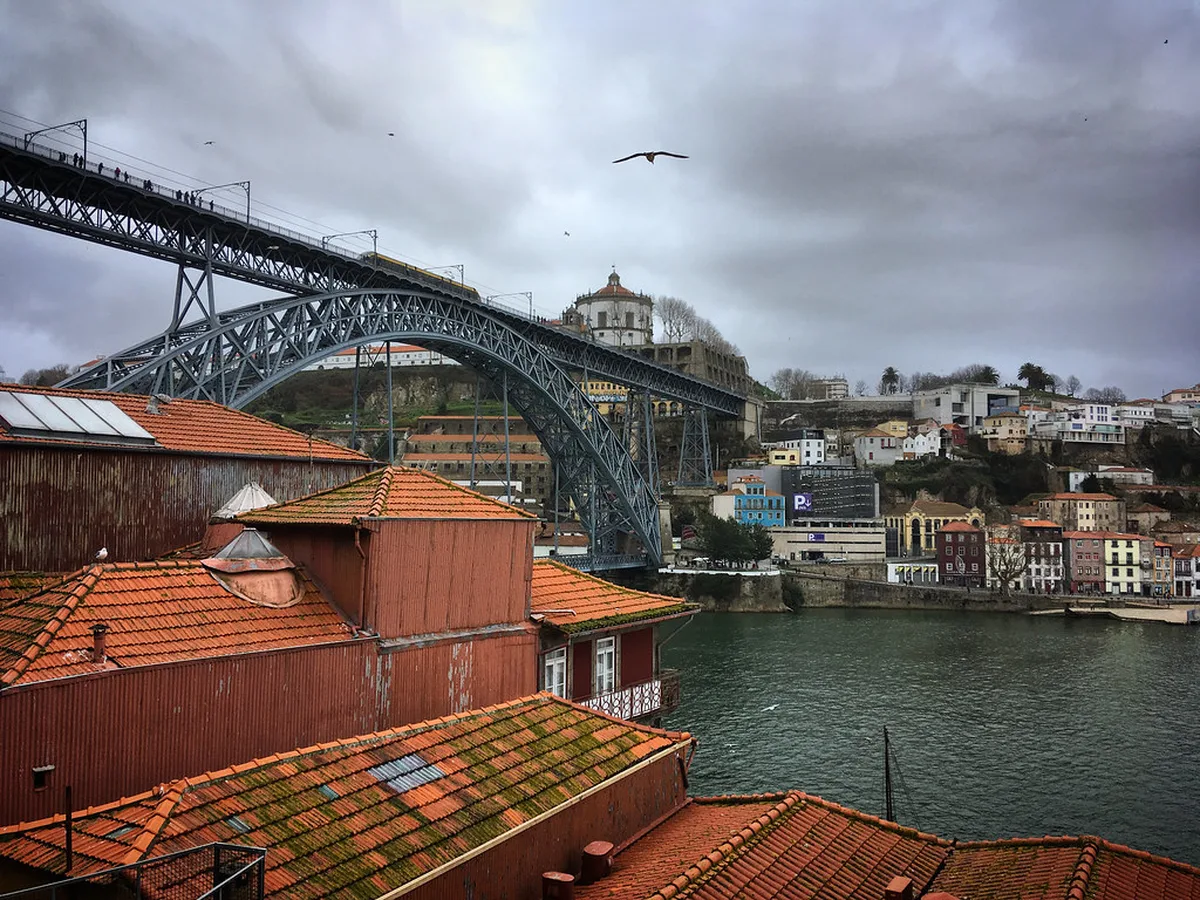
Ribeira is the Porto of every postcard: tangled medieval lanes, tiled façades stacked like dominoes, and the Douro sliding past the Ponte Luís I iron bridge. It is a UNESCO World Heritage site and, unsurprisingly, where most first-time visitors gravitate. Staying here means stepping out your door into the iconic view rather than hiking to it.
Pros. Unbeatable atmosphere, riverfront restaurants a few steps away, the Sé cathedral and São Francisco Church within a 10-minute walk, and some of Porto's best sunsets from your own balcony if you book carefully. You can walk across the lower deck of Ponte Luís I into Vila Nova de Gaia in about 7 minutes.
Cons. The streets are steep, cobbled, and frequently stepped — rolling luggage is painful. Ribeira is also the most touristy part of Porto, which means restaurant prices run 20-30% higher than in Cedofeita and quieter residential streets can still get loud around the Cais da Ribeira promenade until midnight.
2026 hotel prices. Expect €100-150 per night for mid-range guesthouses, €150-250 for boutique hotels with river views, and €300+ for the few five-star properties right on the quay. Book 6-8 weeks ahead for May-September and December holidays.
Best for. First-time visitors on short trips who want the iconic Porto experience and do not mind stairs. Couples celebrating a special occasion. Photographers.
Ribeira boutique hotels with river-view balconies book out 6–8 weeks ahead for the May–September peak and December holidays. Booking a room one street back from Cais da Ribeira cuts noise significantly while keeping the same 10-minute access to the waterfront.
Baixa & Aliados — central transit hub
Baixa is Porto's downtown — the area fanning out around Avenida dos Aliados, Praça da Liberdade, and São Bento station. This is where the beaux-arts city hall, the azulejo-covered São Bento train hall, and most of the big shopping streets are. Crucially, it sits on comparatively flat ground and is served by three metro lines.
Pros. The easiest base logistically. You can roll luggage from São Bento station straight to your hotel in most cases, reach the airport by metro in 30 minutes, and walk downhill to Ribeira in 10-12 minutes. Bolhão market, Livraria Lello, Clérigos Tower, and the Majestic Café are all within a 5-minute radius.
Cons. Less "wow" factor than Ribeira — you are in a working city center, not a medieval film set. A few blocks around Rua das Galerias de Paris and Rua de Cândido dos Reis get rowdy on weekend nights, so choose a hotel one street back if you are a light sleeper.
2026 hotel prices. Mid-range three-star hotels typically run €85-130 per night. Design-led four-star properties on or just off Aliados land at €140-200. Several well-reviewed hostels offer private rooms from €55.
Best for. First-time visitors prioritizing convenience, travelers arriving by train, families with strollers, and anyone who values an easy trip over maximum atmosphere. If it is your first visit and you cannot decide between Ribeira and Baixa, Baixa is usually the safer pick. Staying here also makes the classic Porto 2-day itinerary very walkable — most key stops on day one are within a 10-minute radius.
Cedofeita — bohemian and chic
Cedofeita stretches north of Aliados along Rua de Cedofeita and Rua do Rosário. A decade ago it was a forgotten stretch of shuttered storefronts; today it is Porto's design district, with concept stores, independent bookshops, ceramics studios, third-wave coffee shops, and a growing clutch of street art. Miguel Bombarda street anchors the gallery scene and hosts simultaneous art openings several times a year.
Pros. A far more local feel than Ribeira or Baixa, genuinely good coffee and brunch (a rarity in central Porto), walkable streets that are mostly flat, and prices roughly 15-25% lower than riverfront equivalents. You are still only 15-20 minutes on foot from the main sights.
Cons. Fewer big-brand hotels — most options are guesthouses, apartments, or small boutiques, so availability tightens quickly in peak season. After dinner the streets empty out; if you want a buzzy nightlife scene on your doorstep this is not it.
2026 hotel prices. Guesthouses and studios run €70-110 per night. Boutique four-star design hotels around Praça Carlos Alberto sit at €120-170.
Best for. Repeat visitors, solo travelers, design-minded couples, and anyone wanting a neighborhood that feels lived-in rather than curated for tourists.
Vila Nova de Gaia — across the river
Technically a separate city, Vila Nova de Gaia hugs the south bank of the Douro directly opposite Ribeira. This is where every port wine lodge you have heard of — Graham's, Taylor's, Sandeman, Ferreira, Cálem — has its cellars carved into the hillside. Staying here puts the picture-perfect view of Porto out your window rather than behind you.
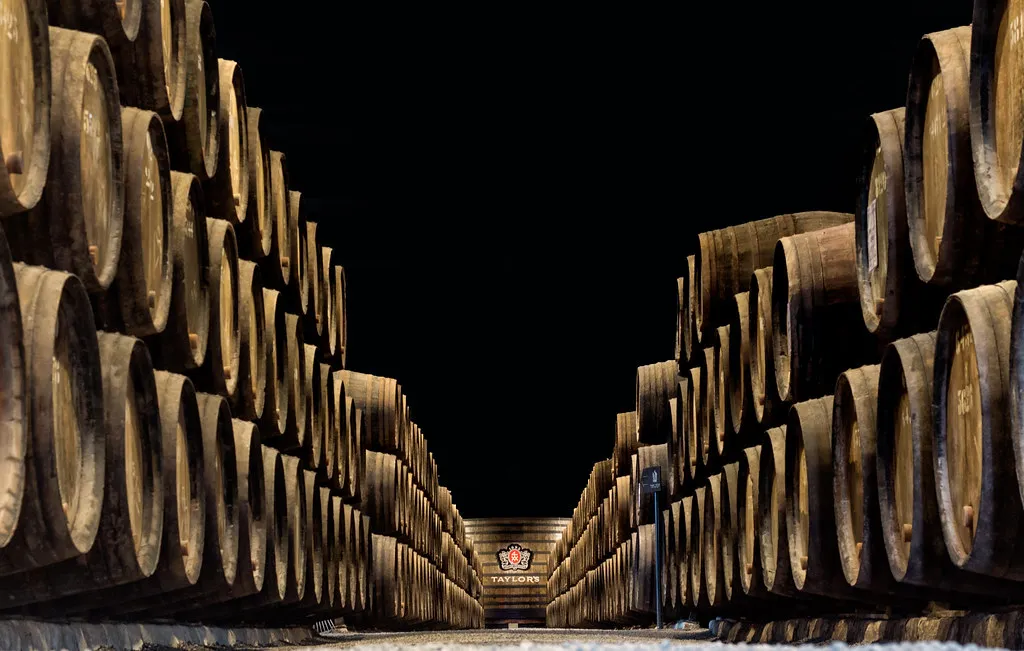
Pros. The best skyline views in the whole region, especially at sunset when Ribeira glows gold across the water. Immediate access to port wine tastings — many lodges do 45-minute tours with 2-3 glasses for €20-30 in 2026. The rooftop bars along Rua do Choupelo and the new WOW (World of Wine) district offer some of Porto's best elevated dining. For a deeper dive into the lodges themselves, see Porto port wine cellars guide.
Cons. Seeing Porto itself requires crossing the bridge every time you go out, which is fine on foot (7-10 minutes on the lower deck) but adds up over a 3-day stay. Metro line D connects Gaia to central Porto but stations are spaced out. The riverfront strip can also feel touristy and slightly generic compared to the atmospheric tangle of Ribeira.
2026 hotel prices. Mid-range riverfront hotels run €110-160 per night. Upscale boutiques with balconies facing Ribeira hit €180-280. The Yeatman, Gaia's famous luxury property, starts around €350.
Best for. Couples on romantic trips, wine-focused travelers, repeat visitors who have already "done" central Porto, and photographers chasing the classic skyline shot.
Boavista & Foz do Douro
Boavista is Porto's modern business district, centered on the massive Rotunda da Boavista roundabout and the Casa da Música concert hall. Keep heading west and the city opens onto Foz do Douro — the leafy, upscale seaside neighborhood where the Douro River meets the Atlantic. Foz has a promenade, sandy beaches, surf schools, and some of Porto's best seafood restaurants.
Pros. Quiet, residential, and refreshingly uncrowded. Foz in particular feels more like a Mediterranean resort than a historic city center, with ocean sunsets and a relaxed pace that suits longer stays. Boavista has the best concentration of international-brand business hotels with pools and gyms. Tram line 1 runs along the Douro from Ribeira all the way to Foz — a scenic 25-minute ride that doubles as a sightseeing trip.
Cons. You are 15-25 minutes by tram, bus, or Uber from the main sights. Not ideal for a 2-night first-time trip where every minute counts. Dining and activity options thin out after 10pm.
2026 hotel prices. Four-star chain hotels in Boavista run €100-150. Boutique properties in Foz near the ocean land at €130-200.
Best for. Travelers staying 5+ nights, families wanting beach access, summer visitors, and anyone who prioritizes calm and fresh Atlantic air over being in the thick of things.
2026 Hotel Price Tiers by Neighborhood
Use this table to match your budget to the right area at a glance. Prices are per room per night for a standard double in 2026 peak season (June–September); shoulder season (March–May, October) typically runs 20–25% lower. For a full breakdown of each neighborhood's character, read the individual sections above or explore our Porto neighborhoods guide.
| Neighborhood | Budget (<€90) | Mid-Range (€90–€160) | Luxury (>€160) |
|---|---|---|---|
| Ribeira | Few options; some guesthouses from €85 | €100–€150 (mid guesthouses) | €150–€300+ (boutique river-view hotels) |
| Baixa / Aliados | Hostel private rooms from €55–€75 | €85–€130 (3-star hotels) | €140–€200 (design 4-star on Aliados) |
| Cedofeita | Studios/guesthouses from €70 | €70–€110 (guesthouses) | €120–€170 (boutique design hotels) |
| Vila Nova de Gaia | Limited — primarily mid and above | €110–€160 (riverfront mid hotels) | €180–€350+ (The Yeatman from ~€350) |
| Boavista | Some business hotels from €80 | €100–€150 (international chains) | €150–€220 (upscale chains with pools) |
| Foz do Douro | Few options in this range | €100–€140 (guesthouses) | €130–€200 (boutiques near the ocean) |
| Bonfim / Marquês | Best budget zone: from €50–€80 | €80–€120 (guesthouses, apartments) | Few luxury options — mainly budget/mid |
Budget tip for 2026: Bonfim (east of Baixa) and Marquês (north of Cedofeita) are Porto's two most affordable base neighborhoods — prices run 20–30% below Ribeira equivalents. Both are served by metro and are 15–20 minutes on foot from the main sights. If your priority is stretching the budget without sacrificing location, these two areas are worth considering before defaulting to Baixa.
Best Porto Neighborhood by Traveler Type
The "best" neighborhood depends almost entirely on why you are visiting and how you travel. Here is a direct answer for each traveler profile based on 2026 conditions:
- First-time visitors (2–3 nights): Stay in Baixa for the easiest, most efficient trip. You can roll luggage from São Bento station, walk to all major sights, and take the metro to the airport without a taxi. If atmosphere trumps logistics, choose Ribeira instead — just accept the cobblestone hills. Read our Porto first-timer guide before booking.
- Couples on a romantic trip: Ribeira for the iconic Porto experience, or Vila Nova de Gaia if you want unobstructed skyline views and easy access to port wine tastings. Both neighborhoods have candlelit riverfront restaurants and sunset terraces.
- Families with children: Baixa (flat streets, metro, stroller-friendly) or Foz do Douro (ocean beaches, promenades, less traffic, quieter pace). Foz works best for stays of 4+ nights when the 25-minute commute to central sights is worth the space and calm.
- Budget travelers: Bonfim or Marquês — Porto's most affordable areas with good metro links. Cedofeita is the step-up if you want slightly more character without paying Ribeira prices.
- Design and culture seekers: Cedofeita without question. This is where independent galleries, concept stores, ceramics studios, and Porto's best third-wave coffee are concentrated.
- Nightlife seekers: Stay within walking distance of Galerias de Paris (the nightlife strip near Aliados) — the Baixa and northern edge of Ribeira are best placed. Being a 5-minute stumble home rather than a 20-minute Uber is genuinely useful here.
- Business travelers: Boavista has the highest concentration of international-brand business hotels with gyms, pools, and meeting facilities. Nonstop options on metro line A reach the airport in around 30 minutes.
- Returning visitors: Cedofeita, Foz do Douro, or Bonfim — whichever you have not tried yet. Each offers a distinctly different Porto from the tourist-facing Ribeira experience you likely had on visit one.
- Wine-focused travelers: Vila Nova de Gaia for immediate cave access, or Ribeira if you want the same bridge views without crossing over every time. See our Porto port wine cellars guide for lodge recommendations.
Getting Around from Each Porto Neighborhood
Transport access varies significantly by area. This matrix covers the three journeys most visitors need to make: reaching the airport, getting to the riverfront (if you are not already there), and connecting to São Bento station for trains. For a full breakdown of every option — metro, tram, bus, and taxi — see our Porto airport transport guide and our guide to Porto metro, tram, and public transport.
| Neighborhood | Airport (Aeroporto) | Ribeira / Waterfront | São Bento Station |
|---|---|---|---|
| Ribeira | Metro line E via Trindade: ~35 min, €2.15 | You are here | 10–12 min on foot uphill |
| Baixa / Aliados | Metro line E from Trindade (3 stops): ~30 min | 10–12 min walk downhill | 3–5 min walk |
| Cedofeita | Metro line B/C/E from Trindade: ~35 min | 15–20 min walk / 10 min bus | 12–15 min walk |
| Vila Nova de Gaia | Metro line D from João de Deus: ~40 min | 7–10 min walk across Ponte Luís I | 7–10 min walk across bridge + uphill |
| Boavista | Metro line A from Casa da Música: ~25 min (fastest from city) | 20–25 min by bus / Uber | 20 min metro + walk |
| Foz do Douro | Bus 500 to Campanhã + metro: ~50 min total | Tram 1 (scenic): ~25 min | Bus or Uber: ~20 min |
Key transport facts for 2026: A single metro ticket costs €1.35 on an Andante card (reusable, €0.60 card fee). Airport metro (zone 4) costs €2.15. The iconic Tram 1 runs from Infante (Ribeira) west through Foz; it is slow (30+ min) but scenic and worth doing at least once. Ride-hailing via Uber and Bolt runs €8–€15 for most city-center-to-neighborhood journeys and is usually available within 3–5 minutes in 2026.
The fastest route from any central Porto neighborhood to the airport is metro line E from Trindade — 30 to 35 minutes and €2.15 on an Andante card. Boavista (Casa da Música stop on line A) is actually the quickest city base at around 25 minutes, making it a smart choice for early-morning departures.
Frequently Asked Questions
Where should first-time visitors stay in Porto?
For a first 2-3 night visit, stay in Baixa (around Aliados and São Bento station) or Ribeira. Baixa is the easier logistical choice — flat streets, metro access, walking distance to everything. Ribeira wins on atmosphere but involves stairs and cobbles. Both put you within 10 minutes on foot of the main sights. For planning what to do once you arrive, see things to do in Porto.
Is Ribeira too touristy to stay in?
Ribeira is touristy, yes, but it is also genuinely beautiful and atmospheric in a way no other neighborhood matches. Restaurant prices along the Cais da Ribeira quay run 20-30% higher than the rest of the city, and evenings can be noisy. If you want the iconic Porto feeling and only have 2-3 nights, it is still worth it — just book a hotel one street back from the riverfront for quieter sleep.
Is Vila Nova de Gaia a good base for seeing Porto?
Gaia is a great base if your priorities are port wine, river views, and romance — less so if you want to maximize time inside central Porto. Every outing involves crossing Ponte Luís I, which is pleasant but adds 15-20 minutes round trip. For wine-focused couples on 3+ night trips, it is excellent. For a whirlwind first visit, Ribeira or Baixa are more efficient.
How much do Porto hotels cost in 2026?
Budget guesthouses and hostels with private rooms start around €55-75 per night. Mid-range three-star hotels in Baixa or Cedofeita run €85-130. Boutique four-star hotels sit at €130-200. Riverfront and upscale properties in Ribeira or Gaia climb to €200-350. Prices peak June-September and during New Year; shoulder season (March-May and October) often runs 20-25% lower. For timing advice, see best time to visit Porto.
Should I stay near São Bento station?
Yes, if logistics matter. São Bento is central, served by metro line D, and directly connected to Porto's Campanhã station (where long-distance trains from Lisbon and Madrid arrive) in 3 minutes. Staying within a 5-minute walk of São Bento means you can roll luggage straight from the platform to your hotel and be walking distance from Ribeira, Clérigos Tower, Bolhão market, and Livraria Lello.
What is the cheapest area to stay in Porto in 2026?
Bonfim (east of Baixa) and Marquês (north of Cedofeita) are the most affordable neighborhoods for visitors in 2026. Both have guest houses and apartments from €50–€80 per night and sit within 15–20 minutes' walk of the main sights. If you want to stay in a more central area on a budget, Baixa has hostel private rooms from €55 and budget three-star options from €85. Ribeira is the most expensive neighborhood — budget options there are rare.
Is it safe to walk around Porto at night?
Porto is generally very safe by European standards. Central areas — Ribeira, Baixa, and Cedofeita — are well-lit and busy most evenings. The Galerias de Paris nightlife strip near Aliados can feel rowdy after midnight on weekends but is not dangerous. Foz do Douro and Boavista are calm residential neighborhoods after 10pm with little street activity. For first-timers, standard city-travel precautions (watch your bag, use well-lit routes) are sufficient.
 Porto To Aveiro By Train Travel GuideJune 8, 2026