
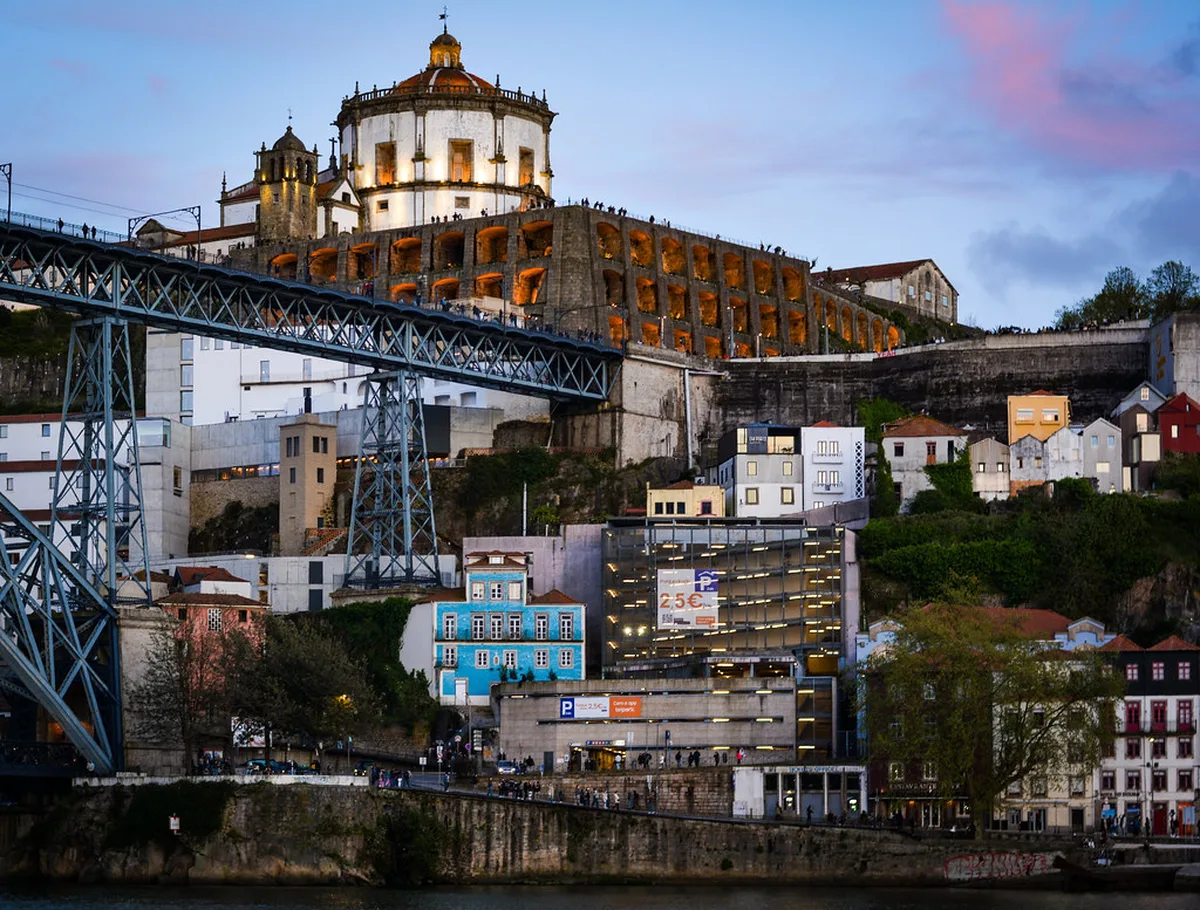
Best Time to Visit Porto: Month-by-Month Guide for 2026
Porto works year-round, but the honest best time depends on what you want. This 2026 guide covers weather, festivals, budget windows, and a month-by-month breakdown.
On this page
Porto is a year-round city, and anyone who tells you there's only one "best" month is selling you something. The honest answer depends on what you actually want from the trip. Sun-soaked patios on the Ribeira and the all-night chaos of São João? Lock in late June. Empty pastel-de-nata queues and 35% off your hotel? Show up in January and pack a jacket. Long evenings, warm river swims, and harvest light over the Douro vineyards? September is your month.
I've spent every season in Porto, from soaked-through November weekends to scorching August day trips up the valley, and the patterns are consistent. This guide breaks down each season honestly — weather, prices, festivals, crowds, and the trade-offs nobody tells you about. If you want a broader look at what to do once you arrive, see things to do in Porto for the full city playbook.
For the full country picture, see our complete best time to visit Portugal guide which compares Porto to Lisbon, the Algarve, and Alentejo.
Quick answer — when is the best time to visit Porto
TL;DR: May, June, and September are the sweet spots. You get warm-but-not-hot weather (18–25°C), long daylight hours, festivals if you time June right, and the Douro looking its best. Hotel prices are 15–25% below July-August peak, and the queues at Livraria Lello and Clérigos Tower are manageable.
July and August are warm, dry, and the busiest months — fine if you book three months ahead and don't mind crowds. November through February is cheap and quiet, with hotel rates 30–40% lower, but expect rain on roughly half the days and short daylight (sunset by 5:30pm in December). April and October are gambles: they can deliver postcard weather or a full week of drizzle, and you won't know until you arrive.
If you only have one week and want one safe bet, fly in the second week of June. Festivals are in full swing, weather is reliable, and the harvest crowds haven't hit yet.
Porto weather by season
Porto sits on the Atlantic coast at the same latitude as New York, but the Gulf Stream keeps winters mild and the ocean breeze keeps summers from broiling. There's no extreme weather to plan around — just rain in winter and the occasional August heat spike inland.
Spring (March–May): Temperatures climb from 13°C to 21°C. March is still wet — expect 12–15 rainy days — and the Douro hillsides are vivid green from winter rain. By late April the patios start filling, and May is reliably mild and dry, with daytime highs of 19–21°C and around 8 rainy days for the month. Pack a light jacket and an umbrella.
Summer (June–August): Daytime highs run 22–28°C, with August occasionally pushing 30°C. Humidity stays low because the prevailing wind comes off the Atlantic, so even the hottest afternoons feel manageable in the shade. Rain is rare — most years July sees fewer than 3 wet days. Sunset stays light until 9pm in late June, giving you long evenings for riverside dinners. The downside: hotel rates peak, the Lello bookstore queue stretches around the block, and you'll need restaurant reservations.
Fall (September–November): September is arguably the best single month — 18–24°C, sea still warm enough to swim, vineyards lit gold for the vendima (harvest). October cools to 15–22°C and starts getting wet in the second half. November flips a switch: rain returns in earnest, daylight shortens, and the city goes quiet.
Winter (December–February): 6–15°C, wet but mild. There is no snow in the city. Expect 14–17 rainy days per month. It's not cold by northern European standards, but the rain is persistent and can ruin a day if you don't have indoor backup plans.
Best time for budget travel
If price is your priority, target mid-November through late February, avoiding Christmas week and New Year. In this window, mid-range hotels in Cedofeita and Bonfim drop 30–40% versus July rates — a room that's €140 in August often goes for €80–95 in January. Flights from London, Paris, and major German cities run €40–70 round trip on Ryanair and easyJet during this stretch.
The other budget upside is that the city's biggest tourist bottlenecks open up. Livraria Lello, which can mean a 90-minute wait in summer, is walk-in. Clérigos Tower has zero queue. The port wine cellars across the river in Vila Nova de Gaia — places like Graham's, Taylor's, and Sandeman — usually require advance booking from May to October but accept walk-ins midweek in winter, often with smaller, more personal tours. If port is the reason you're coming, see Porto port wine cellars guide for the full breakdown of which cellars are worth your time.
The trade-off is real, though. You'll lose a day or two to rain, and some smaller restaurants and Douro tour operators close for January maintenance. Christmas markets (early December to early January) are a notable exception — pretty, but hotel prices spike back up to summer levels for the week between December 22 and January 3.
Mid-range hotels in Cedofeita and Bonfim drop 30–40% versus July rates between mid-November and late February — a room that costs €140 in August often goes for €80–95 in January. Livraria Lello is walk-in, and port wine cellars accept walk-ins midweek with no advance booking needed.
Best time for festivals
Porto's festival calendar peaks hard in June, then goes mostly quiet for the rest of the year. If atmosphere is what you're chasing, this is the month.
Festa de São João (June 23–24) is the headline event — Porto's biggest party of the year and one of Europe's most under-rated street festivals. The whole city pours into the streets on the night of the 23rd. People hit each other on the head with squeaky plastic hammers (it sounds odd; it's a tradition going back centuries). Sardines grill on charcoal at every corner. There's a midnight fireworks display over the Douro that draws hundreds of thousands to the riverside. After fireworks, most locals walk to Foz do Douro for a sunrise swim. It is genuinely chaotic and genuinely fun. Book accommodation by March if you want to be near the center for these dates — rooms in Ribeira and Baixa sell out first.
NOS Primavera Sound Porto (early June) brings major international acts to the city for three days at Parque da Cidade. It's the smaller, calmer sibling of Barcelona's festival, with a strong line-up and easier logistics.
Festas de São João (entire month of June) means street decorations, neighborhood parties, and grilled sardine smoke nearly every weekend. Even outside the main night, June feels celebratory in a way the rest of the year doesn't.
Douro Valley harvest (mid-September to early October) is the other festival-adjacent window — quintas open up for harvest experiences, you can stomp grapes at some estates, and the valley is packed with food and wine events.
For São João (June 23–24), central Ribeira and Baixa accommodation sells out by March and prices roughly double for those two nights. Book at least three months ahead if you want to stay near the riverside festivities.
Best time for the Douro Valley
Day trips to the Douro work all year, but the valley has a clear best season. September is peak — the vendima (grape harvest) runs from mid-September into early October, terraces are loaded with fruit, the light is golden, and many quintas offer harvest tours where you can pick or stomp grapes alongside the workers. Book any harvest experience at least six weeks ahead.
May and June are the runner-up months. The vines have leafed out fully, the hillsides are vivid green, wildflowers are still in bloom in early May, and the Douro River runs high. Boat cruises from Pinhão are at their most scenic, and you'll have the trails mostly to yourself.
Avoid August if you can. Inland from the coast, the valley regularly hits 35°C and the sun is harsh on the exposed terraces. Early July is fine; late August can be a slog. Winter works for wine tasting and quinta lunches but the vineyards are bare and many smaller estates close to visitors. For a full breakdown of how to actually do the day trip — train versus tour, which town to base from, which quintas are worth the detour — see Douro Valley day trip from Porto.
Worst time to visit Porto (and why)
Honestly, Porto doesn't have a "bad" month — but a few windows are objectively harder than others.
Late November to early February is the wettest stretch. You'll get 14–17 rainy days a month and sunset before 6pm. If you have indoor backup plans (the cellars, the Soares dos Reis museum, Casa da Música, the Bolhão market hall, long lunches), it works fine. If your trip is built around walking the riverside and sunset patios, you'll be disappointed.
August in the Douro can be brutal — 35°C+ on the south-facing terraces with little shade. The city itself stays manageable thanks to the Atlantic breeze, but day trips inland are uncomfortable in the afternoon. If you go in August, do the valley as a sunrise-to-noon trip and head back before the heat peaks.
Easter / Semana Santa week is the surprise busy spell. Portuguese and Spanish travelers fill the city, prices jump back up to summer levels for the week, and key restaurants are booked solid. Avoid unless you've planned ahead.
Skip March if rain ruins your trip — it's still wet most years, with little of the upside. April is a coin flip.
Month-by-month breakdown
January: Cheapest month, quiet, rainy. Good for cellar tours, museum days, and long lunches. Pack waterproofs.
February: Same as January, but with marginally longer days. Carnival weekend (mid-month) brings small celebrations.
March: Still wet, prices rising. Gardens start blooming late in the month. Skippable unless you find a deal.
April: Coin flip — can be glorious or grim. Easter week is busy and expensive; the rest of the month is reasonable.
May: Sweet spot. Mild weather, dry, prices still moderate, Douro looking lush. Highly recommended.
June: Best overall month. Long days, reliable weather, São João, NOS Primavera Sound. Book by March.
July: Hot, dry, busy, expensive. Great if you book ahead. Beaches at Foz are at their best.
August: Peak crowds and prices. City is fine; the Douro can be harsh. Many locals leave for the Algarve.
September: The other sweet spot — and the best month for the Douro. Warm sea, harvest, soft light, fewer crowds than August.
October: First half is excellent, second half turns wet. Prices drop noticeably after the 15th.
November: Quiet, wet, cheap. Good for budget travelers who don't mind weather.
December: Christmas markets are pretty (early December). Hotel prices spike around Christmas–New Year, then crash on January 4.
| Month | Avg High (°C) | Rainy Days | Crowds | Hotel Prices (vs peak) |
|---|---|---|---|---|
| January | 13 | 15 | Low | −35% |
| February | 14 | 14 | Low | −35% |
| March | 16 | 13 | Low–Mid | −25% |
| April | 18 | 11 | Mid | −15% |
| May | 21 | 8 | Mid | −20% |
| June | 24 | 5 | High | −10% |
| July | 27 | 3 | Very High | Peak |
| August | 28 | 3 | Very High | Peak |
| September | 24 | 6 | High | −10% |
| October | 20 | 11 | Mid | −20% |
| November | 16 | 14 | Low–Mid | −30% |
| December | 13 | 15 | Low (spikes Xmas) | −30% (spikes Xmas) |
Frequently Asked Questions
Is Porto worth visiting in winter?
Yes, with caveats. Winter Porto is 30–40% cheaper, atmospheric in the rain, and the port wine cellars, Bolhão market, museums, and long restaurant lunches all work in any weather. You'll lose roughly half your days to rain, daylight ends by 6pm, and some smaller Douro operators close for January. If your trip is mostly indoor experiences and you don't mind a soggy walk between them, winter is genuinely good value. If your dream is sunset patios on the Ribeira, come in another season. For ideas on what to do in poor weather, things to do in Porto covers the indoor essentials.
When does it rain in Porto?
Mostly between November and March. Expect 14–17 rainy days per month in this window, with totals peaking in December and January. April and October are transition months — usually 10–12 wet days. From May through September, rain is rare; July typically sees fewer than 3 rainy days. The rain is usually persistent drizzle rather than heavy storms, and it rarely lasts an entire day.
Is Porto cheaper than Lisbon?
Yes, by roughly 15–25% across hotels, restaurants, and most attractions. The same quality of mid-range hotel runs €80–110 in Porto versus €110–140 in Lisbon. Restaurant mains are typically €2–4 cheaper. Public transit is the same price. The gap closes in peak summer when Porto's small inventory drives prices up, but Porto remains the better-value Portuguese city base year-round. For a full 2026 cost comparison with budget, mid-range, and luxury breakdowns, see our Porto vs Lisbon comparison guide.
When is São João?
São João is celebrated overnight on June 23–24, every year. The main street party kicks off in the late afternoon of the 23rd, peaks with midnight fireworks over the Douro, and continues into the morning of the 24th, which is a public holiday in Porto. Book accommodation by March at the latest — central Ribeira and Baixa rooms sell out first, and prices roughly double for those two nights.
Is Porto crowded in summer?
Yes, especially July and August. Livraria Lello queues can hit 60–90 minutes, Clérigos Tower has timed-entry waits, popular Ribeira restaurants need reservations, and the Douro Valley Tours: 10 Essential Planning Tips sell out a week or more in advance. The city absorbs crowds better than Lisbon — its density is higher and the steep streets disperse people — but you'll feel the volume. If crowds bother you, target the second half of June or all of September.
 Porto To Aveiro By Train Travel GuideJune 8, 2026