Douro Valley Tours: 10 Essential Planning Tips
Plan your Douro Valley tour with expert reviews, cost breakdowns, and a comparison of guided bus tours vs. the scenic train to Pinhão.
On this page
Douro Valley Tours: 10 Essential Planning Tips
A guided tour is absolutely worth it for the wine access and stress-free transport. For those on a tight budget, the regional train to Pinhão is the best alternative. This guide was updated in May 2026 after revisiting the valley during peak spring season.
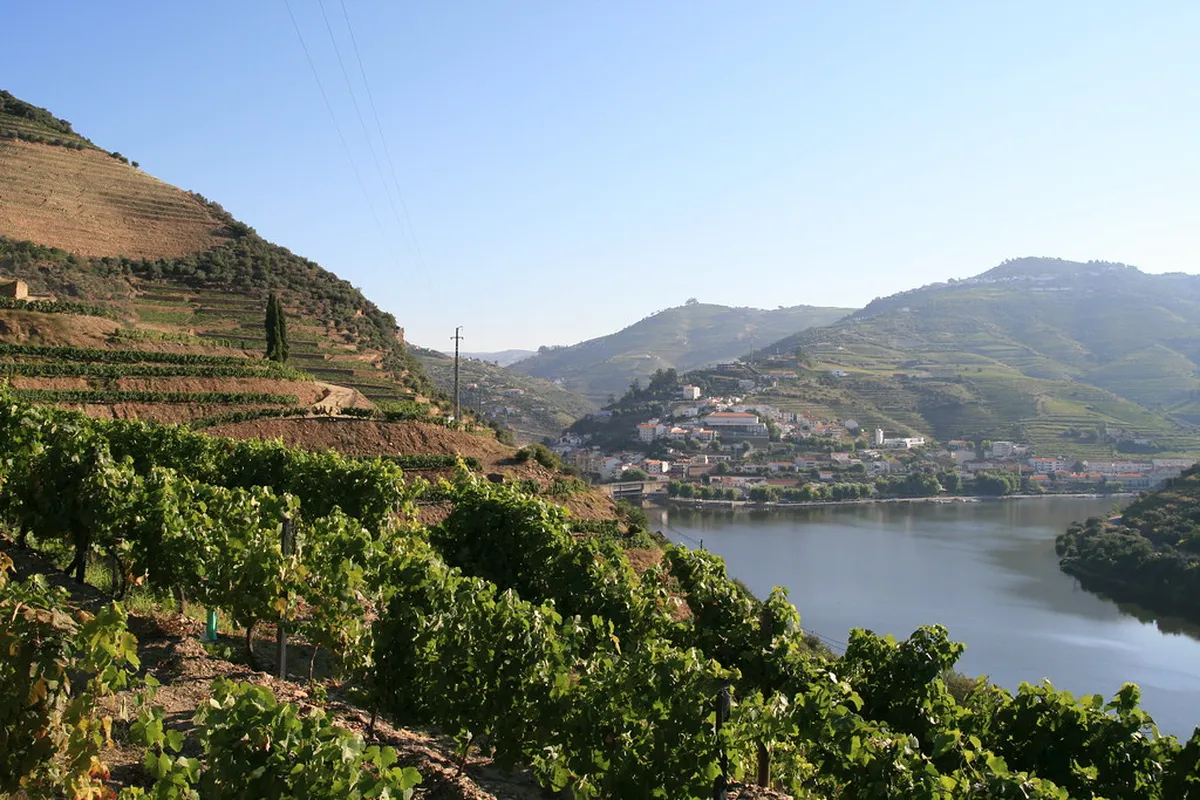
The Douro Valley is a UNESCO World Heritage site shaped by two thousand years of terraced viticulture. Navigating the winding N222 road alone is a challenge most drivers underestimate. Booking a professional tour lets you focus on the wine, the views, and the food without any logistical stress. Most travelers start from Porto, roughly two hours away by road.
Private tours offer much better access to smaller quintas. Group tours are excellent for meeting fellow travelers and keeping costs reasonable. This guide covers typical costs in EUR, the best time to visit, and the specific advantages of different 10 Essential Insights for Your Douro Valley Wine Tour formats.
Why Visit the Douro Valley?
The Douro Valley is the oldest demarcated wine region in the world, granted Denominação de Origem Controlada (DOC) status in 1756 under the Marquis of Pombal. The hand-built granite terraces stretch across 250,000 hectares and represent one of the most dramatic agricultural landscapes anywhere in Europe. For authoritative details on the region's protected designation and wine regulations, consult the Instituto dos Vinhos do Douro e do Porto. What surprises most first-timers is how quiet the valley feels despite its fame.
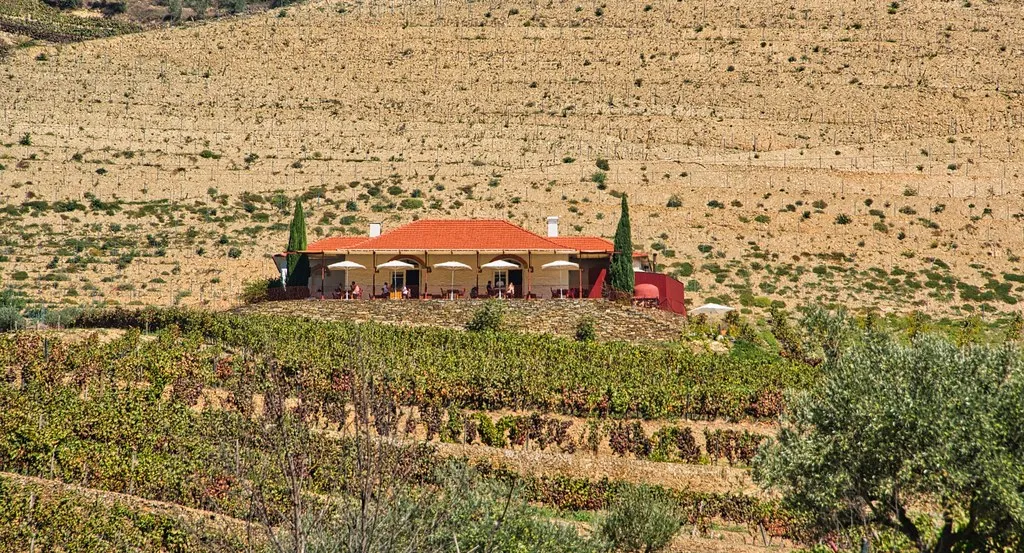
The scenery shifts entirely depending on season. Spring brings emerald green hillsides and flowering almond trees along the river. Autumn, especially September and October, turns the terraces gold and copper as the harvest begins. Late September is the best single moment: vineyards are in full activity, temperatures drop to comfortable highs around 22°C, and the valley has energy without summer crowds. Many estates like Quinta do Crasto open special harvest experiences during this window.
Beyond Port wine, the Douro produces outstanding dry reds and whites that remain relatively unknown outside Portugal. A guided tour helps you understand the difference between the three sub-regions — Baixo Corgo, Cima Corgo, and Douro Superior — and why altitude and schist soil matter for each grape variety. The region's quintas to visit range from centuries-old family estates to modern wine hotels with river-view terraces.
Best Time to Visit the Douro Valley
September is the peak month for a reason. The vindima (harvest) runs from mid-September through mid-October, and many quintas open their doors to visitors during this period. You can watch pickers work the steep terraces by hand, observe the traditional lagar foot-treading of grapes, and taste must directly from the tanks. No other time of year offers that level of access to the actual winemaking process.
October is slightly less busy than September and still offers harvest activity at higher-altitude estates. The light in October is particularly beautiful for photography, with morning mist settling on the river and burning off by 10:00 AM. Spring — April through June — is the second-best window. Vines are leafing out, wildflowers cover the terraces, and tour prices are lower than in peak summer.
July and August are the hottest months, with temperatures regularly reaching 38–40°C inland. Wineries are less welcoming during harvest preparation, and day-trip tour buses are at maximum capacity. If summer is your only option, book the earliest departure available and plan to be back in Porto by 17:00. Winter tours run but several smaller quintas close from November through February.
Late September is the single best window to visit: the harvest is in full swing, temperatures settle around a comfortable 22°C, and many quintas open special vindima experiences. Book tours and accommodation three to four months in advance for this window.
Douro Valley Tour Costs in 2026
A standard full-day group tour from Porto costs between €65 and €110 per adult. This price typically includes transport from central Porto, two winery visits with guided tastings, a set-menu lunch at a quinta, and a one-hour Rabelo boat cruise on the river. Some operators include a third winery stop or a visit to a small olive oil producer at no extra charge. For current tourism guidelines and official recommendations, check Visit Portugal.
Small-group tours (maximum 8–12 people) cost €90–€140 per person and represent the best value for most travelers. Private tours start at around €250 per vehicle for two people and scale to €400–€550 for larger groups. The premium buys you a flexible itinerary, premium tasting menus, and access to wine libraries with older vintages unavailable on group tours.
Always check exactly what is included before confirming. The boat cruise is sometimes priced separately at €15–€25, particularly on budget group tours. A few operators also charge entry fees to specific viewpoints or manor houses on top of the base price. Gratuities of €5–€10 per person are appreciated but never mandatory in Portugal.
Guided Tour vs. Train to Pinhão: Which Should You Choose?
The biggest practical advantage of a guided tour is having a designated driver on roads that genuinely demand full attention. The N222 between Peso da Régua and Pinhão is widely considered one of the most scenic drives in Europe, but it is also narrow, steep, and relentlessly winding. On a tour, you see the road; on your own, you white-knuckle it.
The CP regional train from Porto Campanhã to Pinhão is a compelling alternative. Return tickets cost around €20, the journey takes about two hours and fifteen minutes each way, and the final stretch hugs the river closely enough that you can see fishing boats from your window. The train runs twice daily in each direction — departures from Porto at approximately 08:30 and 17:00 — so you must plan around the timetable carefully.
The limitation is onward transport once in Pinhão. Most of the valley's best quintas are 5–20 minutes from the station by car, and taxis are scarce and expensive. Walking only works for the estates closest to the town. Many of the best 10 Best Douro Valley Tourism Attractions — viewpoints, manor houses, and upper-terrace wineries — are inaccessible without a car. The train is excellent for travelers who have pre-booked a specific quinta or are staying overnight in Pinhão.
The Rabelo boat cruise is sometimes priced separately at €15–€25 on budget group tours — always confirm what is included before booking. Meeting your tour in Régua instead of Porto can also add up to 45 minutes of extra valley time at no additional cost.
Pinhão Station's Azulejos: The Detail Most Day Trips Miss
Whether you arrive by train or tour bus, do not skip the interior of Pinhão railway station. The waiting hall is lined with 24 large azulejo (hand-painted tile) panels completed in 1937, depicting harvest scenes, ox-cart transport, and daily life along the Douro. They are among the finest examples of 20th-century Portuguese tile art outside Lisbon and are completely free to view.
Most guided tours pass through Pinhão as a transfer point for the boat cruise and spend under ten minutes in the town. If you have any flexibility — arriving early or leaving late — budget 30 minutes to walk through the station, cross the road to the riverside, and have a coffee at one of the small cafes facing the water. The village is tiny but the river panorama from the dock is the best ground-level view in the valley.
Day-trip groups almost universally miss this because the azulejo panels are inside the train station, and tour buses park on the other side of town. If you are traveling by train, the panels are the first thing you see upon arrival. If you are on a tour, ask your guide to allow a ten-minute stop — most are happy to accommodate.
What to Expect: A Typical Full-Day Tour Itinerary
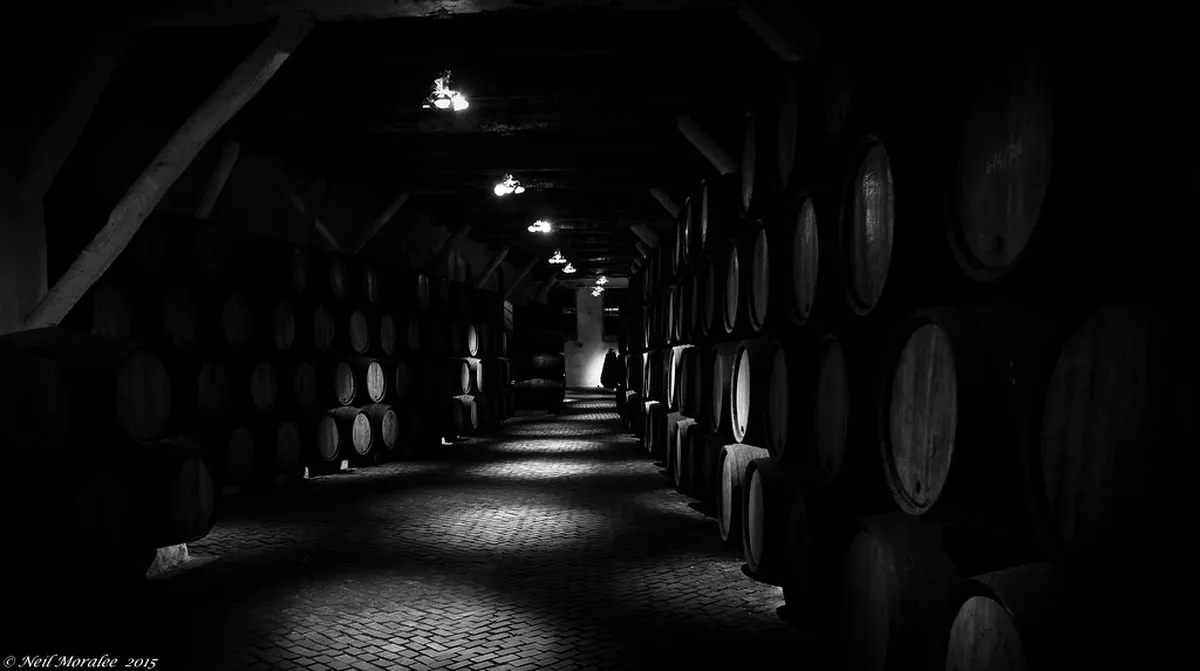
Most tours depart central Porto between 08:30 and 09:00. The drive into the valley takes about 90 minutes through the Marão mountains and the Corgo valley. The first winery stop — usually a mid-sized quinta in the Cima Corgo sub-region — is typically the most educational part of the day. You will tour the vineyard, see the ageing cellar, and taste three to five wines with explanation of the varieties and production method.
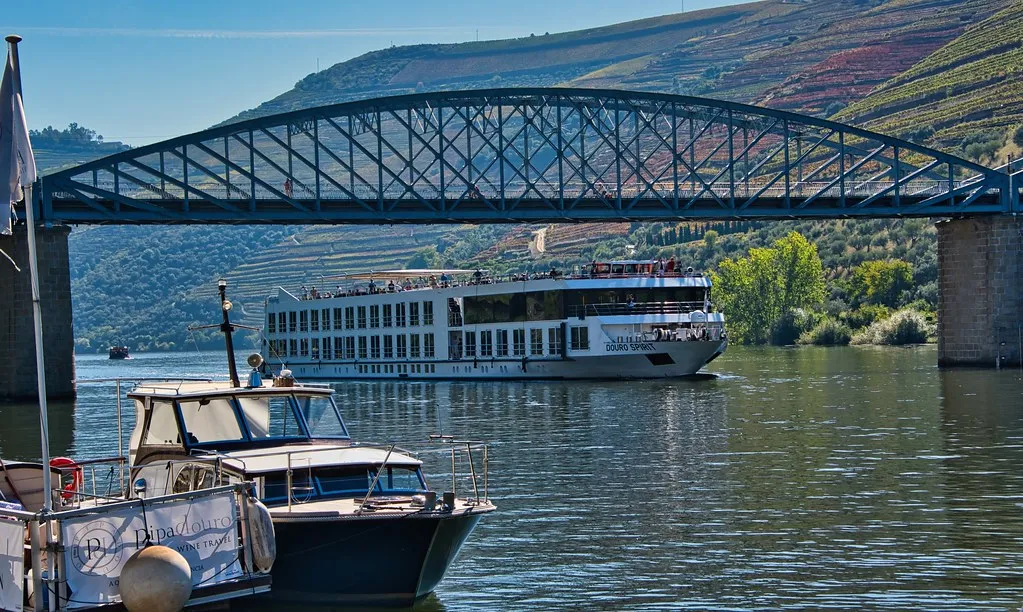
Lunch runs from approximately 13:00 to 14:30 and is a genuine highlight. Traditional dishes include bacalhau à lagareiro (oven-baked salt cod with olive oil), slow-roasted lamb, and local charcuterie, accompanied by the estate's own wines poured freely. The atmosphere is relaxed and convivial — this is where most day-trippers say the tour exceeded expectations.
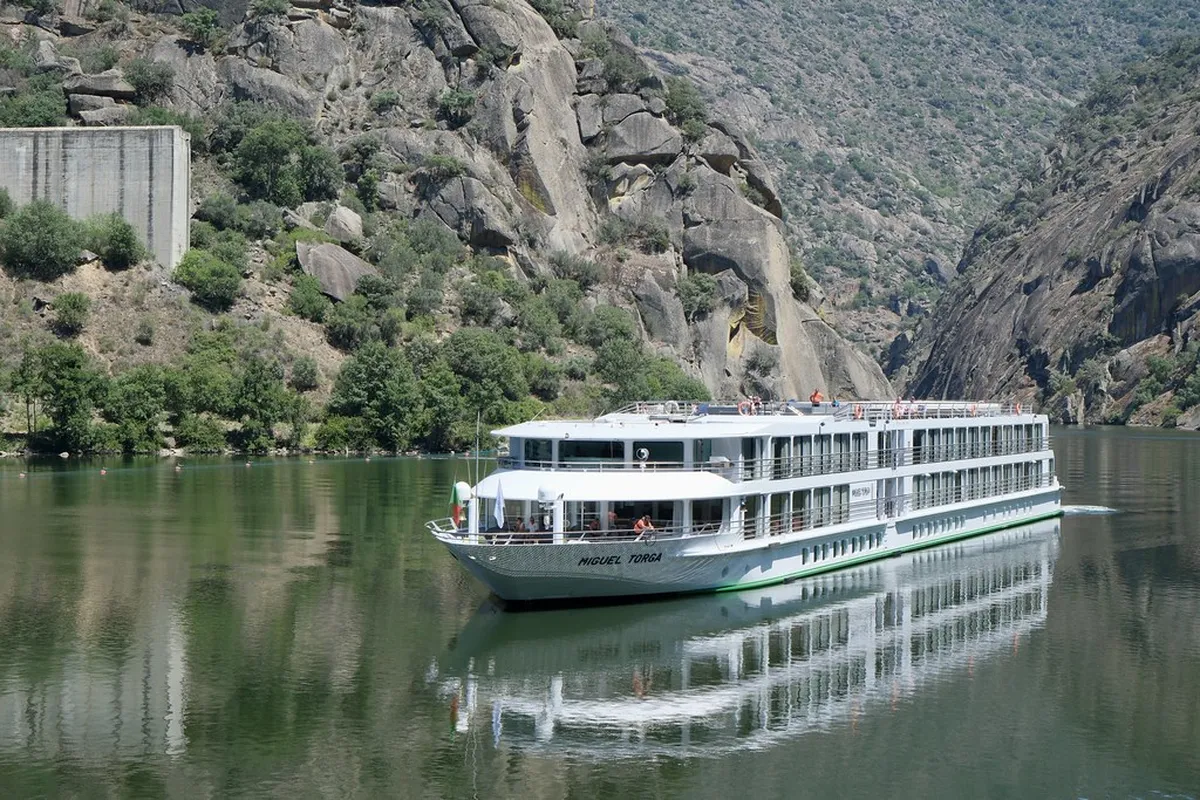
The afternoon typically includes a one-hour Rabelo cruise on the river, followed by a second winery visit focused on Port wine production. The Rabelo boat is a flat-bottomed wooden vessel that was historically used to carry wine barrels downriver to Vila Nova de Gaia. From the water, the scale of the terraces is fully apparent in a way that road views cannot convey. Tours return to Porto by 19:00–19:30.
Quintas Worth Knowing by Name
Most tour operators rotate among a shortlist of quintas that accept group visits. Quinta do Crasto (near Sabrosa) is frequently included and is particularly good for still red wines alongside its Port. Quinta da Romaneira is the most dramatic in terms of location — it rises steeply above the river and requires a short boat transfer to reach — and appears on premium private tours. Quinta do Vale Meão in the Douro Superior is historically significant as the original producer of Barca Velha, Portugal's most celebrated red wine.
For self-guided visitors or those on private tours, Quinta do Seixo (near Valença do Douro) has a strong visitor infrastructure with multilingual staff, a proper tasting room, and a roof terrace with panoramic river views. Quinta da Pacheca in Cambres, just outside Régua, is one of the few quintas where you can sleep overnight inside a giant wine barrel — a genuine novelty that books out months ahead during harvest season.
It is worth asking your tour operator in advance which specific quintas are on the itinerary. Different estates have different specialties and opening days, and knowing this in advance lets you research the wines before you arrive. Operators who can name their winery partners confidently tend to deliver better tours than those who keep the itinerary vague until the day.
Porto vs. Régua: Which Meeting Point Saves You Time?
Most tour listings advertise Porto pickup as the default, but a growing number of operators now offer Régua as an alternative meeting point. Peso da Régua is the wine capital of the Douro Valley and sits roughly in the center of the wine-producing region. Meeting there instead of Porto eliminates up to 90 minutes of round-trip bus travel — time you spend at wineries instead.
Getting to Régua independently is straightforward. The CP train from Porto Campanhã to Régua takes about 90 minutes and costs around €10–€12 each way. Trains run approximately every two hours. If you are staying overnight in the valley — which is strongly recommended — arriving in Régua the evening before and joining a tour there the following morning is the most efficient approach possible.
Not all operators advertise the Régua meet-point option prominently, but most will accommodate it on request, sometimes at a reduced price since they save fuel. This is worth asking about when booking, particularly for private tours where the operator has full itinerary flexibility. Travelers who join at Régua typically get an extra winery visit compared to those who spend those 90 minutes in transit.
Staying Overnight in the Douro Valley
An overnight stay transforms the Douro experience. After the day-trip buses leave around 17:00, the valley becomes remarkably quiet. Dinner at a quinta restaurant with the river below you and no itinerary the next morning is a different experience from anything a day trip offers. The golden hour light on the terraced hills between 18:00 and 20:00 is also the best photography window of the entire day.
Pinhão is the most convenient base for wine tourism. The town has a handful of quality hotels and guesthouses within walking distance of the station, including the Vintage House Hotel which occupies a converted wine lodge right on the riverbank. Rooms here book out in September and October and should be reserved three to four months in advance for harvest season.
Budget travelers can base themselves in Peso da Régua, which has more accommodation options at lower prices and excellent train connections for day excursions toward Pinhão and beyond. Several rural tourism quintas throughout the valley offer rooms, often with breakfast and dinner included, which effectively turn the overnight stay into an extended wine experience. A two-night minimum stay is common at the more popular quinta guesthouses during peak season.
Small Group vs. Private Tours: A Practical Comparison
Small group tours (typically 8–12 people) are the right choice for most solo travelers and couples. They offer expert guides, curated winery stops, and a social atmosphere without the anonymity of a 50-person coach. The wineries visited tend to be mid-sized estates with strong visitor programs — not the most exclusive in the valley, but reliably high quality.
Private tours make sense when you have a specific agenda: a particular winery not on the standard circuit, dietary restrictions that a set-menu lunch cannot accommodate, or young children who need rest breaks on a flexible schedule. The cost premium is significant — roughly 2.5 to 3 times the group tour price for two people — but the itinerary flexibility is genuine rather than cosmetic.
The "Type:/Best for:" label format you sometimes see on booking platforms strips out useful nuance. What matters practically: if you get car-sick on mountain roads, book the tour operator with the newest vehicles (they advertise this on their listings). If you are a serious wine collector, ask whether the guide has WSET certification before booking. If you are celebrating a birthday or anniversary, a private tour to Quinta da Romaneira with a river boat transfer is the highest-impact option in the valley.
- Small group tours are the best value for couples and solo travelers — expert guide, two wineries, lunch, and river cruise for €90–€140.
- Private tours suit families, serious wine enthusiasts, or anyone with a specific quinta in mind that is not on the standard group circuit.
- The regional train to Pinhão (€20 return) is the best option for independent travelers staying overnight who have pre-booked a quinta.
- Meeting your tour at Régua instead of Porto can add up to 45 minutes of extra valley time at no additional cost.
Logistics: Getting There and Where to Meet
Francisco Sá Carneiro Airport (OPO) in Porto is the closest international hub, with direct connections to major European cities and seasonal transatlantic routes. Budget two nights in Porto before heading to the Douro — the city's wine lodges in Vila Nova de Gaia are a natural warm-up for the valley experience and pair well with a dedicated wine tour.
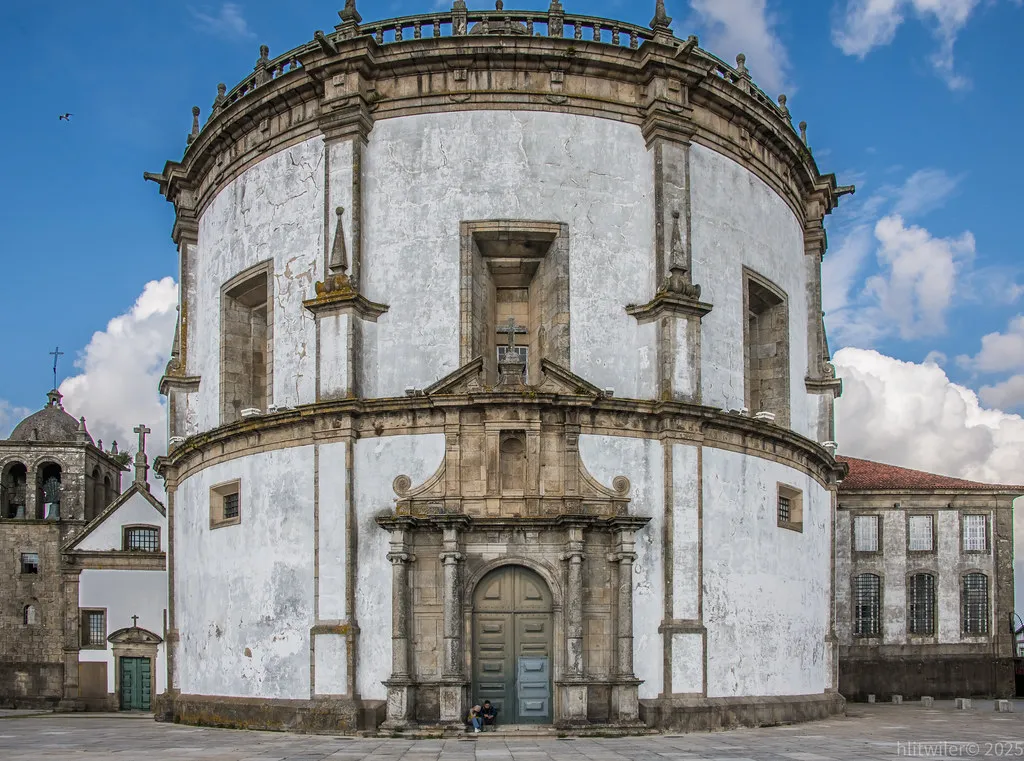
Most group tours collect passengers from central Porto between 08:30 and 09:00. Common pickup points are Praça da Liberdade, the Trindade metro station area, or directly from listed partner hotels in the Baixa and Bonfim districts. If your accommodation is outside the pickup zone, check whether your tour offers a fixed meeting point option, which avoids waiting for multiple hotel stops and keeps departure times punctual.
Winery opening hours in the Douro are typically 10:00–18:00 Monday to Saturday, with some closing on Sundays outside peak season. Smaller family quintas often require advance reservations even for walk-in tastings — a key reason why self-guided visits to lesser-known estates are more difficult than they appear. Guided tours handle all reservations, including the restaurant booking for lunch, which at popular quintas can be difficult to secure independently during September and October.
Frequently Asked Questions
What is the best month to visit the Douro Valley?
September and October are the best months for the harvest season. You can witness the traditional grape treading and enjoy mild weather. May and June are also excellent for lush green scenery and fewer crowds.
How much does a Douro Valley tour cost?
Group tours typically range from $90 to $150 per person. Private tours can cost between $250 and $600 depending on the luxury level. Prices usually include transport, lunch, and wine tastings.
Is a day trip from Porto enough time?
A day trip covers the main highlights like wineries and river cruises. It is a long day with four hours of total travel. Staying overnight in Pinhão offers a much more relaxed experience.
Choosing the right tour comes down to budget and how much control you want over your itinerary. A guided experience pairs naturally with time in Porto — the food and wine scene in the city sets the stage for what you find in the valley. The Douro rewards travelers who do a little homework: know which quintas you want to visit, decide between Porto or Régua as your starting point, and book as early as October for the following harvest season.
The valley genuinely delivers on its reputation. The terraces, the silence after 17:00, the quality of the wines at their source — none of it is overhyped. Book early, eat the lunch, and stay at least one night if your schedule allows.