10 Essential Insights for Your Douro Valley Wine Tour
Is a Douro Valley wine tour worth it? Read our honest review covering costs, top wineries, river cruises, and why a guided tour beats driving the curvy N222.
On this page
10 Essential Insights for Your Douro Valley Wine Tour
Yes, a Douro Valley wine tour is absolutely worth it for the incredible scenery and world-class wine. The best budget alternative is taking the train to Pinhão for a DIY day trip. This guide was updated in 2026 after visiting the region's most famous quintas across three different seasons.
The Douro Valley is a UNESCO World Heritage site and feels like a living museum of viticulture. Expect to spend about ten hours traveling from Porto through the winding heart of northern Portugal. Guided tours provide a seamless way to see multiple wineries without worrying about the steep roads or Portugal's strict drink-driving laws.
Most travelers choose these tours to experience the Denominação de Origem Controlada (DOC) heritage firsthand. You will taste everything from young white wines to aged Tawny Ports in historic cellars. This guide covers costs, the best wineries to visit, practical logistics, and one approach to the valley that almost no tour operator will mention.
Why Visit the Douro Valley?
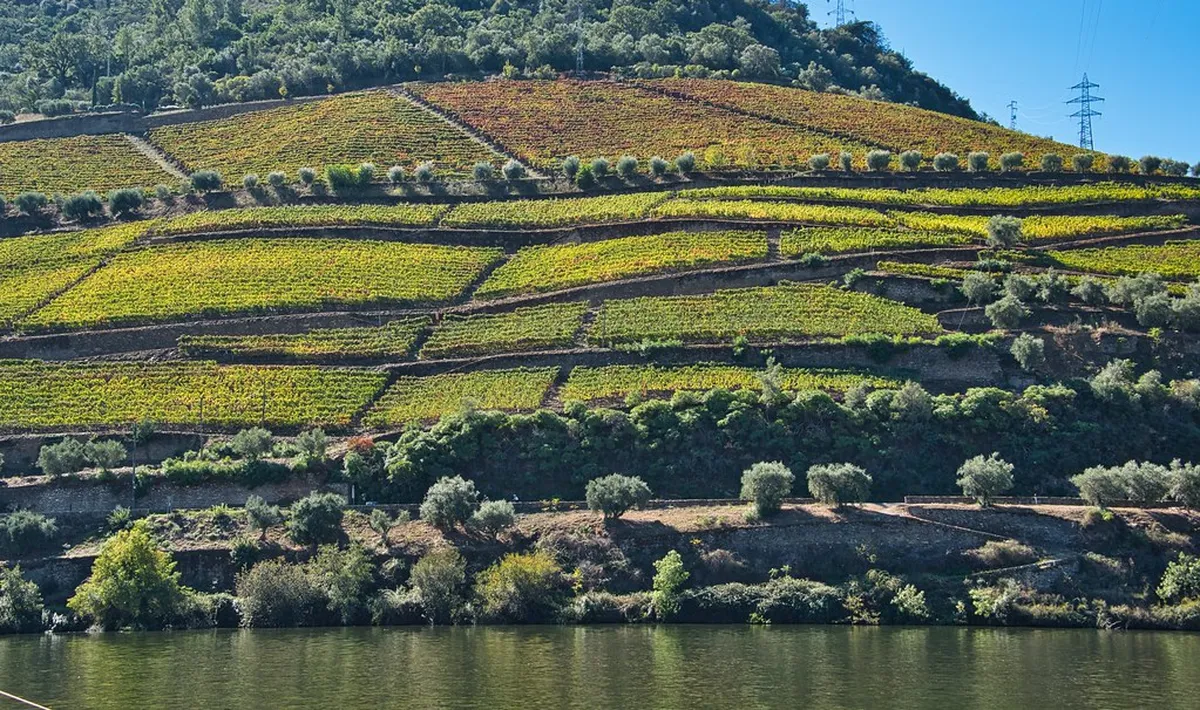
The Douro Valley is the oldest demarcated wine region in the world, established in 1756, and it offers scenery that photos genuinely undersell. Ancient dry-stone walls hold up the terraced vineyards that rise sharply from the river banks. The landscape shifts from deep green in spring to gold and rust in autumn, with each season making a strong case for being the best time to visit.
Exploring these 10 Best Douro Valley Tourism Attractions lets you see traditional wine-making methods that have survived industrialization largely intact. While Porto is famous for its lodge cellars in Vila Nova de Gaia, the valley is where the grapes actually grow. The soil is mostly schist — a hard, heat-retaining rock that forces roots deep and concentrates flavors in ways softer soils cannot.
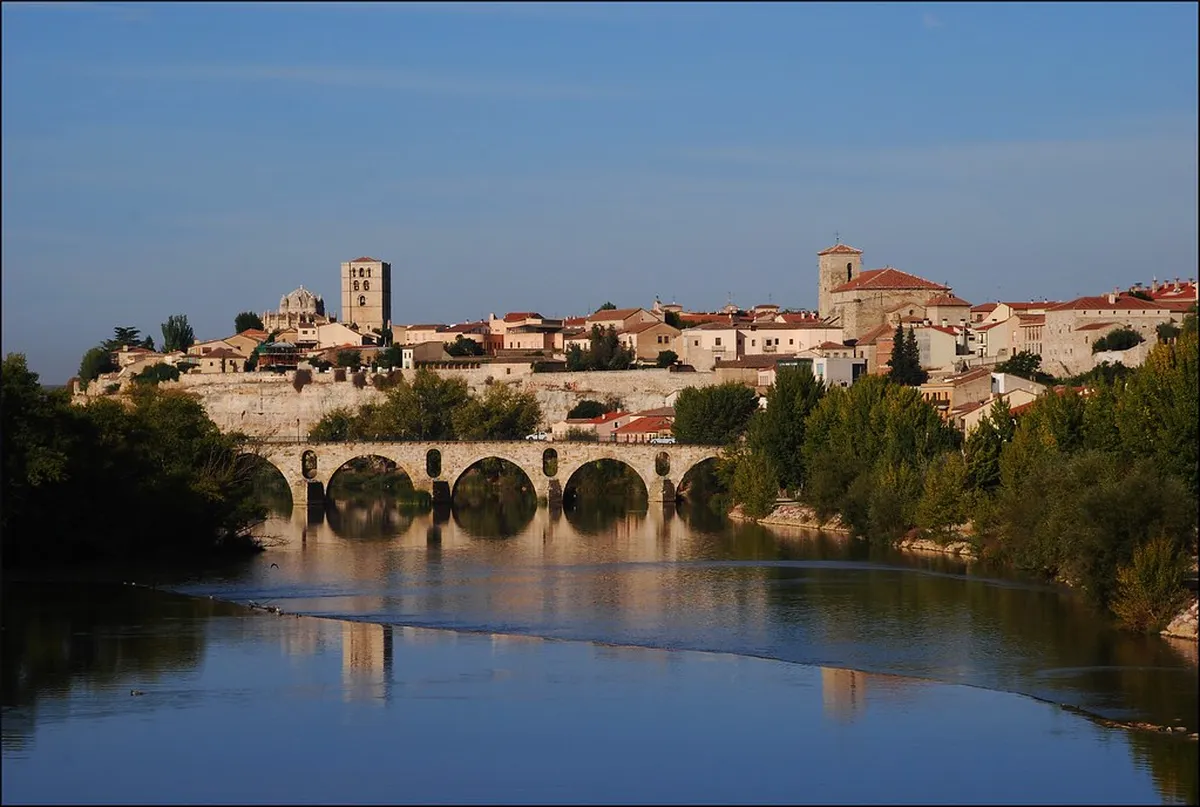
The region feels remarkably remote despite being only a two-hour drive from the coast. Small villages like Pinhão and Peso da Régua serve as the main hubs for exploration. Pinhão's train station alone, covered in hand-painted azulejo tiles depicting harvest scenes, is worth the journey.
Guided Tour vs. Driving Yourself: The Honest Comparison
Driving the N222 is frequently called the most scenic road in the world, but it demands total concentration. The road is incredibly narrow and steep in sections, and the driver in any group misses most of the views negotiating hairpin bends. A guided wine tour from Porto lets everyone relax from the moment the van leaves the city.
Portugal has very strict drink-driving laws, with a blood-alcohol limit of 0.05 g/dL — lower than most of Europe. Even a single generous tasting pour can push you close to that limit after a long day. Tour guides also know the unmarked dirt tracks that lead to smaller, family-run estates that no GPS reliably navigates.
The train from Porto's Campanhã station to Pinhão runs twice daily and costs roughly €25 return. This is the best genuinely independent option: you arrive in the valley, walk to Quinta da Roca or Quinta do Pôpa nearby, and eat lunch in a riverside restaurant. The train covers about 2.5 hours each way, which limits how many properties you can visit, but it puts you in the valley without a car or a group.
Private hire cars with a dedicated driver sit between the two extremes. Expect to pay €180–€250 for a full-day vehicle from Porto, shared across however many people are in your group. For a group of four, this often undercuts the per-person cost of a private guided tour while keeping everyone's hands free for photos.
Douro Valley Wine Tour Cost: What to Budget
A standard group tour typically costs between €95 and €130 per person. This price usually includes transport from Porto, two winery visits, a traditional lunch, and a one-hour river cruise. Always confirm whether the boat ride is included before booking — some operators list it as optional and charge €15–€20 extra at the dock.
Private guided tours start at around €250 per person and often visit smaller, family-run estates that group tours skip. They offer total flexibility on timing and are worth the premium for serious wine collectors or anyone who finds group lunches uncomfortable. Budgeting an extra €20–€30 for bottles to take home is wise — prices at the quinta are consistently lower than in Porto wine shops.
If you are on a tight budget, the train from Porto to Pinhão costs about €25 return. A local Rabelo boat tour from the Pinhão dock runs €10–€15. You can walk to two or three nearby quintas without booking a tour at all, though you should call ahead. Most travelers find the €100–€120 group tour price worthwhile for the ease of seeing multiple properties in a single day.
A standard group tour costs €95–€130 per person and typically includes transport from Porto, two winery visits, a traditional lunch, and a one-hour river cruise. Always confirm whether the boat ride is included before booking — some operators charge €15–€20 extra at the dock.
The Best Wineries to Visit in the Douro Valley
Quinta do Crasto, in the Cima Corgo sub-region near Sabrosa, is one of the valley's most visited estates and a reliable starting point for first-timers. The terrace views over the river bend are exceptional, and the tasting room offers both Port and the estate's highly regarded table wines. Tours run daily and cost €15–€25 per person depending on the flight selection.
Quinta do Vallado, close to Régua, is a strong choice for visitors who want to combine wine with architecture — the estate has a boutique hotel built into a converted winery, with a striking modern addition designed around the original 18th-century manor. Even if you are not staying, day visitors can book a tasting and tour of the cellar. Their white Douro DOC wines are underrated and pair beautifully with local cheeses.
Quinta Nova de Nossa Senhora do Carmo, between Pinhão and Régua, is frequently included on higher-end guided tours and offers one of the best restaurants in the valley. The views from the dining terrace are arguably better than anywhere else along the river. Ramos Pinto, on the outskirts of Pinhão, is another solid option and well set up for group visits with clear, informative cellar tours focused on Port production history.
For a smaller, quieter experience, Quinta do Cume and Quinta do Pôpa both run intimate tastings that feel genuinely personal rather than tourist-facing. These are the estates worth seeking out on a private tour or an independent visit. Check the Douro Valley wineries guide for contact details and booking links.
What Wines You Will Actually Taste
Most tours lead with the region's table wines before moving to Port — this is intentional. The Douro DOC now produces some of Portugal's finest dry reds, built on Touriga Nacional, Tinta Roriz (Tempranillo), Touriga Franca, and Tinta Barroca. These are bold, structured wines that can age for a decade or more, and they often surprise visitors who arrived expecting only Port.
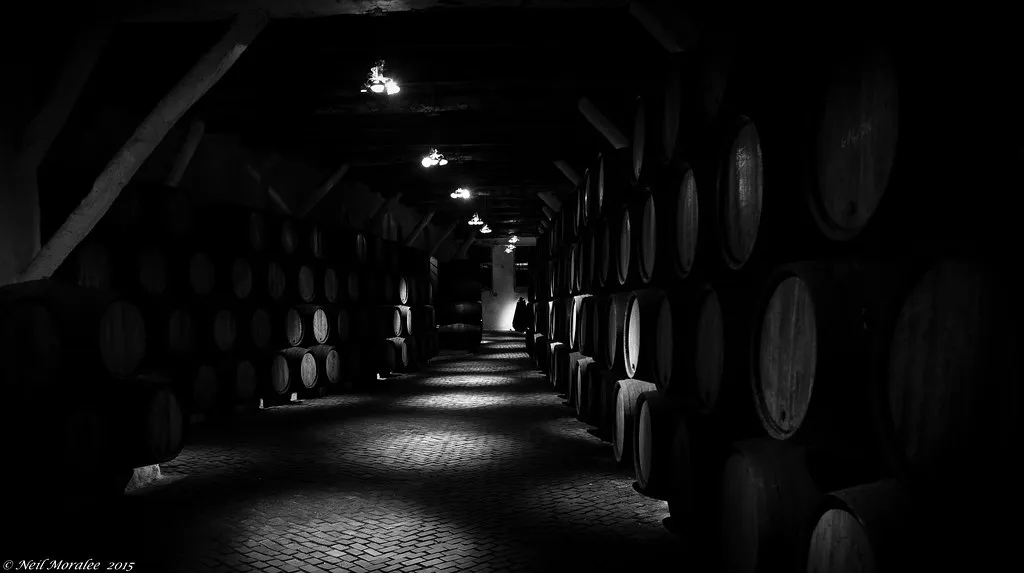
Port itself covers a wide spectrum. Ruby Port is the entry level — young, fruit-forward, and deep red. Tawny Port is aged in small oak barrels that allow gradual oxidation, producing warm amber tones and flavors of dried fruit, caramel, and walnut. LBV (Late Bottled Vintage) Port is aged four to six years in cask before bottling and represents excellent value. Vintage Port, declared only in exceptional years, is bottled early and aged in the bottle — these are the collector bottles and rarely appear in standard tour pours.
White Port, often served chilled with tonic water and a slice of lemon as an aperitif, is one of the valley's most pleasant surprises. Many guides skip it in favor of the reds and tawnies. If your tour guide does not offer a white Port pour, ask — most estates have one open and are happy to pour it informally.
A Typical Full-Day Itinerary
Most tours begin with pickup in Porto around 08:30. The first stop is often the town of Amarante, about an hour east, for coffee and local pastries — 'papos de anjo' at a riverside café are worth trying. This break breaks the drive and introduces you to the inland character of northern Portugal before the valley itself.
By late morning, you arrive at your first winery for a guided cellar tour lasting about 45 minutes, followed by a tasting of three to five wines. Lunch is a major event on most itineraries, often featuring slow-roasted meats, presunto, local cheeses, and unlimited table wine at a quinta or a riverside restaurant in Pinhão. Expect to sit down around 13:00 and not rush out until 14:30.
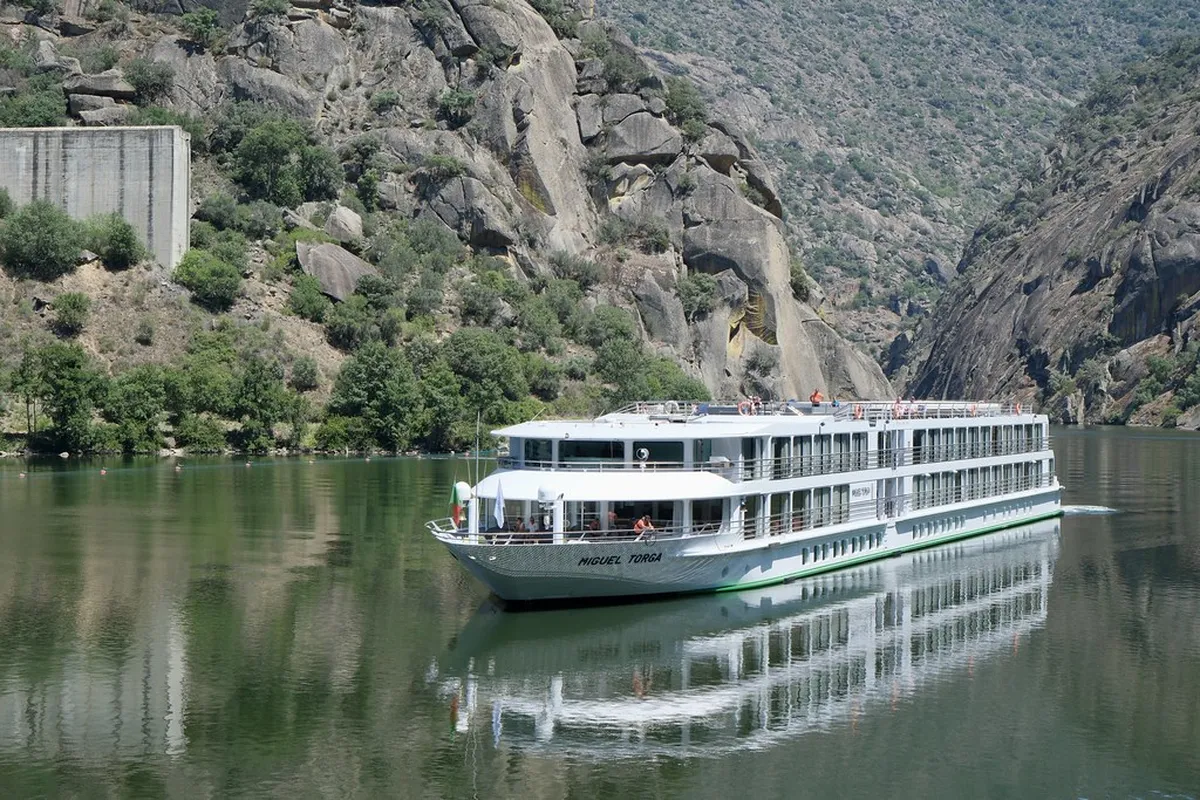
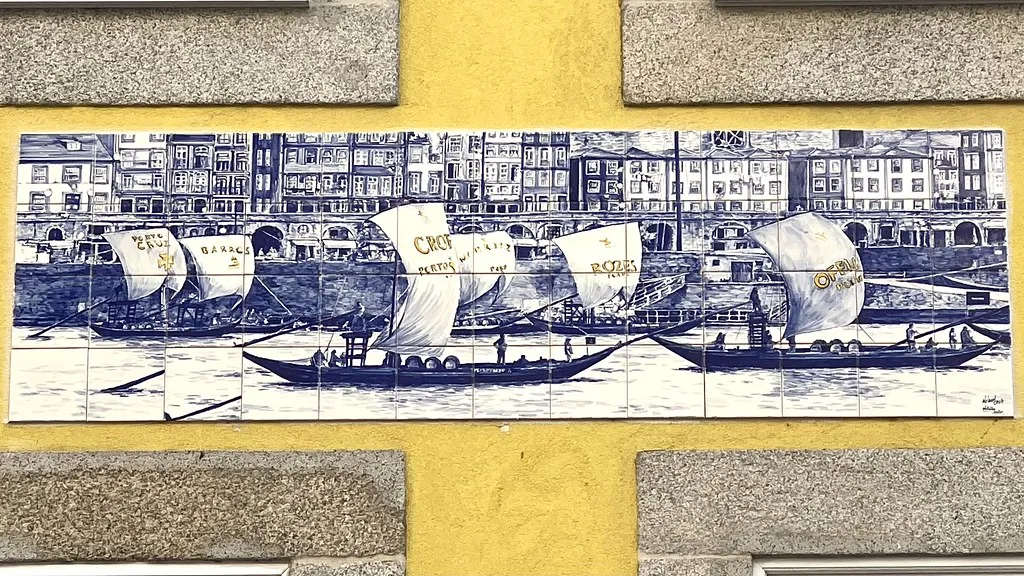
After lunch, a one-hour cruise on a traditional Rabelo boat — the flat-bottomed vessels that historically carried Port barrels downriver to Porto — provides a river-level view of the estates. The afternoon usually includes a second tasting at a different property for contrast. Return to Porto is typically around 18:30–19:00. It is a long day, but the variety of activities keeps it from feeling repetitive.
The Vindima Experience: Harvest Season Done Differently
September in the Douro is harvest season — vindima — and it transforms the valley. Basket carriers move across the terraces in long lines, treading grapes by foot in granite lagares after dark, and the air smells of fermentation. Most travelers know this as a reason to visit in September, but far fewer know that several quintas offer multi-day harvest immersion programs.
Estates including Quinta do Crasto, Quinta Nova, and Quinta do Vallado run vindima programs that last two to five days. Participants work alongside the harvest crew in the mornings — picking, carrying, or treading — eat communal meals with the estate staff, and receive deeply discounted accommodation in quinta rooms or guesthouses. Prices vary but typically run €80–€150 per night including meals, compared to €200–€350 for standard quinta hotel rates in the same period.
This is a fundamentally different experience from a day tour. You see the winery at its most intense moment, develop a real understanding of the labor behind a bottle of Port, and eat with people who have worked these terraces for generations. The programs book out fast — most quintas open registration in January for September slots. If you are planning a September trip and can commit to a midweek stay, this is worth prioritizing over any single-day guided tour.
Honest Review: What Worked and What Did Not
The sheer scale of the vineyards is something photos cannot fully capture. The quality of lunch consistently exceeded expectations — this is not typical tour group catering. Tasting wine within sight of the vines it came from adds a sense of place that no city cellar visit can replicate. Meeting other travelers at a shared table made an otherwise long day social and genuinely enjoyable.
The river cruise, while scenic, was the weakest part of the day on multiple visits. Forty-five minutes felt short, the boats occasionally crowded with multiple tour groups running simultaneously, and engine noise sometimes drowned the guide's commentary. Think of it as a photo opportunity rather than a historical deep-dive.
Motion sickness is a real concern on the N222. If you are prone to car sickness, take medication before departure and request a front seat. The heat in July and August often exceeds 38°C in the valley floor, making outdoor tastings genuinely uncomfortable. Some wineries also felt rushed during peak summer — staff managing multiple groups simultaneously gave less thorough explanations of the production process.
- Pros: Panoramic vineyard views that photographs cannot replace
- Pros: Expert wine education without needing prior knowledge
- Pros: No navigating curvy mountain roads or drink-driving risk
- Pros: Authentic Portuguese lunch almost always included
- Cons: Very long travel day, often 10+ hours from Porto
- Cons: Limited time at each winery during peak summer
- Cons: Potential for motion sickness on the N222 descent
- Cons: Summer temperatures in the valley floor routinely hit 38°C
Summer temperatures in the valley floor routinely exceed 38°C, making July and August uncomfortable for outdoor tastings. If you are prone to motion sickness on the winding N222, take medication before departure and request a front seat in the tour vehicle.
Is It Worth the Money? Final Verdict
Yes, for most travelers visiting northern Portugal. The convenience of transport, the quality of the wine, and the difficulty of navigating these roads independently make the €100–€130 group tour price easy to justify. It consistently ranks among the most memorable day trips available from Porto.
The tour is best suited to social travelers, photography enthusiasts, and anyone who wants a structured introduction to Port and Douro DOC wines without needing prior knowledge. Skip the standard group tour if you have severe motion sickness, prefer complete solitude, or want to spend more than 30 minutes at a single property — in those cases, a private tour or a self-guided train-and-walk trip is the better call.
Staying overnight at a quinta raises the experience considerably. After 17:00, when the day-trip vans leave, the valley becomes peaceful and genuinely beautiful. A sunrise walk through the vineyards before the heat arrives is something no day-tripper sees. If your itinerary allows even one night, base yourself in Pinhão or Régua rather than commuting back to Porto.
Planning, Booking, and the Best Time to Go
The best months are May, June, September, and early October. May offers lush green terraces and temperatures in the low-to-mid 20s. September brings the vindima harvest energy — the busiest crowds but also the most atmospheric experience. Avoid July and August if you are heat-sensitive: the valley floor regularly exceeds 38°C in the afternoon, and outdoor tastings become uncomfortable.
Book your tour at least two weeks in advance during summer. We used GetYourGuide: Douro Valley Private Tour for a more personalized experience. For a group tour with solid logistics and reliable winery selection, Viator: Complete Douro Valley Wine Tour is a dependable choice. Read recent reviews carefully — the specific wineries visited vary between operators and even between departures.
Wear comfortable, closed-toe shoes: winery cellars have uneven schist floors and steep stairs that catch visitors in sandals. Bring a light layer — cellars stay at 15–18°C year-round regardless of the outdoor heat. A refillable water bottle matters in summer. If visiting independently at a quinta, email rather than call — most estate managers respond faster to written inquiries and can confirm availability and pricing in one exchange.
Frequently Asked Questions
Is the Douro Valley wine tour from Porto worth it?
Yes, it is worth it for the scenery and wine quality. The long drive is easier with a professional driver. Most tours include lunch and a boat ride for great value.
How much does a private Douro Valley tour cost?
Private tours typically start at €250 per person but offer more flexibility. They often visit smaller, exclusive wineries. Prices can increase based on the wine quality and vehicle type.
What is the best month to visit the Douro Valley?
September is ideal for the harvest atmosphere and vibrant colors. May and June offer milder weather and lush green vineyards. August is often too hot for comfortable outdoor tastings.
Do I need to book Douro wineries in advance?
Yes, booking in advance is essential for both tours and independent visits. Many popular quintas reach capacity weeks ahead in summer. Use the official tourism site for contact details.
A Douro Valley wine tour is a highlight of any trip to northern Portugal. Whether you choose a social group tour or a private luxury experience, the views are unforgettable. The combination of history, landscape, and world-class wine creates a truly unique travel day. Book early to secure your spot in this UNESCO-protected region, especially for September harvest departures.
Before heading to the valley, consider exploring port tasting in Porto to calibrate your palate against the different Port styles before you see where they are made. The valley will give you context; Porto's lodges give you the vocabulary. Between the two, you will leave northern Portugal with a much deeper understanding of why this corner of the wine world has no real equivalent anywhere else.