Wine Tour Porto: 10 Best Experiences in the City and Douro
Discover the best wine tour Porto options, from historic Port cellars in Gaia to scenic Douro Valley day trips. Includes booking tips and natural wine bars.
On this page
Wine Tour Porto: 10 Best Experiences in the City and Douro Valley
Porto serves as the historic gateway to one of the oldest wine regions in the world.
Travelers flock here to experience a 10 Best Ways to Experience Wine Tasting in Porto adventure that spans centuries of tradition.
You can find ancient cellars in Vila Nova de Gaia and lush vineyards in the nearby Douro Valley.
This guide covers the specific lodges, quintas, boat routes, and tasting formats that make a Porto wine trip genuinely rewarding in 2026.
Understanding Port Wine Before You Book
Port is a fortified wine made by adding aguardente (grape spirit) during fermentation, which stops the process early and preserves natural sugars. The result is a wine that is richer and sweeter than table wine, with an alcohol content typically between 19% and 22%. Getting this basic distinction clear before your first tasting makes everything else make sense faster.
The four styles you will encounter most often in Gaia are Ruby, Tawny, Late Bottled Vintage (LBV), and Vintage. Ruby Ports are young, fruit-forward, and usually the entry point for new tasters — expect dark berry flavors and a deep red color. Tawny Ports are aged in small oak casks and oxidize over time, developing nutty, caramel, and dried-fig notes; they are labeled by age — 10, 20, 30, or 40 years — though these refer to a blended average, not a single harvest. LBV is a single-year wine bottled after four to six years, offering Vintage-like complexity at a fraction of the price. Vintage Port is the prestige category, from a declared exceptional year, and requires decades of bottle ageing before it peaks.
Most tasting flights in Gaia are structured around these categories. Knowing what you are tasting — not just drinking — means you can compare across lodges meaningfully rather than just ticking cellars off a list.
The Gaia–Porto Divide: Which Side of the River for What
First-time visitors consistently confuse the two riverbanks. Porto proper — the Ribeira and Cedofeita districts — is where you go for modern wine bars, natural wines, and Vinho Verde. Vila Nova de Gaia, across the Luís I Bridge, is where the Port wine lodges are concentrated. These are legally separate municipalities and the distinction matters for planning your day.
The Gaia riverfront promenade (Cais de Gaia) runs along the water and connects the lower-level lodges: Sandeman, Calem, Ramos Pinto, and Ferreira. A steep climb — or a short cable car ride — brings you to the upper terraces where Graham's, Churchill's, and Taylor's are situated. The upper houses tend to have better panoramic views and less foot-traffic pressure from river cruise groups.
A practical day plan: start at a lodge on the upper Gaia hill between 10:00 and 12:00 before the tour groups arrive, walk down to the river for lunch, then cross the bridge to Porto's Cedofeita district in the afternoon for a natural wine bar session. This routing avoids the midday crowds at both destinations.
Which Port Wine Lodges in Gaia Are Worth Your Time
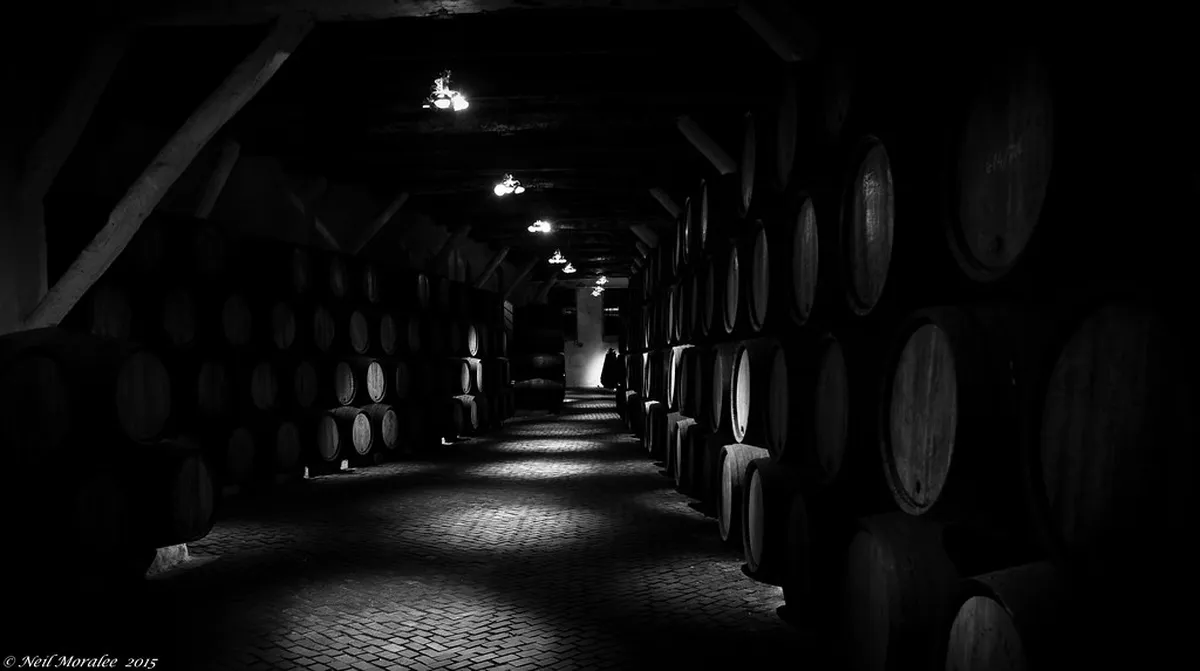
Graham's Lodge on Rua do Agro is the most consistently recommended stop for a 10 Best Port Wine Lodges in Porto experience. The facility holds over 2,000 oak casks and offers tasting flights from around 16 EUR for a three-wine selection up to 48 EUR for a six-wine premium flight including a 20-year Tawny. Book at least 48 hours ahead — weekend slots fill by Tuesday.
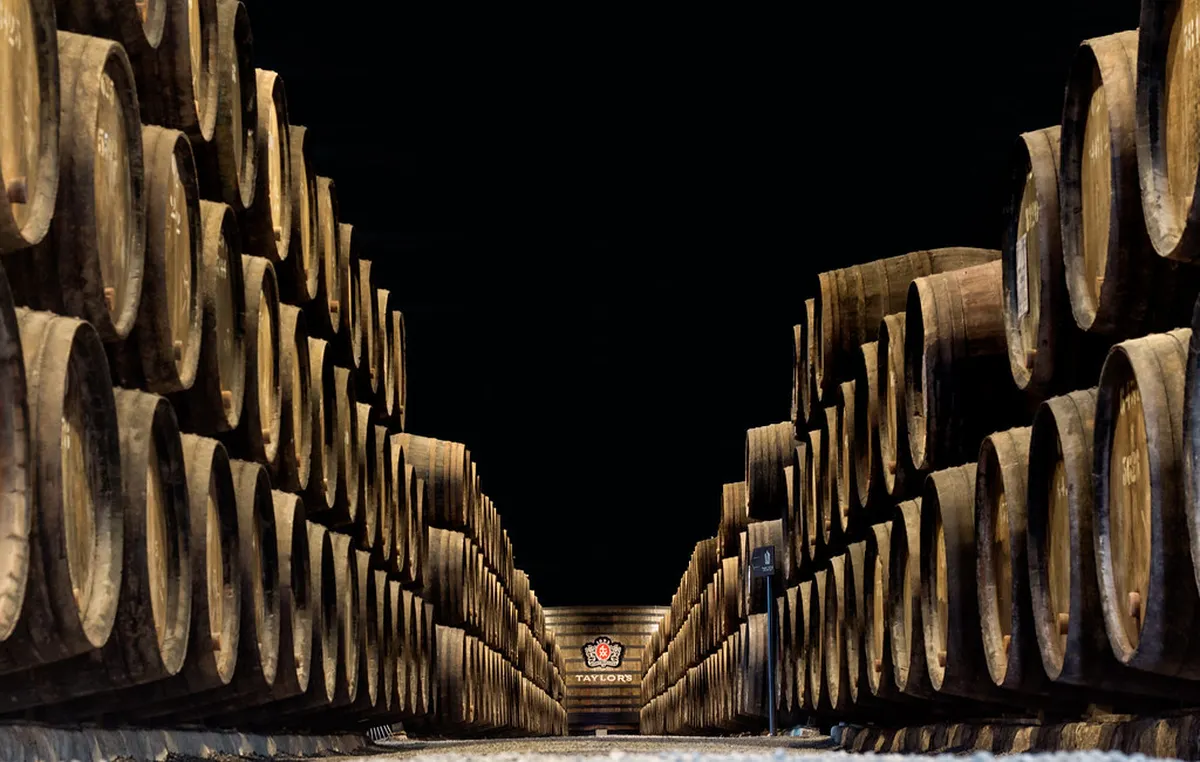
Taylor's (Rua do Choupelo 250) is the choice for atmosphere. The terraced gardens with resident peacocks are genuinely striking and the audio-guided tour is well produced. Basic tastings start at 15 EUR; their "Chip Dry" white Port aperitif style is a good introduction if you find classic Ruby too sweet. Cockburn's on Rua de Serpa Pinto is one of the few lodges with a working cooperage open to visitors — watching barrel-making is a memorable addition to the standard cellar walk.
Poças, a family-owned house operating since 1918, is worth seeking out for its quieter atmosphere and knowledgeable guides. Calem on the lower promenade is among the most visited lodges in Gaia and offers the option of a 11 Best Spots for Port Tasting in Porto: The 2026 Guide combined with a fado performance in the evening — a good value if you want two experiences in one booking. Sandeman's distinctive caped "Don" branding makes it recognizable from the riverfront; their guided tours are thorough and the entry price (around 20 EUR) includes a generous three-wine flight.
WoW — World of Wine: The Cultural District in Gaia
The World of Wine complex opened in 2020 and transformed a cluster of historic lodge warehouses on the Gaia hillside into seven museums, twelve restaurants, and a wine school. The Wine Experience museum is the most relevant stop for a wine-focused visit — its sensory exhibits use aroma kits and tasting stations to teach identification of Douro grape varieties including Touriga Nacional, Tinta Roriz, and Touriga Franca.
Entry to the Wine Experience museum costs 13 EUR for adults in 2026. You can buy a combined ticket for multiple WoW museums at around 22 EUR, which also includes the Chocolate Story and Fashion Story galleries if you are traveling with people who are less interested in wine. The complex has several good restaurants — The Wine Quay Bar on the lower terrace has a strong list of aged Tawny Ports available by the glass at reasonable prices.
WoW is particularly useful for visitors who want to understand the broader context of Portuguese wine rather than just taste Port. The exhibits explain why the Douro's schist soil produces such concentrated wines, how the demarcated region was established in 1756 (making it one of the world's oldest controlled appellations), and how Vintage Ports are declared. Budget two to three hours for a full visit.
Natural Wine Bars and Modern Tasting Spots on the Porto Side
Modern Porto has developed a strong natural and low-intervention wine scene that runs parallel to the Port tradition. Cave Bombarda in the Cedofeita art district (Rua de Miguel Bombarda 285) is the best-known example — it functions as both a wine shop and a bar, with an excellent list of Portuguese natural wines from smaller producers in the Douro, Alentejo, and Minho. It opens from 14:00 Tuesday through Saturday.
Flow Wine Bar near Clérigos is more central and caters to a mixed crowd of locals and tourists. The list focuses on Vinho Verde from the Minho region — the light, slightly effervescent white that pairs well with Porto's seafood restaurants. A glass typically costs between 4 and 7 EUR. For a curated experience that covers both traditional and natural wine stops, the Taste Porto Food Tours Review: Is It Worth It? include several wine pours alongside local food in neighborhoods that most tourists miss.
The Matosinhos and Bonfim neighborhoods are worth exploring for wine bars that serve a local clientele rather than tourist groups. Prices are lower and you are more likely to encounter producers pouring their own bottles on market weekends. These spots are a genuine contrast to the polished Gaia experience and represent a side of Porto's wine culture that has emerged mainly since 2020.
Douro Valley Day Tours: Quintas and What to Expect
A day trip into the Douro DOC is one of the best reasons to be based in Porto. Most organized tours depart from central Porto around 09:00 and return by 19:00–20:00. They typically include transport by van or minibus, visits to two quintas (wine estates), a river cruise segment on the Douro, and lunch at one of the estates. Prices for full-day group tours run from 90 to 120 EUR per person in 2026; private versions start around 150 EUR.
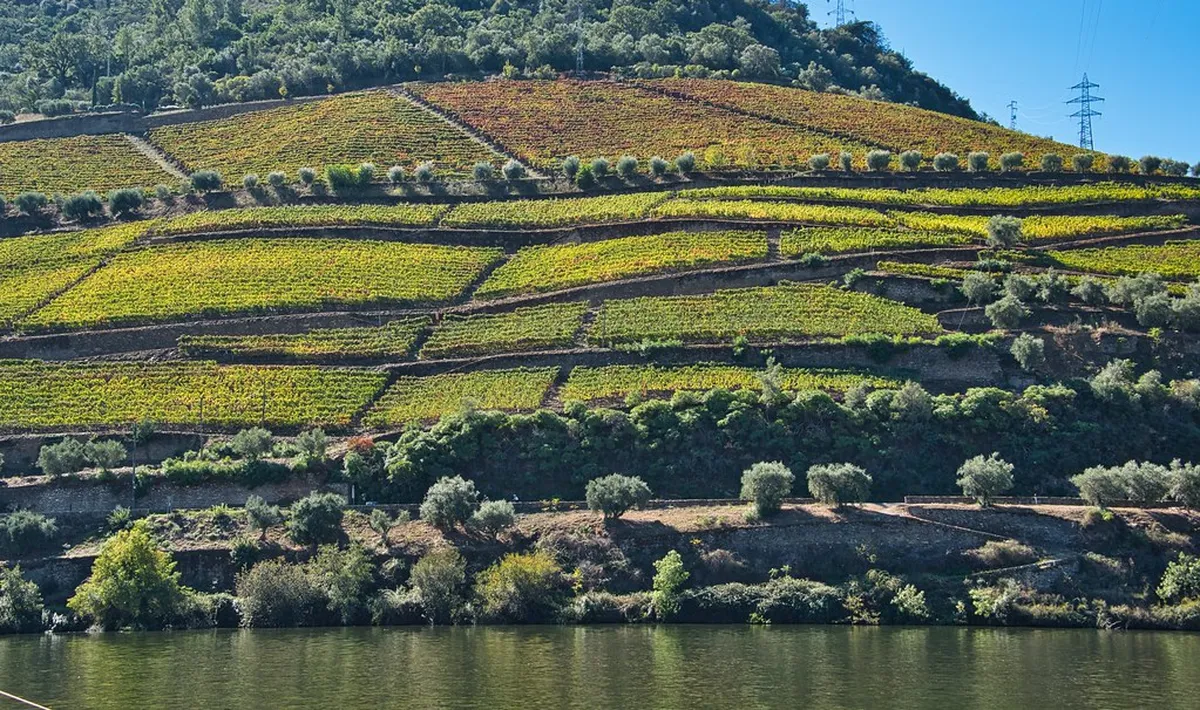
The quintas in the Upper Douro (Douro Superior) around Pinhão tend to be the most scenic. Quinta do Crasto, Quinta da Roêda (owned by Croft), and Quinta de la Rosa all receive visitors and offer well-organized tasting experiences. La Rosa is particularly good for those interested in both Port and unfortified Douro red wines — their Douro DOC reds have won significant attention in recent years and the estate lunch is excellent. Many travelers book a Complete Douro Valley Wine Tour (Viator) for a well-structured introduction that handles all the logistics.
Independent travelers can combine the scenic Douro Line train from Porto's São Bento station to Pinhão (approximately 2h 45min, around 11–14 EUR one-way) with a self-arranged quinta visit. Several estates near Pinhão accept walk-in visitors or bookings made a day in advance. This is the most budget-friendly option and the train journey itself — following the river through terraced vineyards — is considered one of the most beautiful rail routes in Europe.
River Cruises on the Douro: What the Boats Actually Offer
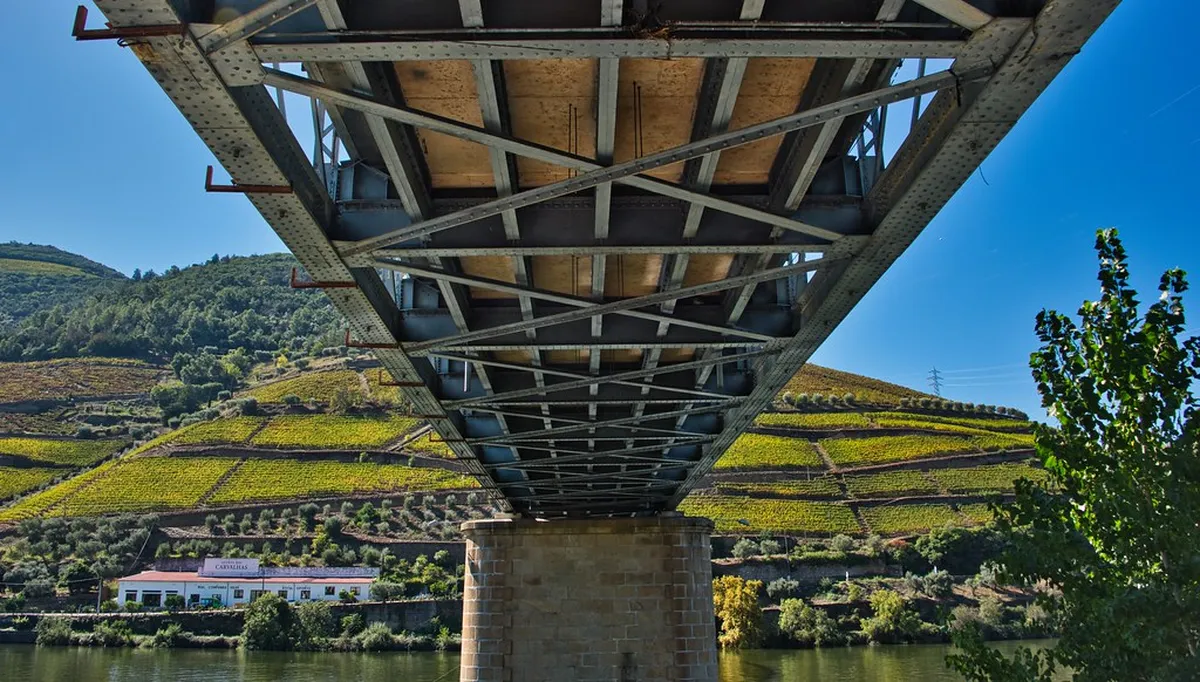
Boat tours on the Douro split into two distinct categories and they serve different purposes. The first is the short Six Bridges cruise (Cruzeiro das Seis Pontes) that runs from the Gaia or Porto riverfront and loops under all six bridges connecting the two banks. These last 50 to 60 minutes and cost around 15–17 EUR. They are scenic but do not include wine and do not leave the urban section of the river.
The second category is the longer excursion boat that travels upstream toward the Douro gorge and the terraced vineyard country. These take four to eight hours and most include a wine tasting or lunch stop. A full-day boat cruise from Porto to Régua and back costs roughly 65–80 EUR per person and is one of the most photogenic ways to see the valley without the logistical overhead of a van tour. The boats depart from the Ribeira or Gaia piers, typically at 09:00, and return by late afternoon.
For a Douro Valley Private Tour that combines a boat segment with a quinta visit and tasting, expect to pay 130–180 EUR per person for a private group experience. The boat portion is especially impressive in September and October when the vendimha (harvest) is underway and the terraced hillsides are full of pickers.
Best Time to Visit and the Harvest Season Advantage
Porto's wine scene is open year-round but the experience varies significantly by season. The Gaia lodges operate their standard hours (10:00–18:00 in winter, often extended to 19:00 or 20:00 in summer) throughout the year. Summer (June–August) is the busiest period — slots at major lodges book out quickly and the Gaia promenade is at full tourist capacity by midday. Book at least a week ahead if you are visiting between July and August.
September and October are the best months for a Douro Valley visit. The vendimha harvest runs roughly from the first week of September through mid-October depending on the year and the altitude of the vineyard. During this period, some quintas allow visitors to participate in treading grapes in traditional lagares (stone fermentation tanks), which is a rare and tactile experience. The landscape is also at its most dramatic — the terraced vineyards turn gold and red before the harvest is complete.
Spring (March–May) is the second-best window. Crowds are lighter, prices for accommodation are lower, and the Douro hillsides are green with new growth. Tasting rooms are less rushed and guides have more time for questions. Winter visits are viable if your focus is the Gaia lodges rather than the valley — the lodges are quieter and some offer discount entry rates in January and February.
The Early Morning Lodge Visit That Most Guides Skip
The single most effective way to get more out of a Gaia cellar visit is to arrive at opening time on a weekday — 10:00 at most lodges. Between 10:00 and 11:30, tour groups from cruise ships and hotel packages have not yet arrived. The guides are not yet under time pressure and they often extend tastings, pull out a barrel sample, or explain the blending process in genuine detail. The same guide who gives a 45-minute scripted tour at 14:00 will spend 75 minutes with a group of two or three at 10:15.
This timing window is especially effective at mid-size houses — Ramos Pinto, Poças, and Churchill's — where the guides have real latitude to improvise. At the largest houses (Sandeman, Calem), the morning rush from the cruise-ship promenade still fills early slots in summer, so arrive right at opening if that is your target. The wine itself tastes different too: palates are fresher in the morning and the cellar air is cooler, which makes the aroma components in older Tawnies easier to distinguish.
Pair this with a simple logistical move: book your first lodge online the night before, but leave the second visit unbooked. Walk-in availability at neighboring lodges is generally much higher before noon on weekdays. This flexibility lets you extend your first visit if it is going well without being locked into a back-to-back schedule.
Practical Tips for a Smooth Wine Tasting Day in Porto
The streets of both Porto and Gaia are steep and surfaced with cobblestone. Comfortable shoes with grip are not optional — this matters especially on the Gaia hillside between the upper lodges and the river. The cable car between the riverside and the upper Gaia terrace costs around 6 EUR one way and is worth it for the ascent; the descent through the lanes is manageable on foot.
Most lodges do not charge a separate tour fee — the cost of the guided cellar walk is bundled into the tasting price. If you are on a tight budget, the tasting alone (no tour) is sometimes available at the bar for a lower price, though this varies by lodge. The 10 Essential Insights for Your Douro Valley Wine Tour packages that bundle city tastings with a valley day trip offer the best per-experience value if you plan to do both.
Eat before a full day of tastings. The Mercado do Bolhão on the Porto side is an excellent morning stop for a light breakfast before crossing into Gaia. Most lodges offer small food pairings — local cheese (queijo da Serra), dark chocolate, and almonds are the standard accompaniments — but these are not filling enough to pace an extended session. Hydration matters: the Douro is a hot region in summer and fortified wines dehydrate faster than table wine at the same volume.
Frequently Asked Questions
Do I need to book Port wine tastings in advance?
Yes, booking in advance is highly recommended for all major lodges in Gaia. Most popular houses like Graham's and Taylor's fill up days ahead, especially during the summer. You can check the douro valley wine tour options for packages that include pre-booked tastings.
How much does a wine tour in Porto cost?
A basic cellar tour and tasting in Gaia usually costs between 15 and 25 Euros per person. Full-day excursions to the Douro Valley typically range from 90 to 150 Euros. Prices vary based on the number of wines tasted and the inclusion of lunch or boat rides.
Can you visit the Douro Valley by train?
You can take the scenic Douro Line train from Porto's Sao Bento station to Pinhão. The journey takes about two and a half hours and offers beautiful river views. This is a great budget-friendly alternative to organized van tours for independent travelers.
Exploring the wine culture of Porto is an essential experience for any visitor to Portugal.
Whether you prefer historic cellars or modern bars, the city offers something for every palate.
You can find more detailed guides and tips on the Portugal Wander blog for your next trip.
Start planning your wine journey today to ensure you get the best reservations in 2026.
Pair this with our broader Douro Valley tourism attractions guide for the full regional overview.