10 Best Ways to Experience Wine Tasting in Porto (2026)
Discover the best wine tasting in Porto with our guide to historic Port cellars, hidden wine bars, natural wine shops, and Douro Valley tours.
On this page
10 Best Ways to Experience Wine Tasting in Porto (2026)
Our editors have spent years exploring the steep cobblestone streets of Porto and the historic lodges of Gaia to find the perfect pour. I have personally visited dozens of the best port wine lodges in Porto to separate the tourist traps from the authentic gems. This guide reflects my latest findings from a return visit in late 2025.
The city has changed rapidly, with modern wine museums and natural wine bars joining the centuries-old cellars. Last refreshed May 2026, this list ensures you have the most current pricing and booking information for your trip. Whether you want a deep dive into history or a casual glass by the river, Porto offers something for every palate.
Most visitors realize quickly that the famous Port wine actually ages across the river in Vila Nova de Gaia. Navigating these two distinct areas is essential for a smooth tasting itinerary.
Port Wine Styles: What You're Actually Drinking
Port wine is a fortified wine produced exclusively in the Douro Valley, the world's oldest demarcated wine region. The region is protected under the Denominação de Origem Controlada (DOC) status to ensure quality and tradition, overseen by the official Port wine regulatory body. Understanding the port tasting in Porto process helps you appreciate the age-old traditions of the valley.
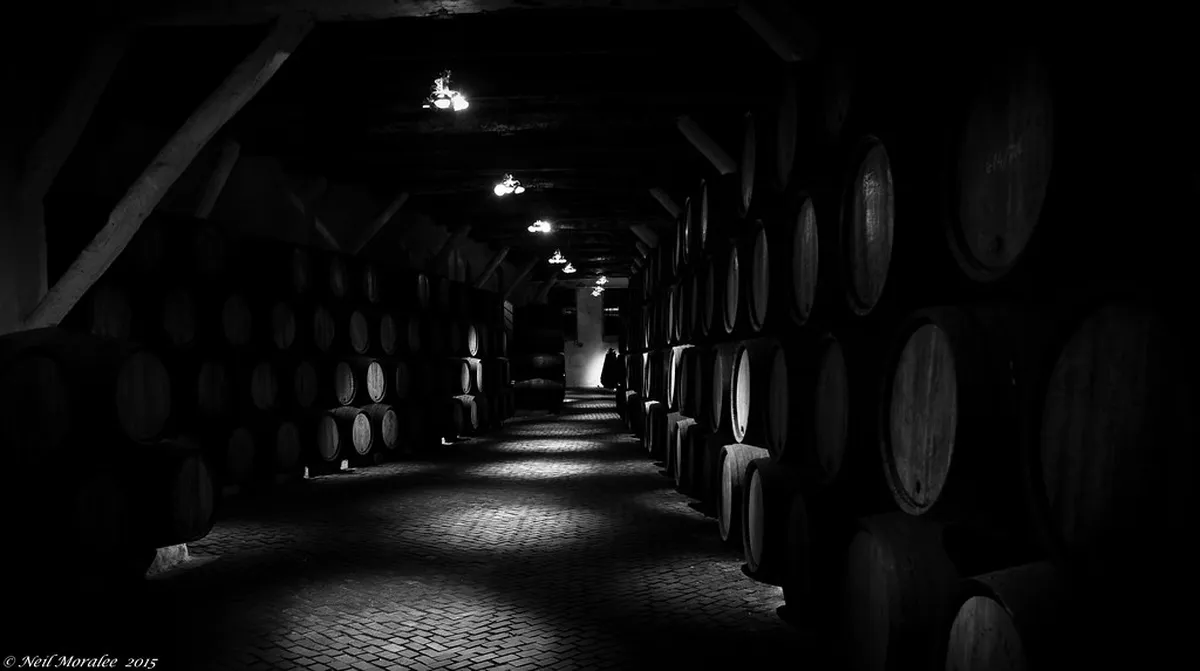
Ruby ports are aged in large tanks to preserve their bright, fruity character and deep red color. Tawny ports spend years in smaller oak barrels, developing complex notes of nuts, caramel, and dried fruits. The age statements on Tawny — 10, 20, 30, or 40 years — refer to the average age of the blended wines, not a single vintage year.
Late Bottled Vintage (LBV) is a style many visitors overlook. It comes from a single year, aged four to six years in barrel, and is usually ready to drink immediately — making it an excellent value pick in tasting flights. Colheita is the Tawny equivalent of LBV: a single-harvest Tawny aged at least seven years in oak, often the most nuanced pour in a lodge's lineup.
Vintage ports represent the pinnacle of production, made only in exceptional years and designed to age in the bottle for decades. White and Rosé ports have also gained popularity, often served as a refreshing Porto Tónico cocktail. Beginners should request a flight spanning Ruby, 10-Year Tawny, and White to orient their palate before committing to pricier options.
Getting to Vila Nova de Gaia: The Cellar Side of the River
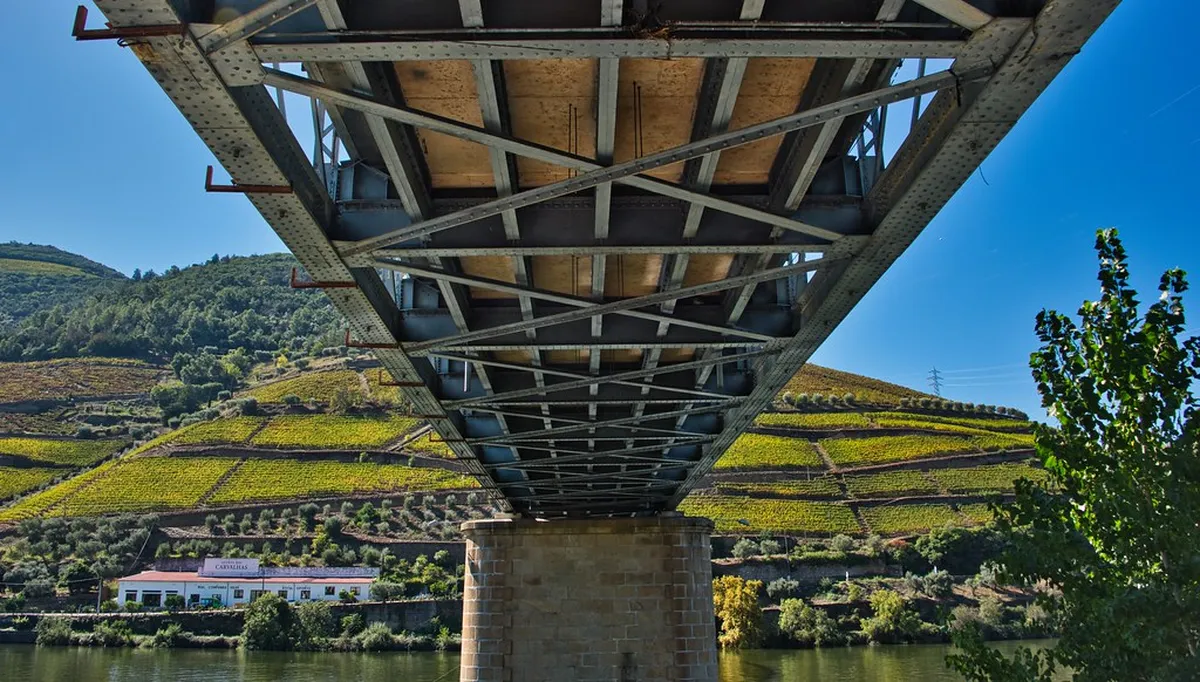
While Porto is the famous name, virtually all the historic aging lodges sit on the southern bank in Vila Nova de Gaia. The most direct connection is the upper deck of the Dom Luís I Bridge, which pedestrians share with Metro Line D. Cross on foot for free in about seven minutes and arrive at the hilltop lodges (Graham's, Taylor's) without the climb. Crossing via the lower deck puts you at river level, closer to the Quay of the Wine Boats and the lower lodge entrances.
The Metro Line D from São Bento station reaches General Torres station in Gaia in under ten minutes, costing around €1.50 per single journey on an Andante card. Small water taxis shuttle passengers across the river for roughly €3 per trip and run frequently from the Ribeira waterfront. For a more relaxed journey, the ribeira boat is a good option if you are starting at the lower lodges rather than the hilltop ones.
Comfortable shoes are non-negotiable. The slope from the riverside Quay up to Graham's or Taylor's is steep and paved with old cobblestones. Allow fifteen minutes for the uphill walk, or take an Uber from the Gaia waterfront taxi rank if the gradient is an issue.
The Best Historic Port Lodges in Vila Nova de Gaia
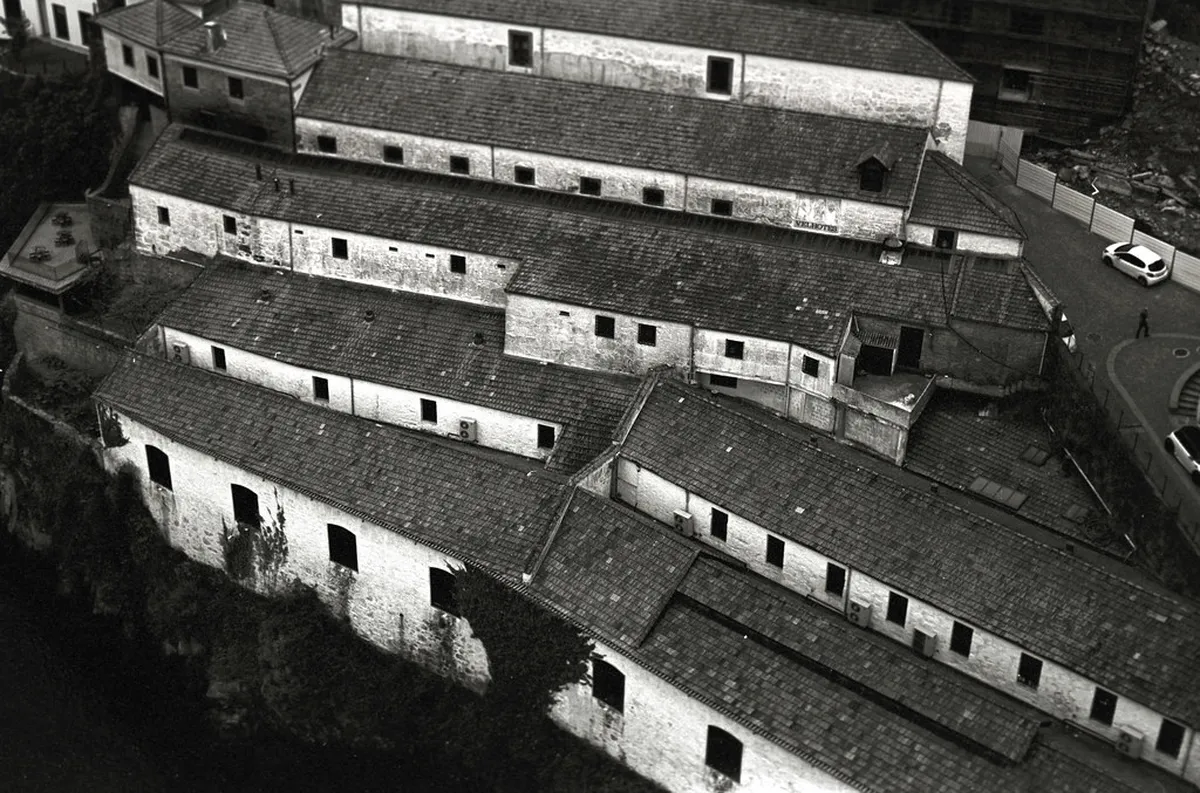
Graham's Port Lodge on the hilltop provides a sophisticated atmosphere for sampling high-end Tawny and Vintage ports. Guided tours and tastings cost between €20 and €55, with doors open daily from 09:30 to 18:00. The evening slots offer the best light for photography across the water from the terrace.
Caves Ferreira has deep roots in Portuguese history, famously led by the legendary Dona Antónia Adelaide Ferreira in the 19th century. Standard tours start at €15 and run daily from 10:00 to 18:00 in the heart of Gaia. The museum houses remarkable artifacts that chart the region's female-led wine revolution — it is consistently underrated compared to the bigger names.
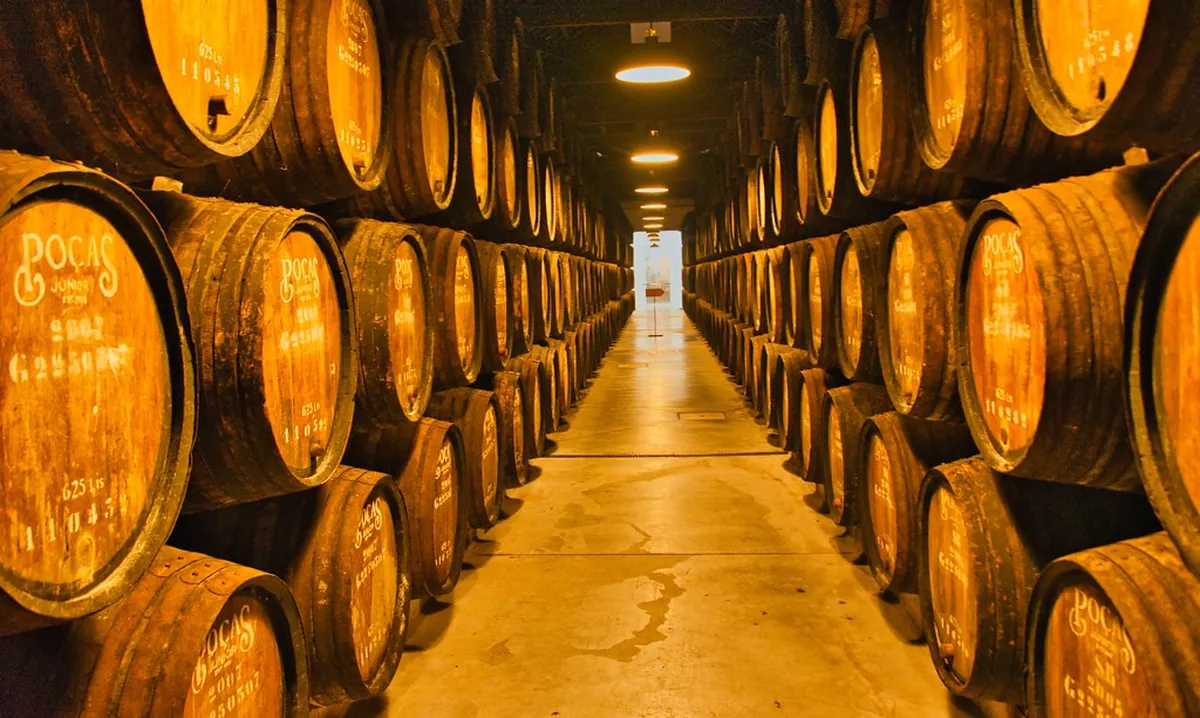
Taylor's provides a self-guided audio tour that lets you explore massive aging cellars at your own pace. Expect to pay €18 to €45, with operating hours daily from 10:00 to 19:00. The resident peacocks in the garden add a quirky charm to post-tasting relaxation on the sun-drenched terrace. Caves Poças is the family-owned alternative — smaller, less crowded, with excellent Colheita ports and staff who share personal stories rather than a rehearsed script. Tastings range from €12 to €35, Tuesday through Sunday from 10:00 to 19:00.
The World of Wine (WOW) District
The World of Wine district in Gaia opened in 2020 and has become one of the most-visited cultural sites on the Iberian Peninsula. It occupies the former Ramos Pinto wine warehouses and contains seven separate museums covering wine, cork, chocolate, textiles, and design. For wine tasters, the Wine Experience Museum is the core draw — tickets cost €13 to €18, and the daily hours run from 10:00 to 19:00.
The Wine Experience museum walks visitors through the entire arc of wine production in Portugal, from Vinho Verde in the Minho to aged Vintage Port in Gaia. Interactive exhibits let you identify aromas by smell, and a dedicated section explains the science behind fortification. This is the right starting point for first-timers who want context before committing to a lodge tour.
Beyond the museums, the WOW district contains four restaurants and a rooftop bar with panoramic Douro views. Many visitors underestimate how much time they spend here — block out at least three hours if you plan to cover two or more museums. You can purchase a combined ticket for multiple museums at the entrance at a meaningful discount compared to buying each separately.
If you are visiting Porto with a mixed group — some wine enthusiasts and some not — WOW solves the problem neatly. Non-wine travelers can visit the cork or textile museums while the wine lovers go deep on Port. It is also stroller-accessible throughout, which the steep lodge paths in Gaia are not. Booking the wine tour in Porto packages that include WOW entry plus one lodge usually saves around €8 per person compared to paying separately.
Wine Bars and Natural Wine Shops in Porto
The lodge experience in Gaia covers Port wine comprehensively, but Porto's city-side wine bars are where you discover the rest of Portugal's wine culture. Cave Bombarda in the Bonfim art district focuses on low-intervention and natural wines from across the country. Glass prices run €8 to €25, the shop is open from 15:00 to 20:00 Tuesday through Saturday, and the staff routinely open bottles not listed on the menu if you ask.
Capela Incomum is set inside a converted 19th-century chapel and offers a romantic, quiet setting for evening drinking. Individual glasses start at €5, service runs from 16:00 until midnight, and the wooden altar and dim candlelight create an atmosphere completely unlike the larger commercial cellars. It fills up by 20:00 on weekends — arrive earlier or expect to wait.
Quevedo's modern tasting room in Gaia occasionally pairs wine flights with live Fado performances, making it one of the more memorable ways to combine Portuguese cultural experiences in a single evening. Tastings with music run €12 to €30, open daily from 11:00 to 19:00. The informal setup means you can ask the staff direct questions about their production without the structure of a formal lodge tour.
The Porto Tónico: How to Order It Correctly
The Porto Tónico — White Port served over ice with tonic water — has become Porto's signature aperitif, served at virtually every cellar and bar in the city. What most tourists do not realize is that the standard tourist-facing pour uses a 1:5 ratio of Port to tonic, which strips the wine of its flavor. The correct ratio is 1:3, and you can ask for it specifically without embarrassing yourself.
The garnish matters too. The traditional serve uses a sprig of fresh mint and a slice of lemon. Lime, which many bars substitute, clashes with the wine's floral notes. If the bar brings you lime, swap the garnish rather than complaining — it is a small but noticeable improvement.
The White Port you are served also varies significantly in quality. The default pour at tourist-facing spots is usually Croft White, which is fine but one-dimensional. For a noticeably better drink, ask whether they have Niepoort Dry White or Quinta do Crasto White Port — both carry more texture and complexity at roughly €1 to €2 more per glass. These are stocked at most wine bars in the city but not always promoted, so you have to ask. This one detail consistently improves the experience of visitors who otherwise find White Port unremarkable.
Food Pairings: What to Eat During a Tasting Day
Port wine is intensely sweet and high in alcohol — around 20% — so eating strategically throughout a tasting day is not optional. Most lodges provide plain crackers and occasionally cheese, but these are palate cleansers rather than real food. Eat a proper meal before your first cellar visit of the day, and budget a mid-afternoon break to eat something substantial between sessions.
The classic pairing for aged Tawny is a salted blue cheese, particularly Queijo de Ovelha from the Alentejo. It is counterintuitive — sweet wine with salty cheese — but the fat in the cheese cuts through the sweetness and highlights the nutty notes in the wine. Most lodge shops sell local cheese alongside their Port; buying a small wedge to eat on the terrace between pours is a ritual worth adopting.
Ruby Port pairs well with dark chocolate, and most lodges offer 70%-plus cacao squares alongside their Ruby flights. White Port served cold pairs remarkably well with salted almonds or a plate of cured presunto ham. For the Douro Valley tours that include a full lunch at an estate, the kitchen typically prepares dishes matched to specific wines — do not eat beforehand, as the pairings are designed as a complete experience.
Best Time to Visit for Wine Tasting
September and October are the optimal months for a wine-focused trip to Porto. Harvest season — called vindima — runs from mid-September to mid-October, and the energy around the lodges changes noticeably. Some estates open their Douro vineyard properties to visitors during harvest, offering the chance to see grape picking and foot treading that is off-limits the rest of the year.
Spring (April and May) and early autumn (September) offer the best combination of mild weather and manageable crowds. Summer from June through August brings larger tour groups, longer waits at popular lodges, and higher hotel prices in both Porto and Gaia. Booking lodge tours at least two weeks in advance is essential during those months; the most popular time slots at Graham's and Taylor's sell out a month ahead in July and August.
November through March is genuinely underrated for a wine trip. Crowds are minimal, the lodges are more willing to accommodate walk-ins and extended conversations with cellar masters, and the muted light over the Douro on a cool morning is its own reward. Rainfall is higher but rarely persistent, and many Douro Valley Tours: 10 Essential Planning Tips still operate through winter with reduced group sizes.
What to Skip: Overrated Wine Experiences in Porto
Generic riverfront kiosks offer unlimited tastings that lack any real historical context. These spots often serve mass-produced young rubies that do not represent the true quality of the region's output. Avoid any venue that uses aggressive street promoters to lure you inside with free samples — legitimate lodges do not need to recruit from the sidewalk.
Some of the larger, most famous cellars feel like a factory assembly line during peak summer. If a tour group has more than thirty people, you will likely lose the opportunity to ask the guide specific questions. Smaller, family-run houses like Poças usually provide a much better educational experience for the same price point.
Do not waste time on wine shops in the Ribeira district that have no cellar space of their own. Storage conditions in retail-only shops can be inadequate for delicate older vintages. Stick to the established lodges in Gaia or reputable wine bars for the best tasting conditions.
Booking, Costs, and Practical Logistics
Planning ahead is the only way to guarantee a spot at the most popular lodges like Graham's or Taylor's. During the high season from June to September, book your tours at least two weeks in advance — ideally three to four for July and August. Most lodges run a straightforward online booking system; paying by card at time of reservation is now standard and usually required to hold a slot.
Expect to pay €12 to €20 per person for a standard guided tour with two or three pours. Premium flights featuring aged Tawnies or Vintage ports run €40 to €70. For context, a thorough afternoon covering one major lodge tour, one boutique family cellar, and a stop at a natural wine bar typically costs €50 to €80 per person all-in, before food.
Boutique houses like Poças can often accommodate guests with just two or three days' notice. If you find yourself without a reservation, the wine bars on Porto's city side are reliable walk-in options most evenings. Most tastings last 60 to 90 minutes, so do not schedule more than three in a single day. Alcohol levels in Port are high at around 20%, so staying hydrated and eating between sessions is not just advice — it is the difference between remembering the day and not. Many visitors also choose a Porto food tour that includes wine as a lower-pressure introduction before committing to formal lodge visits.
Frequently Asked Questions
How much does a wine tasting in Porto typically cost?
Basic tastings usually start around $15 per person for three glasses. Premium flights featuring aged tawnies or vintage ports can range from $40 to $70. Most guided cellar tours include two samples in the base price.
Do I need to book wine cellars in advance?
Yes, reservations are highly recommended for the major lodges in Gaia. During the summer months, popular spots often sell out two weeks ahead. Walk-ins are easier to find at smaller wine bars in the city center.
Is it better to taste wine in Porto or the Douro Valley?
Porto is best for learning about the aging process and history of the port houses. The Douro Valley offers the beauty of the vineyards and the chance to see where production begins. Both experiences complement each other perfectly.
Experiencing wine in Porto is a journey through centuries of tradition and modern innovation. By mixing historic cellar tours with local wine bars, you get a complete picture of the region's liquid heritage. Remember to cross the bridge early and leave plenty of time for wandering the narrow streets of Gaia.
Whether you prefer a fruity Ruby or a complex Vintage, the city's hospitality will leave a lasting impression. We hope this guide helps you find your new favorite bottle while exploring the beautiful banks of the Douro.
For the wider regional context, see our complete Douro Valley tourism attractions guide.