Where To Stay In Douro Valley: Best Areas & Hotels
Find the best places to stay in the Douro Valley. Explore top towns like Pinhão and Régua, luxury quintas, and essential transport tips for your trip.
On this page
Where To Stay In Douro Valley: Best Areas & Hotels
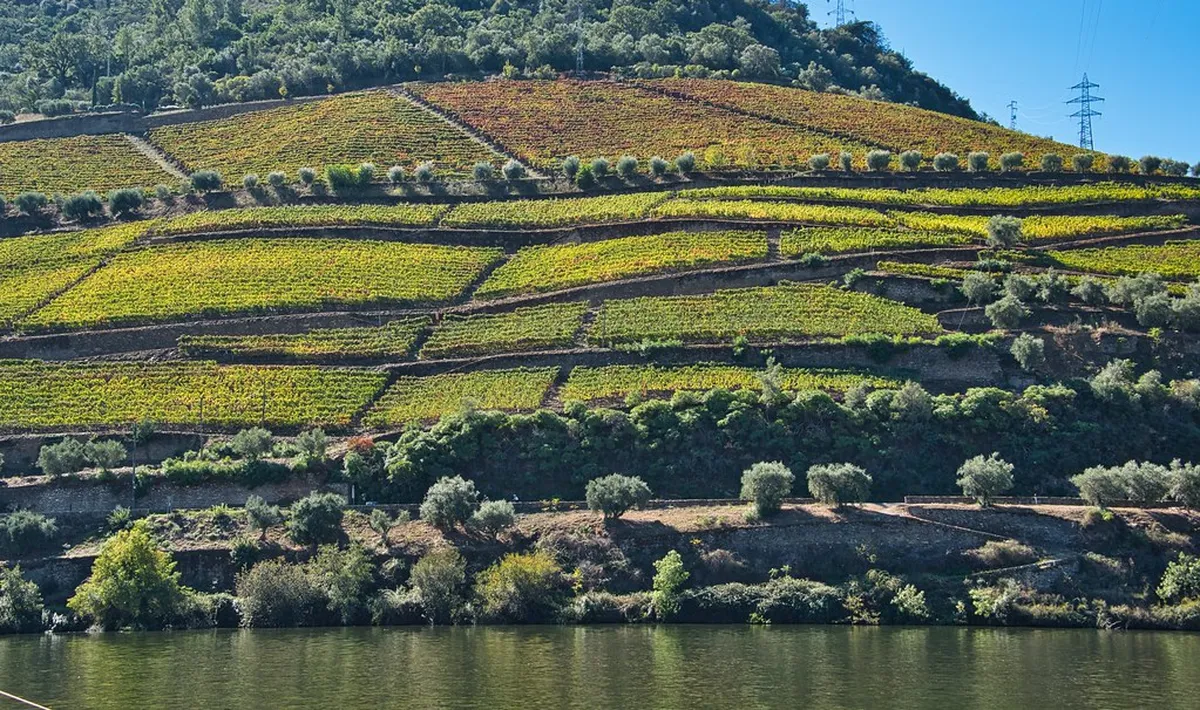
The Douro Valley is one of the most dramatic wine landscapes in the world, but its steep terrain and limited public transport make where you sleep a logistical decision as much as a romantic one. This guide breaks down each area clearly so you can match your accommodation to your budget, travel style, and how you plan to get around.
For a quick orientation: Peso da Régua suits non-drivers and budget travelers; Pinhão suits couples and wine enthusiasts with a car; Lamego suits those who want history and value; and the hilltop villages above the river suit travelers who want silence and space. Everything below expands on each option with practical details.
Should You Stay in the Douro Valley or Day-Trip from Porto?
Many visitors consider basing themselves in Porto and doing the Douro as a long day trip. The train from Porto Campanhã to Régua takes around 2 hours, which is manageable. However, the train to Pinhão adds another 45 minutes each way, leaving you only 3–4 hours in the valley before you need to head back. A day trip works for Régua; it barely works for Pinhão.
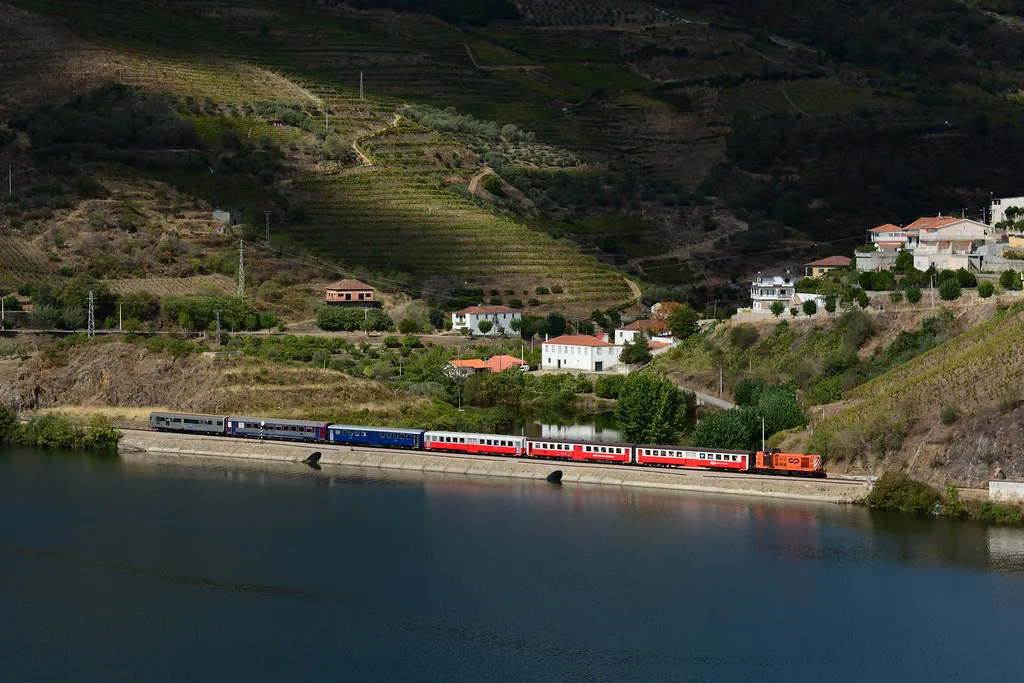
Staying overnight changes the experience entirely. The valley empties of day-trippers by late afternoon, and the light on the terraced slopes at dusk is unlike anything you see during peak hours. River cruise boats also depart early in the morning, meaning you would miss the best ones if you commute from Porto each day. For anyone who wants more than a winery visit and a scenic train ride, at least two nights in the valley is the right call.
Budget is worth considering here. A mid-range guesthouse in Régua runs €70–€120 per night in 2026, while comparable accommodation in Porto's center can now exceed €150. Staying in the valley is not always the more expensive option.
Transport Realities: Train, Car, and Taxi
The Linha do Douro train connects Porto Campanhã to the valley and stops at major hubs including Régua and Pinhão. The critical detail most planning resources omit is the frequency: only 3 to 4 trains per day run all the way to Pinhão. The last return train to Porto from Pinhão typically departs before 19:00. This is not a service you can casually use to pop back to Porto for an evening. Plan your itinerary around the timetable, not the other way around.
Driving unlocks the valley completely. The Douro wine region is divided into three sub-regions — Baixo Corgo, Cima Corgo, and Douro Superior — and the most spectacular quintas are often 10–20 minutes up unpaved or narrow roads from the riverside. The N222 between Régua and Pinhão, often cited as one of the world's most scenic drives, takes around 45 minutes by car and winds past dozens of estates. Without a car, those estates are inaccessible unless you book a tour.
Taxis and rideshares are limited outside Régua. A taxi from Régua to a hilltop quinta can cost €20–€30 each way and requires advance booking through your accommodation. If you plan to rely on taxis for a multi-day stay, factor this into your budget honestly — it adds up faster than people expect. Many top-rated 10 Best Douro Valley Tourism Attractions sit off the main roads where no rideshare service operates.
Staying in Peso da Régua: The Practical Hub
Peso da Régua is the region's main commercial town and the most accessible base for travelers without a car. It has a direct train connection from Porto, a busy riverside quay with tour boat departures, supermarkets, pharmacies, and restaurants serving straightforward Portuguese cooking at honest prices. The official Régua tourism office can help with local guidance. It is not the most picturesque place in the valley, but it is the most functional.
The town sits at the western edge of the Cima Corgo sub-region where the river valley begins to narrow. Budget guesthouses and two- to three-star hotels cluster within walking distance of the train station and the Museu do Douro. Mid-range options like the DOC-adjacent properties offer river views at €90–€130 per night. For budget travelers, simple rooms above cafes and local pensões run €50–€75.
Régua is also the departure point for the classic Régua–Pinhão river cruise, which runs roughly 3 hours one-way. You can take the boat to Pinhão in the morning and return by the afternoon train, making a full-day loop without a car. This is the best itinerary for non-drivers who want to see the inner valley without committing to a Pinhão overnight.
The Régua–Pinhão river cruise runs roughly 3 hours one-way and departs in the morning from Régua's quay. Taking the cruise to Pinhão and returning by the afternoon train creates a full-day loop without needing a car.
Staying in Pinhão: The Heart of the Vineyards
Pinhão is the most scenic base in the valley and the one most recommended by wine-focused travel guides. The village sits at the confluence of the Douro and Pinhão rivers, surrounded by some of the most prestigious quintas in Portugal. Its train station — famous for azulejo tile panels depicting the grape harvest — is itself worth a stop. The village has a handful of restaurants, a small supermarket, and almost nothing else in terms of infrastructure, which is exactly the point. The official Portuguese tourism guide highlights the region's UNESCO heritage status.
Most accommodation in Pinhão sits at the mid-range to luxury tier. Small boutique hotels and restored manor houses start around €120 per night in shoulder season and rise above €200 during the September–October harvest. A car is strongly recommended: several nearby quintas for tastings and tours are reachable on foot in good weather, but the best hilltop viewpoints require driving.
Pinhão is the best departure point for traditional Rabelo boat cruises and for visiting estates like Quinta do Crasto, Quinta Vale Meão, and Quinta do Vallado. The village itself is quiet after 18:00 once day-trippers leave, which is either a selling point or a drawback depending on your preference for evening activity. Couples and wine enthusiasts consistently rate it the most memorable base in the valley.
Staying in Lamego: History, Value, and a Sparkling Wine Secret
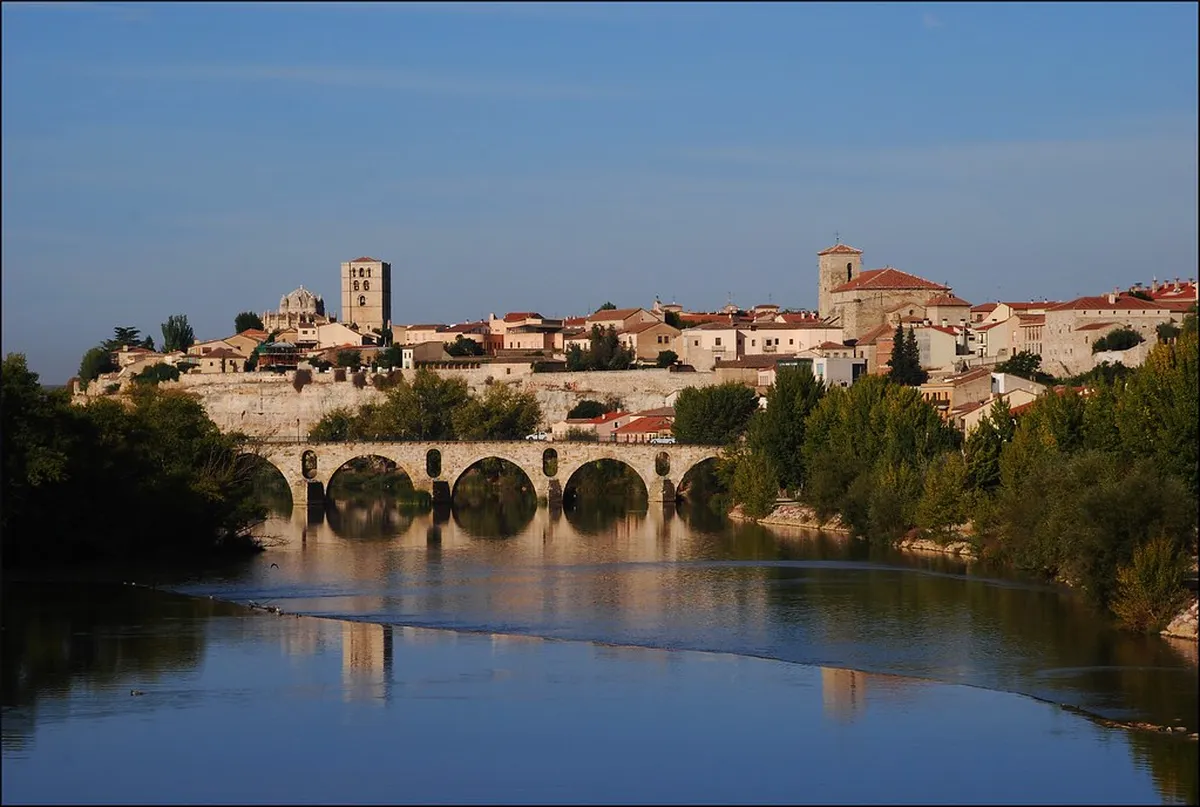
Lamego is a historic city located about 15 km south of the Douro River, reached by car in around 20 minutes from Régua. It is most famous for the Sanctuary of Nossa Senhora dos Remédios and its 686-step Baroque staircase, one of the most impressive pieces of religious architecture in Portugal. The city center has a medieval castle, a grand cathedral, and a lively local market scene that feels nothing like a tourist bubble.

Accommodation in Lamego offers some of the best value in the entire region. Three-star hotels in the city center run €60–€100 per night, and several family-run guesthouses charge under €65 for comfortable double rooms. The city is large enough to have good restaurants, a cinema, and a full range of services, which makes it a practical base for longer stays.
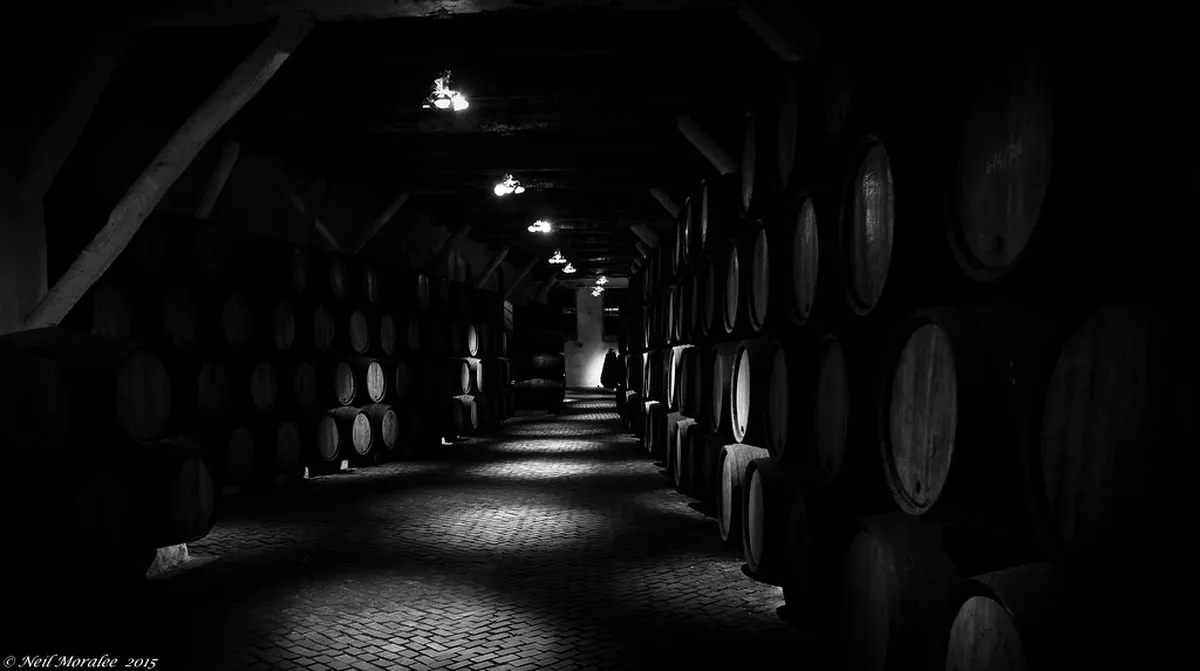
Lamego is also the home of Raposeira, Portugal's most established sparkling wine producer. The Raposeira cave tour is free and runs daily — it is one of the region's most underrated visits, covering 5 km of tunnels maintained at a constant 12°C. Most guides focus on port wine and table wine estates, but Lamego's sparkling wine heritage is a genuine differentiator that wine-curious travelers often discover only after arriving. The downside is that Lamego requires a car to access the main Douro riverbanks and the estate road network.
Hilltop Villages: The Quiet Alternative Above the River
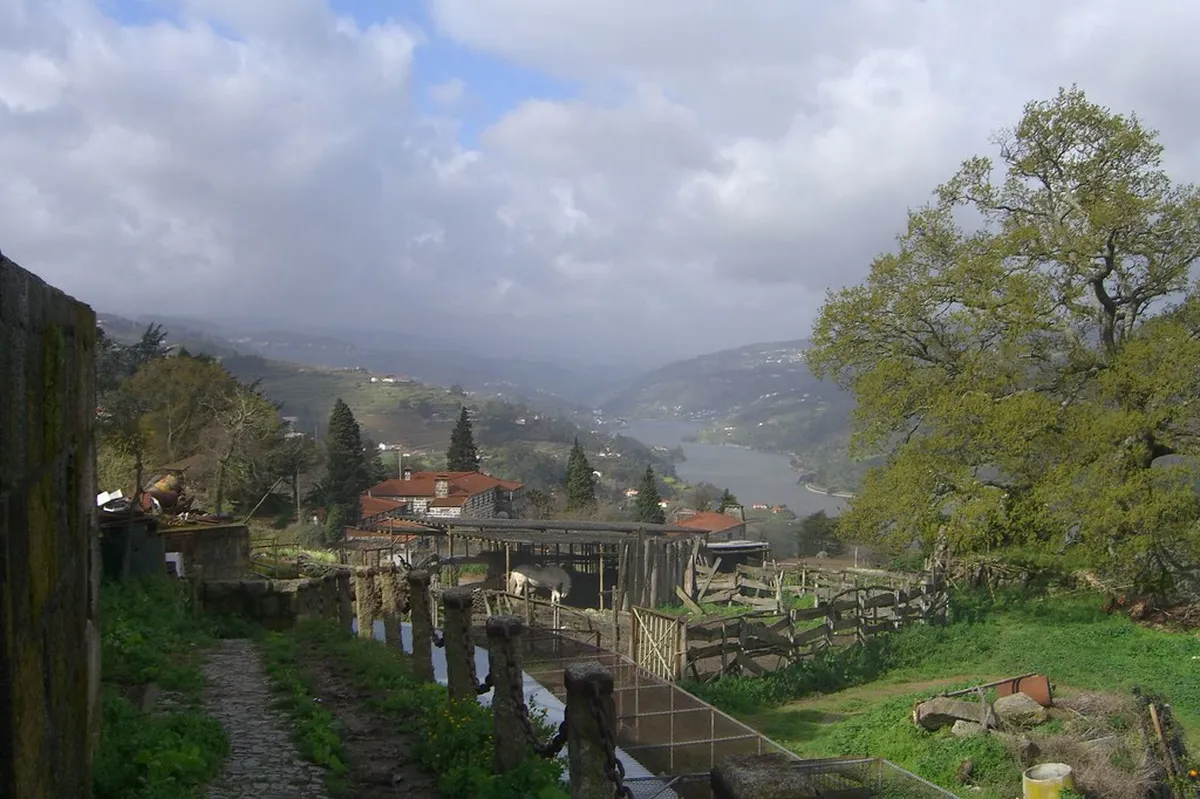
The villages perched 300–500 metres above the riverbanks — places like Alijó, São Mamede de Ribatua, and Sabrosa — rarely appear in mainstream accommodation guides, but they offer a fundamentally different experience. Prices are 30–40% lower than comparable properties in Pinhão. The views down over the terraced vineyards are wider and more panoramic than anything you see from the valley floor. And because these villages see almost no foot traffic from day-trippers, the atmosphere is genuinely quiet.
Sabrosa is historically notable as the birthplace of Ferdinand Magellan and sits on a ridge above the Pinhão River valley. It has a handful of rural tourism properties and agri-tourism quintas that include breakfast and vineyard access. Alijó, about 20 km east of Pinhão, is the closest town to Quinta do Crasto and Quinta do Vallado. Staying there puts you within 10 minutes of several top estates while paying Régua-tier prices.
The trade-off is that a car is non-negotiable. There is no meaningful public transport connecting these hilltop villages to the riverside towns. Grocery options are limited, so plan meals accordingly. But for travelers who want the Douro scenery without Pinhão prices or Régua's urban feel, this is the most rewarding option that most planners never consider.
Luxury Hotels and Quintas: What to Expect
The Six Senses Douro Valley is the benchmark luxury property in the region. It occupies a beautifully restored 19th-century manor near Lamego with a full spa, multiple restaurants, and rooms starting around €400 per night in peak season. The vinotherapy treatments — using local grape-seed extracts, wine musts, and polyphenol-rich oils — are genuine wellness programming, not marketing decoration. Non-guests can book treatments, though rooms sell out months ahead during harvest.
Torel Quinta da Vacaria near Pinhão brings a more contemporary design sensibility to the quinta format. Rates sit around €250–€350 per night and include access to the estate's vineyard walking trails. For those who want to stay at a working winery, Quinta Nova de Nossa Senhora do Carmo offers luxury rooms inside a historic stone manor with direct views over the river. Participating in the September harvest is possible for guests who book the wine experience packages in advance.
One practical note: most luxury quintas are set several kilometres from the nearest town. Dinner outside the property means a 15–25 minute drive. Factor this into your planning, especially if you want to drink freely with dinner. Many properties offer half-board arrangements at an extra €40–€60 per person that are worth considering for this reason. You can find more options in our guide to the 10 Best Hotels in Douro Valley with Spa.
Staying at a Working Winery (Quintas with Rooms)
Staying at a working quinta is the most immersive accommodation format the Douro offers. Quinta da Pacheca near Régua is the most talked-about option for its giant wine barrel rooms — converted oak barrels that function as self-contained guest pods in the vineyard. Rates for the barrel rooms run around €300–€380 per night and include a winery tour. The standard manor rooms are priced closer to €150–€200 and offer the same estate access at better value.
Quinta do Pôpa, further east toward Alijó, is a smaller family-run estate with rooms from around €120 per night. It produces well-regarded table wines and offers cooking classes using produce from the property garden. The informal scale of the operation means guests get genuine contact with the family rather than a hotel-style stay. For the September harvest, most participating quintas ask for a minimum two-night stay and fill their booking windows 4–6 months in advance.
The key advantage of staying on a working quinta over a standalone hotel is access to the estate before and after normal visiting hours. Walking the vineyard rows at sunrise or watching the tanks being cleaned in the evening cellar gives a sense of the wine-making calendar that no daytime tour replicates. For wine-focused travelers, this is the Douro's most distinctive offering.
Budget and Mid-Range Options: Where to Find Value
The Douro Valley has a wider range of affordable accommodation than its luxury reputation suggests. In Régua, several locally run guesthouses charge €50–€75 for clean double rooms with breakfast. In Lamego, the value is even stronger: some three-star properties include parking and a pool for under €80 in shoulder season. The hilltop villages above the river offer agri-tourism properties from €60–€90 with vineyard views that rival anything a five-star charges for.
Self-catering apartments and village houses on rental platforms give families and groups the best price per head. A three-bedroom house near Alijó with a private pool runs €150–€200 per night total, which beats three separate hotel rooms at any riverside property. Full kitchens also reduce meal costs significantly in a region where restaurant choice thins out quickly once you leave Régua and Lamego.
Booking windows matter. The harvest period from mid-September to mid-October is peak demand, and prices across all tiers jump 30–50% while availability collapses. Book harvest-season stays at least 3–4 months ahead. May, June, and early October offer the best combination of weather, color, and reasonable rates. Winter stays (November–February) see deeply discounted rates but shorter daylight hours and some quintas closed entirely for the off-season.
During the September–October grape harvest, prices across all accommodation tiers jump 30–50% and availability collapses quickly. Book harvest-season stays at least 3–4 months in advance. Some quintas close entirely from November through February.
Comparing the Main Bases at a Glance
Régua is the right choice if you are arriving by train from Porto, traveling on a budget, or want easy access to services and the river cruise departure point. It is not the most scenic option but it is the most practical.
Pinhão is the right choice if you want to be surrounded by vineyards, have a car, and are prepared to pay mid-range to luxury prices. It is the most photogenic base and the one closest to the inner valley's top estates.
Lamego is the right choice if you want genuine Portuguese city life alongside wine country, are traveling on a tighter budget, or have an interest in history and architecture beyond the standard winery circuit. A car is required.
The hilltop villages — Alijó, Sabrosa, São Mamede de Ribatua — are the right choice if you have a car, want to avoid tourist pricing, and value panoramic views and silence over proximity to restaurants. They reward travelers who do their own research rather than following the standard itinerary. Explore more planning tips on our blog.
| Base | Train from Porto | Car Required | Budget / Night (2026) | Best For |
|---|---|---|---|---|
| Peso da Régua | ~2 hours direct | No | €50–€130 | Non-drivers, budget travelers |
| Pinhão | ~2 h 45 min (3–4 trains/day) | Strongly recommended | €120–€200+ | Couples, wine enthusiasts |
| Lamego | No direct train | Yes | €60–€100 | History lovers, value seekers |
| Hilltop Villages (Alijó, Sabrosa) | No train | Yes (essential) | €60–€90 | Panoramic views, total quiet |
| Luxury Quinta (e.g. Six Senses) | No direct access | Yes | €250–€400+ | Spa retreats, wine immersion |
Frequently Asked Questions
Is it better to stay in Régua or Pinhão?
Régua is better for convenience and transport, while Pinhão offers superior scenery and vineyard access. If you have a car, Pinhão provides a more immersive atmosphere. If you rely on the train from Porto, Régua is much easier to manage with luggage. You can find more attractions in both towns.
Do you need a car for the Douro Valley?
A car is not strictly necessary if you stay in Régua or Pinhão near the train stations. However, a vehicle is essential if you want to visit remote viewpoints or high-altitude quintas. Many of the most famous wineries are located several kilometers up steep hills from the riverbanks.
What is the best month to stay in the Douro Valley?
September and October are the best months to visit during the annual grape harvest. The weather is usually warm, and the vineyards turn beautiful shades of gold and red. May and June are also excellent for pleasant temperatures and fewer crowds before the summer heat arrives.
How many days should you spend in the Douro?
Two to three days is the ideal amount of time for most travelers to explore the region. This allows you to visit several wineries, take a river cruise, and explore the historic town of Lamego. A longer stay of five days is perfect for those who want a slow-paced retreat.
Can you stay at a winery in the Douro Valley?
Yes, many wineries known as quintas offer high-quality guest accommodations ranging from rustic to ultra-luxury. These stays often include vineyard tours and private wine tastings for their guests. Staying on-site allows you to experience the peaceful atmosphere of the valley after the day-trippers have left.
The Douro Valley offers a diverse range of accommodations for every type of traveler. Whether you choose a luxury spa or a cozy village house, the views will be unforgettable. Make sure to book your stay well in advance during the popular harvest season.
Take the time to enjoy the local flavors and the slow pace of life by the river. Your choice of base will shape your experience in this historic wine region. Safe travels as you explore one of the most beautiful corners of Portugal.