
Alto Douro Wine Region: 8 Essential Things to Know
Discover the Alto Douro Wine Region with our guide to UNESCO sites, top quintas, subregions, and practical travel tips for the perfect Portuguese wine tour.
On this page
Alto Douro Wine Region: 8 Essential Things to Know
The Alto Douro wine region is a landscape shaped by two thousand years of continuous human effort. Travelers come to see the famous terraced vineyards that rise from the Douro riverbanks in steep, dramatic tiers. This is the oldest demarcated wine region in the world, protected by law since 1756. The valley delivers far more than wine — historic villages, near-vertical viewpoints, and centuries-old quintas make it one of Europe's most rewarding slow-travel destinations.
What is the Alto Douro Wine Region?
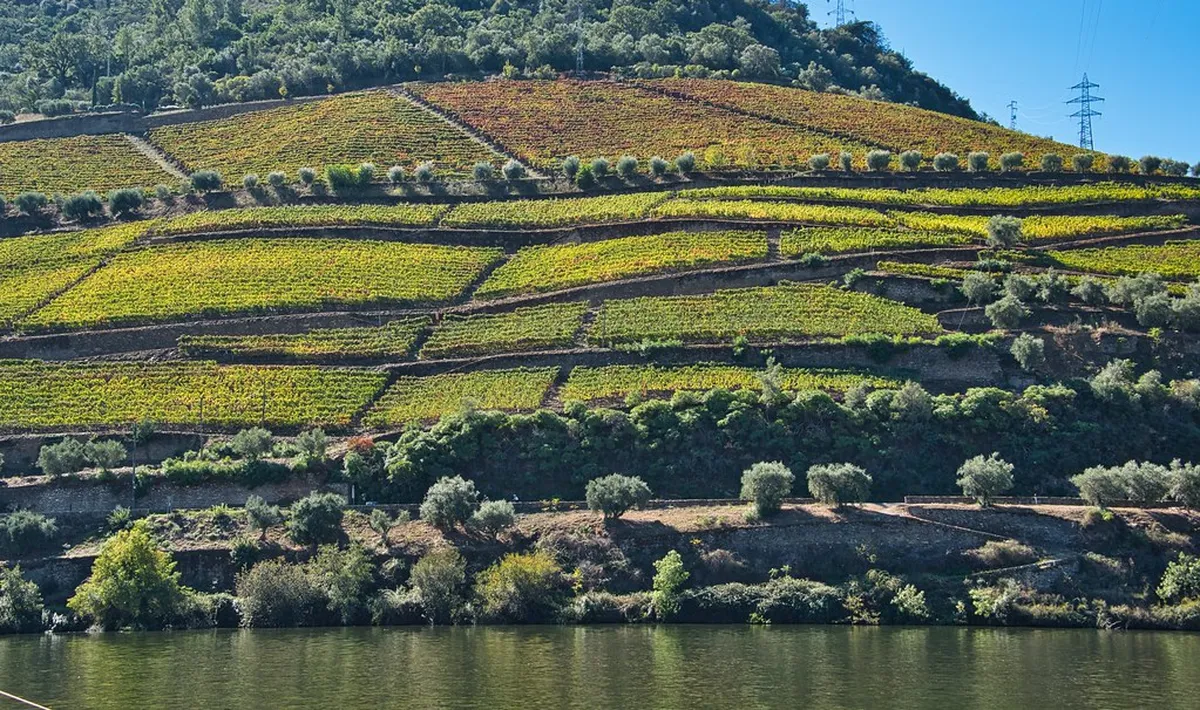
In 2001 this area became a UNESCO World Heritage site for its outstanding cultural landscape. Humans have reshaped these steep hillsides into productive vineyards over two millennia, building stone retaining walls — socalcos — by hand to hold schist soil in place. The result is an engineered mountain landscape unlike anywhere else in Europe.
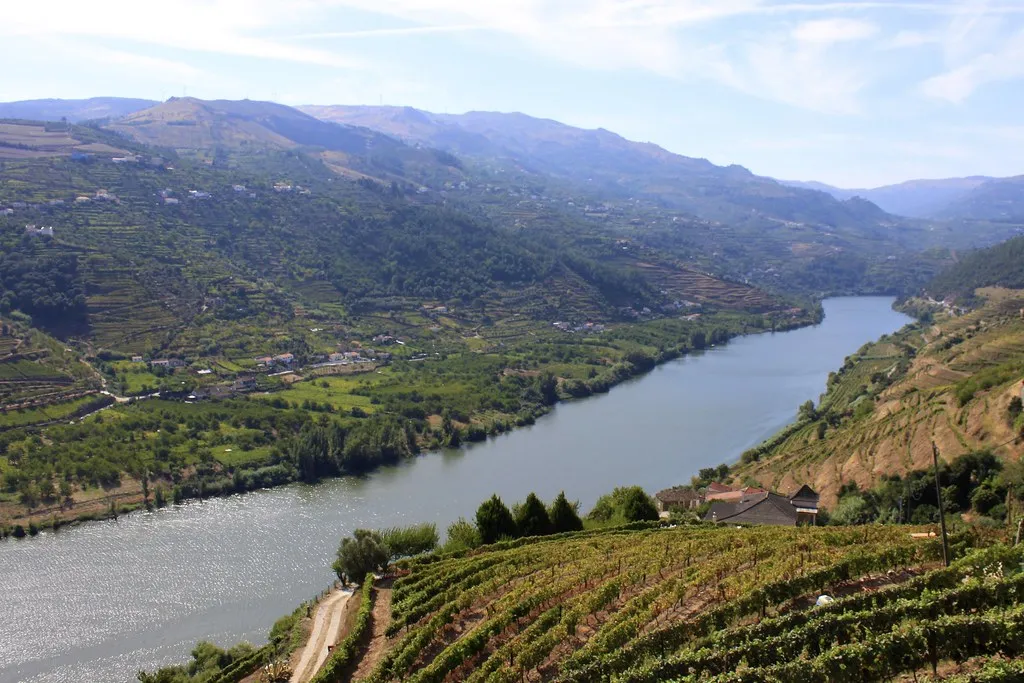
Many visitors wonder where does the Douro river start before exploring the valley. It rises in Spain and cuts a deep east-west corridor through northern Portugal, creating the sheltered microclimate that makes viticulture possible here. Summer floor temperatures regularly exceed 40°C, while elevations above 600 m stay markedly cooler.
Legal protection began in 1756 when the Marquis of Pombal drew the first boundaries for Port wine production — a full century before France demarcated Bordeaux. Those original stone markers (feitoria) still stand in several villages, and the Instituto dos Vinhos do Douro e do Porto (IVDP) enforces production standards today.
The Three Subregions: Baixo Corgo, Cima Corgo, and Douro Superior
The Alto Douro Vinhateiro divides into three climate zones, each producing wines with a distinct character. Baixo Corgo is the westernmost part, receiving the highest rainfall — around 900 mm per year. It produces lighter, fresher wines consumed young, and most visitors pass through here on the drive east from Porto without realizing they have entered wine country.
Cima Corgo is the heart of the region and the epicentre of Port wine production. Rainfall drops to 600–700 mm per year, summer heat intensifies, and virtually all vintage Port declared by major shippers draws primarily from here. Pinhão sits at the centre of this subregion, surrounded by the most celebrated quintas in the valley.
Douro Superior stretches east toward the Spanish border and receives as little as 400 mm of annual rainfall. Extreme continental temperatures suit certain indigenous grape varieties exceptionally well. While historically underdeveloped, it now produces some of the valley's most expressive unfortified table wines, and lower land prices attract younger winemakers looking for room to experiment.
Understanding the Wines: Port, Table Wines, and Moscatel
Port wine comes in several distinct styles worth knowing before you arrive. Ruby Port is the youngest: fruity, deeply coloured, aged two to three years in large wooden vats. Tawny Port oxidises slowly in small barrels and comes in 10, 20, 30, and 40-year categories indicating average barrel age. Late Bottled Vintage (LBV) is single-year Port ready to drink without decanting. A declared Vintage Port — made only in exceptional years and aged decades in bottle — is the pinnacle of the category.
Unfortified Douro table wines have earned serious international respect over the past two decades. Producers use the same indigenous varieties — Touriga Nacional, Tinta Roriz, Touriga Franca — to make structured reds and aromatic whites. A good Douro red at a quinta cellar door runs €8–20 per bottle in 2026.
Moscatel de Favaios is the region's overlooked specialty. This sweet fortified wine carries a distinct floral and apricot aroma and is typically served chilled as an aperitif. The local cooperative sells it for around €6–10 per bottle. Pair it with Pão de Favaios — the four-cornered bread that local bakeries produce specifically for this purpose.
Two Terrace Systems That Change What You See
Most guides treat the terraced vineyards as a single aesthetic, but two fundamentally different systems exist in the valley. The traditional socalcos are horizontal stone retaining walls, often just wide enough for a single row of vines, stacked up steep slopes like giant steps. These walls require constant maintenance and cannot be worked by machinery, but they preserve the oldest vines in the region — some over a century old.
From the 1970s onward, a system called vinha ao alto (vertical planting) was introduced on gentler slopes to allow tractor access. Rows run up and down the hillside rather than across it. A third system — patamares — uses wide earth-cut terraces that accommodate machinery without the stone-wall upkeep. Knowing these distinctions helps you understand why a quinta's vineyard can look completely different from its neighbour a few kilometres away.
Ask estate staff which system they use and why — socalcos typically signal old-vine character and artisanal production, while vinha ao alto or patamares indicate newer plantings. Most wine-tour operators never prompt visitors to make this distinction.
Essential Towns to Use as a Base
Peso da Régua serves as the main gateway and commercial hub. The Douro Museum here is worth a ninety-minute visit for its account of the region's history. Many towns in Douro Valley make good bases, but Régua has the best transport connections including the Linha do Douro train from Porto.
Pinhão is the most photogenic village in the valley. Its railway station platform is lined with blue-and-white azulejo tiles depicting traditional harvest scenes — entry is free and the tiles alone justify the stop. In peak season (July–September), accommodation books out weeks ahead.
Favaios sits at around 650 m elevation, offering cooler temperatures and a genuinely local character. Sabrosa, nearby, is the birthplace of Ferdinand Magellan — a useful stop if you want history beyond wine.
Historic Quintas: What to Expect on a Visit
Quintas are the primary visitor experience in the region. Most offer a structured visit: a vineyard walk, a cellar tour, and a guided tasting of three to six wines. Prices range from €10 to €35 per person; premium tastings that include aged Tawnies or vintage Port can reach €60. Book at least two weeks ahead in summer and a month or more ahead during harvest season.
Standard quinta tastings cost €10–€35 per person; premium tastings featuring aged Tawnies or vintage Port can reach €60. Book at least two weeks ahead in summer and a full month ahead during harvest season (September–October).
Quinta do Vallado is one of the most accessible and historically significant estates. Founded in 1716, it was once the property of Dona Antónia Adelaide Ferreira, who bought up distressed vineyards during the phylloxera crisis and saved large parts of the valley's production base. It now offers guesthouse accommodation from around €150 per night. Check the Catavino Douro Guide for a broader list of quinta visits worth booking.
Ramos Pinto's Quinta de Ervamoira, deep in Douro Superior near the Spanish border, operates a small museum on pre-phylloxera viticulture. The 90-minute drive from Pinhão is worth it for visitors who want more than a standard tasting room experience.
Where to Stay in the Douro Valley
Staying overnight in the valley rather than day-tripping from Porto is strongly recommended. The best light for photography falls early morning and late afternoon — both require a local base. Overnight guests at quintas can often walk the vineyards at dawn before tour groups arrive, which is a significant advantage in high season.
Quinta-hotel accommodation is the premium option. Estates like Six Senses Douro Valley near Sabrosa start around €400 per night in peak season. Family-run quinta guesthouses run €80–150 per night and typically include breakfast and a cellar tour. Reserve at least six weeks ahead for September.
Régua has guesthouses in the €40–80 range. Vila Real, 25 km north on the plateau, is cheaper and has car rental agencies — useful if you plan to drive the N222 daily. Holiday-let apartments offer the best per-person value for groups of four or more.
How Many Days Do You Need?
A single day trip from Porto is possible but leaves most of the valley unseen — roughly five hours in transit limits serious exploration. If a day is all you have, focus on Pinhão rather than Régua: the views, station tiles, and quintas are more concentrated there.
Two days is the practical minimum. Day one: drive or train to Régua, visit a Baixo Corgo quinta, continue to Pinhão, check in. Day two: morning at Casal de Loivos viewpoint, two quinta tastings in Cima Corgo, an afternoon boat trip. Three days adds Favaios, a half-day drive into Douro Superior, and time to explore the southern bank without rushing.
During harvest in late September and October 2026, add at least one extra day for road traffic on the N222 and higher demand at quinta visits. Book accommodation by July for a September harvest stay — it is not excessive to plan that far ahead.
The Best Viewpoints in the Valley
São Leonardo de Galafura sits high above the river between Régua and Pinhão. The poet Miguel Torga described this hillside as a "geological poem." Afternoon light from the west is ideal; a golden-hour shot from this spot reliably delivers.
Miradouro de Casal de Loivos overlooks Pinhão and the river's sweeping S-bend and is consistently rated among the finest views in the world by travel photographers. Parking holds about ten cars. Arrive before 09:00 or after 17:00 in July and August to avoid tour buses.
São Salvador do Mundo, on the south bank near São João da Pesqueira, is less visited and arguably more dramatic. A small chapel and granite crucifix mark the spot, with vertical drops on three sides. Few day-trippers reach it, which keeps it quiet even in peak season — use GPS, as the road from São João is unmarked.
Getting There and Getting Around
The Linha do Douro train from Porto Campanhã reaches Régua in about 1 hour 45 minutes and Pinhão in about 2 hours 30 minutes. Sit on the right side heading east for the best river views after Caíde. A second-class ticket from Porto to Pinhão costs around €12–14 in 2026. Check the Visit Portugal Official Website for current schedules.
Driving gives access to viewpoints and remote quintas that trains cannot reach. The N222 between Régua and Pinhão — a narrow, winding 25 km road hugging cliffs above the river — is frequently called the world's most scenic drive. Drive it slowly; overtaking is difficult. Petrol stations are sparse east of Pinhão, so fill up before heading into Douro Superior.
Rabelo boat trips run 60–90 minutes from Pinhão and Régua multiple times daily in summer, costing around €15–25 per person. Full-day river cruises from Porto that include a train return are popular but allow only two hours in the valley — treat them as a preview rather than a complete visit.
Best Time to Visit
Late September and early October is the peak for a reason: harvest is underway, the valley smells of fermentation, and many quintas are open for visitors to watch foot-treading in granite lagares. Temperatures average 22–26°C in the day and around 14°C at night. Book accommodation by July. Many Douro valley tourism attractions run at full capacity during this window.
May and June offer excellent conditions with far fewer crowds. The vine canopy is vivid green, quinta tour slots are easy to secure, and temperatures are comfortable at 18–25°C. Spring almond blossom peaks in February and early March along the lower valley — spectacular but cold (nights can drop to 4°C) and some quintas run reduced hours.
July and August bring 38–42°C on the valley floor. Plan outdoor activity before 10:00 and after 17:00. Winter (November–February) is quiet: guesthouse rates drop 30–40% and the misty, austere atmosphere appeals to photographers who dislike harvest-season crowds.
If you visit in July or August, schedule vineyard walks and quinta tours before 10:00 or after 17:00 — valley floor temperatures regularly hit 38–42°C at midday. Winter visits (November–February) offer guesthouse rates 30–40% lower than peak season.
Frequently Asked Questions
Why is the Alto Douro Wine Region a UNESCO World Heritage site?
The region earned UNESCO status in 2001 because it is an outstanding example of a traditional European wine-producing area. Humans have shaped the landscape for over 2,000 years through social and economic efforts. You can learn more about these heritage sites on the Portugal Wander blog.
What is the best time of year to visit the Douro Valley?
The best times to visit are late spring in May or during the autumn harvest in September. Spring offers mild weather and blooming flowers across the hills. Autumn provides the chance to see the grape harvest in action and enjoy vibrant fall colors.
How do you get from Porto to the Alto Douro wine region?
You can reach the region by train, car, or boat from Porto. The train takes about two and a half hours and offers scenic river views. Driving is faster and allows you to visit remote quintas that are not accessible by public transport.
What is the difference between the three Douro subregions?
The subregions differ mainly by climate and the style of wine they produce. Baixo Corgo is the wettest and coolest area. Cima Corgo is the heart of Port production, while Douro Superior is the hottest and driest part near the Spanish border.
The Alto Douro Wine Region is a masterpiece of human effort and natural beauty. Visiting this UNESCO site allows you to connect with centuries of Portuguese tradition. From the historic quintas to the winding river, every corner tells a story. Start planning your journey to this iconic wine destination today.
For related Douro Valley guides, see our 10 Essential Tips for Visiting Alto Douro Vinhateiro and 10 Best Towns in the Douro Valley to Visit articles.
 10 Best Tips for Timing Your Visit to GuimarãesJune 8, 2026
 9 Essential Tips for Visiting Guimarães CastleJune 8, 2026
 University Of Coimbra Visitor Guide Travel GuideMay 26, 2026