Douro Valley 3 Day Itinerary: The Ultimate Wine Guide
Plan the perfect Douro Valley 3 day itinerary. Includes the best quintas, N222 driving tips, and river cruises for an unforgettable wine country trip.
On this page
A Perfect Douro Valley 3 Day Itinerary
The Douro Valley is a UNESCO World Heritage site known for its terraced vineyards, port wine, and one of Europe's most scenic river drives. This douro valley 3 day itinerary is built for first-timers who want a structured plan without sacrificing flexibility. It covers the N222 coastal road, the key quintas around Pinhão, a Rabelo boat trip, and the Lamego sanctuary — the four experiences that top SERP searches consistently ask about. You can reach the valley easily by taking the 8 Key Things to Know about the Porto to Douro Valley Train, or by driving if you want full control over your winery stops.
At a Glance: Douro Valley 3 Day Itinerary
Three days is the sweet spot for a first Douro visit. It gives you two full winery days and one day split between the river and Lamego, without the rushed feeling of a weekend trip. The structure below minimises backtracking by moving eastward on Day 1 and 2, then looping back toward Porto on Day 3.
- Day 1 — Arrive and drive the N222: Porto to Régua by train or car, lunch in Régua, afternoon N222 scenic drive to Pinhão, evening dinner by the river.
- Day 2 — Quintas and tastings in Pinhão: Morning tour at Quinta do Bomfim, afternoon tasting at a boutique estate (Quinta do Tedo or Quinta de la Rosa), evening meal in the village.
- Day 3 — River cruise and Lamego: Morning Rabelo boat trip from Pinhão or Régua, taxi to Lamego for the sanctuary staircase, return to Porto by 20:00.
Wineries open at 10:00 and last tours typically leave at 17:00. Restaurants in the valley close between 15:00 and 19:00 — plan meals around those gaps. Start each day by 09:30 to stay ahead of tour groups, especially in harvest season (late September to mid-October).
Getting There and Getting Around
Porto is the gateway. By car the A4 highway to Régua takes about 1 hour 40 minutes; to Pinhão add another 25 minutes on the N222. By train, CP Intercidades services from Porto Campanhã reach Régua in roughly 2 hours (from €8.30 each way in 2026). From Régua, a regional train continues to Pinhão — but this is the stretch most itineraries gloss over.
Only four CP regional trains per day run between Régua and Pinhão (approximately 09:15, 13:00, 15:30, and 19:10 in the 2026 timetable). If you linger at a quinta and miss the 15:30 departure, you will wait until 19:10 — which kills your evening plans. Drivers do not face this constraint, but parking at popular quintas fills by 11:00 in peak season. Check the live CP timetable before finalising your day plan.
Car hire from Porto Francisco Sá Carneiro Airport costs from €35–€55/day for a compact. A hire car unlocks the full N222 and gives you access to smaller estates with no shuttle service. If you prefer not to drive, several Porto-based operators run day trips and multi-day guided tours that handle all logistics, though they limit your control over timing and winery selection.
Day 1: N222 Drive and First Taste of the Valley
Leave Porto by 09:00. Arrive in Peso da Régua around 11:00 and stop at the Peso da Régua train station to see its blue-and-white azulejo panels depicting the history of port wine — a brief but worthwhile 20-minute detour. Lunch at Castas e Pratos on the Régua waterfront (mains €14–€20) is one of the best ways to start the trip; the terrace looks directly onto the Douro.
After lunch, pick up the N222 and drive east toward Pinhão. This 26 km stretch is regularly ranked among the world's most scenic drives. Stop at Miradouro de Casal de Loivos — a viewpoint above Alijó — for the panoramic bend in the river. The drive takes 40 minutes without stops, but allow two hours with photos and a coffee in Casal de Loivos village. Arrive in Pinhão by 16:30 and check in before a riverside dinner. The Pinhão train station azulejos, depicting scenes of the wine harvest, are worth a look after dinner — they are lit at night and often deserted once tour coaches leave.
If you are arriving by train and skipping the N222 drive entirely, consider taking the regional train directly to Pinhão (total journey time from Porto: around 2 hours 45 minutes) and spending the afternoon at Quinta da Romaneira's viewpoint, which is accessible by taxi in 15 minutes.
Day 2: The Best Quintas Near Pinhão
This is the centrepiece day. Start at Quinta do Bomfim, owned by the Symington family and one of the most visitor-friendly estates in the valley. The standard tour and tasting runs about 90 minutes and costs €18–€25 per person in 2026 depending on the tier. Book directly on the Symington website at least two weeks ahead in high season. The quinta sits just 1.5 km from Pinhão station and is walkable.
After lunch — either a packed picnic on the quinta grounds or a quick bite back in Pinhão — head to a second estate for contrast. Quinta do Tedo, a small owner-run property above the Tedo river confluence, offers a three-wine tasting for around €15 with exceptional valley views from its terrace. Quinta de la Rosa is another strong option if you want a traditional family estate with overnight accommodation. Both are roughly 15–25 minutes by car from Pinhão. Boutique estates like these rarely appear on group-tour routes, so the experience is quieter and more personal.
For serious Port wine buyers, Quinta do Crasto and Quinta do Vale Meão are in the upper Douro (Douro Superior sub-region) and require a longer drive — around 45 minutes east of Pinhão — but they produce some of the valley's most celebrated Ports and dry reds. Factor this in only if you have a car and plan your afternoon tasting no later than 15:00 to allow time to return before dinner. Evening dining in Pinhão: Veladouro restaurant on the main square does solid regional food with a short but honest wine list.
Most quintas apply the tasting fee against any wine purchase you make on the day — ask at check-in if this is not clearly stated, as it typically saves €15–€20. Boutique estates like Quinta do Tedo often waive the fee entirely if you buy even a single bottle.
Day 3: Rabelo Boat Trip and Lamego Sanctuary
A Rabelo boat trip gives you an entirely different angle on the terraced hillsides — you see the scale of the schist walls from water level in a way that no road or viewpoint replicates. Operators in both Pinhão and Régua run one-hour cruises for around €15–€20 per person. Book the 10:30 or 11:00 departure to leave time for Lamego in the afternoon. Sunset cruises fill first; morning departures are easier to secure 24 hours ahead.
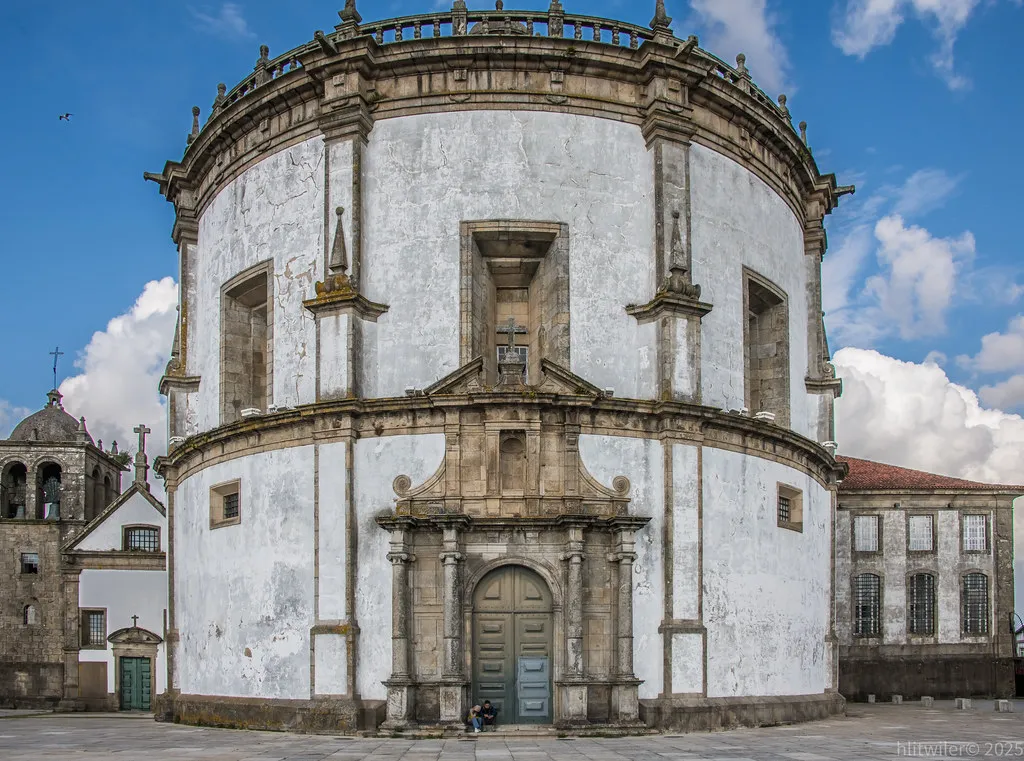
After the boat, take a taxi from Régua to Lamego (approximately €20–€25, 15 minutes). The Sanctuary of Nossa Senhora dos Remédios dominates a hill above the town — its granite baroque staircase climbs 686 steps through 14 landings decorated with azulejo panels and fountains. Walking up takes 20–30 minutes and rewards you with a wide view over the Lamego basin. Lamego is also the production centre for Raposeira sparkling wine, and the town's wine shop on Rua da Olaria sells it cheaper than most supermarkets in Porto.
Leave Lamego by 17:00. Régua to Porto by train departs on regular Intercidades services through the evening; the last convenient departure is around 19:30, putting you back in Porto Campanhã by 21:30. If driving, the A4 return from Régua to Porto takes under two hours.
Where to Stay: Douro Valley Accommodation
Pinhão is the best base if you want to walk to wineries and the river without needing a car for every movement. The village is compact — most key attractions sit within 2 km. Peso da Régua is a larger town with more budget options and better train frequency, making it practical if you arrive late or leave early.
Quinta de la Rosa in Pinhão offers rooms from around €150–€220/night in 2026, including vineyard access and breakfast. It is owned by the same family that runs the winery, so you wake up surrounded by working vines. At the luxury end, Six Senses Douro Valley (near Sabrosa, 20 minutes from Pinhão by car) charges from €450/night and includes spa access and guided vineyard walks — it suits a splurge night if you are extending the trip.
For budget travelers, guesthouses and rural Turismo de Habitação properties in the hills above Régua run €60–€90/night and often include home-cooked dinners. These family-run places provide a level of local insight no hotel can match. Check the Visit Porto listings or book directly via phone — many do not appear on the major platforms. Travelers relying entirely on public transport should prioritise Pinhão accommodation to avoid taxi dependency at night when services thin out significantly.
Wine Tasting Costs and Booking Tips
Standard entry-level tastings at the major quintas cost €12–€25 per person. Premium experiences with food pairing or library wines run €40–€80. Most estates in 2026 apply the tasting fee against any wine purchase you make on the day — ask at check-in if this is not clearly stated, because it often saves €15–€20 immediately. Smaller boutique producers tend to waive the fee entirely if you buy even a single bottle.
Book winery tours directly through each quinta's website rather than through aggregator platforms, which add a 10–15% commission. For the harvest period (mid-September to mid-October), book four to six weeks in advance. Outside harvest, two weeks is usually sufficient for most estates. Email confirmation is essential — a WhatsApp message or phone call is not always logged by the winery's reception staff, and you risk showing up to find your slot gone.
The historic steam train (Comboio Histórico do Douro) runs special weekend services in summer and autumn between Régua and Tua. Tickets sell out within days of release and cost around €30 per person return. CP announces release dates on the cp.pt website and via their social channels. If you can sync your trip with a steam train Saturday, it is the single most atmospheric way to see the valley by rail — even more so than the regular regional service, which is already scenic.
| Experience | Cost per person (2026) | Booking lead time | Notes |
|---|---|---|---|
| Entry-level quinta tasting | €12–€25 | 2 weeks | Fee often offset against wine purchase |
| Premium tasting with food pairing | €40–€80 | 4–6 weeks (harvest) | Library wines or library vintages at top tier |
| Quinta do Bomfim standard tour | €18–€25 | 2 weeks+ | Walkable 1.5 km from Pinhão station |
| Quinta do Tedo boutique tasting | ~€15 | 1 week | 3-wine tasting with valley views |
| Rabelo boat cruise (1 hr) | €15–€20 | 24 hours | Morning departures easier to secure |
| Historic steam train Régua–Tua | ~€30 return | Sells out days after release | Weekend service, summer and autumn only |
The Train Timetable Trap Most Visitors Miss
Most Douro itineraries published online treat the Régua-to-Pinhão regional train as a reliable shuttle. It is not. In 2026 only four trains per day run this 25 km stretch in each direction. If a winery tour runs long and you miss the 15:30 departure, you will wait until 19:10 — which is too late for dinner reservations and means you pay for a taxi anyway. Knowing this upfront changes how you plan Day 1 and Day 2 mornings.
The practical fix: drivers should ignore this entirely and enjoy flexibility. Train-only travelers should map their entire day around those four departure times and avoid booking winery tours that end after 15:00 on the Pinhão side. Alternatively, use a taxi for the Régua-Pinhão leg on one of the days (the fare is roughly €25–€35) and save the train for a direction where the timing is low-risk, such as the morning departure back to Porto.
This timetable constraint also affects the boat-plus-train combination that many visitors attempt on Day 3. If you take a morning boat from Pinhão down to Régua, make sure the cruise returns by 12:30 so you can catch the 13:00 regional train back toward Porto — or accept a longer wait. Cross-referencing the cp.pt live timetable with your cruise operator's schedule before you book is the single most useful planning step for a car-free Douro trip.
Only four regional trains per day run between Régua and Pinhão (2026 timetable: approximately 09:15, 13:00, 15:30, and 19:10). Missing the 15:30 departure means waiting until 19:10 — too late for dinner reservations and you will end up paying for a taxi regardless.
Is 3 Days in the Douro Valley Enough?
For most first-time visitors, yes. Three days lets you cover the main sub-regions — Baixo Corgo around Régua and Cima Corgo centred on Pinhão — without feeling rushed. You get two proper winery days and one cultural day, which is a balanced ratio. A 10 Essential Tips for One Day in Douro Valley: The Ultimate Itinerary trip gives you a taste but forces you to prioritise a single experience, usually either the N222 drive or a winery tour, rarely both.
Serious wine collectors may want four or five days to reach the Douro Superior (the eastern edge near the Spanish border) where Quinta do Vale Meão and Quinta do Crasto operate. That stretch requires a car and an extra night in Foz Côa or Vila Nova de Foz Côa. For everyone else, three days hits the right balance between coverage and pace. The slower rhythm of the valley — long lunches, unhurried tastings — rewards those who resist the urge to over-schedule.
If you want a combined boat then train round trip experience, three days accommodates it neatly on Day 3 without disrupting the two core winery days. Extensions to the Vinho Verde region to the north or the Beira Interior wine country to the south are feasible with a car and an extra day on either end of the trip.
Frequently Asked Questions
Can I visit the Douro Valley without a car?
Yes, you can easily visit by train from Porto to Pinhão. Most major quintas in Pinhão are within walking distance of the station. Local taxis are also available for further estates.
What is the best month to visit the Douro Valley?
September is the best month to experience the exciting grape harvest season. May and June offer beautiful green landscapes and mild weather. Avoid mid-summer as temperatures often exceed 35°C.
How much do wine tastings cost in the Douro?
Standard tastings usually cost between $15 and $35 per person. Premium tours with food pairings can range from $50 to $100. Most wineries require booking at least 48 hours in advance.
The Douro Valley rewards travelers who plan ahead and move at the valley's own pace. This douro valley 3 day itinerary covers the N222, the best quintas, a Rabelo river cruise, and Lamego — the four elements that make most visitors want to return. The key practical details are the train timetable between Régua and Pinhão, booking winery tours in EUR directly with each estate, and locking in Pinhão accommodation early for any travel between May and October. Follow this structure and you will leave with a clear picture of why this valley earns its UNESCO status.
Combine this with our main Douro Valley attractions guide for a fuller itinerary.